Sanitary Pressure Transmitters for Pharma Steam Sterilizers
Comprehending Sanitary Pressure Transmitters in Pharma Steam Sterilization
- Comprehending Sanitary Pressure Transmitters in Pharma Steam Sterilization
- Choosing the Right Sanitary Pressure Transmitter for Pharma Steam Sterilizers
- Installation, Calibration, and Maintenance Best Practices
- Benefits and Performance Insights of Sanitary Pressure Transmitters in Steam Sterilization
- Market Trends and Innovations in Sanitary Pressure Transmitters for Pharma Use
- Conclusion
- FAQ
- Partner with GAMICOS for Premium Sanitary Pressure Transmitter Solutions
- References
Sanitary pressure transmitters are the most important part of pharmaceutical steam sterilization systems because they make sure that important sterilization processes are carefully monitored and controlled. While giving exact pressure readings that meet strict regulatory standards, these specialized tools keep the sterile environment that is needed for making pharmaceuticals. Unlike regular pressure sensors, sanitary pressure transmitters are made in a way that keeps them from getting contaminated. This stops microbes from growing and lets you clean them thoroughly, which is needed in pharmaceutical applications.
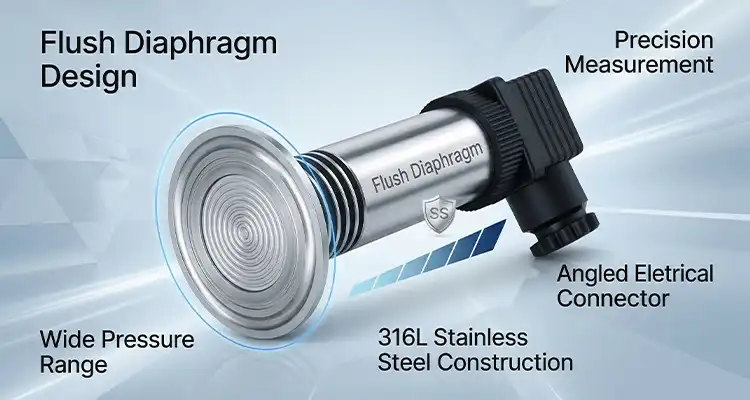
Comprehending Sanitary Pressure Transmitters in Pharma Steam Sterilization
For pharmaceutical facilities to use steam cleaning, they need instruments that meet very high standards for cleanliness and accuracy. Important parts of these systems are the sanitary pressure transmitters, which keep an eye on the pressure levels during sterilization processes to make sure that all pathogens are killed and that sensitive medicinal products don't get contaminated.
The Critical Role of Pressure Monitoring in Steam Sterilization
To get the right sterilization temperatures for steam treatment, the pressure must be carefully controlled. The link between steam sterilizers' pressure and temperature needs to be watched all the time to make sure they keep sterilizing effectively. Changes in pressure can mean that there are problems with the steam quality, the temperature, or the tools that are making cleaning less effective.
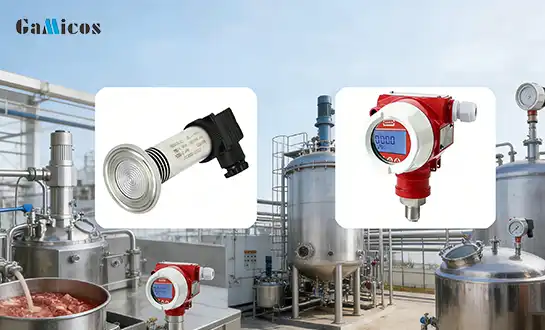
Modern medicinal steam sterilizers work within certain pressure ranges that match temperatures that have been proven to be safe for sterilization. Automated control systems that change the flow of steam, the temperature, and the timing of cycles need data from pressure monitors that are updated in real time. The GPT210 Sanitary Flat Diaphragm Pressure Transmitter is an example of advanced design principles. Its flat diaphragm shape directly feels pressure signals through a diffused silicon pressure core, which guarantees accurate measurements.
Sanitary Design Features for Pharmaceutical Applications
Pharmaceutical pressure monitors are made with special parts that keep them from getting dirty while keeping the accuracy of the measurements. In flush diaphragm designs, there are no empty areas where microorganisms could grow, which meets GMP compliance standards. The 316L stainless steel structure keeps it from rusting when cleaning chemicals and steam are exposed to it.
The quality of the surface finish is very important in the design of cleaning sensors. Smooth, smooth surfaces are easier to clean and keep particles from sticking to them, which could house germs. With welded connections, there are no more threaded joints that leave cracks. This lowers the risk of contamination and makes it easier to do the validation processes needed for pharmaceutical uses.
Choosing the Right Sanitary Pressure Transmitter for Pharma Steam Sterilizers
It is important to carefully consider technical specs, legal compliance, and operating requirements when choosing the right pressure measurement equipment for pharmaceutical steam sterilizers. When making a choice, many things must be taken into account that affect both short-term performance and long-term business success.
Key Technical Specifications and Compliance Requirements
The most important engineering requirement for pharmaceutical pressure monitors is that they measure accurately. To make sure that sterilization parameters are controlled reliably, steam treatment methods need to be accurate to within ±0.25% of full scale. As temperature changes between room temperature and sterilizing temperature over and over again in steam sterilizers, temperature consistency becomes just as important.
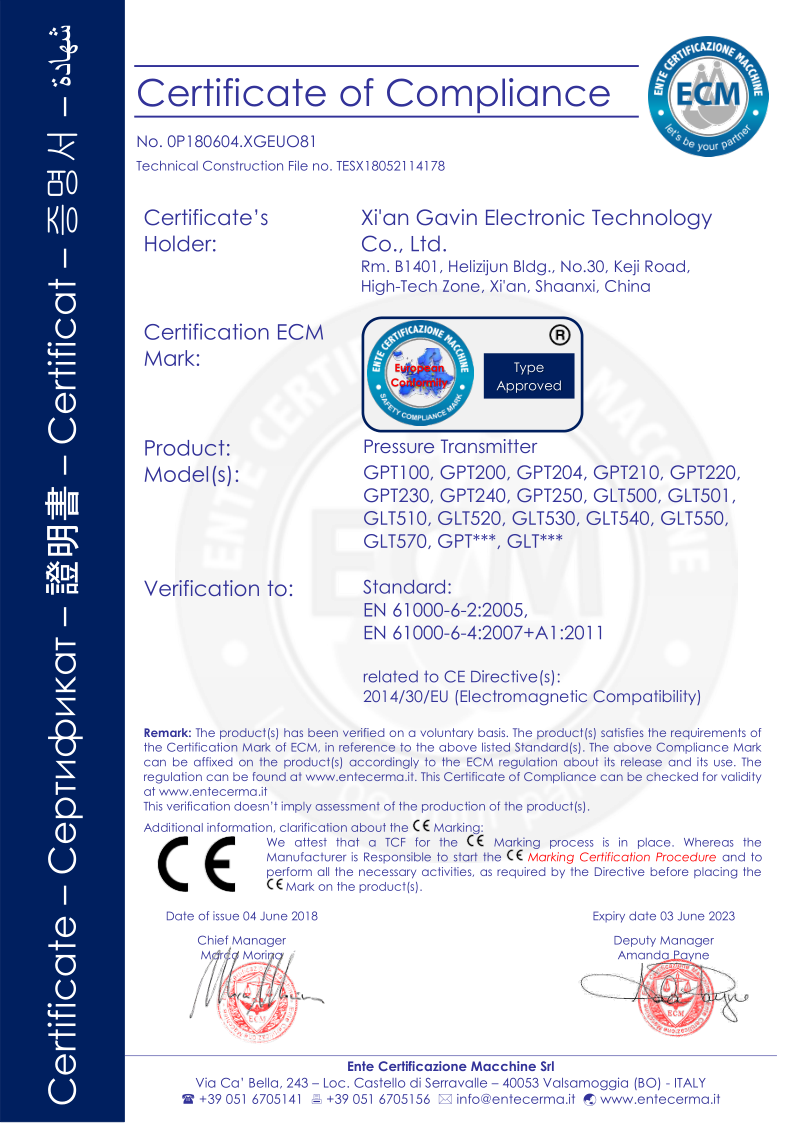
Certification compliance includes a number of international standards that prove a sensor is suitable for use in medicinal settings. FDA rules, 3-A Sanitary Standards, and EHEDG guidelines set standards for material suitability, surface finish, and design that reduce the risk of contamination. The GPT210 transmitter meets these needs thanks to its clean design, which includes features like anti-scaling and great sealing that make sure it works reliably for a long time.
Traditional 4-20 mA output signs are no longer the only way to communicate. Digital communication methods like RS485, IIC, and changeable voltage outputs make it possible for modern applications to connect to complex process control systems. Multiple output choices make it possible to add new features to old systems while still meeting the needs of advanced automation.
| GPT210 Sanitary Pressure Transmitter | |
| pressure range | 0~35kPa...20MPa |
| output signal | 4~20mA, 0~5Vdc, 1~5Vdc, 0~10Vdc |
| power supply | 12~30Vdc |
| accuracy | 0.25%, 0.5% |
| operating temperature range | -40~+85 °C(normal temperature), -40~+150 °C( high temperature) |
| electrical interface | DIN43650, cable connection, 2088 housing+display |
| pressure interface | M20x1.5,G1/2 (customer request) |
| material of pressure membrane | 316L stainless steel |
| material of housing | stainless steel |
| response time(10%~90%) | ≤1ms |
| protection | IP65 |
Supplier Evaluation and Procurement Considerations
When choosing a supplier, it's not just about the products they offer; it's also about their service, quality, and the possibility of a long-term relationship. Pharmaceutical facilities need providers who know what the legal validation standards are and can back up the equipment qualification processes with paperwork.
Having the right technical help skills is very important during installation, commissioning, and continued use. To keep operations running as smoothly as possible, suppliers should offer calibration services, help with problems, and new parts. Being able to make solutions that are specific to certain uses shows that the source knows what they're doing and wants the customer to succeed.
Installation, Calibration, and Maintenance Best Practices
For sanitary pressure transmitters to work properly in pharmaceutical steam sterilizers, they need to be installed, calibrated, and maintained in a way that meets legal requirements and ensures optimal performance.
Installation Guidelines for Pharmaceutical Steam Sterilizers
The first step in planning an installation is choosing a position for the sensors that will give you the most accurate measurements and the easiest access for cleaning and upkeep. Placing the pressure monitors so that there are no dead legs and accurate pressure readings all the way through the sterilization room is important. The direction of mounting affects how well drainage and cleaning work. To avoid fluid buildup, vertical installs are usually chosen.
During the whole installation, clean design principles must be followed when piping is integrated. Sloped pipes keep condensation from building up, and joints that are properly made don't have any cracks that could let contaminants in. The flush diaphragm design of the GPT210 makes fitting easier by getting rid of complicated mounting parts that could be hard to clean.
Calibration Procedures and Documentation Requirements
Pharmaceutical pressure monitors must be calibrated in a way that meets the needs of both quality systems and government regulations. Using NIST-traceable reference standards, regular calibration testing makes sure that measurements are accurate across the sensor's working range. Calibration certificates, traceability records, and studies into deviations when measurements don't meet acceptance standards are all examples of paperwork that must be kept.
How often you need to calibrate relies on how important the application is, how well it has worked in the past, and any rules or regulations that apply. For pharmaceutical uses, calibration verification is usually needed once a year, but it can be done more often during validation times or after major upkeep tasks. The GPT210 transmitter has short-circuit and reverse polarity protections that help keep the calibration from drifting because of electrical problems.
Benefits and Performance Insights of Sanitary Pressure Transmitters in Steam Sterilization
Adding special sanitary pressure transmitters to pharmacy steam sterilization systems makes it easier to direct the process, follow the rules, and run the business more efficiently. These perks have a direct effect on making sure the quality of the product and lowering the cost of making it.
Contamination Prevention and Product Quality Assurance
The main benefit of using sanitary pressure sensors in pharmacy cleaning systems is that they keep the systems clean. Traditional pressure monitors with threaded connections, seals, and rough surfaces can let germs in and make the product less sterile. These risks are taken away by sanitary designs that use smooth surfaces, welded joints, and materials that are especially chosen to work with pharmaceuticals.
The flush diaphragm design stops particles from building up, which could make cleaning less effective or add contaminants to later production runs. This design feature is especially useful in places that process different kinds of products and need to keep them from getting contaminated with each other to follow regulations and keep the purity of the products they make.
Enhanced Process Control and Regulatory Compliance
Accurately measuring pressure allows for exact control of the cleaning cycle, which eliminates pathogens consistently while avoiding overprocessing that could harm heat-sensitive parts. Automated systems can change the steam flow, temperature, and cycle timing based on the real conditions in the sterilization chamber instead of just using setpoints that have been preset.
Better data quality and measurement accuracy help with regulatory compliance by supporting proof paperwork and audit needs. When measurements are accurate all the time, safety gaps in sterilization factors aren't needed as much. This makes the cycle more efficient while still ensuring sterilization. Modern transmitters like the GPT210 don't need to be calibrated or maintained as often because they are better sealed and stay stable over time. This means that production plans don't get thrown off.
Market Trends and Innovations in Sanitary Pressure Transmitters for Pharma Use
As the pharmaceutical industry moves toward technology and the use of Industry 4.0, new sanitary pressure transmitters are being made that make tracking and controlling the sterilization process easier. These technology developments meet new rules and make operations more efficient at the same time.
Digital Integration and Smart Sensor Capabilities
When pharmaceutical plants use smart sensor technology together, they can use predictive maintenance plans to keep tools from breaking down before they affect production. Modern pressure transmitters have built-in troubleshooting tools that check the health of the sensors, find drifts in calibration, and find any mechanical problems that might affect the accuracy of the measurements.
IoT connection lets cleaning processes be watched from afar, so quality assurance staff can keep an eye on many sterilizers from one central control room. Using the cloud to store and analyze data lets you see trends that help you find ways to improve processes and support efforts to keep getting better. Modern transmitters have more than one signal output choice, which makes it easier to connect to both older control systems and more advanced digitalization platforms.
Regulatory Evolution and Future-Proof Design
Regulatory agencies are always changing the standards for sterilizer validation so that they focus on data accuracy, process understanding, and quality assurance methods that are based on risk. Pressure transmitters need to change to meet new standards for better paperwork, better analysis of measurement uncertainty, and more process tracking options.
Future-proof sensor designs use modular structures that let you change the transmission protocol, add new features, or update the firmware without having to replace the hardware. This method keeps the investments that pharmaceutical facilities have made in instruments safe while also making sure that they follow changing government rules and best practices in the business.
Conclusion
For pharmaceutical steam cleaning to work, the instruments must be very accurate and meet strict cleanliness and performance standards. Assuring the efficiency of sterilization and keeping the clean surroundings needed for pharmaceutical production are crucial tasks that are carried out by sanitary pressure transmitters. For pharmacy uses, the GPT210 Sanitary Flat Diaphragm Pressure Transmitter is a great example of how to use advanced design principles to make something that is both clean and strong.
The quality of the product, compliance with regulations, and operating effectiveness are all directly affected by how well these specialized tools are chosen, installed, and maintained. As the pharmaceutical industry continues to use computers and more advanced process control, sanitary pressure transmitters will become more important for making sure that products are safe and that the manufacturing process is done well.
FAQ
What makes a pressure transmitter suitable for pharmaceutical steam sterilization?
For pharmaceutical steam cleaning, pressure transmitters need to be made with 316L stainless steel, have flush diaphragm designs, and have smooth surface finishes that keep germs from getting on them. It's important that these transmitters can handle being cleaned and exposed to steam many times while still measuring accurately and meeting government standards like FDA, 3-A Sanitary Standards, and GMP requirements.
How often should sanitary pressure transmitters be calibrated in pharmaceutical applications?
Pharmaceutical pressure transmitters usually need to be calibrated once a year, but the exact plan depends on how important the application is, how well it has worked in the past, and government rules. Some facilities do verification checks every three months, either during validation times or after major repair work, to make sure that measurements stay accurate and that they are in line with regulations.
What are the key differences between standard and sanitary pressure transmitters?
Sanitary pressure transmitters feature specialized design elements including flush diaphragm configurations that eliminate dead spaces, welded connections instead of threaded fittings, and surface finishes that make cleaning easier. These features of the design keep the product from getting contaminated. Regular transmitters might have cracks, gaskets, or uneven surfaces that bacteria could hide in pharmacy settings.
Partner with GAMICOS for Premium Sanitary Pressure Transmitter Solutions
GAMICOS offers state-of-the-art pressure measuring systems designed especially for use in medicinal steam sterilization. Our GPT210 Sanitary Flat Diaphragm Pressure Transmitter blends cutting-edge technology with a track record of dependability. It has multiple signal outputs, sanitary design elements, and a strong build that meets strict pharmaceutical requirements. As a reliable sanitary pressure transmitter manufacturer, we provide full support, including customization services, expert advice, and quick after-sales service to make sure your equipment works at its best for as long as it's in use.
We have worked with pharmaceutical plants in North America, Europe, and Asia, so we have a deep knowledge of legal requirements and application difficulties. Get in touch with our technical experts at info@gamicos.com to talk about your unique sterilization tracking needs and find out how our sanitary pressure measurement solutions can help your facility run more smoothly and meet legal requirements.
References
1. The principles and practices of pharmaceutical steam sterilization for validation and control. The 2023 Journal of Pharmaceutical Sciences and Technology.
2. Sanitary Design Guidelines for Instruments Used to Measure Pressure in the Pharmaceutical Industry. Technical Report from the International Society for Pharmaceutical Engineering, 2022.
3. Control and monitoring technologies for the steam sterilization process are used in modern pharmaceutical facilities. Magazine of Pharmaceutical Engineering, 2023.
4. Regulations for instruments used to measure pressure in FDA-regulated manufacturing settings. Series of FDA Guidance Documents for 2022.
5. New technologies for pressure sensors that can be used in biotechnology and medicine. Review of Biotechnology Progress and Technology, 2023.
6. Strategies for keeping pharmaceutical steam sterilization systems from getting contaminated. The Journal of Validation Technology and Regulatory Affairs will publish in 2022.

Eva
Eva specializes in bridging the gap between cutting-edge sensor technology and market needs. With 8 years of experience in industrial product marketing, she has successfully launched multiple sensor product lines—from pressure transmitters to fuel level sensor—into global markets.
We're here to help — submit your request anytime!
Let us know how we can help solve your pressure level measurement challenge.
_1757930850792.jpg)
Recommended Blog

Top Sanitary Pressure Transmitter Suppliers in Europe & America

Sanitary Pressure Transmitter Export Trends in Asia & Europe

Best Sanitary Pressure Transmitter for Pharmaceutical Applications
Top Sanitary Pressure Transmitter Suppliers in Europe & America
Sanitary Pressure Transmitter Export Trends in Asia & Europe
Best Sanitary Pressure Transmitter for Pharmaceutical Applications
Sanitary vs Industrial Pressure Transmitters: Key Differences Explained