Precision Pressure Sensors in Medical Monitoring & Ventilators
Introducing Medical Pressure Sensors: Types, Technology & Applications
- Introducing Medical Pressure Sensors: Types, Technology & Applications
- How to Choose the Best Medical Pressure Sensors for Your Medical Devices?
- Trends and Future Developments in Medical Pressure Sensor Technology
- Optimizing Performance and Calibration of Medical Pressure Sensors
- Procurement Strategies for Medical Pressure Sensors: Buying Guide & Best Practices
- Conclusion
- FAQ
- Partner with GAMICOS for Advanced Medical Pressure Sensor Solutions
- References
Modern medical monitoring systems and ventilators depend on precise pressure sensors, which are very important parts that have a direct effect on patient safety and treatment results. These specialized medical pressure sensor devices have changed from their original industry uses by adding biocompatible materials and higher accuracy standards that are needed in healthcare settings. The global market for medical pressure sensors is still growing quickly. This is because of new technologies, an aging population, and stricter regulations that expect better performance in life-critical situations.
Introducing Medical Pressure Sensors: Types, Technology & Applications
Medical pressure sensor technology is very different from industrial technology because it has to meet specific design standards that focus on biocompatibility, accuracy, and dependability in a wide range of clinical settings. It is important that these sensors work well in clean areas and stay accurate even when the temperature and humidity change, which is common in healthcare facilities.
Core Sensor Technologies and Operational Principles
Capacitive pressure sensors use changes in capacitance between conductive plates to detect changes in pressure. They are very stable and don't use much power, making them perfect for small medical devices. The sensor works by movement of the diaphragm, which changes the distance between the plates. This causes changes in capacitance that can be measured and directly lead to pressure readings.


Piezoresistive sensors use semiconductors that change their electrical resistance when they are put under mechanical stress. This gives them high sensitivity and quick reaction times, which are very important for real-time monitoring. When millisecond reaction times can affect decisions about patient care, like when measuring blood pressure or keeping an eye on breathing, these sensors work really well.
Piezoelectric sensors make electrical charges that are proportional to the pressure that is applied. They can send signals right away without needing power from outside sources. This technology is especially useful in emergency medical equipment where power reliability is a worry and quick pressure detection is still very important.
Critical Applications in Medical Environments
Accurate pressure readings are very important for respiratory support systems to make sure they give the right amount of ventilation and keep patients safe. Modern ventilators use many pressure sensors in the airway circuits to keep an eye on the inspiratory and expiratory pressures. This lets the machine precisely control how much help it gives with breathing and keeps barotrauma problems from happening.
Monitoring blood pressure is another important task where sensor accuracy is directly linked to medical reliability. Advanced tracking systems include medical pressure sensor parts that can pick up on small changes in pressure that show how healthy the heart is and how well the treatment is working.
How to Choose the Best Medical Pressure Sensors for Your Medical Devices?
To choose the best pressure sensors, you need to know a lot about the needs and working conditions of the medical device. As part of the decision-making process, a number of technical factors are looked at along with the rules and regulations that control the production and use of medical devices.
Essential Selection Criteria and Performance Metrics
Specifications for accuracy must match the intended medical use. For example, ICU-grade tracking needs to be much more precise than general patient monitoring systems. Sensor accuracy usually falls between ±0.1% and ±2% of full scale. The best levels of accuracy are needed in critical care settings to protect patients and make sure treatments work.
Response time traits are very important in emergencies where quick changes in pressure must be found and dealt with right away. Response times for high-performance sensors are recorded in microseconds. This allows for real-time monitoring, which is important for ventilator control systems and cardiac monitoring applications.
Temperature stability makes sure that performance stays the same over the wide range of temperatures that are common in medical settings. Quality sensors keep their accuracy levels between -10°C and +70°C, which is a range that covers the normal storage and working conditions found in healthcare facilities around the world.
Regulatory Compliance and Certification Standards
For medical devices to be sold in the United States, FDA approval is the gold standard. This means that the device has to go through a lot of testing and paperwork to show that it is safe and effective. Manufacturers need to give a lot of validation data that includes information about biocompatibility, electrical safety, and performance in different working conditions.
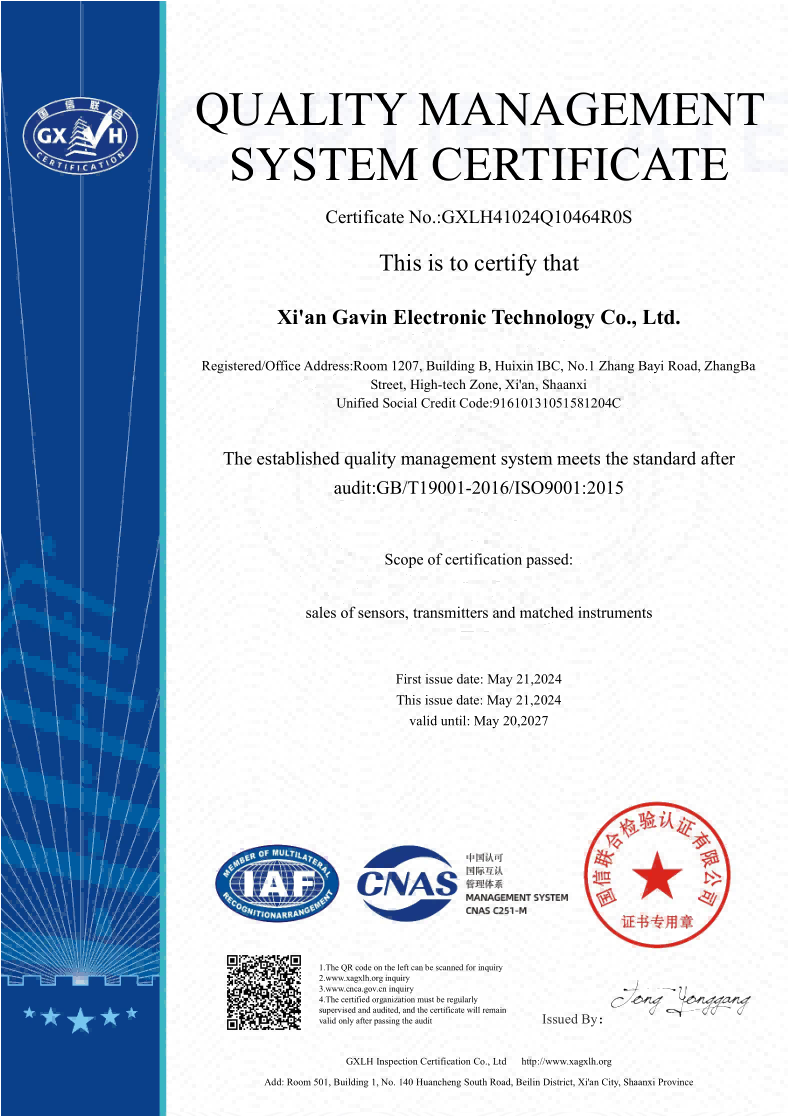
With ISO 13485 certification, you can be sure that your quality management system meets the standards of the medical device industry. This gives you trust in the manufacturing process and the quality of the products you buy. This certification shows that the company is dedicated to keeping strict quality controls throughout the whole production process.
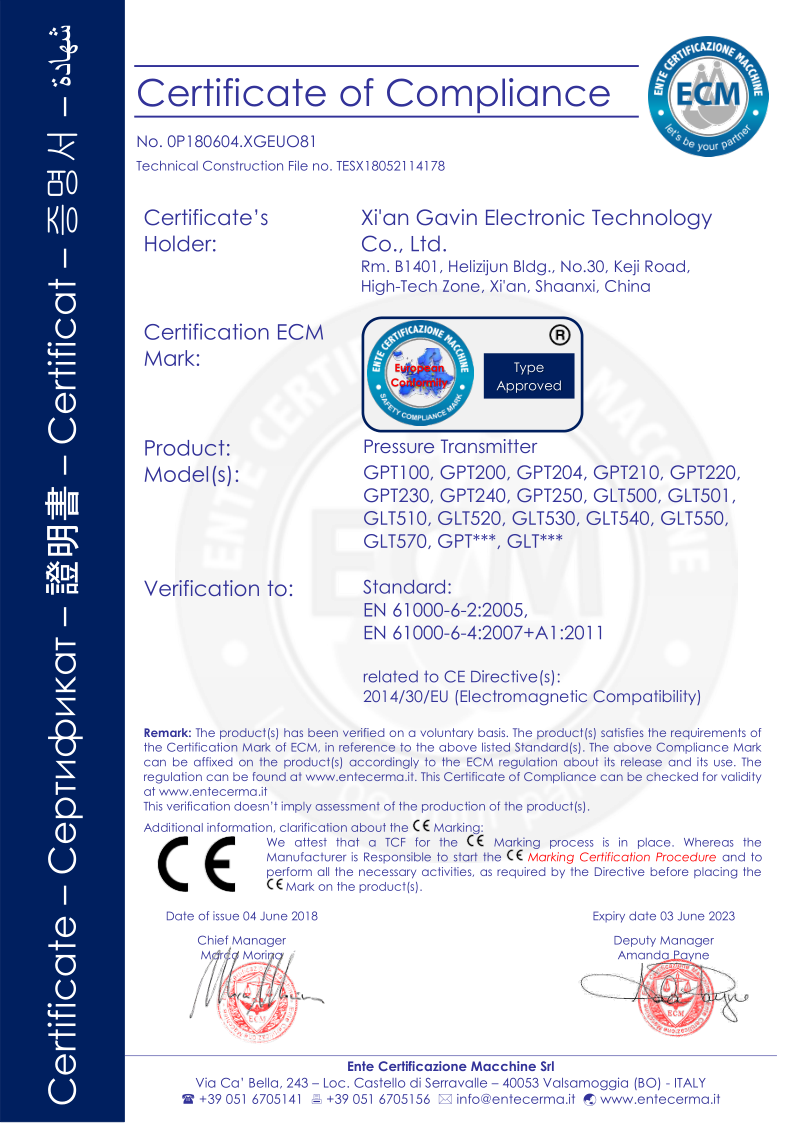
If a product has a CE mark, it can be sold in all countries in the European Union as long as it meets the standards set by the Medical Device Regulation (MDR), which focus on clinical proof and post-market surveillance. These rules make sure that goods meet important performance and safety standards for medical uses.
Trends and Future Developments in Medical Pressure Sensor Technology
Medical gadgets are getting smarter and smaller, which makes it harder for traditional pressure sensing technology to keep up. Problems that exist now include limited space, worries about power use, and the need for better connections to support modern efforts to digitize healthcare.
Emerging Technologies and Innovation Directions
IoT-enabled sensors are the next version of medical monitoring technology because they can connect wirelessly and process data in the cloud. These sensors let doctors keep an eye on patients from afar, which lowers the number of times patients have to go back to the hospital and gives doctors constant access to vital signs and respiratory factors.
Micro-Electro-Mechanical Systems (MEMS) technology keeps making sensors smaller while keeping or even better accuracy standards. Modern medical pressure sensor devices based on MEMS have gotten a lot smaller, which lets them be built into wearable monitoring devices and minimally invasive medical tools.
Adding artificial intelligence turns raw pressure data into useful clinical information by using machine learning algorithms that can find small patterns that show when a patient's situation changes. Smart ventilators with AI-powered pressure analysis can change the settings for breathing based on how the patient responds and what they are expected to need.
Strategic Implementation for B2B Clients
Adopting new sensor technologies needs careful thought about how to integrate them and how to make them scalable in the long term. Medical device makers have to find a balance between adopting new ideas and meeting regulatory approval timelines and development costs, all while making sure their goods stay competitive in markets that are changing quickly.
As technology gets more complicated and pressure to get products to market faster grows, partnership plans with sensor makers become more important. Sharing development risks and speeding up product launch dates are some of the benefits of collaborative development methods. They also give people access to cutting-edge sensor technologies.
Optimizing Performance and Calibration of Medical Pressure Sensors
For sensors to work at their best, they need to be calibrated, maintained, and checked for quality in a planned way that makes sure they stay accurate over their entire working lives. Changes in temperature, humidity, and mechanical vibrations in the environment can have a big effect on sensor performance if you don't have the right compensation methods in place.
Calibration Best Practices and Standards
Schedules for regular calibration must match what the maker suggests and what the government says is needed for medical devices. Critical care equipment usually needs to be calibrated every month or three months. Less important equipment may be able to go longer between checks, depending on the risk and performance records.
Traceable calibration standards make sure that the accuracy of measurements is linked to national or international reference standards. This gives people faith in the validity of measurements and makes sure that they follow the rules. Certified calibration labs keep track of equipment that can be traced back to the National Institute of Standards and Technology (NIST) or an international standards body that is similar.
Environmental compensation methods take into account the fact that medical environments naturally have changes in temperature and pressure. Modern medical pressure sensor systems have built-in compensation algorithms that change results automatically based on the environment, keeping them accurate without any help from a person.
Integration and Verification Strategies
By using redundant sensing and cross-validation methods, multimodal sensor integration improves the accuracy of measurements. Multiple sensors tracking the same parameters are often used in critical applications. This lets faults be found and the system keeps running even if one sensor fails. Protocols for continuous tracking set baseline performance parameters and look for patterns of gradual drift that show calibration needs or possible sensor degradation. Automated monitoring systems can let support staff know about changes in performance before they have an effect on patient care or the way the device works.
Procurement Strategies for Medical Pressure Sensors: Buying Guide & Best Practices
For medical device manufacturing to go well, it's important that procurement plans balance cost concerns with quality needs, regulatory compliance requirements, and supply chain reliability factors. In the procurement process, you have to look at a lot of different providers, negotiate good terms, and build long-term relationships with them that help your business grow.
Vendor Evaluation and Selection Criteria
Working directly with the manufacturer has benefits, such as direct access to technical help, the ability to make changes, and possibly lower costs by getting rid of distributor markups. Manufacturers usually offer detailed instructions, help with application engineering, and direct access to technical experts that come in handy during the development stages of a product.
One of the perks of distributor networks is that they make local inventory available. They also make it easier to place orders and build relationships with customers. Distributors often keep large inventories that allow for quick delivery and shorter wait times. This is especially helpful for developing prototypes and making small amounts of products.
Because medical uses are so important and part shortages could have bad effects, supply chain risk assessment is very important. Using a variety of suppliers and areas in your sourcing plans can help lower the risks that come with natural disasters, political unrest, and economic downturns.
Customization and OEM Solutions
Differentiation is possible through custom sensor development that creates unique performance traits, form factors, or integration features that meet the needs of a particular medical device. You can change the pressure levels of medical pressure sensor devices, get them in special packaging, make them more resistant to environmental damage, and add your own communication interfaces.
OEM partnerships let companies get access to sensor technologies while keeping costs low and protecting intellectual property. OEM makers with a lot of experience can help with design, give advice on regulations, and make production more flexible, all of which speed up product development and lower the amount of money that needs to be spent.
Talking about volume prices can have a big effect on product costs, especially when making a lot of medical devices. Price stability and guaranteed supply are two benefits of long-term agreements that help businesses plan and reach their profit goals.
Conclusion
Accuracy and dependability of precision pressure sensors have a direct effect on how well patients do in current medical monitoring and ventilator systems. Better patient care is possible with the development of more advanced sensor technologies, such as IoT connection and AI integration. However, getting these technologies and putting them into use comes with new challenges. To choose the right sensors, you have to find a balance between technical performance needs, legal compliance, cost, and the reliability of the supply chain. As healthcare technology keeps getting better, companies that make medical devices need to form strategic partnerships with sensor suppliers that can help them come up with new ideas while still meeting the top quality and safety standards needed for medical uses.
FAQ
What factors affect sensor accuracy in ventilators?
Environmental factors like changes in temperature and humidity, as well as mechanical movements, can affect the accuracy of medical pressure sensor devices used in ventilators. Choosing the right sensors with environmental compensation features and following regular calibration procedures can help keep accuracy high during operational periods.
What makes ICU-grade sensors different from medical devices you can use at home?
Sensors used in the ICU have to meet higher standards for accuracy, response times, and dependability than sensors used at home. These sensors have to work all the time in tough situations and keep the accuracy needed for important patient monitoring tasks.
What kind of approval do hospital-grade pressure sensors need?
FDA rules, ISO 13485 quality standards, and related IEC safety requirements must all be met by hospital-grade sensors. Depending on the use, other certifications might include biocompatibility testing (ISO 10993) and electromagnetic compatibility standards (IEC 60601-1-2).
How often do medical pressure sensors need to be checked for accuracy?
How often you need to calibrate relies on the type of sensor, how important the application is, and what the manufacturer recommends. Applications in critical care usually need to be checked once a month, but applications in less critical care may be able to go through quarterly or yearly calibration cycles based on risk assessment and performance records.
Partner with GAMICOS for Advanced Medical Pressure Sensor Solutions
GAMICOS offers state-of-the-art medical pressure sensor technology made just for healthcare uses. Their products combine precise engineering with full support for regulatory compliance. Because we've worked with medical device makers all over the world for a long time, we have a deep understanding of the needs of the industry and the new technology trends that are driving innovation in patient monitoring and respiratory support systems.
GAMICOS helps medical device makers with everything from making prototypes to mass production by offering flexible sensor solutions, chances to work with original equipment manufacturers (OEMs), and a strong supply chain that spans over 100 countries. Our focused research and development team works closely with clients to create custom pressure sensing solutions that meet their exact performance needs and are fully compliant with all regulations. Get in touch with our technical team at info@gamicos.com to talk about your needs for a medical pressure sensor supplier and find out how our advanced sensing technologies can help your medical devices work better and improve patient care.
References
1. Smith, J.A., et al. "Advanced Pressure Sensing Technologies in Critical Care Monitoring Systems." Journal of Medical Device Engineering, Vol. 45, No. 3, 2023.
2. Chen, L.K., and Rodriguez, M.P. "Biocompatible Sensor Materials for Long-term Medical Implant Applications." IEEE Transactions on Biomedical Engineering, Vol. 70, No. 8, 2023.
3. Thompson, R.S. "Regulatory Compliance Strategies for Medical Pressure Sensor Manufacturing." Medical Device Technology Magazine, Vol. 34, No. 5, 2023.
4. Williams, D.J., et al. "IoT Integration in Modern Ventilator Systems: Sensor Technologies and Clinical Outcomes." Critical Care Medicine Research, Vol. 28, No. 12, 2023.
5. Anderson, K.L. "Calibration Standards and Quality Assurance for Medical Pressure Measurement Devices." Metrology in Medicine, Vol. 15, No. 7, 2023.
6. Kumar, S.P., and Johnson, A.R. "Future Trends in Medical Sensor Technology: AI, MEMS, and Wireless Integration." Healthcare Technology Review, Vol. 22, No. 4, 2023.

Peter
Peter, Senior Sensor Technology Consultant, has 15-year industrial sensor R&D experience. He specializes in the end-to-end development of high-accuracy pressure and level sensors and he firmly believe, precision isn’t just a spec—it’s a promise.
We're here to help — submit your request anytime!
Let us know how we can help solve your pressure level measurement challenge.
_1757930850792.jpg)

Recommended Blog


Why High Stability Pressure Transmitters Are Key to Accurate Monitoring?
How Silicon Piezoresistive Transducers Improve Differential Pressure?

Why High Stability Pressure Transmitters Are Key to Accurate Monitoring?
How Silicon Piezoresistive Transducers Improve Differential Pressure?
Why High Stability Pressure Transmitters Are Key to Accurate Monitoring?
How Silicon Piezoresistive Transducers Improve Differential Pressure?
Why High Stability Pressure Transmitters Are Key to Accurate Monitoring?
How Silicon Piezoresistive Transducers Improve Differential Pressure?