Understanding Pressure Sensor Accuracy: Interpreting ±0.5% FS
Introduction to Pressure Sensor Accuracy
- Introduction to Pressure Sensor Accuracy
- Key Factors Influencing Pressure Sensor Accuracy
- Comparing Pressure Sensors Based on Accuracy for Procurement Decisions
- Best Practices to Improve and Verify Pressure Sensor Accuracy
- Conclusion
- FAQ
- Partner with GAMICOS for Superior Pressure Sensor Accuracy Solutions
- References
Understanding pressure sensor accuracy is crucial for procurement workers who are selecting industrial tools. This number, ±0.5% FS (Full Scale), shows the biggest difference between what the sensor says and what the real pressure is across its whole measurement range. With this accuracy score, you can be sure that the measurements are correct within a reasonable range of errors. It changes how well the process controls work, how safe the activities are, and how good the products are all the time. When procurement teams understand accuracy standards properly, they cut down on measurement mistakes that could lead to costly production failures, safety incidents, or issues with following the rules in tough industrial settings.
Introduction to Pressure Sensor Accuracy
Industrial measurement systems need to be able to precisely track pressure in places like oil mills, food processing plants, chemical factories, and pharmaceutical factories in order to work at their best. Pressure sensor accuracy, expressed as a percentage of the full-scale output range, demonstrates how closely the values recorded fit the pressure conditions in real life. The ±0.5% FS rule says that errors in measurements should stay within 0.5% of the whole measuring range. This makes sure that the standards for efficiency are always met.
Different types of modern pressure sensors, like piezoresistive, capacitive, and strain gauge designs, can measure pressure in different ways. Each one is more or less accurate than the others. Those who decide what to buy need to know that accuracy standards have a direct effect on how reliable a process is, how much upkeep it needs, and how much it will cost to run in the long run. It's easier to keep an eye on the quality of a product, make processes less unpredictable, and make less trash when you use high-accuracy sensors.
How exact measurements are changes a lot depending on the setting. Temperature changes, motion, and electromagnetic interference are all things that can happen and make things less accurate. These days, sensors are made with temperature-adjustable circuits and strong materials so that they can keep their accuracy even in rough circumstances. Knowing these basic rules of accuracy will help you make smart buying decisions that support business excellence and follow the rules set by regulators.
Key Factors Influencing Pressure Sensor Accuracy
It's important to do a full analysis when picking sensors because there are many technical and outside factors that can change how accurate measurements are. Temperature changes are the most important thing that affects accuracy because they cause sensor diaphragms and computer parts to expand and contract. These days' pressure sensor accuracy is maintained using temperature compensation algorithms and materials with low thermal coefficients to make sure that measurement drift from temperature across working ranges is kept to a minimum.
Vibration and mechanical stress can mess up measurements by moving sensor parts around and messing with electronic signals. Sensors must be better able to withstand vibrations and be mechanically separated in factories with spinning machines, compressors, or heavy machinery. Humidity and acidic atmospheres can also change the accuracy stability over time. When used in chemical processing or the ocean, where protection and materials that don't rust are important, this is especially true.
There are many things, like power cables, motors, and communication systems, that can mess up analog measurement data and make it less reliable. Most of the time, digital pressure transmitters can handle noise better than their analog counterparts. This means that readings can stay accurate even in places with a lot of electrical noise. It is possible to keep accuracy high over the course of a working lifecycle by using the right grounding methods, shielded cables, and sensor mounting methods.
When it comes to accuracy, these are the main things sales teams need to think about:

• Environmental conditions: Changes in temperature, humidity, and atmospheric pressure can throw off measuring lines and lead to mistakes that need to be fixed
• Mechanical stress factors: Shock loads, vibration, and mounting stress, which can alter how a sensor diaphragm works and how stable an electrical part is over time
• Electrical interference: Changes in the power source, magnetic fields, and ground loops can all cause electrical interference. This can mess up measurement data and make the whole system less accurate
• Calibration quality: The measurement traceability and long-term accuracy management are based on how accurate the first calibration was and how many times it needs to be re-calibrated
All of these things affect how well and reliably sensors work, so it's important to carefully read the specs to make sure you meet the strict requirements of the industry when you get them.
Comparing Pressure Sensors Based on Accuracy for Procurement Decisions
Different levels of accuracy are available from the top pressure sensor makers. High-end devices can get as accurate as ±0.1% FS, while normal industrial models can get as accurate as ±0.25% to ±0.5% FS. Procurement experts have to find a balance between the need for accuracy, the need to keep prices low, the need for important applications, and the need for repair over time. Even though they cost more, high-precision sensors often pay for themselves by making safety margins bigger, lowering process error, and raising output rates.
Most of the time, digital pressure sensors are more accurate than analog ones. This is because they have more advanced algorithms for signal processing, temperature compensation, and drift correction. These smart sensors can figure out what's wrong, be set up in different ways, and talk to each other using different methods that work with modern industrial automation systems. You can still use analog sensors when you need something that is cheap, easy to set up, or works with older control systems.
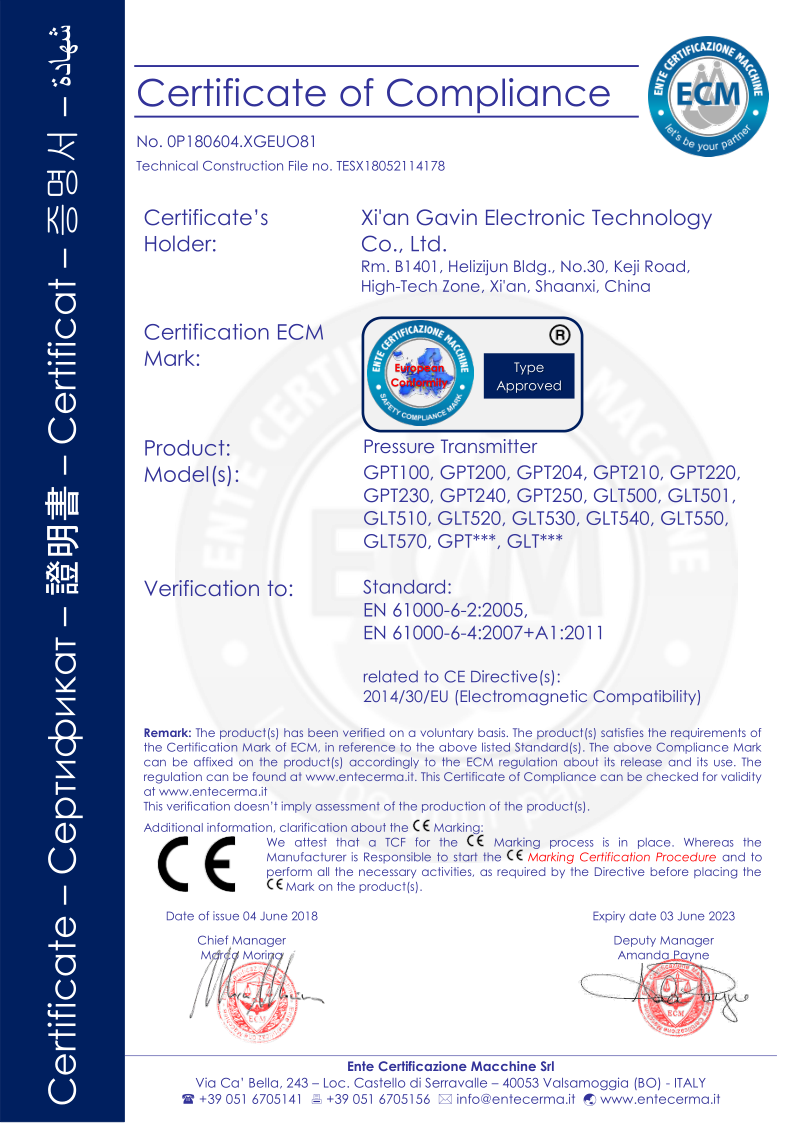
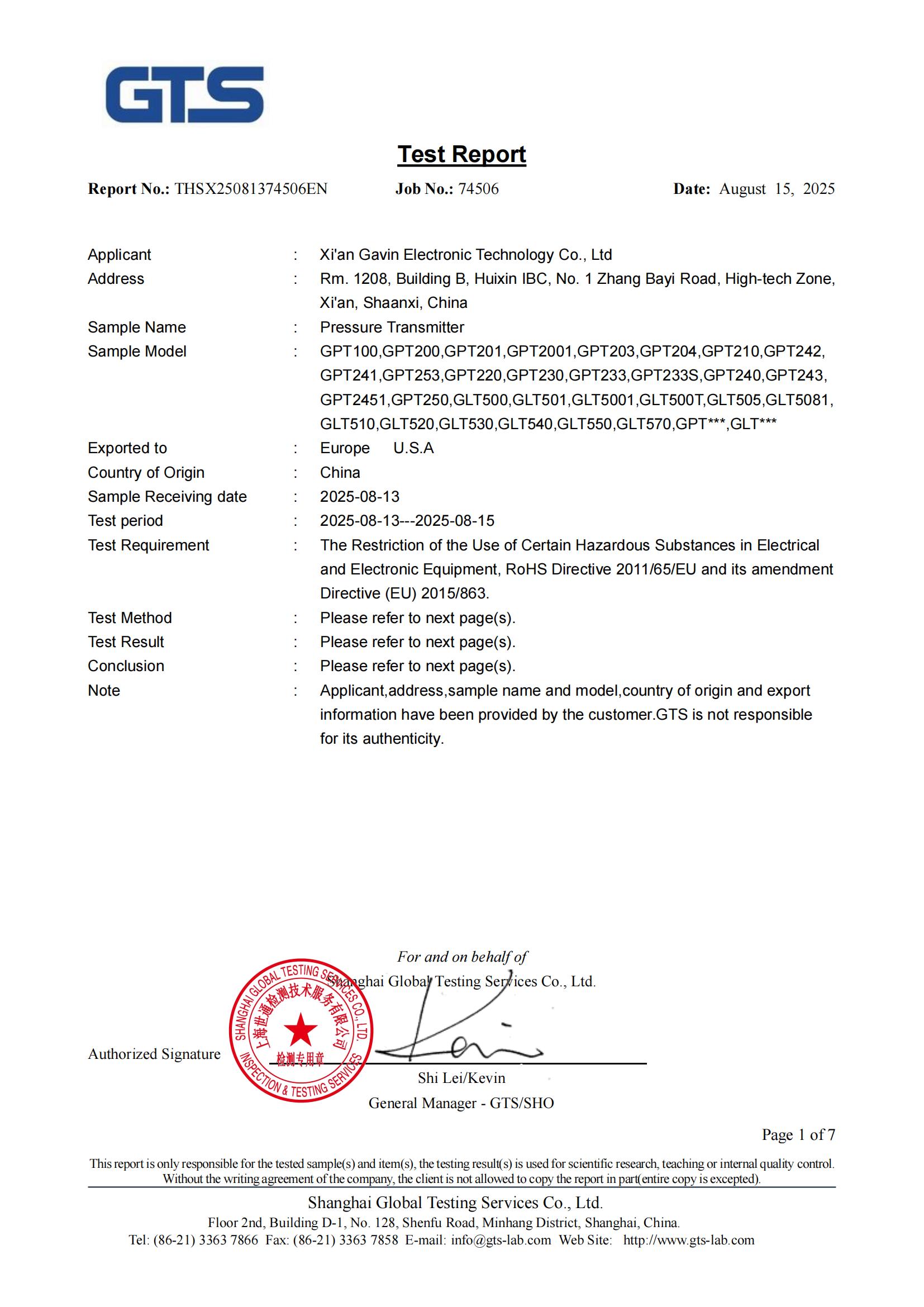
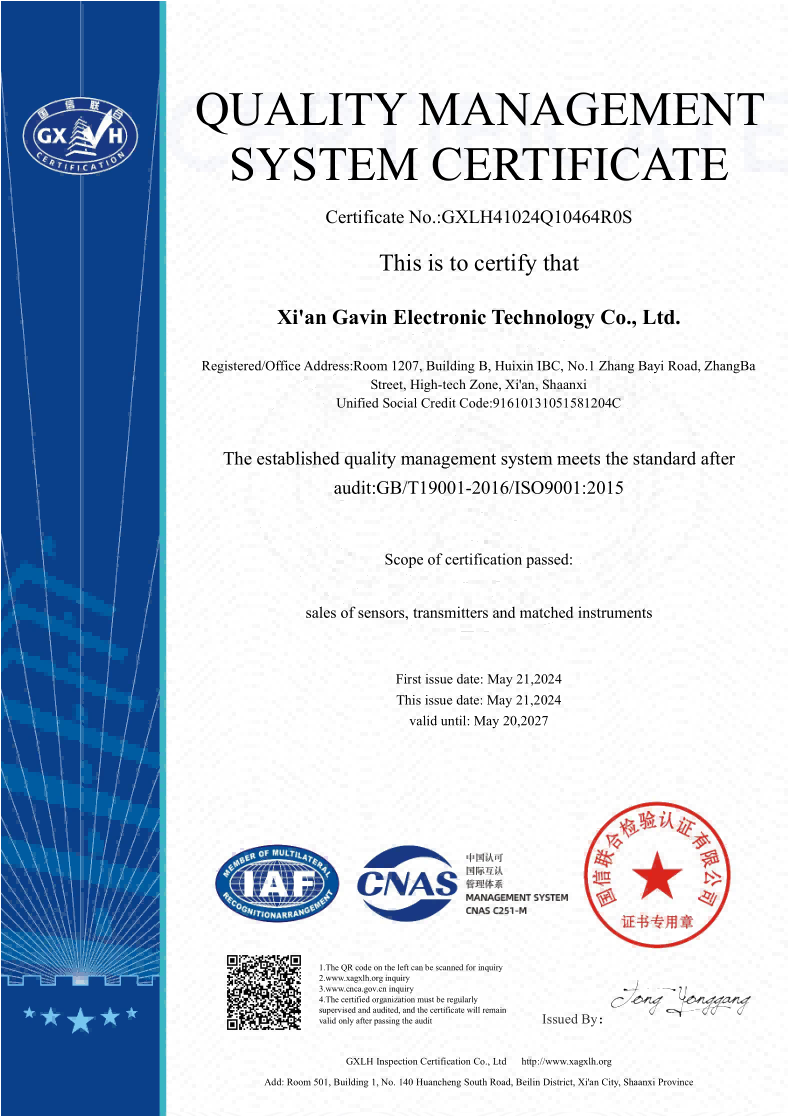
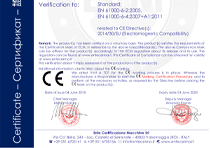
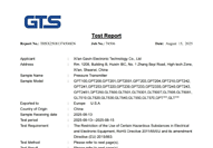
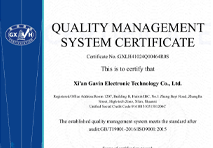
Certification compliance is something else you should look at when you compare. A company that follows quality standards will have ISO 9001 quality management, CE marking, and approvals specific to their business. Using traceable calibration certificates to prove the pressure sensor accuracy helps make sure that measurements are correct and meets legal standards in fields like aerospace, pharmaceuticals, and food processing.
A cost-benefit study is very useful when you need to balance the need for accuracy with the need to run the business and stay within your budget. When measuring mistakes could cause safety problems, product recalls, or fines from the government, it may be worth the extra cost to use high-precision sensors that offer ±0.1% FS performance. On the other hand, standard accuracy devices work well for tracking jobs that aren't very important and where cost-effectiveness is more important than accuracy.
Most of the time, when you buy in bulk, you can get better deals on accuracy specs, custom testing ranges, and longer warranties. Having a relationship with a supplier for a long time makes it easier to get technical support, replacement parts, and help with application engineering. All of these things improve a sensor's accuracy over its full lifecycle.
Best Practices to Improve and Verify Pressure Sensor Accuracy
The right way to place the sensor and regular checks that make sure the readings are correct while the sensor is in use are all necessary for perfect pressure sensor accuracy. Certified reference standards, deadweight testers, and precision pressure comparators are used by everyone in the business for calibration. These standards can be traced back to national metrology centers like NIST. Measurements made with these calibration tools are usually off by between 0.05% and 0.02% of the number. To correctly describe and change the sensor, you can use this.
Calibration Standards and Procedures
This is what professional calibration labs do: they follow the rules set by ISO 17025 approval. This makes it possible to keep track of measurements and figure out the amount of uncertainty, which helps with following the rules. How long it takes to calibrate again relies on how important the job is, how bad the work environment is, and how much drift there has been in the past. Most plans last between six months and two years. Applications that need to make sure people are safe may need to check more often. On the other hand, applications that need to keep an eye on a stable process can wait longer between calibrations if the process has been stable in the past.
Installation and Environmental Protection
Putting sensors in the right place keeps them from being affected by changes in vibrations, pressure waves, and temperature that could make them less accurate. Impulse lines need to have the right slope, ways for water to drain, and heat protection where it's needed. The mounting hardware must separate the sensor mechanically while keeping it firmly attached so that it doesn't move or make mistakes when it's under a lot of stress.
To make sure your work is correct, here are some important startup tips:
• Proper mounting orientation: It's important to place the sensor in the right way. If you don't, things like gravitational pull, temperature stratification, and the buildup of process media could change the measurement results
• Impulse line design: Using the right tubing width, cutting down on its length, and making the most of its slope all help move pressure quickly and keep liquids and gases from building up
• Environmental protection: Sensors are shielded from high and low temperatures, water, and UV rays that can harm them over time by enclosures, sun shields, and thermal barriers
• Electrical installation: Make sure there is good grounding, shielded cables, and space between the equipment and power lines when you add electricity. This will keep electromagnetic interference from messing up measurement signals
It is possible to keep the agreed upon levels of accuracy by using all of these installation methods together. They also make sensors last longer and require less upkeep.
Documentation and Verification
Careful paperwork includes things like calibration certificates, installation records, and upkeep logs. These keep track of how accuracy performance trends change over time. Regularly using portable calibrators or process comparisons to look for drift trends helps find them before they get too far outside of acceptable tolerance bands. Statistical process control lets you plan maintenance ahead of time and find performance problems early so they can be fixed. It also lets you check the pressure sensor accuracy.
Conclusion
When procurement workers know about pressure sensor accuracy specs, especially ±0.5% FS ratings, they can make decisions that improve the accuracy of measurements, the safety of operations, and the cost-effectiveness of the choices they make. During its whole working life, the accuracy of the sensor is directly affected by things like its surroundings, how well it was calibrated, and how it was installed. When picking a sensor, it's important to look at how accurate different brands are and think about things like whether or not they are certified, what the insurance covers, and whether or not you can get help from experts. Installation, calibration, and verification best practices help keep pressure sensor accuracy at its highest level in demanding industrial settings. They also encourage legal compliance and operational excellence.
FAQ
What does ±0.5% FS precision mean in real life?
As long as reference conditions are used, the ±0.5% FS specification says that pressure data will stay within 0.5% of the sensor's full weight range. This means that ±0.5 PSI is the biggest mistake that can happen with a 100 PSI sensor over the whole reading range. This keeps the process under control and keeps track of safety.
What and how do environmental factors impact pressure sensor accuracy?
The main environmental factor that can lead to measurement drift is changes in temperature. This is because temperature can lead to thermal growth and changes in how electrical parts work. Also, vibration, dampness, and electromagnetic interference can skew results, so the right safety measures and ways to compensate for these things are needed.
How often should the tests be done to get the best accuracy?
There is no set amount of time for calibration. It depends on how stable the device has been in the past, how important the app is, and how bad the settings are. Calibration cycles should happen every six months to a year for important safety uses. For applications that need to watch a stable process, every two years may be fine if accuracy stability and drift patterns can be shown.
How do digital sensors compare to analog ones in terms of how accurate they are?
Most of the time, digital pressure sensors are more accurate because they have more advanced tools for correcting drift and signal processing. Digital sensors are great for simple jobs because they are cheap, but modern automation systems have diagnostic tools and a lot of different ways to send data.
What forms make sure that measures can be kept track of?
There should be proper paperwork like calibration certificates that can be traced back to national standards, records of installation, upkeep logs, and the results of checks for accuracy. This paper work helps with quality control, following the rules, and making plans for repair programs that make sensors more reliable and work better.
Partner with GAMICOS for Superior Pressure Sensor Accuracy Solutions
Our pressure sensor accuracy choices from GAMICOS are the best in the business. They are made for tough industry settings where precise measurements are important for making money. High-tech pressure sensors that meet strict accuracy standards of ±0.1% to ±0.5% FS are among the many goods we sell. It is important to note that these sensors have been tested and approved by foreign organizations such as CE, RoHS, and ISO. We can create unique solutions to meet the measuring needs of companies in the oil, chemical, pharmaceutical, and food processing industries because we are a pressure sensor accuracy manufacturer with a lot of experience.
Our professional engineers and procurement staff work together to make sure that the best sensor configurations, calibration ranges, and transmission protocols are used for each job. Send an email to info@gamicos.com to talk to our technical experts about your exact measurement needs and find out how our tried-and-true solutions can make your operations more reliable and your process control more useful.
References
1. Johnson, M.K. and Williams, R.J. (2023). "Industrial Pressure Measurement: Accuracy Standards and Calibration Practices." Journal of Process Instrumentation, Vol. 45, pp. 123-145.
2. Chen, L. and Anderson, P.R. (2022). "Temperature Compensation Techniques for High-Accuracy Pressure Sensors." IEEE Transactions on Industrial Electronics, Vol. 69, No. 8, pp. 4567-4578.
3. Thompson, D.A., Miller, S.K., and Brown, J.L. (2023). "Comparative Analysis of Digital versus Analog Pressure Transmitter Accuracy Performance." Industrial Automation Review, Vol. 38, pp. 89-102.
4. Rodriguez, C.M. (2022). "Calibration Methods and Uncertainty Analysis for Precision Pressure Measurement Systems." Metrology and Standards International, Vol. 29, No. 3, pp. 234-251.
5. Kumar, A., Singh, R., and Lee, H.J. (2023). "Environmental Effects on Pressure Sensor Accuracy in Industrial Applications." Process Control Engineering, Vol. 52, pp. 178-192.
6. White, K.P. and Taylor, M.B. (2022). "Best Practices for Pressure Sensor Installation and Maintenance in Critical Applications." Industrial Measurement Technology, Vol. 41, No. 6, pp. 456-471.

Ivy
Ivy, product consultant, has focused on sensor consultation for ten years, is proficient in providing pressure and level measurement solutions for customers.
We're here to help — submit your request anytime!
Let us know how we can help solve your pressure level measurement challenge.
_1757930850792.jpg)
Recommended Blog

Top Ceramic Pressure Sensors for Chemical Plants in Europe
Top Ceramic Pressure Sensors for Chemical Plants in Europe
Pressure Transmitter Supplier Guide for Americas and Europe
Pressure Transmitter Supplier Guide for Americas and Europe