Pressure Transmitter Supplier Guide for Americas and Europe
Understanding Pressure Transmitters and Supplier Basics
- Understanding Pressure Transmitters and Supplier Basics
- How to Evaluate and Compare Pressure Transmitter Suppliers in Americas and Europe?
- Comprehensive Pressure Transmitter Procurement Process Guide
- Technical Insights for Pressure Transmitter Installation, Calibration, and Maintenance
- Trusted Pressure Transmitter Supplier Brands and Their Industry Reputation
- Conclusion
- FAQ
- Partner with GAMICOS for Your Pressure Transmitter Supplier Needs
- References
To find the best pressure transmitter supplier in the Americas and Europe, you need to carefully look at their professional skills, licenses, and compliance standards for your area. When looking for precise instruments in a number of different regulatory settings, people who work in industrial technology face special problems. This detailed guide gives purchasing teams the information they need to find trustworthy sellers, judge the quality of products, and build long-lasting partnerships that meet strict industry standards.
Understanding Pressure Transmitters and Supplier Basics
In modern industrial measurement systems, pressure transmitters are very important. They take physical pressure and turn it into electrical signs that are used to track and control processes. These high-tech gadgets use a variety of sensing technologies to give accurate, reliable readings in harsh environments like chemical processes, oil and gas, medicines, and manufacturing.
Key Operating Mechanisms and Technologies
The most common type of pressure monitor used in industry is the piezoresistive type, which is very accurate and stable over a wide range of pressures. A distributed silicon pressure sensor is used as the sensitive part of the GAMICOS GPT200 general pressure transmitter, which is an example of this technology. The built-in processing circuit takes millivolt data and turns them into normal voltage and current outputs. This lets computers, control instruments, and display instruments connect directly to the device.
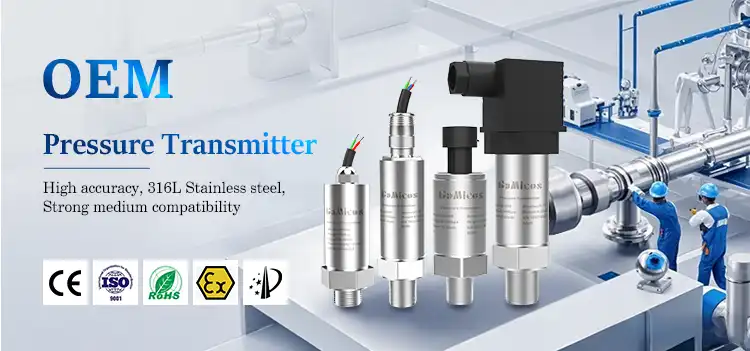
For low-pressure situations, capacitive sensors are more sensitive, while strain gauge types work best in high-pressure settings. By knowing these basic differences, procurement workers can match sensor technology to the needs of a particular application, ensuring the best performance and durability.
Supplier Categories and Value-Added Services
Notable providers offer a wide range of technical support beyond just delivering products. Distributors handle regional logistics and inventory management, while manufacturing partners provide extensive customization options. The best suppliers, including a reliable pressure transmitter supplier, combine deep production expertise with localized support—offering engineering consultation, specialized calibration services, and responsive technical assistance to ensure optimal integration and performance.
Quality sellers follow strict testing procedures all the way through the production process. Each GPT200 pressure transmitter goes through a lot of tests to make sure it works safely and reliably in a wide range of situations. These tests include design verification, workpiece screening, process validation, cyclic loading tests, and outdoor modeling tests.
How to Evaluate and Compare Pressure Transmitter Suppliers in Americas and Europe?
To evaluate suppliers well, you need a methodical approach that takes into account expert skills, legal compliance, and regional logistics. Structured assessment models that put application-specific needs first while still being flexible for different project needs help professional buying teams.
Essential Certification and Compliance Standards
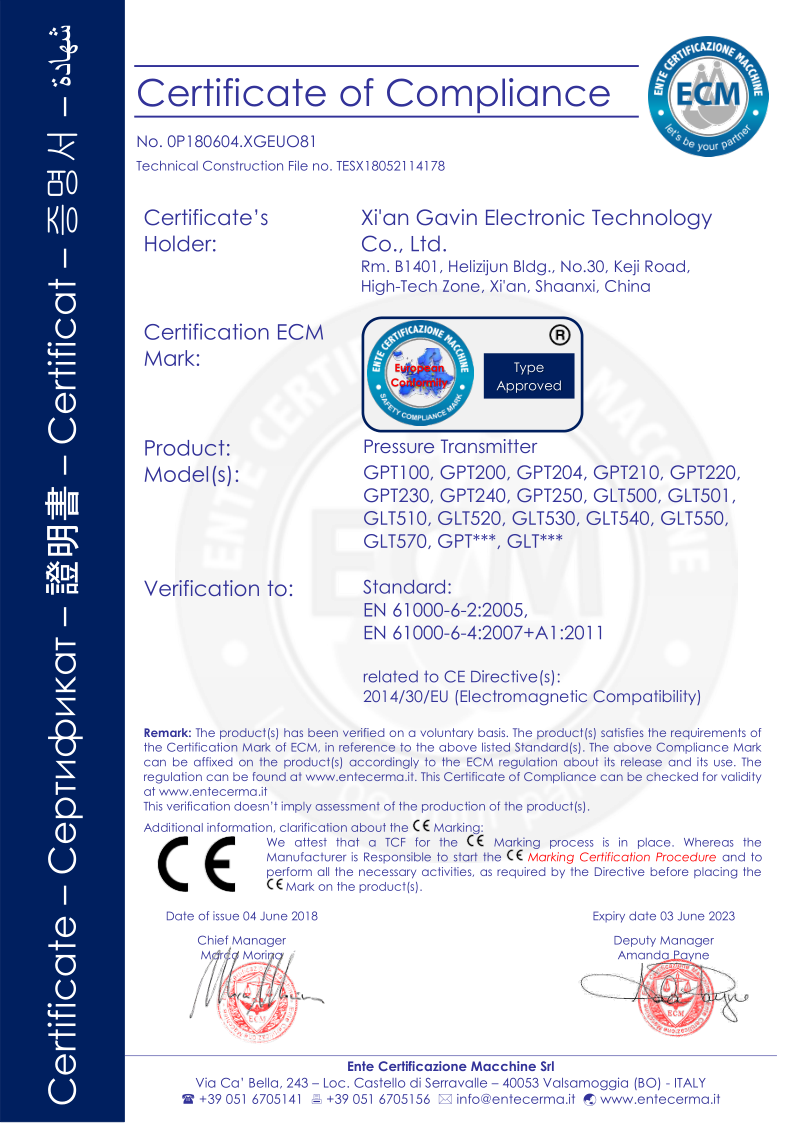
In the Americas and Europe, regional licensing standards have a big effect on which suppliers are chosen. In Europe, uses that work in explosive atmospheres are controlled by the ATEX guidelines. In North America, UL listings make sure that safety standards are met. The CE mark shows that the product meets European standards for health, safety, and environmental security.
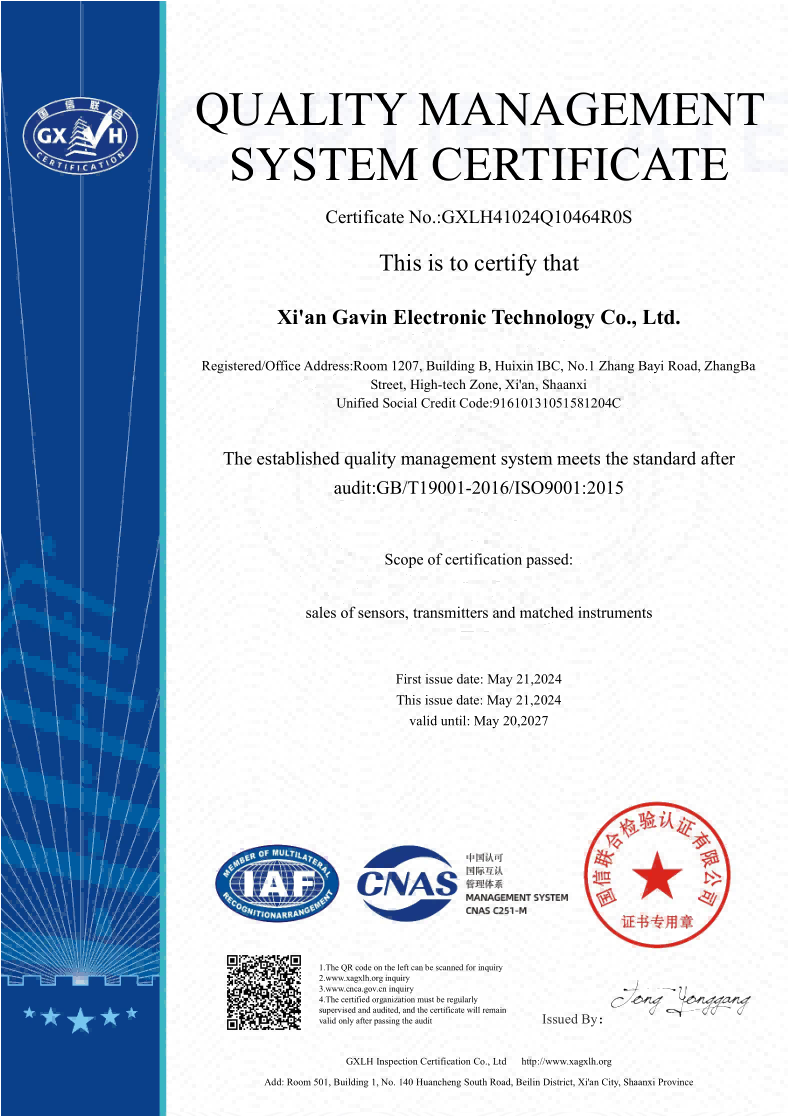
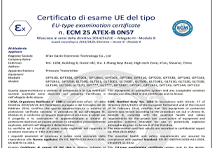
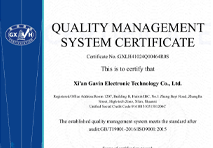
Quality sellers keep up with multiple certifications at the same time, which makes it possible for them to work on foreign projects without any problems. Strong quality management systems are shown by ISO 9001 approval, and practical safety for important uses is proven by industry-specific standards like SIL ratings.
Product Portfolio and Customization Capabilities
Suppliers can meet a wide range of measurement problems with standard methods when they have a wide range of products. Advanced sellers give you a lot of ways to customize your order, such as changing the sensors, the interfaces, and the communication protocols. The GPT200 series shows this freedom with its 316L stainless steel isolation diaphragm, various electrical input choices, and light weight that makes it easy to install and allows OEM customization.
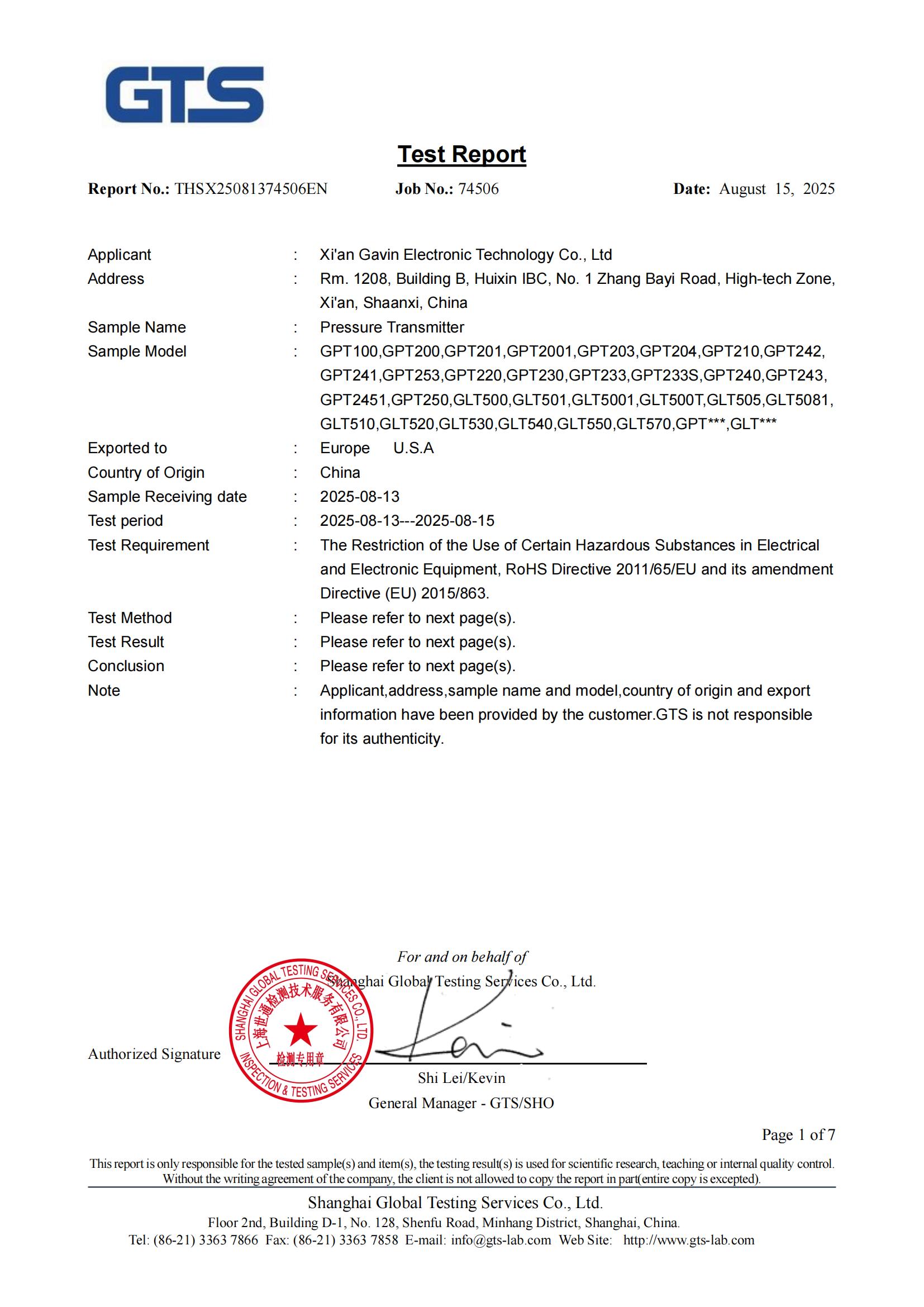
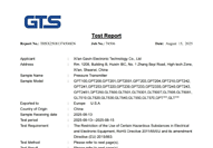
It is important to carefully compare technical specs to the needs of the product. Coverage of the pressure range, compatibility of the output signal, weather ratings, and long-term stability all have a direct effect on how well the system works and how much upkeep it needs. Suppliers should back up their claims about standards with thorough paperwork that comes from independent testing and proof.
Comprehensive Pressure Transmitter Procurement Process Guide
Through organized review and bargaining processes, good procurement strategies reduce risk while maximizing value. Professional buyers use procedures like open bids, sample testing, and seller qualification to make sure that their companies and end users get the best results possible.
Request for Quotation Best Practices
Detailed RFQ requirements let suppliers give correct answers and allow for useful comparisons. Include a full list of technical needs, expected quantities, release dates, and service levels. Set clear needs for certifications, calibration standards, and paperwork from the start to avoid having to make expensive changes while the project is being carried out.
The amount has a big effect on the price and delivery terms. Set clear number promises to get a big price, and talk about flexible buying plans that can work with changing project timelines. Progressive delivery deals can help with managing supplies and cash flow.
Sample Testing and Validation Procedures
Before making significant procurement decisions, evaluating product samples is an effective method to assess quality and suitability. We advise requesting sample units that are identical to production models—featuring the same sensors, electronics, and housing—especially when selecting a pressure transmitter supplier. Conducting thorough testing under real-world operating conditions is essential to verify performance specifications and identify any potential integration challenges.
Systematically write down testing methods and outcomes to help compare suppliers and make future buying choices. As needed for your specific uses, include stress tests in harsh environments, checks on the security of the calibration, and confirmations of the communication protocol.
Logistics and Delivery Optimization
Regional warehouses and mailing companies have a big effect on how quickly packages get delivered in both the Americas and Europe. Look at the transportation options that the provider offers, such as fast shipping options, regional stocking levels, and systems for keeping track of orders. When shipping goods internationally, you might need help with customs clearing and paperwork.
To make a supply chain resilient, you need to plan for backups and find different suppliers. Build ties with several qualified suppliers to lower the risk of disruptions and keep quality standards uniform across all of your purchases.
Technical Insights for Pressure Transmitter Installation, Calibration, and Maintenance
Proper installation, calibration, and maintenance practices maximize pressure transmitter performance and extend operational life. Technical excellence in these areas directly impacts measurement accuracy, system reliability, and total cost of ownership across diverse industrial applications.
Installation Best Practices and Common Pitfalls
Long-term success is affected by mounting orientation and environmental safety in a big way. The GPT200's small size and range of electrical input choices make installation easier and more flexible, even when room is limited. Place transmitters so that they are less likely to be affected by vibration and temperature changes that can affect the security of the calibration.
When making electrical connections, you need to pay close attention to protecting the signal and stopping electromagnetic interference. By using the right grounding methods and shielded cables, you can avoid measurement mistakes and transmission problems. To get the best data quality, make sure you follow the manufacturer's instructions for how to route and terminate cables.
Calibration Protocols and Frequency Requirements
Calibration keeps measurements accurate for as long as the transmitter is used. Set up calibration schedules based on how important the product is, the surroundings, and government rules. Most of the time, critical safety systems need to be calibrated more often than general process tracking systems.
To get reliable results, use calibration measures that can be tracked and written down methods. The GPT200's strong anti-interference features and low drift performance allow for longer calibration intervals in safe working settings. This lowers maintenance costs while still meeting accuracy standards.
Preventive Maintenance and Troubleshooting
Systematic repair programs prevent unexpected equipment breakdowns and extend operational lifespan. As a reliable pressure transmitter supplier, we recommend regularly inspecting electrical connections, housing stability, and process connections to identify potential issues before they impact system performance. Additionally, maintaining detailed records of maintenance activities and analyzing trend data help optimize service scheduling and accurately predict part replacement needs.
To be able to troubleshoot, you need to know how to diagnose and fix typical failure types. Verifying the signal output, checking the zero point stability, and trying the span accuracy are all organized ways to find problems and figure out what needs to be done to fix them.
Trusted Pressure Transmitter Supplier Brands and Their Industry Reputation
Suppliers with a good image build theirs by consistently providing high-quality goods, on-time deliveries, and helpful expert support. Awards and comments from happy customers, as well as long-term partnerships, can tell you a lot about a supplier's skills and dedication to your success.
Quality Assurance and Manufacturing Excellence
Leading suppliers have complete quality management systems that include checking the plan, keeping an eye on the production process, and doing final tests. GAMICOS shows its dedication by having strict testing systems and getting certificates from metrology organizations. This builds customer trust by ensuring that performance standards are met.
The ability to make something should match the need for both number and flexibility. Suppliers with specialized research and development teams and multiple patents show that they are always coming up with new ideas and improving technology. Strong partnerships with research centers allow suppliers like GAMICOS to turn science discoveries into useful gains in output.
Customer Support and Partnership Programs
Technical support includes more than just basic product knowledge. They can also help with application building, system integration, and fixing problems. When choosing a product and putting it into action, responsive customer service teams with business knowledge can be very helpful.
Partnership programs give OEMs and distributors an organized way to work together over a long period of time. They do this by helping with development, offering bulk discounts, and giving people early access to new technologies. Because both companies want their customers to succeed, these partnerships encourage new ideas and make the supply line more stable.
Conclusion
To find the best pressure transmitter supplier, you need to weigh their technical skills, ability to follow regulations, and prospects for a business relationship. Thorough review, organized testing, and building long-term relationships are all important parts of procurement strategies that work. The GAMICOS GPT200 pressure transmitter shows the advanced features that can be found from reliable sources. It combines tried-and-true sensor technology with a wide range of customization choices and strict quality control. Professional purchasing teams can use organized ways to evaluate suppliers that put application requirements first while still being flexible enough to meet the needs of a wide range of projects in both the Americas and Europe.
FAQ
What factors should I consider when choosing a pressure transmitter supplier?
Check the technical skills, certifications met, customization choices, shipping performance, and the ability to provide long-term assistance. Think about their presence in the area, their quality control systems, and their experience in the business as they relate to your needs. Test samples of the product to make sure it meets the standards, and check the claims of the seller by calling references and inspecting the facility.
Which certifications are most important for Americas and Europe markets?
In Europe, systems that need to work in dangerous atmospheres need to be certified by ATEX. In North America, UL listings make sure that safety rules are followed. European approval is shown by the CE mark, and quality management system compliance is shown by ISO 9001. For safety-critical uses, you might need industry-specific approvals like SIL ratings.
How can I ensure quality when ordering custom pressure transmitters?
Ask for full specifications and manufacturing documents, try samples in real-world settings, and check the quality control systems of suppliers. Before production starts, make sure there are clear acceptance standards and testing processes. For big sales or important uses, you might want to think about workplace audits and quality control checks.
Partner with GAMICOS for Your Pressure Transmitter Supplier Needs
GAMICOS has been helping clients in 98 countries with their pressure measurement needs for a long time and has a lot of knowledge in the field. Our GPT200 pressure transmitter uses modern piezoresistive sensor technology and can be fully customized to meet a wide range of business needs in both the Americas and Europe.
We offer professional OEM and ODM services that let you change any model, parameter, package, or paperwork. Our specialized technical support team helps you choose the right product, install it correctly, and keep it running smoothly so that your project's sensors work at their best throughout its lifecycle. Get in touch with our engineering experts at info@gamicos.com to talk about your unique pressure measurement needs and find out how our approved products can improve your industrial measurement systems with accuracy and dependability that has been proven.
References
1. Industrial Pressure Measurement Standards and Best Practices for Process Industries, American Society of Mechanical Engineers, 2023.
2. European Pressure Equipment Directive Compliance Guide for Industrial Automation, European Committee for Standardization, 2022.
3. Pressure Transmitter Technology Advances and Application Guidelines, Instrumentation Society of America, 2023.
4. Global Industrial Sensor Market Analysis and Procurement Strategies, International Industrial Research Institute, 2022.
5. Quality Management Systems for Pressure Measurement Devices in Critical Applications, International Organization for Standardization, 2023.
6. Regional Certification Requirements for Industrial Instrumentation in Americas and Europe Markets, Global Industrial Standards Council, 2022.

Spring
Spring, With 5 years of experience in sensor technology and product development, Mark specializes in helping clients identify the optimal pressure and level sensor solutions for demanding industrial environments。
We're here to help — submit your request anytime!
Let us know how we can help solve your pressure level measurement challenge.
_1757930850792.jpg)

Recommended Blog
Why Ceramic Pressure Sensors Offer Superior Long-Term Stability?
Why Ceramic Pressure Sensors Offer Superior Long-Term Stability?
Why Ceramic Pressure Sensors Offer Superior Long-Term Stability?
Why Ceramic Pressure Sensors Offer Superior Long-Term Stability?
Why Ceramic Pressure Sensors Offer Superior Long-Term Stability?