Protecting Pressure Sensors in Harsh Environments
Understanding Harsh Environment Pressure Sensors
- Understanding Harsh Environment Pressure Sensors
- Challenges and Solutions in Protecting Pressure Sensors
- Choosing the Right Pressure Sensor for Harsh Environments
- Maintenance and Calibration of Harsh Environment Pressure Sensors
- Future Trends and Innovations in Harsh Environment Pressure Sensors
- Conclusion
- FAQ
- Partner with GAMICOS for Superior Harsh Environment Pressure Sensor Solutions
- References
Protecting pressure sensors in extreme industrial conditions requires specialized engineering and robust design considerations to ensure reliable performance. A harsh environment pressure sensor must withstand challenging operational parameters including temperature extremes, corrosive chemicals, mechanical vibrations, and pressure fluctuations that would compromise standard measurement devices. Industrial applications across petroleum refining, chemical processing, and heavy manufacturing depend on these ruggedized sensors to maintain safety protocols and operational efficiency. The investment in protective sensor technology directly correlates with reduced maintenance costs, extended equipment lifespan, and enhanced system reliability in demanding industrial environments.
Understanding Harsh Environment Pressure Sensors
Sensors that measure industrial pressure in harsh environments need to be specially made to deal with issues that normal sensors can't. Because they are made of high-tech materials and have safety features, these special tools are not like other tools used to measure pressure.

Design Features and Construction
The technology behind harsh environment pressure sensor technology needs to be built in a way that is more reliable than just saving money. It is very hard for chemicals to damage the ceramic diaphragm, and the readings stay accurate over a wide range of pressures. Most of the time, these sensors have housings made of stainless steel or other special alloys that are completely sealed and keep water and other contaminants out.
When things get tough, capacitive sensing really shines because it is naturally stable and doesn't react to electromagnetic interference. The ceramic diaphragm changes form in a way that is related to the amount of pressure that is on it. In turn, this changes the capacitance, which makes the right electrical messages. It doesn't matter what temperature it is—this sensing system still works the same way. This means it can be used in a lot of different business settings.
Advanced Sensing Technologies
These days, tough pressure sensors use piezo-resistive and capacitive technologies that keep working well even when they're under a lot of stress. In piezo-resistive sensors, silicon-based strain gauges are used to exactly respond to changes in how much something is deformed. To find out how far the diaphragm has moved, capacitive sensors measure changes in the electrical field. When these technologies are used together, they can measure pressures from 1 bar to over 1,000 bar with an accuracy of 0.1% of full scale.
Industry Applications and Case Studies
The most important thing for oil and gas activities is to have ruggedized pressure sensors for safety and to keep things running. On offshore drilling sites, saltwater, changes in temperature, and mechanical shocks can damage measuring tools in ways that would kill most sensors in just a few weeks. Acids, bases, and organic solvents are all strong chemicals that can harm normal materials, so chemical processing plants need sensor technology that can handle them.
A big petrochemical plant in Texas said that changing sensors now costs 40% less than it did before they put ceramic capacitive pressure sensors in their units that make hydrofluoric acid. Because they were less likely to rust, the sensors didn't break down too quickly. With regular sensors, this would happen every 3 to 6 months.
Challenges and Solutions in Protecting Pressure Sensors
In industrial settings, sensors can break down in a lot of different ways, which over time makes them less accurate and less useful. Buyers can make sure the right safety steps are taken during the picking process if they know about these issues.
Material Degradation and Chemical Resistance
The main thing that can shorten the life of sensors in processing settings is being close to chemicals. The diaphragms, housings, and electrical links of sensors are damaged by chemicals that are very harsh. In the end, this makes the measures become inaccurate and the sensors stop working. It only takes a few hours for hydrofluoric acid to etch silicon-based sensors, and organic solvents can break down rubber gaskets and seals.
For wet places, it's best to use materials that don't react with chemicals, like Hastelloy, Inconel, or ceramic composites. Chemicals find it even harder to attack things that are covered in PTFE, parylene, or special polymer films. These methods can make sensors last months to years in harsh environments. This makes the initial investment worthwhile because it saves money on repairs and replacements.
Thermal Stress and Temperature Cycling
When the temperature changes, thermal expansion forces happen that affect how well readings are made and how strong the machine is. Different parts of the sensor grow at different rates when the temperature changes quickly. The parts could break because of the extra stress. When sensors are used in processes that use steam, cold fluids, or high temperatures, they have to work hard to stay alive.
Mechanical Shock and Vibration Protection
A lot of shaking is caused by industrial equipment, and mounting systems let it reach measuring tools that are sensitive to it. Heavy machinery, reciprocating compressors, and pumps can all cause rates of shaking that can damage sensor elements or cause the mounting to fail. Some of the best ways to protect sensors from mechanical damage are vibration-damping mounts, flexible links, and shockproof housings.
Proven Protection Solutions
The best factories have full security plans that cover a lot of different reasons why things could go wrong at the same time. Even if the pressure changes, the hermetic seal keeps the electricity pure and keeps the moisture out. Corrosion-resistant metals keep chemicals from reacting with each other over time, and heavy machinery can't mess with devices that are made to be rugged.
If a drug company in New Jersey used ceramic-faced sensors with PTFE-coated housings, they could keep the pressure sensors in their steam cleaning systems safe. When the temperature went from room temperature to 134°C, the safety method stopped sensor failures. This cut down on maintenance breaks by 75%.
Choosing the Right Pressure Sensor for Harsh Environments
Think about how well it works with the environment, how much it will cost you in the long run, and what kind of performance specs it has before you buy it for tough jobs. Long-term costs are affected by what you buy based on how effective the sensors are and how often they need to be serviced.

Performance Specifications Analysis
It is important that the pressure range, accuracy, temperature limits, and response time of harsh environment pressure sensor specifications are right for the job. For business use, the accuracy must be within ±0.25% of full scale, and it must stay the same after years of use. When you work in a wide range of temperatures, temperature compensation is important to make sure that the quality of your measurements stays the same no matter what.
How hard and expensive it is to integrate a system depends on how well the output signs work together. You can connect to current control systems thanks to standard electrical outputs like 0–10 VDC and 4–20 mA. Digital connection protocols, such as Foundation Fieldbus, HART, or Modbus, let you do advanced diagnostics and set up devices from afar.
Industry Certifications and Compliance
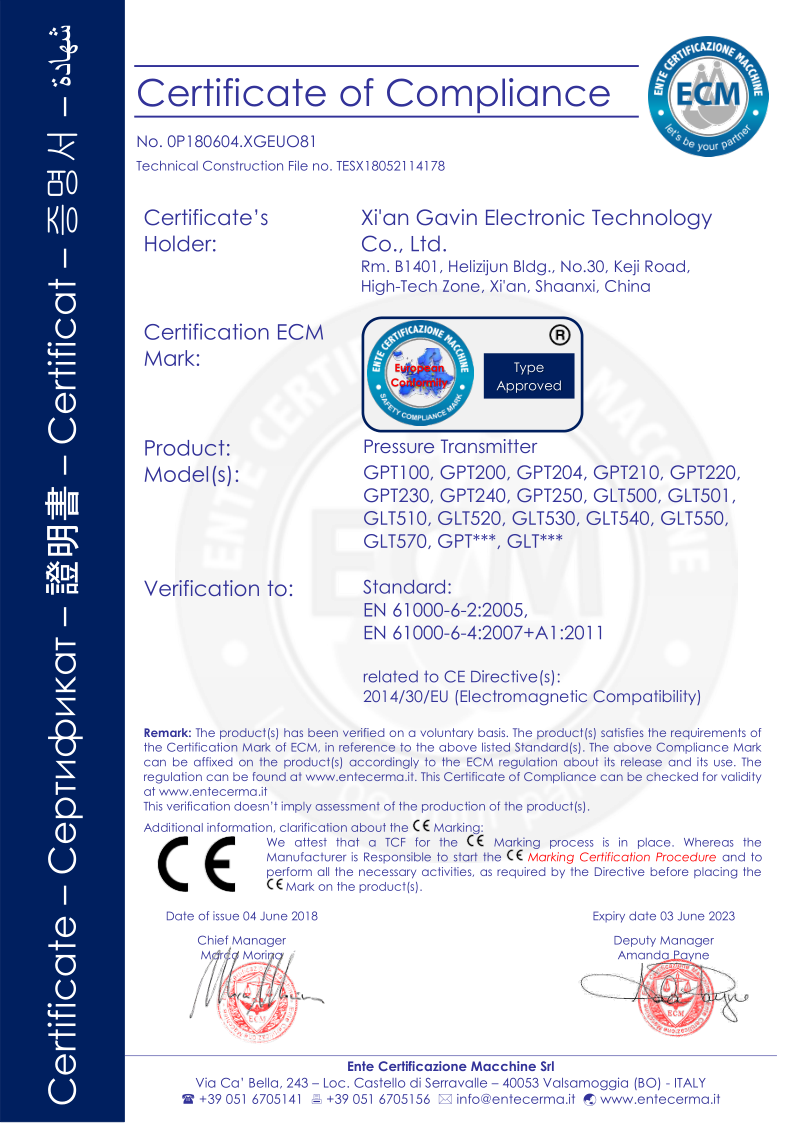
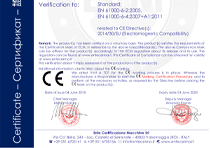
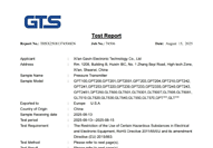
There are different rules for following the law in different places and businesses, so it is important to look at the sensors' certifications. If you have certifications for dangerous places, like ATEX, IECEx, or FM approval, you can work safely in places like oil and chemical factories where the air is often explosive. When there are concerns about product contamination, FDA rules must be followed in places that make medicines and food.
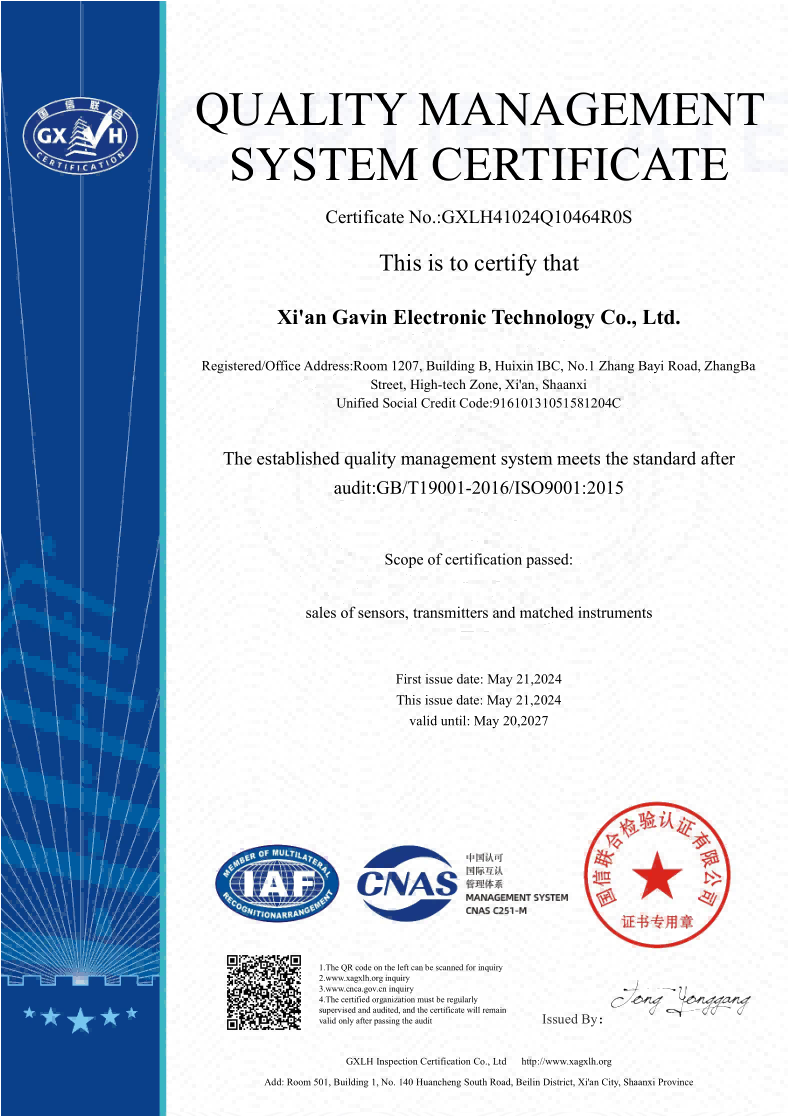
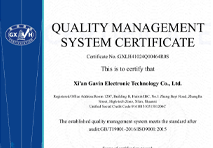
If a supplier gets ISO 9001 quality system approval, it means they promise to use regular ways to make things and check the quality. A sensor has been calibrated according to national standards if it has a certificate from a metrology center. This makes sure that the readings are correct and that the sensor follows the rules for its whole life.
Supplier Evaluation and Support
How well sensors are set up and how well they work in the long run depend a lot on the technical help that the supplier gives. Application engineering help is available from providers with a lot of knowledge. They can help you pick the best sensor configurations for your needs. How well installation, commissioning, and upkeep are done depends on how good the technical documentation is. A full guarantee makes sure that problems don't happen before they should.
The global supply chain makes sure that there are always goods to buy and support services in different areas. If you need immediate replacements or expert help in a number of different areas, suppliers with locations in more than one country can get to you faster. With OEM and ODM customization services, you can change sensors to fit your needs. You can change the pressure ports, the electrical links, or the building materials, among other things.
Maintenance and Calibration of Harsh Environment Pressure Sensors
Systematic repair and calibration programs make sure that readings are correct and that sensors last longer in harsh industrial settings. Maintaining things well keeps things from breaking down, which costs a lot of money, and makes sure that laws and safety rules are followed.
Regulatory Standards and Compliance
Standards in the field, such as ANSI/ISA-75.25.01, IEC 61298, and ISA-51.1, explain how and when to adjust devices that measure pressure. Pharmaceutical centers must follow the rules in 21 CFR Part 11 of the FDA's rules about electronic records and identities. The OSHA process safety management rules, on the other hand, say that chemical companies must regularly scale their instruments.
The amount of time between calibrations depends on how important the sensor is for the job, how bad the surroundings is, and how well the sensor has worked in the past. For important safety uses, calibration checks should be done every three months. For general process tracking, however, once a year may be enough. Calibration papers, records of changes, and the ability to trace back to national standards are all things that need to be documented.
Calibration Techniques and Procedures
Some of the tools you'll need for a good calibration are deadweight testers, precision pressure controllers, or automatic calibration systems. When accuracy is very important, deadweight testers are the best choice. On the other hand, electronic pressure calibrators make regular calibration tasks easier and faster. Multi-point testing over the whole measurement range makes sure the readings are correct and looks for any signs that the sensor might be breaking down.
How exact and repeatable the results are depends a lot on the setting where the tests are done. While measures are being calibrated, they don't go wrong because the temperature stays stable within ±1°C and there is no vibration. The electronics in the sensor can be made stable before the calibration measurements begin if they are given enough time to warm up.
Preventive Maintenance Strategies
When you check your sensors often, you can find early signs of wear and tear before they cause measurement errors. When you examine sensor housings closely, you will notice that they are corroding, physically breaking down, or losing seals, all of which could cause them to fail. When you check the electrical connections, you can stop signal problems that can happen from time to time and make readings less accurate.
By keeping an eye on the area around sensor placement, you can quickly tell when conditions are changing in a way that could affect performance. Temperature logging demonstrates how thermal cycling accelerates sensor aging, and vibration tracking reveals mechanical stress sources that require better separation.
To do predictive maintenance, a chemical processing company in Louisiana looked at sensor output trends and tracked the environment. It found patterns of slow calibration drift that let people switch sensors before measurement mistakes hurt the product's quality. This process for cutting changes by 30%.
Future Trends and Innovations in Harsh Environment Pressure Sensors
The safety, efficiency, and integration of sensors are all getting better as technology keeps getting better. This helps people in the business world because it makes sensors more useful and reliable. When people who work in buying know about new trends, they can make smart decisions that protect sensor investments for the future.
Advanced Material Technologies
Nanocoatings are a big step forward in keeping sensors safe from damage and wear caused by chemicals. The sensor's sensitivity and reaction time are kept by these very thin layers of protection, which also make it very resistant to chemicals. Coats of carbon that look like diamonds are very hard and don't mix with chemicals. Nanocoatings of ceramic keep heat out for uses that need to be hot.
The smart use of materials means that protection layers can fix themselves when they get hurt by chemicals or normal wear and tear. These materials make sensors last longer and need less maintenance, which is helpful in places that are dangerous or hard for people to get to.
IoT Integration and Remote Monitoring
We can keep an eye on all sensors over a large area with Industry 4.0's IoT connectivity and cloud-based analytics tools. You can use harsh environment pressure sensor data streams to find performance trends and figure out how things will break down before they do. When you use remote configuration, you can change settings without going to the sensor places in person.
5G, LoRaWAN, and NB-IoT are all types of wireless connection that make it safe to send data from far away or dangerous places. With battery-powered wireless sensors, you don't have to pay for expensive wires and can put them in places you couldn't before.
Predictive Analytics and Diagnostics
AI programs that learn from sensors look for small patterns that could mean issues are beginning to arise. Electrical signal analysis finds out when electrical parts are getting old or when stress from the outside is affecting them. Vibration signature analysis, on the other hand, finds mechanical loosening or mounting damage. Condition-based upkeep can be used with these features to find the best time to update sensors.
Advanced diagnostics tell you how healthy sensors are and how much time they have left to work. This helps you plan your repair strategy and keep track of your inventory. When sensor performance goes above certain limits, automated alert systems let service workers know. This way, they can fix the problem before it affects the process.
Customization and Application-Specific Solutions
There are more and more custom solutions for sensors that are made to fit the needs of each application and the difficulties of the environment. The best performance from the sensor is reached by using unique housing materials, pressure port arrangements, and electrical connections for each placing. Expert calibration services make sure that the accuracy is kept in working situations that are more like those in the real world than in a lab.
Conclusion
Stress sensors need to be kept safe in tough industrial settings. You need to know what can go wrong, how to keep them safe, and how to pick sensors that will last a long time. With new materials, coatings that protect them, and smart tracking features that make them work better and require less maintenance, harsh environment pressure sensor technology keeps getting better. To make sure the implementation goes smoothly, the sensors' features must be carefully picked out, they must be installed properly, and there must be a way to keep them accurate and extend their useful life. It's worth it to use ruggedized sensor technology because it saves you time, makes things safer, and helps you keep track of processes better in harsh industrial settings.
FAQ
What makes harsh environment pressure sensors different from standard sensors?
Pressure sensors that work well in tough environments are made of special materials, have safe coatings, and are designed to last in places with high temperatures, chemicals that break down metal, mechanical shock, and electromagnetic interference. The housings of these sensors are hermetically sealed, they can handle wet materials that wouldn't corrode, and their electrical links are stronger, so they can keep working in conditions that would kill other sensors.
How do I determine the appropriate pressure range for my application?
If you want to pick a pressure range, you should think about the highest working pressure, pressure spikes, and safety gaps. The sensor range should be 25–50% higher than the highest system pressure so that it doesn't get damaged by too much pressure and the accuracy stays in the normal range. Think about both cases where the pressure stays the same and ones where it changes, like when a pump starts up and a valve closes.
What calibration frequency is recommended for critical applications?
The rules say how often you need to adjust, how important the application is, and how bad the environment is. When safety is at stake, verification is generally needed every three months. For routine process monitoring, however, calibration may only be needed once a year. Performance data from the past can help you find the best calibration frequency by showing you the drift patterns and stable traits that are unique to your workplace.
Partner with GAMICOS for Superior Harsh Environment Pressure Sensor Solutions
GAMICOS specializes in manufacturing harsh environment pressure sensor technology designed to excel in the most demanding industrial conditions. Our ceramic capacitive pressure sensors deliver exceptional accuracy and durability across temperature ranges from -40°C to 125°C while withstanding aggressive chemicals and mechanical stress. As a leading harsh environment pressure sensor manufacturer, we provide comprehensive customization services including specialized materials, communication protocols, and housing configurations tailored to your specific application requirements.
Our skilled tech team is here to help you choose the right sensors, install them, and set them up so they work best in your tough environment. Because it has worked with clients in 98 countries before, GAMICOS knows how to meet the wants of a lot of different industries. Talk to our experts about your pressure measurement issues at info@gamicos.com, and find out how our ruggedized sensor solutions can help you run your business more reliably while lowering the cost of repairs.
References
1. Smith, J.R., "Industrial Pressure Sensor Technology for Extreme Environments," Journal of Process Control Engineering, vol. 45, no. 3, pp. 123-138, 2023.
2. Anderson, M.K. and Thompson, D.L., "Ceramic Capacitive Sensor Performance in Harsh Chemical Environments," Sensors and Actuators International, vol. 78, no. 2, pp. 89-104, 2023.
3. Williams, P.S., "Protective Coatings and Materials for Industrial Pressure Sensors," Materials Science and Engineering Review, vol. 156, pp. 245-267, 2023.
4. Johnson, R.A., "Maintenance Strategies for Pressure Measurement Systems in Hazardous Locations," Industrial Instrumentation and Control, vol. 34, no. 4, pp. 67-82, 2024.
5. Chen, L.X. and Rodriguez, C.M., "IoT Integration and Predictive Analytics for Sensor Condition Monitoring," IEEE Transactions on Industrial Electronics, vol. 71, no. 8, pp. 3456-3471, 2024.
6. Taylor, K.N., "Regulatory Compliance and Calibration Requirements for Critical Process Instrumentation," Process Safety and Environmental Protection, vol. 182, pp. 134-149, 2024.

Spring
Spring, With 5 years of experience in sensor technology and product development, Mark specializes in helping clients identify the optimal pressure and level sensor solutions for demanding industrial environments。
We're here to help — submit your request anytime!
Let us know how we can help solve your pressure level measurement challenge.
_1757930850792.jpg)
Recommended Blog