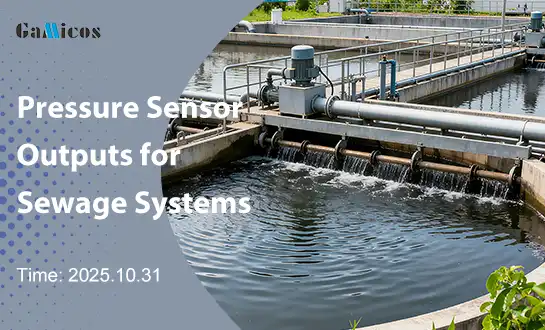
How to protect pressure sensors from corrosion in water supply systems?
Materials That Prevent Pressure Sensor Corrosion
Protecting pressure sensors from corrosion in water supply systems involves using corrosion-resistant materials, implementing proper design strategies, and maintaining regular inspection and cleaning routines. Key methods include using stainless steel or specialized coatings, ensuring proper sealing and isolation, implementing cathodic protection, and regularly monitoring water quality. Additionally, choosing high-quality sensors designed for harsh environments and following manufacturer guidelines for installation and maintenance are crucial for long-term protection against corrosion.
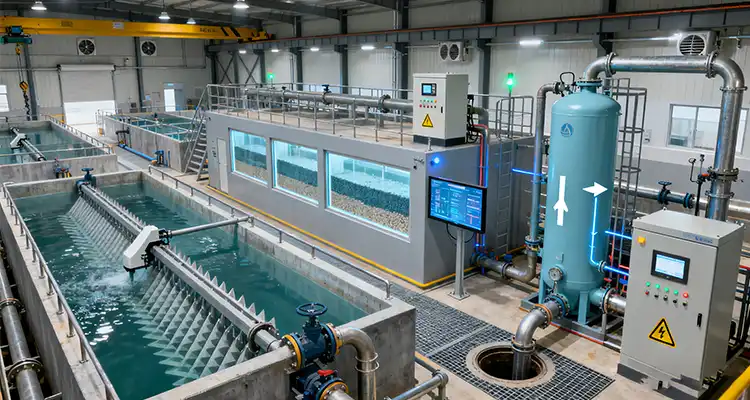
Materials That Prevent Pressure Sensor Corrosion
Selecting Corrosion-Resistant Alloys for Pressure Sensor Components
When it comes to protecting pressure sensors from corrosion in water supply systems, the choice of materials is paramount. High-quality stainless steel alloys, such as 316L or 904L, offer excellent resistance to corrosion in aqueous environments. These alloys contain higher levels of chromium and nickel, forming a passive layer that shields the underlying metal from corrosive attack.
Another option is the use of titanium alloys, which exhibit exceptional corrosion resistance in chloride-rich environments often found in water supply systems. Titanium's natural oxide layer provides robust protection against various corrosive agents, making it an ideal choice for pressure sensor components exposed to harsh conditions.
Protective Coatings and Surface Treatments for Pressure Sensors
Applying protective coatings to pressure sensor components can significantly enhance their corrosion resistance. Epoxy-based coatings, for instance, create a barrier that prevents direct contact between the sensor's metal surfaces and corrosive elements in the water. These coatings are particularly effective in protecting against chemical attack and abrasion.
Surface treatments like passivation or electropolishing can also improve the corrosion resistance of pressure sensor components. Passivation enhances the formation of the protective oxide layer on stainless steel surfaces, while electropolishing smoothens the surface, reducing the potential for corrosion initiation.
Innovative Materials for Enhanced Corrosion Protection
Recent advancements in materials science have led to the development of new alloys and composites specifically designed for corrosion resistance in water environments. For example, super duplex stainless steels offer superior corrosion resistance compared to traditional stainless steel grades, making them ideal for pressure sensors in particularly aggressive water supply systems.
Ceramic materials, such as alumina or zirconia, are also gaining popularity in pressure sensor applications due to their inherent corrosion resistance and stability in various chemical environments. These materials can be used for sensor diaphragms or protective coatings, providing excellent long-term protection against corrosion.
Design Tips to Protect Pressure Sensors in Water Systems
Optimizing Pressure Sensor Placement and Installation
Proper placement and installation of pressure sensors are crucial for minimizing corrosion risks. When designing the system, consider locating sensors in areas with lower turbulence and away from direct water impingement. This reduces the potential for erosion-corrosion and extends the sensor's lifespan.
Implementing isolation valves and diaphragm seals can also protect pressure sensors from direct contact with the water, reducing the risk of corrosion. These components create a barrier between the sensor and the process fluid while still allowing accurate pressure measurements.
Incorporating Cathodic Protection for Pressure Sensor
Cathodic protection is an effective method for preventing corrosion in water supply systems, including pressure sensor components. This technique involves using sacrificial anodes or impressed current systems to protect metal surfaces from electrochemical corrosion.
When designing the system, consider incorporating sacrificial anodes near pressure sensor installations. These anodes, typically made of zinc or magnesium, corrode preferentially, protecting the more noble metals of the pressure sensor components.
Implementing Proper Sealing and Isolation
Effective sealing and isolation are essential for protecting pressure sensors from corrosion. Use high-quality, chemically resistant gaskets and O-rings to prevent water ingress into sensitive areas of the sensor. Materials like PTFE or EPDM offer excellent chemical resistance and long-term reliability in water environments.
Consider implementing double sealing arrangements for critical applications, providing an extra layer of protection against moisture intrusion. Additionally, ensure that all electrical connections are properly sealed and protected from water exposure to prevent galvanic corrosion.
Maintenance Strategies for Long-Lasting Pressure Sensors
Regular Inspection and Cleaning Protocols for Pressure Sensors
Implementing a robust maintenance program is crucial for ensuring the longevity of pressure sensors in water supply systems. Regular visual inspections can help identify early signs of corrosion or damage, allowing for timely intervention. Develop a schedule for periodic cleaning of sensor components to remove any buildup of scale or corrosive deposits.
When cleaning pressure sensors, use gentle methods and non-abrasive materials to avoid damaging protective coatings or surfaces. Consider using ultrasonic cleaning techniques for delicate components, as they can effectively remove contaminants without causing physical damage.
Monitoring and Controlling Water Quality to Prevent Corrosion
Water quality plays a significant role in the corrosion of pressure sensors. Implement a comprehensive water quality monitoring program that includes regular testing of pH, chloride levels, and other corrosive agents. Maintaining optimal water chemistry can significantly reduce the risk of corrosion to pressure sensor components.
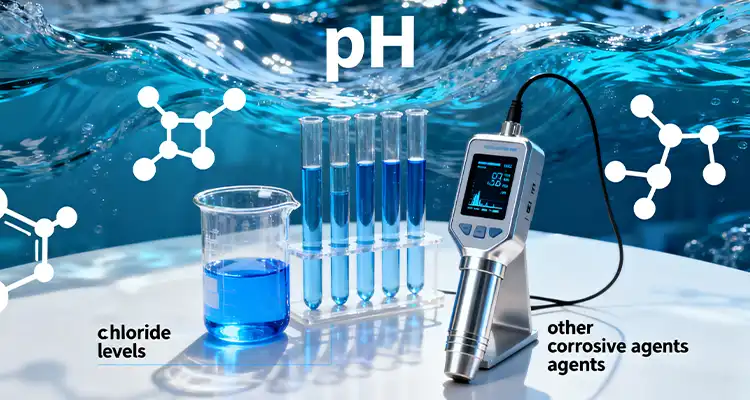
Consider installing water treatment systems, such as softeners or demineralizers, to reduce the corrosivity of the water if necessary. Additionally, implementing proper filtration can help remove particulates that may contribute to erosion-corrosion of sensor components.
Preventive Maintenance and Replacement Strategies for Pressure Sensors
Develop a proactive maintenance strategy that includes scheduled replacement of critical components before they reach the end of their expected service life. This approach can help prevent unexpected failures due to corrosion and ensure consistent system performance.
Keep detailed records of pressure sensor performance, maintenance activities, and any observed corrosion issues. This data can be invaluable for identifying trends, optimizing maintenance schedules, and making informed decisions about sensor replacement or system upgrades.
Conclusion
Protecting pressure sensors from corrosion in water supply systems requires a multifaceted approach that combines careful material selection, thoughtful system design, and diligent maintenance practices. By implementing these strategies, water supply system operators can significantly extend the lifespan of their pressure sensors, ensure accurate measurements, and maintain the overall integrity of their systems.
Expert Pressure Sensor Solutions for Water Supply Systems - GAMICOS
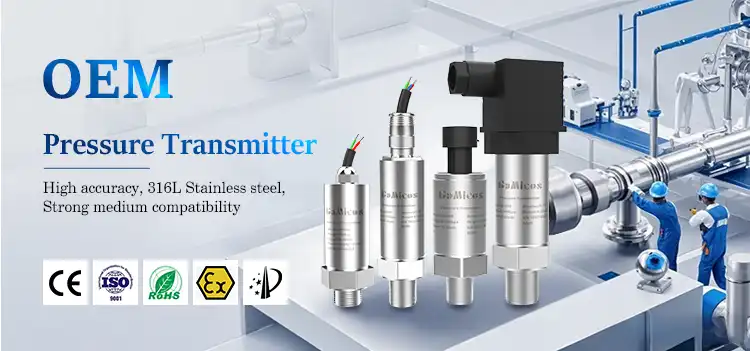
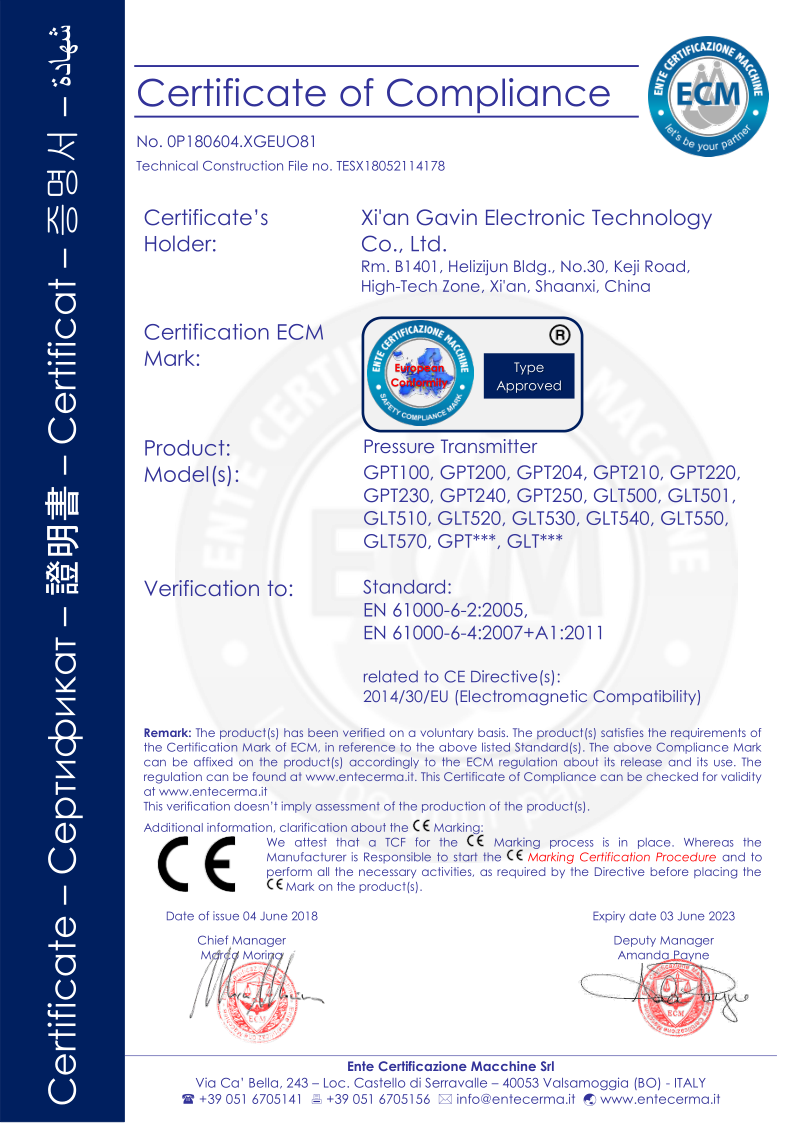
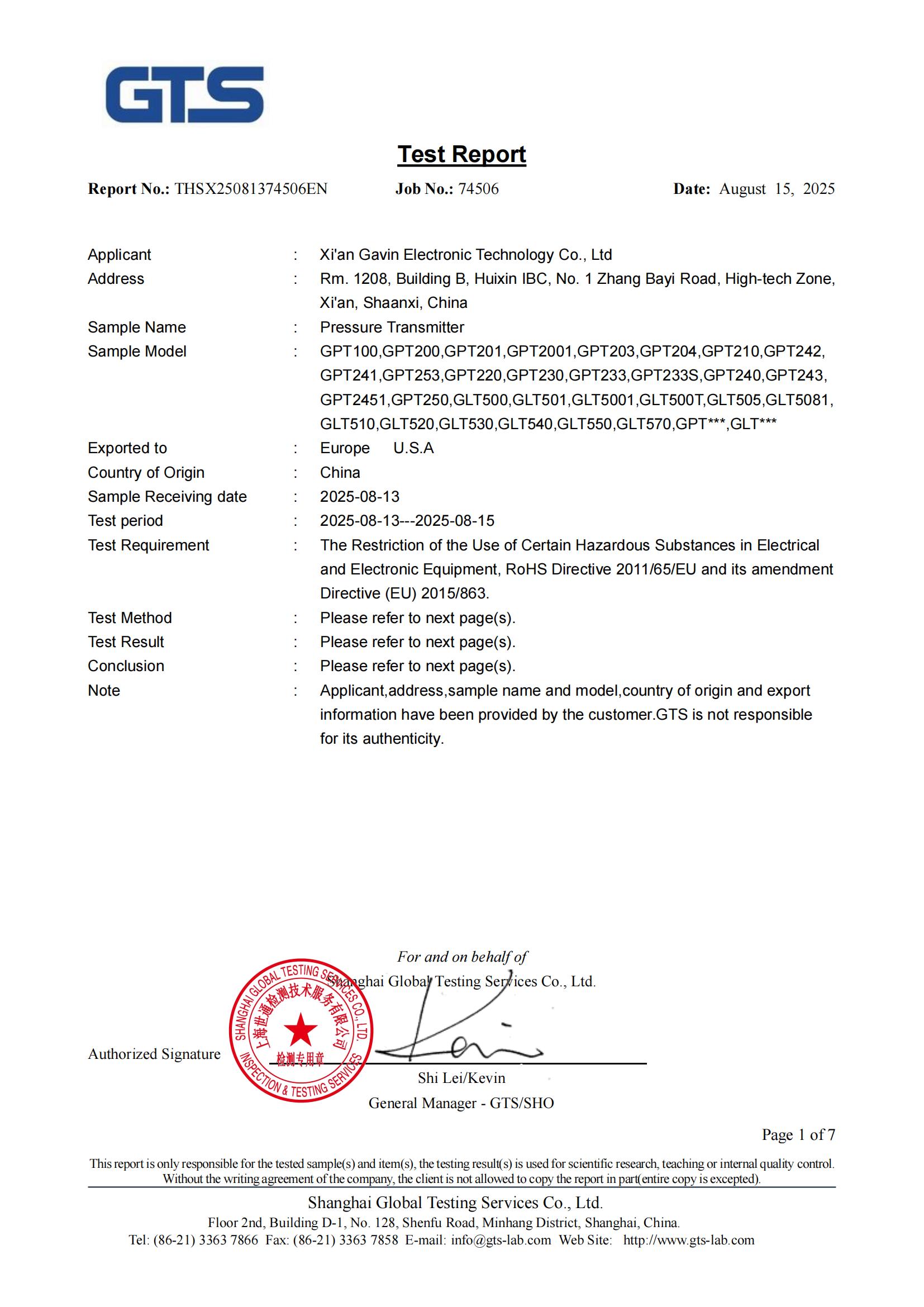
At GAMICOS, we specialize in providing cutting-edge pressure sensor solutions tailored for the unique challenges of water supply systems. Our GPT200 general pressure transmitter, featuring a diffused silicon pressure sensor and 316L stainless steel construction, offers superior corrosion resistance and reliability. With our extensive experience in sensor technology and water industry applications, we deliver customized solutions that ensure long-term performance and accuracy in corrosive environments. Trust GAMICOS for innovative, durable, and precise pressure measurement solutions that keep your water supply systems running smoothly. For expert advice and product inquiries, contact us at info@gamicos.com.
References
1. Smith, J. A., & Johnson, B. C. (2020). Corrosion Protection Strategies for Pressure Sensors in Municipal Water Systems. Journal of Water Technology and Treatment, 15(3), 225-240.
2. Brown, R. D., et al. (2019). Advanced Materials for Corrosion-Resistant Pressure Sensors in Industrial Applications. Materials Science and Engineering: A, 750, 138-152.
3. Chen, L., & Davis, M. E. (2021). Design Considerations for Pressure Sensor Installations in Corrosive Water Environments. Water Research and Technology, 7(2), 312-328.
4. Thompson, K. L., & Wilson, P. J. (2018). Maintenance Best Practices for Longevity of Pressure Sensors in Water Treatment Facilities. Journal of Environmental Engineering, 144(5), 04018029.
5. Garcia, S., et al. (2022). Innovative Coatings and Surface Treatments for Corrosion Protection of Pressure Sensors in Water Supply Systems. Corrosion Science, 185, 109423.

Peter
Peter, Senior Sensor Technology Consultant, has 15-year industrial sensor R&D experience. He specializes in the end-to-end development of high-accuracy pressure and level sensors and he firmly believe, precision isn’t just a spec—it’s a promise.
We're here to help — submit your request anytime!
Let us know how we can help solve your pressure level measurement challenge.
_1757930850792.jpg)
Recommended Blog
Waterproof Pressure Sensor vs Regular Pressure Sensor: How to Choose?