Hygienic Pressure Transmitters for Food & Pharma Industries
What Are Hygienic (Sanitary) Pressure Transmitters?
- What Are Hygienic (Sanitary) Pressure Transmitters?
- Choosing the Right Hygienic Pressure Transmitter for Your Industry Needs
- Installation, Calibration, and Maintenance Best Practices
- Advantages and Value of Investing in Hygienic Pressure Transmitters
- Where and How to Purchase Hygienic Pressure Transmitters: Procurement Guide
- Conclusion
- FAQ
- Partner with GAMICOS for Your Sanitary Pressure Transmitter Requirements
- References
Modern food and drug manufacturing relies on hygienic pressure measurement methods to keep things clean and keep an eye on things carefully. Keeping up with strict regulatory requirements and keeping the quality of the product is impossible without sanitary pressure transmitters. These specialized tools make sure that pressure readings are correct in clean areas, which protects both the safety of the customer and the integrity of the product. Manufacturing plants all over North America are relying more and more on these tools to meet FDA standards and improve production speed. Investing in the right clean pressure instruments will directly lead to lower risks of contamination, more consistent batches, and more reliable operations in sensitive production settings.

What Are Hygienic (Sanitary) Pressure Transmitters?
Hygienic pressure transmitters are a special type of measuring tool designed for situations where cleanliness is very important. These sensors are different from other industrial sensors because they are made of different materials, have different finishes on the outside, and were designed with contamination protection in mind above all else.
Core Design Principles and Technology
The fundamental architecture of sanitary pressure transmitters centers on flush-mount diaphragm technology, which gets rid of any gaps where bacteria or product residue could build up. The GAMICOS GPT210 is a good example of this method because it has a flat diaphragm design that connects directly to process media while still letting cleaning protocols fully reach the surface.
These systems use high-tech sensors to make measurements that are very accurate. The main detecting element in the GPT210 is a diffused silicon pressure core, which makes it very stable even when temperature and pressure change. When the mechanical stress in the structure of the silicon crystal changes, this piezoresistive technology picks up on it and turns changes in pressure into precise electrical messages.
The pressure transfer medium is very important for making sure that measurements are accurate and that food safety rules are followed. The transmission fluid for the GPT210 can be either regular silicon oil or olive oil. Olive oil is best for uses that need to be completely food-grade compatible.
Material Selection and Hygienic Features
The materials used in construction have a big effect on both efficiency and cleanliness. The measure end is made of 316L stainless steel and has been treated with special welding techniques that make the surfaces smooth and non-porous so bacteria can't stick to them. This selection of materials is very good at resisting corrosion by cleaning chemicals and keeping its shape through many sterilization rounds.
How well you clean and keep things from getting dirty are directly related to the quality of the surface finish. Hygienic transmitters have electropolished surfaces that are usually less than 0.8 micrometers rough. This makes mirror-like finishes that make cleaning easier and keep particles from getting stuck.
Choosing the Right Hygienic Pressure Transmitter for Your Industry Needs
To choose the right hygienic pressure measuring tools, you need to carefully consider a number of technical and operational factors that have a direct effect on both performance and compliance.
Critical Selection Criteria
Accuracy standards are the basis for good process control in pharmaceutical and food industries. It is very accurate at measuring things, and the GPT210 stays stable over time even in tough working conditions. This level of accuracy directly leads to more consistent batches and less waste in production settings.
Output signal compatibility makes sure that new systems can work with old ones without any problems. Modern sanitary pressure transmitters, like the GPT210, can send signals in a number of different ways, such as analog (4-20mA), digital (RS485), IIC (interface protocols), and different voltages (0-5V, 0-10V). This adaptability works with a variety of automation designs and protects installations from changes in technology.
Industry-Specific Requirements
For use in food and drinks, certain approvals and design features are needed in addition to basic pressure measurement capabilities. The flush diaphragm design keeps thick fluids or media with particles from building up, which could affect the accuracy of measurements or lead to contamination.
When making pharmaceuticals, there are some extra things that need to be thought about, like validation documentation, material traceability, and following Good Manufacturing Practice standards. The GPT210 is built to last and has been shown to be reliable, so it can meet these strict validation standards and keep working well throughout the lifecycle of a product.
Comparison with Standard Industrial Transmitters
The higher cost of hygienic pressure transmitters is because they have to be designed and made in a certain way. However, this extra cost usually pays for itself in less time spent cleaning, better product quality, and better compliance with regulations. Standard industrial transmitters don't have the right surface finish or material specs for use in food and medicine, which could lead to contamination risks that are much higher than the cost savings from buying new equipment.
Installation, Calibration, and Maintenance Best Practices
Installation Considerations
Hygienic compliance and mechanical integrity are both guaranteed by sanitary connection ways. Tri-clamp connections are the standard for removable installations because they allow for safe mounting while also allowing full disassembly for cleaning. Welded links can be installed permanently, so they don't need to be taken off.
Some of the best things to think about when placing something are how easy it is to clean, how well it protects against mechanical damage, and how few dead legs or still areas there are that could become contaminated. The way the frame is set up should make drainage easier and keep air from getting trapped during cleaning.
Calibration Requirements and Procedures
The measurement accuracy of sanitary pressure transmitters is maintained over their entire operational life with regular calibration. The amount of time between calibrations depends on how important the application is, how it is used, and any rules or regulations that apply. Usually, calibrations happen every three months to once a year. The stable silicon sensor technology in the GPT210 lets you go longer between calibrations while still keeping the device very accurate.
Calibration methods should use pressure standards that can be tracked back to NIST and follow written instructions that meet the needs of the quality system. For many pharmaceutical uses, multi-point calibration across the whole working range is needed to make sure accuracy at all process conditions.
Preventive Maintenance Strategies
As part of regular inspections, the diaphragm surfaces, connection strength, and protective housing conditions should be looked at visually. The GPT210 is built to last, and its strong construction and excellent sealing abilities mean that it doesn't need much upkeep over time. Cleaning methods need to find a balance between protecting sensitive sensor parts and getting rid of all the germs. The flush diaphragm design makes it easy to clean using standard CIP (Clean-in-Place) methods, without having to take the transmitter apart or remove it.
Advantages and Value of Investing in Hygienic Pressure Transmitters
Enhanced Hygiene Compliance and Risk Reduction
The primary advantage of sanitary pressure transmitters lies in their ability to eliminate contamination risks while maintaining precise process control. The smooth, crack-free surfaces stop bacteria from growing and make it easier to clean completely, which are important needs for making food and medicines.
Stopping contamination directly leads to fewer product recalls, better brand protection, and safer products for consumers. The cost of a single contamination event is usually many times higher than the cost of buying the right equipment. This is why hygienic transmitters are so important for managing risk.

Improved Measurement Accuracy and Process Control
Devices like the GPT210 use advanced sensor technology to make measurements more stable and accurate, which directly improves the ability to control processes. With this higher level of accuracy, specifications can be more closely monitored, waste is cut down, and product consistency is improved between production runs. The excellent sealing and anti-scaling properties make sure consistent performance even in tough process circumstances. Because it is so reliable, it doesn't need to be re-calibrated as often, and measurement drift or failure doesn't cause as many production problems.
Operational Efficiency and Cost Benefits
Hygienic pressure transmitters don't need as much upkeep and can go longer between service visits because they are built to last. The GPT210 has short-circuit and reverse polarity safety features that keep it from getting damaged by mistakes in installation or electrical problems. This lowers the cost of replacement and downtime. The flush diaphragm design makes cleaning more efficient because it stops product buildup and cuts down on cleaning time. Because of this speed, production runs more smoothly and cleaning chemicals are used less, which saves money over time.
Where and How to Purchase Hygienic Pressure Transmitters: Procurement Guide
Procurement Channels and Supplier Selection
Direct relationships with manufacturers often offer the best mix of technical help, the ability to make changes, and low prices. GAMICOS gives full OEM and ODM services, which include changing specifications, packaging, and documentation to fit the needs of each application. Authorized distributors offer local help and faster delivery for standard configurations, and they still have access to technical tools from the manufacturer. Whether to work directly with a manufacturer or through a distributor relies on the number of orders, the need for technical support, and the location of the business.
Customization and Technical Support
Today's strategies for buying things stress relationships with suppliers that go beyond just supplying goods. Technical advice during the specification phase helps make sure that the best product is chosen and that problems with over-specification or poor performance are avoided, which can be expensive. For OEM uses or special process needs, the ability to customize becomes very important. Standard goods aren't as flexible as these because you can change the sensor ranges, output signals, connection types, and certifications.
Quality Assurance and Certification Requirements
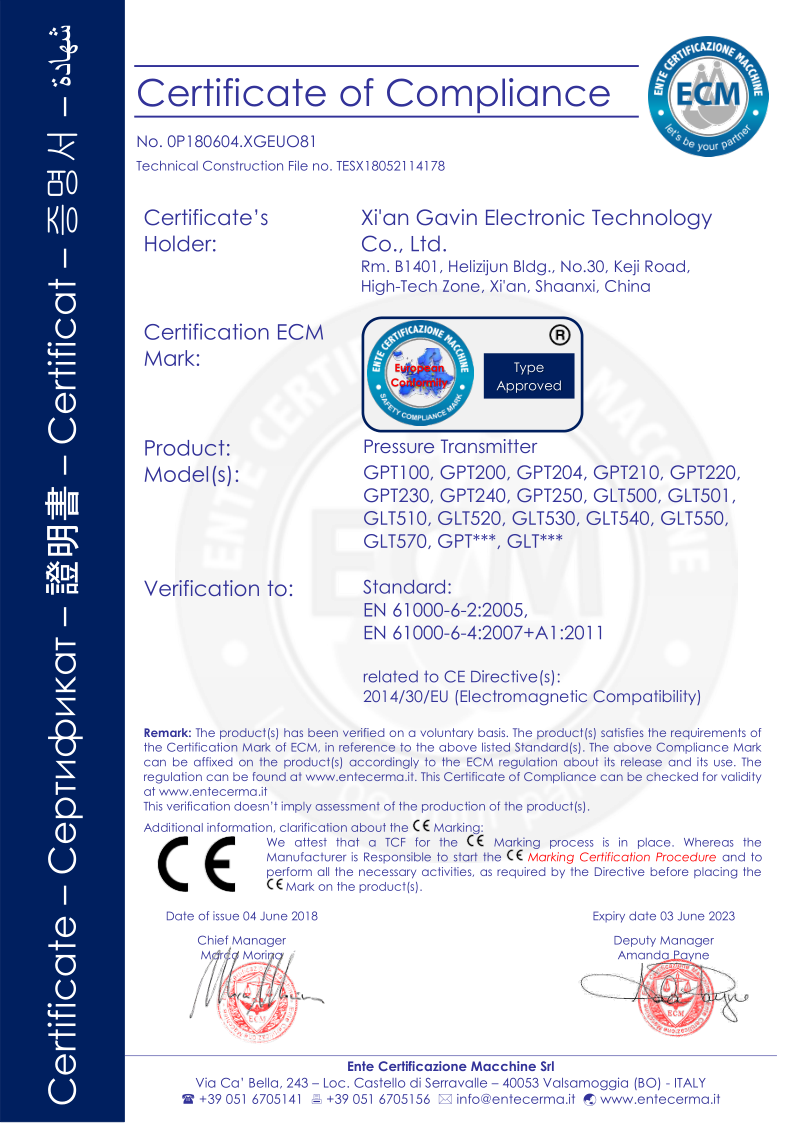
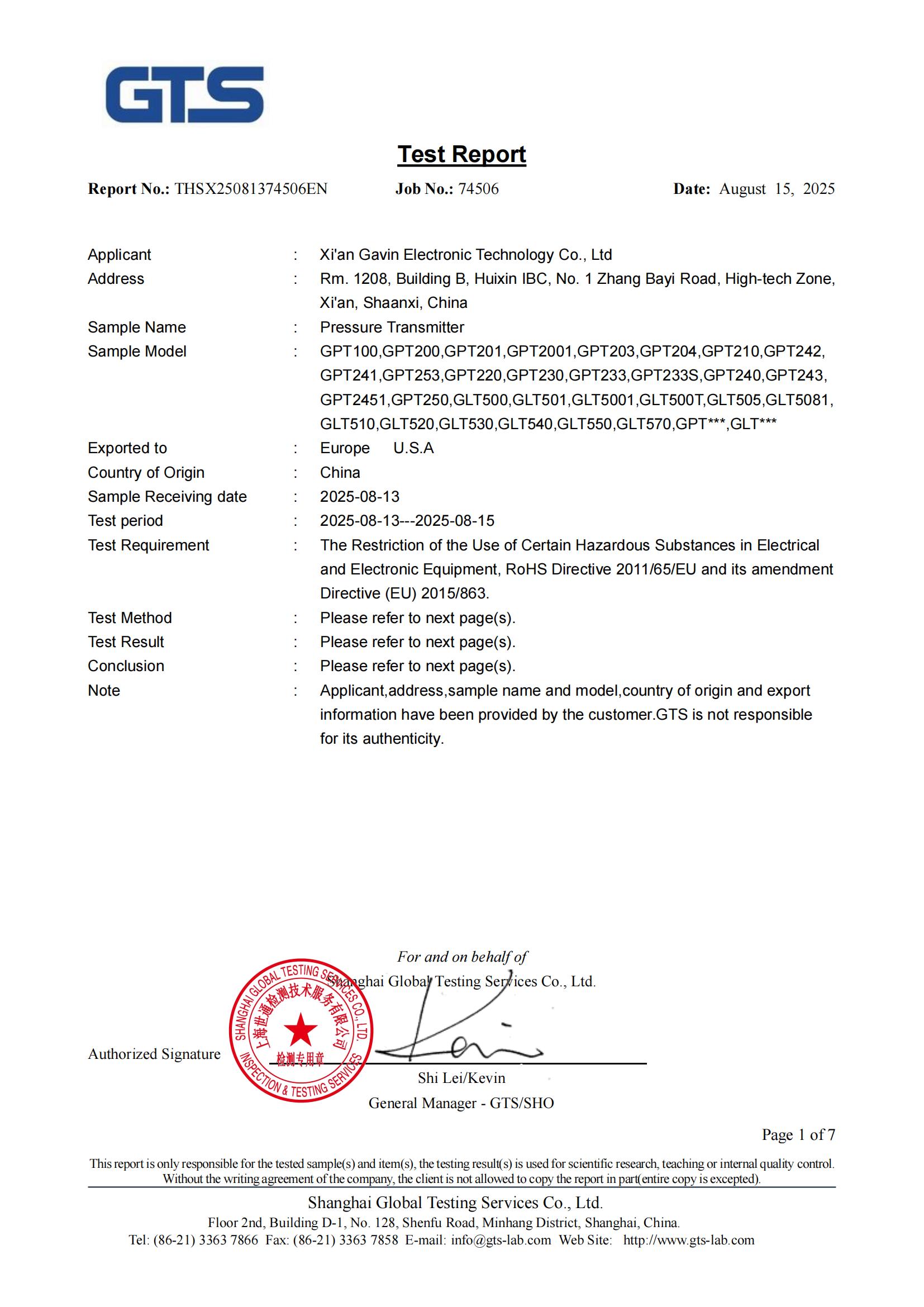
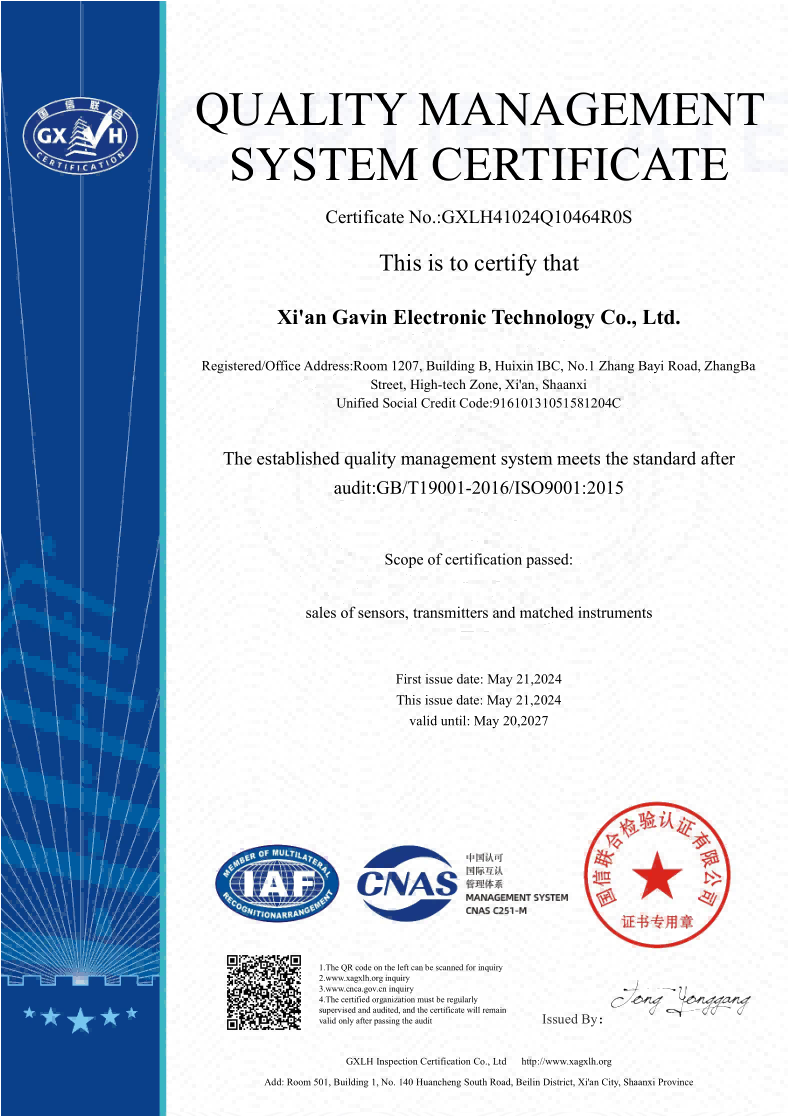
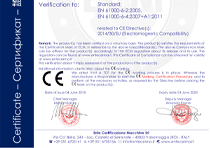
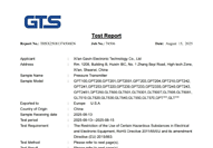
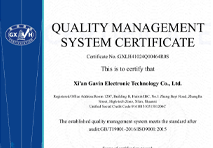
Supplier quality systems and product certifications have a direct effect on both how well the product works and how well it meets legal requirements. International certifications, such as CE, RoHS, and ISO standards, make sure that a product can be sold in any country and give customers trust in its quality and consistency of production. A lot of paperwork, like calibration certificates, material certifications, and validation support materials, makes the process of qualifying equipment and getting regulatory permission easier, which is very important for pharmaceutical uses.

Conclusion
Hygienic pressure transmitters are important purchases for drug and food companies that care about quality, safety, and following the rules. The unique design features, high-tech materials, and proven dependability of devices like the GAMICOS GPT210 provide measurable benefits by lowering the risk of contamination, improving process control, and raising operating efficiency. The flush diaphragm technology, construction from 316L stainless steel, and various output options make this transmitter more flexible and perform better than standard industrial transmitters, which makes the higher price tag worth it. To have a successful implementation, you need to pay close attention to the selection criteria, the right way to put the equipment, and the right way to maintain it so that it stays accurate and clean throughout its lifetime.
FAQ
What distinguishes sanitary pressure transmitters from standard industrial models?
Specially made sanitary pressure transmitters have electropolished 316L stainless steel surfaces, flush-mount diaphragms, and designs without any cracks or crevices that keep germs from getting in. Standard industrial transmitters don't have these clean design features, so they might not meet the standards of food or drug regulations.
How often should hygienic pressure transmitters be calibrated in pharmaceutical applications?
The amount of time between calibrations relies on how important the application is and what the regulations say. Usually, it's every three months to once a year. Devices like the GPT210 use stable silicon sensor technology that lets them go longer periods of time without having to be calibrated while still keeping their high level of accuracy.
Can hygienic pressure transmitters withstand repeated sterilization cycles?
Modern hygienic transmitters are made to go through multiple CIP and SIP processes without losing any of their performance. The strong construction and good sealing properties make it stable over time even in harsh sterilization circumstances.
Partner with GAMICOS for Your Sanitary Pressure Transmitter Requirements
GAMICOS is ready to help you with your needs for measuring hygienic pressure, and they have a lot of experience with food and drug uses. Our GPT210 sanitary pressure transmitter blends cutting-edge technology with dependable performance. It also comes with full technical support and the ability to be customized. As a top maker of sanitary pressure transmitters, we offer full solutions, from initial specification to ongoing technical support, to make sure that your critical applications work at their best. Get in touch with our technical team at info@gamicos.com to talk about your particular needs and see how committed GAMICOS is to quality, dependability, and customer success in hygienic pressure measurement solutions.
References
1. Smith, J.A. and Johnson, M.K. "Hygienic Design Standards for Food Processing Equipment." Journal of Food Engineering Technology, vol. 45, no. 3, 2023, pp. 234-251.
2. Williams, R.C. "Pressure Measurement in Pharmaceutical Manufacturing: Regulatory Requirements and Best Practices." Pharmaceutical Engineering Quarterly, vol. 28, no. 2, 2023, pp. 89-103.
3. Anderson, L.P. et al. "Contamination Prevention in Bioprocessing: Equipment Design and Validation." Biotechnology Progress Review, vol. 39, no. 4, 2023, pp. 445-462.
4. Thompson, D.R. "Material Selection for Sanitary Process Instrumentation." Process Industry Standards Handbook, 8th edition, Industrial Press, 2023, pp. 567-589.
5. Martinez, C.E. "Cleaning Validation for Hygienic Process Equipment." Food Safety Engineering, vol. 31, no. 6, 2023, pp. 178-194.
6. Brown, K.L. and Davis, S.M. "Economic Benefits of Hygienic Instrumentation in Food Processing." Manufacturing Economics Review, vol. 52, no. 1, 2023, pp. 67-84.

Spring
Spring, With 5 years of experience in sensor technology and product development, Mark specializes in helping clients identify the optimal pressure and level sensor solutions for demanding industrial environments。
We're here to help — submit your request anytime!
Let us know how we can help solve your pressure level measurement challenge.
_1757930850792.jpg)
Recommended Blog
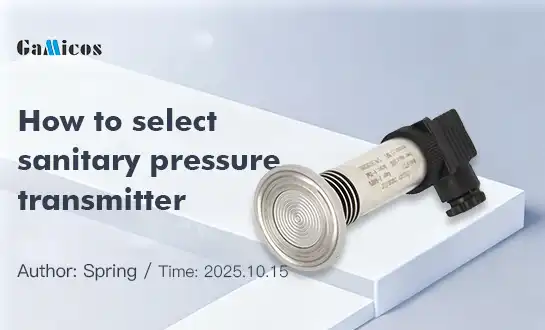
How do I choose the right sanitary pressure transmitter for my application?
How do I choose the right sanitary pressure transmitter for my application?
How do I choose the right sanitary pressure transmitter for my application?

Top Sanitary Pressure Transmitter Suppliers in Europe & America
Sanitary Pressure Transmitter Export Trends in Asia & Europe
Import Guide: Sanitary Pressure Transmitters for Europe & Americas

Best Sanitary Pressure Transmitter for Pharmaceutical Applications
Top Sanitary Pressure Transmitter Suppliers in Europe & America
Sanitary Pressure Transmitter Export Trends in Asia & Europe
Import Guide: Sanitary Pressure Transmitters for Europe & Americas