Pressure Monitoring in Water & Wastewater Treatment
Comprehending Wastewater Pressure Transmitters and Their Role
- Comprehending Wastewater Pressure Transmitters and Their Role
- Selecting the Right Wastewater Pressure Transmitter: A B2B Buying Guide
- Installation, Calibration, and Maintenance Best Practices
- Innovative Trends and Future Prospects in Wastewater Pressure Monitoring
- Case Studies: Successful Implementations of Wastewater Pressure Transmitters
- Conclusion
- FAQ
- Partner with GAMICOS for Superior Wastewater Pressure Transmitter Solutions
- References
Monitoring pressure is an important part of running water and wastewater treatment plants because it makes sure the processes are safe, effective, and follow the rules. Advanced wastewater pressure transmitter systems are very important for modern treatment plants to keep working at their best during all the stages of treatment. These precise instruments constantly check for changes in the pressure in pipes, tanks, and processing units. This lets workers spot problems before they get worse and cost a lot to fix. Monitoring pressure well not only keeps equipment from breaking and systems from being shut down, but it also makes sure that water quality standards are always met, which is good for people's health and the environment.

Comprehending Wastewater Pressure Transmitters and Their Role
Modern wastewater treatment plants depend on pressure measurement technology to keep an eye on things and make sure they are safe and working well. A wastewater pressure transmitter is a complex sensor that changes mechanical pressure into electrical signals. This gives workers the real-time information they need to keep the system running at its best. These devices have to work in harsh conditions with corrosive chemicals, changing temperatures, and rough particles that are typical in wastewater applications.
Core Functions and Applications
Modern pressure transmitters in wastewater treatment plants do a lot of important things besides just measuring pressure. These tools keep an eye on the hydraulic pressure in distribution networks, use differential pressure readings to keep track of how well filters are working, and make sure pumps work correctly at all stages of treatment. The information gathered helps workers get the best chemical doses, keep the right flow rates, and stop dangerous pressure buildsups that could damage infrastructure.
These machines are used by treatment plants at every stage of their work, from the initial screening and basic clarification to the advanced biological treatment and final disinfection. For each job, you need a different set of sensors that can work in a variety of environments and keep their accuracy over long periods of time.
Environmental Challenges and Solutions
Normal pressure sensors can't handle the unique problems that come up in wastewater settings. Specialized materials and protective layers are needed for corrosive gases, harsh chemicals, and changes in temperature. To make sure they work for a long time, modern wastewater pressure transmitters are made of stainless steel, have ceramic sensing elements, and use advanced sealing technologies.
With smart diagnostics built in, these devices can check their own performance and let support teams know about any problems before they happen. This ability to predict the future cuts down on upkeep costs by a large amount while also making the system more reliable overall.
Selecting the Right Wastewater Pressure Transmitter: A B2B Buying Guide
When choosing pressure monitoring equipment for wastewater uses, procurement managers have to make hard choices. Choosing between different sensor technologies, communication protocols, and mounting options can have a big effect on the costs of both the original investment and running the sensors in the long term. By knowing about these factors, you can make smart choices that meet your current goals and your plans for growth in the future.
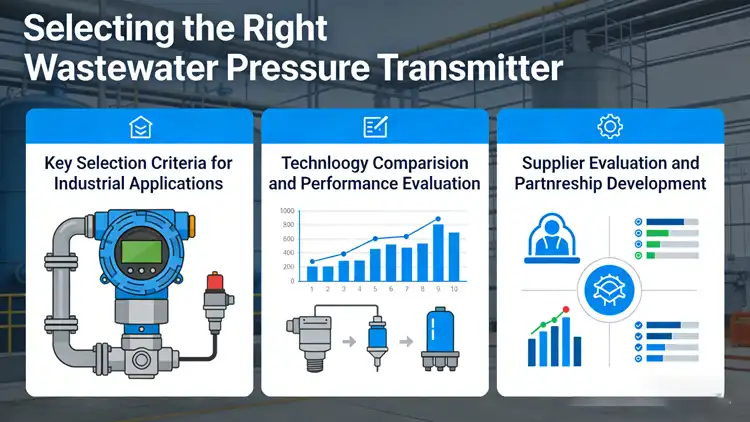
Key Selection Criteria for Industrial Applications
When wastewater treatment plants choose pressure monitoring tools, they have to think about a number of important factors. Different uses have different accuracy needs. For example, some processes need accuracy within 0.1%, while others can work well with wider tolerances. When you deal with harsh chemicals and changing pH levels that can break down weaker materials, environmental compatibility is very important.
Communication is another important thing to think about, since more and more modern buildings use combined control systems that need to be able to send and receive data without any problems. Wireless transmission options lower the cost of installation and allow monitoring from far away, while standard wired connections work reliably in places with weak electromagnetic fields.
Technology Comparison and Performance Evaluation
For wastewater uses, different technologies for measuring pressure have clear benefits. Because they are very accurate and stable, piezoresistive sensors are perfect for use in critical control applications. Capacitive sensors are better at blocking electromagnetic interference, and strain gauge technology works well in places with a lot of shaking.
Long-term costs, not just the original purchase price, should be taken into account during the evaluation process. The projected service life, the amount of maintenance needed, and the frequency of calibration all affect the total cost of ownership. Good manufacturers give a lot of information that lets you do accurate lifecycle cost estimates.
Supplier Evaluation and Partnership Development
For consistent equipment performance and availability, building partnerships with dependable suppliers becomes necessary. Reputable makers offer technical support for the whole lifecycle of the equipment, from choosing it to installing it, commissioning it, and keeping it in good shape. This support is very helpful when dealing with problems that come up out of the blue or improving system speed.
When judging a supplier, you should look at how much knowledge they have with wastewater applications, how many customization options they offer, and how committed they are to ongoing product development. Being able to offer combined solutions that include sensors along with data collection and analysis tools can make system design a lot easier and lower the cost of integration.
Installation, Calibration, and Maintenance Best Practices
Pressure monitoring technology used in wastewater applications works better and lasts longer if it is installed correctly. Because treatment facilities have their own environmental factors, they need special installation methods that take into account things like shaking, changing temperatures, and possible exposure to corrosive atmospheres. By following known best practices, problems with installation are kept to a minimum and equipment performance is maximized.
Installation Guidelines and Common Pitfalls
Carefully preparing the spot and choosing the right mounting hardware are the first steps to a successful installation. Vibration isolation is very important in places with big pumps and other mechanical equipment that can cause measurement mistakes by transferring vibrations through the structure. Electronics that are sensitive to electromagnetic interference from motor drives and control tools can be kept safe with proper grounding and electrical shielding.
In sewer applications, where harsh chemicals can damage threaded connections and gasket materials, process connection integrity needs extra care. Leaks that could affect both measurement accuracy and safety can be avoided by using thread sealants and gasket materials that are made for wastewater settings.
Calibration Protocols and Quality Assurance
Calibration is needed to keep measurements accurate, which is important for controlling processes and following the rules. Setting up calibration schedules based on what the maker suggests and what you've learned from using the equipment will ensure the best performance and keep you from having to pay for unnecessary repairs. Modern wastewater pressure transmitter systems often have self-diagnostic features that can tell you when they need to be calibrated.
To make sure accuracy and compliance with regulations, calibration methods should stick to written protocols and use traceable reference standards. A lot of places use predictive maintenance tools that look at trends to find the best times to calibrate while still meeting accuracy standards.
Troubleshooting and Preventive Maintenance
To effectively troubleshoot, you need to know the most common types of failure and how they show up in wastewater uses. Sensor drift is usually caused by chemicals or changing temperatures, and communication problems are usually caused by electrical interference or issues with the link. Systematic diagnostic methods make it easy to find and fix these problems quickly.
Preventive repair programs make equipment last longer and cut down on sudden breakdowns that can stop treatment operations. Checking the electrical connections, cleaning the sensor parts, and making sure the fixing is solid on a regular basis can help find problems before they affect operations.
Innovative Trends and Future Prospects in Wastewater Pressure Monitoring
The wastewater treatment business is moving toward more advanced monitoring and control systems that use data analytics and new sensor technologies. When you combine Internet of Things features, you can use programs for remote monitoring and planned maintenance that improve both speed and cost. These advances in technology make it possible to make big changes to operations while also having less of an effect on the world.
Smart Sensor Technologies and IoT Integration
Modern methods for monitoring pressure have smart features that go far beyond just being able to measure. Advanced diagnostics constantly check the health of sensors, giving early warning of possible breakdowns that could stop operations. Machine learning algorithms look at trends in old data to figure out what repairs are needed and how to make the best use of calibration schedules.
Wireless choices for connectivity get rid of the installation costs that come with standard wired systems and allow monitoring in places that couldn't be reached before. Long-distance communication is safe over low-power wide-area networks made especially for industrial use. These networks don't require big investments in infrastructure.
Data Analytics and Predictive Maintenance
Powerful data analysis tools turn simple pressure readings into useful information that makes operations run more smoothly. Pattern recognition can find strange situations that need urgent attention, while trend analysis can find slow changes that could mean problems are starting to form. These features allow for proactive repair plans that raise reliability while lowering costs.
Cloud-based platforms for storing and analyzing data offer options that can be expanded to meet the needs of the facility while reducing the need for IT infrastructure. Advanced display tools show complicated data in ways that are easy to understand, which helps operations staff make quick decisions.
Integration with Plant-Wide Control Systems
Integrated control systems that blend many measurement parameters with complex control algorithms are being used more and more in modern wastewater treatment plants. Wastewater pressure transmitter devices need to be able to work with these platforms without any problems and still be able to change with the needs of the business. Standardized communication protocols make it possible for devices from different makers to work together.
Advanced control methods use pressure readings and other process parameters to make treatment more effective while using as little energy and chemicals as possible. These unified methods save a lot of money and do a better job of protecting the earth.
Case Studies: Successful Implementations of Wastewater Pressure Transmitters
The usefulness of modern pressure monitoring devices in different wastewater treatment situations is shown by examples from real life. These examples show how choosing the right equipment and installing it correctly can solve operational problems and make things more efficient, reliable, and cost-effective.
Municipal Treatment Plant Modernization
A big city's wastewater treatment plant recently updated its pressure tracking system to replace old equipment and make it easier to follow the rules. The old analog sensors were replaced with new digital wastewater pressure transmitter units that can communicate wirelessly and do more advanced troubleshooting. This attempt to bring things up to date led to more accurate measurements, lower maintenance costs, and better visibility in operations.
Based on real-time pressure data, the new monitoring system helped workers figure out the best times to run pumps and dose chemicals. This saved more than 15% of energy while keeping treatment quality standards high. Predictive maintenance found problems with equipment before they happened, which cut down on unplanned downtime.
Industrial Wastewater Treatment Solutions
A big pharmaceutical manufacturing complex put in place custom pressure tracking systems to deal with the unique problems that come with treating wastewater streams that are full of chemicals. For the job, the sensors had to be able to handle being exposed to organic solvents and stay accurate even though the temperature changed a lot during the cleaning process.
Specialized sensor materials and protective coatings made it possible for them to work reliably in this harsh climate and give accurate chemical dosing control. The application made treatment more effective and in line with regulations, while also cutting down on chemical use and disposal costs.
Conclusion
For safe, efficient, and legal wastewater treatment operations, pressure tracking that works is still very important. Modern wastewater pressure transmitter technology has never-before-seen features that go far beyond standard measurement tasks. These features allow for more accurate maintenance planning, better energy efficiency, and better compliance with regulations. To choose the right equipment, you need to carefully think about the needs of the application, the conditions of the surroundings, and your long-term operational goals. Installing, calibrating, and maintaining equipment correctly will keep it running at its best for as long as it's possible, and new technologies offer even more features and lower costs. When businesses use these advanced monitoring tools, they set themselves up for better operational performance, lower costs, and better care for the environment.
FAQ
What factors should I consider when selecting a wastewater pressure transmitter?
Critical selection factors include the need for accuracy, compatibility with the environment, communication skills, and long-term dependability. Think about the chemicals and temperatures that will be used in your application. These will have a direct effect on the materials you choose and the sensing technologies you use. Options for wireless communication can lower the cost of installation, and advanced diagnostic features let you set up predictive maintenance plans that lower the cost of running the business.
How often should pressure transmitters be calibrated in wastewater applications?
Calibration frequency depends on application criticality, environmental conditions, and manufacturer recommendations. Most wastewater applications require annual calibration, though critical control applications may need more frequent verification. Modern sensors that can self-diagnose can let you know when they need to be calibrated. This makes condition-based care possible, which improves both accuracy and cost.
What are the main differences between wired and wireless pressure monitoring systems?
Wired systems offer reliable connection and constant power, but they need a lot of infrastructure to set up. Wireless systems are cheaper to install and let you keep an eye on things from far away, but they need to be managed with batteries or other power sources. Wireless technology has come a long way and is now as reliable as wired systems for most uses. It also gives you more options for how to put it.
Partner with GAMICOS for Superior Wastewater Pressure Transmitter Solutions
GAMICOS delivers cutting-edge pressure monitoring solutions specifically engineered for demanding wastewater treatment applications. Our comprehensive product portfolio includes corrosion-resistant sensors, wireless communication capabilities, and advanced diagnostic features that ensure reliable operation in harsh environments. As a leading wastewater pressure transmitter manufacturer, we provide complete customization services including sensor configuration, communication protocols, and mechanical specifications tailored to your exact requirements. Our global experience serving customers across 100+ countries ensures proven solutions that meet international standards while delivering exceptional value. Contact our technical specialists at info@gamicos.com to discuss your pressure monitoring challenges and discover how our innovative solutions can optimize your treatment operations while reducing long-term costs.
References
1. Water Environment Federation. "Instrumentation and Control Systems for Wastewater Treatment Plants." McGraw-Hill Professional, 2019.
2. American Water Works Association. "Pressure Management for Water Distribution Systems: Best Practices and Technologies." AWWA Publishing, 2020.
3. International Water Association. "Advanced Monitoring and Control Technologies in Wastewater Treatment." IWA Publishing, 2021.
4. Environmental Protection Agency. "Wastewater Treatment Plant Operator Certification Training: Instrumentation and Process Control." EPA Office of Water, 2020.
5. Process Control Instrumentation Technology Association. "Industrial Pressure Measurement: Applications and Best Practices in Water Treatment." ISA Publishing, 2019.
6. Water Research Foundation. "Smart Sensor Networks for Municipal Water and Wastewater Infrastructure." WRF Technical Report, 2021.

Spring
Spring, With 5 years of experience in sensor technology and product development, Mark specializes in helping clients identify the optimal pressure and level sensor solutions for demanding industrial environments。
We're here to help — submit your request anytime!
Let us know how we can help solve your pressure level measurement challenge.
_1757930850792.jpg)
Recommended Blog

What industries are pressure transmitters commonly used in?
Pressure Sensor VS Pressure Transmitter: Are They the Same Thing?