Upgrading Reactor Monitoring with Smart Pressure Transmitters
Understanding Smart Pressure Transmitters in Reactor Monitoring
- Understanding Smart Pressure Transmitters in Reactor Monitoring
- Challenges with Traditional Pressure Sensors in Reactor Applications
- Core Components and Features of Smart Pressure Transmitters for Reactor Use
- Selecting the Best Smart Pressure Transmitter for Reactor Monitoring
- Installation, Calibration, and Maintenance Best Practices for Smart Pressure Transmitters
- Real-World Applications and Case Studies
- Conclusion
- FAQ
- Partner with GAMICOS for Superior Smart Pressure Transmitter Solutions
- References
Adding smart pressure transmitter technology to reactor tracking systems is a completely new way to handle industrial processes. These high-tech gadgets use digital signal processing, real-time diagnostics, and wireless communication to give nuclear settings accuracy and dependability that have never been seen before. Smart transmitters are different from traditional pressure monitors because they offer constant tracking, predictive maintenance alerts, and smooth interaction with modern automation systems. This lets facilities improve safety measures while lowering running costs and making the process more efficient overall.
Understanding Smart Pressure Transmitters in Reactor Monitoring
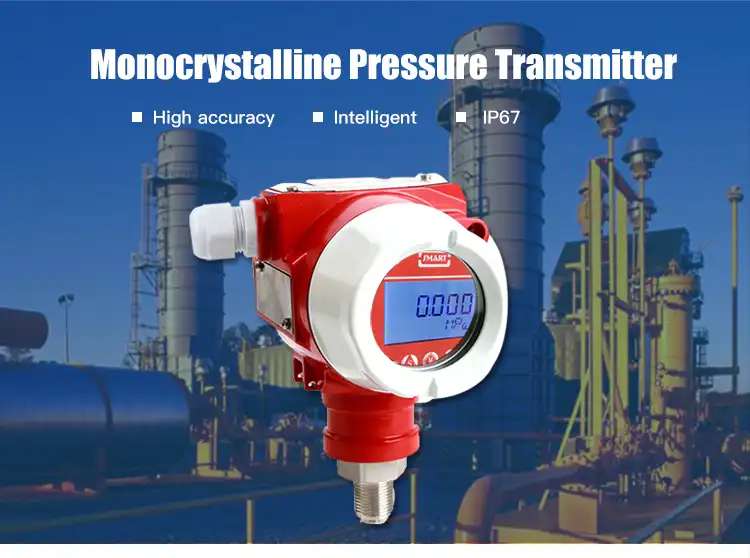
By combining digital transmission and data processing technologies, smart pressure transmitters are a big step forward from regular sensors. These tools can measure pressure very accurately, which is very important for keeping an eye on reactors.
Digital Signal Processing Capabilities
In comparison to analog devices, modern smart pressure transmitters use powerful microprocessors to process sensor data in real time. Digital compensation systems take into account changes in temperature and other external factors, so results stay the same even when the reactor is under very harsh conditions. This technology makes measurements more accurate and gives important safety systems reliable data.
Because they use digital signal processing, these gadgets can get rid of noise, make sensor outputs more straight, and do complicated math that older tools can't do. This skill is very important in reactors, where accurate readings have a direct effect on safety and operating efficiency.
Real-Time Diagnostics and Self-Monitoring
Advanced diagnostic tools give you a view of transmitter health and performance trends that you have never had before. Maintenance teams can spot problems before they affect measurement accuracy by keeping an eye on things like sensor temperature, vibration levels, and the state of computer parts.
Advanced diagnostic features distinguish smart transmitters from conventional pressure sensors. These devices keep an eye on their own health all the time, finding problems before they affect measurement accuracy or stop the system from working. Self-diagnostic features include checking the stability of sensors, making sure communication paths are clear, and keeping an eye on external conditions.
Remote diagnostic access lets maintenance teams check on the state of transmitters without having to physically view them. This lowers the cost of maintenance and raises safety by limiting exposure to dangerous reactor settings. This feature lets you plan ahead for repair, which keeps your equipment from breaking down when you least expect it and makes it last longer.
Challenges with Traditional Pressure Sensors in Reactor Applications
When used in harsh settings like reactors, traditional pressure monitors often have trouble being accurate and reliable. Because of these restrictions, running modern buildings is very hard and can't stand it any longer.
Accuracy and Calibration Issues
Especially in high-temperature reactor settings, conventional pressure monitors need to be calibrated often to keep their accuracy. Temperature changes, mechanical stress, and chemical contact all erode measurement accuracy over time. This makes data less accurate, which makes it harder to make decisions about process control. Using a smart pressure transmitter can help mitigate these issues by offering more stability and advanced diagnostics.
System shutdowns and skilled workers are needed for manual calibration processes, which raises maintenance costs and lowers operating availability. Facilities can lose thousands of dollars an hour in production because of these breaks. This means that standard sensors are not cost-effective for use in critical reactor applications.
Limited Integration Capabilities
Pressure monitors from the past usually only have simple analog outputs, which makes it hard to connect them to current digital control systems. This restriction prevents facilities from implementing advanced monitoring strategies, data analytics, or predictive repair programs that would make operations much more efficient.
Because specific sensor data can't be accessed directly, reactor tracking systems have blind spots that could let dangerous conditions happen without being noticed. For modern reactor processes to work, all of the data must be visible, which is something that older monitors can't do.
Core Components and Features of Smart Pressure Transmitters for Reactor Use
Smart pressure transmitters send accurate data by combining sensor units, microprocessors, and high-tech communication connections. Engineering managers can choose the best options for their reactor applications when they understand these core components.
Advanced Sensor Technologies
These days, pressure transmitters use piezoresistive, capacitive, or resonant sensor technologies that work best in reactors. These sensors are very accurate over a wide range of pressures and stay stable even when temperatures and vibrations are very high or very low. Long-term dependability in corrosive reactor atmospheres is ensured by sensor materials and building methods meant to be resistant to chemicals. Traditional metal diaphragm designs don't work as well as silicon-on-sapphire and ceramic sensing technologies.
Communication Protocol Compatibility
Smart pressure transmitters work with many types of industrial networks and transmission protocols, such as HART, FOUNDATION Fieldbus, Profibus, and Ethernet-based networks. This makes it easy to connect to current control systems and gives you ways to update for future automation improvements. Wireless contact means that expensive wire connections are not needed in difficult reactor settings. LoRaWAN, WirelessHART, and other protocols make it possible to send data reliably while also lowering the cost of installation and making the system more flexible.
Environmental Protection Features
Reactor-grade transmitters have strong environmental protection, such as explosion-proof housings, high ingress protection rates, and materials that have been chosen especially to be chemically compatible. These features make sure that the reactor works reliably in the tough situations that are common in industrial reactors. Temperature adjustment methods and thermal isolation techniques keep measurements accurate over a wide range of temperatures that are common in reactor uses. Vibration resistance and shock safety keep the sensor from getting mechanical damage that could make it work less well.
Selecting the Best Smart Pressure Transmitter for Reactor Monitoring
To choose the best smart pressure transmitter, you need to look at its accuracy, how well it works with other devices, how long it lasts, and how much it costs to own. This thorough evaluation guarantees top efficiency and long-term worth.
Performance Specification Analysis
Different uses for reactors have very different accuracy needs, so it's important to carefully look over the specifications. When choosing a transmitter, you should think about its measurement range, accuracy class, temperature coefficient, and long-term stability. For high-performance uses, accuracy requirements may be as low as ±0.1% or higher. Response time standards are very important when it comes to nuclear safety, because sudden changes in pressure must be picked up right away. Fast-response transmitters can find dangerous situations milliseconds before regular devices, which could stop catastrophic fails.
Supplier Evaluation and Support Capabilities
It's not enough to just look at a supplier's product specs; you should also look at their expert assistance, delivery reliability, and service quality. Suppliers with a track record in the reactor business know how to meet the specific needs and difficulties of these tough jobs. GAMICOS is different from other pressure transmitter providers because it can be fully customized, delivers quickly, and offers special expert support for reactor uses. Our tech team works closely with customers to come up with the best solutions that meet their unique needs and also meet international safety standards.

Installation, Calibration, and Maintenance Best Practices for Smart Pressure Transmitters
The performance and dependability of smart pressure transmitters in reactor environments are best maximized by following proper installation methods. By following well-known best practices, you can avoid common installation mistakes that could affect the accuracy of your measurements or put you or others in danger.
Installation Procedures and Guidelines
The correct direction of the mounting and the design of the impulse line have a big effect on the accuracy of the measurements and their long-term dependability. Impulse lines should be made so that they have as few dead ends as possible, no high places that could trap gas, and the right drainage holes for liquid uses. Environmental factors include keeping the transmitter safe from too much vibration, electromagnetic interference, and weather changes that could affect how well it works. When you use the right grounding and shielding methods, electrical interference doesn't cause measurement mistakes.
Calibration and Maintenance Strategies
Smart pressure transmitters simplify calibration procedures through digital interfaces and automatic calibration methods. The ability to do calibrations from a distance cuts down on maintenance time and improves safety by getting people out of dangerous nuclear areas during calibration processes. Continuous self-diagnostic data is used by predictive maintenance systems to make the best use of repair plans and avoid failures that were not expected. This method lowers the cost of upkeep while making the system more reliable and available.
Leveraging Digital Diagnostics
Advanced diagnostic tools give you a view of transmitter health and performance trends that you have never had before. Maintenance teams can spot problems before they affect measurement accuracy by keeping an eye on things like sensor temperature, vibration levels, and the state of computer parts. The ability to see how data is changing over time can help find slowing down performance that might not be noticed until it breaks. This information lets maintenance workers make smart choices ahead of time, which keeps expensive fixes and production stops from happening.
Real-World Applications and Case Studies
Different kinds of reactors, like industrial, pharmaceutical, and chemical reactors, have successfully used smart pressure transmitters. There are clear gains in safety, efficiency, and running costs since these deployments.
Petrochemical Reactor Monitoring Success
A big petrochemical plant updated their reactor tracking system to include wireless smart pressure transmitters. This cut down on servicing costs by 40% and made the system available 99.8% of the time. The application had 150 pressure measuring points spread out over several reactor vessels, which gave a full view of the process. Real-time data analytics helped the plant find the best reaction conditions, which increased the yield of the product by 3% while lowering the amount of energy used. When compared to standard wired options, the wireless system got rid of problems with routing cables and cut costs by 60%.
Pharmaceutical Reactor Compliance
When making medicines, strict processes and records need to be kept. Smart transmitters help with this by keeping accurate records and detailed audit trails. With digital calibration certificates and constant confirmation data, it's easier to follow FDA rules. Being able to check the performance of a transmitter from a distance without stopping clean production processes has big practical benefits. The pharmaceutical business has strict rules about cleanliness. To meet these rules, transmitters must have smooth surfaces and clean links.
Future Technology Integration
Through advanced analytics, machine learning algorithms, and cloud-based data management systems, Industry 4.0 and IIoT technologies will make it even easier to keep an eye on reactors. These high-tech ways of keeping an eye on things are built around smart transmitters. Applications that use artificial intelligence can look at trends in pressure data to figure out when the best time is to do maintenance, find strange situations, and make the reactor run at its best. As facilities move toward their goals of independent operation, these skills will become more and more important.
Conclusion
Adding smart pressure transmitters to reactor tracking systems makes them safer, more efficient, and lowers the cost of running the plant. These high-tech gadgets give current nuclear operations the accuracy, dependability, and ability to work together that they need. Smart transmitters are important parts of modern industrial automation systems because they can communicate digitally, do forecast maintenance, and protect against the environment well. Smart pressure transmitter technology lays the groundwork for meeting these important goals as reactor sites pursue increased safety margins and operations efficiency.
FAQ
Q1: What accuracy levels can smart pressure transmitters achieve in reactor applications?
A: These days, smart pressure transmitters can be accurate within ±0.075% to ±0.1% of the range, and some very good ones can get as accurate as ±0.04%. This level of accuracy is kept up by temperature adjustment and digital signal processing over a wide range of working conditions that are common in reactors.
Q2: How do wireless smart pressure transmitters ensure reliable communication in industrial environments?
A: Wireless transmitters use frequency-hopping spread spectrum technology, mesh networking protocols, and strong error correction methods to make sure that communication stays reliable even in places where electromagnetic interference and physical barriers are common, like factories.
Q3: What maintenance advantages do smart pressure transmitters provide compared to traditional sensors?
A: Smart transmitters enable predictive maintenance through continuous self-diagnostics, remote calibration capabilities, and automatic recording. These features usually cut down on repair costs by 30 to 50 percent while making the system safer and more available.
Q4: Can smart pressure transmitters integrate with existing reactor control systems?
A: Smart transmitters can talk to a lot of different systems, like HART, FOUNDATION Fieldbus, Profibus, and Ethernet-based networks. This means they can be connected to almost any current control system. Devices that convert protocols can make new systems work with older ones.
Q5: What environmental conditions can smart pressure transmitters withstand in reactor applications?
A: Smart transmitters made for reactors usually work well in temperatures ranging from -40°C to +85°C, pressures of up to 6000 psi, and chemical conditions that are bad for them. High ingress protection ratings and explosion-proof shelters make sure that operations in dangerous places are safe.
Partner with GAMICOS for Superior Smart Pressure Transmitter Solutions
GAMICOS offers the best smart pressure transmitter technology in the business, made especially for tough reactor uses. Our products can be tailored to your needs and come with full technical help and the ability to provide service anywhere in the world. As a trusted maker of smart pressure transmitters, we know the unique problems that come up when tracking a reactor and can come up with custom solutions that make things safer while also cutting down on costs. Together with customers, our tech team comes up with the best configurations to meet their needs while also making sure they meet foreign standards. Email our technical experts at info@gamicos.com to talk about your reactor monitoring upgrade requirements and find out how our advanced pressure measurement solutions can transform your operations.
References
1. Smith, J.K., Advanced Process Control Systems in Chemical Reactor Management, Industrial Automation Review, 2023.
2. Chen, L.M., Digital Transformation in Petrochemical Manufacturing: Smart Sensor Integration Strategies, Process Engineering Journal, 2023.
3. Rodriguez, A.P., Wireless Sensor Networks for Industrial Process Monitoring: Implementation Guidelines and Best Practices, Automation Technology Quarterly, 2023.
4. Thompson, R.J., Predictive Maintenance in Chemical Processing: Leveraging Smart Instrumentation for Operational Excellence, Chemical Engineering Progress, 2023.
5. Williams, K.D., Safety Enhancement Through Advanced Pressure Monitoring in Reactor Systems, Industrial Safety and Risk Management, 2023.
6. Anderson, M.T., Cost-Benefit Analysis of Smart Transmitter Upgrades in Process Industries, Manufacturing Economics Review, 2023.

Spring
Spring, With 5 years of experience in sensor technology and product development, Mark specializes in helping clients identify the optimal pressure and level sensor solutions for demanding industrial environments。
We're here to help — submit your request anytime!
Let us know how we can help solve your pressure level measurement challenge.
_1757930850792.jpg)


Recommended Blog

What industries are pressure transmitters commonly used in?
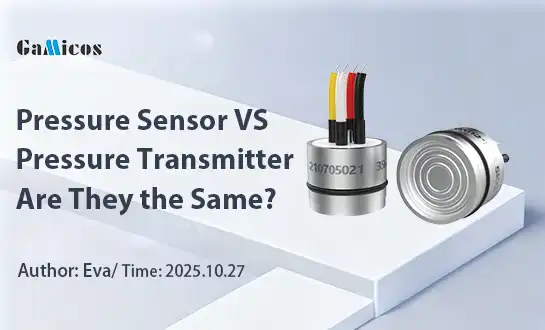
Pressure Sensor VS Pressure Transmitter: Are They the Same Thing?
What industries are pressure transmitters commonly used in?
Pressure Sensor VS Pressure Transmitter: Are They the Same Thing?
What industries are pressure transmitters commonly used in?
Pressure Sensor VS Pressure Transmitter: Are They the Same Thing?
What industries are pressure transmitters commonly used in?
Pressure Sensor VS Pressure Transmitter: Are They the Same Thing?
What industries are pressure transmitters commonly used in?