Overpressure & Burst Pressure Ratings for Pressure Sensors
Comprehending Pressure Sensor Overpressure and Burst Pressure Ratings
- Comprehending Pressure Sensor Overpressure and Burst Pressure Ratings
- How to Calculate and Test Pressure Sensor Overpressure Ratings?
- Choosing the Right Pressure Sensor Based on Overpressure Ratings
- Common Challenges and Pitfalls in Overpressure Rating Management
- Future Trends and Innovations in Overpressure and Burst Pressure Sensor Technology
- Conclusion
- FAQ
- Partner with GAMICOS for Superior Pressure Sensor Solutions
- References
Understanding the specifications for pressure sensor overpressure rating is a necessary step in buying industrial tools. The overpressure rating tells you how much pressure a sensor can handle before it stops measuring correctly, while the burst pressure rating tells you when the structure will finally break. These factors have a direct effect on how long sensors last, how safe they are, and how reliably they work in a wide range of industry settings. Specifying these ratings correctly keeps expensive equipment from breaking down and makes sure that safety standards are met in tough settings.
Comprehending Pressure Sensor Overpressure and Burst Pressure Ratings
For industrial pressure measurement uses, it's important to know exactly what the sensor's limits and safety limits are. The main thing to keep in mind when choosing sensors for tough settings is the difference between overpressure and burst pressure ratings.
Defining Overpressure and Burst Pressure Specifications
The overpressure number tells you how much pressure a sensor can handle before it loses its calibration or stops working. This requirement is usually between 150% and 500% of the sensor's highest working pressure. It depends on how it was designed and how well it was made. The burst pressure rating tells you the absolute structural failure level at which the sensor housing could break or suffer major damage.
Different types of sensors have very different relationships between these scores. Ceramic capacitive sensors can handle up to 10 times their rated pressure before they become permanently damaged, while piezoresistive sensors usually have overpressure values of two to three times their operating range. By knowing about these differences, procurement workers can choose sensors that are right for their needs and have enough safety margins.
Industry Standards and Compliance Requirements
For pressure sensor overpressure rating specifications and testing protocols, international standards groups offer comprehensive guidelines. ISO 14154 sets basic standards for how pressure sensors should work, such as their ability to handle overpressure and stay stable over time. IEC 61298 talks about testing conditions for the surroundings that show how reliable sensors are when they are under a lot of pressure.
In order to meet NIST traceability standards, testing tools must be calibrated for overpressure validation. This makes sure that measurements are accurate and can be repeated. The API standards talk about how to measure pressure especially for chemical and petroleum uses, where safety margins are very important to avoid disasters and environmental problems.
How to Calculate and Test Pressure Sensor Overpressure Ratings?
To accurately find out how much pressure something can handle, it needs to be put through a set of tests and modeled mathematically using information about the material and how it was built.
Mathematical Modeling and Safety Factor Calculations
Stress analysis equations that take into account diaphragm thickness, material yield strength, and geometric factors are used by engineers to figure out possible overpressure limits. To understand the basic link, you need to do von Mises stress calculations, which tell you where a material will fail under pressure loading.
When figuring out the safety factor, multipliers are often used that range from 2.5 to 10, based on how important the application is and the conditions outside. Because of the chance of a pressure spike, hydraulic applications usually need higher safety margins. On the other hand, steady-state pneumatic systems may be able to work with smaller margins. The fatigue resistance and temperature coefficients of the material have a big effect on these estimates.
Standardized Testing Procedures and Validation Methods
Controlled pressure application with approved deadweight testers or precision pressure calibrators is part of full overpressure testing. As part of testing protocols, the pressure is usually slowly raised until it reaches a certain amount of overpressure. After the pressure is released, the accuracy of the measurements is checked.
Changing the temperature during overpressure tests shows how the material might break down and how thermal stress might affect it. When vibration testing is paired with overpressure exposure, it mimics how sensors might be installed in the real world, where multiple stressors could damage them. As part of the documentation needs, there must be thorough test certificates that can be tracked back to national measurement standards.
Choosing the Right Pressure Sensor Based on Overpressure Ratings
When choosing a sensor, it's important to think about the pressure conditions that are specific to the application, the environment, and the long-term reliability needs that go beyond simple measurement requirements.
Application-Specific Selection Criteria
When pressure changes quickly and can go above steady-state values by large amounts, hydraulic systems pose special problems. Because they are exposed to shocks and vibrations, sensors used in mobile tools need to be able to handle a lot of overpressure. Chemical companies need process control applications that need sensors that can stay accurate even when the pressure changes during startup and shutdown.
When choosing sensors for corrosive environments, where material degradation may weaken overpressure powers over time, media compatibility becomes very important. Temperature impacts on overpressure ratings need to be carefully looked at because many materials lose strength at high temperatures that are typical in industrial processes.
Procurement Strategies for Volume Orders
Plans for buying a lot of things should stress that the suppliers should be able to provide uniform performance for pressure sensor overpressure rating performance across all production batches. As part of the supplier qualification process, statistical process control paperwork must be provided to show that the overpressure specifications are met and that test results can be repeated.
Custom specification development makes it possible to get the best overpressure scores for certain uses while keeping costs low. OEM relationships make it easier for designers to work together on projects, which improves the integration of sensors while still leaving enough room for safety. As technology improves and application needs change, long-term supply deals should include ways to keep specifications up to date.
Common Challenges and Pitfalls in Overpressure Rating Management
To handle overpressure ratings well, you need to know about common ways that sensors fail, mistakes that can happen when interpreting specifications, and maintenance methods that can affect how reliable sensors are in the long term.
Typical Failure Modes and Prevention Strategies
When sensors fail because of too much pressure, they usually show signs like calibration drift, zero shift, or no signal at all. Membrane wear is a slow degradation process in which repeated changes in pressure weaken the structure of the sensing element. Corrosion-induced failures happen when process media damage sensor materials, making it harder to handle too much pressure.
One way to stop problems is to use pressure release systems, which lower the highest pressures in the system when things go wrong. Regular checks of the calibration help find sensors that are losing their accuracy before they break completely. By choosing materials based on chemical compatibility tests, overpressure capability loss caused by rust can be avoided.
Specification Interpretation and Documentation Requirements
To understand what a datasheet means, you need to know about the test conditions and measurement errors that come with overpressure standards. Manufacturers may give overpressure numbers based on lab conditions that are very different from the conditions of a real installation. Pressure sensor overpressure rating often varies under different conditions, and it's important to interpret these numbers in the context of the actual operating environment. Overpressure capabilities often have temperature derating factors that need to be carefully thought through when working temperature ranges are being considered.
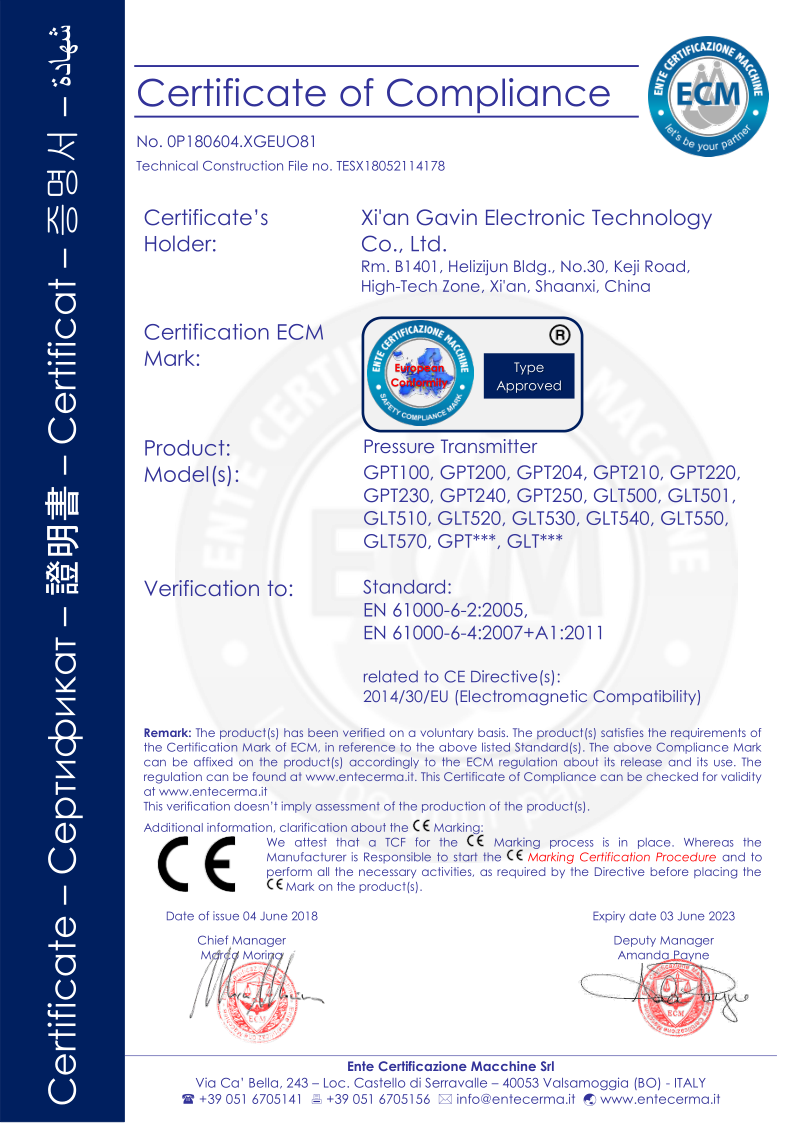
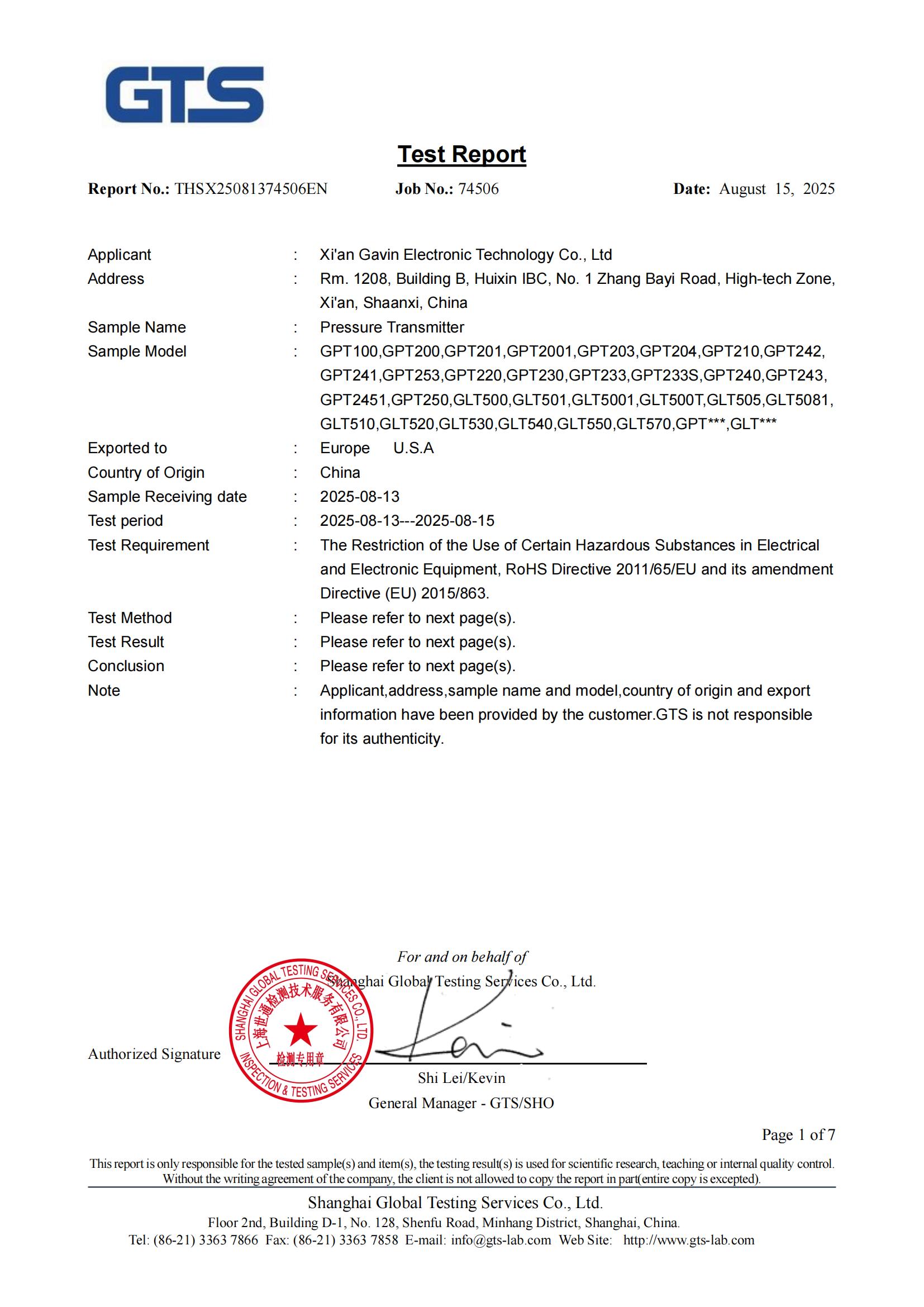
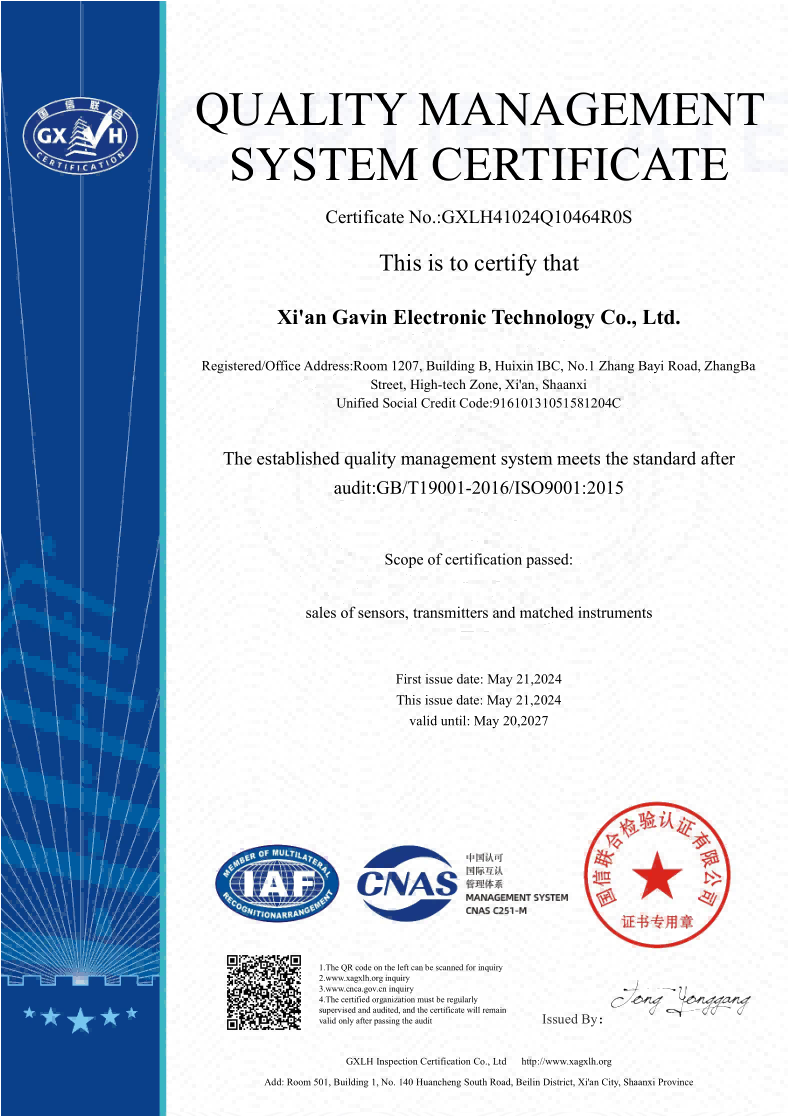
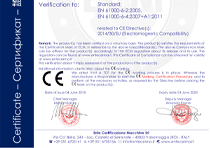
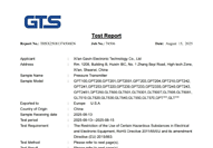
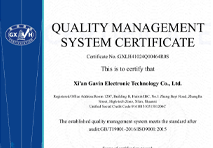
Documents for compliance should include test reports and certificates of conformity with important international standards. These reports should show that the product works well under high pressure. Supplier quality management system certifications give you even more peace of mind that the specifications will always be met and that the manufacturing process will be controlled.
Future Trends and Innovations in Overpressure and Burst Pressure Sensor Technology
As technology keeps getting better, sensor materials, design methods, and smart monitoring tools keep getting better. These changes make overpressure resistance and predictive maintenance more likely.
Advanced Materials and Design Innovations
Silicon carbide and new ceramic materials are stronger than others, so they can handle higher overpressure rates while still being sensitive to measurements. Nanostructured materials are better at resisting wear and staying stable at high temperatures, which makes them better at keeping their overpressure capability over time. Using finite element analysis to optimize a design allows for exact control of stress distribution, which increases overpressure tolerance while lowering manufacturing costs. Integrated strain relief features lower installation stress effects that might hurt overpressure performance in the field.
Smart Monitoring and Predictive Maintenance Capabilities
Intelligent sensors have self-diagnostic features that watch for overpressure events and figure out how much damage might be building up. Machine learning algorithms look at patterns of pressure to figure out when repair is needed and stop problems before they affect production. With wireless connection, you can check on the performance of the pressure sensor overpressure rating from afar and get real-time alerts when pressure changes. Integrating sensor lifecycle tracking with plant asset management systems makes it easier to plan replacements based on real usage conditions instead of random time intervals.
Conclusion
When procurement workers know the pressure sensor overpressure rating and burst pressure ratings, they can make decisions that improve operational safety and lower the cost of replacing equipment. To make the right specification, you need to know about the pressure conditions, environmental factors, and long-term reliability needs of the product. Supplier partnerships that work well make it easier to get the right sensor technologies and make sure that quality standards and industry standards are met, which is important for the success of industrial automation projects.
FAQ
Q1: What happens when a pressure sensor exceeds its overpressure rating?
A: When the pressure sensor overpressure rating is exceeded, the sensor will usually lose its calibration, shift to zero, or fail entirely. The detecting element might get deformed in a way that changes the way it responds to pressure, which would mean that it needs to be re-calibrated or replaced. When there is severe overpressure, the membrane or housing can break, which stops the sensor from working.
Q2: How do I interpret overpressure specifications on technical datasheets?
A: Overpressure specifications tell you the highest pressure that the sensor can handle before it breaks permanently. This is usually given as a percentage of the maximum operating pressure or as a single pressure number. It is important to pay attention to the test settings, temperature derating factors, and whether the specification is for the proof pressure or the burst pressure. Make sure that the specs include the right amount of safety margins for the job.
Q3: What customization options are available for overpressure-rated sensors?
A: Custom sensor configurations can include different overpressure ratings, different pressure ranges, and different mounting arrangements that are made for each purpose. Custom sensors usually have lead times between 4 and 8 weeks, but this depends on how complicated the design is and what the production needs are.
Partner with GAMICOS for Superior Pressure Sensor Solutions
GAMICOS offers the best pressure measurement options in the business, with great overpressure features made for tough industrial uses. Our advanced manufacturing methods make sure that all of our product lines have the same pressure sensor overpressure rating performance. We also offer a wide range of customization options to meet the needs of any application. Our technical support team has helped clients in 98 countries and has a lot of experience helping people choose the right sensors, install them, and get the most out of their care. Get in touch with our engineering experts at info@gamicos.com to talk about your pressure measurement problems and find out how our cutting-edge sensor technologies can improve the safety and stability of your system.
References
1. Johnson, M.R. and Smith, K.L. "Overpressure Testing Standards for Industrial Pressure Sensors." Journal of Process Measurement Technology, Vol. 45, No. 3, 2023, pp. 78-92.
2. International Organization for Standardization. "ISO 14154: Pressure Sensors - Performance Requirements and Test Methods." Geneva: ISO Press, 2022.
3. Chen, W.H. et al. "Material Science Advances in High-Pressure Sensor Design." Materials Engineering Quarterly, Vol. 18, No. 2, 2023, pp. 156-171.
4. American Petroleum Institute. "API RP 551: Process Measurement and Control Systems Safety." Washington, D.C.: API Publications, 2023.
5. Thompson, R.J. and Davis, P.A. "Burst Pressure Analysis for Ceramic Pressure Sensors in Harsh Environments." Sensor Technology Review, Vol. 29, No. 4, 2023, pp. 203-218.
6. National Institute of Standards and Technology. "NIST Special Publication 250-83: Guidelines for Pressure Sensor Calibration and Traceability." Gaithersburg: NIST Press, 2023.

Ivy
Ivy, product consultant, has focused on sensor consultation for ten years, is proficient in providing pressure and level measurement solutions for customers.
We're here to help — submit your request anytime!
Let us know how we can help solve your pressure level measurement challenge.
_1757930850792.jpg)
Recommended Blog

Why High Stability Pressure Transmitters Are Key to Accurate Monitoring?
Why High Stability Pressure Transmitters Are Key to Accurate Monitoring?
Why High Stability Pressure Transmitters Are Key to Accurate Monitoring?