Pressure Sensor Short Lifespan? 5 Techniques to Extend Service Life
Pressure Sensor Short Lifespan? 5 Techniques to Extend Service Life
Understanding Pressure Sensor Lifespan and Common Causes of Failure
- Understanding Pressure Sensor Lifespan and Common Causes of Failure
- Technique 1 – Optimize Installation and Environmental Conditions
- Technique 2 – Regular Maintenance and Calibration
- Technique 3 – Select High-Quality Pressure Sensors Based on Application Needs
- Technique 4 – Implement Signal Conditioning and Monitoring Solutions
- Technique 5 – Adopt Advanced Protective Technologies and Materials
- Conclusion
- FAQ
- Partner with GAMICOS for Reliable Pressure Measurement Solutions
- References
Industrial sites all over the world have a hard time running when pressure sensors stop working. To fix short sensor lifespans, you must first understand that long life pressure sensors are designed to resist common failure modes by using advanced materials, strong construction, and better signal preparation. These gadgets have diaphragms that don't corrode, stable computer parts, and safe housings that last a lot longer than regular ones. Quality sensors can give years of accurate measurements in harsh settings if they are properly chosen and kept. This lowers the total cost of ownership and cuts down on unplanned downtime that can mess up production plans and profits.
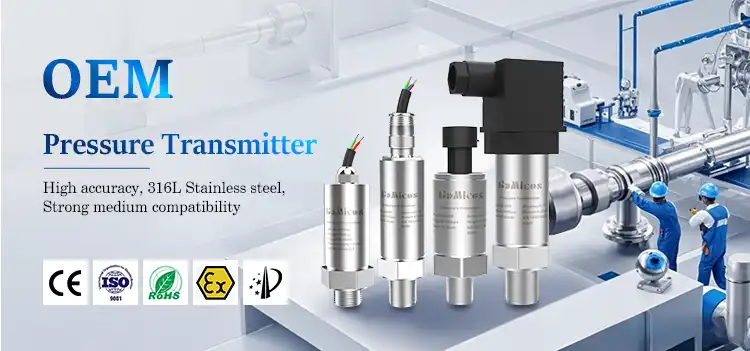
Understanding Pressure Sensor Lifespan and Common Causes of Failure
Why Sensors Fail Prematurely
There are many things that put stress on industrial pressure measurement devices and speed up their breakdown. When diaphragms bend over and over again under changing pressure, this is called mechanical wear. Eventually, the material becomes weak or the structure breaks. Extreme temperatures can damage electrical parts and the materials used to join them, which can cause signals to drift and connections to break. Even when safe housings are used, moisture getting inside destroys electronics inside. Chemicals directly damage sensor materials, especially in oil, drug, and food preparation settings where rough media regularly comes into touch with measuring surfaces.
Design Factors That Determine Longevity
Long life pressure sensors are different because of choices made during the building process. Capacitive pressure sensors with ceramic diaphragms are very stable because ceramics are resistant to chemical attack and keep their shape over a wide range of temperatures. The capacitance-based measurement approach (C = ε₀εᵣA/d) is naturally stable because it is based on changes in the physical gap instead of changes in resistance, which can drift. Signal filtering hardware blocks electromagnetic interference and adjusts for temperature changes so that the sensor stays accurate the whole time it's working.
Comparing Standard Versus Extended-Life Designs
Standard pressure sensors are usually used in general situations where repair costs are low and getting to them isn't too hard. Versions with a longer life span use better materials, like Hastelloy or titanium wetted parts, and extra closing systems. When you think about the costs of substitute labor, process downtime, and the safety risks that come with doing regular repair in dangerous or remote areas, these improvements make the higher initial investment worth it.
Technique 1 – Optimize Installation and Environmental Conditions
Proper Mounting and Orientation
How things are installed has a direct effect on how accurate measurements are and how long parts last. Putting sensors away from sources of shaking stops mechanical resonance, which wears out diaphragms faster. When using capacitive pressure detectors to measure liquids, the orientation is very important. Placing the sensor sideways instead of at dead ends keeps sediment from building up on the detecting surfaces. Process connections need to be torqued according to the manufacturer's instructions. If they are not tightened enough, media can leak, and if they are torqued too much, the housing is stressed, which breaks seals.
Environmental Protection Strategies
Harsh settings need extra safety measures that aren't built into normal sensors. For outdoor or washdown use, enclosures that meet NEMA 4X or IP67 standards protect electronics from dust and water. In high-temperature processes, heat sinks or cooling jackets protect the sensors. In cold settings, insulation keeps ice from forming. Chemical plants use additional containment and attaching gear that doesn't rust to deal with possible exposure situations.
Impact on Total Cost of Ownership
Better conditions for installation have real economic gains. After installing vibration isolation mounts and better environmental enclosures, a petrochemical plant saw a 60% drop in long life pressure sensor failures that happened too soon. Within eight months, the investment was paid for by lower costs for new parts and fewer calls for emergency repair. When procurement managers look at sensor specs, they need to take installation needs into account when figuring out the total cost, along with unit prices.
Technique 2 – Regular Maintenance and Calibration
Establishing Inspection Protocols
Systematic maintenance keeps sensors working well and finds problems before they become completely useless. Visual checks can find rust, physical damage, or connections that aren't tight enough. Electrical testing compares output data to known standards, which shows patterns of shift. Leaks that threaten safety and the accuracy of measurements are stopped by process link integrity checks. By writing down what was found during a check, you can make historical records that can help you figure out when to replace something and how to best store spare parts.
Calibration Best Practices
How often you calibrate depends on how important the application is and how bad the operation is. In the oil and gas industry, custody transfer measurements need to be checked every three months. In general industrial tracking, calibration plans may be pushed back to once a year. Most of the time, capacitive pressure sensors stay stable longer than piezoresistive ones, which could lower the number of times they need to be calibrated. Using approved test equipment that can be traced back to national standards makes sure that calibrations are correct and that businesses that are regulated by the government follow the rules.
Predictive Maintenance Integration
Predictive repair systems in modern buildings use sensors to check the health of the building. By keeping an eye on calibration drift rates, you can tell which units need to be replaced before their accuracy goes too far below what is considered reasonable. Periodic zero-point testing can help submersible pressure sensors that check tank levels without taking the devices out of service. This method keeps process interruptions to a minimum while ensuring accurate measurements across big sites with distributed instrumentation networks.
Technique 3 – Select High-Quality Pressure Sensors Based on Application Needs
Matching Specifications to Application Requirements
To choose the right sensors, you need to have a deep understanding of the process variables and the performance goals. The operating pressure range, suitability with media, accuracy needs, reaction time, and output signal type are the most important things to consider when making a choice. Ceramic capacitive pressure sensors work really well with acidic chemicals because they are better at mixing with other materials. Submersible pressure receivers used to measure liquid levels in water treatment plants are built differently than HVAC pressure sensors used to control the temperature and humidity in buildings.
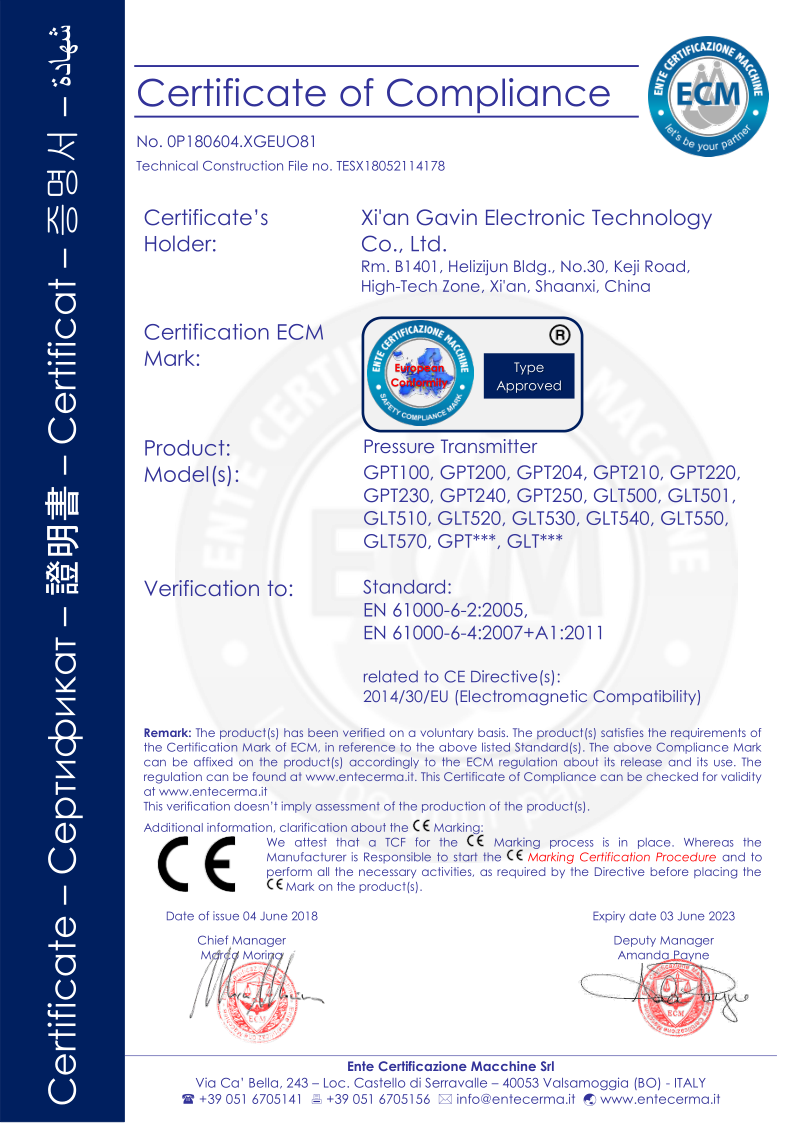
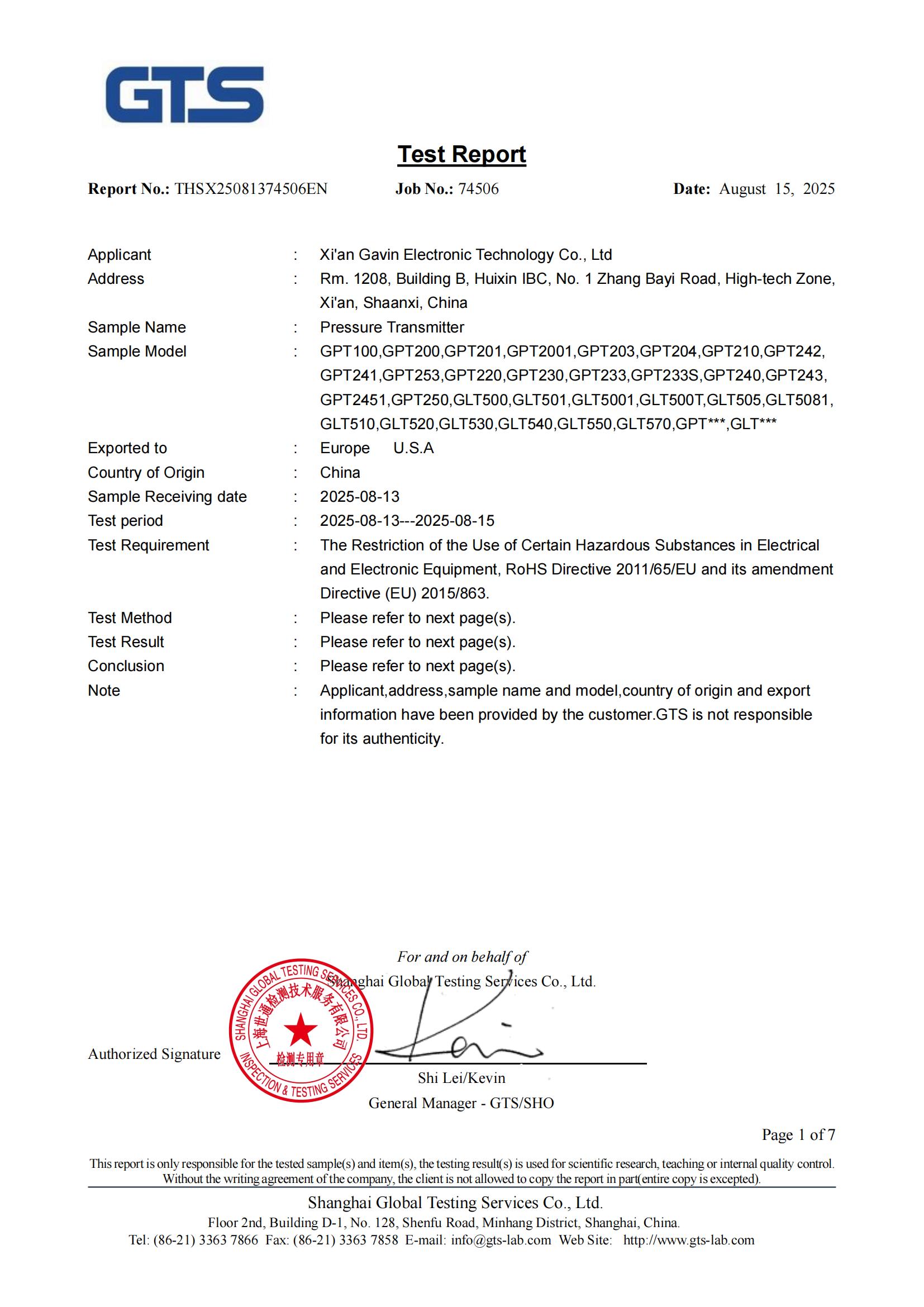
Knowing the unique needs of an application lets you compare supplier offers in a smart way. Engineering managers should look at sensor datasheets to see if they show proof of relevant approvals (CE, RoHS, or ATEX for hazardous sites), published MTBF numbers, and guarantee terms that show the maker is confident in the product's durability.
Evaluating Supplier Capabilities
The choice of supplier has effects that go beyond the initial buy of sensors. Professionals in procurement should check how easy it is to get technical help, how flexible it is to make changes for OEM applications, and how reliable the supply chain is for ongoing projects that need consistent product specs. Manufacturers that offer application engineering help match long life pressure sensor technologies to specific measurement problems. This could help avoid costly design mistakes that are found during testing.
Balancing Performance and Budget
The best way to choose sensors is to find a balance between performance needs and price limits without sacrificing important practical needs. Premium sensors with an accuracy of ±0.1% are worth the extra money in custody transfer and pharmaceutical production, where accurate measurements have a direct effect on the value of the product or on following the rules. For general workplace tracking, devices with an accuracy of ±0.5% may work well enough and cost a lot less. The projected service life should be included in the total cost of ownership estimates. A sensor that lasts twice as long is a better deal, even if it costs more at first.
Technique 4 – Implement Signal Conditioning and Monitoring Solutions
Signal Quality Enhancement
Over time, electronic noise and voltage transients hurt sensor electronics and make measurements less accurate. Signal conditioning circuits block radio frequency interference, stop voltage spikes caused by inductive loads, and keep instruments safe from ground loops by isolating them electrically. Modern capacitive pressure sensors have capacitance-to-digital converters built in that reduce the lengths over which analog signals can be picked up by disturbance. This makes measurements more stable in industrial settings with a lot of electrical noise.
IoT-Enabled Continuous Monitoring
Digital communication methods like Modbus, HART, and IO-Link let smart pressure sensors send diagnostic data along with process measures. By keeping an eye on things like sensor temperature, source voltage, and data quality, you can spot degradation trends early on. Wireless pressure monitoring systems that use LoRa, NB-IoT, or 4G communication allow online diagnostics without having to go to the site in person. This is especially helpful for setups that are spread out across pipeline networks or at rural pumping stations.
Predictive Analytics Applications
Advanced monitoring systems use machine learning methods to look through streams of sensor data and find trends that don't make sense, which can be a sign of impending problems. By looking at the noise features of the pressure output, diaphragm degradation can be found before the accuracy requirements are met. Temperature association research shows that faulty thermal management is causing things to age faster than they should. When these analysis tools are used, reactive maintenance programs are turned into proactive asset management strategies that make sure equipment is always available while keeping maintenance costs as low as possible.
Technique 5 – Adopt Advanced Protective Technologies and Materials
Material Science Innovations
Modern sensors are made with special materials that are designed to work in harsh circumstances. Alloys that don't rust, like Hastelloy C-276, can stand up to harsh chemicals that quickly eat away at stainless steel. Ceramic sensing elements don't get worn down by particle-filled waters used in digging and making cement. Dielectric isolators keep gadgets safe from conductive dirt in areas that need to be cleaned often, like food processing areas.
Protective Coating Technologies
Surface processes make long life pressure sensor last longer in tough situations. In clean medicine and food production processes, electropolished wet surfaces make it harder for contaminants to stick to them. Polymer layers that are resistant to chemicals protect metal housings from environments that are toxic. Hydrophobic treatments keep gadgets from getting wet in hot tropical places or places where condensation is likely to form.
These safety technologies solve problems that are unique to certain industries that regular sensor building can't handle well. Sensors that can handle sour gas service with hydrogen sulfide are useful for oil and gas extraction sites. Chemical plants that work with halogens need special materials that can't be damaged by chlorine or fluorine.
Emerging Smart Sensor Capabilities
Next-generation pressure sensors have self-diagnostic features that can tell when a part is wearing out before it fails completely. Built-in reference sensors compare the main measurement to a stable known standard to find drift. Memory functions record past operations, which can be used to figure out what went wrong and file a guarantee claim. Variable capacitance pressure sensors with adaptable algorithms can automatically adjust for changes in temperature and wear and tear, keeping their accuracy over long periods of time without having to be re-calibrated by hand.
When procurement teams look at different sensor technologies, they should give more weight to devices that have these advanced features. This is especially true for important uses where measurement errors could lead to safety risks or costly production losses. Higher initial investment leads to higher reliability and lower lifecycle costs through longer replacement intervals and better fault spotting that lets maintenance be planned instead of emergency fixes.
Conclusion
To make pressure sensors last longer, you need to pay close attention to how they are chosen, how they are installed, how they are maintained, and what technologies are available. For industrial uses where dependability affects both operating efficiency and safety, long life pressure sensors made of advanced materials, strong construction, and smart readings are the best choice.
When procurement pros understand how failures happen, they can choose the right tools for each application. Using these five methods—optimized installation, regular testing, informed selection, signal conditioning, and advanced protective technologies—significantly lowers the total cost of ownership while raising the accuracy of measurements in a wide range of industry processes.
FAQ
What lifespan can be expected from quality pressure sensors in harsh industrial environments?
If sensors are properly chosen and kept, they should work reliably for five to ten years in difficult situations. Because they are more stable, capacitive ceramic long life pressure sensors are often better than standard piezoresistive ones. Service life varies a lot depending on the type of media that is used, how often the temperature changes, and how much of the pressure range is being used. Sensors that are used near their highest allowed pressure wear out faster than those that are used well within their design limits.
Which maintenance practices most significantly extend sensor operating life?
The best way to extend the life of something is to check the settings regularly and look for rust or damage physically. Cleaning sensing surfaces gets rid of buildups that make measurements less accurate. Intermittent breakdowns can be avoided by checking the electrical links. Keeping track of inspection results lets you use trend analysis to figure out when to replace something before it completely breaks down and stops operations. This way, repair can be done during planned shutdowns instead of having to be done in an emergency.
How do smart sensors reduce operational costs compared to traditional analog devices?
Predictive repair plans that minimize unplanned downtime are made possible by intelligent sensors that provide constant diagnostic tracking. With remote communication, you don't have to go to the spot to do regular checks. Self-compensation methods keep their accuracy for a longer time without having to be calibrated. Even though they cost more to buy at first than analog options, in the long run, they are cheaper to own because they need less maintenance, don't break down as often, and don't lose output time due to unexpected problems.
Partner with GAMICOS for Reliable Pressure Measurement Solutions
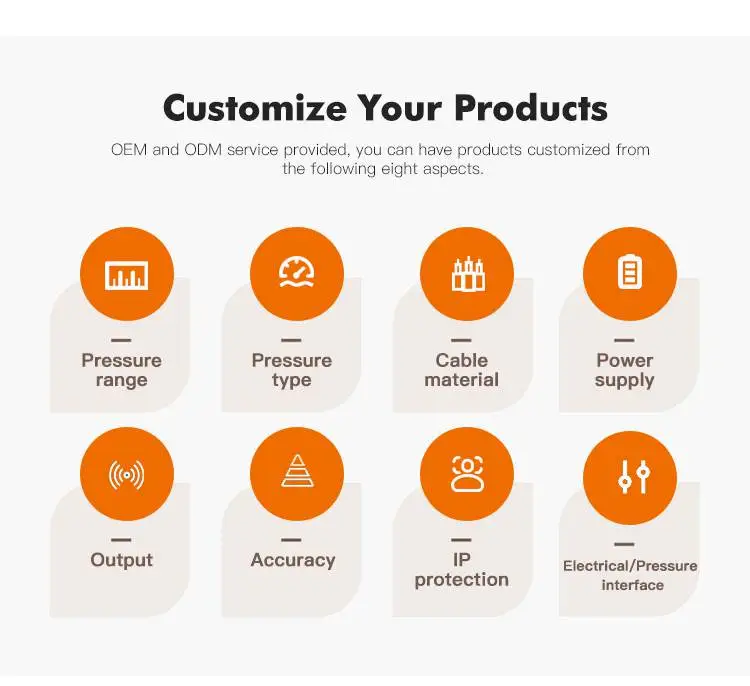
Georgia Microsystems makes high-performance pressure monitors that are designed to last longer in harsh industrial settings. Capacitive pressure detectors, submersible pressure sensors for measuring liquid level, and IoT-enabled wireless tracking systems that can be used for remote setups are all in our product line. We offer full OEM/ODM customization services that are tailored to your unique application needs. These services include choosing the type of sensor, setting up the interface, and integrating the communication protocol.
Our engineering team provides professional technical help during the entire process of choosing a product, installing it, and commissioning it. This makes sure that your pressure measurement equipment works at its best. Contact our experts at info@gamicos.com to talk about the problems you're having with your application and get personalized advice from long life pressure sensor providers who are dedicated to lowering your running costs through reliable instrumentation solutions.
References
1. Johnson, M. R., & Peterson, L. K. (2021). Industrial Pressure Sensor Reliability: Design Factors and Field Performance Analysis. Journal of Process Instrumentation Technology, 45(3), 287-304.
2. Chen, H., & Williams, D. A. (2020). Capacitive Sensing Technology: Principles and Industrial Applications. Boston: Technical Publishing International.
3. Martinez, S. R., Thompson, K., & Lee, J. (2022). Predictive maintenance strategies for industrial pressure measurement systems. Automation and Control Engineering Review, 38(2), 156-173.
4. International Society of Automation. (2021). Recommended Practice for Pressure Sensor Installation and Maintenance (ISA-RP51.1-2021). Research Triangle Park, NC: ISA Publications.
5. Anderson, P. G., & Kumar, R. (2019). Material selection for pressure sensors in corrosive industrial environments. Materials Science and Engineering Quarterly, 52(4), 412-429.
6. European Federation of Chemical Engineering. (2020). Guidelines for Pressure Instrumentation in Process Industries. Frankfurt: EFCE Technical Documentation Series.

Halen
With over 12 years of experience in fluid sensing technology, Halen specializes in helping clients select and optimize oil level sensors for a wide range of industries—including automotive, marine, heavy machinery, and energy.
We're here to help — submit your request anytime!
Let us know how we can help solve your pressure level measurement challenge.
_1757930850792.jpg)
Recommended Blog
Overpressure & Burst Pressure Ratings for Pressure Sensors
Upgrading Reactor Monitoring with Smart Pressure Transmitters
Mitigating Pulsation, Water Hammer & Overpressure in Pumps
Wireless vs. Wired Pressure Transmitters for IIoT Applications
Overpressure & Burst Pressure Ratings for Pressure Sensors
Upgrading Reactor Monitoring with Smart Pressure Transmitters
Mitigating Pulsation, Water Hammer & Overpressure in Pumps
Wireless vs. Wired Pressure Transmitters for IIoT Applications