Pressure Sensors in Wind Turbine Pitch Control
Understanding Vibration Resistant Pressure Sensors in Wind Turbine Pitch Control
- Understanding Vibration Resistant Pressure Sensors in Wind Turbine Pitch Control
- Key Considerations When Selecting Pressure Sensors for Wind Turbine Pitch Control
- Installation and Maintenance Best Practices for Vibration Resistant Pressure Sensors
- Trends and Innovations in Vibration Resistant Pressure Sensor Technology for Wind Energy
- Procurement Guide: Buying and Sourcing Vibration Resistant Pressure Sensors
- Conclusion
- FAQ
- Partner with GAMICOS for Reliable Vibration Resistant Pressure Sensor Solutions
- References
To control the pitch of a wind machine, you need sensors that work perfectly even when they are under a lot of mechanical stress. At the cutting edge of this technology are vibration resistant pressure sensors, which are designed to work with the constant shaking, shocks, and high temperatures that come with running a turbine. Normal sensors fail when they are exposed to constant movements, but these special instruments use advanced damping materials, stronger diaphragms, and complex signal processing to keep the measurements accurate. When used in pitch control hydraulics, they make sure that the blades of the turbine can change perfectly to the wind conditions. This maximizes energy capture and protects important engine parts from damaging loads.
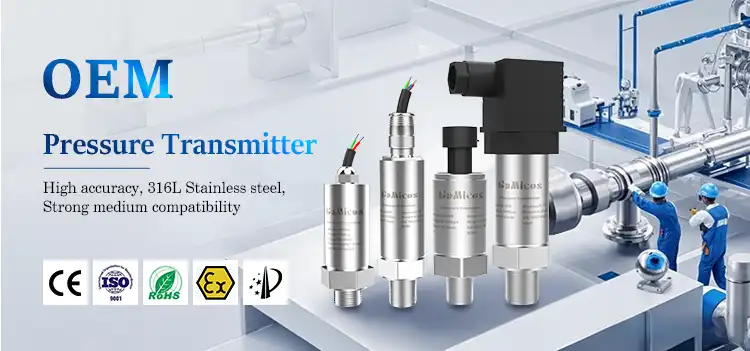
Understanding Vibration Resistant Pressure Sensors in Wind Turbine Pitch Control
Why Vibration Resistance Matters in Pitch Systems?
Wind turbines have to work in harsh conditions. During storms, the nacelles can experience accelerations of more than 2G. Every day, the pitch control hydraulics spin thousands of times, causing changes in pressure of 50 to 350 bar and movements in multiple directions. When standard pressure sensors are put through these kinds of conditions, they show signal drift, diaphragm fatigue before its time, and catastrophic failure modes that make it harder to accurately place the blades. Blades that aren't lined up right cut power output by 8–15%, and blades that move around without being controlled can cause emergency shutdowns that cost managers $30,000 per turbine every day in lost income.
Vibration resistant pressure sensors use multiple layers of engineering to solve these problems. Ceramic piezoresistive elements are naturally stiff, so they don't bend when they're vibrated from the outside, but they can still sense real pressure signs. Manufacturers glue these sensing parts together using elastomeric materials that are tuned to absorb frequencies between 10 and 500 Hz. This is the frequency range where structure resonances in turbines are most common. High-frequency noise artifacts are filtered out by electrical correction circuits, making sure that output signals show real hydraulic pressure instead of mechanical disturbances.
Core Technologies Enabling Vibration Tolerance
Modern vibration resistant pressure sensors use three basic technologies that work together to make them work better. Thick-film ceramic surfaces offer mechanical strength that silicon dies can't match, withstanding shock loads of up to 100G without damaging the structure. The piezoresistive bridge circuits that are printed on these surfaces keep their calibration even when the temperature changes from -40°C to +125°C, which is common in wind sites in the Arctic and offshore. Hermetic stainless steel housings with vibration-damping mounts keep sensor elements from being affected by shocks sent by the case. This makes them last longer than 100 million pressure cycles.
The second important stage is signal filtering. Onboard microprocessors run real-time programs that can tell the difference between noise caused by vibrations and real pressure changes during blade pitch events. These systems take samples at rates higher than 10 kHz and use digital filters to keep reaction times below 1 ms, which are needed for turbine control loops, while blocking interference from outside the band. The result shows that the measurement error is less than ±0.25% of the full scale, even when the sensor is directly attached to hydraulic pipes that are vibrating all the time.
Performance Advantages in Wind Energy Applications
Using sensors made for settings with shaking changes how reliable pitch control is measured. Field data from offshore wind farms show that sensor failures drop by 73% when normal models are replaced with models that can withstand vibrations. Maintenance gaps increase from 18 months to over four years, which lowers the need for cranes to reach the nacelle, which makes remote shipping more difficult. When measurement stability is improved, blade angle control tolerances can be made tighter. This recovers 3-6% of yearly energy production across fleet installations, which can mean millions of dollars more in income for utility-scale projects.
Key Considerations When Selecting Pressure Sensors for Wind Turbine Pitch Control
Evaluating Sensitivity and Accuracy Requirements
For pitch control, the pressure readings must be accurate enough to pick up changes in blade angle of 0.1 degrees, which is equal to changes in hydraulic pressure of about 2 bar. This level of precision must be available across the whole working range of the sensor, and the total error band must stay below 0.5%. Temperature effects are especially important—offshore turbines have 60°C temperature changes between night and day that cause range shifts in sensors that aren't properly adjusted. When accuracy specs are released, procurement teams should make sure that they include linearity, hysteresis, and temperature error across the whole planned working range, not just the best-case performance at room temperature.
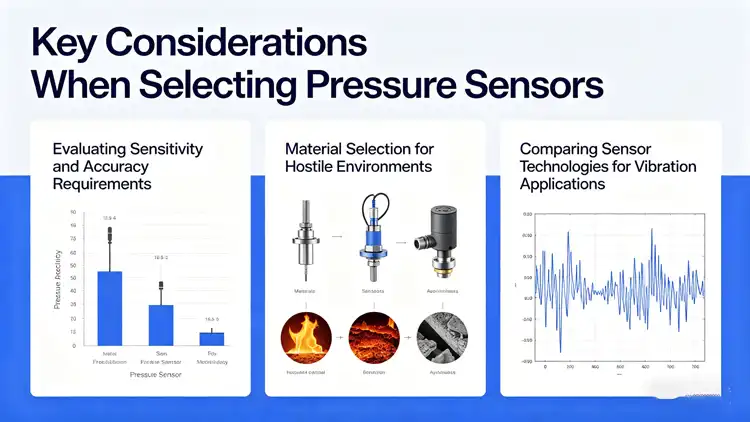
Material Selection for Hostile Environments
The acidic conditions that make sensors last less long are concentrated in turbine nacelles. In coastal sites, salt spray damages electrical connections and housing materials. Also, the chemistry of hydraulic fluids from different makers is different. It is much better for sensors made of 316L stainless steel and gold-plated electrical contacts to not break down in these conditions than sensors made of carbon steel or brass. Ceramic diaphragms are very good at mixing with chemicals because they don't react with phosphate ester hydraulics, glycol-based fluids, or the oil that gets contaminated with moisture that is common in old turbine systems.
Comparing Sensor Technologies for Vibration Applications
There are three main sensing methods that are used in wind turbines. Each has its own pros and cons. Piezoresistive clay sensors are tough and cheap, which makes them perfect for buying in bulk for groups of megawatt turbines. Their natural resistance to shaking comes from being made of a single piece of clay, which doesn't have the weak bond lines that are common in silicon sensors. Piezoelectric sensors have better dynamic response, but they need charge amplifiers and can pick up low-frequency shaking effects. Capacitive sensors are very stable over long periods of time, but they are very expensive, which keeps them from being used in general uses.
Performance data shows these differences in a measurable way. When put through 10G continuous motions at 100 Hz, vibration resistant pressure sensors stay accurate to within 0.3%, but similar silicon devices make mistakes of more than 2% in the same conditions. In ceramic versions, the frequency response goes up to 5 kHz, which is high enough to pick up pressure changes during emergency pitch events where blades slew at full speed. Because they are better technically, more than 60% of new turbine setups now choose ceramic piezoresistive sensors for pitch hydraulics.
Installation and Maintenance Best Practices for Vibration Resistant Pressure Sensors
Optimizing Mounting Configurations
Installing sensors in places with a lot of shaking has a direct effect on the quality of measurements and the length of time they last. If you mount the device directly to hydraulic manifolds, the pressure path is the smallest and reaction time is the fastest. However, sensors are exposed to the most vibration. Adding isolation plates or bendable capillary connections lowers vibrations by 40–60%, but it slows down the dynamic reaction. Engineers have to find the right mix between these factors based on the needs of the control system. For example, current turbines with 100-millisecond pitch loop times can handle capillary delays, but older systems need direct mounting even though they are exposed to more vibration.
Orientation is more important than most people think. Installing sensors so that their sensing line is perpendicular to the main vibration directions reduces the stress on the parts that hold the diaphragm in place. When routing electrical tubing, it should include service loops that keep cables from getting strained during nacelle temperature expansion and vibration cycles. For pressure port connections, torque standards must be strictly followed. If they are too tight, they cause housing stress that shows up as zero-point drift, and if they are too loose, they let moisture in through tears. When calibrated torque wrenches are set to the manufacturer's specs, neither of these failure types can happen.
Establishing Effective Maintenance Protocols
Most failures in the field of vibration resistant pressure sensors can be avoided with proactive repair plans. Visual checks every three months look for early warning signs like rust at electrical connections, hydraulic fluid seeping around process fittings, or damage to housings and cables. Using portable deadweight testers to check the calibration every six months finds drift before it affects the performance of the turbine. However, high-quality sensors usually stay within specifications for three to five years before they need to be formally recalibrated. Using thermal imaging during operation can find electrical connections that are breaking by looking for hot spots before they break completely.
The difference between great upkeep plans and good ones is how they keep records. By keeping track of each sensor's installation date, model number, and calibration history, it is possible to replace them before they break. By keeping track of failure modes across turbine lines, regular problems can be found. For example, failures that happen over and over at the same mounting location may be a sign of resonance issues that need damping changes instead of constant sensor replacement. Leading wind companies have cut down on unplanned repair by 45% and increased the average service life of sensors from 6.8 to 11.2 years using this data-driven method.
Trends and Innovations in Vibration Resistant Pressure Sensor Technology for Wind Energy
Advanced Materials Enhancing Performance
Nanotechnology integration is the newest and most advanced way to make sensors for wind uses. In nanocomposite ceramics, carbon nanotubes and graphene particles make the materials stronger and more sensitive to piezoresistivity. These materials make it possible to make diaphragms that are smaller, which improves frequency response up to 10 kHz while keeping the same level of vibration protection as traditional designs. Early tests in the field show that the signal-to-noise ratios are 30% better and that the temperature stability has improved, lowering the total error band to ±0.15% from -40°C to +150°C.
Ceramic substrates can now be used with MEMS manufacturing methods, which makes it possible to mass-produce sensors that used to have to be put together by hand, which was expensive and time-consuming. Batch processing lowers the cost of production by 40% and improves consistency from unit to unit, which is very important for OEM customers who install thousands of sensors every year. Because of these price cuts, mid-sized wind projects that couldn't afford better sensors before can now use high-end technology that doesn't get damaged by shaking.
IoT Integration and Predictive Maintenance
By building digital communication directly into pressure sensors, they are changed from simple measuring tools to smart system points. Not only do sensors with IO-Link, Modbus, or their own digital protocols send pressure readings, but they also send self-diagnostic data, such as the operating temperature, supply voltage, calibration status, and vibration exposure metrics. These parameters are looked at by control systems to see when failures are likely to happen, weeks before they do. Replacements are then scheduled for times when maintenance is planned, rather than when failures happen suddenly.
Connecting to the cloud further enhances the value of vibration resistant pressure sensor, enabling data aggregation across entire wind farms and supporting fleet-level analytics for predictive maintenance, performance optimization, and improved operational reliability.
Machine learning algorithms find patterns of performance degradation that can't be seen when looking at individual turbines. When hydraulic pressure signatures change from baseline profiles, operators are notified. This lets them know about problems with the pitch actuator before they cause blade positioning errors. This predictive method has cut down on catastrophic blade failures by 82% at installations that have started using these technologies. This has led to fewer insurance claims and safety incidents.
Future Developments Shaping the Market
The next generation of sensors that are being made promise to make wind turbines much more reliable. Using self-calibrating designs with reference pressure cavities stops drift, allowing field service intervals of more than ten years without having to be re-calibrated. Pressure sensors that collect energy and are powered by piezoelectric or thermoelectric generators get rid of the need for wiring in rotating hub applications. This makes installation easier and increases reliability. Adaptive vibration compensation systems with accelerometer inputs will change filtering algorithms based on real-time vibration spectra, making them more accurate in a range of working conditions.
These new ideas are in line with the wind industry's trend toward bigger turbines and tougher locations. Offshore installations in areas prone to typhoons and floating platforms experience levels of vibration that are higher than what is allowed by current IEC standards. For these future uses, sensors will have to be able to handle 15G shock loads and continuous 5G vibrations while still being accurate to within 0.1%. This is what is pushing sensor makers, materials scientists, and wind turbine OEMs to work together. Early adoption of these new technologies gives project developers going after the world's most difficult sites a competitive edge.
Procurement Guide: Buying and Sourcing Vibration Resistant Pressure Sensors
Identifying Qualified Suppliers
The first step in a successful procurement process is to check out suppliers based on their technical and wind energy experience. Manufacturers whose turbines have already been installed offshore or in harsh climates can reassure project managers that they will be reliable. Ask for case studies that show how the sensor worked in similar situations, and pay close attention to the MTBF data and the number of warranty claims. Application engineering support from suppliers helps specify the best sensor configurations for different turbine models and operating conditions. This keeps costly mismatches between sensor capabilities and system needs.
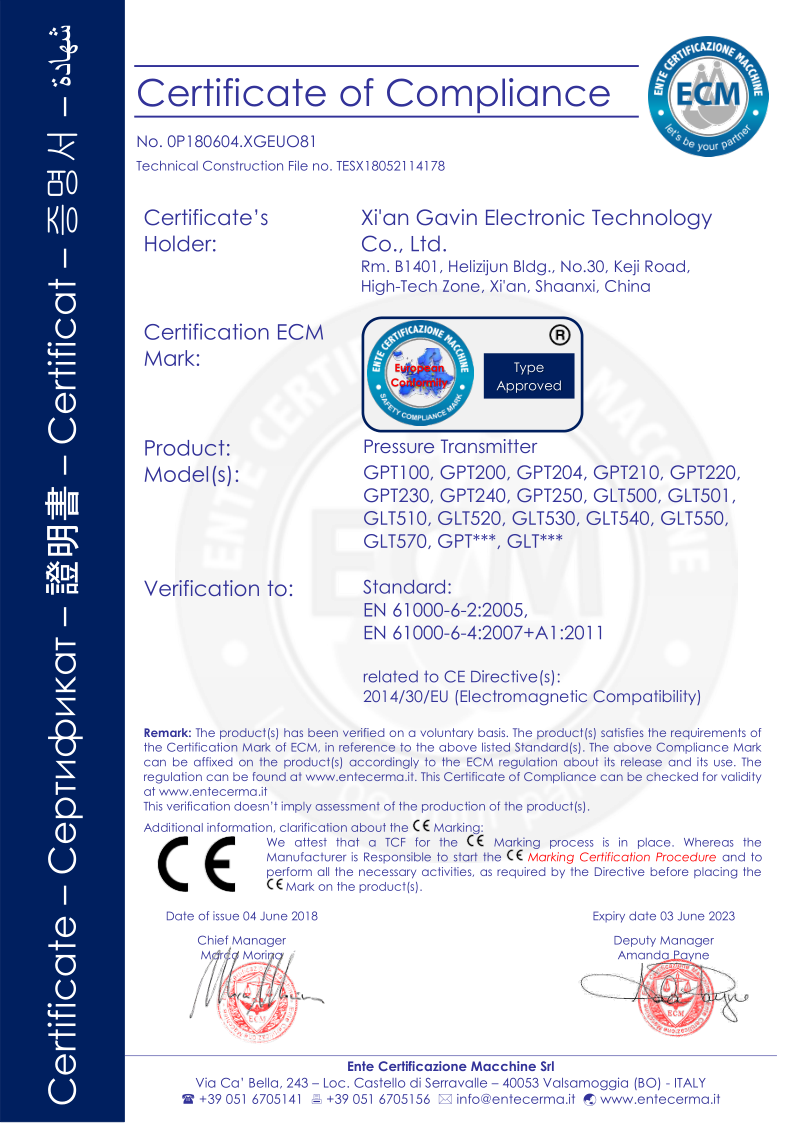
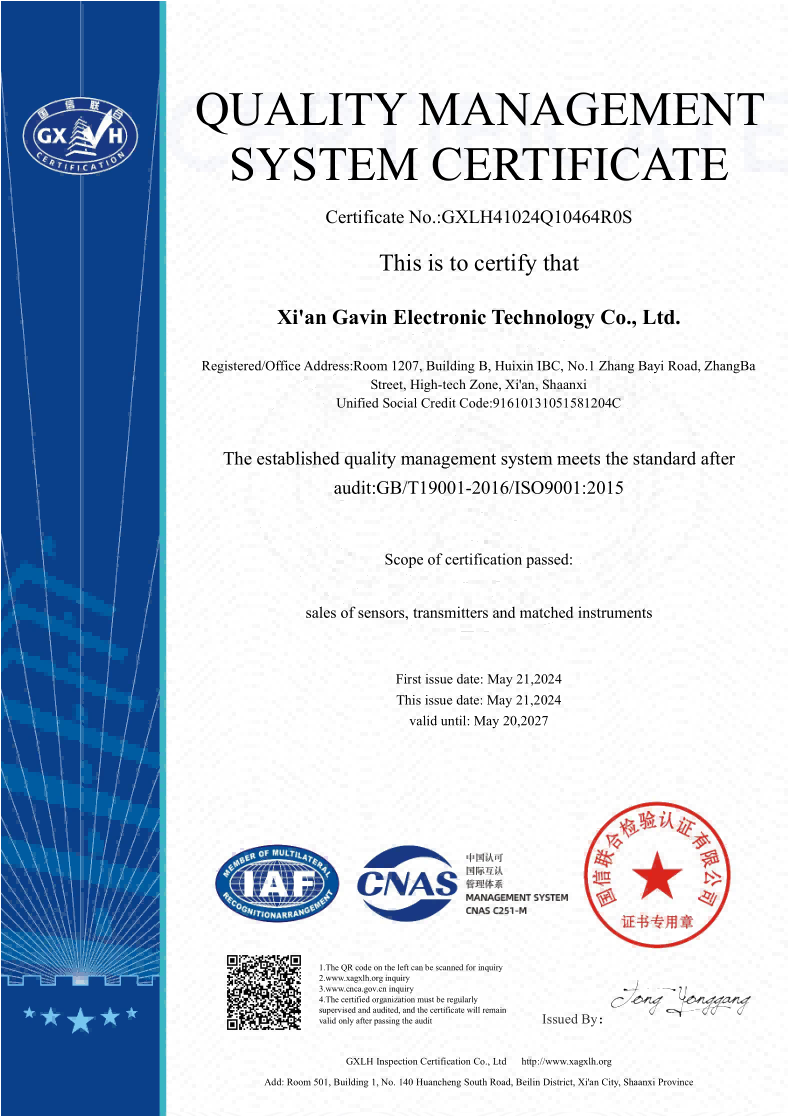
Certification compliance turns out to be a must for wind turbine parts. Sensors need to have a CE mark that shows they follow EU rules, as well as third-party certifications like ISO 9001 for quality management and ISO 14001 for environmental standards. ATEX or IECEx certifications are needed for intrinsic safety in offshore and potentially explosive environments. Instead of taking supplier-provided paperwork at face value, check the authenticity of the certificate through notified body databases. Low-cost supplier channels are sometimes where fake certificates can be found.
Evaluating Total Cost of Ownership
In wind turbine applications, the purchase price only accounts for 15–25% of the true costs of a sensor over its entire life. The costs of installation labor, commissioning time, and keeping inventory add up a lot. Unexpected failures cause extra costs because of lost production and the need to call in emergency maintenance. Find the total cost of ownership by adding up the average time between failures, the length of the warranty, and how quickly the supplier responds to technical support requests. A sensor that costs 30% more but lasts twice as long and fails half as often is more cost-effective than cheaper ones that need to be replaced more often.
Buying in bulk can save you a lot of money and help your supply chain. Setting up frame agreements for a multi-year sensor supply guarantees faster delivery during shortages affecting the whole industry and lower prices. Many manufacturers offer discounts of 15–25% on orders of 500 or more units, and they may make even bigger discounts for deployments in multiple locations. When you buy more than 200 units, it's cheaper to make custom configurations like changing the pressure ranges, electrical connections, or housing materials. This lets you get the best performance for certain turbine platforms without charging more.
Logistics and After-Sales Considerations
When you ship sensors, they need to be protected in a way that keeps them from getting damaged by vibration and impact. Reliable suppliers use foam-lined containers with shock sensors that show when the containers have been handled incorrectly, which could affect the calibration. For routes through harsh climates, choose shipping methods that can control the temperature, since storage above 70°C breaks down elastomeric sealing materials and adhesives. Keep strategic inventory at regional service centers to cut down on wait times when things go wrong. Offshore turbines can be shut down for weeks while they wait for parts to arrive if planning ahead doesn't work out.
Long-term supplier satisfaction depends on the quality of after-sales support. Check how quickly they respond to technical questions, if they offer support in the local language, and if they are willing to help with commissioning on-site during initial installations. The warranty should cover problems with the way the product was made for at least three years, and there should be clear steps for handling returns and quickly sending a replacement. Suppliers that offer calibration services, repair services, and retrofit programs for old models add value that lasts beyond the purchase of the product.
Conclusion
The accuracy of wind turbine pitch control depends on pressure sensors that can work even when there are constant vibrations and extreme weather. Designs that are resistant to vibrations and use ceramic piezoresistive technology, advanced damping, and smart signal processing have shown that they can last and work well enough for utility-scale wind installations. Careful sensor choice based on accuracy needs, material compatibility, and total lifecycle costs guarantees the best system performance while reducing the amount of maintenance that needs to be done.
Nanomaterials, IoT integration, and adaptive compensation algorithms are some of the new technologies that promise even more improvements. Procurement teams can build reliable pitch control systems that maximize turbine uptime and energy production in demanding global installations by strategically sourcing from qualified suppliers with experience in the wind industry, full certifications, and strong after-sales support.
FAQ
What makes vibration resistant pressure sensors different from standard sensors?
Vibration resistant pressure sensors use special materials to absorb vibrations, diaphragms that are stronger, and signal filtering algorithms that keep the sensors accurate even when they are subjected to continuous mechanical vibrations of more than 10G. Standard sensors don't have these features, so when they are used in turbine operating conditions, they lose accuracy and fail early. The reinforced design can handle shock loads of up to 100G, and digital compensation circuits can tell the difference between vibration noise and real pressure signals, so the sensors can give stable readings even when other sensors don't.
How long do vibration resistant sensors typically last in wind turbine applications?
If you keep your pitch control systems in good shape, good vibration resistant pressure sensors will last between 8 and 12 years, and in some cases they will last longer than 15 years. Lifespan depends on how bad the vibrations are, how clean the hydraulic fluid is, how often the temperature changes, and how well the system was installed. Offshore turbines that are used in harsh environments may only last 5 to 7 years, while onshore installations that are used in mild climates usually last longer than 10 years before they need to be replaced. Unexpected failures can be avoided by regularly checking the calibration and replacing units that are showing signs of wear.
Can existing turbines be retrofitted with vibration resistant sensors?
It's easy to do retrofitting when the new sensors fit into the old fixing holes and electrical connections. Most sensors that don't get damaged by shaking use standard process thread connections that work with standard hydraulic lines. When switching from analog to digital communication methods, it may be necessary to convert the electrical interfaces, which means that the control system code needs to be updated. Suppliers with a lot of products usually have straight replacement models that make retrofitting easier and improve performance without having to rethink the whole system.
Partner with GAMICOS for Reliable Vibration Resistant Pressure Sensor Solutions
In order to meet the needs of wind turbine pitch control, GAMICOS offers industrial-grade vibration resistant pressure sensor technology. Our engineering team has been making measurement solutions for the energy sector for 20 years. Their systems have been used in 98 countries, in places as cold as the Arctic and as warm as the Caribbean. We make ceramic piezoresistive sensors with advanced damping systems and digital signal processing that stay accurate to within 0.25% even when they are exposed to constant shaking. Our products are fully certified by ISO 9001 and come with a guarantee that lasts for several years.
GAMICOS can make any kind of order, from a few prototypes to over 10,000 units. They can offer ready-to-use off-the-shelf options or special OEM configurations that fit specific turbine platforms. Our technical support experts help you choose the right sensors, install them correctly, and fix problems throughout the duration of your products. This makes sure that your pitch control systems are as reliable as possible. We keep inventory across regional distribution centers as an established vibration resistant pressure sensor seller serving global wind energy leaders for quick delivery when project deadlines call for it. Contact info@gamicos.com to talk about your wind turbine sensing needs and get advice from our engineering team that is tailored to your situation.
References
1. Hansen, M.O.L., Aerodynamics of Wind Turbines, 3rd Edition. Earthscan Publications, 2015.
2. Kaldellis, J.K. and Zafirakis, D., "The Wind Energy Revolution: A Short Review of a Long History." Renewable Energy Journal, Vol. 36, 2011, pp. 1887-1901.
3. Tchakoua, P., et al., "Wind Turbine Condition Monitoring: State-of-the-Art Review, New Trends, and Future Challenges." Energies, Vol. 7, 2014, pp. 2595-2630.
4. Márquez, F.P.G., et al., "Condition Monitoring of Wind Turbines: Techniques and Methods." Renewable Energy, Vol. 46, 2012, pp. 169-178.
5. Qiao, W. and Lu, D., "A Survey on Wind Turbine Condition Monitoring and Fault Diagnosis." IEEE Transactions on Industrial Electronics, Vol. 62, No. 10, 2015, pp. 6536-6545.
6. Henriksen, L.C., et al., "Electric Pitch Control System Design and Development." European Wind Energy Conference Proceedings, 2007, pp. 112-126.

Eva
Eva specializes in bridging the gap between cutting-edge sensor technology and market needs. With 8 years of experience in industrial product marketing, she has successfully launched multiple sensor product lines—from pressure transmitters to fuel level sensor—into global markets.
We're here to help — submit your request anytime!
Let us know how we can help solve your pressure level measurement challenge.
_1757930850792.jpg)



Recommended Blog
Guide to Intrinsically Safe & Explosion-Proof Pressure Transmitters
Guide to Intrinsically Safe & Explosion-Proof Pressure Transmitters