Harsh Environment Installation for Pressure Sensors
Introducing Explosion Proof Pressure Transmitters in Harsh Environments
- Introducing Explosion Proof Pressure Transmitters in Harsh Environments
- Challenges and Considerations for Installation in Harsh Environments
- How to Choose the Right Explosion Proof Pressure Transmitter for Your Project?
- Top Brands and Suppliers of Explosion Proof Pressure Transmitters
- Future Trends and Innovations in Explosion Proof Pressure Transmitters
- Conclusion
- FAQ
- Partner with GAMICOS for Your Explosion Proof Pressure Measurement Needs
- References
Pressure monitors need to be installed in tough industrial settings, which is hard to do without special tools and careful planning. Standard methods for measuring pressure just can't give workers the safety and dependability they need in dangerous places like oil factories, chemical plants, or mines. The explosion proof pressure transmitter is the standard in the industry. It is designed to work properly in possibly explosive environments while still giving correct readings of pressure.

Introducing Explosion Proof Pressure Transmitters in Harsh Environments
Fundamental Design and Operation Principles
Through special container design, explosion proof pressure transmitter units are carefully made to keep explosive atmospheres from starting. These devices have strong cases with flame paths that let hot gases cool down as they leave the enclosure. This keeps flammable fuel-air mixtures from starting on the outside. For safety reasons, the walls of the cage must stay a certain thickness so that heat from blasts inside can't reach dangerous levels on the outside.
The Ex-d security method, which is also called "flameproof design," keeps explosions inside the housings of these transmitters. This containment system makes it safe to work in ATEX-classified Zone 1(21) or Zone 2(22) dangerous places as well as in North American-style Class I, II, or III sites.
International Safety Certifications and Standards
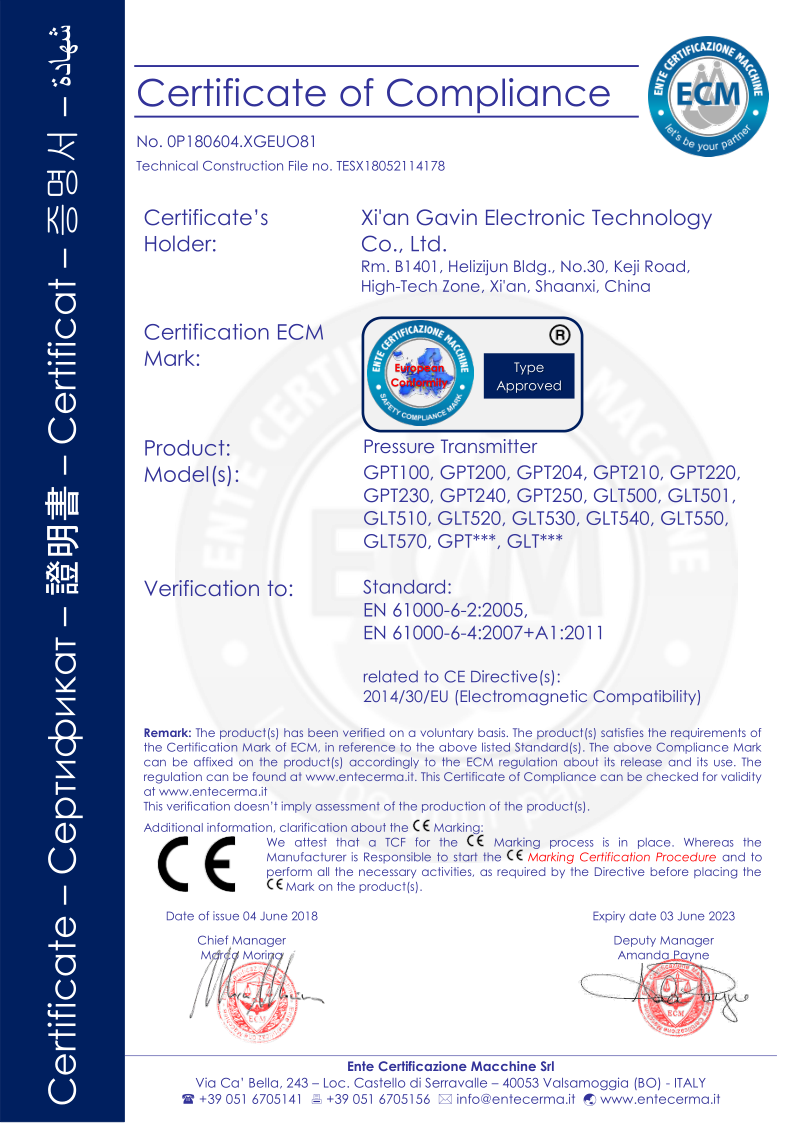
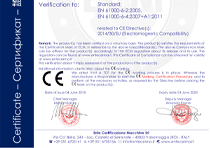
ATEX and IECEx licenses show that strict international safety standards have been met. These approvals make sure that transmitters meet certain standards for use in explosive atmospheres. ATEX certification is valid in Europe, while IECEx certification is valid in many countries and areas around the world.
As part of the certification process, the stability of the enclosure, the efficiency of the flame path, and the temperature limits are all thoroughly tested. Manufacturers have to show that their goods can handle fires inside without affecting safety on the outside. This process of confirmation usually takes months and needs a lot of writing down of design requirements and testing methods.
Pressure Measurement Capabilities
These special transmitters can correctly measure three main types of pressure. When measuring gauge pressure, the atmospheric pressure is used as a standard. values above atmospheric pressure are positive, and values below atmospheric pressure are negative. When measuring absolute pressure, a full vacuum is used as a reference point. Zero PSIa means that there is no pressure at all. Differential pressure measurement figures out the difference between two sources of pressure, which is important information for controlling processes.
Over a temperature range of -40°C to +85°C, modern explosion proof pressure transmitter designs keep accuracy to 0.1% of full scale. This level of accuracy makes process control effective even in harsh environments.
Challenges and Considerations for Installation in Harsh Environments
Environmental Factors Affecting Performance
Extreme changes in temperature can have a big effect on how well sensors work and how long they last. Stress from thermal cycling can damage electronic parts and mechanical seals, which could cause calibration slip or seal failure. Corrosive chemicals are even more difficult, and they need special coats and materials to keep them from breaking down.
Mechanical noises from nearby machines can mess up measurements and speed up the wear on parts. Industrial activities can cause shocks that can damage internal parts or the stability of the mounting. These environmental factors need to be carefully thought through when planning the installation and during routine repair.
Site Selection and Mounting Best Practices
By choosing the right fixing position, you can keep measurement accuracy while reducing exposure to harsh environments. Points of installation should stay away from toxic chemicals, sources of high shaking, and temperature changes that are too big or too small. Mounting gear needs to be able to hold things securely while also letting them expand and shrink with temperature changes.
Access for upkeep tasks needs to be carefully planned during installation. For regular checkups, checking the calibration, and replacing parts, technicians need safe ways to get to the machine. When you need to shut down in an emergency, you should think about where the transmitters are and how to remove them.
Wiring and Connection Considerations
To make electrical links in dangerous places, you need special tools and methods. During the building, conduit systems must stay completely explosion-proof. To keep certification compliance and stop moisture from getting in, cable glands need to be installed and sized correctly.
Different signal transfer methods are used for different purposes. Traditional 4-20mA analog messages let people talk to each other reliably over long distances. Digital methods allow for better diagnostics and transfer of multiple variables. Physical connection problems aren't a problem with wireless systems, but battery life and signal stability need to be carefully thought through.
How to Choose the Right Explosion Proof Pressure Transmitter for Your Project?
Critical Selection Parameters
Different business uses have very different accuracy needs. For example, ±0.1% accuracy is needed for process control systems, while ±0.5% tolerance is fine for general tracking uses. Temperature coefficients change accuracy over a wide range of working ranges, so this standard is very important for uses in harsh environments.
When choosing a pressure range, you should think about regular working conditions plus a safety margin. Overpressure safety stops damage from happening when the system is upset or when repair is being done. Some programs need to be able to switch between dual-range modes for starting and normal function.
Certification and Compliance Requirements
Regional licensing rules are very different from one market to the next. For Class I, Division 1 uses in North America, systems must be approved by either CSA or UL. European markets require sites in dangerous atmospheres to meet ATEX standards. Some foreign projects need more than one approval to meet the needs of different regulatory bodies.
Material approvals are important for some uses in the business world. The food and drug businesses need materials and designs that are FDA-approved and clean. For sour service settings, chemical processing systems may need to follow NACE standards.

Technology Comparison and Selection
Explosion proof pressure transmitter technology choices include piezoresistive silicon, ceramic capacitive, and metal strain gauge sensors. Piezoresistive devices are very accurate and stable, but they might need to be adjusted for temperature. Ceramic sensors are better at resisting rust in tough chemical conditions. Metal strain gauge technology works well even when there is a lot of shaking.
Digital communication methods improve the speed of upkeep and the ability to diagnose problems. HART connection adds digital data on top of analog transmission, letting you set up and check for problems. Foundation Fieldbus and Profibus make it possible to integrate advanced process controls and do preventative maintenance.
Top Brands and Suppliers of Explosion Proof Pressure Transmitters
Global Manufacturer Overview
Well-known companies like Honeywell, Yokogawa, Siemens, ABB, Emerson, and Rosemount control the world market thanks to their wide range of products and strong customer service networks. These businesses offer full licensing packages and a history of success in dangerous area uses.
Honeywell's STG series is designed to meet specific gas measurement needs, while the ST3000 series is built to last in general industrial settings. The EJX line from Yokogawa focuses on long-term security and low maintenance needs. The Siemens SITRANS P line has a flexible design that can be used for a wide range of tasks.
Emerging Suppliers and Innovation Leaders
The explosion proof pressure transmitter design is being revolutionized by a new breed of makers, and GAMICOS is one of them. Their focus on customization and fast delivery solves problems that engineering companies and original equipment makers (OEMs) often have with buying things. Better tracking and planned maintenance are made possible by advanced IoT connectivity capabilities.
A lot of the time, regional suppliers offer reasonable prices and help that is specific to the area. But when buying teams look at different suppliers, they need to make sure that all of the certifications are followed and that the suppliers can provide long-term help. For critical safety uses, quality assurance paperwork and being able to track down products become very important.
Supplier Evaluation Criteria
Warranty coverage changes a lot from one manufacturer to the next, ranging from normal one-year security to longer five-year plans. Full guarantees should cover flaws in the materials, problems with the way they were made, and loss of performance under normal use. Extended insurance plans often come with calibration services and choices for faster replacements.
Long-term running costs are directly affected by the level of after-sales assistance. In case of an emergency, local service networks allow for faster reaction times. Remote diagnostics allow for preventative repair and less downtime. Training classes help repair workers get the most out of their tools and make them last longer.
Future Trends and Innovations in Explosion Proof Pressure Transmitters
Advanced Materials and Manufacturing
The next wave of sensor materials should work better in harsh settings. Silicon carbide surfaces are better at withstanding chemicals and staying stable at high temperatures. Advanced ceramic formulas offer better protection to thermal shock and steadiness in terms of size.
With additive manufacturing, it's possible to make shapes with complex dimensions that weren't possible with standard machining. With these skills, flame path plans can be made better, and cooling features can be built in. Custom container shapes can work with certain installation limitations while still meeting certification requirements.
Wireless Technology Integration
While keeping intrinsic safety standards, wireless explosion proof pressure transmitter designs remove installation wiring challenges. LoRa, NB-IoT, and 5G are all communication methods that let you send data over long distances with little power use. Because batteries last longer now, they can be used for more than one year.

Mesh networking lets you have multiple ways to communicate and cover larger areas. Self-healing networks automatically steer traffic around nodes that aren't working, which makes the system more reliable as a whole. Edge computing connectivity lets data be processed locally and smart alarms be managed.
Predictive Maintenance and AI Integration
Machine learning algorithms look at trends in sensor behavior to figure out what repairs are needed before they happen. Through study of historical data, the best times to calibrate and repair parts are found. These features cut down on unexpected downtime and make the most of servicing costs.
Digital twin technology makes virtual copies of sensors that are already in place. This lets simulations be used for fixing and improvement. Cloud-based analytics systems collect data from many sites and give information that can be used to improve designs and make operations run more smoothly.
Conclusion
Installing pressure monitors in a harsh setting requires careful thought about safety rules, problems with the environment, and long-term operating goals. Explosion proof pressure transmitter technology has been used successfully in dangerous areas, but it is still important to choose the right one and place it correctly for the best performance. New developments in digital communication, improved materials, and predictive analytics keep making things more useful while also cutting costs. When reviewing providers and technologies, procurement teams have to weigh short-term cost concerns against long-term needs for safety and dependability.
FAQ
What certifications are required for explosion proof compliance?
For sites in Europe that are near explosives, you need to have ATEX certification. In North America, you need CSA or UL approval for dangerous areas. IECEx approval makes your business known around the world in many different areas. For some specialized uses, like sour service, you might need extra licenses like NACE or FDA approval for food processing areas.
How often should explosion proof pressure transmitters be calibrated?
How often calibration is done relies on how important the product is and the conditions outside. Calibration checks should be done every three months for safety-critical applications and once a year for general tracking purposes. In harsh settings with high temperatures or conditions that eat away at metal, testing needs to be done more often to keep up with accuracy standards.
What are the operational temperature limits for these devices?
From -40°C to +85°C, a standard explosion proof pressure transmitter safely functions, but high-temperature models can handle temperatures up to +150°C. For larger temperature ranges, it's important to think carefully about how the materials will work together and what the approval limits are. For some uses, temperature correction or extra cooling devices may be needed to keep things running at their best.
How do explosion proof designs differ from intrinsically safe alternatives?
Explosion-proof designs keep blasts inside strong containers, and naturally safe devices limit the energy that can be used to stop them from starting. Usually, explosion-proof transmitters can handle more power and are built to last longer, which makes them ideal for tough industrial uses. Devices that are intrinsically safe are easier to install, but they might not work well in harsh settings.
What maintenance procedures are required for harsh environment installations?
Visual checks should be done on a regular basis to look for harm to the covering, weak connections, and signs of corrosion. Cable links need to be tightened and checked for moisture seals on a regular basis. Because of the environment, cleaning and reapplying protective coatings may need to be done more often. To keep their certifications valid, maintenance workers must follow the right safety steps and use the right tools.
Partner with GAMICOS for Your Explosion Proof Pressure Measurement Needs
GAMICOS delivers cutting-edge explosion proof pressure transmitter systems. Our wide range of products includes ATEX and IECEx-approved gadgets that can be customized to fit the needs of your unique project. Our engineering team has worked with clients in more than 100 countries for more than ten years, so they know the unique problems that procurement managers and project engineers face in sites that are in dangerous environments.
Our advanced manufacturing skills let us quickly change the types of sensors, transmission methods, and enclosures we use, all while keeping strict quality control standards. GAMICOS offers reasonable prices and dependable delivery times, whether you need large amounts for big projects or customized OEM solutions. Get in touch with our technical experts at info@gamicos.com to talk about your unique needs and find out how our explosion proof pressure transmitter manufacturer expertise can help your project succeed.
References
1. International Electrotechnical Commission. "Explosive Atmospheres - Equipment Protection by Flameproof Enclosures 'd'." IEC 60079-1:2014 Standard.
2. American Petroleum Institute. "Recommended Practice for Classification of Locations for Electrical Installations at Petroleum Facilities." API RP 505, 2018.
3. European Committee for Standardization. "Explosive Atmospheres - Equipment Protection by Intrinsic Safety 'i'." EN 60079-11:2012 Standard.
4. National Institute for Occupational Safety and Health. "Criteria for a Recommended Standard: Working in Confined Spaces." NIOSH Publication No. 80-106, 2019.
5. International Society of Automation. "Functional Safety: Safety Instrumented Systems for the Process Industry Sector." ISA-84.00.01-2004 Standard.
6. Instrument Society of America. "Process Instrumentation Terminology." ISA-51.1-1979(R1993) Standard.

Eva
Eva specializes in bridging the gap between cutting-edge sensor technology and market needs. With 8 years of experience in industrial product marketing, she has successfully launched multiple sensor product lines—from pressure transmitters to fuel level sensor—into global markets.
We're here to help — submit your request anytime!
Let us know how we can help solve your pressure level measurement challenge.
_1757930850792.jpg)
Recommended Blog
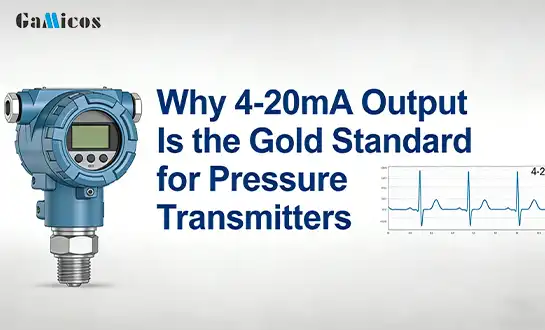
Why 4-20mA Output Is the Gold Standard for Pressure Transmitters
Why 4-20mA Output Is the Gold Standard for Pressure Transmitters
How Ceramic Pressure Sensors Improve US Plant Safety