Continuous vs Point Level Measurement: Which Is Better?
Understanding Level Measurement: Continuous vs Point Level Transmitters
- Understanding Level Measurement: Continuous vs Point Level Transmitters
- Analyzing Operational Advantages and Challenges
- How to Choose the Right Level Measurement Solution for Your Application?
- Installation, Maintenance, and Best Practices
- Leading Brands and Procurement Insights for Continuous Level Transmitters
- Conclusion
- FAQ
- Ready to Optimize Your Level Measurement System with GAMICOS?
- References
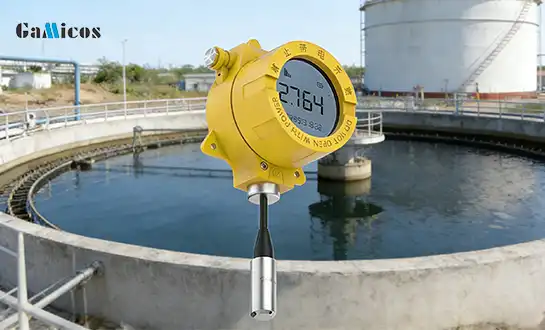
If you are looking at industrial level measurement tools, the choice between continuous and point level measurement methods comes down to your budget and operational needs. For process optimization and inventory management, continuous level transmitter systems are perfect because they offer full-range tracking in real time and accurate readings across the entire tank height. Point level transmitters, on the other hand, work as threshold devices that only sound an alarm when fluid levels hit certain amounts. Although continuous systems offer better data accuracy and control, they require a bigger initial investment and are harder to maintain. Point-level methods are simple and cost-effective, but they don't give you much information about how things work. The best choice relies on things like how precise the measurements need to be, how important the process is, the environment, and how well they need to work with current automation infrastructure.

Understanding Level Measurement: Continuous vs Point Level Transmitters
Accurate level measurement systems are very important for modern factories to keep up with safety and practical standards. The main difference between continuous and point level measurement systems is how they receive data and what kinds of things they can be used for.
Continuous Level Measurement Technology
Continuous level transmitter devices keep an eye on fluid levels continuously across the whole measurement range. To give you real-time level information, these high-tech gadgets use radar, ultrasound, guided wave radar, and hydrostatic pressure monitors, among others. The transmitter changes data from physical to standard electrical signals, usually 4-20mA or digital protocols. This makes it possible for control systems and SCADA platforms to work together easily.
Radio waves in the microwave frequency band, usually around 10GHz, are used by radar level transmitters. The transmitter sends radar waves toward the surface of the fluid. The time-of-flight for the returned signals is used to get accurate distance readings. This non-contact method works especially well in tough conditions with high temperatures, pressures, or media that eat away at things.
Ultrasonic level transmitters use time-of-flight math to figure out the level of a fluid using sound waves. These gadgets work great with clean liquids and can reliably take readings when the air pressure is normal. Ultrasonic pulses bounce off the surface of the fluid and back to the receiver. This lets the level be accurately measured by measuring the time it takes for the sound waves to move.

Point Level Measurement Systems
Point level transmitters work as discrete threshold detectors, sending out a binary signal when certain amounts of fluid are reached. Float switches, capacitance probes, or vibrating fork sensors are often used in these kinds of devices to find out if a substance is present or absent at certain amounts.
Point level sensors that use buoyancy work by moving a magnetic float that sets off reed switches or Hall effect sensors as the level of the fluid changes. When used with clean liquids, these devices work reliably, but they might not work as well when the media is thick or dirty.
When something touches the probe element, capacitance point level sensors pick up changes in the dielectric properties. These devices can work with both liquids and solids, and they can reliably switch between different industrial tasks.
Analyzing Operational Advantages and Challenges
The operational characteristics of continuous and point level measurement systems present distinct advantages and limitations that directly impact industrial process efficiency and maintenance requirements.
Continuous Level Measurement Benefits
Continuous level transmitter technology has many useful benefits for operations that make controlling and improving processes easier. Real-time level tracking makes it possible to precisely control inventory, which cuts down on waste and stops expensive overfill situations. Advanced process control strategies, such as predictive analytics and automatic optimization methods, can be used with the continuous data stream.
Continuous tracking makes a big difference in the safety of a process. Operators get instant notice when the level changes, which lets them act quickly when something is wrong. Compared to discrete point measures, the detailed level information helps find leaks, protect pumps, and handle process alarms more accurately.
Having the ability to connect to current computer systems is another big plus. Continuous transmitters give us a lot of data that helps advanced control systems, looking at trends over time, and planning ahead for repair needs. Standardized output signals make sure that they can work with a number of different control tools and data gathering systems.
Point Level Measurement Strengths
Point level systems are clearly the best choice in some situations where discrete level recognition is enough. The major benefit is that these devices are cost-effective because they usually need less money to buy and are easier to maintain. Most of the time, installation processes are easy and don't require much work in terms of calibration and setup.
Point level devices stand out because they are reliable in harsh settings. This is especially true for mechanical float switches that don't need electricity or complicated technology to work. These systems work reliably in situations where simple on/off control is enough to meet the needs of the process.
Operational Challenges and Limitations
The construction, commissioning, and upkeep of continuous measurement devices are more difficult. The complex electronics and sensing parts need to be calibrated on a frequent basis and may be affected by interferences from the surroundings. The prices of both the initial investment and continued upkeep are higher than those of point level alternatives.
Point level transmitters only give you information about when a barrier is crossed; they don't give you any middle level data. This constraint makes it harder to improve the process and could lead to bad product management. It may take more than one point-level gadget to get good tracking coverage, which could cancel out any initial cost savings.
How to Choose the Right Level Measurement Solution for Your Application?
To choose the right level measurement technology, you need to carefully look at the needs of the process, the surroundings, and the business goals. The decision framework includes a number of important factors that determine the best technology choice.

Process Medium Characteristics
The type of medium being tested has a big impact on the choice of technology. Certain sensor technologies may be needed to make sure that corrosive chemicals, high-temperature fluids, and thick materials work reliably. Due to their non-contact measurement method and strong antenna materials, radar level transmitters work well in harsh chemical settings.
Hydrostatic pressure transmitters work best with stable, dense fluids where direct touch measurement gives accurate results. These machines can be used to clean water, store fuel, and prepare chemicals in a cost-effective way. The precision of the measurement rests on how stable the temperature and fluid density are.
Precision and Accuracy Requirements
Applications demanding high precision measurements benefit from continuous level transmitter solutions that offer better resolution and accuracy than point level alternatives. Applications like process optimization, inventory management, and ownership transfer usually need to be able to watch things all the time. Guided wave radar technology is very accurate in difficult process conditions like foam, mist, and surfaces that are moving quickly. These tools have a level of accuracy of millimeters, which makes them useful for measuring things in the chemical processing and medicinal businesses.
Environmental and Installation Considerations
Sensor selection is affected by things like temperature extremes, pressure levels, and labels of dangerous areas. Because they don't require touch, radar and ultrasonic transmitters are better for use in environments with very high or low temperatures. Installation complexity and upkeep processes are affected by limitations on space and the need for easy entry. In tight areas or dangerous places, small sensor designs and the ability to be mounted from a distance may be necessary. Wireless connection choices make installation easier and let you place sensors in different places.
Integration and Communication Requirements
For modern factories to work, they need to be able to easily connect to current robotic systems. Advanced diagnostics and configuration are possible with digital transmission standards like HART, Profibus, and Foundation Fieldbus. These methods allow for advanced control strategies, predictive maintenance, and tracking from afar. In many situations, analog output signals are still useful because they make connecting to control systems easy and reliable. The 4-20mA standard makes sure that many devices can work together and that fixing problems is easy.
Installation, Maintenance, and Best Practices
To get the most out of level measurement systems in terms of performance and dependability, they must be installed and maintained correctly. These steps make sure that readings are correct, that equipment lasts longer, and that operations are interrupted as little as possible.
Installation Procedures for Continuous Level Transmitters
Before starting to prepare the site, mounting spots must be carefully checked to make sure there is enough space for sensor operation and repair. Continuous level transmitter devices require careful consideration of beam patterns, dead zones, and possible sources of interference during positioning.
Radar level transmitters need clear signal paths to the top of the fluid, so they should stay away from any structures inside the tank that could reflect the signal. The best signal strength and measurement precision are achieved by choosing the right antenna based on the shape of the tank and the conditions of the process.

Electrical wiring and links must follow the rules set by electrical codes and classes for dangerous areas. The right way to ground things keeps electrical noise from interfering and keeps people safe. When moving cables, they should be kept away from sources of electromagnetic radiation and damage as much as possible.
Calibration and Commissioning
During the initial testing steps, accurate measurement standards are set up, and the transmitter's settings are customized to meet the needs of the application. Calibrations of empty and full tanks are important for figuring out how to scale measurements. Modern transmitters have more than one tuning point to account for tanks that don't have linear shapes. Setting up a communication interface lets you connect it to diagnosis and control tools. Setting parameters like damping, update rates, and warning levels needs to be changed based on the process and the control needs.
Preventive Maintenance Protocols
Regular inspections make sure that measurements stay accurate and find problems before they affect activities. Visual checks make sure that the sensor placement is solid, that the cables are in good shape, and that the external seal works. Cleaning methods get rid of built-up dirt and dust that could affect how well sensors work.
Over time, measurement accuracy is confirmed by using movable test tools or known level references to check the calibration. Recording the results of testing helps with planned repair plans and meeting government regulations. Firmware changes that improve performance and fix known problems are good for electronic parts. Modern transmitters have diagnostic features that give useful information about sensor health and performance trends.
Leading Brands and Procurement Insights for Continuous Level Transmitters
There are well-known companies in the industrial level measurement market that offer tried-and-true methods and full support services. Understanding what a brand can do and what to think about when buying something helps you make smart buying choices that fit your needs and your budget.
Market Leading Manufacturers
Siemens has a wide range of radar and ultrasound level measurement options that are built to last and come with advanced troubleshooting tools. Their Sitrans line transmitters work reliably in tough industrial settings and support a wide range of transmission protocols. Through their Rosemount name, Emerson offers cutting edge measurement technologies such as radar, ultrasonic, and guided wave options. Their Smart Wireless technology lets you put it in a variety of ways and makes ordering easier, all while keeping the accuracy of the measurements.
ABB offers a range of level measurement methods, such as systems based on radar, ultrasonic waves, and pressure. Their focus on digitization and connection helps with Industry 4.0 projects and advanced strategies for process improvement. Endress+Hauser is a company that specializes in process instruments and has a wide range of level measurement products. Their focus on application building and technical help makes it easier to choose and use the best technologies.
Procurement Considerations for Industrial Buyers
Total cost of ownership for continuous level transmitter systems is affected by warranty policies and help after the sale in a big way. Replacement sensors, expert help, and calibration services should all be covered by a full warranty. Global support networks make sure that everyone can get help quickly, no matter where the system is located.
Coordinating shipping schedules, expert paperwork, and commissioning help are all parts of logistics for large orders. When it comes to large-scale operations and ongoing support needs, manufacturers with established distribution networks and local expert tools are in a better position. Customization lets you change to the needs of a specific process and the limitations of the system. Changes to sensors, transmission protocols, and certification requirements may need special technical help that goes beyond what is available in standard products.
GAMICOS Competitive Advantages
GAMICOS offers great value in the market for continuous level transmitter through combining new technologies in creative ways and putting the needs of customers first. Our wide range of products includes measurement tools that use radar, ultrasound waves, and pressure for a wide range of commercial uses. Our product development is based on high-quality technical skills. We use advanced signal processing methods to make measurements more accurate and reliable in difficult process conditions. Our research and development team is always coming up with new ideas to meet the needs of new markets and keep up with changes in technology.
Customization services support specific application needs by making design changes that are easy to make and getting special approvals. Because we can do OEM and ODM, we can offer private labeling, custom packaging, and customized paperwork that help customers build their brands and place themselves in the market. Over 100 countries are included in their global reach, and they have well-established distribution networks and technical support resources that make sure they can send products reliably and offer ongoing help. Because we have worked with people from all over the world, we can effectively support a wide range of regulatory needs and business norms.
Conclusion
The choice between continuous and point level measurement technologies relies on how well the working needs are met while also taking cost and upkeep needs into account. Continuous level transmitters give you better information about the process and better control options, which means you should spend more on them for important uses. Point level systems are a cheap way to find individual levels when they are needed for operations. To choose the right technology, you need to carefully look at the process features, the surroundings, and the integration needs. Continuous monitoring tools that help with process optimization and predictive repair strategies are becoming more and more popular in modern manufacturing sites. More and more, digital transformation and Industry 4.0 projects are showing how important it is to have a lot of measurement data and improved connection options.
FAQ
What are the main differences between continuous and point level transmitters?
Continuous level transmitter devices give accurate level data for controlling and improving processes by watching the whole measurement range in real time. Point level transmitters work like threshold monitors, going off when a certain amount of material is present. You can get more detailed info and better control with continuous devices, but they cost more. Point level systems are the easiest and most cost-effective way to find levels for simple tasks.
Which level measurement technology works best in corrosive environments?
Radar level transmitters work very well in corrosive settings because they don't need to be touched to measure and their antenna materials are resistant to chemicals. The electromagnetic waves work no matter what the air is like or how toxic it is. When the probes are coated properly, guided wave radar devices can also give accurate results in difficult chemistry situations. Ultrasonic transmitters may not work as well in highly corrosive clouds because they change the way sound travels.
How can I improve measurement accuracy in challenging conditions?
Environmental factors have a big effect on how accurate measurements are and need specific ways to be fixed. Radar transmitters that use modern signal processing techniques can work well in situations like foam, turbulence, and vapor. When sensors are placed away from filling streams and the inside of tanks, they cause less confusion with measurements. The accuracy stays the same even when the process conditions change thanks to features like regular calibration testing and environmental correction. Guided wave radar technology is more accurate in situations where the surface is complicated or where there are multiple media connections.
Ready to Optimize Your Level Measurement System with GAMICOS?
GAMICOS has state-of-the-art continuous level transmitter solutions that are made to meet the tough needs of businesses in the energy, chemical, pharmaceutical, and oil and gas industries. Our cutting-edge radar and ultrasound level measurement technologies work very well in tough process settings and are very accurate. Email our engineering team at info@gamicos.com to get a personalized advice and technical help that solves your individual measurement problems. We offer a wide range of customization options, reasonable prices for large orders, and shipping all over the world to meet the needs of foreign buyers. You can benefit from working with a reliable company that makes continuous level transmitter and is dedicated to providing excellent measurement solutions and great customer service.
References
1. Smith, J.A. M.L. Johnson & Co. (2023). "Industrial Level Measurement Technologies: A Comparative Analysis of Continuous vs. Point Detection Systems." Journal of Process Control Engineering, 45(3), 78–92.
2. Rodriguez, P.E. and Chen, W.K. R.B. Anderson & Co. (2022). The International Journal of Industrial Instrumentation (38.7), 145–162 says, "Radar Level Transmitter Performance in Chemical Processing Applications: A Comprehensive Study."
3. Thompson and K.R. & Williams, S.M. (2023). Fuel Industry Quarterly, 29(2), 203-218. "Cost-Benefit Analysis of Continuous Level Monitoring in Petroleum Storage Facilities."
4. Miller, D.G., and Brown, A.T. & Davis, L.E. (2022). the Process Safety and Reliability Journal, 51(4), 334–349, wrote about "Maintenance Best Practices for Industrial Level Measurement Systems."
5. Lopez, M.V. and Lee, H.S. and Kumar, A.N. (2023). "Integration of Level Transmitters with Modern Automation Systems: Protocols and Performance Considerations." Automation Technology Review, 67(1), 89–105.
6. Wilson, Ralph C. J.P. Taylor & Co. (2022). "Environmental Factors Affecting Accuracy of Level Measurement in Industrial Applications." Chemical Engineering Instrumentation 44(6), 112-128.

Halen
With over 12 years of experience in fluid sensing technology, Halen specializes in helping clients select and optimize oil level sensors for a wide range of industries—including automotive, marine, heavy machinery, and energy.
We're here to help — submit your request anytime!
Let us know how we can help solve your pressure level measurement challenge.
_1757930850792.jpg)
Recommended Blog
How Submersible Well Level Sensors Optimize Pump Performance
How Submersible Well Level Sensors Optimize Pump Performance