EMC & EMI Immunity for Industrial Pressure Transmitters
Understanding EMC & EMI Immunity in Industrial Pressure Transmitters
- Understanding EMC & EMI Immunity in Industrial Pressure Transmitters
- Key Factors Influencing EMC & EMI Immunity in Industrial Pressure Transmitters
- Comparing Industrial Pressure Transmitters Based on EMC & EMI Immunity
- Maintenance and Troubleshooting to Sustain EMC & EMI Immunity
- Procurement Guidance for Industrial Pressure Transmitters with Strong EMC & EMI Immunity
- Conclusion
- FAQ
- Partner with GAMICOS for Superior EMC-Compliant Pressure Measurement Solutions
- References
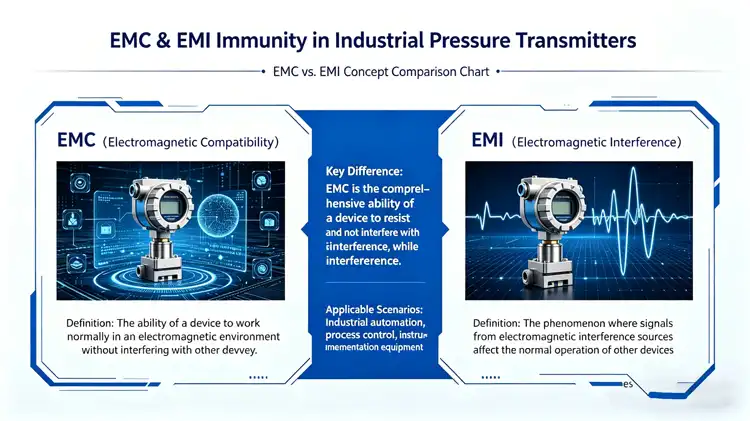
When working with an industrial pressure transmitter in places with a lot of electromagnetic radiation, it's important to know how resistant it is to it. Electromagnetic Compatibility, or EMC, is a device's ability to work properly without giving off dangerous electromagnetic waves or being affected by electromagnetic disturbances from other devices. Electromagnetic Interference (EMI) protection checks how well these devices can handle electromagnetic noise that is common in factories. Strong resistance to EMC and EMI makes sure that pressure readings are correct, which stops costly mistakes in the process and keeps operations safe in difficult situations.
Understanding EMC & EMI Immunity in Industrial Pressure Transmitters
What EMC and EMI Mean for Pressure Measurement?
When it comes to industrial pressure transmitter measuring devices, electromagnetic compatibility and electromagnetic interference are two of the most important performance factors. Electromagnetic disturbances that happen in factories can affect these transmitters because they change mechanical pressure into electrical signals. If a transmitter doesn't have the right EMC design, electromagnetic waves from nearby equipment can mess up the signal, leading to wrong readings or measurements that don't work at all.
Common Industrial Sources of Electromagnetic Interference
There are a lot of EMI sources in industrial sites that make it hard to get accurate measurements. High-frequency noise spreads through wires and the air by variable frequency drives that control motors. When welding equipment is used, it sends out strong electric pulses. In production areas, electromagnetic pollution is caused by things like radio transmission systems, switching power sources, and relay contactors. Multiple interference sources work at the same time near key measurement places in petrochemical plants and refineries, which makes the conditions very difficult.
Sensor Technologies and Their EMI Vulnerabilities
Electromagnetic disturbances can affect different sensor systems in different ways. Changes in capacitance between metallic plates are used by capacitive sensors to measure pressure. This makes them sensitive to electromagnetic fields that can change the capacitance value that is being recorded. When semiconductor materials are put under pressure, their resistance changes. This is how piezoresistive sensors work, and their high-impedance circuits can easily pick up electromagnetic noise. Because they are based on frequency, resonant sensors can pick up on changes in the frequency of moving parts and usually have better protection. Knowing about these weaknesses helps procurement managers choose the right types of sensors for different electric settings.
Why EMC Matters for Process Reliability?
EMI doesn't just lead to odd measurement mistakes; it can also cause safety shutdowns, waste product batches, and make conditions that are unsafe. When making medicines, problems with pressure transmitters during important sterilization processes can ruin whole production runs. To keep working conditions safe, chemical reactors need accurate pressure tracking. Errors caused by EMI could cause dangerous pressure changes. We know that choosing transmitters with proven EMC performance saves both the quality of the product and the safety of the workplace.
Key Factors Influencing EMC & EMI Immunity in Industrial Pressure Transmitters
Shielding Materials and Construction Techniques
Effective electromagnetic protection starts with how the industrial pressure transmitter case is made. When properly grounded, stainless steel structures work great as shields, keeping high-frequency electromagnetic waves from hitting sensitive electronics inside. Aluminum housings are an option that is lighter and better at blocking electromagnetic waves. The show windows, connection points, and wire entrances are all places where electromagnetic energy could get in. High-quality transmitters use conductive covers and the right way to seal to keep the shield's integrity on all sides.
Filtering Components and Circuit Protection
Interference from power and signal lines can't affect measurement equipment because they are protected by internal filtering circuits. Here are the most important filtering factors that make EMI protection better:
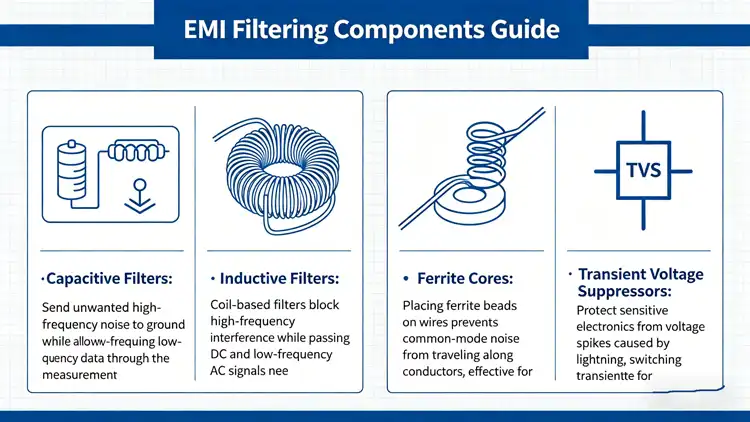
- Capacitive Filters: These parts send unwanted high-frequency noise to ground while letting low-frequency data go through the measurement circuit.
- Inductive Filters: Coil-based filters stop high-frequency interference while letting DC and low-frequency AC signals through, which are needed to measure pressure and provide power.
- Ferrite Cores: Putting ferrite beads on wires stops common-mode noise from moving along the conductors. This works especially well for frequencies higher than a few megahertz.
- Transient Voltage Suppressors: Electrical safety devices called transient voltage suppressors stop voltage spikes from damaging sensitive electronics. These spikes can be caused by lightning, switching transients, or electrostatic discharge.
These filtering methods work together to make more than one layer of protection against electromagnetic disturbances. All of the external links on transmitters made for harsh settings are filtered, including the power input, signal output, and communication ports.
Analog Versus Digital Signal Output Susceptibility
EMI protection changes a lot depending on whether you choose analog or digital output data. Traditional 4-20mA analog current loops are naturally resistant to noise because the current signals stay stable even when the voltage drops along the length of the wire. Strong electromagnetic fields can still have an effect on the analog systems that make these messages, though.
Digital communication methods, such as HART, Modbus, or Profibus, send data as separate bits and can check for errors. Error correction can fix short-term problems with digital data, but the communication lines may be more complicated and more likely to be hacked. We've found that combination transmitters with both digital and analog outputs are useful for a variety of installation situations.
Installation Practices That Enhance EMC Performance
No matter how well the transmitter was designed, using the right placement methods makes it much more resistant to EMC in the real world. Pay extra attention to how you ground things. Using dedicated wires to connect transmitter cases to a clean earth ground creates a path with low impedance for interference currents. Keeping cables away from power lines and sources of EMI lowers the connection between circuits. When sending signals, using twisted-pair or shielded wires reduces crosstalk as much as possible. However, shield grounding methods must be done according to the manufacturer's instructions to avoid ground loops. Putting transmitters away from radio transmitters, variable frequency drives, and big motors also lowers their exposure to electromagnetic fields.
Comparing Industrial Pressure Transmitters Based on EMC & EMI Immunity
EMC Standards and Certification Requirements
Industrial pressure transmitter sensors have to follow electromagnetic compatibility guidelines that check their performance in terms of immunity and emissions. Instruments used for measuring and controlling things in factories are covered by the IEC 61326-1 standard. Depending on where the placement is happening—in a basic home or business setting versus a heavy industrial setting with a lot of electromagnetic disturbances—different immunity levels apply.
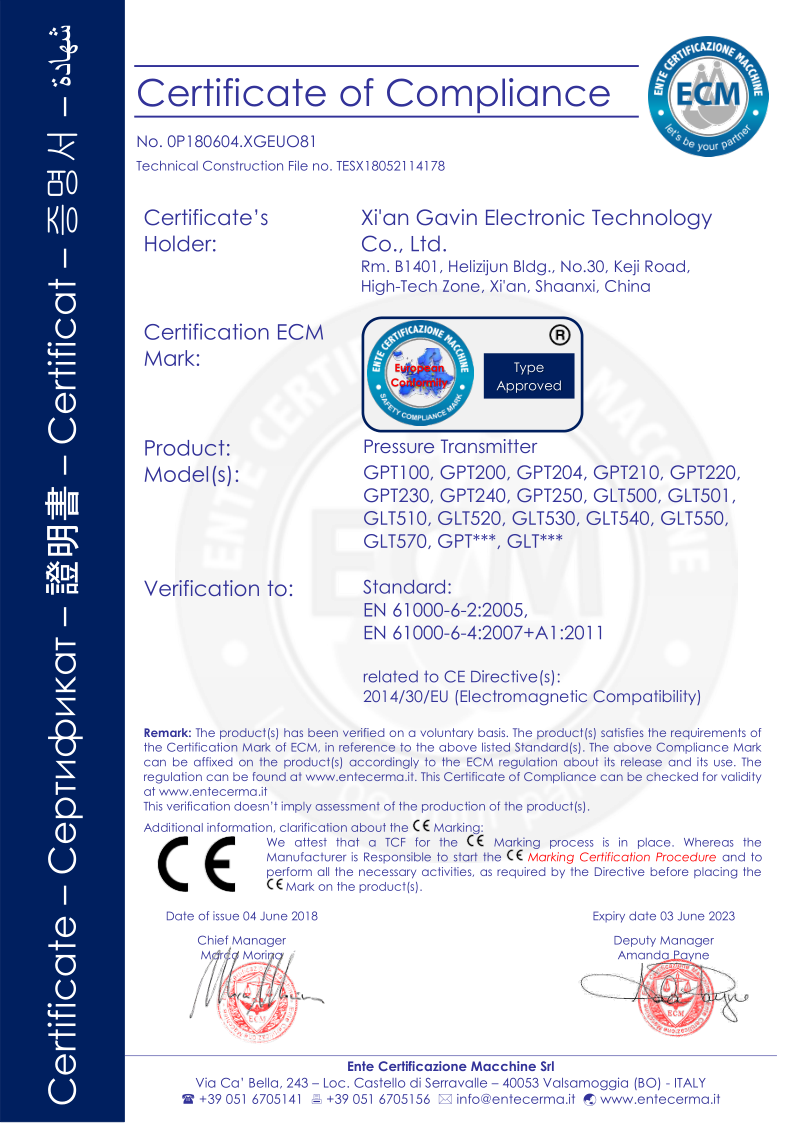
It has been tried against stronger electromagnetic fields, such as radiated RF immunity up to 10 V/m and electrical fast transient bursts, to get the industry immunity level. In Europe, CE marking means that the product meets safety standards, while in North America, FCC approval means that the product meets safety standards for radio emissions.
Differential Versus Absolute Pressure Transmitter EMC Considerations
Differential pressure transmitters have different EMC problems than absolute or gauge pressure transmitters. Two different sensing ports linked by fluid-filled capillaries or dual sensing elements are used to measure pressure changes in these devices. Because there are more parts and links, there are more ways for electromagnetic interference to mess up readings.
Even small mistakes caused by EMI become important when measuring small differences in pressures across filters or flow elements. When choosing differential transmitters for uses that need high accuracy in electromagnetically noisy environments, we suggest paying extra attention to the EMC standards.
Performance in High-EMI Industrial Environments
In some fields, electromagnetic conditions are especially difficult and require high transmitter protection. A lot of electrical equipment, cathodic protection systems, and radio communications are used in oil and gas production buildings, which makes the electromagnetic environment very complicated. Reactor control systems, heating elements, and variable-speed pumps all work close to each other in chemical processing plants. Instruments in power plants are affected by electromagnetic fields from engines, transformers, and high-voltage relays. Transmitters made for these uses should have immunity levels higher than basic industry norms, and their success in similar settings should be backed up by evidence.
Evaluating Manufacturer EMC Test Documentation
Manufacturers of responsible pressure transmitters provide thorough EMC test results that show they meet all the necessary standards. These records should list the test values that were met for immunity to electromagnetic fields that are radiated, disturbances that are conducted, electrical fast transients, immunity to surges, and protection against electrostatic discharge. We've learned that the best way to find transmitters that really are EMC strong is to look at their actual test data instead of just believing what the certification says. Manufacturers that care about EMC performance usually test their products beyond what is needed for approval and are happy to share the results with engineering users.
Maintenance and Troubleshooting to Sustain EMC & EMI Immunity
Regular Inspection Protocols for EMC Integrity
To keep electromagnetic immunity, safety features must be checked on a regular basis throughout the service life of the industrial pressure transmitter. Routine inspections should check the integrity of the housing for corrosion, harm from impacts, or loose covers that make the protection less effective. Cable entry places need to be looked at carefully because worn-out plugs let electromagnetic energy in. Protective grounding stays effective by checking the ground link resistance. We suggest writing down what was found during inspections so that you can keep track of degradation trends that might need to be fixed before measurement problems happen.
Firmware Updates and Best Practices for Calibration
Modern pressure sensors use microprocessor-based electronics that benefit from regular firmware changes that fix known problems and improve performance. Some changes improve noise filtering methods or the reliability of communication protocols in a specific way. Checking the calibration makes sure that electromagnetic interference hasn't caused the measurement circuit to have zero drift or spread mistakes. Checking the calibration after placement in places with a lot of electromagnetic interference (EMI) helps set a standard for future comparisons. Transmitters that show patterns of calibration drift may be having EMI effects that need extra safety steps.
Recognizing EMI Interference Symptoms
There are certain signs that electromagnetic interference is present that can help find the source of testing issues. Erratic changes in the signal that happen at the same time as close equipment working highly suggest EMI coupling. If the zero point moves without the pressure changing, it could mean that low-frequency magnetic fields are having an effect on the sensing elements. Complete signal loss or contact problems when starting up high-power equipment are signs that it could be affected by short-term disruption. By understanding these trends, you can address the problem and avoid having to replace the transmitter when it's not necessary.
Practical EMI Mitigation Solutions
When electromagnetic interference problems happen in current setups, there are a number of retrofit options that can make things work better without having to replace the whole transmitter. Putting EMI filters on the power and data lines from the outside lowers the amount of interference that is conducted into the transmitter. When you use shielded wires and good grounding methods, radiated field coupling goes down. Putting the transmitter in a grounded metal case adds more shielding above and beyond the gadget case. Moving the transmitter away from known sources of interference is a straight answer when it is possible to do so. These steps take care of EMC issues while protecting the money spent on new tools.
Procurement Guidance for Industrial Pressure Transmitters with Strong EMC & EMI Immunity
Critical Evaluation Criteria for Supplier Selection
When selecting sources for industrial pressure transmitter measurement tasks, you need to look at more than just the product specs. Documentation about EMC compliance should be easy to find, such as test results from recognized labs. Manufacturers who include warranty terms that specifically cover problems caused by electromagnetic interference (EMI) are confident in the electromagnetic protection of their products. It is very important that providers offer technical support—for installs in difficult electromagnetic environments, they should offer application engineering help. We've found that established companies that have been making instruments for decades usually offer more reliable EMC performance than new companies that are just getting into the market.
Certification Standards and Their Implications
There are different levels of guarantee about EMC performance that come with different approval marks. Products that have IEC 61326-1 approval with an industrial environment rating have been through strict immunity tests that are ideal for factories. If you want to get a CE mark, you have to follow the EMC Directive, but it doesn't say what the protection levels are without looking at the supporting documents. For locations in dangerous areas, ATEX and IECEx licenses have specific EMC requirements that make sure they can be used safely near flammable materials. Instead of taking vague promises of compliance, procurement specs should make it clear what certification standards are needed.
Balancing Cost and Performance Requirements
Choosing a transmitter is often limited by budget, but only looking at the original purchase price ignores the total costs of ownership. Low-cost transmitters that don't have good EMC design may need to be re-calibrated often, cause process problems, or need to be replaced too soon. The savings from buying things at a low price quickly outweigh these hidden costs. It costs more to buy high-end transmitters from well-known brands, but they usually work better, last longer, and come with better technical support. To make smart purchasing choices, we recommend figuring out the total cost of ownership over the projected service life. This includes the costs of setup, upkeep, calibration, and any possible downtime.
Building Long-Term Supplier Partnerships
Getting industrial instruments right means more than just making one purchase. It also means building long-term relationships with suppliers. Suppliers with full product lines make it possible for all sites to use the same standards, which makes it easier to keep track of extra parts and train employees. When it comes to OEM apps or special fitting needs, the ability to customize becomes useful. After-sales service and responsive technical help are what set exceptional sellers apart from commodity vendors. Multinational businesses can benefit from companies that serve global markets and have local support systems. Long-term results are better when suppliers are judged on their prospects for relationship rather than transactional factors.
Conclusion
Industrial pressure transmitter devices must be able to work with other electromagnetic devices in modern factories that are full of electromagnetic disturbance sources in order to function. Understanding electromagnetic compatibility (EMC) principles, judging transmitter designs based on their ability to shield and filter signals, and following the right installation procedures will guarantee accurate pressure readings even in difficult electromagnetic conditions.
Regular maintenance that protects the purity of the EMC and strategic buying that focuses on verified immunity performance keep process operations from being interrupted by interruption. As automation and wireless technologies make factories more complicated, it's important to choose pressure transmitters that are immune to EMC and EMI. This will help keep measurements accurate, processes safe, and operations running smoothly.
FAQ
What EMC immunity level should industrial pressure transmitters meet?
Industrial pressure transmitter models installed in heavy industrial environments should comply with IEC 61326-1 industrial immunity requirements at minimum. For power ports, this standard says that radiated RF immunity testing should be done at a field strength of 10 V/m and electrical fast transient immunity testing should be done at 2 kV. In places with very bad electromagnetic conditions, devices may need to be checked above these standard values. Instead of depending only on certification marks, you should always read the manufacturer's test results that prove compliance.
How does cable selection affect pressure transmitter EMI immunity?
The way a cable is built has a big effect on how susceptible it is to electromagnetic interference. When the shields are properly grounded at one end, shielded twisted-pair wires protect very well against both radiated and conducted interference. Keeping the space between cables and power conductors and routing them away from them lowers coupling. Do not put signal wires for pressure transmitters in the same pipe as high-power circuits or cables that drive at different frequencies.
Can existing pressure transmitters be retrofitted to improve EMC performance?
There are several ways to improve EMI immunity that don't involve changing working transmitters. Conducted interference can be cut down by adding external EMI filters to power and data links. Common-mode noise can be reduced by adding ferrite cores to connections. Moving transmitters away from sources of interference or putting them in metal casings that are grounded provides extra shielding. These methods fix a lot of EMC issues for less money than buying new tools.
Partner with GAMICOS for Superior EMC-Compliant Pressure Measurement Solutions
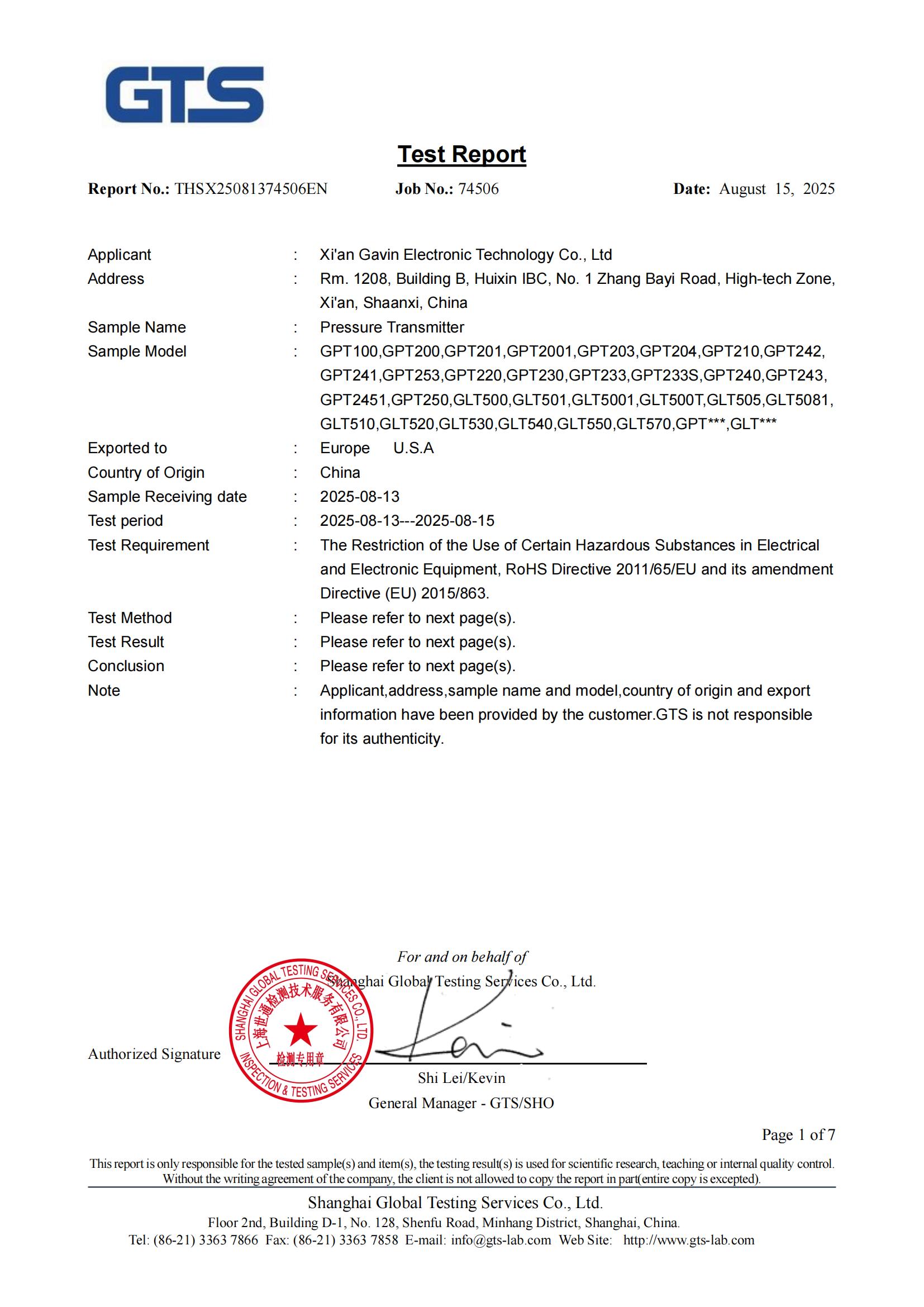
Here at GAMICOS, our engineering team focuses on making industrial pressure transmitter products that work well in places with weak electromagnetic fields. With full EMC testing and foreign standards like CE and RoHS compliance, our pressure sensors work reliably in chemical plants, oil refineries, and heavy manufacturing facilities all over the world. We offer a wide range of customization choices for sensor types, transmission protocols, and mounting arrangements so that we can meet the exact needs of your application. Our OEM and ODM services help equipment makers who need private-label pressure measurement options that are immune to EMI.
Our experienced application engineers are here to help you with all of your technical needs, whether you need wireless IoT transmitters with 4G access or traditional analog devices that are very resistant to noise. They will help you with selection, installation, and testing. Get in touch with us at info@gamicos.com to talk about your pressure measurement problems with a reliable industrial pressure transmitter supplier that cares about quality, innovation, and quick customer service.
References
1. Smith, J.R., and Thompson, M.K. (2021). "Electromagnetic Compatibility in Industrial Instrumentation: Design Principles and Testing Methods." Journal of Industrial Electronics and Applications, Vol. 15, pp. 234-251.
2. International Electrotechnical Commission. (2020). "IEC 61326-1: Electrical Equipment for Measurement, Control and Laboratory Use – EMC Requirements – Part 1: General Requirements." Geneva: IEC Publications.
3. Wagner, P.D. (2019). "EMI Mitigation Strategies for Process Control Instruments in Heavy Industrial Environments." Proceedings of the International Instrumentation Symposium, pp. 412-429.
4. Anderson, L.C., and Roberts, S.A. (2022). "Comparative Analysis of Shielding Effectiveness in Industrial Pressure Transmitter Housings." IEEE Transactions on Electromagnetic Compatibility, Vol. 64, No. 3, pp. 789-802.
5. European Committee for Electrotechnical Standardization. (2018). "Electromagnetic Compatibility Standards for Industrial Process Measurement and Control Equipment: Implementation Guide." Brussels: CENELEC Technical Report.
6. Mitchell, R.H. (2020). "Grounding and Cable Management Practices for Optimal EMC Performance in Industrial Instrumentation Systems." Automation and Control Engineering Handbook, Chapter 12, pp. 318-347.

Peter
Peter, Senior Sensor Technology Consultant, has 15-year industrial sensor R&D experience. He specializes in the end-to-end development of high-accuracy pressure and level sensors and he firmly believe, precision isn’t just a spec—it’s a promise.
We're here to help — submit your request anytime!
Let us know how we can help solve your pressure level measurement challenge.
_1757930850792.jpg)

Recommended Blog

Selecting Low Differential Pressure Sensors: Key Criteria

Selecting Low Differential Pressure Sensors: Key Criteria
Selecting Low Differential Pressure Sensors: Key Criteria