Selecting Low Differential Pressure Sensors: Key Criteria
Comprehending Low Differential Pressure Sensors
- Comprehending Low Differential Pressure Sensors
- Key Criteria for Selecting Low Differential Pressure Sensors
- Comparative Analysis of Low Differential Pressure Sensors
- Procurement Best Practices for Low Differential Pressure Sensors
- Future Trends and Innovations in Low Differential Pressure Sensors
- Conclusion
- FAQ
- Partner with GAMICOS for Superior Low Differential Pressure Sensor Solutions
- References
Selecting the right low differential pressure sensor requires careful consideration of multiple technical and operational factors that directly impact your industrial processes. These precision instruments measure minimal pressure variations across systems, making them essential for applications requiring exceptional sensitivity and accuracy. Understanding the critical selection criteria helps procurement professionals make informed decisions that balance performance requirements with long-term operational costs, ensuring optimal system integration and reliable measurement capabilities across diverse industrial environments.
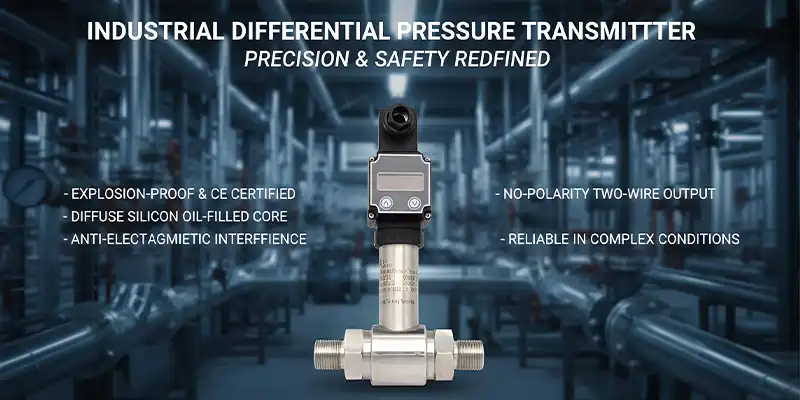
Comprehending Low Differential Pressure Sensors
Fundamental Working Principles
The idea behind low differential pressure sensor technology is to find very small differences in pressure between two places in a system. One part of these sensors is a sensitive diaphragm that bends in response to the difference in pressure across its surfaces. The measurement of deflection is turned into an electrical signal that shows the change in pressure. This makes it possible to keep a close eye on important process factors.
Piezoresistive and capacitive technologies are at the heart of the sensing systems. Each has its own benefits for different uses. When it comes to temperature stability and long-term dependability, piezoresistive sensors are the best. Capacitive versions, on the other hand, are better at picking up very small changes in pressure. Knowing these basic differences helps engineers choose sensors that work with the variables they need to measure accurately and the way they work.
Application Scope and Industrial Relevance
In many fields of industry, where accurate pressure tracking is needed to keep things safe and running smoothly, these sensors are a must. Differential pressure measurements are used by HVAC systems to keep an eye on air filters and control room pressure. To keep cleanliness standards, clean rooms need to be constantly watched, and making medicines needs precise pressure control to make sure the quality of the finished product.
These sensors are used in process industries like chemical, oil, and food preparation to measure flow, keep an eye on filters, and find out what the level is. The ability to pick up on small changes in pressure makes early warning systems for broken equipment possible. This keeps processes running smoothly during complicated industrial operations and saves money on downtime.
Technology Classifications and Sensing Methods
Modern differential pressure sensors use advanced sensing technologies that make measurements more accurate and make them more adaptable to different environments. Micro-electromechanical systems (MEMS) technology based on silicon can help make things smaller while still keeping their accuracy good. These small sensors work well in applications with limited space without sacrificing efficiency.
Ceramic and metal diaphragm sensors are strong options for tough industrial settings where resistance to chemicals and high temperatures are important. When choosing between different sensing technologies, it's important to think about the pressure range, accuracy standards, and environmental exposure conditions.
Key Criteria for Selecting Low Differential Pressure Sensors
Accuracy and Sensitivity Requirements
The most important thing to look at when comparing differential pressure sensors for business use is how accurate the measurements are. Most of the time, accuracy levels are given as a percentage of the full-scale range, and high-precision sensors can reach levels of ±0.1% accuracy. For example, a low differential pressure sensor is often used for measuring very small pressure differences with high precision. Total accuracy takes into account external factors that can change the accuracy of a measurement, while static accuracy shows the biggest difference at certain pressure levels.
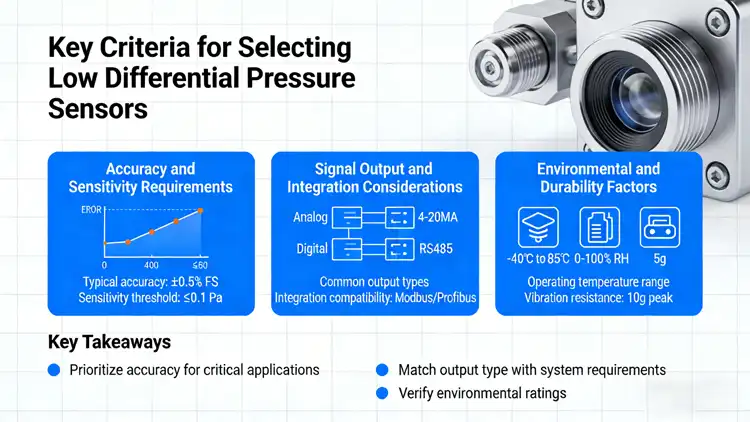
Different applications have very different sensitivity needs. For example, some processes need to be able to identify pressure differences as small as 0.1 Pascal. The sensor's minimum detectable pressure change tells you what kinds of monitoring jobs it can do. Engineers have to find a balance between the need for sensitivity and the need for steadiness to make sure that long-term performance stays the same without too much drift or noise interference.
Signal Output and Integration Considerations
Output signal compatibility has a direct effect on how hard it is to integrate the system and how reliable the measurements are. 4-20mA current loops and 0-10V voltage signals are examples of analog output choices. These allow for reliable transmission over long distances. Digital communication systems like Modbus, HART, and Foundation Fieldbus make it possible to do advanced diagnostics and set up devices from afar.
Wireless transmission choices are much easier to install in retrofit situations or places where running cables can be difficult. IoT-enabled sensors work with cloud-based tracking systems and preventative maintenance programs. They make operations more efficient by analyzing data in real time and keeping an eye on trends.
Environmental and Durability Factors
Conditions in the operating surroundings have a big effect on choosing the right sensors and making sure they work well over time. Temperature compensation methods make sure that measurements are accurate over a wide range of temperatures, and humidity resistance keeps performance from degrading because of moisture. When working with rotating machines or high-frequency mechanical disturbances, vibration tolerance is very important.
Different businesses have different chemical compatibility needs. For example, corrosive media need special wetted materials and protective coatings. Ingress protection rates tell you how resistant the sensor is to dust and water getting in. This makes sure that it can work reliably in harsh industrial settings where contamination can affect the accuracy of measurements and the life of the equipment.
Comparative Analysis of Low Differential Pressure Sensors
Technology Comparison and Application Matching
Comparing various sensor technologies helps find the best options for certain application needs. Capacitive sensors are very good at picking up on small changes in pressure, but they may become sensitive to temperature, which means they need adjustment circuits. For general industrial uses, piezoresistive sensors are very stable and work well at high temperatures while still being cost-effective.
Silicon-based MEMS sensors are small and very good at what they do, which makes them perfect for installations with limited room and systems that monitor multiple points. Chemical protection is very important in places where ceramic diaphragm sensors work well. By understanding these trade-offs in technology, you can make smart choices about which to use that improve performance while keeping costs low.
Manufacturer Evaluation and Brand Analysis
Global leaders like Honeywell, Siemens, and Emerson all make a wide range of sensors with different performance traits and pricing options. European makers usually put a lot of emphasis on precise engineering and environmental compliance. On the other hand, Asian suppliers usually offer solutions that are cost-effective and can be customized in a number of ways.
GAMICOS stands out by offering unique low differential pressure sensor solutions that mix cutting edge technology with full customization options. Our research team works closely with customers to make sensors that meet the needs of specific applications. We do this while keeping prices low and delivery times consistent. This collaborative method makes sure that the best sensors are chosen and that the project is carried out successfully in a wide range of industrial settings.
Cost-Benefit Analysis for Bulk Procurement
When planning bulk purchases, it's important to think about both the initial prices and the total cost of ownership. Higher-precision sensors may be worth the extra cost because they need less upkeep and can be calibrated more often. When you negotiate volume prices, you can often save a lot of money while still getting consistent product quality and technical help.
When managing big projects with tight release dates, it's important to know that your suppliers will be reliable. Suppliers that have been around for a while and have a good track record reduce the risks of procurement while also providing ongoing technical help throughout the lifecycle of a product. As part of long-term partnership deals, partners often get better prices and first choice when there are problems in the supply chain.
Procurement Best Practices for Low Differential Pressure Sensors
Supplier Evaluation and Technical Support Assessment
To properly evaluate a supplier, you need to look at more than just the product specs and prices. Technical support quality directly affects the success of a project, so suppliers need to have tech teams that know how to help with troubleshooting and giving advice based on the application. Clear datasheets and lots of technical information make it possible to choose products and plan their integration with confidence.
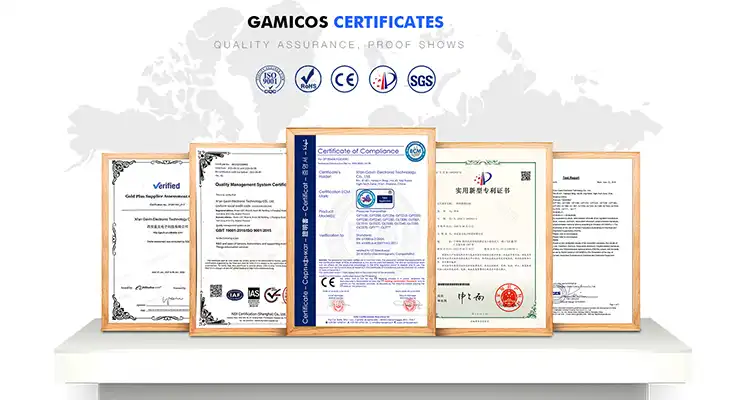
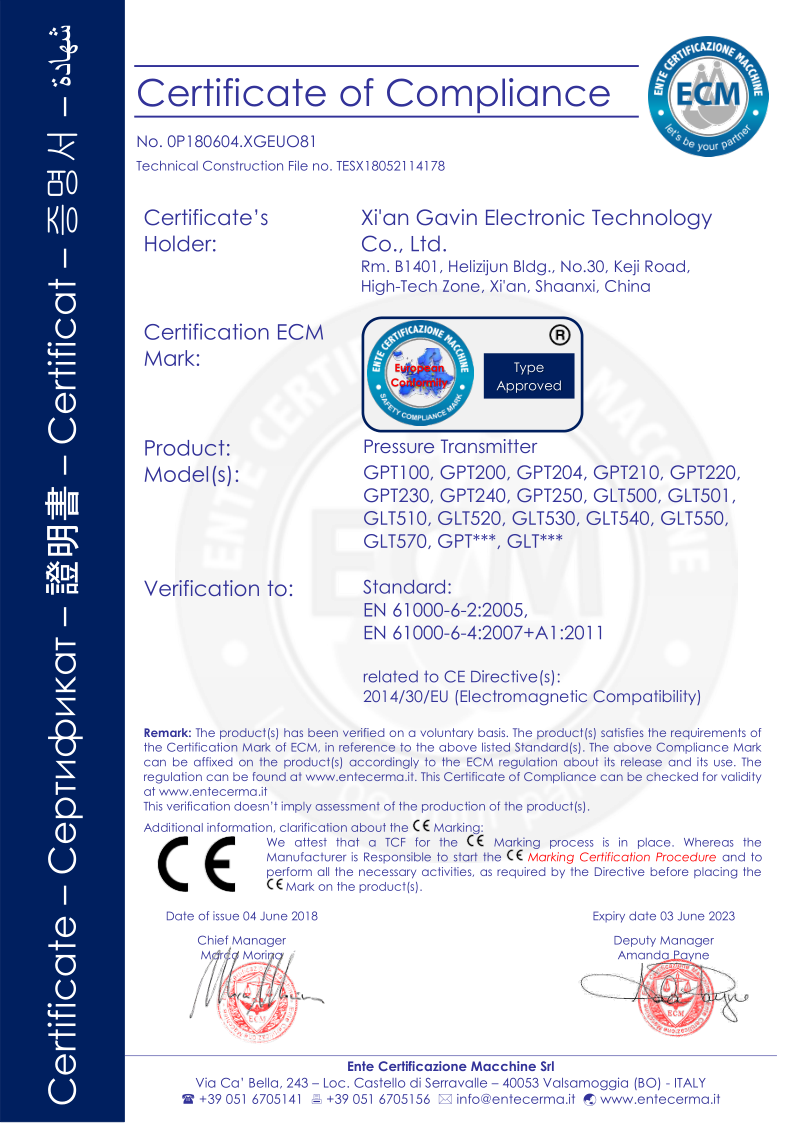
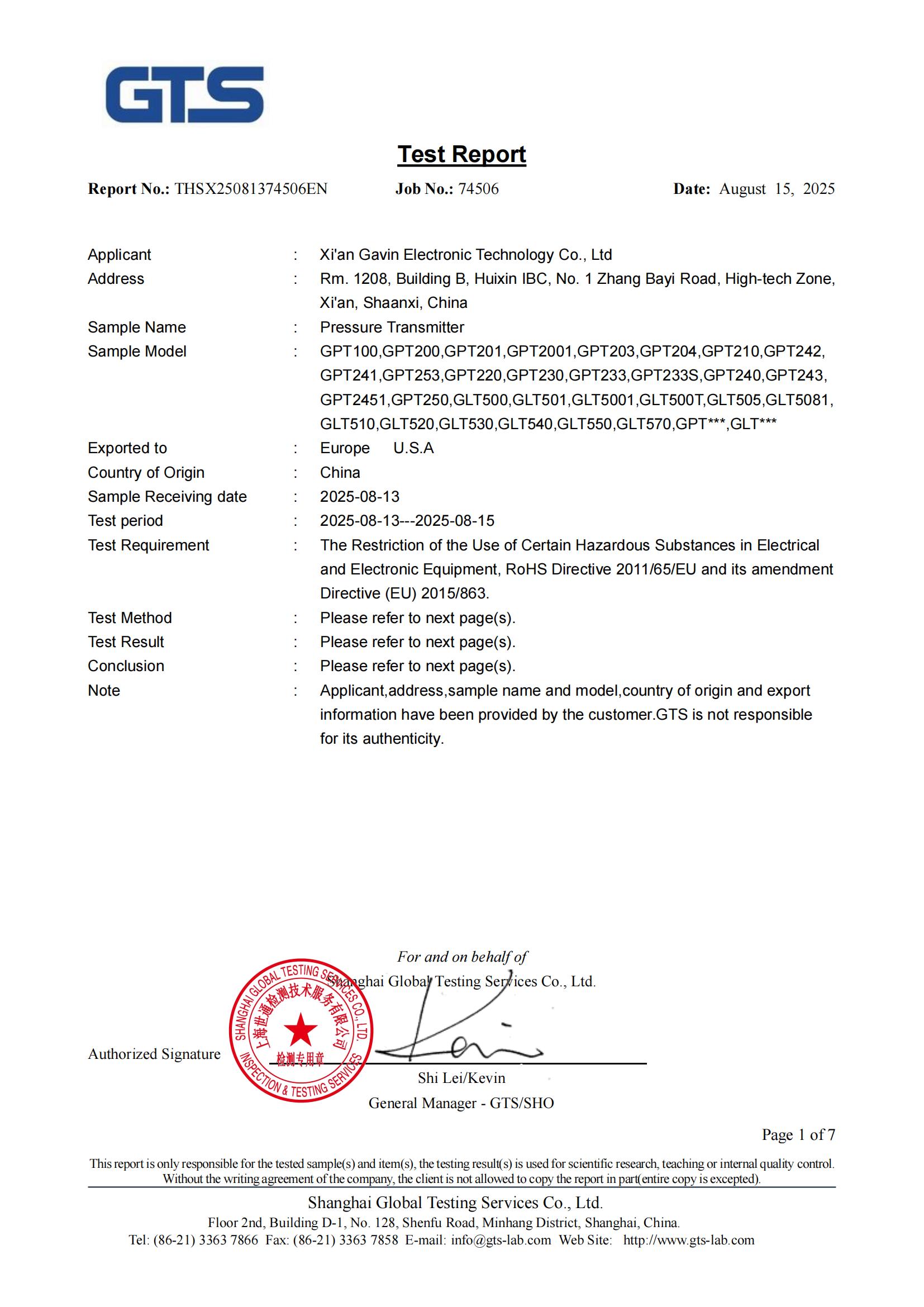
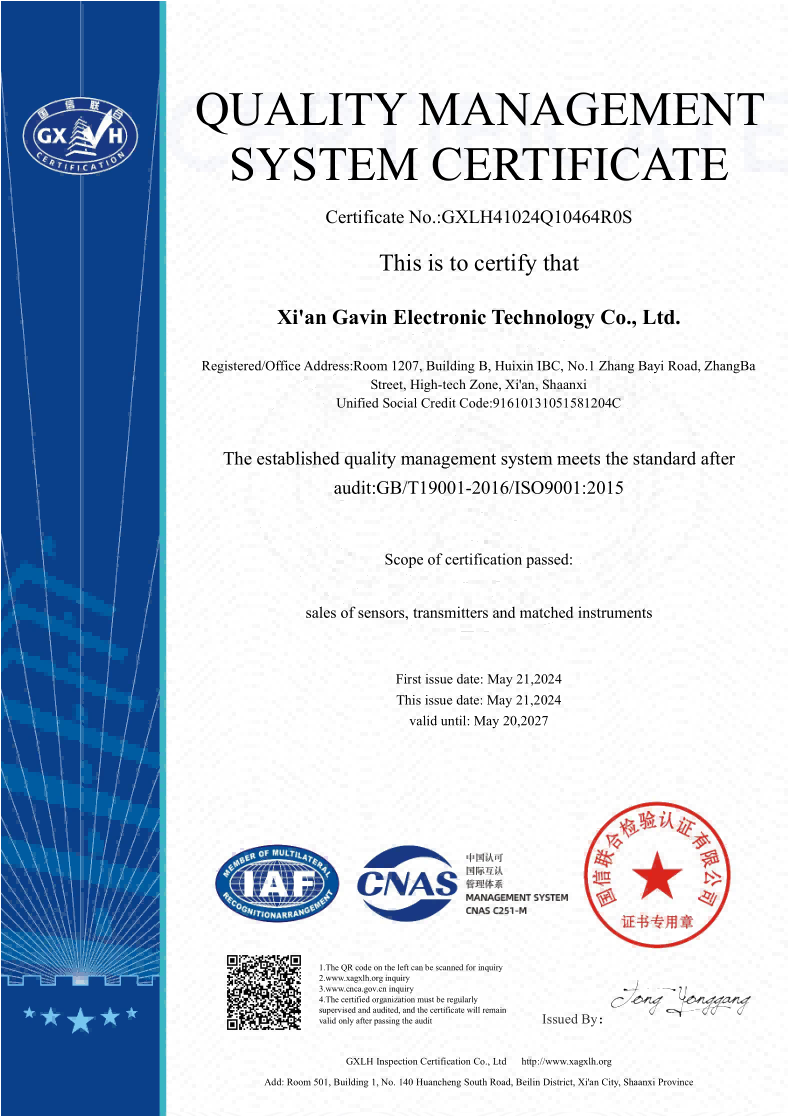
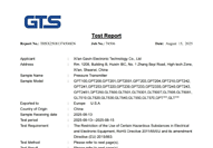
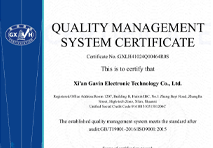
Consistent product quality and legal compliance are ensured by manufacturing quality systems and certification compliance. ISO 9001 certification shows that quality management systems are well-established, and industry-specific certifications like SIL ratings make sure that important applications are functionally safe. Supply chain problems that could delay projects can be avoided by making sure suppliers have enough money and planning for business continuity.
Customization and Bulk Order Optimization
Customization features let sensors be made to fit the needs of a particular application while taking advantage of economies of scale for large orders. Custom pressure ranges, output signals, and electrical links make the system work better together and make installation easier. OEM partnerships often include private labeling and custom packaging choices that help customers tell the difference between products and remember the brand.
Here are the main benefits of working with companies like GAMICOS that focus on customization:
• Flexible pressure range optimization: Custom pressure ranges are made to fit the exact needs of each application. This cuts down on the costs of over-specification while still ensuring accurate measurements for each process situation.
• Options to customize the interface: Customized electrical connections, mounting arrangements, and communication methods make system integration easier while cutting down on installation time and labor costs.
• Volume price benefits: When you negotiate a bulk order, you can often save 15–25% on costs compared to buying in small amounts, and you can be sure that the product will always be available during the project.
• Quality assurance programs: For custom orders, there are separate quality control methods that include better testing protocols and documentation packages that meet industry standards and requirements.
Because customization is so useful, procurement teams can find the best sensor specs while keeping costs low by buying in bulk and building relationships with suppliers that help the company reach its long-term goals.
Maintenance and Calibration Planning
To keep sensor accuracy up to date, you need to set up regular testing and maintenance programs that make sure measurements stay accurate. The frequency of calibration relies on how important the application is and the conditions of the environment. Some applications need to be calibrated once a year, while others may need to be calibrated every three years. Keeping track of traceability records and writing down calibration methods helps with quality management and following the rules.
As part of preventive maintenance programs, installation conditions, connection integrity, and environmental protection steps are checked on a regular basis. Finding problems early on stops measurements from drifting, increases the life of sensors, and cuts down on unnecessary downtime. Training programs offered by the supplier improve the skills of the maintenance team and make sure that sensors are handled correctly throughout the entire operational lifecycle.
Future Trends and Innovations in Low Differential Pressure Sensors
IoT Integration and Smart Sensor Technologies
As industries move toward IoT-enabled measurement systems, the need for smart sensors with built-in processing power and wireless connection grows. Smart low differential pressure sensor devices have diagnostic tools built in that help with planned maintenance and automatic confirmation of calibration. Through constant self-monitoring and drift detection, these advanced features lower the cost of maintenance while increasing the accuracy of measurements.
Edge computing integration lets you process and analyze data locally, which lowers the amount of energy needed for the network and lets you optimize processes in real time. Machine learning algorithms look for patterns in sensor data that can tell when equipment will break down and help schedule repairs in the best way. These technological developments help with Industry 4.0 projects and make operations more efficient by letting people make decisions based on data.
Wireless Communication and Remote Monitoring
Wireless sensor networks get rid of the costs of installing cables and allow sensors to be placed in different places and the system to grow. Low-power wide-area network (LPWAN) technologies like LoRaWAN and NB-IoT offer longer battery life and communication over long distances, making them ideal for distributed tracking. Mesh networking makes sure that data can be sent reliably even in radio frequency settings that aren't very good.
Cloud-based monitoring systems collect data from many sensors and offer advanced analytics and reporting tools. Mobile apps let you watch and change configurations from afar, which increases operational flexibility while lowering the need for site visits and the costs that come with them. When you connect it to an ERP system, you can use real-time sensor data to automate inventory management and repair scheduling.
Energy Efficiency and Sustainability Considerations
Concern for the environment leads to the creation of energy-efficient sensor devices that use less power while still meeting performance standards. Solar-powered sensor systems don't need an outside power source for remote tracking, and energy harvesting technologies use energy from the environment to power themselves.
Environmental laws and business sustainability goals are met by sustainable manufacturing practices and recyclable materials. When companies buy things, they look at things like life cycle assessments and give more weight to sellers who have shown they care about the environment and are working to lower their carbon footprint. These trends help reach world goals for sustainability while also lowering the damage that operations do to the environment.
Conclusion
To find the best low differential pressure sensor options, you need to look at a lot of technical details, the supplier's abilities, and how the sensors will work in the long term. When it comes to procurement, good strategies make sure that accuracy needs are met while also keeping costs low and building relationships with reliable suppliers that help the business reach its long-term goals. When you know about new technologies and industry trends, you can make smart purchases that protect measurement systems against changing business needs. The combination of Internet of Things (IoT) and wireless technologies is changing the way industrial measurements are made. This is making it possible for more efficient operations and predictive repair programs that lower the total cost of ownership while making processes more reliable.
FAQ
Q1: What calibration frequency maintains optimal sensor accuracy?
A: How often calibration is done relies on how important the application is and the conditions outside. Most industrial applications need to be calibrated once a year to keep up with accuracy standards. However, important process control systems may need to be checked every six months. In harsh settings where temperatures change quickly or where metals are exposed, calibration may need to be done more often.
Q2: How do environmental factors affect sensor performance?
A: Changes in temperature, humidity, vibration, and chemical contact all have a direct effect on how well measurements are made and how long sensors last. Good sensors have temperature compensation and a protective housing to keep the affects of the environment to a minimum. Stable performance throughout the operational lifecycle is guaranteed by proper installation and environmental protection methods.
Q3: What factors influence custom order lead times?
A: Custom sensor lead times rely on how complicated the changes are, how much capacity the factory has, and how readily available the parts are. Standard customizations, like adjusting the pressure range, usually take 4 to 6 weeks. More complicated changes that need new tools may take 8 to 12 weeks. Getting involved with providers early on lets you make accurate plans for timelines and coordinate the project.
Q4: Which output signals provide optimal system integration?
A: The choice of output signal relies on the control systems that are already in place and the distance that needs to be transmitted. Digital protocols allow for more detailed diagnostics and configuration, while analog 4-20mA signals are reliable over long distances. Wireless choices don't require installing cables, but you need to keep an eye on the batteries.
Q5: How do bulk procurement strategies reduce total costs?
A: When you buy in bulk, you can save 15 to 25 percent on costs thanks to quantity deals and lower handling costs per unit. When you combine orders, you save money on shipping costs and make sure that the quality and quantity of your products stay the same. Long-term agreements with suppliers often come with extra benefits, like getting technical help and materials before other customers.
Partner with GAMICOS for Superior Low Differential Pressure Sensor Solutions
GAMICOS is ready to help you with your measurement needs by providing complete low differential pressure sensor solutions that are made to fit your unique industrial needs. Our experienced engineering team works closely with procurement professionals to find the best sensor configurations that meet both performance needs and cost limits. As a reliable low differential pressure sensor maker, we offer a wide range of customization options, such as pressure range optimization, interface modifications, and communication protocol integration. These make system integration easier and lower the overall project cost. Get in touch with our technical experts at info@gamicos.com to talk about your measurement problems and find out how our proven knowledge can help you run your business more efficiently by providing you with accurate, long-lasting pressure measurement solutions.
References
1. Johnson, R.K., and Thompson, M.L. "Industrial Pressure Measurement Technologies: Selection Criteria and Performance Analysis." Journal of Process Control Engineering, vol. 45, no. 3, 2023, pp. 127-145.
2. Anderson, P.J., et al. "Comparative Study of Low Differential Pressure Sensor Technologies for HVAC Applications." ASHRAE Transactions, vol. 129, no. 2, 2023, pp. 89-102.
3. Williams, S.A. "Procurement Best Practices for Industrial Instrumentation: A Comprehensive Guide." Industrial Automation Review, vol. 34, no. 7, 2023, pp. 56-71.
4. Chen, L.M., and Rodriguez, C.F. "IoT Integration Strategies for Smart Sensor Networks in Manufacturing." IEEE Transactions on Industrial Informatics, vol. 19, no. 4, 2023, pp. 234-247.
5. Kumar, A.S. "Environmental Factors Affecting Differential Pressure Sensor Performance in Process Industries." Measurement Science and Technology, vol. 34, no. 8, 2023, pp. 445-462.
6. Davis, K.R., and Mitchell, J.P. "Future Trends in Industrial Pressure Measurement: Technology Roadmap 2024-2030." International Journal of Advanced Manufacturing Technology, vol. 126, no. 5, 2023, pp. 189-205.

Peter
Peter, Senior Sensor Technology Consultant, has 15-year industrial sensor R&D experience. He specializes in the end-to-end development of high-accuracy pressure and level sensors and he firmly believe, precision isn’t just a spec—it’s a promise.
We're here to help — submit your request anytime!
Let us know how we can help solve your pressure level measurement challenge.
_1757930850792.jpg)
Recommended Blog

Top Differential Pressure Sensors for Industrial Flow Control
Import Guide: Differential Pressure Sensors for Europe and Asia
Top Differential Pressure Sensors for Industrial Flow Control
Import Guide: Differential Pressure Sensors for Europe and Asia
Trusted Differential Pressure Sensor Supplier for Industrial Use
Top Differential Pressure Sensor Suppliers in Europe and Asia
_1772676044702.webp)
Best Differential Pressure Sensor for Corrosive Media (pH 1–14)
Where to Buy OEM Differential Pressure Sensors in the Americas
Trusted Differential Pressure Sensor Supplier for Industrial Use
Top Differential Pressure Sensor Suppliers in Europe and Asia
Best Differential Pressure Sensor for Corrosive Media (pH 1–14)
Where to Buy OEM Differential Pressure Sensors in the Americas
Trusted Differential Pressure Sensor Supplier for Industrial Use
Top Differential Pressure Sensor Suppliers in Europe and Asia
Best Differential Pressure Sensor for Corrosive Media (pH 1–14)
Where to Buy OEM Differential Pressure Sensors in the Americas
Trusted Differential Pressure Sensor Supplier for Industrial Use
Top Differential Pressure Sensor Suppliers in Europe and Asia
Best Differential Pressure Sensor for Corrosive Media (pH 1–14)
Where to Buy OEM Differential Pressure Sensors in the Americas