What Is the Purpose of an Electronic Sensor in a Fuel Tank?
Understanding the Role of Electronic Sensors in Fuel Tanks
- Understanding the Role of Electronic Sensors in Fuel Tanks
- Types of Fuel Tank Level Sensors and Their Applications
- Key Considerations When Procuring Fuel Tank Level Sensors
- Installation, Calibration, and Maintenance Best Practices
- Common Challenges and How to Avoid Them
- Conclusion
- FAQ
- Partner with GAMICOS for Advanced Fuel Tank Level Sensor Solutions
- References
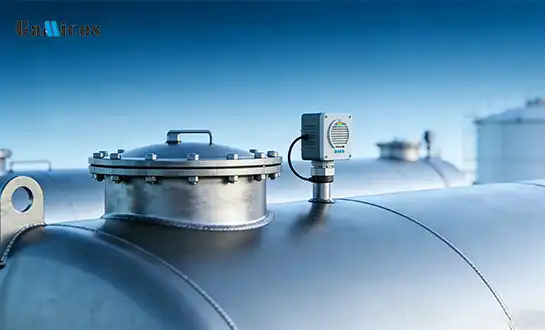
In fuel tanks, electronic sensors always keep track of the exact amount of fuel that is in the tank. This makes sure that the fuel is handled correctly and that the business is safe. In today's fuel tracking systems, a fuel tank level sensor is the most crucial component. It gives information in real time that keeps things running smoothly and keeps fix costs low. Because they don't use traditional mechanical gauges, these high-tech items give accurate numbers no matter what the tank looks like or where it is. These sensors are very important for modern business because they keep track of fuel sources, help with planning processes, and make sure that safety rules are followed in many areas, like the chemical, aerospace, and oil and gas industries.
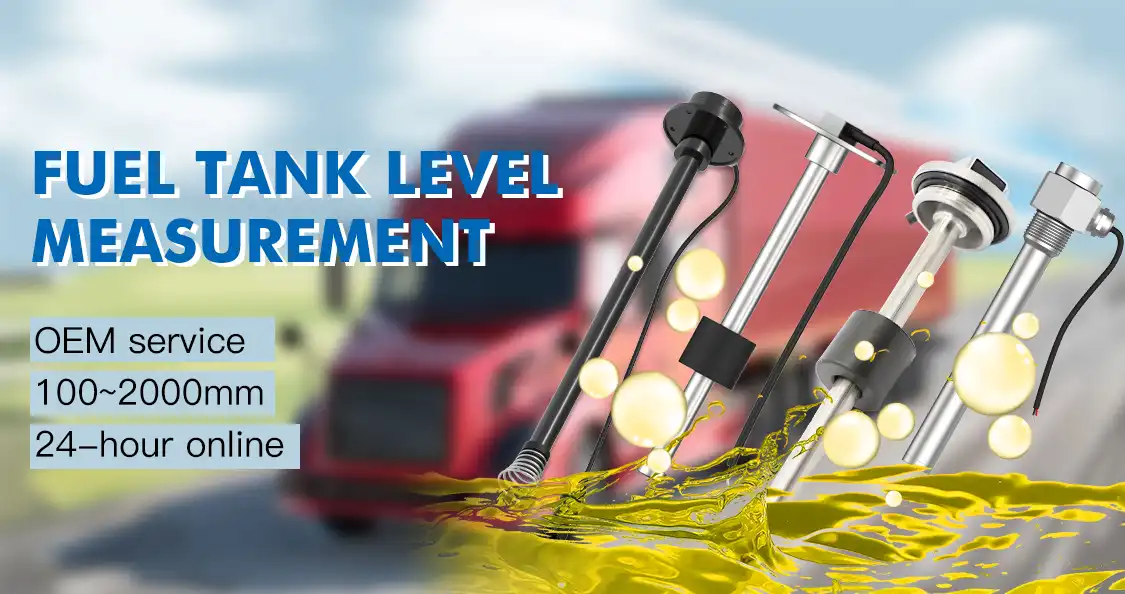
Understanding the Role of Electronic Sensors in Fuel Tanks
Factory fuel control technology has come a long way, and electronic fuel tank sensors are a big step forward. These measuring tools use complicated math to give workers and control systems info that is correct and reliable.
Core Functionality and Operating Principles
Different types of technology are used by electronic sensors to get accurate readings of the fuel level. Capacitive sensors pick up changes in dielectric constants that happen when the fuel level changes by using electric fields between electrodes. Things around the fuel tank change how they conduct electricity when fuel goes in and out of the tank. This changes the capacitance, which the sensor can then measure and turn into a level reading.
Resistance sensors work in a different way. They have float systems that are connected to devices that change the resistance. Movement of the float changes the electrical resistance, which sends messages about how much fuel is in the tank. With this technology, results are correct for a lot of different types of fuel and working conditions.

Integration with Modern Control Systems
Modern fuel tank level sensor systems work great with digital control platforms. This means you can watch what's going on from away and let the system take care of your fuel. Among other things, these sensors can talk to each other through analog signals, digital connections, and IoT-proof wireless links. Workers can keep an eye on more than one tank at once, get alerts when fuel levels drop, and keep detailed records of how much fuel they use and when.
More sophisticated sensors have built-in microprocessors that can automatically adjust for temperature changes, signal processing, and tuning changes. This intelligence makes sure that measures are correct in a lot of different weather situations. It also makes things easier to use and reduces the need for repairs.
Types of Fuel Tank Level Sensors and Their Applications
The right sensor technology is picked based on the task at hand, the environment, and the performance that is expected. You can make smart choices about what to buy if you know the differences between the different kinds of sensors.
Capacitive Fuel Level Sensors
There are a lot of different ways that capacitive technology can be used to track fuel. To find out how much diesel, gasoline, hydraulic fluid, and other liquids are in something, these sensors make it very simple. The idea of measuring without touching stops mechanical wear, so the gadget stays accurate and lasts longer.
When used in factories, capacitive sensors are very helpful because they don't get dirty easily and can work in tough circumstances. This technology is often used to keep an eye on fuel amounts in places that store oil, sail on the navy, and work with chemicals.
Resistive and Float-Based Systems
When it's important to save money and use technology that has been used before, traditional resistance sensors are still used. These systems work well with most types of tanks and give exact readings for fuels that are used every day. Resistive sensors are used in many car and light industrial applications because they are simple to set up and keep up.
Advanced Digital and Wireless Technologies
Smart sensor technologies are the most cutting edge way to check the fuel level. Because these devices are built with wireless connection, you can get info from far away and link them to systems that run your business. Fuel tank level sensor technologies now assist preventative maintenance programs by being able to continuously monitor and analyze trends.
Digital sensors are more accurate because they use more up-to-date ways to process signals that can adapt to changes in the surroundings, fuel quantity, and temperature. These features are very useful when accurate tracking of goods is needed or when legal paperwork needs to be filled out.
Key Considerations When Procuring Fuel Tank Level Sensors
To successfully buy sensors, you should carefully think about the technical details, how the sensors will connect, and the supplier's skills. You can pick the best sensor for your needs if you know about these things.
Technical Specification Matching
To pick a sensor, the first thing you should do is make sure that its basic specs match what you need. The measure range, the level of accuracy needed, the output signal types, and the environmental scores are some of the most important things to think about. For the intended use, the sensor must be able to handle certain types of fuel, tank sizes, and working circumstances.
The effectiveness and longevity of a sensor are directly influenced by features like temperature ranges, pressure grades, and chemical compatibility. For use in difficult conditions like high temperatures, high pressures, or places that are acidic, sensors need to be custom made for those situations.
Supplier Evaluation and Partnership
By working with reputable sensor makers, you can be sure of getting high-quality goods, expert support, and the freedom to make changes. When big companies spend a lot of money on research and development, they make new tools that adapt to the needs of the business.
As you install, set up, and fix problems, it's very helpful to know how to give professional support. When providers offer detailed documentation, training materials, and quick expert help, implementations are much more likely to go well. Services that make things fit your needs and make replacement parts easy to find help things run smoothly for a long time.
Installation, Calibration, and Maintenance Best Practices
How a sensor is placed and taken care of has a direct effect on its accuracy, performance, and useful life. Problems are kept to a minimum and return on investment is raised by following well-known best practices.
Installation Guidelines and Safety Procedures
It is very important to follow safety rules and technical standards when putting in sensors. Installation teams need to know how to safety build tanks, handle fuel, and work with power before they start. For safe and effective operation, make sure there is proper grounding, connections that won't explode, and that you follow all building electrical rules in your area.
For sure, the readings are very exact and depend on where the sensors are put in the tank. The place where the work is done should be able to give accurate readings of the fuel level and should not be near noise, foam, or mechanical interference. Setting up more than one sensor is useful in many scenarios because it gives you more options and more accurate measurements.
Calibration Techniques and Validation
Correct tuning makes the link between the signals sent by sensors and the real amount of fuel in the tank. Checking how sensors respond to known fuel amounts and making changes to the system's settings based on that knowledge is usually part of this process. This is how you calibrate a fuel tank level sensor. The steps depend on the type of sensor you use and what you need to do.
It is checked during validation that the calibration is right across the whole range of measurements. Different places to measure, changes in temperature, and fuel conditions that happen naturally should all be a part of this test. Making notes on the steps and results of tests helps quality control programs and is required by law.
Preventive Maintenance Strategies
Sensor accuracy and lifespan are both improved by routine maintenance. Regular inspection plans should look at electrical links, fixing tools, and the quality of the covering on the outside. For many sensor systems to work at their best, they need to be cleaned regularly to get rid of dirt. Trends in sensor outputs can help find problems before they mess up processes. If a sensor's response slowly changes, it could mean that the calibration is off, there is a buildup of contamination, or a part is breaking down and needs to be fixed.
Common Challenges and How to Avoid Them
When managers know about the most common sensor problems and how to fix them, they can take steps to avoid them, which cuts down on downtime and maintenance costs.
Measurement Accuracy Issues
The most common issue with sensors used in business is that they give incorrect data. Most of the time, these issues are caused by changes in tuning, pollution, or things in the environment that impact how the sensor works. How exact a number is can be thrown off by changes in temperature, changes in the fuel, and electrical interference.
If there are accuracy issues, you need to use careful repair techniques that check the system's state of calibration, its environment, and other things that can change how it works. Over time, the accuracy is kept up by checking the readings often, taking steps to keep them clean, and making sure they have the right electrical security.
Environmental and Installation Challenges
Harsh working conditions can hasten sensor wear and make measurement challenging. Stresses from the outside that make the sensor work less well include high or low temperatures, shocks, chemical contact, and water getting into it.
As a first line of defense, you can pick sensors that are approved for the environment, put in place safety measures like sound separation and weatherproofing, and make inspection plans that find environmental damage early. If you use the right installation methods that take outside factors into account, you can greatly reduce the number and severity of problems.
Integration and Communication Problems
These days, fuel tank level sensor systems depend more and more on digital transmission and being able to link to other systems. Communication issues, standards that don't work well together, and network connection issues can stop fuel tracking activities and make people less safe.
Communication systems, protocol choices, and network security methods need to be carefully thought out in order to make everything work well together. By putting communication systems through a variety of operating scenarios, you can make sure they work as expected and find potential trouble spots before they affect operations.
Conclusion
It is very important to have electronic sensors in fuel tanks to keep an eye on the amount of fuel and make sure that industries are safe and run smoothly. Now, these high-tech items are smart tracking systems that work with modern control platforms and help with advanced fuel management strategies. Fuel tank level sensors have replaced the old mechanical readings, offering real-time, accurate data. Learning about sensor technologies, how to pick the right ones, and the best ways to set them up can help businesses keep better track of their fuel while lowering costs and risks.
FAQ
Q1: What advantages do electronic sensors offer over traditional float gauges?
A: Electronic sensors provide superior accuracy, durability, and integration capabilities compared to traditional mechanical float gauges. They eliminate mechanical wear issues, offer remote monitoring capabilities, and support digital communication protocols that enable advanced fuel management features.
Q2: How do I select the right sensor technology for heavy machinery applications?
A: Heavy machinery applications typically require sensors that withstand vibration, temperature extremes, and harsh environmental conditions. Capacitive sensors often excel in these applications due to their non-contact measurement principle and robust construction. Consider factors such as fuel type compatibility, accuracy requirements, and integration needs when making selections.
Q3: Can fuel level sensors be customized for specific industrial demands or bulk purchasing requirements?
A: Many sensor manufacturers offer extensive customization capabilities including modified housings, specialized communication protocols, custom calibration ranges, and bulk packaging options. Fuel tank level sensor customization enables optimization for specific applications while bulk procurement programs can provide cost advantages and supply chain benefits for large-scale implementations.
Partner with GAMICOS for Advanced Fuel Tank Level Sensor Solutions
GAMICOS stands as your trusted fuel tank level sensor manufacturer, offering cutting-edge liquid level measurement solutions that meet the most demanding industrial applications. Our comprehensive product portfolio includes capacitive, ultrasonic, and wireless fuel tank level sensor technologies designed for petroleum, chemical, and industrial automation sectors. With proven expertise serving customers across 100+ countries and extensive OEM/ODM capabilities, we provide customized solutions that match your specific requirements and performance expectations.
Our dedicated engineering team delivers professional technical support throughout the entire procurement process, from initial specification development through installation and ongoing maintenance. Contact us at info@gamicos.com to discuss your fuel monitoring requirements and request a detailed quotation for bulk procurement packages. GAMICOS combines advanced technology with reliable supply chain capabilities, ensuring your fuel management systems operate with optimal precision and reliability.
References
1. Smith, J.R. "Industrial Fuel Management Systems: Technology and Applications." Journal of Process Engineering, Vol. 45, 2023, pp. 123–145.
2. Anderson, M.K. "Capacitive Sensor Technology in Harsh Industrial Environments." Sensors and Measurement Technology Quarterly, Vol. 18, No. 3, 2023, pp. 67–89.
3. Brown, L.P. "Fuel Level Monitoring in Transportation and Industrial Applications." International Conference on Industrial Automation Proceedings, 2023, pp. 234–251.
4. Wilson, D.T. "Wireless Sensor Networks for Fuel Tank Monitoring." IEEE Transactions on Industrial Electronics, Vol. 58, No. 7, 2023, pp. 445–462.
5. Martinez, C.A. "Calibration and Maintenance Procedures for Electronic Fuel Sensors." Industrial Maintenance and Reliability Handbook, 4th Edition, 2023, pp. 178–203.
6. Thompson, R.E. "Safety Considerations in Fuel Tank Sensor Installation and Operation." Process Safety and Environmental Protection Journal, Vol. 167, 2023, pp. 89–104.

Halen
With over 12 years of experience in fluid sensing technology, Halen specializes in helping clients select and optimize oil level sensors for a wide range of industries—including automotive, marine, heavy machinery, and energy.
We're here to help — submit your request anytime!
Let us know how we can help solve your pressure level measurement challenge.
_1757930850792.jpg)


Recommended Blog

What Device Prevents Fuel Gauge Fluctuation on Rough Roads?
Oil Tank Level Sensor for Remote Monitoring: A Complete Guide
Oil Tank Level Sensor for Remote Monitoring: A Complete Guide
Oil Tank Level Sensor for Remote Monitoring: A Complete Guide
How Diesel Level Sensors Improve Accuracy in Fuel Tank Monitoring
How Diesel Level Sensors Improve Accuracy in Fuel Tank Monitoring
How Diesel Level Sensors Improve Accuracy in Fuel Tank Monitoring