What Device Prevents Fuel Gauge Fluctuation on Rough Roads?
Understanding Fuel Gauge Fluctuation: Causes and Challenges
- Understanding Fuel Gauge Fluctuation: Causes and Challenges
- Fuel Tank Anti-Slosh Devices: Design Principles and Working Mechanism
- Comparing Fuel Tank Anti-Slosh Devices: Which Solution Is Best for Your Fleet?
- Installation and Maintenance of Fuel Tank Anti-Slosh Devices
- Impact and Benefits of Fuel Tank Anti-Slosh Devices on Fleet Operations
- Conclusion
- FAQ
- Partner with GAMICOS for Advanced Fuel Measurement Solutions
- References
For avoiding fuel gauge variation on rough roads, the fuel tank anti-slosh device is the main option. These special systems use internal baffles, foam plugs, or advanced composite materials that are placed in fuel tanks in a way that keeps fuel from moving around while the car is running. When cars go over bumps, uneven ground, or sharp turns, the fuel naturally sloshes around in the tank. This makes sensor readings and fuel level displays less accurate. Anti-slosh devices successfully stop this movement, making sure that gauge readings are always accurate and that fuel management works well in a wide range of industry settings.
Understanding Fuel Gauge Fluctuation: Causes and Challenges
Changes in the fuel gauge are a big problem for fleet owners and managers of industrial vehicles in many fields. Why are these differences happening? The main reason is that liquid fuel in storage tanks changes shape when a car moves.
The Physics of Fuel Movement
When cars drive over rough terrain, the fuel in their tanks is affected by inertial forces that make it move in waves. This sloshing effect lowers the accuracy of the fuel sensor because it causes the sensing element to record changing liquid levels as the fuel moves toward or away from the measurement point. These measurement errors are common for commercial trucks working on building sites, farm equipment working on uneven areas, and industrial equipment moving over rough terrain.
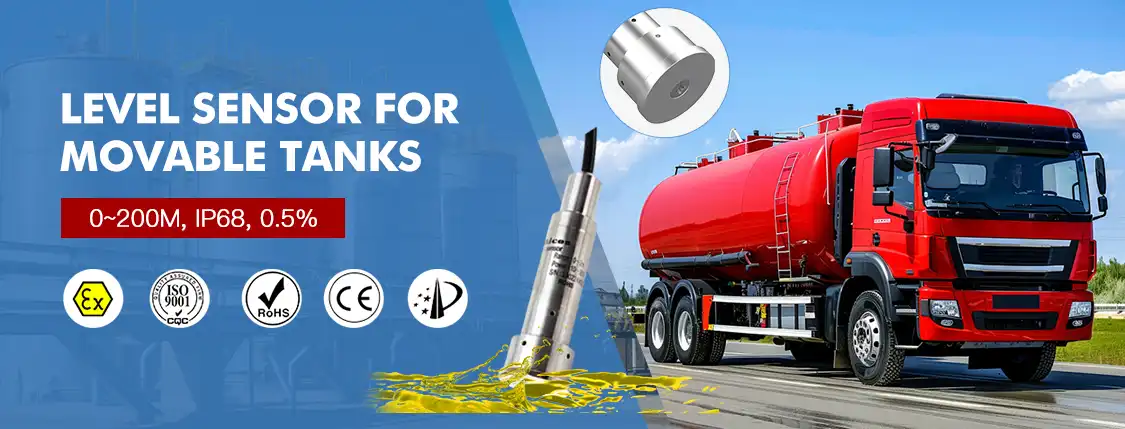
The amount of fuel moving relies on a number of things, such as the shape of the tank, the amount of fuel in it, the speed of the car, and the condition of the road. According to research by the Society of Automotive Engineers, fuel sloshing can make gauge readings change by up to 25% of the real fuel level when moving normally on rough roads.
Operational Consequences
These changes cause a chain reaction of practical problems that go beyond being inconvenient. Fleet managers have a hard time keeping accurate records of how much fuel their vehicles use, which makes it hard to plan routes and estimate running costs. When fuel gauges give uneven readings, maintenance plans become less reliable, which could lead to unexpected fuel shortages or inefficient refilling.
Manufacturers of industrial automation equipment know that accurate fuel measurements are a key part of making their equipment reliable and getting the most out of its performance. In time-sensitive industrial settings, wrong readings can cause fake low-fuel alarms, which can stop important activities and lower overall output. Incorporating a fuel tank anti-slosh device can help prevent inaccuracies caused by fuel movement, ensuring more reliable measurements and smoother operations.
Fuel Tank Anti-Slosh Devices: Design Principles and Working Mechanism
Modern anti-slosh systems use complicated engineering ideas to solve the hard problem of stabilizing fuel while keeping safety standards and tank operation at their best.
Core Design Principles
Anti-slosh devices operate on the fundamental principle of compartmentalization and flow restriction. By controlling the resistance to fluid movement, these systems let fuel flow easily when the tank is working normally but stop too much sloshing when the car is moving. The best designs have several tanks or parts that divide large amounts of fuel into smaller, easier-to-handle amounts.
Depending on the needs of the application, the technical method is different. For example, some systems use rigid baffle structures, while others use flexible foam materials that can adjust to different fuel amounts. Advanced composite materials have become the best options because they are resistant to chemicals, last a long time, and keep their shape over a wide range of temperatures that are common in industrial settings.
Working Mechanisms
Fuel tank anti-slosh devices function through several complementary mechanisms that work together to keep the flow of fuel stable. Baffle systems make physical walls that stop the flow of fuel, making the liquid move through controlled holes instead of moving around inside the tank. These holes are just the right size to let enough fuel flow for regular activities without letting things move quickly, which would cause the gauge to change.
Foam-based methods work differently because they make a three-dimensional grid inside the tank that soaks up and slows down the energy of the fuel flow. Specialized foam materials are made up of cells that let fuel fill the areas between the cells, while the foam itself stops liquids from moving quickly.
Compliance and Safety Standards
International safety and quality standards, such as ISO 9001, SAE guidelines, and car industry standards, are met by the manufacturing standards for fuel tank anti-slosh devices. These approvals make sure that devices keep working even in harsh conditions and meet the rules for fire safety, chemical compatibility, and the environment that are necessary for industrial uses.
Comparing Fuel Tank Anti-Slosh Devices: Which Solution Is Best for Your Fleet?
To find the best anti-slosh option for a given industrial application, you need to carefully look at its performance features, operational needs, and long-term cost factors.
Performance Comparison Analysis
Here are the main ways that the different anti-slosh tools on the market today improve performance:

• Rigid Baffle Systems: These are very durable, last a long time, and don't need much upkeep, which makes them perfect for heavy-duty industrial uses where equipment works all the time in harsh circumstances.
• Foam Insert Solutions: These offer better fuel movement dampening while also offering cost-effective installation and repair choices that can be used with a range of tank shapes and sizes.
• Hybrid Composite Designs: These systems take the best parts of both fixed and flexible systems and combine them to give the best performance at all fuel levels and working situations, all while meeting a number of industry standards.
These performance traits directly address common practical problems that procurement managers face when they have to choose measurement methods for complex industrial settings.
Cost-Benefit Considerations
The total cost of ownership extends beyond initial purchase price to include installation complexity, maintenance requirements, and operational lifespan. Foam-based systems typically offer lower upfront costs and simpler installation processes, which makes them appealing for fleet updates or retrofits that need to stay within a budget.
Rigid baffle systems command higher initial investment but provide extended service life and minimal maintenance requirements that often result in lower total operational costs over multiple years of service. This cost structure particularly benefits large-scale industrial operations where equipment downtime represents significant financial impact.
Customization and OEM Integration
Modern anti-slosh solutions accommodate extensive customization options to meet specific operational requirements. OEM makers are making designs that work well with current fuel management systems, sensor configurations, and tank shapes more and more custom. Because of this, procurement teams can be very specific about the communication methods, interface compatibility, and performance factors they need in order to meet larger operating goals.
Installation and Maintenance of Fuel Tank Anti-Slosh Devices
Installing and maintaining anti-slosh systems correctly is very important for making sure they work well and last as long as possible in industrial settings.
Installation Best Practices
Before the installation starts, a full pre-installation review is done, which includes looking at the tank's shape, making sure it works with the fuel type, and finding the best place for the sensors. Professional installation teams look at how the tank is currently set up, find any possible conflict points, and come up with custom installation methods that cause the least amount of downtime for operations.
Some important things to think about when installing are making sure there is enough space around the fuel sensors, keeping the fuel flow paths clear, and locking the fuel tank anti-slosh device parts so they don't move while the car is running. Installation teams must also make sure that anti-slosh materials are compatible with certain types of fuel to keep chemicals from breaking down or performance from going down over time.
Maintenance Protocols and Troubleshooting
Regular repair plans help keep anti-slosh performance at its best and extend the life of the system. During an inspection, the inspector will usually look at the condition of each part, make sure it is mounted securely, and test the fuel gauge's stability in a number of different working situations.
Cleaning the baffle holes of debris that has built up, checking the foam materials for chemical or compression breakdown, and making sure that sensor readings stay stable at different fuel levels are all common upkeep jobs. Approaches to preventative maintenance help find problems before they affect the accuracy of fuel measurements or the operation's performance.
Quality Assurance and Performance Monitoring
Ongoing performance tracking includes checking the steadiness of the gauge while it is working normally and checking the calibration on a regular basis to make sure the accuracy of the measurements stays high. Setting up baseline performance measures that let fleet workers find problems with performance or worn-out parts quickly is helpful. Keeping track of maintenance tasks and changes in performance over time gives us useful information for making maintenance plans and planning when to replace parts in a way that doesn't affect operations too much and keeps fuel measurement accuracy high.
Impact and Benefits of Fuel Tank Anti-Slosh Devices on Fleet Operations
Implementing good anti-slosh solutions leads to measurable operational gains that cover a wide range of fleet management and manufacturing operations.
Operational Efficiency Improvements
Stable numbers on the fuel gauge make it easier to keep track of how much fuel is being used, which makes route planning more efficient and overall cost management easier. Fleet managers have more faith in data about fuel levels, which means that vehicles don't have to stop as often for fuel and there are no longer any fuel shortages that mess up operations.
More accurate measurements help with better planning for buying fuel and keeping track of supplies. Based on accurate data on fuel use, operations teams can make the best decisions about when to order fuel, which lowers carrying costs and makes sure that important operations always have enough fuel.
Cost Reduction and ROI
Fuel tank anti-slosh devices help save money directly by making many operations run more smoothly. Accurately measuring fuel cuts down on waste from overfilling, stops machine damage from not having enough fuel, and makes it easier to plan maintenance. In most industrial settings, these benefits lead to a clear return on investment within 12 to 18 months of adoption. When you get rid of fake alarms and service calls that aren't needed because of unpredictable gauge readings, maintenance costs go down. Equipment workers try to avoid shutting down and starting up too soon, which wastes fuel and slows operations.
Technology Integration and Future Trends
More and more, modern telematics and fleet management platforms are integrating with advanced anti-slosh systems. This gives real-time fuel data that improves operating information. Adding smart sensors lets you check on fuel amounts and usage trends from afar, which helps with predictive repair and better planning for operations. New technologies include IoT connection and digital communication features that are in line with larger trends in industrial automation. These changes should make it easier to collect and analyze data, which will make fuel control even more efficient in a wide range of commercial settings.
Conclusion
Fuel tank anti-slosh devices are necessary for keeping accurate fuel measurements in industrial cars and equipment that works on rough ground. These specialized systems solve the main problem of fuel sloshing by using tried-and-true engineering methods that keep the movement of liquids stable while keeping the tank's full usefulness. Different industrial uses have different operating needs, cost concerns, and integration needs that must be met when choosing the right anti-slosh options. The right way to install and maintain equipment will make sure it works well and reliably for a long time. This helps fleet owners and managers of industrial equipment be more precise and efficient.
FAQ
Q1: What types of vehicles benefit most from anti-slosh devices?
A: Installing an anti-slosh device is most helpful for heavy-duty trucks, building equipment, farm machinery, and industrial vehicles that drive on rough ground. Conditions that cause a lot of fuel to move and gauges to change happen a lot to these cars.
Q2: How do anti-slosh devices affect fuel tank capacity?
A: When anti-slosh systems are properly installed, they can lower the amount of fuel that can be used by 2 to 5 percent, but this depends on the type of device and how it is set up. This small drop in capacity is usually balanced out by better operating and fuel management benefits.
Q3: Can anti-slosh devices be retrofitted to existing fuel tanks?
A: Many anti-slosh solutions can be installed in tanks that are already there, but their exact compatibility relies on the design of the tank, the entry points, and the way the fuel system is set up. A professional evaluation helps figure out which repair method will work best for each situation.
Q4: What maintenance is required for anti-slosh devices?
A: Maintenance needs depend on the type of device, but they usually include checking for worn parts on a regular basis, cleaning up any dirt that builds up, and making sure the scale stays stable. Aside from regular fuel system care, most systems don't need much upkeep.
Q5: Do anti-slosh devices work with all fuel sensor types?
A: Modern anti-slosh devices are made to work with common types of fuel monitors, such as float, inductive, and ultrasonic level sensors. The monitor will work and help prevent slosh if it is installed correctly.
Partner with GAMICOS for Advanced Fuel Measurement Solutions
GAMICOS has a lot of experience with all kinds of liquid level measurement technology and can make anti-slosh devices that work well in tough industrial settings. Our engineering team specializes in making unique fuel measurement systems that work well with other tools and measure fuel more accurately and reliably. GAMICOS has worked with clients in 98 countries before and has a lot of experience with OEM and ODM services. These services include unique sensor configurations, communication protocols, and interface specs that are made to fit the needs of the operation.
Our dedication to quality control, following worldwide standards for certification, and quick technical help guarantees the success of our partnership in the long run. Find out how our cutting-edge solutions can improve your fleet operations by getting in touch with our knowledgeable team at info@gamicos.com to discuss your unique fuel tank anti-slosh device seller needs.
References
1. Society of Automotive Engineers. "Fuel Tank Design and Anti-Slosh Technology Standards." SAE International Technical Paper Series, 2023.
2. Johnson, M.R., and Peterson, K.L. "Comparative Analysis of Fuel Measurement Systems in Industrial Vehicles." Journal of Industrial Equipment Engineering, vol. 45, no. 3, 2023, pp. 234–248.
3. International Standards Organization. "ISO 9001 Quality Management Systems for Automotive Fuel System Components." ISO Publications, 2022.
4. Chen, L., and Williams, D.A. "Advanced Materials for Fuel Tank Anti-Slosh Applications." Materials Science in Transportation, vol. 18, no. 7, 2023, pp. 113–127.
5. Sanchez, A.M. "Fleet Management Optimization Through Improved Fuel Measurement Technology." Industrial Fleet Operations Quarterly, vol. 12, no. 4, 2023, pp. 78–92.
6. Thompson, R.J., and Kumar, S. "Economic Impact Analysis of Anti-Slosh Device Implementation in Commercial Vehicle Operations." Transportation Economics Review, vol. 29, no. 2, 2023, pp. 156–171.

Spring
Spring, With 5 years of experience in sensor technology and product development, Mark specializes in helping clients identify the optimal pressure and level sensor solutions for demanding industrial environments。
We're here to help — submit your request anytime!
Let us know how we can help solve your pressure level measurement challenge.

_1757930850792.jpg)



Recommended Blog


Top Level Sensors for Fuel Inventory Management in Southeast Asia
Top Level Sensors for Fuel Inventory Management in Southeast Asia