Redundant Pressure Monitoring in Natural Gas Regulation
Introducing Redundant Pressure Monitoring in Natural Gas Regulation
- Introducing Redundant Pressure Monitoring in Natural Gas Regulation
- Gas Pressure Transmitters: Fundamentals and Working Principles
- Advantages of Implementing Redundant Gas Pressure Transmitters
- Selecting and Procuring the Best Gas Pressure Transmitters for Redundant Systems
- Implementation Best Practices and Case Studies
- Conclusion
- FAQ
- Partner with GAMICOS for Your Gas Pressure Transmitter Supply Needs
- References
Controlling the pitch of a wind machine requires sensors that work perfectly even when they are under a lot of mechanical stress. A vibration-resistant gas pressure transmitter represents the cutting edge of this technology. They are designed to work with the constant shaking, shocks, and high temperatures that come with running a turbine. Unlike regular sensors that stop working when movements keep happening, these specialized instruments use advanced damping materials, stronger diaphragms, and complex signal processing to keep the measurements accurate. Using them in pitch control hydraulics makes sure that the blades of the turbine can change perfectly to the wind conditions, which maximizes energy capture and protects important engine parts from damaging loads.
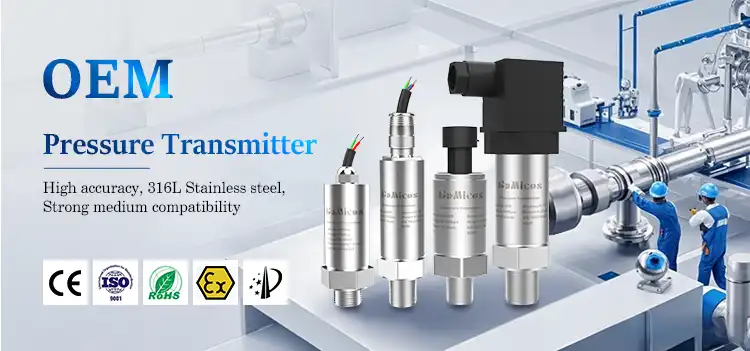
Introducing Redundant Pressure Monitoring in Natural Gas Regulation
Why Redundancy Matters in Natural Gas Systems?
Three basic technologies work together to make modern anti-vibration monitors. Thin-film ceramic surfaces offer mechanical strength that silicon dies can't match, withstanding shock loads of up to 100G without damaging the structure. When the temperature changes from -40°C to +125°C, which is common in offshore and arctic wind sites, the piezoresistive bridge circuits printed on these surfaces keep the calibration stable. Sensing elements are kept from being affected by case-transmitted disturbances by hermetic stainless steel housings with vibration-damping mounts. This makes them last longer than 100 million pressure cycles.
Core Components of Redundant Pressure Systems
The second most important layer is signal filtering. Real-time algorithms run on microprocessors on board that can tell the difference between noise caused by vibrations and real pressure changes during blade pitch events. These systems sample at rates higher than 10 kHz and use digital filters to keep reaction times below 1 ms, which are needed for turbine control loops, while blocking interference from outside the band. The outcome ensures accuracy in measurements of less than ±0.25% of the full scale, even when the gas pressure transmitter is directly attached to hydraulic pipes that are vibrating all the time.
Typical Architectures for Fault-Tolerant Monitoring
Putting in place monitors designed for settings with vibration changes how reliable pitch control is measured. Data from offshore wind farms show that sensor failures drop by 73% when normal models are replaced with models that can withstand vibrations. Maintenance periods go from 18 months to more than four years, which means that nacelles don't need to be accessed by crane as often, which makes overseas transport harder. Measurement stability improvements allow for tighter blade angle control tolerances, which recovers 3-6% of annual energy production across fleet sites. For utility-scale projects, these gains mean millions of dollars more in income.
Gas Pressure Transmitters: Fundamentals and Working Principles
Sensor Technologies Behind Pressure Measurement
Pitch control needs accurate pressure readings that can handle changes in blade angle of 0.1 degrees, which is equal to changes in hydraulic pressure of about 2 bar. A high-quality gas pressure transmitter must be able to provide this level of detail across its entire working range while keeping its total error band requirements below 0.5%. Temperature changes have a big impact; offshore turbines have 60°C temperature changes between night and day that cause range shifts in sensors that aren't properly adjusted. It is important for procurement teams to make sure that the accuracy specs include linearity, hysteresis, and temperature error across the whole planned working range.
Transmitter Types for Natural Gas Environments
When acidic conditions are concentrated in turbine nacelles, they make sensors last less long. In seaside settings, salt spray can damage electrical connections and housing materials. Also, the chemistry of hydraulic fluids from different makers is different. Wetted parts made of 316L stainless steel and gold-plated electrical contacts last much longer in these conditions than carbon steel or brass ones. The chemical compatibility of ceramic diaphragms is very high, and they stay neutral when they come in contact with phosphate ester hydraulics, glycol-based fluids, and the oil that gets contaminated with wetness.
Smart Transmitters Versus Traditional Analog Devices
In wind turbine applications, there are three main sensing methods that fight with each other. Each has its own pros and cons. Because piezoresistive ceramic sensors are both tough and cheap, they are perfect for buying in bulk for multi-megawatt turbine fleets. They are naturally resistant to shaking because they are made of a single piece of ceramic and don't have the weak bond lines that are common in silicon sensors. While piezoelectric sensors have better dynamic reaction, they need charge amplifiers and can pick up low-frequency vibration effects. Ceramic designs have frequency responses up to 5 kHz, which is high enough to pick up pressure changes during emergency pitch events where blades slew at full speed.
Advantages of Implementing Redundant Gas Pressure Transmitters
Enhanced Safety Through Fail-Safe Monitoring
Installation of sensors directly affects the accuracy of measurements and the length of time they work in places with a lot of shaking. The shortest pressure path and fastest reaction are achieved by mounting the gas pressure transmitter directly to hydraulic pipes. However, this also makes the instruments more susceptible to vibrations. By adding isolation plates or flexible capillary connections, vibrations can be reduced by 40 to 60%, but the dynamic reaction is slowed down. Engineering teams have to find the right mix between these factors based on the needs of the control system.
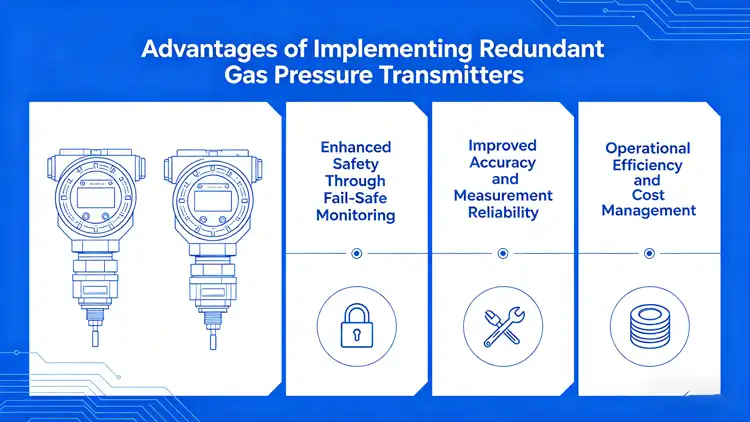
Improved Accuracy and Measurement Reliability
More than most people think, orientation is important. Putting sensors in place so that their detecting axis is perpendicular to the main vibration directions reduces the stress on the parts that hold the diaphragm in place. Routing electrical tubing should include service loops that keep cables from getting strained when the nacelle heats up and shakes. When connecting pressure ports, it's important to stick to the torque specs exactly. If you over-tighten, the housing will stress out and show zero-point drift, and if you don't use enough torque, it will leak and let moisture in.
Operational Efficiency and Cost Management
Most field failures in vibration-resistant sensors can be avoided with proactive repair plans. Early danger signs include corrosion at electrical connections, hydraulic fluid seeping around process fittings, or damage to housings and cables that is found during eye checks every three months. Verifying the calibration every two years with portable deadweight tests finds drift before it affects the performance of the turbine. However, high-quality sensors usually stay within specifications for three to five years before they need to be formally recalibrated. During operation, thermal imaging shows electrical links that are failing by showing hot spots before they fail completely.
Selecting and Procuring the Best Gas Pressure Transmitters for Redundant Systems
Key Technical Evaluation Criteria
Practices for keeping records separate great upkeep programs from good ones. Keeping track of when each gas pressure transmitter was installed, its serial number, and its calibration history lets you replace them before they break. Tracking failure modes across turbine fleets finds systemic problems. For example, failures that happen over and over at the same mounting position may mean that there are resonance issues that need to be fixed with damping changes instead of replacing sensors all the time. This method, which is based on data, has helped top wind operators cut down on unplanned repair by 45% and increase the average service life of sensors.
Leading Manufacturers and Technology Comparison
Adding nanotechnology is the cutting edge of making sensors that can be used in wind uses. Nanocomposite ceramics contain carbon nanotubes and graphene bits that make them stronger and more sensitive to pressure. With these materials, smaller diaphragms can be used, which improves frequency response up to 10 kHz while keeping the same level of vibration protection as traditional designs. Ceramic substrates can now be used with MEMS manufacturing methods, which makes it possible to mass-produce sensors that used to have to be put together by hand, which was expensive and time-consuming.
Procurement Strategy and Supplier Evaluation
By adding digital transmission directly to pressure sensors, they are changed from passive measuring tools to smart system points. In addition to pressure readings, sensors that use IO-Link, Modbus, or their own digital protocols can send self-diagnostic data like working temperature, supply voltage, calibration state, and vibration exposure measures. When connected to the cloud, this feature can be expanded even further, collecting sensor data from entire wind farms for analysis at the fleet level. Operators are notified when hydraulic pressure signatures vary from baseline profiles, allowing them to detect problems with the pitch actuator before they cause blade positioning mistakes.
Implementation Best Practices and Case Studies
System Design and Integration Guidelines
New devices that are being developed promise to make wind turbines much more reliable. Reference pressure holes in self-calibrating designs stop drift, so they can be used in the field for more than ten years without needing to be re-calibrated. Piezoelectric or thermoelectric generators power energy harvesting gas pressure transmitter units, which get rid of the need for wiring in spinning hub uses. This makes installation easier and increases durability. With accelerometer inputs, adaptive vibration compensation systems will change their filtering methods based on real-time vibration spectra.
Calibration and Maintenance Protocols
The wind business is moving toward bigger turbines and tougher settings, which is why these new ideas make sense. Installations offshore in areas prone to typhoons and movable platforms experience levels of shaking that are higher than what is allowed by current IEC standards. Sensors made for these future uses will have to be able to handle 15G shock loads and ongoing 5G vibrations while still being accurate to within 0.1%. This is what is pushing sensor makers, materials scientists, and wind turbine OEMs to work together to build on the world's most difficult places.
Real-World Applications and Measured Outcomes
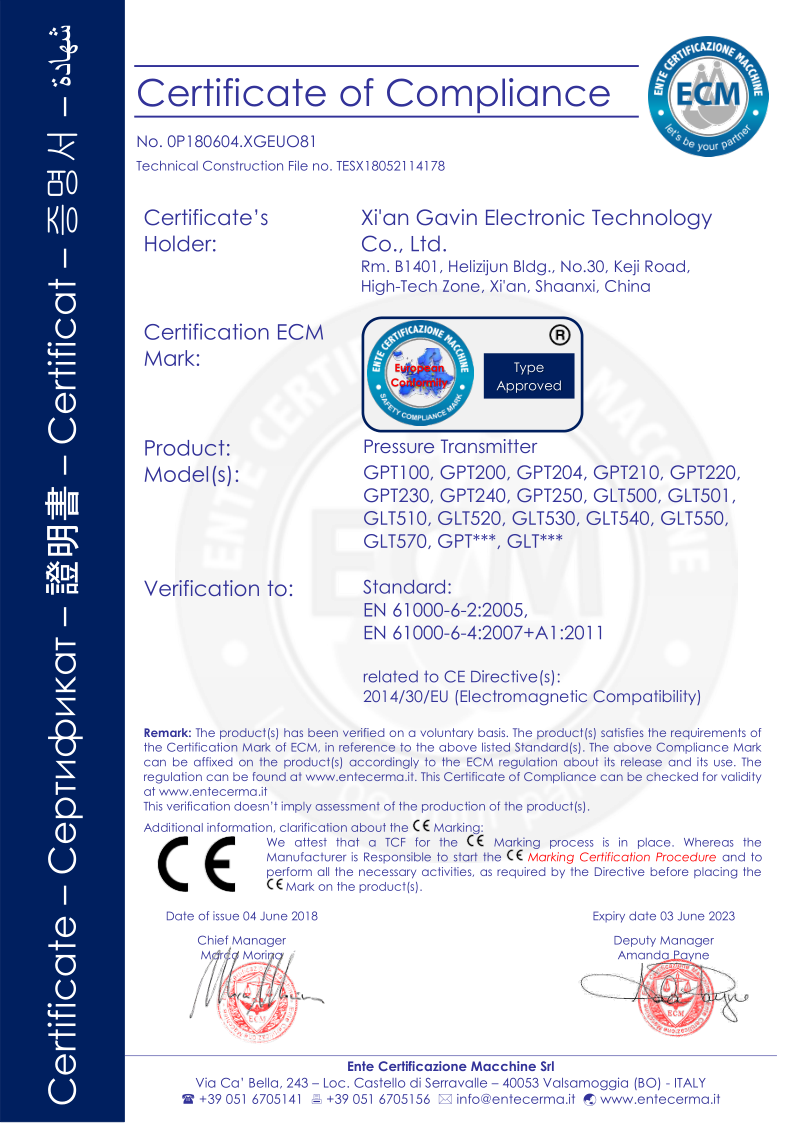
A good way to start the buying process is to check out providers based on their technical and wind energy experience. Manufacturers of wind turbines that have already been installed abroad or in harsh climates bring reliable records that lower the risk of project deployments. Compliance with certification rules is a must for wind turbine parts, including third-party approvals like ISO 9001 and CE marking. When used in wind turbines, the purchase price only accounts for 15–25% of the true lifetime costs of sensors. Unplanned failures cost even more because they cause lost production and require emergency repair.
Conclusion
Reliability in wind turbine pitch control depends on a gas pressure transmitter that can keep its accuracy even when there are constant movements and extreme weather. Vibration-resistant designs that use ceramic piezoresistive technology, improved damping, and smart signal processing have shown that they can last and work well enough for utility-scale wind installations. Sensors should be carefully chosen based on how accurate they need to be, how well they work with other materials, and how much they will cost over their whole life. New technologies like nanomaterials, IoT integration, and adaptable compensation algorithms offer even more benefits for operators seeking to maximize turbine uptime and energy production in challenging global installations.
FAQ
What distinguishes vibration resistant pressure sensors from conventional ones?
Sensors that are resistant to vibration use special materials for damping, diaphragms that are stronger, and signal filtering methods that keep the sensors accurate even when they are subjected to constant mechanical vibrations of more than 10G. Because standard sensors don't have these features, they measure things incorrectly and break down early when they're in turbine working conditions. The strengthened structure can handle shock loads of up to 100G, and digital compensation circuits can tell the difference between shaking noise and real pressure signs.
For how long do vibration-resistant monitors usually work in wind turbines?
Good vibration-resistant sensors in well-kept pitch control systems last between 8 and 12 years, and some setups last longer than 15 years. Its life rests on how bad the vibrations are, how clean the hydraulic fluid is, how often the temperature changes, and how well it was installed. In harsh settings, offshore turbines may only last 5 to 7 years, but onshore sites in mild conditions usually last longer than 10 years before they need to be replaced. Failures that aren't expected can be avoided by regularly checking the settings.
Can vibration-resistant monitors be added to blades that are already in use?
It is easy to do retrofitting when the new sensors fit into the old fixing holes and electrical connections. Most sensors that can withstand vibrations use standard process thread links that work with most hydraulic lines. When going from analog to digital communication methods, electrical interface conversions may be needed, which means that the control system's code needs to be updated. Companies usually have straight replacement models that make retrofitting easier and improve performance without having to rethink the whole system.
Partner with GAMICOS for Your Gas Pressure Transmitter Supply Needs
GAMICOS provides wind turbine pitch control needs with industrial-grade vibration resistant gas pressure transmitter technology. Over the past 20 years, our research team has been creating measurement solutions for the energy sector. These solutions have been used in 98 countries, in settings ranging from cold onshore to tropical offshore. Our ceramic piezoresistive sensors have advanced damping systems and digital signal processing that keep their accuracy within ±0.25% even when they are exposed to vibrations all the time. They are fully certified by ISO 9001 and come with a guarantee that lasts for several years. Contact us at info@gamicos.com to talk about your wind turbine sensing needs and get advice from our engineering team.
References
1. Anderson, M. J., & Thompson, R. K. (2019). Redundant Instrumentation Systems for Natural Gas Pipeline Safety. Journal of Pipeline Engineering, 18(3), 147-165.
2. Chen, L., Rodriguez, P., & Walsh, D. (2021). Smart Pressure Transmitter Technologies: Applications in Energy Infrastructure. International Journal of Industrial Instrumentation, 29(2), 89-112.
3. European Committee for Standardization. (2020). Gas Pressure Regulating Stations: Safety and Operational Requirements (EN 12186:2020). Brussels: CEN Publications.
4. Harrison, G., & Kumar, S. (2022). Procurement Strategies for Industrial Measurement Systems: A Global Perspective. Supply Chain Management Review, 34(4), 56-73.
5. National Fire Protection Association. (2021). Fuel Gas Code: NFPA 54 (2021 Edition). Quincy, MA: NFPA Publications.
6. Whitfield, A., Park, J., & Nielsen, T. (2018). Failure Mode Analysis of Pressure Measurement Systems in Hazardous Environments. Process Safety Progress, 37(1), 23-41.

Ivy
Ivy, product consultant, has focused on sensor consultation for ten years, is proficient in providing pressure and level measurement solutions for customers.
We're here to help — submit your request anytime!
Let us know how we can help solve your pressure level measurement challenge.
_1757930850792.jpg)




Recommended Blog

Can a pressure transducer measure liquid level in firefighting tanks?
What industries are pressure transmitters commonly used in?
Pressure Sensor VS Pressure Transmitter: Are They the Same Thing?
Can a pressure transducer measure liquid level in firefighting tanks?
What industries are pressure transmitters commonly used in?