Why Explosion-Proof Level Sensors Matter in Oil & Gas
Understanding Explosion-Proof Level Sensors in Oil & Gas Operations
- Understanding Explosion-Proof Level Sensors in Oil & Gas Operations
- Why Explosion-Proof Level Sensors Are Crucial in Oil & Gas?
- Comparing Explosion-Proof Level Sensors: Making the Right Choice for Your Operation
- Procurement Guide: How to Choose and Buy Explosion-Proof Level Sensors?
- Installation, Maintenance, and Best Practices for Explosion-Proof Level Sensors
- Conclusion
- FAQ
- Partner with GAMICOS for Reliable Explosion-Proof Level Measurement Solutions
- References
Explosion-proof level sensors are very important for safety in oil and gas operations because they keep track of fluids accurately without putting them at risk of starting a fire. In unstable settings, these special tools stop sparks or too much heat from building up, which could cause terrible fires. In contrast to traditional sensors, explosion proof level sensor technology has strong protective casings and complies with strict safety standards so it can be used safely around burning liquids. The oil and gas business relies on these sensors a lot to keep an eye on tanks, check the integrity of pipelines, automate processes, and make sure that the highest safety standards are always met.
Understanding Explosion-Proof Level Sensors in Oil & Gas Operations
Explosion-proof level sensors are a special type of measuring tools that are made to work effectively in dangerous environments without breaking safety rules. These sensors have stronger housings that keep any possible blasts inside and stop nearby flammable materials from starting on fire. The main idea behind the design is to get rid of all possible sources of fire while keeping the accurate measurement tools that are needed for efficient operation.
Core Technologies and Working Principles
Today's hazard-rated level measuring tools use a number of different technologies to get safe and accurate results. Radar level sensors use microwave signals that move through the air in a tank and bounce back off of liquid objects. This lets them measure without touching anything and with great accuracy. These sensors don't get affected by the vapor, temperature, or pressure changes that happen a lot in oil settings.
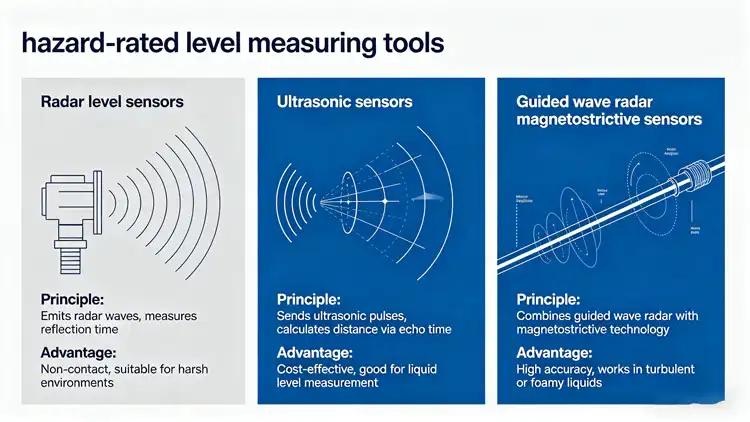
Ultrasonic sensors are another reliable way to measure levels without touching the object in dangerous areas. These gadgets send out high-frequency sound waves that bounce off of liquid objects and use time-of-flight to figure out how far away something is. The technology works especially well in situations where toxic chemicals are used or where the makeup of the liquid changes.
Guided wave radar technology in magnetostrictive sensors makes readings that are very accurate. This makes them good for uses that need accuracy within tight tolerances. When fully approved and placed according to safety rules, these sensors can work well in dangerous places.
Certification Standards and Safety Compliance
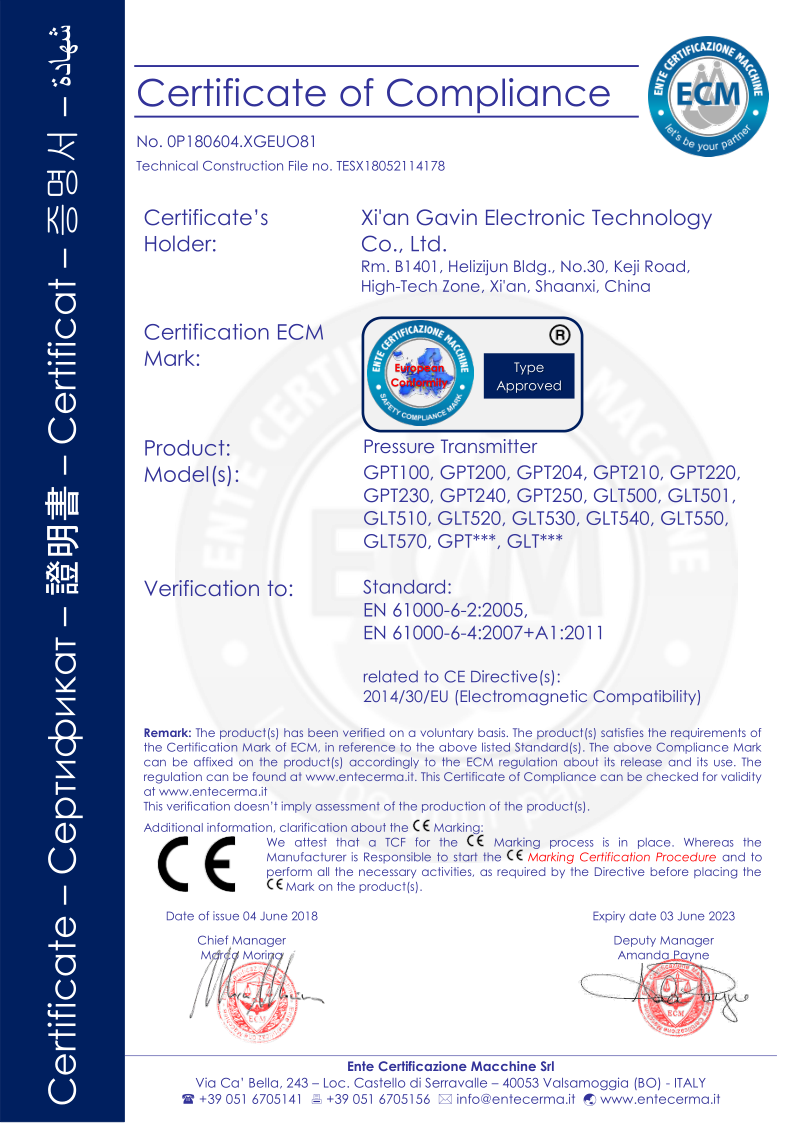
In industrial settings, explosion-proof sensors that are reliable depend on safety approvals. IECEx certification makes sure that equipment used in explosive environments meets international safety standards, while ATEX certification makes sure that equipment used in explosive environments meets European safety standards. It is proven by these certificates that sensors pass strict tests for temperature, pressure, and spark prevention.
As part of the approval process, sensors are put through a lot of tests in fake dangerous situations to make sure they keep their protective traits over time. Manufacturers must show that their products won't become fire sources, even when they're broken or under a lot of operating stress.
Why Explosion-Proof Level Sensors Are Crucial in Oil & Gas?
The petroleum business works in places where explosive atmospheres are a constant threat to the safety of workers and the integrity of structures. Hydrocarbons that are volatile make the environment dangerous and need special tools that can work without causing disasters. In these situations, standard measuring tools just can't give the necessary safety gaps.
Risk Mitigation and Personnel Protection
Explosion proof level sensor technology directly solves the most important safety problems that come up in oil and gas activities. These sensors get rid of sources of burning that could start chain reactions that destroy buildings and kill people. The safe casings keep any sparks or heat that are generated inside from interacting with flammable atmospheres around them.
Industry safety groups have collected statistics that show that installing explosion-proof equipment correctly greatly lowers the number of accidents that happen in dangerous processing facilities. When companies use approved explosion-proof sensors, they report fewer safety violations and better scores on checks for regulatory compliance.
Operational Continuity and Process Optimization
Besides being safe, explosion-proof sensors allow for constant tracking, which is necessary for production to run smoothly. Monitoring tank levels stops overflows before they happen and makes sure that all processing sites have the best inventory management possible. Monitoring the health of a pipeline helps find leaks or blockages before they become big problems that stop operations.
Accurate level data is needed for process automation systems to keep production rates at their best while reducing waste and damage to the environment. Having real-time tracking tools lets workers react quickly to changing conditions, keeping output steady even when demand or supply changes.
Regulatory Compliance and Industry Standards
In dangerous places, regulatory bodies make sure that only properly approved equipment is used to protect workers and the people who live nearby. The Occupational Safety and Health Administration (OSHA) says that when workers are around hazardous materials, they must take the right safety precautions. In the same way, the Environmental Protection Agency (EPA) upholds rules that are meant to keep industrial accidents from polluting the environment.
To follow these rules, you must carefully choose approved explosion-proof equipment that comes with the right paperwork and instructions for how to put it. Companies that don't follow these rules could be fined a lot, have their operations shut down, or even be sued for safety issues.
Comparing Explosion-Proof Level Sensors: Making the Right Choice for Your Operation
To choose the right explosion-proof measuring technology, you need to carefully consider a number of factors, such as the need for accuracy, the surroundings, and the long-term costs of running the system. Different sensor systems have different benefits, which depend on the needs and limitations of the application, such as using an explosion proof level sensor for hazardous environments where safety is a top priority.
Technology Comparison and Performance Characteristics
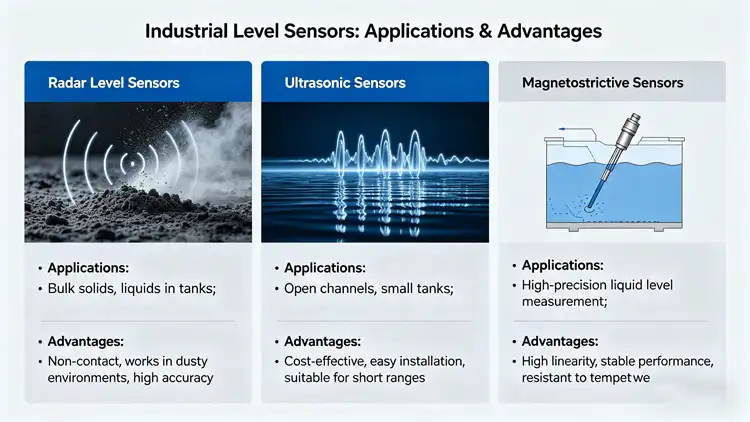
Radar level sensors work really well in places where the atmosphere is difficult, like when there is a lot of heavy mist or very high or low temperatures. These sensors stay accurate even when there is dust, foam, or mist on them, which could throw off other measurement technologies. Because it doesn't touch anything, there are no worries about sensor contamination or mechanical wear from rough media.
For many common tasks, ultrasonic sensors are a cost-effective option that can also work reliably in dangerous settings. In situations where accuracy is not very important but safety and dependability are, these gadgets are a great deal. Ultrasonic technology is ready for wide use because it is easy to set up and doesn't need much upkeep.
Magnetostrictive sensors are the most accurate explosion-proof sensors on the market. This makes them perfect for uses that need accurate readings for inventory control or custody transfers. The technology offers high accuracy and long-term steadiness, which are important for important process control uses.
Material Selection and Environmental Considerations
The materials used to build sensors have to be able to handle the harsh chemicals, high temperatures, and mechanical stress that are common in oil settings. Stainless steel housings are very resistant to rust and keep their shape when they are under pressure. Specialized coats provide extra defense against harsh chemicals that could damage sensor function.
When choosing sensors, it's important to think about things like changing temperatures, vibrations, and electromagnetic interference that could happen in the environment. Explosion-proof sensors must keep their protective features even when they are exposed to these tough conditions for the whole time they are working.
Manufacturer Evaluation and Quality Assurance
Working with well-known makers guarantees that you can get properly certified goods that come with full expert help and a warranty. Reliable suppliers give thorough paperwork like copies of certifications, installation guides, and upkeep instructions that are needed to follow the rules. Leading makers have quality assurance programs that include strict testing methods that go above and beyond what is needed for certification. These programs help make sure that products always work well and are reliable, which is important for safety uses in oil operations.
Procurement Guide: How to Choose and Buy Explosion-Proof Level Sensors?
For procurement strategies to work, they need to start with detailed specification writing that takes into account both short-term operating needs and long-term upkeep needs. Clear specs help make sure that the sensors you choose meet all technical and safety standards and give you the best value over the course of their useful life.
Specification Development and Technical Requirements
For accurate standard development, measurement needs like range, accuracy, and reaction time must be carefully looked at. To make sure the right sensor is chosen, environmental factors like temperature, pressure, and chemical compatibility must be carefully recorded. The divisions of hazardous areas tell us what kinds of certification are needed for safe operation.
Communication needs, like analog outputs, digital standards, and wireless features, affect which sensors to use and how hard it is to integrate them into the system. Modern explosion proof level sensor devices frequently have advanced connection features that let you keep an eye on them from a distance and plan maintenance in advance.
Supplier Evaluation and Partnership Development
Instead of just looking at the original buy price, factors for choosing a supplier should focus on technical knowledge, certification compliance, and the ability to provide long-term assistance. Experienced providers can help you choose the right sensors and put them in the best way possible by giving you useful application advice. Having access to technical help is very important during installation, setup, and ongoing upkeep.
When planning a project, especially for custom designs or big orders, lead times play a role. Reliable suppliers make sure they have enough inventory and production capacity to meet normal shipping needs without lowering the quality of their products or failing to meet certification standards.
Total Cost of Ownership Analysis
A full cost study must look at more than just the original buy price. It must also include the costs of installation, maintenance, and replacement. Even though they cost more up front, high-quality explosion-proof sensors often provide better long-term value because they last longer and need less upkeep. Total ownership costs are affected by warranty coverage and technical help availability in a big way. This is especially true for important applications where sensor failures could stop production. For mission-critical installs, choices for longer warranties and local service support can add value.
Installation, Maintenance, and Best Practices for Explosion-Proof Level Sensors
Explosion-proof sensors keep their protective qualities and provide ideal measurement performance for as long as they are used as long as they are installed correctly. To keep the license current and keep workers safe, installation methods must follow the appropriate electrical codes and safety standards.
Installation Guidelines and Safety Protocols
Before the installation process can begin, the dangerous area rating must be carefully checked to make sure that the sensors chosen meet the needs of the zone. Using the right electrical links and grounding stops static electricity from building up, which could lead to fire sources. Cable entry methods must keep sensor boxes safe from explosions while making reliable electrical connections.
When mounting, you need to think about where to put the sensors so that they work best for measurements and are still easy to get to for maintenance tasks. When sensors are oriented correctly, they give accurate results and are less likely to be damaged by operating activities or the environment.
Preventive Maintenance and Calibration Programs
Regular repair plans help make sure that sensors stay accurate and safe for as long as they are used. Calibration programs check the accuracy of measurements and find ways that performance might be dropping before it affects how well operations run. Cleaning methods get rid of dirt and other things that could stop sensors from working right or make numbers hard to see.
Maintenance records, calibration certificates, and any changes made to sensor placements are all things that need to be documented. Proper paperwork helps with following the rules and finding patterns that could point to new upkeep problems.
Monitoring Systems and Predictive Maintenance
Advanced tracking tools let you plan maintenance ahead of time, which cuts down on unplanned downtime and lowers the cost of maintenance. Remote tracking systems give constant information about the state of sensors, which helps find problems before they cause measurements to fail.
Predictive maintenance programs use troubleshooting data from sensors to make the best decisions about when to do maintenance and how to use resources. These tools help sensors last longer while keeping their measurement accuracy at a high level, which is necessary for safe and effective operations.
Conclusion
Explosion-proof level sensors are important safety tools for keeping an eye on fluid levels accurately and keeping people and property safe in oil-related settings that can be dangerous. It is very important to pay close attention to safety certifications, technical specs, and operating requirements when choosing, installing, and maintaining these important devices. How the explosion proof level sensor technology is used correctly sets the stage for safe, efficient, and legal work in the oil and gas business. Investing in high-quality explosion-proof sensors pays off in the long run by making operations safer, more efficient, and in line with regulations.
FAQ
Q1: Are there explosion-proof submersible level sensors available?
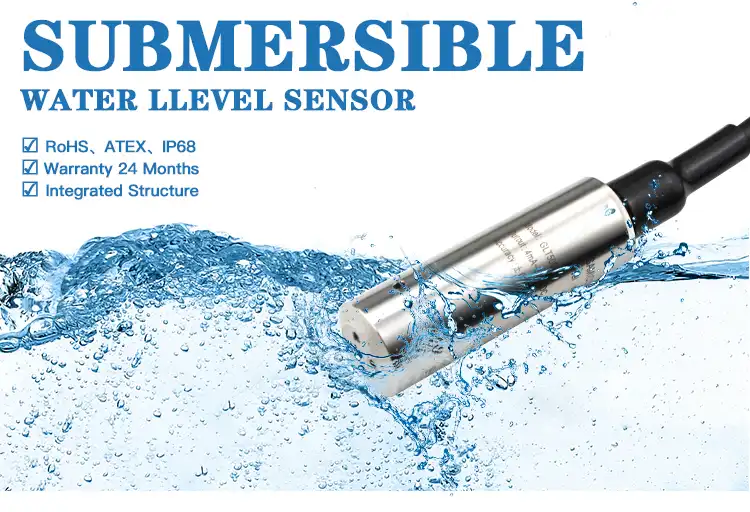
A: Yes, submersible level sensors that are ATEX or IECEx approved are made to work in dangerous places like chemical processing plants and oil storage tanks. These sensors are built to last and have special sealing systems that keep them from exploding even when they are fully buried in flammable liquids.
Q2: Can magnetostrictive level sensors be used in hazardous environments?
A: Magnetostrictive sensors can operate safely in hazardous environments when they are specifically designed and certified to meet explosion-proof standards. These sensors provide exceptional accuracy while maintaining the protective properties required for safe operation in areas with flammable gases or vapors.
Q3: What certifications are required for explosion-proof level sensors in oil and gas applications?
A: ATEX certification is required for European operations, while IECEx certification provides international recognition. North American operations typically require UL or CSA certification for hazardous locations. These certifications verify that sensors meet rigorous safety standards for operation in explosive atmospheres.
Partner with GAMICOS for Reliable Explosion-Proof Level Measurement Solutions
For challenging oil and gas uses, GAMICOS specializes in producing high-precision explosion proof level sensor technology. We have a wide range of products, such as magnetostrictive sensors, radar level sensors, and ultrasonic devices. All of these are approved to meet international safety standards, such as ATEX and IECEx requirements. We've been helping clients in over 100 countries for more than ten years, so we know the specific problems that people who work in the oil and gas business face. We offer custom solutions that improve safety, accuracy, and operating efficiency.
Our expert support team helps you choose the right sensor, install it correctly, and take care of it so that it keeps working at its best for as long as it's working. We provide OEM and ODM services that are flexible enough to meet unique needs for transmission methods, mounting configurations, and environmental conditions. Send an email to info@gamicos.com to talk to our explosion proof level sensor supply team about your needs and get full technical specs for our approved goods.
References
1. National Institute for Occupational Safety and Health. "Criteria for a Recommended Standard: Working in Confined Spaces." NIOSH Publication No. 80-106, 2021.
2. International Electrotechnical Commission. "Explosive Atmospheres - Equipment Protection by Flameproof Enclosures." IEC 60079-1:2014, International Electrotechnical Commission.
3. American Institute of Petroleum. "Recommended Practice for Classification of Locations for Electrical Installations at Petroleum Facilities." API RP 500, April 2019.
4. Occupational Safety and Health Administration. "Process Safety Management of Highly Hazardous Chemicals." 29 CFR 1910.119, U.S. Department of Labor.
5. European Group for Standardization. "Explosive Atmospheres - Protection of Equipment by Intrinsic Safety." EN 60079-11:2012, released by the European Committee for Standardization.
6. Association of Oil and Gas Producers Around the World. "Process Safety: Recommended Practice on Key Performance Indicators." IOGP Report 456.-2018.

Halen
With over 12 years of experience in fluid sensing technology, Halen specializes in helping clients select and optimize oil level sensors for a wide range of industries—including automotive, marine, heavy machinery, and energy.
We're here to help — submit your request anytime!
Let us know how we can help solve your pressure level measurement challenge.
_1757930850792.jpg)
Recommended Blog
What output signals do submersible level sensors typically provide?

How to Choose a Well Level Sensor for Deep-Bore Applications?

Can a submersible level sensor measure liquid level in a closed tank?
Best Quality Submersible Level Transmitter Available in Xi'an