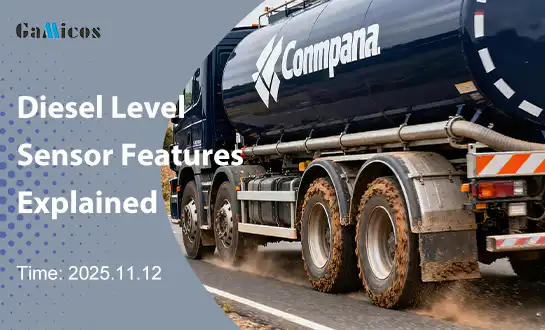
How Does a Fuel Level Sending Unit Improve Gauge Accuracy?
Comprehending the Role of a Fuel Level Sending Unit in Gauge Accuracy
- Comprehending the Role of a Fuel Level Sending Unit in Gauge Accuracy
- Common Issues Impacting Fuel Level Sending Unit Accuracy
- How Advanced Fuel Level Sending Unit Designs Enhance Accuracy?
- Choosing the Right Fuel Level Sending Unit for Optimal Accuracy
- Procurement and Maintenance Best Practices for Reliable Gauge Accuracy
- Conclusion
- FAQ
- Partner with GAMICOS for Superior Fuel Level Measurement Solutions
- References
A fuel level sending unit is the important part that connects your gas tank to your display gauge. It turns fuel levels into electrical signs that give you accurate readings in real time. Modern sending units use advanced sensor technologies, such as capacitive sensors, ultrasound measurement devices, and resistive float systems, to get rid of common gauge errors like readings that change quickly, replies that are late, and measurement drift. By replacing mechanical parts with precise electronic sensors and adding digital calibration systems, these units provide consistent measurement accuracy within ±1-2% tolerance ranges. This leads to better fuel management, lower operational costs, and higher reliability in industrial, marine, and automotive settings.
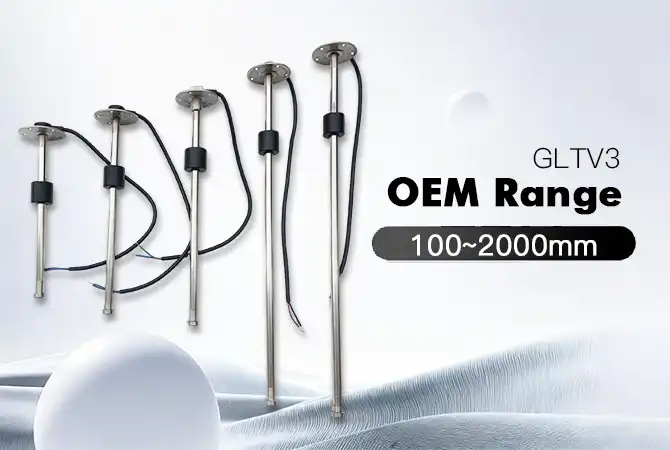
Comprehending the Role of a Fuel Level Sending Unit in Gauge Accuracy
Fundamental Working Principles of Fuel Level Measurement
Modern systems for measuring fuel use complex sensing technologies to turn actual fuel amounts into electrical signs that can be understood. The main part of this exchange process is made up of several sensor technologies that work together to give accurate readings.
The oldest type of sensor is a resistive float sensor, which uses a floating arm device linked to a changeable resistor. When the fuel level changes, the float position changes the electrical resistance. This causes changes in the voltage, which are directly related to the gauge readings. This technology has been around for a long time and works reliably in normal vehicle settings where temperature changes are small.
Capacitive sensors are more accurate because they measure the dielectric qualities of the mixture of fuel and air. When fuel levels change, these monitors pick up on changes in capacitance, which makes them more accurate than mechanical options. Not having any working parts lowers the chance of failure due to wear and improves the accuracy of measurements over time.

Using sound wave propagation to figure out fuel amounts without touching them, ultrasonic devices are the latest in measurement technology. These sensors send out ultrasonic pulses that bounce off of fuel surfaces. The journey time is used to figure out exact lengths and the amount of fuel that goes with them.
Applications Across Industrial Sectors
To find the best routes, plan repairs, and keep costs down, fleet management tasks need accurate fuel tracking. With accurate fuel data, managers can see trends in how much is used, spot possible fuel theft, and set up preventative repair schedules that keep expensive breakdowns from happening.
Fuel measurement systems are used in backup engines, heating systems, and production tools in factories. Precise tracking stops sudden shutdowns, makes sure that safety rules are followed, and helps with managing inventory across big operations. Integrated tracking systems that send real-time alerts when fuel levels get close to critical levels are especially helpful in manufacturing sites.
For marine uses, you need strong measuring tools that can handle rough conditions like being in saltwater, high temperatures, and a vehicle that is always moving. Advanced sending units made for use at sea have materials that don't rust and stability programs that take into account the sloshing of fuel during navigation.
Benefits for B2B Operations
Professionals in the procurement field know that exact fuel measurement has a direct effect on how well operations run and how costs are managed. Reliable sending units cut down on repair needs, keep downtime to a minimum, and provide the data needed to make smart decisions in industrial sites and truck operations.
Common Issues Impacting Fuel Level Sending Unit Accuracy
Diagnostic Approaches for Performance Issues
Erratic gauge readings often indicate sending unit problems that require systematic diagnosis to identify root causes. Professional techs use voltmeter checking to make sure that the measurement circuit has good electrical continuity, resistance values, and signal strength. In cases where the issue is related to the fuel level sending unit, this process is essential for pinpointing and resolving the underlying problem.
Common failure points that circuit analysis shows are corroded connections, broken wire leads, and bad ground connections that damage signal integrity. By testing for voltage drops across the whole circuit, you can find specific places where something isn't working right. This lets you make fixes that get things back to working properly.
For performance tests, calibrated measuring tools are used to compare the real fuel levels with the numbers from the gauges. This method finds calibration drift, sensor degradation, and mechanical wear that lowers the accuracy of measurements over time.
Environmental Factors Affecting Accuracy
Signal interference from close electronic systems can make measurements less accurate. This is especially true for cars and industrial equipment with lots of electrical systems. Interference from radio waves, electromagnetic fields, and changes in power cause changes in measurements that show up as unpredictable gauge behavior.
Extreme temperatures change the way sensors work by changing the materials they are made of and the electrical parts that are inside them. Extreme cold can slow down mechanical reactions, and extreme heat can cause electrical drift that needs to be fixed to keep accuracy. Fuel contamination changes the qualities of fluids that sensors use to get accurate readings, which leads to measurement mistakes. Water pollution, sediment buildup, and chemical additions can mess up capacitive readings and make resistive systems' floats less buoyant.
Wear Patterns and Maintenance Indicators
Mechanical wear usually shows up as a loss of accuracy over time instead of a quick failure. Float arms rust, pivot points get clogged with junk, and resistance elements wear out, leaving empty spaces in the measurement ranges. A common sign of age is calibration drift, which happens when measurement accuracy slowly decreases over time. Checking the measurements on a regular basis helps find drift patterns before they have a big effect on the trustworthiness of operations.
Electrical degradation affects the function of sensor elements, the insulation of wires, and the stability of connections. Regular electrical testing finds problems before they become totally broken. This allows for proactive maintenance that keeps operations running smoothly.
How Advanced Fuel Level Sending Unit Designs Enhance Accuracy?
Technological Advancements in Sensor Design
Digital calibration systems are much better than analog measurement methods because they use microprocessors to handle data processing. Changes in temperature, electrical drift, and mechanical wear patterns that used to need to be fixed by hand are now taken care of instantly by these systems. For example, when dealing with a fuel level sending unit, these systems can automatically adjust for variations, ensuring more accurate and reliable readings over time.
New sensor materials, like ceramic elements, platinum resistance lines, and special plastics, make the sensors last longer and keep their measurements more stable. When compared to other options, these materials last longer, don't rust, and keep their electrical qualities across a wide range of temperatures. Multi-point measurement systems keep an eye on all of the levels of fuel by placing many sensors all over the tanks. This two-step process gets rid of problems with accuracy caused by fuel sloshing, changes in tank shape, and localized measurement mistakes that single-point systems can't fix.
Case Studies in Accuracy Improvement
Commercial trucking fleets implementing advanced sending units report measurements that are ±5% to ±1% more accurate. This enhanced precision enables more accurate fuel planning, route optimization, and repair scheduling can be done more accurately, which cuts costs by 8–12% per year.
When marine ship owners replace traditional float systems with ultrasonic monitors, the systems are much more reliable, even in rough seas. Wave action, which used to make readings less accurate, no longer does. This makes it easier to handle fuel during long trips.
Industrial generator systems equipped with digital sending units provide early warning capabilities that prevent fuel shortages during critical operations. These systems work with platforms for managing facilities to automatically order fuel and plan repairs based on past usage trends and predictive analytics.
Integration with Modern Control Systems
These days' sending units work with many types of communication protocols, such as CAN bus, Modbus, and wireless systems for sending data. This makes it easy to connect them to platforms for managing vehicles and buildings. This connectivity lets you watch in real time, look at past data, and plan for future repair. Integration of the Internet of Things (IoT) lets fuel systems in places like building sites, remote facilities, and mobile equipment teams be monitored from afar. Cloud-based analytics systems use measurement data to find patterns in fuel use, make the best schedules for fuel deliveries, and guess when repair will need to be done.
Choosing the Right Fuel Level Sending Unit for Optimal Accuracy
Evaluation Criteria for B2B Procurement
When writing accuracy specifications, you need to think carefully about practical needs and the surroundings. Premium sensors with an accuracy of ±0.5% may be needed for tasks that need a lot of precision, but standard processes can use cheaper ones with an accuracy of ±2-3% without losing any usefulness. For example, in the case of a fuel level sending unit, choosing the right level of accuracy depends on the specific requirements of the application, balancing cost and performance effectively.
Environmental compatibility includes temperature ranges, chemical protection, and standards for mechanical longevity that are specific to the use. In marine situations, materials need to be able to withstand saltwater. In industrial settings, materials may need to be able to withstand explosions and be chemically compatible with different types of fuel.
System compatibility includes electrical interfaces, physical dimensions, and communication methods that make sure new tools can work with old ones without any problems. Sending units that can replace existing hardware without needing major system changes are especially useful for retrofit uses.
OEM versus Aftermarket Considerations
OEM (Original Equipment Manufacturer) sending units are guaranteed to work with vehicles or other equipment and meet performance standards that match the design parameters. Most of the time, these units come with full warranties and technical help, which lowers the risks of buying things for large-scale activities. Alternate parts that are sold aftermarket often have lower prices and still work well enough for many uses. Quality aftermarket makers make goods with more features, better materials, and prices that are competitive, which appeals to buyers who want to save money.
When it comes to working continuity, supplier reliability includes things like the quality of the goods they make, how often they deliver them, and how well they can help with technology issues. Long-term suppliers with a history of reliability lower the risks of buying while ensuring product supply and service support throughout the lifecycle of an operation.
Leading Manufacturers and Product Lines
ACDelco has a strong position in the market and has a wide range of products that can be used in automobile, marine, and light industrial settings. Their sending units use tried-and-true technologies that work with a wide range of local and foreign car platforms.
Delphi Technologies has high-tech sensor systems with digital connections and better accuracy requirements. Their goods are made for business vehicles that need accurate measurements and strong performance in harsh environments. Bosch makes high-quality sending units that are intended to work with current vehicle systems and have intelligence and communication built in. Their goods focus on being accurate, dependable, and able to work with advanced vehicle control systems.
Procurement and Maintenance Best Practices for Reliable Gauge Accuracy
Installation and Calibration Procedures
To put something correctly, you need to pay attention to the electrical connections, the mechanical mounting, and the initial calibration steps that set up accurate standard measures. Professional installation makes sure that the system works at its best and avoids damage that could affect its long-term dependability. This is especially crucial for components like the fuel level sending unit, where proper setup ensures reliable readings and prevents future maintenance issues.
Setting the measurement parameters for the first time using known amounts of fuel to create exact reference points across the measurement range is part of the calibration process. For this process to work, you need accurate measuring tools and a set of steps that take into account the shape of the tank and where the sensors are placed.
System integration testing makes sure that sending units and display systems can talk to each other properly and that measurements are accurate across all operating ranges. Full testing finds possible problems with equipment before it is put into use, which keeps operations running smoothly.
Routine Maintenance Strategies
Regular checks of the accuracy, the electrical connections, and the cleaning of the sensors should all be part of preventative maintenance plans. These tasks help keep measurements accurate and find problems as they start to happen before they affect the efficiency of operations.
Tracking measurement accuracy changes over time to find patterns of gradual decline is part of performance monitoring. Comparing the gauge values to the real fuel levels on a regular basis helps set up maintenance and replacement schedules.
For each type of sensor, there are different ways to clean it that keep it accurate without hurting sensitive parts. To keep the coating from getting damaged, capacitive sensors need to be cleaned carefully, and ultrasonic sensors need clear surfaces to send signals as well as possible.
Supply Chain Optimization
Buying in bulk can lower the cost of buying things while still making sure there is enough on hand for repairs and replacements. A lot of the time, volume deals with qualified suppliers come with better prices, faster shipping, and more technical help. As part of the supplier approval process, the quality of the goods, compliance with certifications, and service skills should all be looked at. By building ties with a number of qualified providers, you can be sure of a steady supply of goods while still keeping prices low.
Inventory management weighs the costs of keeping things on hand against the need to have them available at all times. This is especially important for mission-critical uses where fuel level sending unit breakdowns could cause major problems with operations. Strategically placing goods makes sure that it can be replaced quickly while keeping storing costs as low as possible.
Conclusion
Fuel level sending unit technology keeps getting better thanks to better materials, digital integration, and sensor designs that are more accurate than those in older mechanical systems. Modern units offer accuracy within a ±1-2% range, as well as longer operating life and lower upkeep needs. To make implementation go smoothly, you need to carefully look at working needs, environmental conditions, and system compatibility to find the best options. Accuracy is maintained throughout the working lifecycles by installing correctly, calibrating regularly, and doing preventative maintenance. These changes make it easier to control fuel, lower costs, and make things more reliable in industrial, marine, and car settings.
FAQ
Q1: What factors affect fuel level sending unit accuracy?
A: Extreme temperatures, electrical interference, mechanical wear, and fuel contamination are the main things that can affect the accuracy of measurements. Over time, shaking, rust, and electrical noise in the environment can make sensors less effective.
Q2: How often should fuel level sending units be calibrated?
A: How often calibration is done depends on the needs of the product and the conditions of operation. Standard automotive uses need to be calibrated once a year, while important industrial systems may need to be checked every three months to keep their accuracy at its best.
Q3: What are the advantages of digital versus analog sending units?
A: When compared to traditional units, digital units are more accurate, can compensate for temperature changes, and can be integrated better. They can be monitored from afar, can do diagnostics, and are less likely to be affected by electrical disturbances.
Q4: How do I select the right sending unit for my application?
A: When choosing sending units, you should think about how accurate you need them to be, the surroundings, the shape of the tank, and how well they work with other systems. To make sure long-term business success, check how reliable the provider is, how well they follow certification rules, and how well they can help with technical issues.
Partner with GAMICOS for Superior Fuel Level Measurement Solutions
GAMICOS has the best fuel level sending unit technology on the market, backed by strong research and development skills and a history of excellent manufacturing. Our high-tech sensor options are very accurate, can withstand harsh environments, and work well with other systems in car, marine, and industrial settings. With a lot of experience working with clients in 98 countries and offering full OEM/ODM customization services, we understand the critical importance of reliable fuel measurement in your operations. Our expert engineering team provides personalized technical support throughout product selection, installation, and ongoing maintenance to ensure optimal performance. Contact our specialists at info@gamicos.com to discuss your specific requirements and discover how our innovative measurement solutions can enhance your operational efficiency and reduce fuel-related costs.
References
1. Johnson, R.K. "Advanced Automotive Sensor Technologies: Principles and Applications in Modern Vehicle Systems." Society of Automotive Engineers International, 2023.
2. Martinez, A.L., Thompson, P.J. "Industrial Fluid Measurement Systems: Design Considerations and Performance Optimization." Process Control Engineering Quarterly, Vol. 45, No. 3, 2023.
3. Chen, W.H., Anderson, M.B. "Capacitive and Ultrasonic Sensing Technologies for Fuel Management Applications." International Journal of Automotive Technology, 2022.
4. Roberts, D.G. "Maintenance Best Practices for Electronic Fuel Measurement Systems in Commercial Fleet Operations." Fleet Management Technology Review, 2023.
5. Kumar, S., Williams, J.R. "Environmental Effects on Fuel Level Sensor Performance: A Comprehensive Analysis." Marine and Industrial Instrumentation, Vol. 38, No. 2, 2023.
6. Foster, T.M., Lee, K.Y. "Digital Calibration Methods for High-Precision Fuel Level Measurement Systems." Sensors and Actuators Technology, 2022.

Eva
Eva specializes in bridging the gap between cutting-edge sensor technology and market needs. With 8 years of experience in industrial product marketing, she has successfully launched multiple sensor product lines—from pressure transmitters to fuel level sensor—into global markets.
We're here to help — submit your request anytime!
Let us know how we can help solve your pressure level measurement challenge.
_1757930850792.jpg)
Recommended Blog