How to Choose the Right Tank Level Measurement System
Understanding Tank Level Measurement Systems
- Understanding Tank Level Measurement Systems
- Core Criteria for Choosing the Right Tank Level Measurement System
- Comparison of Different Tank Level Measurement Technologies
- Procurement and Vendor Selection Considerations
- Case Studies and Practical Applications
- Conclusion
- FAQ
- Partner with GAMICOS for Advanced Tank Level Measurement System Solutions
- References
For industrial processes to run smoothly, it is important to choose the right tank level measurement system. These systems make it possible to accurately check the levels of liquids and solids in different storage bins, which has a direct effect on managing supplies, keeping things safe, and managing the process. Since bad level tracking is the cause of more than 80% of workplace accidents, getting the right measurement technology is essential for running a successful business.
Optimized tank level measurement helps improve business efficiency by cutting down on downtime, stopping spills or shortages, and letting decisions be made in real time. Modern factories lose an average of $50,000 per hour when they have to shut down without warning. To keep activities going, they need level measurement tools that work all the time. This guide gives B2B procurement workers in-depth information on important decision factors and benefits, so they can make sure they buy measurement solutions that are reliable, long-lasting, and cost-effective for their specific industry needs.
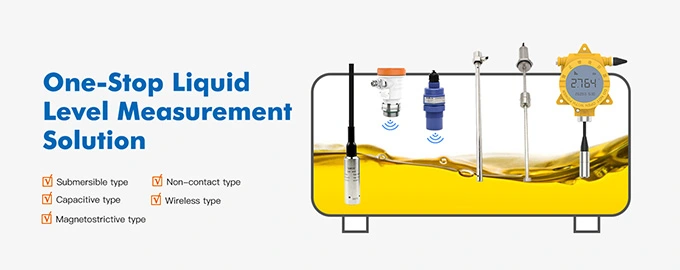
Understanding Tank Level Measurement Systems
Tank level measurement systems use a variety of technologies, such as ultrasound, radar, float, capacitive, and pressure monitors, to find out how much liquid or solid is in storage tanks. Each technology is based on different ideas, which means it can only be used with certain types of media and in certain environments. Because they are so reliable, differential pressure sensors are becoming more and more popular. They measure the difference in pressure between the top and bottom of a tank to get accurate readings of the level without using moving parts.
The operational powers and environmental limits of these measurement systems are very different. For B2B buying teams, accurate measurements mean better management of goods, stricter safety rules, and easier control over the whole process. Modern systems can achieve accuracy levels of ±0.1% full scale, which lets big industrial facilities keep track of millions of dollars' worth of goods with great precision.
For corporate buying choices, it's important to know what each technology can and can't do. Radar monitors work best in tough conditions with foam or gas, while ultrasonic devices are a cheap way to handle clean liquid situations. It is very reliable for pressure-based systems to work in places with temperatures above 400°C, which makes them perfect for working chemicals and oil.
Core Criteria for Choosing the Right Tank Level Measurement System
Media Characteristics and Compatibility
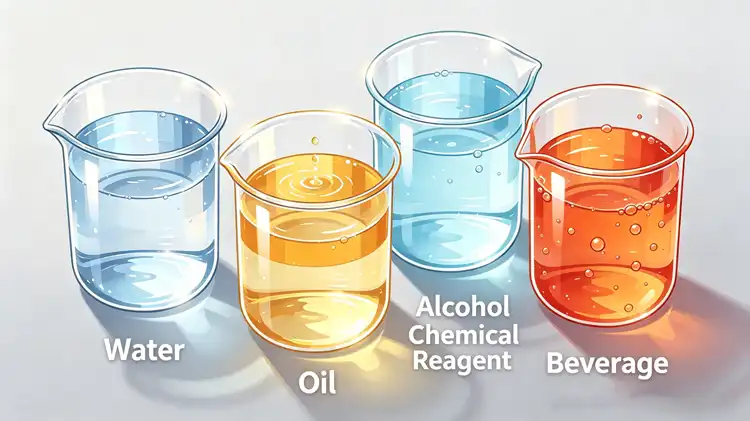
Based on their chemical and physical traits, different kept materials need different ways to be measured. For use with corrosive chemicals, sensors need to be made of materials that are resistant to corrosion, like Hastelloy or PTFE surfaces. For use with food, they need to be made of materials that are FDA-approved and have clean designs. Because viscous materials can get in the way of some measurement rules, non-contact methods are better for these uses. In cases where accurate measurement is needed, a tank level measurement system with suitable material compatibility and measurement methods is essential for reliable performance.
Temperature and pressure have a big effect on which sensors to use and how well they work. For use in temperatures above 200°C, you need special sensors with the right adjustment methods. For use in temperatures below -40°C, you need materials that are flexible and accurate. Understanding these external factors is important for making sure that sensors work well and last a long time.
Integration and Communication Requirements
Modern industrial automation needs to work well with SCADA systems and process control networks that are already in place. Communication systems like Modbus RTU, HART, and Foundation Fieldbus make it possible to send data in real time and watch things from afar. LoRa, GPRS, and NB-IoT are some examples of wireless technologies that make installation possible in hard-to-reach or dangerous places.
Digital communication methods make it easier to diagnose problems and plan for future repair. Smart sensors can send not only level measures but also diagnostic data about the health of the sensor, the quality of the installation, and the conditions of the surroundings. With these features, you can use predictive maintenance methods and early fault spotting to cut down on maintenance costs by up to 30%.
Comparison of Different Tank Level Measurement Technologies
Non-Contact Measurement Solutions
Ultrasonic and radar sensors are the most common types of level sensors used today because they don't need to be touched and can work with a wide range of media. With measurement ranges of up to 70 meters and accuracy of millimeters, radar technology works better in difficult conditions like foam, smoke, or dust. In temperatures from -200°C to +400°C and pressures up to 400 bar, these systems work effectively. For optimal performance in such extreme conditions, a tank level measurement system equipped with radar technology ensures accurate and reliable readings.

For normal liquid level uses, ultrasonic sensors are a cost-effective option that can give accurate readings up to 15 meters away with little upkeep needed. Their sonic principles work well with most liquids, but they might not work as well with foam or materials that are very thick. Ultrasonic sensors are good for projects that need to stay within a budget because they are easy to set up and don't cost too much.
Contact-Based Measurement Technologies
Traditional float and mechanical methods are still used in some situations where simplicity and stability are more important than having a lot of extra features. These systems give you a straight reading of the level without needing any extra power. This makes them good for backup systems in case of a disaster or places that don't have access to electricity. But moving parts need to be serviced regularly and can break down in hard conditions or with difficult media.
Guided wave radar uses the idea of measuring contacts with current radar technology to provide very high accuracy in difficult situations. These sensors use electromagnetic pulses that are sent along a tool to make readings that can be trusted even when there is foam, coating, or rough conditions. Because they are built to last and can diagnose themselves, they are perfect for mission-critical tasks that need to be very reliable and require little upkeep.
Procurement and Vendor Selection Considerations
Certification and Compliance Standards
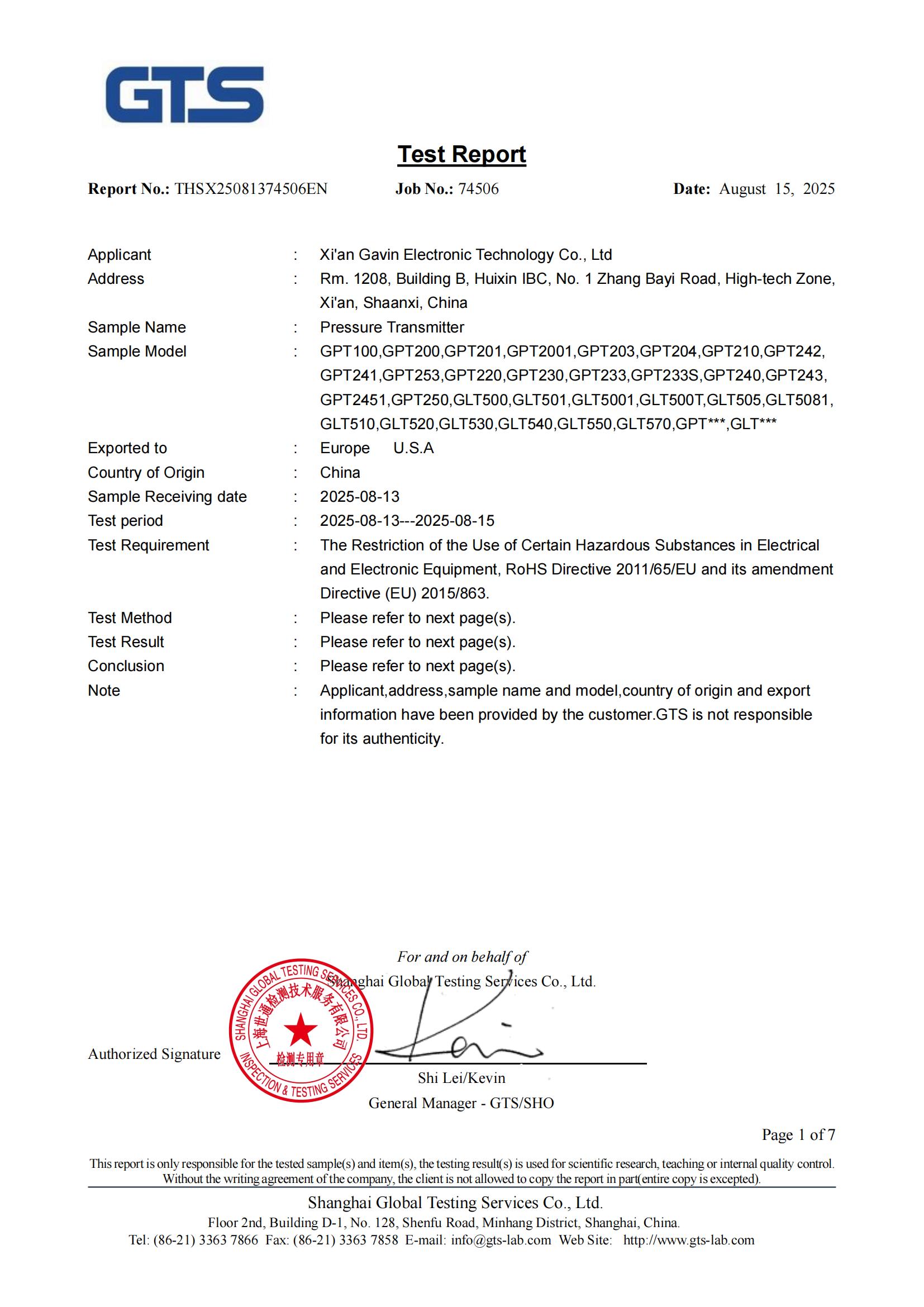
For placements in dangerous areas, ATEX, IECEx, and UL certifications are some of the strict quality and safety standards that industrial measurement tools must meet. IP grades show how well something will protect against the environment. For example, IP67 is good for outdoor setups and IP68 is good for submersible ones. Safety Integrity Level (SIL) scores are very important for uses that need to be safe in the chemical, oil, and gas industries.
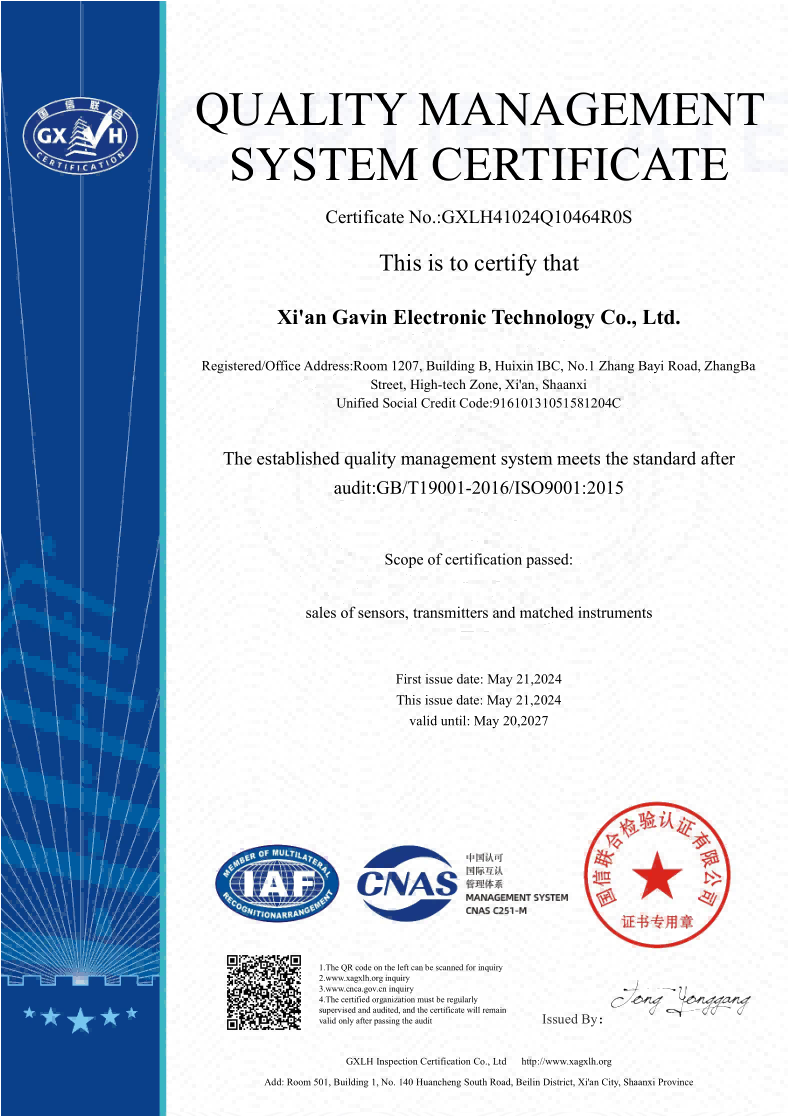
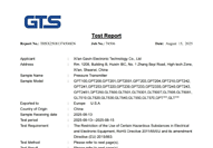
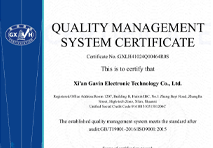
Quality standards, such as ISO 9001, make sure that the manufacturing process is always the same and that the products are reliable. Calibration certificates from approved labs show that measurements are accurate and can be tracked back to international standards. These approvals give customers trust in the performance of a product and make it easier for businesses that have to follow a lot of rules to do so.
Supplier Evaluation and Support Services
When choosing between OEM manufacturers and third-party suppliers, you need to think about how much expert help you need, how much customization you can do, and how much it will cost. Direct manufacturers usually offer more expert help, more ways to customize the product, and more in-depth product knowledge. Their engineering teams can change goods to work with certain needs and offer technical support throughout the whole lifespan of a product. For instance, when selecting a tank level measurement system, working with an OEM manufacturer ensures that the system is tailored precisely to your specifications and backed by ongoing technical support.
The quality of after-sales help has a big effect on the total cost of ownership because it lowers downtime and makes tools last longer. Support that covers everything includes installation advice, help with setup, calibration services, and quick expert advice. The warranty terms, availability of spare parts, and service contract choices should all be in line with upkeep plans and operating needs.
Case Studies and Practical Applications
Chemical Processing Industry Implementation
A big petrochemical plant replaced their old float-based tank level measurement system with more up-to-date radar monitors. This increased uptime by 99.9% and cut repair costs by 40%. The installation included 150 holding tanks that held different chemicals at temperatures of up to 300°C and pressures of up to 25 bar. Advanced diagnostic features enabled predictive maintenance strategies, preventing three potential failures during the first operational year.
Problems with implementation included limited facilities and strict safety rules for hot work in dangerous places. The approach included explosion-proof enclosures that met ATEX Zone 1 standards and wireless sensor transmission to keep installation as smooth as possible. Remote tracking made it possible to run a central control room, which made it safer for operators and faster for them to respond.
Food and Beverage Sector Applications
A large dairy processing facility put in clean radar devices to keep an eye on the milk holding tanks. This made them FDA-compliant and increased the accuracy of their inventory by 25%. The system worked with existing ERP software to make buying and planning output easier and faster. This cut down on mistakes made by hand. Clean-in-place (CIP) support made sure that the new system would work with the old cleaning methods without any extra downtime.
The electropolished sides of the stainless steel design stopped bacteria from growing and made cleaning easier. The sensors gave accurate readings even though foam was being made during the filling process. This stopped overflows that used to happen and cause product loss and environmental problems. Temperature adjustment made sure that readings were correct even when seasonal changes affected the density of the product.
Conclusion
To choose the best tank level measurement system, you need to carefully think about the needs of the application, the surroundings, and the need for integration. Today's technologies provide accuracy, dependability, and diagnostic tools that have never been seen before. These tools turn traditional level monitoring into smart asset management. Choosing the right technology, skilled suppliers, and all-around support services that guarantee long-term operating success are all important for a successful application. Investing in quality measurement systems pays off in a big way by making workplaces safer, cutting down on upkeep costs, and making it easier to keep track of goods in a wide range of industries.
FAQ
Q1: What factors determine measurement accuracy in level sensing applications?
A: The accuracy of measurements relies on the type of sensor used, how well it is installed, and the properties of the media. Readings can be messed up by things in the environment, such as changes in temperature and pressure and electrical interference. When you calibrate, maintain, and choose the right monitor for the type of media you're using, you can get the best accuracy levels, which are usually within 0.1% to 1% of full scale.
Q2: How can I ensure seamless integration with existing automation systems?
A: To successfully integrate, the transmission methods used by sensors must be checked to make sure they work with the control systems that are already in place. Modbus RTU/TCP, HART, Foundation Fieldbus, and Profibus are all common standards. Many modern monitors can work with more than one protocol at the same time, which makes them flexible for future system updates. Communication mistakes and electromagnetic interference can be avoided by properly grounding, covering cables, and conditioning signals.
Q3: What maintenance practices extend sensor lifespan and reliability?
A: Regular calibration checks, usually once a year or twice a year, keep measurements accurate over the life of the sensor. Checking the placement of sensors, the links between cables, and the seals around the enclosures physically stops water from getting in and damage to the electronics. Cleaning sensor surfaces gets rid of buildups of dirt and dust that could affect how well measurements are made. This is especially important for ultrasonic and radar technologies.
Partner with GAMICOS for Advanced Tank Level Measurement System Solutions
GAMICOS is ready to help you with your tank level measurement system needs with cutting-edge technology and a lot of technical know-how. Our wide range of products includes ultrasonic, radar, and pressure-based monitors made for tough industrial uses in the food preparation, chemical, and oil industries. Our tech team has worked with customers in 98 countries before and knows how to provide custom solutions that meet the needs of each application while also making sure they are in line with regulations and running smoothly.
Email our technical experts at info@gamicos.com to talk about your level measurement problems and find out how our cutting-edge sensor technology can help you run your business more efficiently. As a top maker of tank level measurement systems, we offer full OEM/ODM services, the ability to supply in bulk, and quick after-sales support that makes sure long-term relationship success.
References
1. Smith, J.A., "Industrial Level Measurement Technologies: Comparative Analysis and Selection Criteria," Process Engineering Journal, Vol. 45, No. 3, 2023, pp. 78-92.
2. Anderson, M.K., "Safety Considerations in Tank Level Monitoring Systems for Hazardous Environments," Chemical Safety International, Vol. 28, No. 7, 2023, pp. 134-147.
3. Rodriguez, C.L., "Cost-Benefit Analysis of Modern Level Measurement Systems in Industrial Applications," Automation Today, Vol. 39, No. 12, 2023, pp. 56-71.
4. Thompson, R.W., "Integration Challenges and Solutions for Level Measurement in SCADA Systems," Industrial Control Engineering, Vol. 31, No. 8, 2023, pp. 203-218.
5. Chen, H.Y., "Emerging Technologies in Non-Contact Level Measurement: Radar and Ultrasonic Innovations," Measurement Science Review, Vol. 15, No. 4, 2023, pp. 89-104.
6. Williams, P.D., "Maintenance Strategies for Industrial Level Measurement Equipment: Best Practices and Case Studies," Plant Maintenance Journal, Vol. 42, No. 6, 2023, pp. 167-181.

Halen
With over 12 years of experience in fluid sensing technology, Halen specializes in helping clients select and optimize oil level sensors for a wide range of industries—including automotive, marine, heavy machinery, and energy.
We're here to help — submit your request anytime!
Let us know how we can help solve your pressure level measurement challenge.
_1757930850792.jpg)
Recommended Blog
What Device Prevents Fuel Gauge Fluctuation on Rough Roads?
How Does an Ultrasonic Level Gauge Work in Tank Systems?
How Does a Fuel Level Sending Unit Improve Gauge Accuracy?
What Device Prevents Fuel Gauge Fluctuation on Rough Roads?
How Does an Ultrasonic Level Gauge Work in Tank Systems?
How Does a Fuel Level Sending Unit Improve Gauge Accuracy?
What Device Prevents Fuel Gauge Fluctuation on Rough Roads?
How Does an Ultrasonic Level Gauge Work in Tank Systems?
How Does a Fuel Level Sending Unit Improve Gauge Accuracy?