Top Ultrasonic Level Measurement Manufacturers in 2026
Leading Ultrasonic Level Measurement Manufacturers in 2026
- Leading Ultrasonic Level Measurement Manufacturers in 2026
- How Ultrasonic Level Transmitters Work: Technology Overview and Applications
- Comparing Ultrasonic Level Transmitters with Other Level Measurement Technologies
- Procurement Guide: How to Buy Ultrasonic Level Transmitters in 2026?
- Conclusion
- FAQ
- Partner with GAMICOS for Advanced Ultrasonic Level Measurement Solutions
- References
In 2026, the ultrasonic level measurement market is led by makers who are always coming up with new ways to make ultrasonic level transmitters for industrial use. Advanced non-contact measurement tools from top companies like Siemens, Endress+Hauser, ABB, Honeywell, Krohne, and Emerson have changed the way liquid and solid level monitoring is done. These companies make a wide range of products with accurate sensors, strong construction, and flexible communication methods that are used in the chemical, pharmaceutical, water treatment, and oil industries around the world.
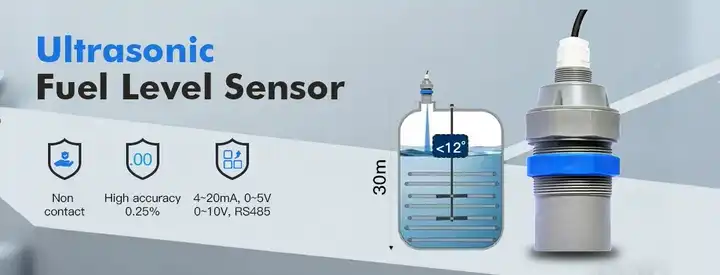
Leading Ultrasonic Level Measurement Manufacturers in 2026
The global ultrasonic level measurement market has grown a lot, and a few big players have become market leaders by coming up with new technologies and making sure their products work well. Purchasing managers can make better choices about their industrial automation projects when they know more about these makers.
Industry Giants Setting Market Standards
With its SITRANS series, which offers very accurate measurements in a wide range of industrial settings, Siemens has kept its place as a leading manufacturer. The housings of their ultrasonic devices are made to last in harsh environments and have advanced data processing features. Because the company wants to be a part of Industry 4.0, it has developed smart sensor technologies that can do forecast maintenance and work with current automation systems without any problems.
Endress+Hauser keeps coming up with new ideas for their Prosonic line, which provides accurate level measurement options for tough situations. Their gadgets work great in places where there is foam, air, or rough surfaces, which makes them perfect for places that process chemicals and treat water. Because the company focused on designing with the customer in mind, the products have easy-to-use displays and full diagnostic tools that make installation and upkeep simpler.
Emerging Players and Specialized Solutions
There are a variety of ultrasonic level transmitter types from ABB that can be used to measure both liquids and solids. Their focus on energy economy and small size makes them good for installations with limited room while still keeping accurate measurements. The company has a global service network that makes sure that spare parts and solid technical help are available on all countries.
Honeywell's ultrasonic solutions work well with larger process control systems and let you analyze data better and keep an eye on things from afar. Their devices have advanced temperature compensation algorithms and sensors that clean themselves, which means that they don't need as much upkeep. This company is especially good at making explosion-proof shelters for the chemical and petroleum businesses, which are used in dangerous areas.
How Ultrasonic Level Transmitters Work: Technology Overview and Applications
Understanding how ultrasonic measurement technology works at its most basic level helps you choose and improve level measurement systems. Time-of-flight formulas using high-frequency sound waves are used to figure out exact amounts of liquid or solid.
Core Operating Principles
Ultrasonic sensors work by sending out small bursts of high-frequency sound waves that are usually between 20 kHz and 200 kHz. These sound waves bounce back to the sensor's transducer part when they hit a target surface. The gadget counts the seconds between sending out a pulse and receiving an echo. It uses the formula Distance = (Sound Speed × Travel Time) ÷ 2 to figure out how far away something is. The sound wave's round-trip path is shown by dividing by two.
Modern ultrasonic level transmitter designs use complex signal processing techniques to get rid of false sounds and account for changes in the surroundings, like temperature and humidity. Advanced models have multiple echo tracking features that let them tell the difference between level surfaces and things that aren't level, like agitators or structures inside the tank.
Industrial Applications and Performance Characteristics
When you need to measure something without touching it, these devices are great. This is especially true when you can't use traditional contact methods because of toxic media or high temperatures. Ultrasonic technology is safe for use in chemical processing plants, and non-contact measurement is better for food and beverage businesses because it keeps things clean.
Ultrasonic monitors are used a lot in water and wastewater treatment plants to check the amounts in clarifiers, storage tanks, and pump stations. Due to its low upkeep needs and ability to measure through changing weather conditions, the technology is perfect for remote tracking installations. Furthermore, measuring large solids in bins and hoppers is another important task that can be done reliably with ultrasonic technology.
Comparing Ultrasonic Level Transmitters with Other Level Measurement Technologies
Understanding the pros and cons of each method is important for choosing the best level measurement equipment. Depending on the needs of the product and the environment, each technology has its own perks.
Technology Performance Analysis
In ideal conditions, ultrasonic sensors can measure with a resolution of ±0.25% of full scale, which is very good for most liquid uses. Ultrasonic devices are more cost-effective than radar technology for everyday tasks, but radar works best in places with very high or low temperatures or pressures. Capacitive sensors work better in conductive liquids, but they need to be in close touch with the thing being measured.
Ultrasonic level transmitter systems are great for outdoor sites where the weather can change because they can adapt to different environments. Ultrasonic technology works reliably in fairly difficult settings, while laser-based systems have trouble with interference from dust or vapor. But different ways of measuring may be needed for situations where there is too much foam or gas.
Market Trends and Selection Criteria
Recent changes in the market put a lot of emphasis on digital connection and smart diagnostics. More and more, manufacturers are adding IoT features that allow for remote tracking and planned repair. This trend is especially helpful for spread setups where wired links aren't possible or are too expensive.
When making a purchase choice, you should think about the total cost of ownership, which includes how hard it is to install, how much upkeep it needs, and how reliable it is in the long run. Ultrasonic systems are better than float-based systems and usually cost less to install than guided wave radar. The technology can be used with a variety of media types, which makes it easier for facilities to manage a wide range of measurement uses.
Procurement Guide: How to Buy Ultrasonic Level Transmitters in 2026?
To buy ultrasonic level measurement tools successfully, you need to carefully look at the technical details, the supplier's abilities, and the supplier's ability to provide long-term assistance. These days, people don't just compare prices when they buy something; they also look at the whole value offer.
Technical Specification Evaluation
Some important factors are the measuring range, the precision requirements, the types of output signals, and the environmental scores. Check that the devices you're interested in meet the needs of the job they'll be used for. For example, make sure that they have explosion-proof certifications for dangerous places or clean approvals for food processing. Communication protocol compatibility makes sure that new control systems can work with old ones without any problems. Power consumption specs affect how hard the installation is and how much it costs to run.
Temperature adjustment has a big effect on how accurate measurements are when the world changes. Modern ultrasonic level transmitter models have temperature adjusting systems that work automatically so the accuracy stays the same without having to be adjusted by hand. To make the system as flexible as possible, look for devices that can generate in more than one way, such as via 4-20mA, HART, Profibus, or Modbus.
Supplier Assessment and Support Services
Look at how well a manufacturer has been doing in similar situations in the past, how well they can provide professional help, and how well they are known around the world. Companies that have been around for a while usually offer a lot of information, training, and quick expert help. Check the guarantee terms and availability of spare parts, especially for installations in remote areas where quick repair is needed.
Here are the most important factors that buying managers should use to evaluate suppliers:
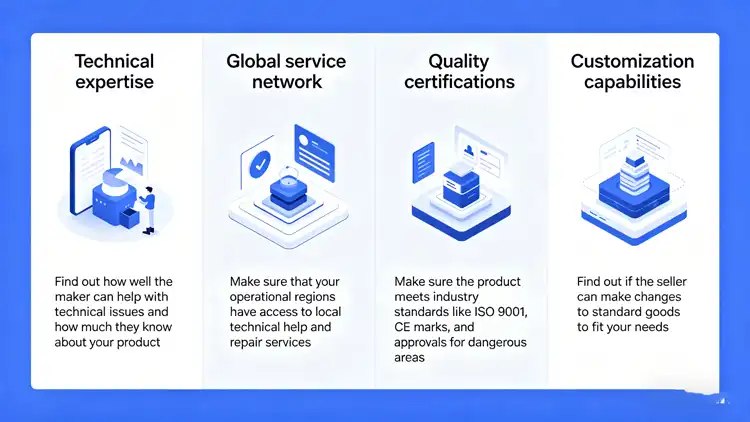
• Technical expertise: Find out how well the maker can help with technical issues and how much they know about your product.
• Global service network: Make sure that your operational regions have access to local technical help and repair services.
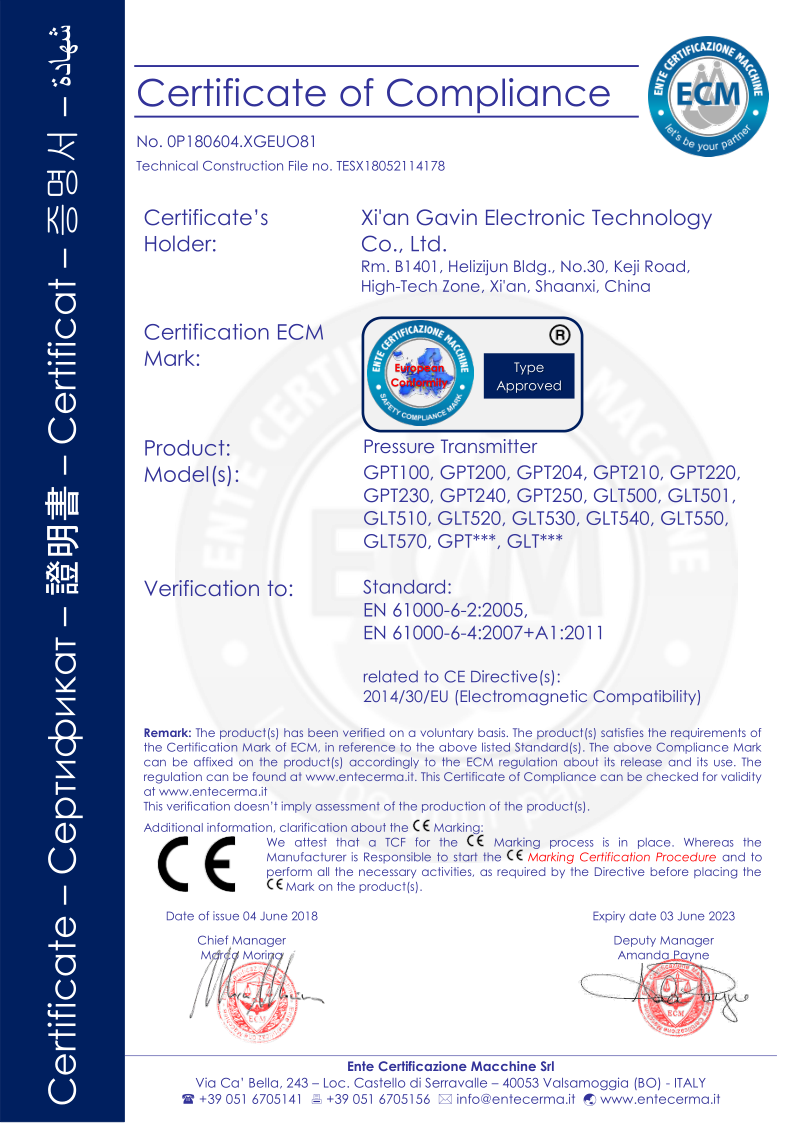
• Quality certifications: Make sure the product meets industry standards like ISO 9001, CE marks, and approvals for dangerous areas.
• Customization capabilities: Find out if the seller can make changes to standard goods to fit your needs.
In addition to delivering products, these factors help procurement teams find providers who can offer full solutions. Strong relationships with suppliers are a big part of long-term business success and help keep total cost of ownership low.
Conclusion
In 2026, the ultrasonic level measurement market has strong options from well-known companies that keep improving the accuracy, dependability, and connectivity of their products. Leading companies like Siemens, Endress+Hauser, and ABB offer a wide range of products to meet different needs in industries. At the same time, new technologies improve the ability to diagnose problems and keep an eye on things from afar. Ultrasonic level transmitters play a key role in this advancement, offering precise measurements and reliability. For procurement to go well, technical requirements, supplier skills, and long-term help need to be carefully looked at. By knowing the pros and cons of different measurement methods compared to acoustic ones, you can make the best choice for your needs and the environment.
FAQ
Q1: What accuracy can I expect from modern ultrasonic level transmitters?
A: Under ideal conditions, modern ultrasonic level transmitter systems can usually get an accuracy of ±0.25% to ±0.5% of full scale. Performance is affected by things like the shape of the tank, the properties of the media, and how stable the surroundings is. High-end models with advanced signal processing can keep their accuracy even in tough situations where foam or gas interference is mild.
Q2: How do environmental conditions affect ultrasonic measurement performance?
A: Changes in temperature, humidity, and air pressure can affect how fast sound waves travel and how accurately measurements are made. Automatic temperature compensation systems built into high-quality devices change formulas based on the temperature and humidity in the room. Extreme temps that are outside the sensor's recommended working range will hurt its performance and could even damage it.
Q3: What maintenance requirements should I expect for ultrasonic level sensors?
A: Compared to contact-based measurement methods, ultrasonic sensors don't need as much upkeep. Cleaning the faces of transducers on a regular basis keeps buildup from happening, which could stop signals from being sent. Regular checks of the calibration ensures that the device stays accurate, and modern devices have troubleshooting features that let you know about problems early on, before they affect the reading.
Partner with GAMICOS for Advanced Ultrasonic Level Measurement Solutions
Through our wide range of precise ultrasonic level transmitter options, GAMICOS is ready to change the way you measure levels. Our engineering team has a lot of experience building sensors for a wide range of industry uses, from water treatment plants to chemical processing plants. We offer reliable solutions that meet strict standards for accuracy and longevity. We have served customers in over 100 countries successfully and have multiple measurement technology patents. Get in touch with our experts at info@gamicos.com to talk about your unique measurement problems and find out how our ultrasonic level transmitter manufacturer services can help you run your business more efficiently by providing custom measurement solutions.
References
1. Industrial Automation Market Research Institute. "Global Ultrasonic Level Sensor Market Analysis and Forecast 2026." Annual Industry Report, 2025.
2. Peterson, Mark R. "Advanced Non-Contact Level Measurement Technologies: Performance Comparison and Application Guidelines." Journal of Industrial Instrumentation, Vol. 45, No. 3, 2025.
3. European Process Control Association. "Ultrasonic Level Transmitter Standards and Certification Requirements." Technical Publication EP-2026-15, 2025.
4. Chen, Li Wang. "Signal Processing Innovations in Modern Ultrasonic Level Measurement Systems." International Conference on Industrial Sensors and Control, 2025.
5. Global Manufacturing Intelligence Group. "Market Leaders in Level Measurement Technology: Competitive Analysis 2026." Strategic Industry Analysis, 2025.
6. Rodriguez, Maria Santos. "Best Practices for Ultrasonic Level Sensor Installation and Maintenance in Industrial Applications." Process Engineering Quarterly, Winter 2025 Issue.

Peter
Peter, Senior Sensor Technology Consultant, has 15-year industrial sensor R&D experience. He specializes in the end-to-end development of high-accuracy pressure and level sensors and he firmly believe, precision isn’t just a spec—it’s a promise.
We're here to help — submit your request anytime!
Let us know how we can help solve your pressure level measurement challenge.
_1757930850792.jpg)
Recommended Blog
Best Non-contact Ultrasonic Level Meters for Chemical Tank
Best Non-contact Ultrasonic Level Meters for Chemical Tank