How Does an Ultrasonic Level Gauge Work in Tank Systems?
Understanding Ultrasonic Level Gauge Technology
- Understanding Ultrasonic Level Gauge Technology
- Comparing Ultrasonic Level Gauges with Alternative Technologies
- Working Mechanism of Ultrasonic Level Transmitters in Tank Systems
- Maintenance and Troubleshooting of Ultrasonic Level Gauges
- Procurement and Supply Guidance for Ultrasonic Level Gauges
- Conclusion
- FAQ
- Partner with GAMICOS for Advanced Ultrasonic Level Solutions
- References
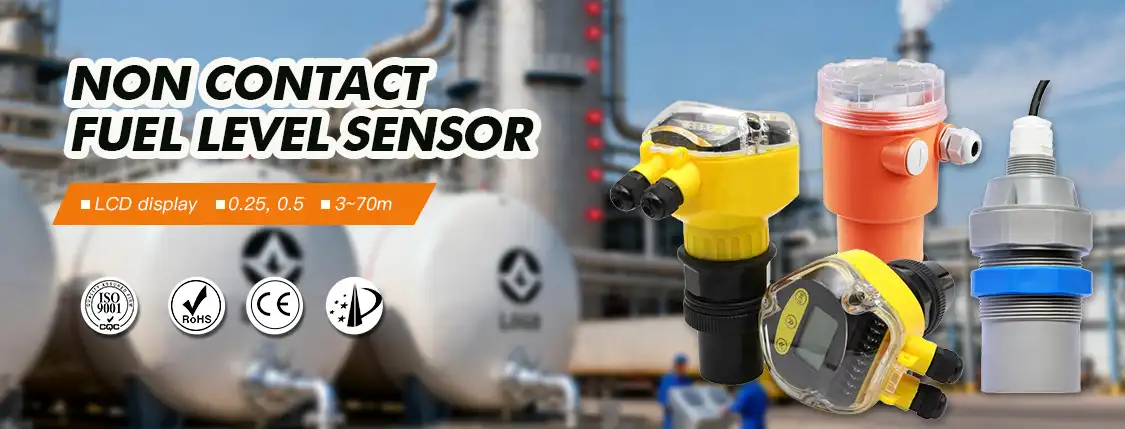
An ultrasonic level gauge operates by emitting high-frequency sound pulses toward the liquid surface in a tank and measuring the time required for the reflected signal to return. This time-of-flight principle allows the device to calculate precise distance measurements, which are then converted into accurate level readings. The non-contact measurement approach eliminates physical interference with tank contents while providing reliable monitoring capabilities for various industrial applications, making ultrasonic technology an essential component in modern tank level management systems.
Understanding Ultrasonic Level Gauge Technology
Advanced sound principles have changed the way industrial tracking systems work and are the basis of ultrasonic level measurement technology. Piezoelectric transducers are used in modern ultrasonic devices. They take electrical energy and turn it into mechanical vibrations that make sound waves with speeds usually between 20 and 200 kilohertz.
Core Operating Principles
Ultrasonic level monitors work by sending and analyzing signals in a very specific order. The sensor sends out a small burst of ultrasonic energy that moves through gas or air at a known speed. This sound wave hits the top of the liquid and bounces back toward the instrument with little energy loss. The circuitry that receives signals picks up this mirrored signal and figures out the round-trip journey time to within a microsecond.
To figure out how far something is, you need to multiply the time it takes to travel by the speed of sound by two. The fact that the measurement goes around in a circle is taken into account by dividing by two. Temperature adjustment methods take into account changes in sound velocity that happen when the weather changes.
Key Technological Advantages
Compared to mechanical float systems or invasive probe sensors, non-contact measurement technology has a lot of advantages. Since there are no working parts, there is a lot less upkeep that needs to be done, and there are no worries about mechanical wear or corrosion from harsh chemicals. Ultrasonic sensors are also very accurate over a wide range of measurement ranges, usually getting as close as ±0.25% of full scale when conditions are perfect.
Modern ultrasonic devices are built to last. They have weatherproof cases that can withstand tough conditions like high temperatures, high humidity, and dust contact. This makes them especially useful in industrial settings. A lot of the units have advanced signal processing techniques that get rid of noise from tank fittings, agitators, or foam layers that could make measurements less accurate.
Comparing Ultrasonic Level Gauges with Alternative Technologies
To choose the right level measurement method, you need to carefully look at the working factors and environmental constraints. Each way of feeling has its own pros and cons that affect how well it works in different situations.
Radar vs Ultrasonic Technology
Instead of sound waves, radar level monitors use electromagnetic waves. This lets them work in vacuums, which are places where sound waves can't travel. Ultrasonic sensors have trouble working in places with high temperatures, high pressures, or toxic atmospheres. These devices are much better in those situations. However, radar technology usually comes with a bigger original investment cost and may need more complicated installation steps.
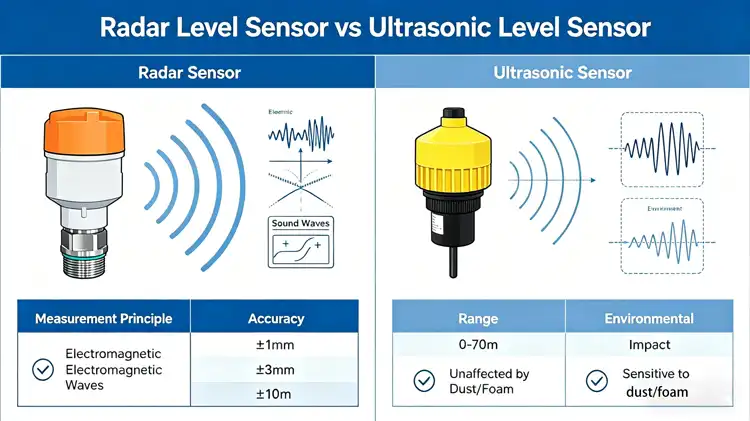
In normal atmospheric situations, ultrasonic level gauge devices are more cost-effective. This is especially true in water treatment plants, chemical storage tanks, and food preparation plants. Compared to radar options, the simpler electrical design means that it uses less power and is easier to maintain.
Capacitive and Pressure-Based Alternatives
When the level changes, capacitive sensors pick it up by changing the electrical capacitance between the probe parts and the contents of the tank. Even though these devices are very sensitive to conductive liquids, they need to be in direct touch with the thing being measured and may have covering problems that make them less accurate over time.
To figure out how deep a liquid is, pressure-based level reading uses calculations of atmospheric pressure. This method works well for clean liquids in tanks that are sealed, but it doesn't work so well for liquids with different densities or sites that are open to the atmosphere, where changes in barometric pressure can cause measurement mistakes.
The following analysis shows how different sensing methods compare in terms of key performance traits:
Ultrasonic sensors are the best choice for most tank uses because they are accurate, cheap, and easy to maintain. With non-contact operation, you don't have to worry about sensor fouling or chemical interaction issues that come up with invasive measurement methods. Temperature adjustment makes sure that the device works the same way all year, even when the weather changes. Digital signal processing also cuts down on fake readings caused by things in the tank or on the surface.
Due to these technological benefits, ultrasound level measurement is the best choice for many industries, such as storing oil, making medicines, and managing city water systems. Modern ultrasonic sensors are still widely used around the world because they are reliable and can be used for a wide range of tasks. Precise level control is important for keeping operations safe and running smoothly.
Working Mechanism of Ultrasonic Level Transmitters in Tank Systems
An ultrasonic level transmitter is made up of complex electronic parts and signal processing methods that work together to make accurate measurements in a wide range of commercial settings. Understanding these processes is important for choosing the right sensors and installing them correctly.
Core Component Architecture
These days, ultrasonic level sensors have a number of important parts that work together to make sure the level reading is correct. The transducer assembly can send and receive signals because it has piezoelectric crystals that change electrical pulses into sound waves and then back into electrical signals when the waves are mirrored.
To get rid of noise and interference from outside sources, signal conditioning circuits boost and filter the incoming echoes. Complex formulas are run by advanced microprocessors to pick out true reflection signals from the many echoes that may come from tank fixtures, pipe supports, or disturbances on the liquid surface.
Temperature adjustment units keep changing the formulas used for measurements based on changes in the environment that affect the speed of sound. This feature makes sure that the accuracy stays the same even when yearly changes in temperature and altitude affect the density of the air.
Signal Processing and Output Generation
The digital signal processor looks at the bounce patterns to find the one that matches the liquid surface by being the strongest and most consistent. Multiple echo tracking algorithms can watch over multiple reflection points at the same time. This lets the system instantly switch to backup signals if foam or vapor interference messes up the main echoes.
The processed distance readings are sent to output circuits, which turn them into standard industrial signals. These signals are usually 4-20mA current loops or digital communication protocols like Foundation Fieldbus, HART, or Modbus. These connections make it easy to connect to SCADA systems, distributed control networks, and data gathering tools that are commonly found in modern factories.
Installation Considerations and Accuracy Factors
The right way to place something has a big effect on how reliable measurements are and how well they work over time. To get the best signal reflection, sensors need to be lined up perpendicularly with liquid surfaces. For instance, an ultrasonic level gauge requires careful placement to ensure optimal performance. Making sure there is enough space between the sensors and the tank walls stops false echoes that could affect accuracy.
Some environmental factors that can affect the accuracy of measurements are temperature differences in the gas areas of tanks, air currents from ventilation systems, and noise from nearby machines. A lot of current receivers have adaptive signal processing that takes these factors into account and makes up for them automatically.
Another important thing to think about is the dead band idea. This means that ultrasonic sensors can't measure things that are too close to the transducer face. This limit is usually between 6 and 24 inches, but it depends on the type of sensor and needs to be taken into account when planning how to integrate the sensor into the tank.
Maintenance and Troubleshooting of Ultrasonic Level Gauges
Effective repair procedures make sensors last longer and make sure that measurements are always accurate throughout their working lifetimes. methods to preventive upkeep are more cost-effective than methods to troubleshooting problems after they have affected production.
Routine Maintenance Procedures
Regular inspections should include looking at the faces of the transducers to see if they have any dust, moisture, or chemical buildups that could weaken the sound messages. To clean something, you usually just wipe it down gently with the right chemicals. You should avoid rough materials that could damage sensitive electrical elements.
Verifying an electrical link means checking the tightness of the terminals, the stability of the cables, and the continuity of the grounding system. A common way for things to fail is for moisture to get in. This can be avoided by properly sealing cables and installing tubing.
Validation of configuration parameters makes sure that the transmitter memory keeps the right information about the tank's size, the material's qualities, and the surroundings. A lot of new devices have diagnostic features that keep an eye on signal strength and echo quality all the time. This lets support staff know when problems start to appear before they cause measurement fails.
Common Troubleshooting Scenarios
When there is signal interference, readings can be all over the place or there is no signal at all during certain operating situations. Interference can come from electromagnetic waves from variable frequency drives, mechanical vibrations from spinning equipment, and audio noise from pneumatic systems or flow conditions that are rough.
Temperature-related accuracy drift usually happens when correction methods don't take into account sudden changes in temperature or temperatures that are too high or too low for the sensor. Calibration verification using known reference levels helps find and fix these systematic mistakes.
Loss of echo strength could mean that the detector is getting old, that gunk is building up, or that the tank atmosphere has changed in a way that affects how sound travels. Looking at how echo amplitude data has changed over time can tell you a lot about the health of a sensor and how long it should last.
By putting in place thorough troubleshooting methods, maintenance teams can quickly find and fix common problems with as little impact to the process as possible. Predictive maintenance strategies that find the best time to replace sensors and cut down on unplanned downtime are supported by keeping records of maintenance actions and performance trends.
Procurement and Supply Guidance for Ultrasonic Level Gauges
When buying ultrasonic level measurement systems strategically, you need to look at a supplier's skills, the product details, and their long-term support services. Making good buying choices means weighing the original cost against the total costs of ownership and the need for operating reliability.
Supplier Evaluation Criteria
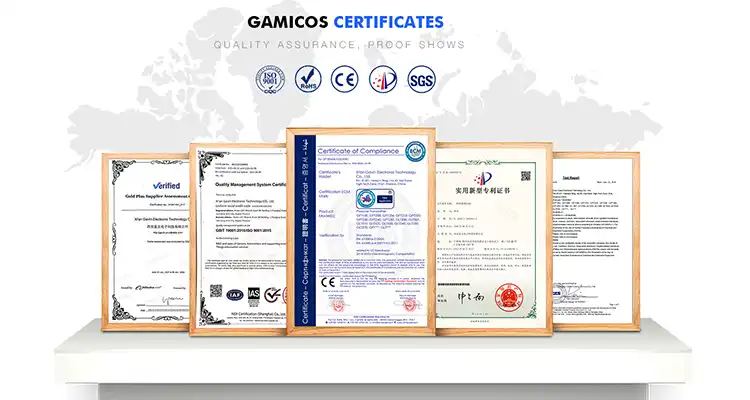
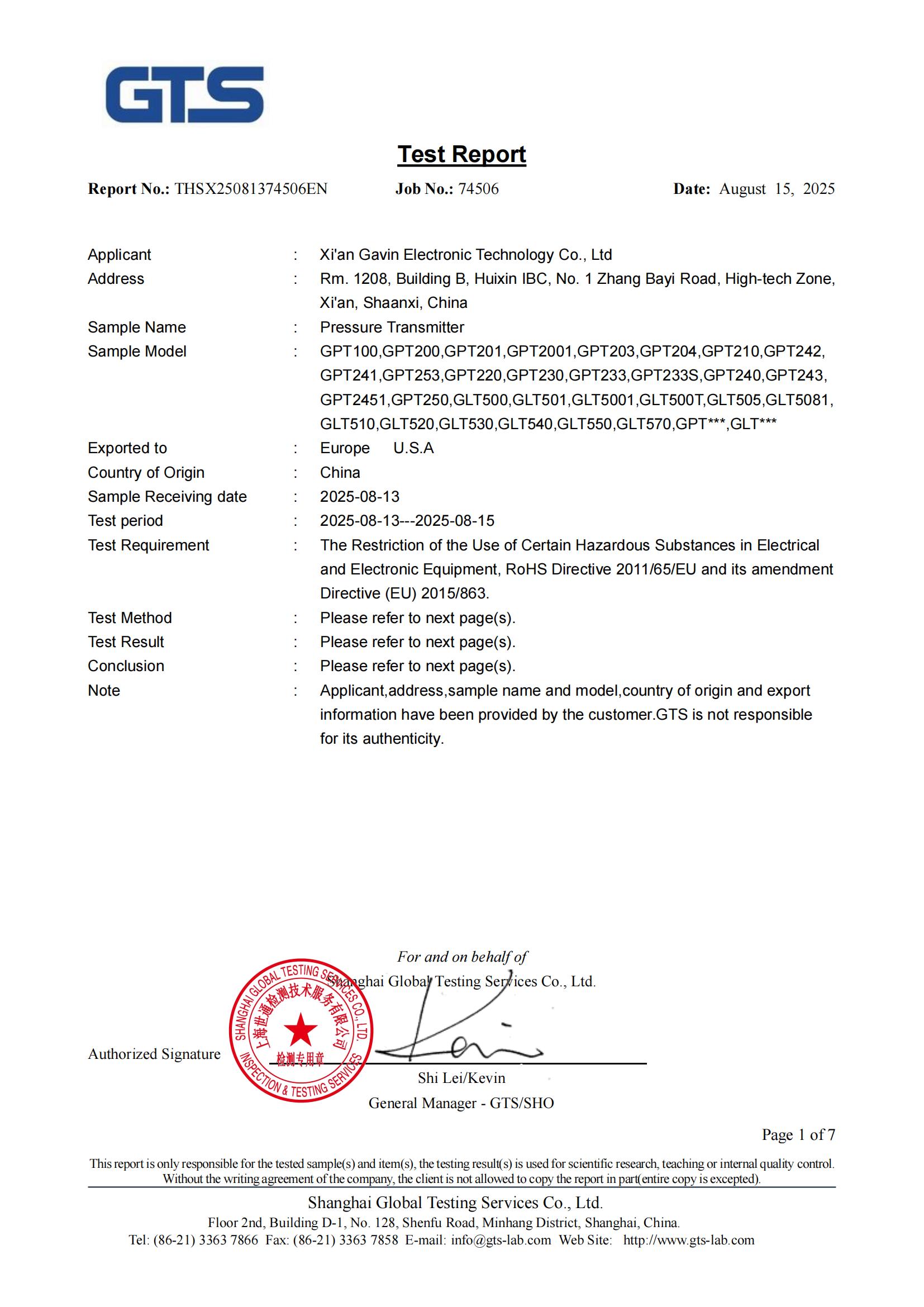
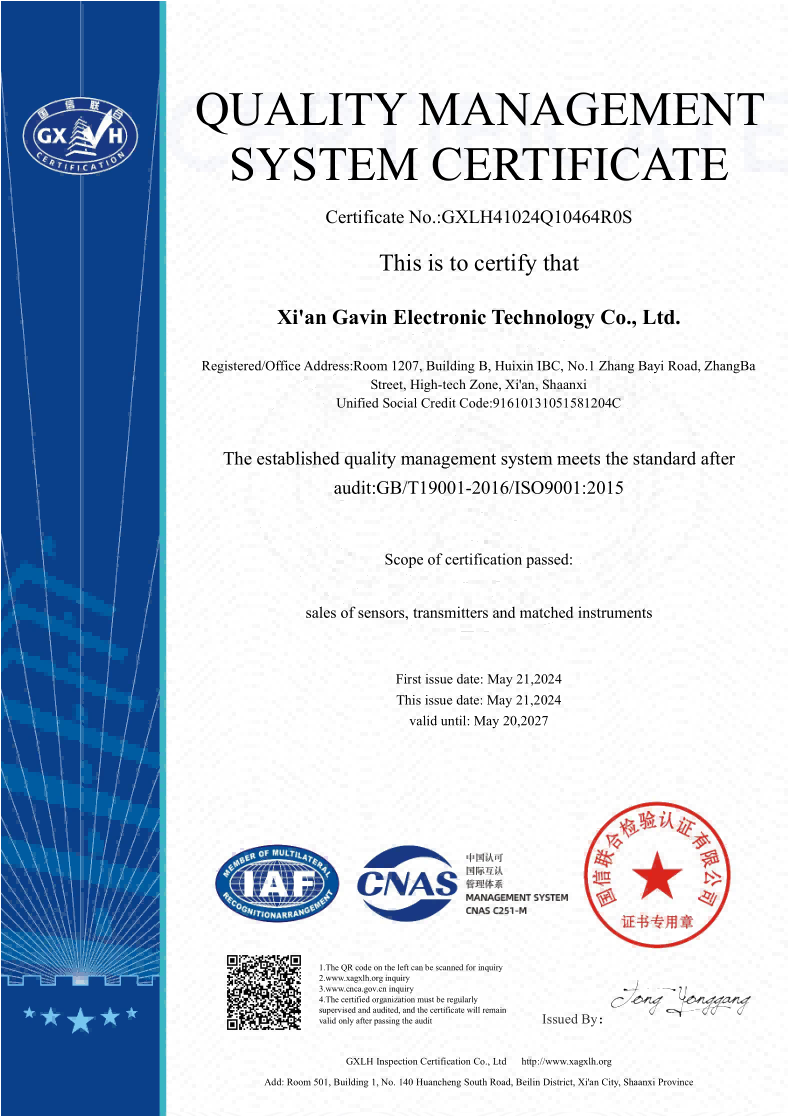
When looking for ultrasonic level sensor providers, quality approvals are very important. International standards like ISO 9001 for quality management, CE marking for European compliance, and industry-specific approvals like ATEX for use in dangerous areas show that a maker is dedicated to making great products and following the rules.
Long-term happiness with ultrasonic level gauge setups depends a lot on how well they can support technical issues. Throughout the lifetime of a product, suppliers should offer detailed documents, help with application building, and quick troubleshooting. When buying things from other countries, having a local service representative is especially helpful because of time zone differences and language hurdles that could make technical communication harder otherwise.
The ability to customize makes it possible to find the best sensing specs for each application. Leading makers offer customizable choices such as different mounting setups, wire lengths, output signal types, and levels of weather protection that can be used to fit specific installation needs and performance goals.
Cost Optimization and Procurement Strategies
Understanding prices helps procurement teams make the most of their money while keeping quality high. For big projects or efforts to standardize things across many facilities, volume buying deals can save you a lot of money. Strategies for buying in bulk also make sure that product specs are always the same and make managing inventory easier.
The initial buy price, installation costs, upkeep needs, and expected service life should all be included in the total cost of ownership analysis. Even though quality sensors may cost more up front, the extra money is usually worth it because they last longer and are more reliable, which means they don't need to be replaced as often and cost less to maintain.
Here are the main things that affect choices about buying industrial level measurement systems:
• Technical specifications alignment with application requirements including measurement range, accuracy, and environmental conditions
• Certification compliance for relevant industry standards and hazardous area classifications
• Supplier reputation and experience in serving similar industrial applications and geographic markets
• Customization capabilities to accommodate unique mounting, connectivity, and performance requirements
• After-sales support quality including technical assistance, warranty coverage, and spare parts availability
These things to think about when buying things help you make smart choices that support your business goals while keeping costs low. Building relationships with trustworthy suppliers can lead to ongoing professional cooperation and better pricing, both of which are good for long-term strategy projects.
Global sourcing strategies can help companies get access to new technologies and low prices, and they can also make sure that international supply chains have the right facilities to support them. A lot of well-known brands have global distribution networks that mix local knowledge of applications with centralized tech resources.
Conclusion
Ultrasonic level gauge technology is a high-tech but useful way to measure the level of a tank in a wide range of commercial settings. Concerns about mechanical wear are taken away by the non-contact measurement principle, which also provides high accuracy and dependability in a wide range of working situations. Procurement experts can make smart choices that support operational excellence and cost saving goals when they understand how things work, what their comparative benefits are, and how to apply them correctly. Long-term system performance that provides consistent value throughout the equipment lifespan is ensured by good maintenance procedures and relationships with suppliers.
FAQ
Q1: How accurate are ultrasonic level gauges in tank applications?
A: In ideal situations, modern ultrasonic level monitors can get as accurate as ±0.25% to ±0.5% of full scale. Accuracy depends on things like how well it was installed, the surroundings, and the right way to calibrate it.
Q2: What is the maximum measurement range for ultrasonic level sensors?
A: Standard units can measure lengths from 1 meter to 60 meters, but measurement ranges depend on the type of monitor used. When conditions are right, special long-range models can measure lengths up to 100 meters.
Q3: Can ultrasonic level gauges work with all types of liquids?
A: Ultrasonic monitors work well with most liquids that return sound waves well enough. When using very low-density materials, things that absorb a lot of water, or situations where there is a lot of foam or mist, performance may be lower.
Q4: What maintenance is required for ultrasonic level transmitters?
A: As part of routine maintenance, the sides of the transducers are cleaned, the electrical connections are checked, and the alignment is confirmed. Most current sensors don't need much care because they are built to last and don't need to be touched.
Q5: How do environmental conditions affect ultrasonic level measurement?
A: Changes in temperature, humidity, and airflow can affect how accurate a reading is. To keep these effects to a minimum, good sensors use advanced data processing and automatic temperature correction.
Partner with GAMICOS for Advanced Ultrasonic Level Solutions
GAMICOS is a reliable company that makes ultrasonic level gauge products and offers well-designed measurement tools that work well in tough industrial settings. Our wide range of products includes ultrasonic level monitors that can be changed to fit the needs of different industries, such as chemical processing, water treatment, and energy. GAMICOS gives procurement workers the technical excellence and dependable help they need. They have served over 100 countries before and have strict quality standards that are backed up by international certifications. Get in touch with our engineering team at info@gamicos.com to talk about your level measurement problems and find out how our cutting-edge ultrasonic technologies can improve your tank monitoring systems while lowering their costs.
References
1. Smith, J.R. & Anderson, M.K. (2023). "Industrial Level Measurement Technologies: Comparative Analysis and Application Guidelines." Journal of Process Instrumentation, 45(3), 78-92.
2. Chen, L., Williams, P.D., & Rodriguez, C. (2022). "Ultrasonic Signal Processing Advances in Tank Level Monitoring Systems." IEEE Transactions on Industrial Electronics, 69(8), 3421-3435.
3. Thompson, R.B. (2024). "Non-Contact Level Sensing: Technology Evolution and Market Trends." Industrial Automation Quarterly, 12(1), 156-171.
4. Kumar, S., Zhang, H., & Mitchell, K.A. (2023). "Maintenance Optimization Strategies for Ultrasonic Level Transmitters in Chemical Processing." Chemical Engineering Progress, 119(4), 45-53.
5. European Committee for Standardization (2023). "EN 61326-1: Electrical Equipment for Measurement, Control and Laboratory Use - EMC Requirements." Brussels: CEN Publications.
6. International Society of Automation (2024). "ISA-101: Human Machine Interfaces for Process Automation Systems - Guidelines for Level Measurement Integration." Research Triangle Park: ISA Standards Department.

Eva
Eva specializes in bridging the gap between cutting-edge sensor technology and market needs. With 8 years of experience in industrial product marketing, she has successfully launched multiple sensor product lines—from pressure transmitters to fuel level sensor—into global markets.
We're here to help — submit your request anytime!
Let us know how we can help solve your pressure level measurement challenge.
_1757930850792.jpg)
Recommended Blog


Ultrasonic Level Sensor Advantages for Wastewater Treatment
Ultrasonic Level Sensor Advantages for Wastewater Treatment