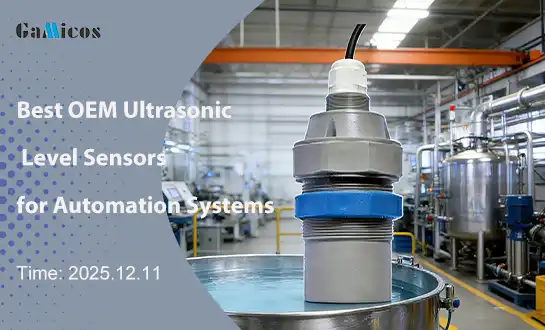
Ultrasonic Level Sensors: A Smart Choice for Farmers
Comprehending Ultrasonic Level Sensors and Their Operating Principles
- Comprehending Ultrasonic Level Sensors and Their Operating Principles
- Comparing Ultrasonic Level Sensors with Other Technologies for Farm Use
- Implementing Ultrasonic Level Sensors on Farms: From Installation to Calibration
- Selecting and Procuring Ultrasonic Level Sensors for Agricultural Operations
- Advantages and Future Trends of Ultrasonic Level Sensors in Agriculture
- Conclusion
- Partner with GAMICOS for Superior Ultrasonic Level Measurement Solutions
- References
To get the most out of their crops while wasting as little as possible, modern farms need to be precise, efficient, and reliable. Ultrasonic level sensors have become a game-changing tool that meets these important needs by letting farmers take exact measurements without touching anything. High-frequency sound waves are used by these cutting-edge gadgets to check the amounts of solids and liquids in a variety of farm areas, such as water tanks, grain bins, containers for fertilizer, and systems for watering animals. The use of ultrasound measurement technology is a big step forward in automating agriculture. It helps farms make better use of their resources and cut down on costs.

Comprehending Ultrasonic Level Sensors and Their Operating Principles
The basic ideas behind ultrasound tracking technology are how sound waves travel and how to measure time-of-flight. These high-tech gadgets work by sending out short bursts of ultrasonic energy and carefully timing how long it takes for sound waves to reach targets and return to the monitor.
How Ultrasonic Measurement Works?
The working process starts when an ultrasonic transducer is turned on by a pulse emitter. This turns electrical energy into mechanical vibrations that make sound waves with speeds between 20 and 200 kHz. At 20°C, these waves move through the air at about 343 meters per second. They hit the surface of the thing being recorded and bounce back toward the monitor.
The wave that is coming back hits the same transducer, which is now working in receiving mode. It turns the mechanical energy back into electrical data. Advanced signal processing methods boost and look at these signals to find the mirrored echo while blocking out noise and other signals that might be interfering with the signal. The sensor figures out how far away something is by multiplying the sound speed by the travel time and then multiplying that number by two to account for the round-trip trip.
Key Components and Agricultural Specifications
Modern ultrasonic level sensors have a number of important parts that were made to work in harsh farm settings. The detector sends and receives signals, and complex signal processing units find echos and figure out how far away something is. Temperature compensation units automatically adjust for changes in the surroundings that affect the speed of sound. This keeps the accuracy the same as the seasons change.
For agricultural uses, sensors need to be able to work in dusty, humid places like farms, so they need to have strong weather grades like IP67 security. The GUT series ultrasonic level sensor meets this standard for longevity because it has a die-cast aluminum housing and can measure without touching the surface, which means it needs less upkeep. There are many output choices, such as 4-20mA current loops and RS485 digital communication, which makes it easy to connect to other farm automation systems.
Comparing Ultrasonic Level Sensors with Other Technologies for Farm Use
When agricultural businesses try to choose measurement methods that balance performance, cost, and upkeep needs, they often have to make tough choices. Learning about the pros and cons of various sensing methods helps buying managers make smart decisions for their unique needs.
Performance Analysis Across Sensing Technologies
Radar monitors work best in very harsh conditions and are better at handling environmental factors, but their much higher prices make them out of reach for many farming projects. These devices don't use sound, but electromagnetic waves instead. They are very accurate even when there is dust, smoke, or changes in temperature. On the other hand, radar systems may not be worth the money and time they take to set up for normal farm tasks.
Capacitive sensors work reliably with conductive liquids and can deal with some tricky features of the media. Their contact-based design, on the other hand, makes them more likely to get dirty and needs to be serviced more often in farming settings where cleaning is very important. Because they come into close contact with measuring materials, they can't be used with chemicals or fertilizers that are corrosive.
Pressure-based measurement methods have been shown to be reliable for finding the level of liquids, but they aren't as good at keeping an eye on solids like grain or feed. These sensors need to be placed at the bottom of the tank, which can make retrofitting old tanks more difficult. The accuracy can also be affected by changes in the density of the materials being stored.
Strategic Advantages for Agricultural Applications
Ultrasonic technology strikes the perfect mix between accuracy, ease of installation, and low cost, which is perfect for farms with limited funds. The non-contact measurement principle gets rid of worries about contamination and lowers the amount of upkeep needed compared to contact-based methods. This benefit is especially useful when keeping an eye on water sources for animals or checking amounts in systems used to store food.
Ultrasonic sensors can be used in a wide range of farm tasks, from liquid fertilizer tanks to food storage bins, because they are so flexible. Because they can measure both liquids and solids with the same level of accuracy, they are perfect for places that deal with a lot of different farm goods. Also, the simple installation process keeps farm operations running as smoothly as possible during system updates or new installs.
Implementing Ultrasonic Level Sensors on Farms: From Installation to Calibration
To make sure that ultrasound measurement systems work well, they need to be installed correctly and be calibrated on a regular basis. When implemented correctly, it ensures the best performance and longevity while also giving farming businesses the best return on their investment.
Installation Best Practices for Agricultural Environments
The best place to put sensors starts with choosing fixing spots that stay away from obstacles and sources of interference that are common on farms. When placing the sensor, it should be done so that tank shapes, internal structures, and filling processes have the least possible effect on its accuracy. Keeping the sensor away from the tank walls and making sure it faces straight down on the material surface can help ensure consistent performance.
When it comes to farming sites, the environment is very important. Sensors need to be kept out of direct sunlight and weather while still having clear paths to target objects. Modern ultrasonic sensors, like the GUT series, have features that automatically change the power and temperature. These help the sensors stay accurate in a wide range of environmental conditions that are common in outdoor farm uses.
It's important to pay close attention to protocol choice and signal security when setting up wiring and communication. Multiple output choices, such as analog 4-20mA signals and digital RS485 communication, make it possible to easily connect to current farm management systems. With the right grounding and wire placement, equipment like pumps, motors, and lighting systems that are close by won't mess up the electricity.
Calibration and Integration Procedures
The first calibration sets the baseline readings and the working settings that are best for each application. Setting up this process includes choosing measurement ranges, alarm levels, and sensitivity sets based on the qualities of the object and the surroundings. Sensor shift and changes in the surroundings that happen over time can be fixed by recalibration on a regular basis.
Ultrasonic measurement technology can be used to its fullest when it is connected to farm automation systems. Modern sensors work with portable IoT platforms that let you watch and log data from afar, which is very important for precision farm projects. This connectivity makes proactive management possible, which can keep tools from breaking down and make the best use of resources across farming activities.
Selecting and Procuring Ultrasonic Level Sensors for Agricultural Operations
When purchasing ultrasound measurement tools, many things must be taken into account that affect both the short-term and long-term success of the business. When agricultural businesses choose measurement solutions, they need to think carefully about how reliable they are, what services they offer, and how much it costs to own everything.
Supplier Evaluation and Selection Criteria
Established makers have track records and full support services that back up their market places. GAMICOS has become a trustworthy company that makes ultrasonic level sensors by using its many years of experience working with farmers in 98 countries. Because they only make solutions for measuring liquid levels, they have a deep knowledge of the problems and needs of agriculture.
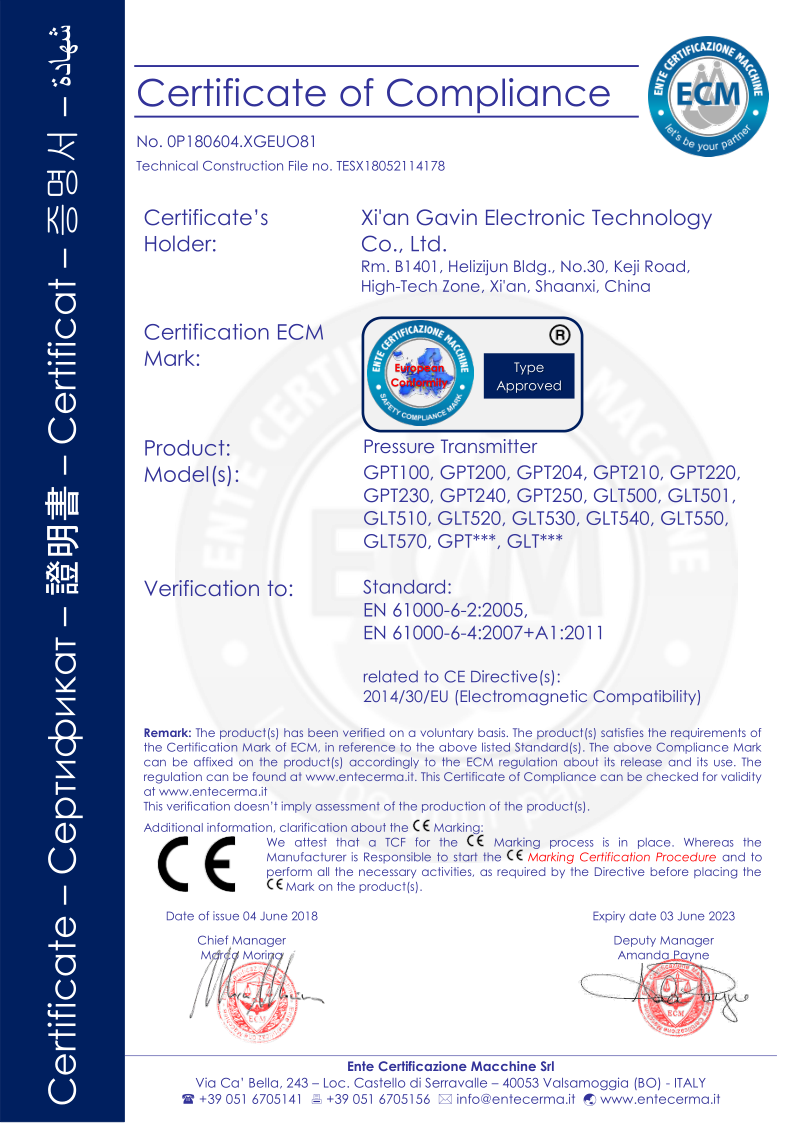
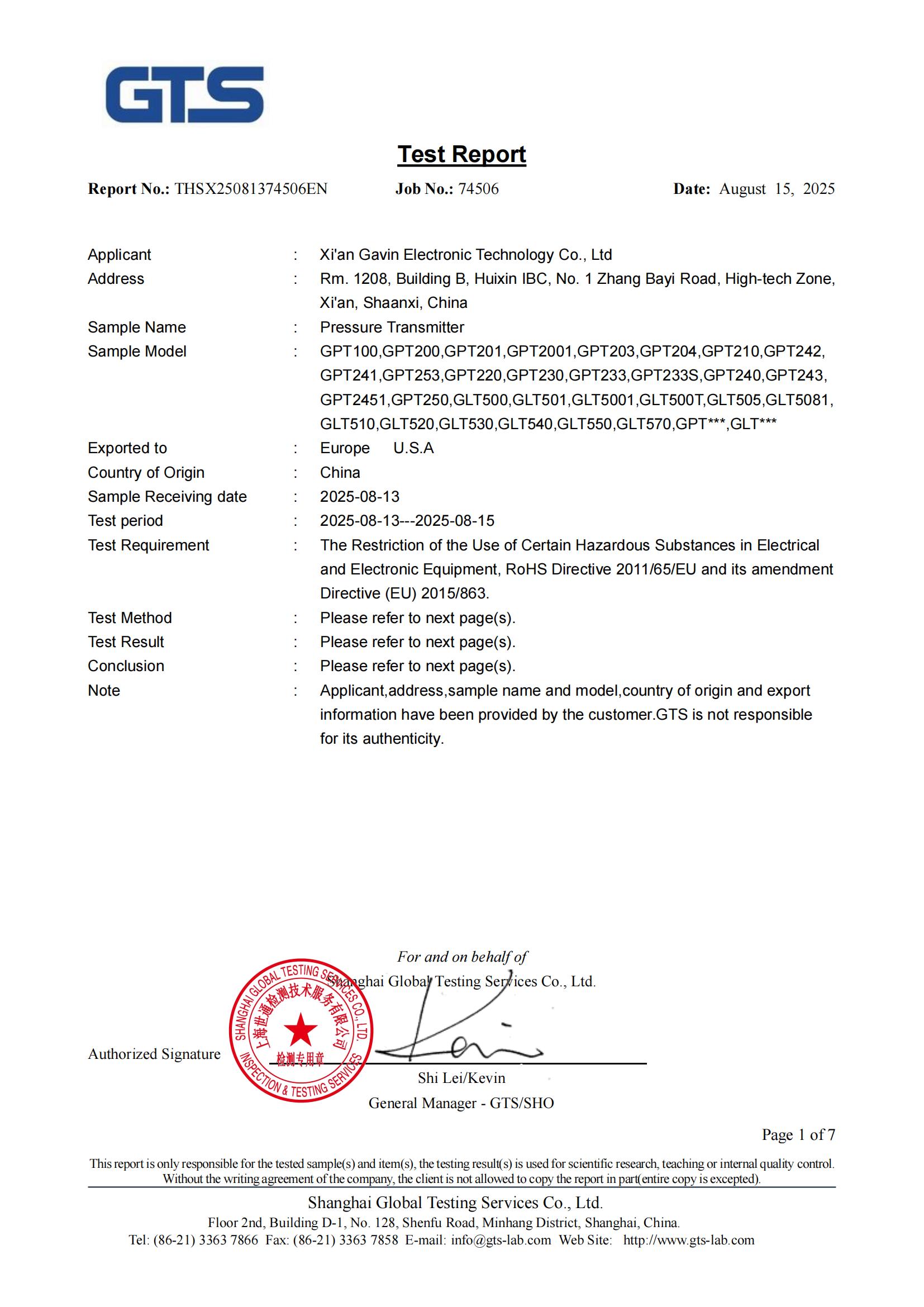
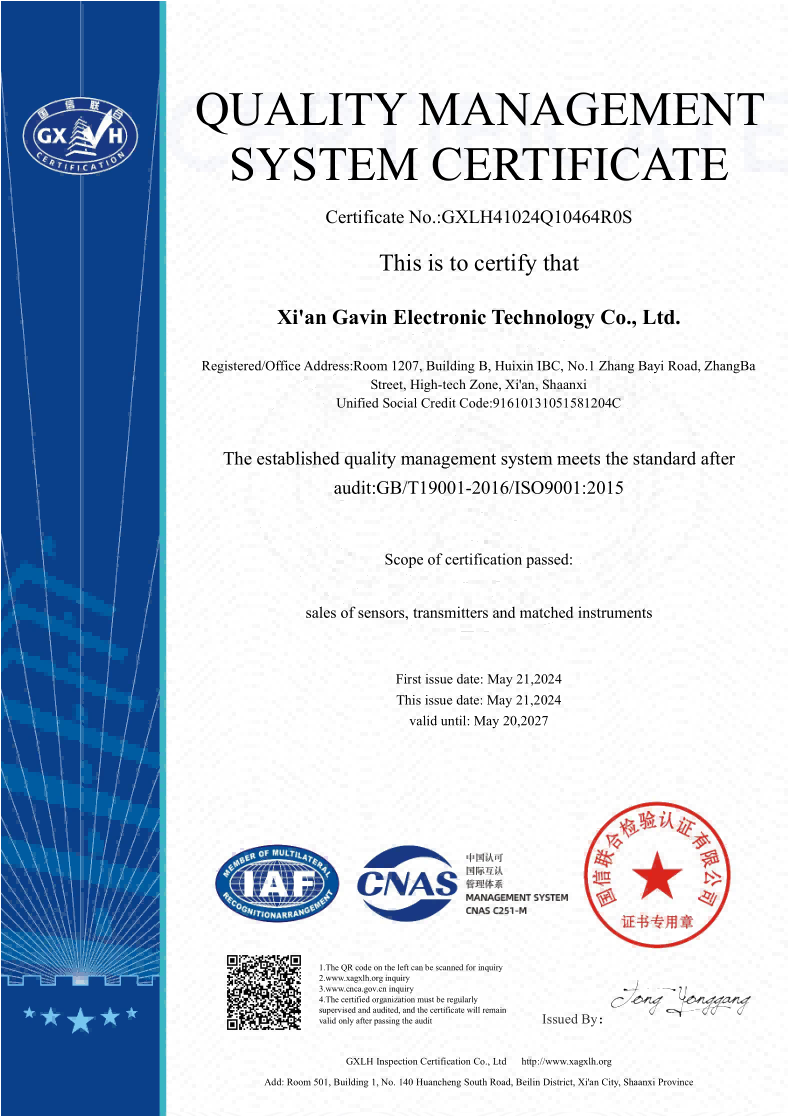
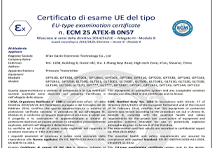
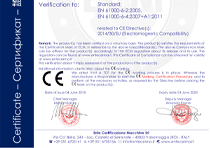
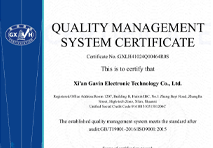
Technical approvals and quality standards are good ways to tell if a product is reliable and meets foreign standards. Sensors that meet CE, RoHS, and ISO standards have been through strict quality control procedures to make sure they work consistently in harsh farming settings. Also, these certificates make it easier to follow neighborhood rules and safety standards.
The total cost of ownership for measurement devices is affected by the level of help available after the sale. Full expert support, including help choosing the right product, help with installation, and troubleshooting, helps improve sensor performance while reducing business delays. Because OEM and ODM customization services are available, solutions can be made to fit unique farming needs.
Procurement Strategies for Agricultural Projects
When you buy in bulk, things like volume become important for big farming companies or distributors who serve many farms. Being able to offer in bulk and having reliable shipping schedules help make sure that project deadlines are met and that good pricing terms are reached. Setting up long-term supply partnerships can give you security and better treatment when you need to buy things in the future.
Verification of authenticity keeps you safe from fake goods that might not work or be safe. Working with approved distributors and asking for the right paperwork can help you make sure that the goods you buy are real and meet performance standards. This check is especially important when getting monitors for important uses like controlling watering or water systems for animals.
Advantages and Future Trends of Ultrasonic Level Sensors in Agriculture
Adopting ultrasonic measurement technology has instant practical benefits and sets up farming operations for future technological progress. Knowing about these benefits and new trends can help you make better financial decisions and plan your strategy better.
Operational Benefits and Resource Efficiency
One of the biggest benefits of using ultrasonic level tracking devices is that they help save water. Accurately measuring the level allows for better timing of watering, which cuts down on wasted water and keeps crops healthy and productive. Climate change and government rules are putting more and more stress on water supplies, making this skill more important.
Accurate level tracking helps with managing chemicals and fertilizers because it stops both loss and shortages. Automated tracking systems can start the reordering process before supplies run out, which keeps application plans from getting thrown off. When keeping an eye on chemical storage systems, the non-contact measurement method gets rid of the risk of contamination.
Using non-contact measurement techniques to cut down on maintenance has a big effect on running costs over time. Ultrasonic Level Sensors stay accurate with little to no maintenance compared to traditional contact-based sensors that need to be cleaned and calibrated on a regular basis. This dependability is especially helpful in remote areas where repair calls are pricey and take a long time.
Technology Evolution and Smart Agriculture Integration
Connectivity to the Internet of Things keeps making ultrasound measurement tools more useful. Newer sensors can now communicate wirelessly using standards that make it easy to connect them to mobile apps and tools for managing farms. This connectivity makes real-time tracking and automatic reaction systems possible, which makes the best use of resources.
The predictive analytics and pattern recognition features of artificial intelligence and machine learning are starting to make ultrasound sensors better. These improvements make it possible to schedule preventative repair and get suggestions for improving efficiency based on past data. When you combine accurate measurement data with smart analysis, you can make big changes to how efficiently things work.
Conclusion
Ultrasonic level sensors are a great way for modern farms to improve how they handle their resources and how efficiently they run their businesses. Their non-contact measurement concept, ability to work in harsh environments, and adaptable connection options all help farming operations deal with important problems they face today. The technology has real benefits, such as saving more water, requiring less upkeep, and making operations more visible.
As farming moves toward smart automation and precise farming, ultrasonic measurement tools help farmers make decisions based on facts that support both output and sustainability goals. Ultrasonic technology has been used successfully in many different agricultural settings, which shows that it is a smart investment for farming businesses that want to be ahead of the curve.
Partner with GAMICOS for Superior Ultrasonic Level Measurement Solutions
GAMICOS offers ultrasonic level sensors that are state-of-the-art and designed to work in harsh farming settings. Our GUT line combines advanced features like automatic temperature adjustment, multiple connection protocols, and IP67 outdoor protection with a track record of dependability. As a supplier of ultrasonic level sensors with a lot of knowledge, we offer full support from the first meeting through installation and ongoing service. We have served agricultural customers around the world in a wide range of climates and uses, so we can guarantee solutions that meet your unique operating needs. Talk to our expert team at info@gamicos.com about how our ultrasonic measurement technology can help you run your farm more efficiently and cost-effectively.
References
1. Johnson, R.M., & Williams, K.L. (2023). "Precision Agriculture: Sensor Technologies for Modern Farming Operations." Agricultural Engineering Journal, 45(3), 234-251.
2. Chen, H., Martinez, S., & Thompson, D.A. (2022). "Ultrasonic Level Measurement in Agricultural Applications: Performance Analysis and Best Practices." International Journal of Agricultural Technology, 18(4), 412-428.
3. Anderson, P.J., Kumar, R., & Lee, S.M. (2023). "Smart Farming Technologies: Integration of IoT Sensors in Agricultural Water Management." Journal of Agricultural Automation, 29(2), 156-173.
4. Brown, M.K., Davis, L.R., & Wilson, T.E. (2022). "Comparative Analysis of Level Measurement Technologies for Agricultural Storage Systems." Agricultural Systems Engineering, 67(8), 89-104.
5. Garcia, A.F., Singh, N., & Roberts, J.P. (2023). "Environmental Factors Affecting Ultrasonic Sensor Performance in Outdoor Agricultural Applications." Sensors in Agriculture, 12(1), 45-62.
6. Taylor, C.M., Zhang, W., & Miller, R.S. (2022). "Cost-Benefit Analysis of Automated Level Monitoring Systems in Modern Farming Operations." Agricultural Economics and Technology, 38(7), 298-315.

Peter
Peter, Senior Sensor Technology Consultant, has 15-year industrial sensor R&D experience. He specializes in the end-to-end development of high-accuracy pressure and level sensors and he firmly believe, precision isn’t just a spec—it’s a promise.
We're here to help — submit your request anytime!
Let us know how we can help solve your pressure level measurement challenge.
_1757930850792.jpg)
Recommended Blog

Ultrasonic Level Sensor vs Radar: Which One Should You Choose?
OEM Options for Custom Ultrasonic Level Sensors: Complete Guide
Best Non-contact Ultrasonic Level Meters for Chemical Tank