Radar vs Ultrasonic Level Transmitters: Key Differences
Understanding Radar and Ultrasonic Level Transmitters
- Understanding Radar and Ultrasonic Level Transmitters
- Performance Comparison: Radar vs Ultrasonic Level Transmitters
- Choosing the Right Level Transmitter for Your Industry Needs
- Procurement Considerations for Radar and Ultrasonic Level Transmitters
- Troubleshooting and Optimizing Level Transmitter Performance
- Conclusion
- FAQ
- Partner with GAMICOS for Advanced Level Measurement Solutions
- References
An important difference between radar level transmitters and ultrasound level transmitters is how they measure levels and what they can do. Electromagnetic waves used in radar technology can pass through air, dust, and foam, making it more accurate in tough industrial settings. Ultrasonic transmitters, on the other hand, use sound waves, which makes them better for cleaner environments but more likely to be affected by interference from the air. When procurement workers understand these main differences, they can choose the best level measurement option for their needs and the conditions of the situation.
Understanding Radar and Ultrasonic Level Transmitters
Radar Technology Fundamentals
Radar level transmitter systems work with complex electromagnetic wave principles that make them very useful in a wide range of industrial settings. These gadgets use Frequency Modulated Continuous Wave (FMCW) or pulsed radar technology to find out how far away something is by reflecting electromagnetic waves. They work amazingly well in tough settings with dust, vapor, and changing pressures.
Modern radars, like the GLT74 series 80GHz radar level meter, use state-of-the-art FMCW technology that works at an 80GHz frequency band. When the antenna is working, it sends out high-frequency FMCW radar signals with frequencies that rise in a straight line. The signals that are sent bounce off of the monitored media surfaces and come back to the same receiver. The frequency difference between signals being sent and received stays the same no matter how far away the target is. This lets you do accurate calculations by looking at the mirrored echo spectrums with Fast Fourier Transform (FFT).
The specs on modern radar transmitters are amazing. They can measure with an accuracy of up to ±1mm, have blind spots as small as 0.05m from the antenna, and have measurement lengths that go from 0.05m to 120m. The frequency band of 80GHz has great anti-interference properties. It doesn't get affected by normal electromagnetic interference and has great beam features, with narrow angles of about ±3° in both the horizontal and vertical directions.

Ultrasonic Technology Overview
Acoustic wave rebound is how ultrasonic level transmitters work, and they work best in certain environments. High-frequency sound waves are sent out by these devices. The waves move through the air, bounce off of solid or liquid objects, and then return to the transducer. The time-of-flight measurement lets you figure out how far something is by using the speed of sound through the communication channel.
The weather, including temperature, humidity, and the make-up of the air, has a big effect on how well ultrasonic systems work. Changes in the surroundings have a big effect on how sound waves travel, so temperature adjustments and careful installation are needed. In industrial settings, these things affect how accurate measurements are and how reliable they are over time.
When the atmosphere stays steady, ultrasonic technology works well for uses involving clean liquids. But because measurements are based on sound waves, they can't be used in places where there is air, foam, or dust that can absorb or block sound waves, which could compromise the accuracy of the measurements.
Performance Comparison: Radar vs Ultrasonic Level Transmitters
Accuracy and Range Capabilities
Compared to ultrasonic options, radar level transmitter technology always gives more accurate readings and longer working ranges. Even though the atmosphere is difficult, including having changes in temperature, gas content, and pressure, radar devices keep working very well. Changes in air density don't affect the spread of electromagnetic waves, so measurements are always accurate in a wide range of working conditions.
Radars that are more advanced can measure with an accuracy of ±1 mm and cover long distances up to 120 meters. This accuracy makes it possible to accurately handle supplies and keep an eye on processes in important situations where mistakes in measurements could have big effects on operations and finances. Because the technology doesn't depend on external factors, acoustic measurement systems don't need to use complicated correction methods.
Ultrasonic devices are a cheap way to measure things, but they have limits because they are sensitive to their surroundings. Changes in temperature have a direct effect on the speed of sound, so they need to be constantly adjusted to keep accuracy. Changes in atmospheric pressure, humidity, and the makeup of the air can also cause measurement mistakes that make the system less reliable.
Environmental Robustness
When it comes to tough industrial settings, radar technology is much more reliable than ultrasound technology. Acoustic waves usually can't get through mist clouds, dust particles, and foam layers, but electromagnetic waves can. In tough and changing environments like chemical processing, oil refining, and moving large amounts of material, radar devices are especially useful because of this feature.
Radar transmitters work well in very cold and very hot temperatures, from -200°C to 800°C, and they keep their reading accuracy. Process pressures up to 400 bar don't affect the transfer of electromagnetic waves. This means that they can be used in high-pressure systems like reactors and pressure tanks. Concerns about media corrosivity or contamination are taken care of by the non-contact measuring concept.
Before they can be used, ultrasonic systems need to be carefully checked out in their surroundings. Things like differences in temperature, turbulent air, and sound obstructions can have a big effect on the accuracy of measurements. The technology works best in controlled settings with steady air quality. However, it might not work as well in places where the air quality changes often or is contaminated.
Choosing the Right Level Transmitter for Your Industry Needs
Application-Specific Considerations
To choose the right level measurement technology, you need to look at the properties of the target media and the needs of your business. Because they can respond to different dielectric constants and environmental conditions, radar level transmitter solutions are very useful in chemical processing, food production, and dealing large amounts of solids. The technology works just as well with electrical and non-conductive media, so it can be used in more situations than other testing methods.
Radar technology is not affected by corrosive gasses and strong media that can damage or mess up other measurement methods, which is helpful for chemical processing plants. For uses involving food and drinks, measuring without touching is necessary to keep things clean. This makes radar systems perfect for clean process settings. The measurement of bulk objects is hard for a number of reasons. Radar technology can help with these problems by being able to penetrate dust and adjust for angle-of-repose.
It has been shown that ultrasonic transmitters work well in clean liquid situations where the atmosphere stays stable. Facilities that treat water, clean chemical stores, and wet food items are the best places for ultrasonic technology to be used. But media with a lot of air pressure, a tendency to foam, or a lot of dust can make ultrasound measurements very unreliable.
Technology Selection Criteria
Choosing between high-frequency and low-frequency radar types changes the measurement precision and penetration depth, which opens up ways to make them work better in certain situations. Higher frequency systems offer better precision for precise measurements, while lower frequency choices provide better penetration through tough media conditions.
Installation needs have a big impact on the choices of technologies. Radar systems have a lot of different ways to be mounted, like threaded and flanged links, and they don't take up much room. The narrow beam properties cut down on disturbance from inside the tank and allow measurements to be taken in crowded vessel designs. Ultrasonic transmitters need to be placed carefully so that they don't hit anything and the signal can travel freely.
Real-world applications in industry, wastewater treatment, and chemical processing show that both methods can be used successfully. Implementing radar systems in aggressive media has made a big difference in how well chemical companies run their businesses. On the other hand, water treatment plants have improved ultrasound systems for tracking clean liquids with the right environmental controls.
Procurement Considerations for Radar and Ultrasonic Level Transmitters
Total Cost of Ownership Analysis
When buying something, you need to think about all the costs, not just the initial investment in the tools. Most of the time, radar level transmitter systems cost more up front, but they pay for themselves in the long run by lasting longer, needing less upkeep, and having less downtime. The strong electromagnetic measurement method gets rid of moving parts and lowers the need for maintenance linked to wear.
The difficulty of installation changes a lot between technologies, which affects the total cost of the job. Radar systems are often easier to install because they don't need to be calibrated as often and aren't affected by external factors. To work at their best, ultrasonic transmitters might need extra temperature compensation gear, acoustic damping materials, and careful placement.
Maintenance needs are very important when thinking about long-term costs. Radar technology works without touching anything and is not affected by the climate, so it doesn't need much care other than being calibrated and checked every so often. To keep working correctly, ultrasonic systems need to be serviced more often. This includes cleaning the transducers, calibrating the temperature sensors, and checking the sound paths.
Supplier Selection and Support
Siemens, Vega, Endress Hauser, Emerson, Honeywell, ABB, Yokogawa, Krohne, Foxboro, and Magnetrol are just a few of the well-known companies that make a wide range of products and offer excellent customer service and testing services after the sale. When evaluating suppliers, it's important to look at their expert help, supply of spare parts, and local service networks to make sure they can provide quick maintenance assistance.
Buying in bulk has a big effect on how things get bought, especially for big industrial projects or implementations that happen in more than one place. When you negotiate in bulk, you can get better guarantee terms and longer support deals while also lowering the cost per unit. For custom uses that need special configurations or performance specs, partnerships with suppliers become more valuable.
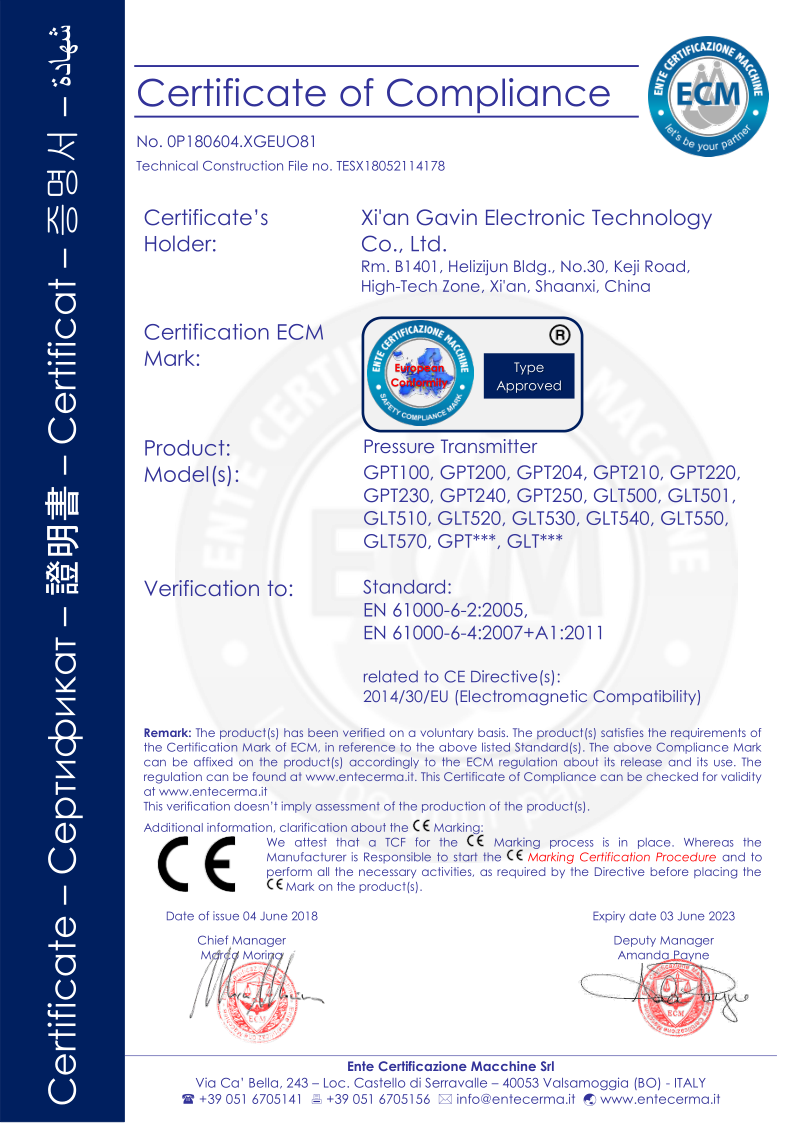
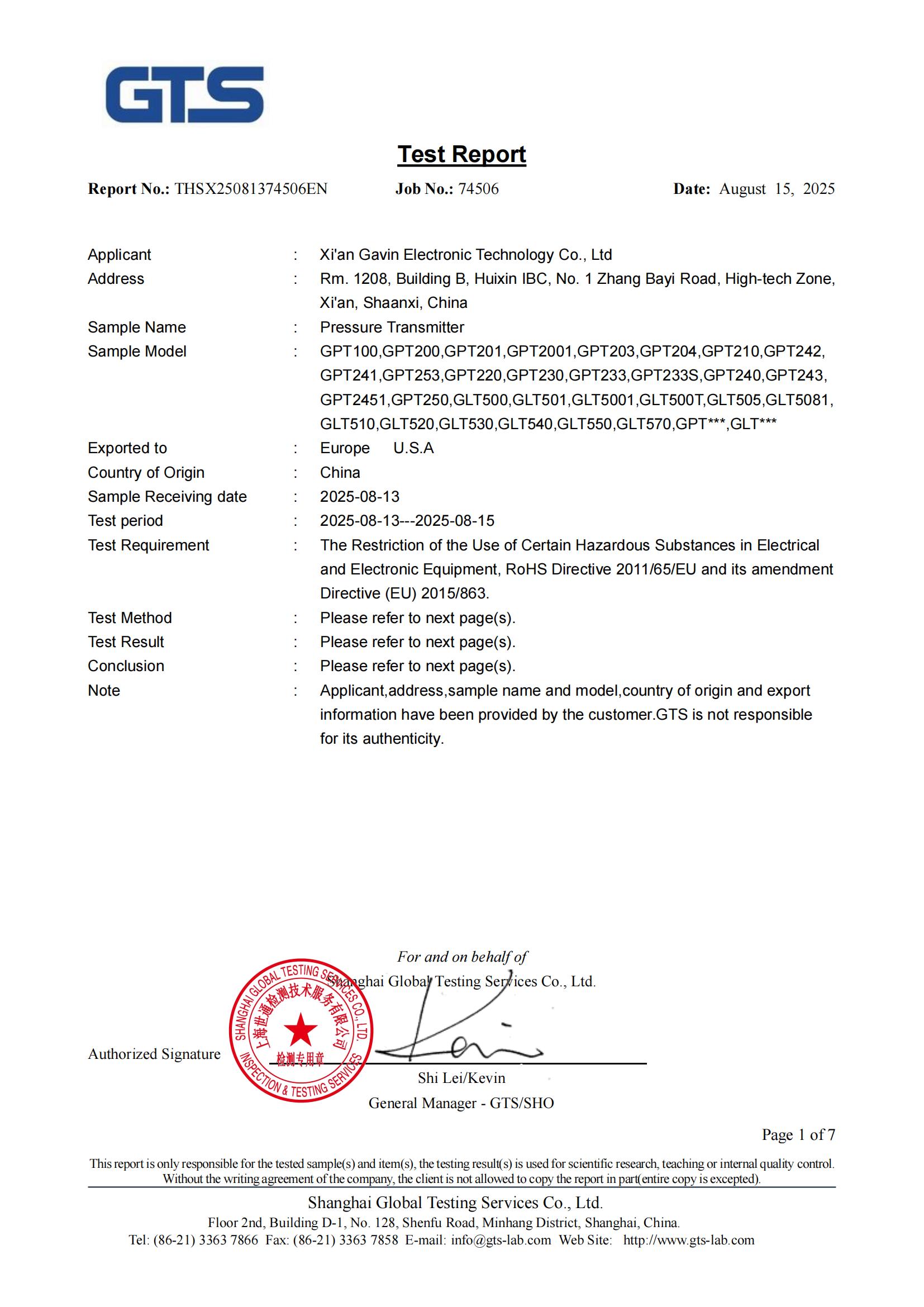
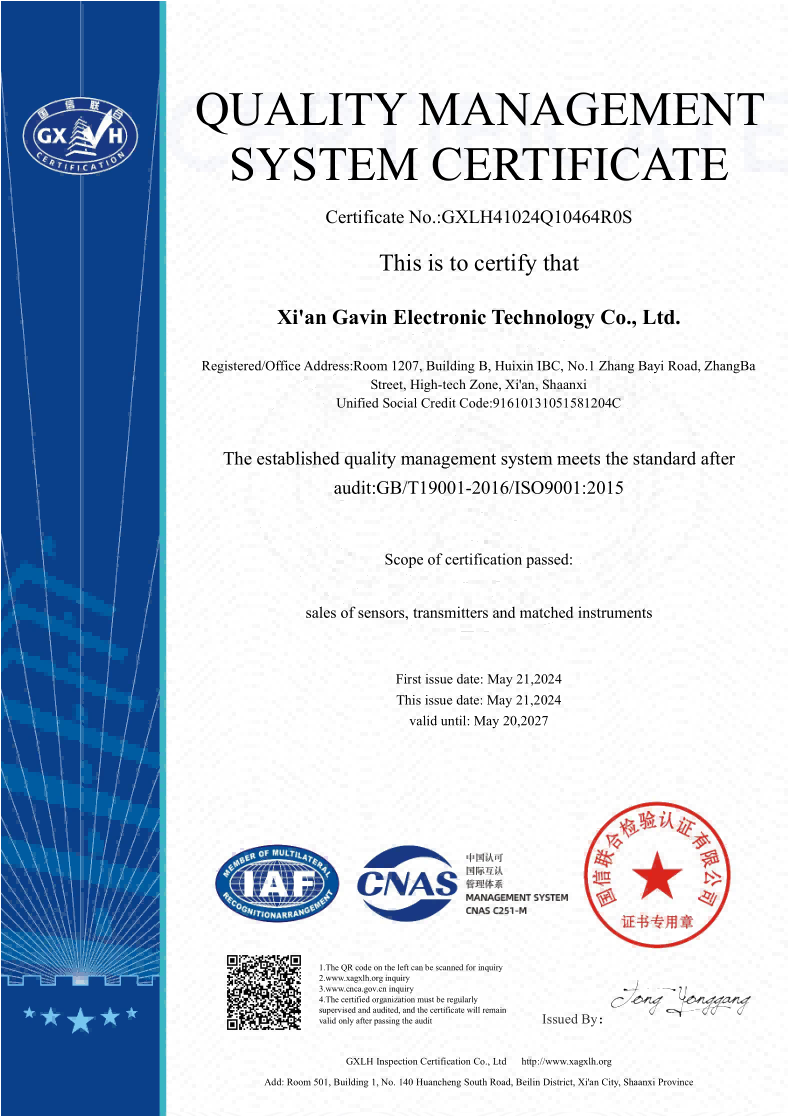
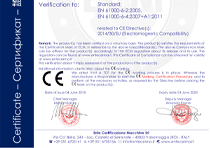
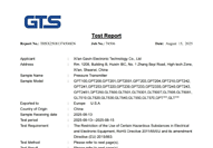
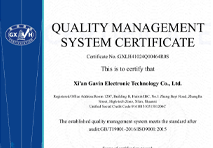
Quality standards like CE, RoHS, and ISO compliance make sure that products are reliable and follow the rules in all places around the world. Different areas and uses have different international certification requirements. For multinational buying plans to work, suppliers must be able to meet these requirements.

Troubleshooting and Optimizing Level Transmitter Performance
Common Performance Challenges
For industrial uses, using effective repair methods is key to keeping transmitters accurate and extending their useful lives. Signal interference, fake echo generation, and environmental factors that can lower measuring quality over time are all common problems. Knowing about these problems lets you plan repair ahead of time so that operations are interrupted as little as possible.
Radar level transmitter can get messed up by close electronics or metal buildings that reflect signals in a way that isn't wanted. These problems can be solved with advanced signal processing methods and the right filtering techniques, which also keep the accuracy of the measurements. To avoid false sounds from inside the tank, it is important to carefully place the antenna and adjust the beam angle during installation.
Acoustic disturbance and environmental sensitivity are two problems that only ultrasonic devices have to deal with. Stratification of temperatures inside tanks can cause audio lensing effects that change the way signals travel. Acoustic signals can be greatly weakened by condensation on sensor surfaces, so they need to be cleaned and maintained regularly.
Optimization Best Practices
The performance and dependability of both radar and ultrasound technologies are greatly improved by following the right installation procedures. placement an antenna or transducer in a way that reduces interference from inside the tank and maximizes signal strength is called strategic placement. Checking the state of the tanks finds possible sources of interference and lets you fix them before the system is put into service.
Sensor drift and rust, which lower measurement accuracy, can be avoided by following regular maintenance plans that include checking the calibration and cleaning the sensors. Environmental tracking should be a part of preventive maintenance plans to find problems that could affect long-term performance. Keeping records of maintenance tasks lets you look for patterns and plan ahead for repair needs.
Procedures for calibration must take into account the properties and working conditions of the media. Using known reference values to calibrate multiple points makes sure that the measurements are accurate across the whole range. As working conditions change over time, environmental compensation factors need to be checked on a regular basis to keep them accurate.
Conclusion
Before choosing between radar and ultrasonic level transmitters, you need to carefully think about the needs of the application, the surroundings, and your long-term operating goals. Radar technology performs better in tough settings because it is more accurate, has a longer range, and needs less upkeep. When the air pressure is managed, ultrasonic devices are a cost-effective way to work with clean liquids.
Modern radar level transmitter designs, especially more advanced 80GHz FMCW systems, offer a high level of accuracy and dependability that makes higher initial investments worthwhile because they lower running costs and improve process control. The technology can work with a wide range of media types and doesn't get damaged by the environment, so it can be used in hard industrial settings where accurate measurements are important for safety and making money.
FAQ
Q1: What are the main differences between radar and ultrasonic level transmitters?
A: Ultrasonic transmitters use sound waves that can be influenced by the weather, while radar transmitters use electromagnetic waves that can pass through air, dust, and foam. In harsh settings, radar technology is more accurate and reliable, while ultrasound systems are more cost-effective for uses involving clean liquids.
Q2: Which technology provides better accuracy for level measurement?
A: Radar level transmitter technology usually gives better accuracy; more modern systems can measure within ±1mm. The accuracy of radar systems stays the same no matter what the weather is like, but the accuracy of ultrasound systems can change as the temperature, humidity, and air pressure change.
Q3: Can radar level transmitters measure both liquids and solids?
A: Yes, radar technology can accurately measure the amount of both liquid and solid media. The electromagnetic wave reflection concept works with different dielectric values. This makes radar systems useful for a wide range of tasks, such as scanning bulk objects, chemicals, and petroleum products.
Q4: What environmental factors affect ultrasonic level transmitters?
A: Ultrasonic transmitters can pick up on changes in temperature, humidity, air pressure, and the make-up of the atmosphere. Acoustic sounds can be absorbed or deflected by dust, mist, and foam, which could make measurements less accurate and reliable.
Q5: Which technology requires less maintenance?
A: Radar systems usually need less care because they don't need to be touched and can handle changes in their surroundings. To keep working well, ultrasonic transmitters need to be serviced more often. This includes calibrating the temperature monitor, cleaning the transducer, and checking the acoustic path.
Q6: How do installation requirements differ between these technologies?
A: Radar transmitters can be installed in a wider range of places and don't need as much natural care. For best performance, ultrasonic systems need to be carefully placed to avoid acoustic obstacles, may need temperature compensation tools, and need to make sure that signal lines are clear.
Partner with GAMICOS for Advanced Level Measurement Solutions
GAMICOS stands as your trusted radar level transmitter manufacturer, delivering cutting-edge measurement technologies that excel in demanding industrial environments. Our GLT74 series 80GHz radar level meters represent the pinnacle of FMCW technology, providing ultra-high accuracy up to ±1mm with exceptional anti-interference capabilities. With extensive experience serving clients across 98 countries, we understand the unique challenges facing global industrial operations and deliver customized solutions that optimize process reliability and operational efficiency. Contact our expert engineering team at info@gamicos.com for comprehensive technical consultations and competitive bulk procurement quotations tailored to your specific measurement requirements.
References
1. Smith, J.R., et al. "Comparative Analysis of Non-Contact Level Measurement Technologies in Industrial Applications." Journal of Industrial Automation, 2023.
2. Anderson, M.K. "Electromagnetic Wave Propagation in Level Measurement Systems: Performance Evaluation and Optimization Strategies." Process Control Engineering Review, 2023.
3. Thompson, L.D., and Chen, W. "FMCW Radar Technology Advancements in Industrial Level Sensing Applications." International Conference on Industrial Instrumentation, 2022.
4. Williams, R.P., et al. "Environmental Impact Assessment of Ultrasonic and Radar Level Transmitters in Chemical Processing Facilities." Chemical Engineering Technology Journal, 2023.
5. Martinez, C.A. "Cost-Benefit Analysis of Advanced Level Measurement Technologies: A Procurement Perspective." Industrial Procurement Quarterly, 2023.
6. Davis, K.M., and Rodriguez, F.J. "Installation and Maintenance Best Practices for Non-Contact Level Measurement Systems." Instrumentation and Control Engineering, 2022.

Ivy
Ivy, product consultant, has focused on sensor consultation for ten years, is proficient in providing pressure and level measurement solutions for customers.
We're here to help — submit your request anytime!
Let us know how we can help solve your pressure level measurement challenge.
_1757930850792.jpg)
Recommended Blog
How Does an Ultrasonic Level Gauge Work in Tank Systems?
How Does an Ultrasonic Level Gauge Work in Tank Systems?
Radar Level Transmitter for Lake Level Monitoring Projects
Radar Level Transmitter for Lake Level Monitoring Projects