Fuel Tank Sensor vs Fuel Meter: What’s the Difference?
Understanding Fuel Tank Sensors and Fuel Meters — General Overview
- Understanding Fuel Tank Sensors and Fuel Meters — General Overview
- Key Comparison Dimensions: Fuel Tank Sensor vs Fuel Meter
- How to Choose Between Fuel Tank Sensors and Fuel Meters for Your Business Needs
- Innovations and Future Trends in Fuel Measurement Technologies
- Practical Guide: Fuel Tank Sensor Installation and Troubleshooting
- Conclusion
- FAQ
- Request Consultation from Your Trusted Fuel Tank Sensor Manufacturer
- References
You need accurate tracking tools to keep an eye on fuel resources in factories, on ships, or in oil storage facilities. The main difference is what they do: a fuel tank sensor actively measures and sends real-time data about the fuel level through electrical signals, while a fuel meter shows this data, either on a simple gauge or as a digital screen. Tank-level sensors measure the amount of fuel in the tank by turning it into electrical signals.
Meters, on the other hand, are mostly used for showing information. When buying managers understand this connection, they can choose full fuel tracking systems that work well with automation platforms and provide accuracy and dependability. This difference has a direct effect on the choice of tools, the difficulty of installation, and the long-term efficiency of operations.
Understanding Fuel Tank Sensors and Fuel Meters — General Overview
What Exactly Is a Fuel Tank Sensor?
Fuel tank sensors are the measuring parts of any system that keeps an eye on fuel. These gadgets use different physical principles to figure out how much fuel is in storage tanks. Pressure-based monitors measure the hydrostatic head that liquid fuel creates and turn it into an equal amount of electricity. Capacitive versions can tell when the insulating properties change because the fuel level changes. Using time-of-flight to figure out distance, ultrasonic devices send out sound waves that bounce off of fuel surfaces. Submersible pressure monitors are being used more and more in marine uses because they can keep monitoring even when the vessel is moving or the environment is rough.
The GAMICOS GLT5001 is a current example of a sensor because it uses silicon piezoresistive technology and can automatically adjust to different temperatures. This gadget accurately measures diesel levels in temperatures ranging from -40°C to 85°C, thanks to digital adjustment circuits that can be programmed. It is fully welded and has an IP68 rating, which means it can be used in harsh settings like offshore platforms and remote fuel stores where water would damage less durable equipment.

The Role of Fuel Meters in Measurement Systems
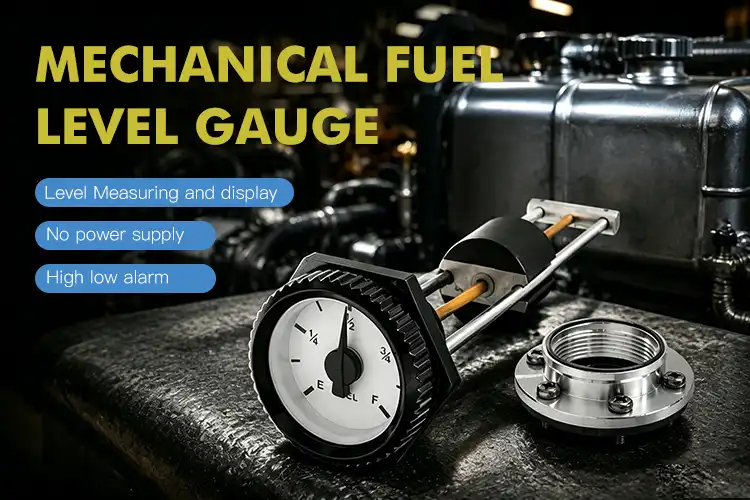
Fuel meters are the link between people and machines because they turn sensor data into forms that computers can read. For simple visual references, analog gauges don't need screens that use a lot of power. Instead, they use needle indicators that are powered by electrical data from sensors. Digital meters use microcontrollers to handle sensor data and show numbers on LCD or LED screens. Advanced meters with technology can connect to fleet management software, which lets you watch fuel usage across multiple vehicles from afar.
Meters don't actually measure; they just read and show the data that sensors send them. This separation of functions lets system makers match the complexity of the display to the needs of the task. For simple tasks, a simple mechanical gauge is all that's needed. But for industrial automation, meters with protocol outputs like Modbus RTU or 4-20mA signals are needed so they can work with SCADA systems.
Measurement Principles and System Architecture
Knowing how these parts work together makes it easier to make decisions about buying. Submersible sensors put in the bottoms of tanks constantly check the hydraulic pressure, which is directly related to the amount of fuel in the tank. Meters can read and understand the standard signs that these sensors send out, which are usually 4-20mA current loops or voltage bands. In more advanced setups, sensors are linked to programmable logic computers that handle multiple tanks at the same time and sound alarms when levels drop below certain levels.
When measuring fuel, temperature correction is very important. Diesel and gasoline levels change in ways that don't seem to have anything to do with how much is being used. Good sensors have thermistors or RTD parts that use math to keep their accuracy even when temperatures change with the seasons. The GLT5001's automatic adjustment makes sure that measurements are always the same, whether it's placed in a fuel storage tank in the tropics or a mobile tank in the north.
Key Comparison Dimensions: Fuel Tank Sensor vs Fuel Meter
Accuracy and Precision Requirements
Professional-grade fuel tank sensors are different from consumer-level gauges in how accurately they measure. For keeping track of supplies and following the rules, industrial fuel management needs accuracy that is usually within 0.5% of full scale. These things are possible with pressure-based monitors like the GLT5001 because they are carefully calibrated and can adapt to their surroundings. On the other hand, basic float-type meters may show a difference of ±3%, which is fine for fuel gauges in cars but not good enough for tracking bulk storage, where measurement mistakes can lead to big financial problems.
Without proper placement and upkeep, accuracy goes down. Readings from sensors that are placed on rough surfaces or in areas with a lot of movement are not always accurate. We suggest that a professional calibrate the system during commissioning, using known fuel amounts as a standard. This process takes into account the shape of the tank, where the sensors are placed, and the specifics of the fuel level.
Environmental Resilience and Durability
The conditions of operating settings are very strict. Equipment used for marine fuel tracking is exposed to saltwater spray, steady vibration, and changes in temperature. The GLT5001 solves these problems with its fully welded stainless steel construction and ATEX explosion-proof approval. This means it can be used in dangerous areas where high levels of fuel fumes need intrinsic safety.
How long a sensor lasts depends on how well its materials react with the fluids being recorded. Different types of diesel, gasoline, and fuel liquids are corrosive in different ways. Elastomer seals must not break down when fuel additives are added and must stay flexible at all temperatures. IP68 protection makes sure that submerged sensors can handle ongoing diving pressures without leaking. This is very important in situations where a sensor failure could shut down operations or pose a safety risk.
Connectivity and Integration Capabilities
Data connection is becoming more and more important for modern fuel control. Simple voltage or current signs that can be read by local meters are sent out by analog devices. Digital sensors have microprocessors that give them intelligence through standards like RS485, CAN bus, or wireless choices like 4G and LoRa. With this connection, engineering teams can do online diagnostics and check on the health of sensors from central control rooms, figuring out what repairs are needed before they happen.
Integration with current automation systems affects the choices that are made about what to buy. When OEM clients need sensors for making equipment, they want them to have small form factors and output signs that can be changed. Sensors that work with old meters and control systems are needed for retrofit jobs in buildings that are still being used. GAMICOS's GLT5001 platform has a number of different output options that can be used for both types of situations. This means that customers don't have to keep track of multiple part numbers for applications that do the same thing.
Maintenance and Lifecycle Costs
The total cost of ownership is more than just the price of the car itself. Frequent recalibration of sensors raises running costs through labor and downtime. During production, the GLT5001 goes through testing for rapid aging, pressure cycling, and environmental simulations. This makes it reliable so that it doesn't need as much service in the field. Different kinds of magnetic suction bases make it easy to set up and move them in mobile tank uses without having to make lasting changes to the mounting.
Maintenance times depend on how bad the application is. In controlled settings, fuel storage tanks may need to be checked once a year. On the other hand, mobile equipment used in building or marine service should be checked every six months. Access to expert support affects uptime. GAMICOS offers detailed documentation and quick help through info@gamicos.com, so customers can quickly solve installation questions and operating problems.
How to Choose Between Fuel Tank Sensors and Fuel Meters for Your Business Needs
Application Context and Operational Requirements
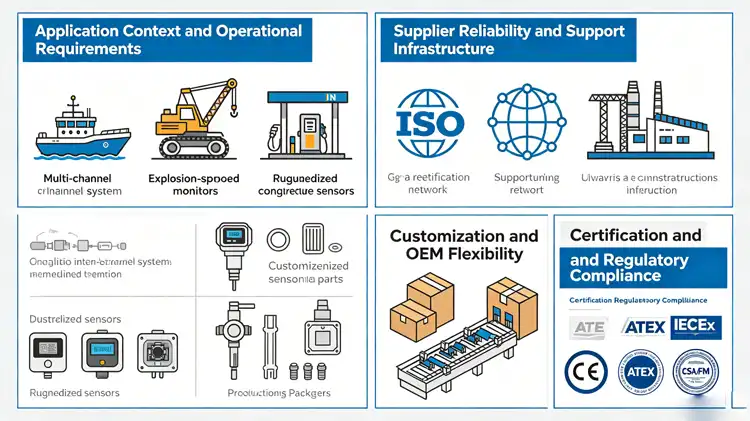
Clear application knowledge is the first step in making procurement choices. Marine boats that need to keep an eye on diesel, freshwater, ballast, and sewage tanks need multi-channel systems with centralized screens. Gas shops need monitors that can't be broken into, are rated to be explosion-proof, and can connect to inventory management systems. Ruggedized sensors that can be mounted magnetically work well on mobile equipment like building equipment. This makes it possible to move sensors from one asset to another as teams change.
Accuracy needs vary by application. For fiscal measurement of control transfers, legal-for-trade approval with traceable calibration is needed. Repeatability is more important than total accuracy in process control applications, which need consistent numbers to automate pumps and set off alarms. By knowing these differences, you can avoid over-specifying tools or settling for performance that isn't up to par.
Supplier Reliability and Support Infrastructure
In corporate procurement, having long-term ties with suppliers is important. Manufacturers with well-established quality systems make regular goods, which cuts down on the need for new inspections and problems with compatibility when orders are placed again and again. GAMICOS uses ISO-certified production methods to make sure that every GLT5001 sensor meets the same standards, no matter what batch it comes from. This stability is very important for OEM clients who are putting fuel tank sensors into made goods because different sensors can void warranties.
The success of a project depends on how easy it is to get technical help. Unexpected problems arise during installations, such as problems with the geometry of the tanks, electricity interference, or protocol mismatches. Suppliers who offer help with apps engineering help solve these problems quickly. GAMICOS helps customers in more than 100 countries by offering documentation in many languages and keeping reaction standards that work with different time zones.
Customization and OEM Flexibility
Standard store items can be used for many things, but sometimes they need to be customized to fit special needs. OEM clients might need different cable lengths, special electrical plugs, or their own brand names on the cables. Sensors that are set up for specific measurement ranges or output qualities are useful for distributors that serve niche markets. GAMICOS offers OEM and ODM services that are flexible. They can change models, parameters, packaging, and paperwork to fit the needs of their customers while still meeting approved quality standards.
Things to think about when buying in bulk are scale price, managing inventory, and making sure there is a steady supply. When demand goes up, suppliers with strong production ability avoid problems with distribution. When companies make long-term deals, they get stable prices and first-class service. GAMICOS keeps enough production capacity to handle both big industrial projects and ongoing programs to restock distributors.
Certification and Regulatory Compliance
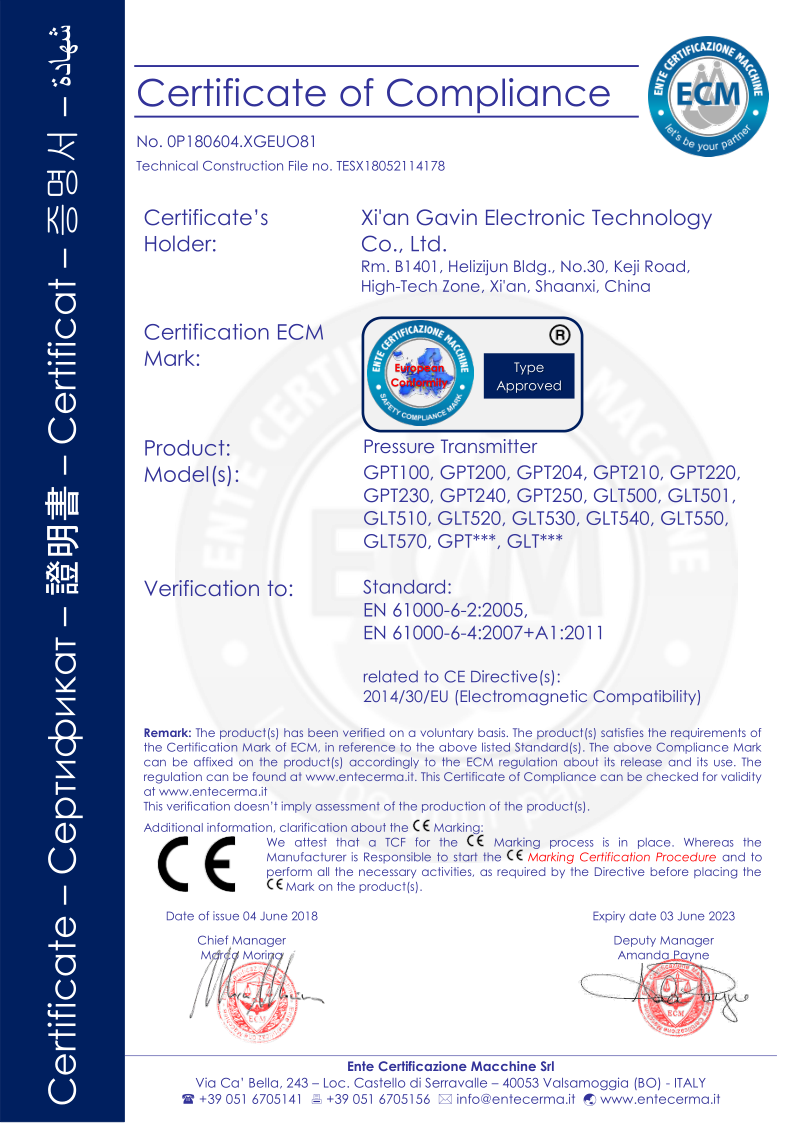
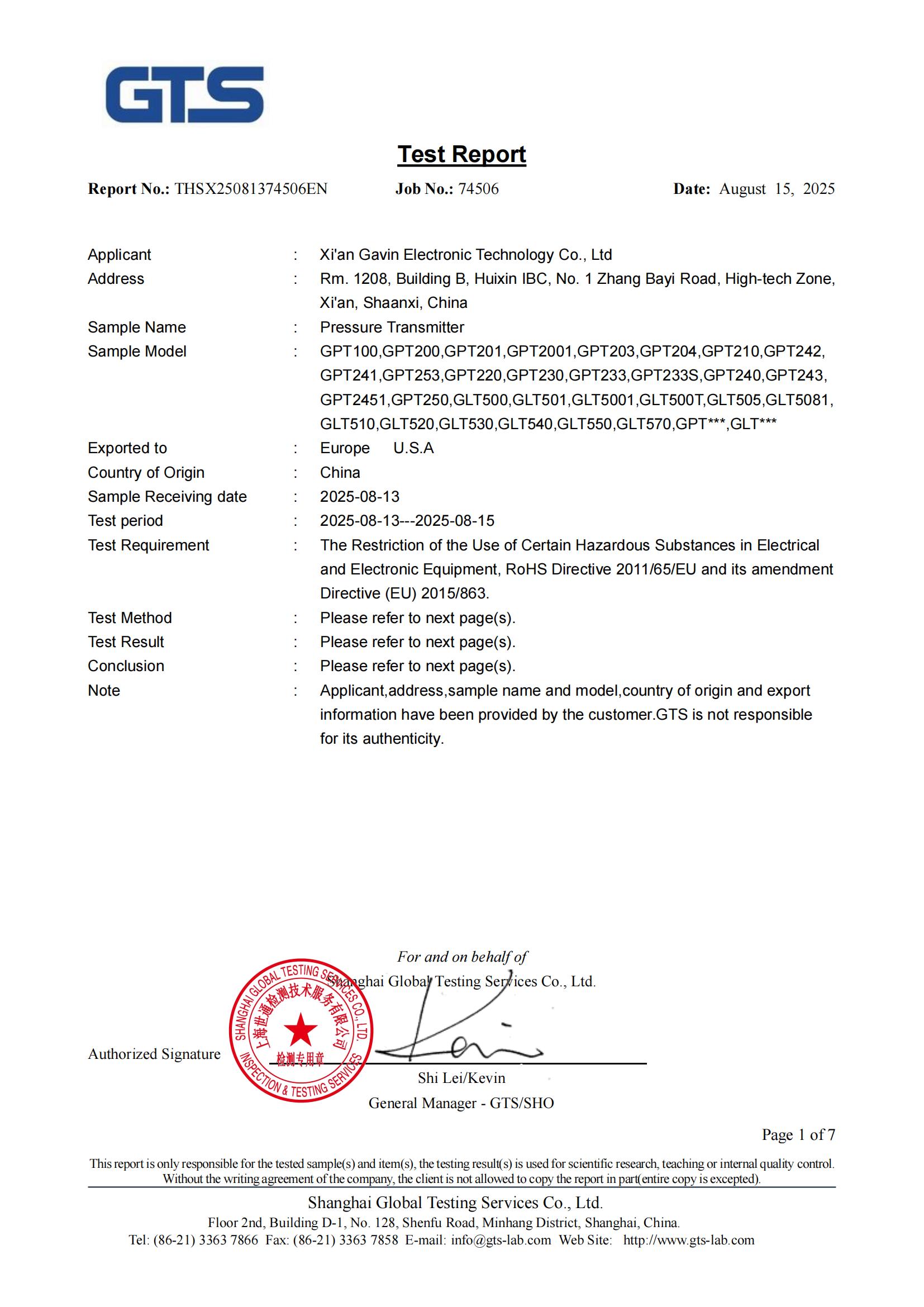
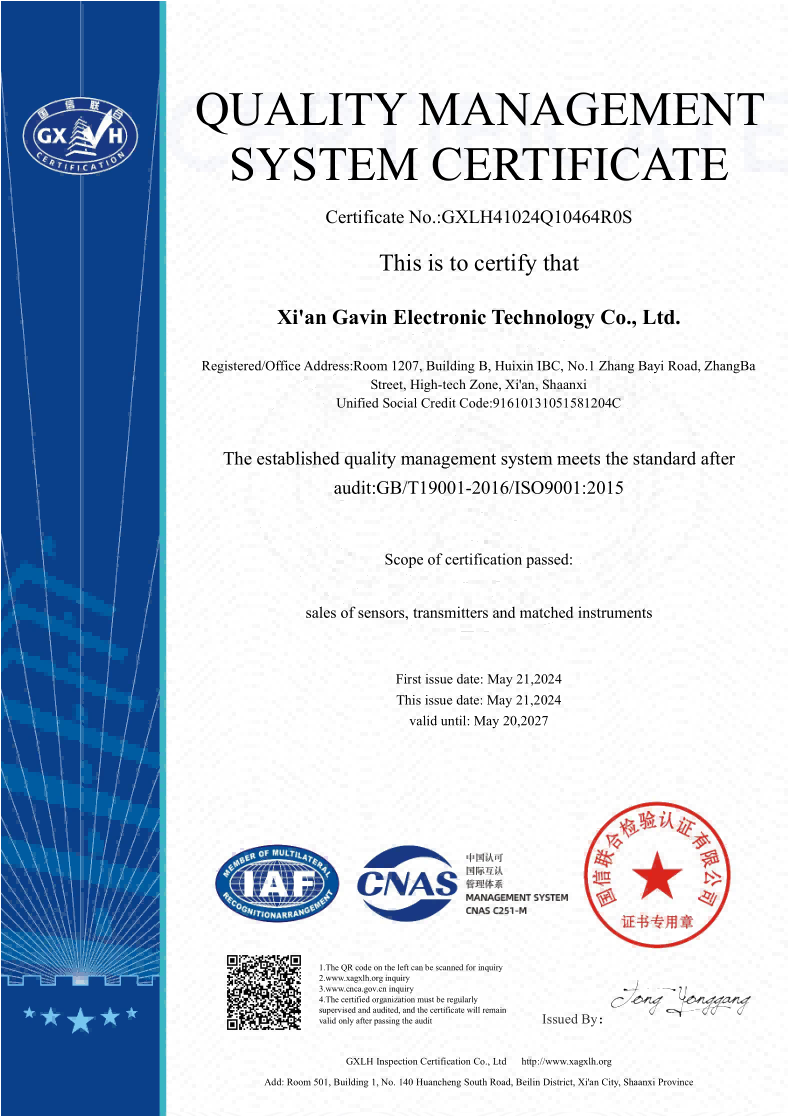
Different international markets have different licensing needs. In Europe, installations need to be marked with the CE mark. In North America, projects may need CSA or FM approvals. And in dangerous areas, installations need to be certified by ATEX or IECEx. The GLT5001 is certified as explosion-proof, follows CE and RoHS rules, and makes purchasing easier for international projects where using a single product base cuts down on engineering complexity and extra parts inventory.
It's important that the certification is real. We've seen fake compliance marks on imported monitors, which puts end users at risk of being sued. Checking the validity of certifications through maker paperwork and third-party lists keeps you safe from equipment that doesn't follow the rules. GAMICOS makes it possible to track certificates and encourages customers to ask for proof, which boosts their trust in regulatory compliance.
Innovations and Future Trends in Fuel Measurement Technologies
Wireless Connectivity and IoT Integration
Fuel control goes from being reactive to being proactive with wireless sensor networks. LoRa sensors can send data over many kilometers without using cellular networks. This makes them perfect for storing fuel in rural areas in fields or mining. Different types of NB-IoT use current phone networks to connect spread assets around the world. These technologies get rid of the costs of installing cable runs, which is especially helpful in repair situations where actual wiring isn't possible.
Cloud-based analytics use streams of sensor data to find patterns. Machine learning systems look for trends in how things are used and find outliers that could mean theft, leakage, or a problem with the equipment. Predictive models can figure out when refueling is needed, which improves management and keeps operations from being interrupted by running out of fuel. Early users say that better product management and theft prevention cut fuel costs by 15 to 20 percent.
Smart Calibration and Self-Diagnostics
Advanced fuel tank sensors have troubleshooting features that let them keep an eye on their own performance and let workers know when it starts to slip before it affects operations. Temperature drift detection, signal integrity verification, and comparisons with previous baselines let you know early on when repair is needed. By switching from reactive fixes to planned interventions, these features cut down on unexpected downtime.
Digital correction methods make measurements more accurate without having to make a lot of complicated mechanical changes. The GLT5001 uses customizable circuit correction to store multi-point calibration data that makes the sensor output linear over the measurement range. This method fixes problems caused by non-ideal behaviors in sensing elements and flaws in the tank's shape, making it more accurate than devices that only rely on mechanical precision.
Integration with Energy Management Systems
More and more, measuring fuel is being used as part of larger energy management projects. Industrial sites that keep an eye on how much diesel engine fuel is used can compare fuel use to how efficiently electricity is produced, which helps them find ways to improve things. When transportation companies compare fuel data to IoT inputs, they can find the best routes, cut down on idle time, and make their fleets more productive. With these combined methods, measuring fuel goes from being just a matter of keeping track of inventory to giving strategic tactical information.
Implementations in the real world show real gains. A European transport company cut its fuel use by 12% by putting pressure-based sensors in all of its vehicles and using data analytics to find cars and drivers that were not using fuel efficiently. A petroleum distributor stopped $45,000 worth of fuel theft every year by installing wireless tracking on remote storage tanks. They were then notified whenever the levels dropped outside of transport times.
Practical Guide: Fuel Tank Sensor Installation and Troubleshooting
Preparation and Site Assessment
A careful site inspection is the first step to a successful installation. Check the size of the tank, how easy it is to get to the mounting position, and the availability of an electrical source. Find possible sources of interference, like motors, pumps, and radio emitters, that could change sensor readings. Check the fuel specs to make sure the sensor material works with the fuel. This is especially important for alternative fuels or goods that have been treated with additives that can damage normal elastomers.
Get all the tools and supplies you'll need before you start working. The right wrenches, sealant materials, measuring tools, and safety gear should all be in installation boxes. For underwater sensors like the GLT5001, make sure that the lifting tools can safely handle the weight of the sensor when it is put into deep tanks. Schedule setups for times when fuel levels are low to keep hydrostatic pressure on connections to a minimum and give time for proper seal testing before refueling.
Mounting and Wiring Procedures
Where the mount is placed has a big effect on how accurate the measurements are. Move the sensors away from the fill pipes and outlet lines, which are places where turbulent flow causes short-term changes in the level. Avoid tank corners, where low-level fuel may not be able to reach and cause the tank to show as empty before it is. The magnetic suction base version of the GLT5001 makes placement easier in mobile tanks by letting adjustments be made in the field without making any lasting changes.
Long-term dependability depends on how the wires are connected. In places with a lot of electrical noise, use shielded wire with a grounding cover on one end to avoid ground loops. Keep away from power lines to keep electromagnetic radiation to a minimum. Terminal connections need the right amount of torque. Not tightening enough leads to contacts that don't work all the time, while overtightening ruins the threads. When you connect things outside, use dielectric grease to keep wetness out, which can cause rust and signal loss.
Calibration and Commissioning
Accurate measurement standards are set during the initial testing. Fill the tank to a given level and record the output of the sensor at several places across the measurement range. Check readings against estimated values based on the shape of the tank, and change the sensor settings or meter scales to get the accuracy you need. Stabilizing the temperature is very important. Let the fuel cool down evenly before getting readings for calibration, because temperature stratification changes the density of the fuel, which affects measurements based on pressure.
During commissioning, the alarm setpoints, output signal ranges, and connection methods are tested to make sure they work. Check the high and low level alarms by slowly adding or removing fuel and making sure they go off at the right time. Check that the scaling of the analog output fits what the receiving equipment expects. For example, a 4-20mA sensor that produces 12mA at 50% level should cause meters to show the middle of the scale. To set standards for the system, protocol-based systems need parameter setup that matches sensor names and communication settings.
Common Issues and Troubleshooting
Rather than fuel tank sensor problems, wrong results are often caused by mistakes in the installation. Make sure the direction of the mounting matches what the maker recommends. For example, some sensors need to be installed vertically in order to work properly. If you look closely, you might find air bubbles under the sensor diaphragms. These bubbles will contract under pressure and give you wrong data. If temperature compensation fails, it could mean that the thermistor elements are broken or that the setup values are wrong.
There may be problems with the wires or electrical interference if the signs come and go. Check the wire route for damage caused by sharp edges, pinch points, or being exposed to too much heat. To find out where the insulation broke, measure the resistance between the wires and to ground and compare it to the specs. Adding filter capacitors to the sensor connections may stop interference in places with a lot of electrical noise where normal protection doesn't work.
Over time, sensor shift means they need to be re-calibrated or replaced. Even though the GLT5001's silicon piezoresistive technology is very stable over time, it may age faster in harsh environments or if it is exposed to chemicals. Document standard performance during commissioning so that workers can use numbers to figure out what's wrong when they have doubts about its accuracy. Comparative readings with certified portable tools allow for confirmation without having to empty the tank.
Conclusion
By telling the difference between fuel tank sensors and meters, you can see how they work together in full fuel management systems. Sensors are what make measurements possible. They use tried-and-true technologies like pressure, capacitance, or ultrasonics to turn real fuel levels into electrical signs. Meters are what connects everything. They show data in a variety of ways, from simple analog gauges to complex digital screens with built-in communication methods.
To be successful with procurement, these parts must be matched to the needs of the application, taking into account things like accuracy standards, the surroundings, the ability to integrate, and supplier support. Modern sensors, like the GAMICOS GLT5001, can measure accurately, work in harsh environments, and give off a variety of outputs, making them useful in a wide range of industrial, naval, and mobile settings. By carefully choosing the right equipment and making sure it is installed and maintained correctly, you can get reliable fuel tracking that improves operating efficiency, stops expensive losses, and makes sure that all global markets follow the rules.
FAQ
Can fuel meters and sensors be used interchangeably?
Fuel tank sensors and fuel meters are two different parts of measurement tools that can't be used together. Sensors actually measure by using physical principles to find out how much fuel is in the tank and sending electrical signs to the computer. Meters show or send this information, but they can't actually measure anything. Both sensors and meters are needed for full systems to work: sensors collect data, and meters control the user interface or connect the system to other systems. Some integrated goods have both functions in one package, which is helpful for simple tasks where limited room calls for small solutions.
What factors most significantly affect sensor accuracy?
Changes in temperature, the location of the placement, and the properties of the fuel mainly affect measurement accuracy. When the temperature changes, the fuel level and the electronics in the sensors change, so they need to be compensated for correct readings. Where the mount is placed affects how much it is exposed to wind, sediment, and changes in the tank's shape. The density, dielectric constant, and viscosity of fuel vary between goods and when it is contaminated, which changes how sensors respond. To reduce these effects, good monitors include temperature compensation, mounting instructions, and a list of fluids that are compatible.
How do I verify compatibility between existing meters and new sensors?
To make sure that two devices work together, their electrical properties and data types must match. Voltage or current bands must be lined up in analog systems. For example, a 0-5V sensor can't power a 4-20mA meter without first converting the signal. Digital systems need to use the same data types, baud rates, and transmission methods. Check the output and input specs of both parts, and talk to the makers if the documentation isn't clear. GAMICOS technical support helps customers check for compatibility and suggest interface options for installations that use products from more than one provider.
Request Consultation from Your Trusted Fuel Tank Sensor Manufacturer
To choose the best fuel measurement options, you need to know a lot about sensor technologies, application settings, and how to integrate the whole system. GAMICOS is an expert at providing high-precision fuel tank sensor systems for tracking ships, automating factories, and storing oil all over the world. Our GLT5001 platform uses the well-known piezoresistive measurement method and comes with a tough design, multiple output options, and full standards (ATEX, CE, RoHS) that make sure it works in all foreign markets.
We offer quick technical help and low bulk prices, no matter if you're an engineering contractor looking for tools for new projects, an OEM client needing customized modules, or a distributor wanting to add more products to their lines. Contact us at info@gamicos.com to talk about your specific needs, get full specs, or get price quotes for large orders of fuel tank sensors that will last for a long time and be reliable.
References
1. Smith, J.R., and Anderson, K.L. (2021). Industrial Fuel Management Systems: Principles and Practice. Technical Publishing House.
2. Maritime Safety Administration. (2020). Guidelines for Liquid Level Monitoring Systems in Marine Applications. International Maritime Standards.
3. Peterson, M.D. (2022). "Advances in Pressure-Based Fuel Sensing Technology." Journal of Industrial Instrumentation, 45(3), 178-192.
4. European Committee for Standardization. (2019). Fuel Storage Tank Instrumentation Requirements - EN 15998. Brussels: CEN Publications.
5. Williams, T.H., and Chen, L. (2023). "IoT Integration in Fuel Monitoring: Case Studies and ROI Analysis." Automation and Control Engineering Review, 38(2), 56-74.
6. International Organization of Legal Metrology. (2018). OIML R 85: Automatic Level Gauges for Measuring the Level of Liquid in Fixed Storage Tanks. Paris: OIML Publications.

Spring
Spring, With 5 years of experience in sensor technology and product development, Mark specializes in helping clients identify the optimal pressure and level sensor solutions for demanding industrial environments。
We're here to help — submit your request anytime!
Let us know how we can help solve your pressure level measurement challenge.
_1757930850792.jpg)
Recommended Blog
How Does a Fuel Level Sending Unit Improve Gauge Accuracy?
How Does a Fuel Level Sending Unit Improve Gauge Accuracy?
How Does a Fuel Level Sending Unit Improve Gauge Accuracy?
How Diesel Level Sensors Improve Accuracy in Fuel Tank Monitoring