Wireless Level Transmitter for Agriculture: A Complete Guide
What is a Wireless Level Transmitter and How Does It Work in Agriculture?
- What is a Wireless Level Transmitter and How Does It Work in Agriculture?
- How to Choose the Best Wireless Level Transmitter for Agricultural Applications
- Installation, Maintenance, and Best Practices for Wireless Level Transmitters in Agriculture
- Future Trends and Innovations in Wireless Level Transmitter Technology for Agriculture
- Buying Guide and Procurement Tips for B2B Clients
- Conclusion
- FAQ
- Partner with GAMICOS for Advanced Agricultural Monitoring Solutions
- References
Precision, speed, and accurate data are all important in modern farming, and Wireless Level Transmitter technology does a great job of meeting these needs. With these high-tech measuring tools, farms can keep an eye on water reservoirs, irrigation tanks, chemical storage, and food bins from afar, without having to deal with the hassles of installing and maintaining wired systems. These tools send real-time data wirelessly using protocols like LoRa, GPRS, NB-IoT, and 4G. This lets sourcing managers, engineering teams, and project managers make decisions based on data that cut down on waste, make the best use of resources, and improve operational sustainability in large-scale farming settings.
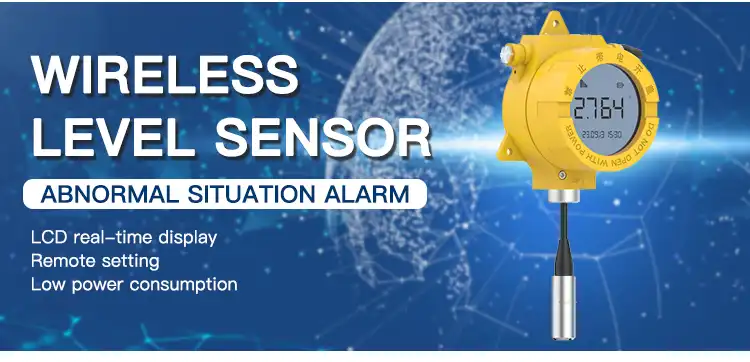
What is a Wireless Level Transmitter and How Does It Work in Agriculture?
Knowing how wireless measurement systems work at their core helps people who work in procurement find solutions that meet the needs of specific farm tracking projects.
Operating Principles of Wireless Measurement Systems
Wireless Level Transmitters use both tracking technology and wireless contact to keep an eye on things all the time without having to connect cables. The sensing element—which could be ultrasound, radar, or capacitive—finds the distance to the solid or liquid surface, turns this distance into an electrical signal, and sends the information to centralized tracking systems or cloud-based platforms through wireless protocols. This design gives you options for where to put sensors, which is especially helpful in large agricultural areas where running wires would be hard to do or too expensive.
Key Sensor Technologies for Agricultural Monitoring
Different sensing technologies have different benefits based on the material and the setting in which it will be used. Ultrasonic level receivers send out sound waves that bounce off of a solid or liquid surface. The time-of-flight readings allow the distance to be calculated. This method works well for water storage tanks and irrigation basins where the water level stays mostly still. Because they use electromagnetic waves, radar level receivers work better in tough conditions like dust, temperature changes, and air, which makes them good for storing grain and fertilizer. Capacitive sensors work well in conductive liquid uses because they can tell when the level changes by changing the amount of electrical capacitance. When engineering managers understand these differences, they can match technology with the needs of an application.
Advantages Over Traditional Wired Systems
Moving monitoring from wired to wireless has real benefits for all farming businesses. Technicians don't have to route cables, install conduit, or place junction boxes, which cuts down on installation time by a large amount. This is especially helpful when watching multiple remote sites on large properties. As wireless systems get better at reducing failure points caused by cord damage from weather, rodents, or mechanical stress, maintenance costs go down. IoT platforms and wireless transmitters work together without any problems. This lets farm management systems collect data from many tracking points, send out automatic alerts, and use predictive repair plans to keep expensive equipment from breaking down or resources running out.
Typical Agricultural Applications
One main use is monitoring water reservoirs, which helps irrigation managers keep track of available water sources and make the best use of distribution plans. Continuous level tracking in chemical storage tanks for fertilizers and pesticides keeps them from overfilling and makes sure there is enough stock for planned applications. Accurate level measurements are needed for grain silo management to keep track of stored amounts, rotate goods, and stop spoilage by acting quickly. Monitoring the drainage system helps keep areas from flooding by keeping an eye on how much water builds up in retention ponds and drainage lines and turning on pumps automatically when certain levels are reached.
How to Choose the Best Wireless Level Transmitter for Agricultural Applications
It is important to carefully consider technical specs, environmental factors, and integration needs when choosing the right measuring tools because they have a direct effect on how well they work and how much they are worth in the long run.
Critical Selection Criteria
Accuracy in measurements is still very important, especially when it comes to managing supplies or following the rules. Agricultural settings have changing conditions like temperature swings, changes in humidity, and buildups of dust that can affect how well sensors work. Look for devices that can adjust to different temperatures and have strong signal processing so that they stay accurate across the normal operating temperature range in your area. Battery life has a direct effect on how often upkeep needs to be done and how much it costs to run a remote release. Devices that can run on batteries for many years cut down on site trips and the work costs that come with them.
Environmental Protection and Durability
In agricultural areas, equipment has to deal with harsh elements like direct sunlight, rain, dust, and changes in temperature. Ingress protection grades of IP65 or higher make sure that sensors can handle dust and rain without losing their effectiveness. The materials used for housing should be able to handle UV light and chemicals used in farming. Hardware for mounting must be able to handle wind loads and mechanical vibrations. When R&D managers look at long-term deployments, they should ask for accelerated aging test results and field performance records that show how reliable the system is across yearly changes.
Wireless Communication Protocols and Range
The choice of communication mode affects the range of transfer, the amount of power used, and the needs for network infrastructure. LoRa technology has a long range—often several kilometers in open farming areas—and uses very little power, which makes it perfect for remote sensors that are driven by batteries. GPRS and 4G cellular systems have better coverage and are easier to connect to current mobile networks. However, they use more power and charge more for data service over time. Precision agriculture is starting to use NB-IoT because it strikes a good mix between range, power efficiency, and data dependability. Managers of automation systems should check to see if the protocols work with the farm management tools and data platforms that are already in place.
Integration with Automation Systems
Seamless data integration gets rid of the need to enter data by hand and lets control replies be automatic. Modern Wireless Level Transmitters are compatible with SCADA systems, farm management tools, and cloud-based data services thanks to standard industrial protocols and APIs. Real-time level data is more useful when it can be used to set warning limits, make automatic reports, and start control actions like turning on irrigation pumps or closing fertilizer valves. When evaluating a seller, you should ask for technical paperwork that lists the supplier's integration skills and support services.
Certifications and Compliance Standards
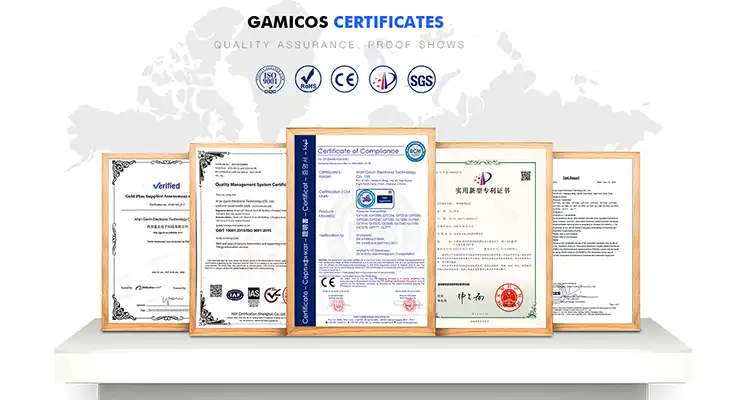
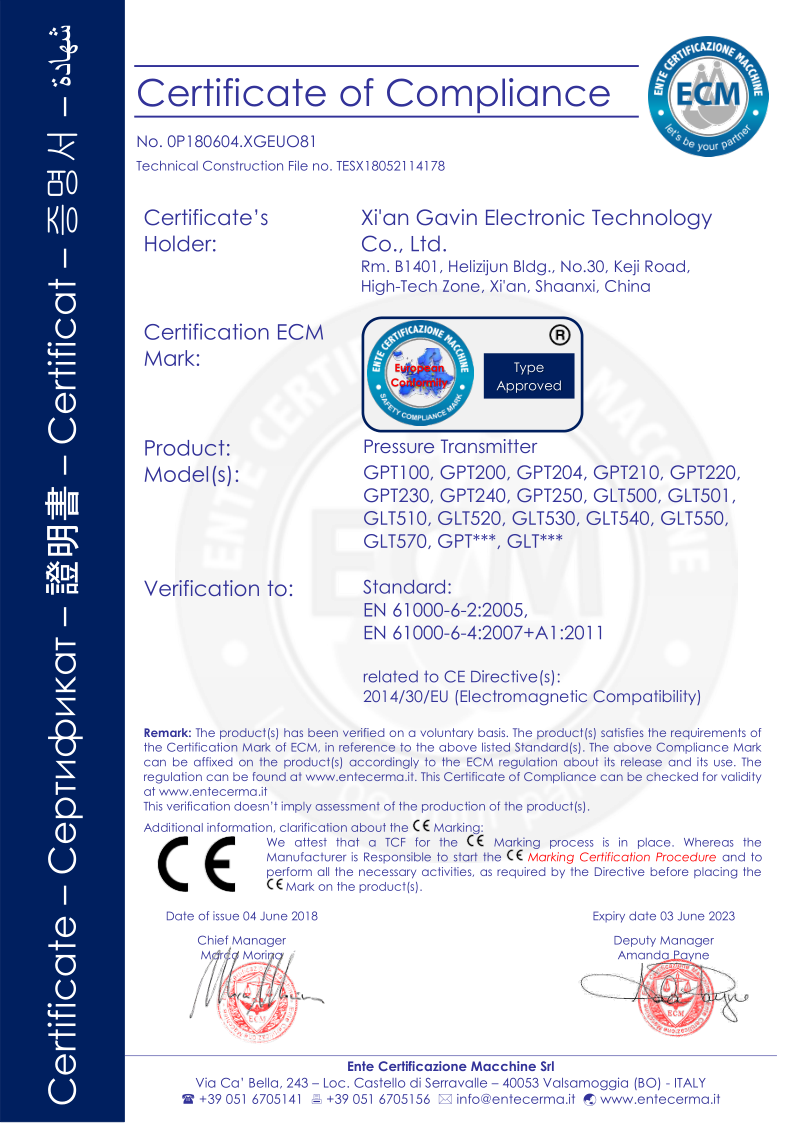
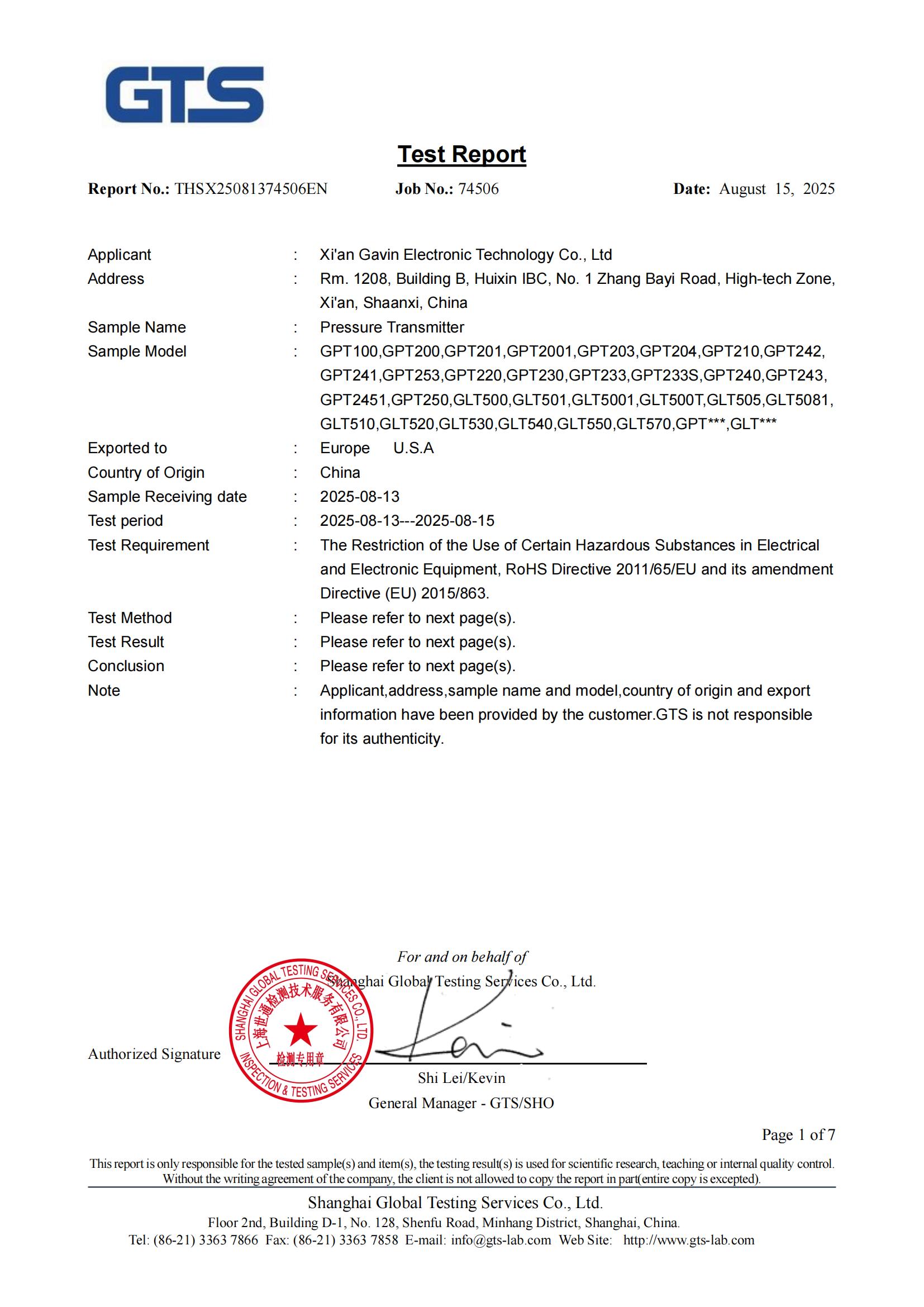
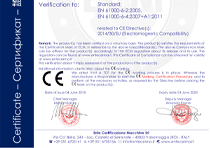
International approvals guarantee the quality of a product and make sure it follows all the rules. The CE mark means that the product meets European safety and electromagnetic compatibility guidelines. FCC approval proves that the product follows U.S. rules for radio communications. RoHS compliance makes sure that rules about dangerous substances are followed. When looking for gadgets to use in other countries, make sure they have the right approvals for those countries. Globally certified goods make it easier for distributors to keep track of supplies and follow regulations, which is especially helpful for distributors that serve more than one area.
Customization Options for Diverse Requirements
In agricultural settings, measuring problems are often unique and need custom answers. With OEM and ODM services, you can change the types of sensors, measurement ranges, transmission ports, mounting options, and housing materials to fit your needs. When project managers set up large-scale tracking networks, they might need custom software, branded enclosures, or special packing. Suppliers with in-house engineering and flexible manufacturing processes can offer options that standard catalog goods can't. This gives wholesalers and system developers that serve niche markets a competitive edge.
Installation, Maintenance, and Best Practices for Wireless Level Transmitters in Agriculture
The best way to get the most out of your investment in measurement systems is to set them up correctly and keep up with their upkeep.
Site Assessment and Planning
A careful site inspection is the first step to a successful installation. Check the size of the tank or silo, where it will be mounted, and any possible obstacles that could get in the way of measures or wireless messages. Think about how easy it will be to do upkeep tasks and change batteries. Check the range of wireless signals by doing site surveys that find possible sources of interference and make sure that the signal strength is strong enough at the places where tracking is planned. Write down information about the surroundings, like temperature ranges, weather exposure, and chemical exposure that could change the choice of sensor and fixing hardware.
Installation Framework
Follow the manufacturer's instructions for mounting sensors to make sure they are properly aligned and securely attached so they don't move when the wind or vibrations hit them. Place sonar sensors so that beam disturbance from the inside of the tank, filling streams, or foam buildup is avoided. Radar monitors need to be able to see through tank walls and other objects inside the tank that could cause false echoes. Once the device is physically installed, it's time to set up wireless communication settings, check the signal strength, and make data transfer plans that balance how often updates happen with battery life. Setting up data endpoints, trying automatic alerts, and making sure that data shows up properly in tracking interfaces are all parts of integrating with farm management systems.
Maintenance Best Practices
Regular maintenance makes sure that measurements are accurate and stretches the life of machinery. Plan regular checks to see if the mounting hardware is still in good shape, the sensors are clean, and the battery voltage is still being tested. Ultrasonic detectors pick up dust and wetness that can lower their performance. To clean the sensor faces properly, follow the manufacturer's instructions and use materials that won't scratch the sensitive surfaces. Checking the strength of the wifi signal on a regular basis can help you find network problems before they cause data gaps. Install firmware updates when makers release new versions that fix speed problems or add new features.
Troubleshooting Common Issues
Data transmission can be slowed down by signal interference from close metal buildings, wireless equipment, or electrical noise sources. During construction, use spectrum detectors to find areas where interference might happen and change the frequencies as needed. The accuracy of measurements is affected by things in the environment. For example, ultrasonic sensors may not work well on foam or rough surfaces, and heavy dust may need to be cleaned more often. Extreme temperatures that are outside of the adjustment range cause measurement drift that needs to be fixed. Keep fixing logs that list problems, their root causes, and the steps that were taken to fix them. This will help the school learn more about the issues and solve them more quickly.
Real-World Performance Example
A large-scale irrigation system that covers 2,000 acres put Wireless Level Transmitters in 15 water holding tanks to replace the time-consuming and error-prone process of measuring by hand every day. The adoption cut the cost of labor by 60% and improved water management by letting people see water levels in real time and setting up automatic alerts to stop reservoirs from running dry. The system made it possible to precisely schedule watering during the growing season, which cut water use by 18% compared to the old manual ways. Using automated data logging helped with legal compliance by providing proof of activities, and data-driven analysis found ways to make things even more efficient.
Future Trends and Innovations in Wireless Level Transmitter Technology for Agriculture
As technology keeps improving, wireless tracking systems' features and benefits keep growing. This gives farming businesses chances to become more competitive by adopting new technologies strategically.
Artificial Intelligence and Predictive Analytics
Machine learning algorithms look at trends in past data, weather forecasts, and crop water needs to make predictions that help managers make smart decisions. AI-powered analytics can find strange patterns of use that point to leaks or broken equipment before they cause big losses. Predictive models can figure out how much irrigation is needed based on weather trends and the stage of growth of the crops. This lets farmers make the best use of their resources and meet their goals for both water saving and crop needs. When looking at long-term technology plans, procurement managers should make it a priority for suppliers to invest in AI skills that get the most value out of measurement data.
Advanced Connectivity Solutions
5G networks and Low Power Wide Area Network (LPWAN) technologies make it easier to watch things wirelessly. 5G lets you use high-bandwidth apps, like video tracking that is combined with level measurement for full building oversight. LPWAN protocols, such as LoRaWAN and Sigfox, make it cheap to connect a lot of sensors to large farming properties where regular cell phone service isn't available or is too expensive. These improvements in connection make it possible for denser sensor networks to collect detailed data that lets precision farming methods increase crops while reducing the use of resources.
Multi-Parameter Monitoring Integration
Sensor fusion uses a single device to measure level, temperature, flow rate, and chemical content, all at the same time. This convergence lowers the cost of installation, makes system design easier, and gives us linked data that lets us do more complex analysis. Knowing how changes in level affect changes in temperature can help you tell the difference between real consumption and thermal growth effects. When you combine flow measurement with level tracking, you can do mass balance calculations that check the integrity of the system and find losses that could mean leaks or illegal use.
Energy Efficiency Improvements
Better power control, energy-efficient wireless protocols, and low-power sensor technologies can make Wireless Level Transmitter batteries last longer. This lowers the frequency of repair and running costs. Using technologies that collect energy from the sun, heat, or vibrations makes it possible for the Wireless Level Transmitter to run continuously without having to change the batteries. These improvements are especially helpful for remote tracking when getting to the spot is hard or costs a lot. Organizations that care about sustainability also gain from less battery trash and a smaller effect on the environment.
Strategic Technology Adoption
When engineering managers and research and development teams work with new providers who are committed to always improving technology, they gain a competitive edge. Working together with makers who have strong research and development programs makes sure that you can get new tools that help you deal with new problems in agriculture. By taking part in beta testing programs, farming businesses can get early access to next-generation technologies. This helps them become leaders in technology while also having a say in how products are made to meet the needs of real-world applications.
Buying Guide and Procurement Tips for B2B Clients
To get the most long-term value from investments in wireless level monitoring, good buying strategies balance technical needs, total cost of ownership, and supplier skills.
Identifying Reliable Suppliers
There are different benefits to using global and area providers. Established foreign makers offer a wide range of products, a lot of specialized information, and a support system that is well-developed and backed by decades of experience in the field. Specialized suppliers that focus on agricultural technology often offer new solutions that are best for farming needs along with quick expert help that knows how to deal with problems that are unique to the sector. Check out suppliers based on their product certifications, customer references from the farming sector, expert support skills, and desire to offer customization services that meet your exact needs.
Bulk Purchasing Considerations
Large-scale operations benefit from negotiated service agreements, bulk prices, and common setups that make managing inventory easier. Make rollout schedules clear so that suppliers can plan their work around them and make sure that shipping times work with installation windows. Talk about how to store extra parts and replacement parts that will help with ongoing upkeep. Long-term supply deals keep prices stable and make sure that buyers get the parts they need first when demand is high or there aren't enough.
Total Cost of Ownership Assessment
The initial buying price is only one part of the total costs over the life of the item. Look at how long batteries last and how much they cost to replace, as well as how often they need to be calibrated, how much software costs, and how much data service costs for devices that are tied to a cell phone network. Long-term costs are affected by warranty terms and service choices in a big way. Full warranties that cover both materials and performance help keep costs down by preventing unexpected breakdowns. Longer service contracts that include regular maintenance and priority technical support help you plan your budget and keep your business running smoothly.
Supplier Engagement Strategies
Ask for product demos so you can see and test the quality of the build, the design of the user interface, and the configuration steps for yourself. Check the technical documentation to see if it is full and easy to understand. Products with good documentation make installation, fixing, and training easier. Case studies that show successful deployments in similar farming settings give confidence and useful information for implementation. Early involvement of providers in project planning can help you use their application engineering knowledge to improve system design and avoid mistakes that will cost a lot of money.
Quality Assurance and Compliance
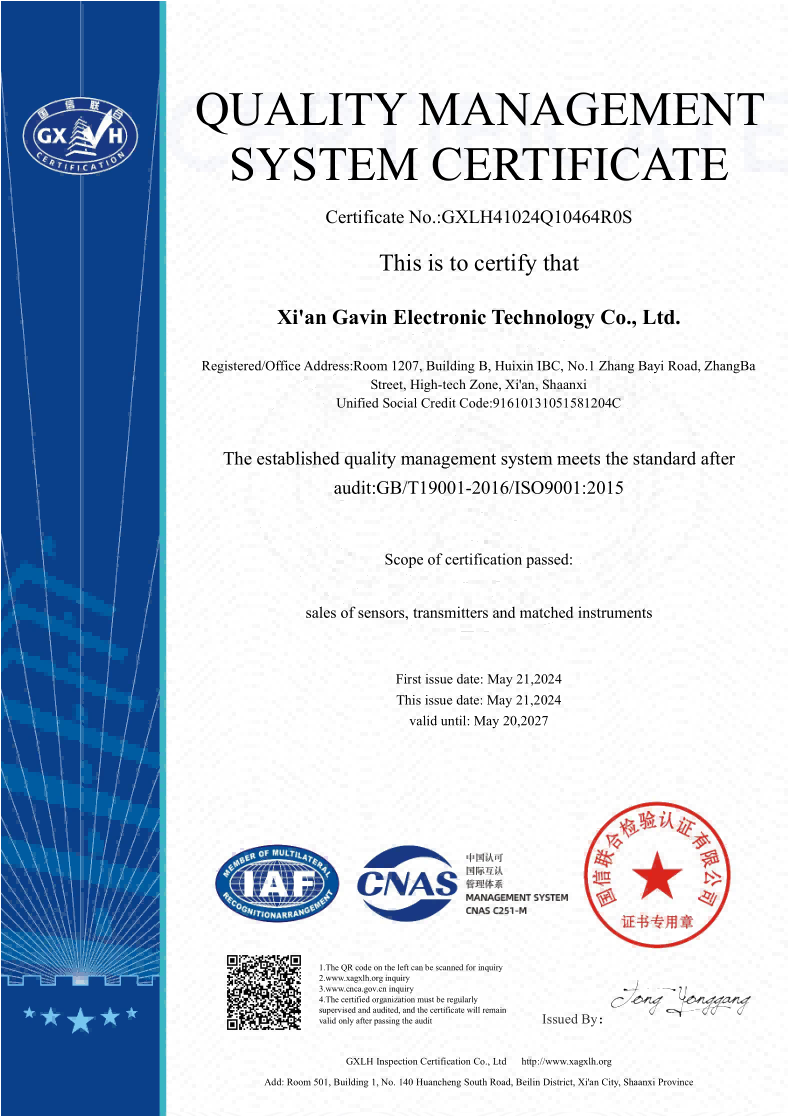
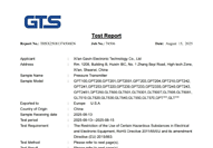
Check to see if your suppliers still have the ISO 9001 quality management approval. This will make sure that the manufacturing methods and products are always the same. Ask for test results from recognized measuring organizations to back up claims of measurement accuracy. Make sure that the goods go through the right environmental testing, such as testing for temperature changes, humidity, and vibrations that are similar to those that happen in farming settings. Documentation that proves agreement with regulations (FCC for U.S. markets and CE for Europe) speeds up the import process and makes sure that the product can legally operate in target markets.
Conclusion
Agricultural operations are changed by Wireless Level Transmitter technology, which provides reliable, real-time tracking that gets rid of the need for complicated equipment and enables data-driven resource management. For execution to go well, sensor technologies, environmental needs, integration skills, and provider standards that match practical needs must all be carefully looked at.
Agricultural operations can improve their efficiency, sustainability, and profits by learning the basics of technology, following best practices for installation, and working with reliable providers who offer customization services and full support. Long-term economic benefits in agricultural markets that are becoming more demanding come from adopting new technologies in a way that makes the most of new capabilities.
FAQ
What measurement range do wireless level transmitters support for agricultural tanks?
The measurement range depends on the type of sensor used and the needs of the application. Ultrasonic receivers can usually tell the difference between 0.3 and 15 meters, which is far enough for most chemical and farming water tanks. Radar receivers have lengths of up to 70 meters, which is long enough to cover big grain silos and bulk storage sites. During talks with suppliers, be clear about the size of the tank, the properties of the material, and any fitting restrictions that may apply. This will help suppliers choose sensors that exactly meet your needs.
How long do batteries last in wireless agricultural monitoring applications?
How long a battery lasts depends on the wireless protocol, communication frequency, environment, and battery size. Modern low-power devices that use LoRa standards and better power control can send data every hour for three to five years. When updates or cellular methods happen more often, the working lifetime drops to one to three years. Solar-powered choices with extra batteries can run continuously in places that get enough sunlight.
Can wireless level transmitters integrate with existing farm management software?
In order to integrate with SCADA systems, farm management platforms, and custom applications, the majority of professional Wireless Level Transmitters support standard communication methods and APIs. Web APIs and pre-built connectors for major farming software packages make it very easy to connect cloud-based solutions to other systems. During the review, go over the technical specs and talk to providers about the integration needs to make sure they will work with the systems you already have.
Partner with GAMICOS for Advanced Agricultural Monitoring Solutions
GAMICOS makes high-precision Wireless Level Transmitter systems that are designed to work in harsh farming settings. Our wide range of products includes 4G, LoRa, GPRS, and NB-IoT wireless receivers with longer battery lives, strong environmental protection, and easy IoT integration that supports modern precision farming. As an experienced maker of Wireless Level Transmitters with customers in over 100 countries, we offer flexible OEM/ODM customization to solve measurement problems that standard products can't.
Our expert support team helps you choose the right products, set up your system, and keep it running smoothly so that you get the most out of your investment in tracking infrastructure. Get in touch with our engineering experts at info@gamicos.com to talk about your farming tracking needs and find out how GAMICOS Wireless Level Transmitter technology can help you improve your operations in a way that you can measure. You can also get full quality assurance and quick support around the world.
References
1. Chen, W., & Thompson, R. (2023). Wireless Sensor Networks in Precision Agriculture: Technologies and Applications. Agricultural Technology Press.
2. Morrison, K. L. (2024). "Level Measurement Technologies for Modern Farming Operations." Journal of Agricultural Engineering, 58(2), 145-162.
3. Patel, S., & Rodriguez, M. (2023). IoT-Based Monitoring Systems for Smart Agriculture. Industrial Automation Publishing.
4. Anderson, J. D. (2024). "Comparative Analysis of Wireless Communication Protocols in Agricultural Environments." Precision Agriculture Quarterly, 19(1), 34-51.
5. Liu, H., Zhang, Y., & Wang, P. (2023). Sensor Technologies for Agricultural Resource Management. Global Agricultural Research Institute.
6. Williams, T. E. (2024). "Best Practices for Wireless Level Monitoring in Irrigation Systems." Agricultural Water Management Review, 41(3), 289-307.

Ivy
Ivy, product consultant, has focused on sensor consultation for ten years, is proficient in providing pressure and level measurement solutions for customers.
We're here to help — submit your request anytime!
Let us know how we can help solve your pressure level measurement challenge.
_1757930850792.jpg)

Recommended Blog
Top Wireless Pressure Sensors for Pipeline Monitoring in Europe
Industrial Wireless Pressure Sensor with App and Remote Alarm
Top Wireless Pressure Sensors for Pipeline Monitoring in Europe
Industrial Wireless Pressure Sensor with App and Remote Alarm
Top Wireless Pressure Sensors for Pipeline Monitoring in Europe
Industrial Wireless Pressure Sensor with App and Remote Alarm
How Submersible Well Level Sensors Optimize Pump Performance
Where to Buy Industrial Wireless Pressure Sensors Globally
Import Guide: Wireless Pressure Sensors for European Markets
How Submersible Well Level Sensors Optimize Pump Performance
Where to Buy Industrial Wireless Pressure Sensors Globally
Import Guide: Wireless Pressure Sensors for European Markets