Limited Budget Selection? Best Value Pressure Sensor Guide
Understanding Cost Effective Pressure Sensors
- Understanding Cost Effective Pressure Sensors
- Comparing Cost Effective Pressure Sensors with High-End Options
- How to Select the Best Cost Effective Pressure Sensor for Your Needs
- Top Cost Effective Pressure Sensors of 2026
- Procurement Guide: Where and How to Buy Cost Effective Pressure Sensors
- Conclusion
- FAQ
- Partner with GAMICOS for Reliable Pressure Measurement Solutions
- References
It's not necessary to spend a lot of money to get a pressure monitor that works well. A cost effective pressure sensor is a good choice for B2B buying teams that are on a tight budget because it offers a good balance of price, accuracy, and life. It's very important to find sensors that work well without asking a lot of money when money is tight but quality can't be sacrificed. Buyers, engineers, and marketers can use this guide to make smart, value-driven decisions. It teaches them how to compare cheap sensor options to more expensive ones and pick the best ones for their business needs.

Understanding Cost Effective Pressure Sensors
What Defines a Cost Effective Pressure Sensor?
A cost effective pressure sensor focuses on the most important measurement functions and leaves out features that make the price go up. Any changes in the pressure of gases or liquids can be picked up by these sensors, which then turn them into electrical signs that systems that track and control them can use. Many pricey sensors use strange or hidden formulas or materials. However, cheap sensors use tried-and-true technologies that keep their accuracy high enough (usually ±0.5% to ±1% full scale), which is good enough for many jobs in industrial automation, HVAC, and fluid management.
Core Operating Principles and Sensor Types
There are pros and cons to each sensing device that depend on the product and how much it costs. If the buying teams know these rules, they can pick tools that work for the business.
Capacitive pressure sensors use differences in capacitance between wires that are separated by a barrier to do their job. The distance between the sensors changes when pressure is put on a diaphragm that can move. This changes capacitance in the same way. It is possible to measure this change because it is turned into an electrical signal. Small changes in pressure can have a big effect on capacitive systems. They are also very stable at both high and low temperatures. They can be used to get exact readings in places that are stable. They don't use much power, so batteries in radio tracking systems last longer. They also last a long time, often 10 to 15 years in the right conditions, because they don't have any working parts.
Ceramic capacitive pressure sensors feature one electrode as a ceramic diaphragm and the other as a solid electrode. Together, they form a capacitor. When pressure makes the diaphragm bend, capacitance changes. After that, this is saved and turned into a signal that is sent out. Ceramics don't rust when they come in contact with harsh chemicals, and they can handle high temperatures. Because of this, these sensors are great for tough industrial settings like those in the oil and gas, chemical processing, and pharmaceutical plants.
Piezoresistive sensors use resistors inside that change shape when you press down on a cushion. When the resistance changes, the voltage also changes, which makes the output signs strong. These sensors work well in places that need to be tough and able to handle mechanical shock, like power plants and other large machines.
Practical Applications Across Key Industries
People who work in industrial automation use cheap tools to measure pressure and keep an eye on hydraulic and air lines to make sure that process control systems are safe. The air flow, energy use, and temperature of rooms are all controlled by these tools, which are important for HVAC systems. When HVAC pressure sensors are calibrated on a regular basis, they work better, use less energy, and avoid problems like too much dampness or not enough cooling that can happen when sensors are not set properly.
Selective Catalytic Reduction (SCR) systems in cars use urea pressure sensors (also called AdBlue pressure monitors) to keep an eye on the urea solution pressure. For less NOx, this makes sure that the right amount of urea is added. That's why water treatment plants use cheap sensors to check the pressure in pipes, find leaks, and manage flow. When making food and drinks, it's helpful to have hygienic sensor designs that meet strict cleanliness standards and keep the pressure in processing and packing lines in check.
Comparing Cost Effective Pressure Sensors with High-End Options
Key Selection Metrics for B2B Buyers
People who want to buy something must think about how accurate it is, how long it lasts, how well it works with other things, and how much it costs all together. The accuracy of most cost effective pressure sensors is between ±0.5% and ±1%, which is good enough for most tracking and managing tasks. High-precision choices that are accurate to within 0.1% or more are worth the extra cost in areas like aerospace or lab tools where mistakes in measurements can have big effects on safety or money.
Durability depends on what the building is made of, how the roof is put together, and the entry protection grades. Cheap sensors with an IP65 grade and stainless steel housings can handle the dust and water splashes that happen a lot in factories. There are some high-end types that are made of metal and have IP68 ratings, which means they can be plunged in corrosive liquids. However, you don't always need this level of safety.
How easy it is to combine depends on the output type, such as analog voltage (0-5V or 0-10V), current (4-20mA), or digital standards (I2C, Modbus). Digital interfaces let you watch things online and connect to the internet of things (IoT). Analog outputs, on the other hand, are still popular in older systems and make wiring easier. You won't have to buy expensive signal bending gear if you pick monitors whose outputs work with the gear you already have.
When Budget Models Suffice Versus Premium Solutions
Sensors that are easy on the wallet always work when the temperature stays mild, the pressure levels are normal, and small mistakes in accuracy are okay. Many low-cost sensors work well in places like plants that need to keep an eye on how much air is being compressed, water distribution systems that need to keep an eye on the pressure in pipes, and HVAC systems that need to control the flow of air.
You need high-end sensors when you're working in a place with high-frequency pressure spikes, extreme temperatures, chemicals that eat away at metal, or readings that are very accurate. There are more expensive choices that are worth it for places that work with hydrofluoric acid, oil sites that are out at sea and exposed to saltwater, or companies that make medical devices and need to keep track of their calibration standards.
Brand Benchmarking and Procurement Confidence
Brands like Honeywell, Bosch, Omega, Sensata, and TE Connectivity are well-known and have built their brands on quality products and strong customer service. Their lines of products range from cheap to high-end, so customers can pick the right level of performance for their needs. There are now more cheap choices from new makers, most of whom are from Asia. They cost 30–50% less than well-known names and often come with foreign certificates like CE, RoHS, and ISO. They also have strong warranties and quick technical support.
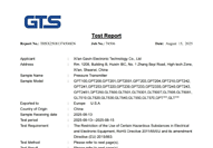
Buying things is based on trust, and brand strength is important when building long-term relationships with providers. People who want to buy something should look at the certifications, ask for test results, and see how quick the customer service is before they place a large order. It's easier to integrate and check for compliance when you get datasheets, application notes, and calibration papers from suppliers with a good image.
How to Select the Best Cost Effective Pressure Sensor for Your Needs
Matching Sensor Features to Application Demands
Before you can be good at buying, you need to be able to clearly state what your business needs in a number of different areas. If the pressure range is right, then the cost effective pressure sensor is right for the job. For example, sensors for hydraulic systems might need to be able to handle 5,000 psi, but sensors for HVAC systems only need to be able to handle 150 psi at most. It is important to order sensors with the right ranges so that measurements do not go wrong when they are too close to their limits or when they are overloaded and cause damage.
The study of the working environment looks at things like chemical exposure, high temperatures, and humidity. When sensors are put outside in hot places, they need to be able to handle temperatures from -40°C to +125°C. Sensors that are put inside can handle temperatures that aren't too hot or too cold. It is important for sensors to be chemically compatible with the media they touch during the process. Glass and stainless steel can handle most industrial fluids, but strong solvents might need special coats or elastomers.
Which output signal to use is based on how the control system is built. Analog 4-20mA current loops are the most popular type of industrial automation. This is because they don't pick up noise on long wire runs. Low voltage plugs (0-5V and 0-10V) work best for short lengths and easy wiring. Digital interfaces such as Modbus RTU, I2C, and SPI work well with PLCs and let IoT systems fix problems from afar. When you use LoRa, NB-IoT, or 4G wireless devices, you don't need wires in setups that are spread out, like water networks for towns or fields.
Evaluating Critical Specifications
The level of uncertainty in readings is set by standards for precision. It is possible for a monitor that reads 100 psi to show 99 to 101 psi instead. This is fine for many control loops but not for systems that need to be safe or share ownership. The response time tells you how fast devices can pick up changes in pressure. For instance, keeping an eye on hydraulic shocks needs a millisecond response time, but keeping an eye on tank levels can wait seconds.
How stable and drifty something is shows how reliable it is over time. The accuracy of good sensors stays within 0.1% per year, so they don't need to be adjusted as often. The cost of maintenance goes up for cheaper choices that may move ±0.5% a year. You can find out how much it costs to own a device by looking at the manufacturer's drift specs and guarantee terms.
Procurement Factors Managing Supply Chain Risks
Lead times vary a lot based on how complicated the sensor is and how much it needs to be customized. For items with special pressure ranges, electrical connections, or OEM logos, it can take up to 8 weeks for them to arrive. Standard stock items ship within days. People who buy things and are in charge of projects should get written promises about wait times and keep extra goods on hand in case of emergencies.
Most cheap sensors come with a guarantee that lasts between 12 and 24 months. This warranty covers problems with the way the sensor was made, but not damage caused by wrong use or abuse in the environment. When a premium company stands behind the quality of their goods, they offer longer warranties and performance promises. If you read the fine print on a promise, you'll know what the limits of covering are and how to make a claim.
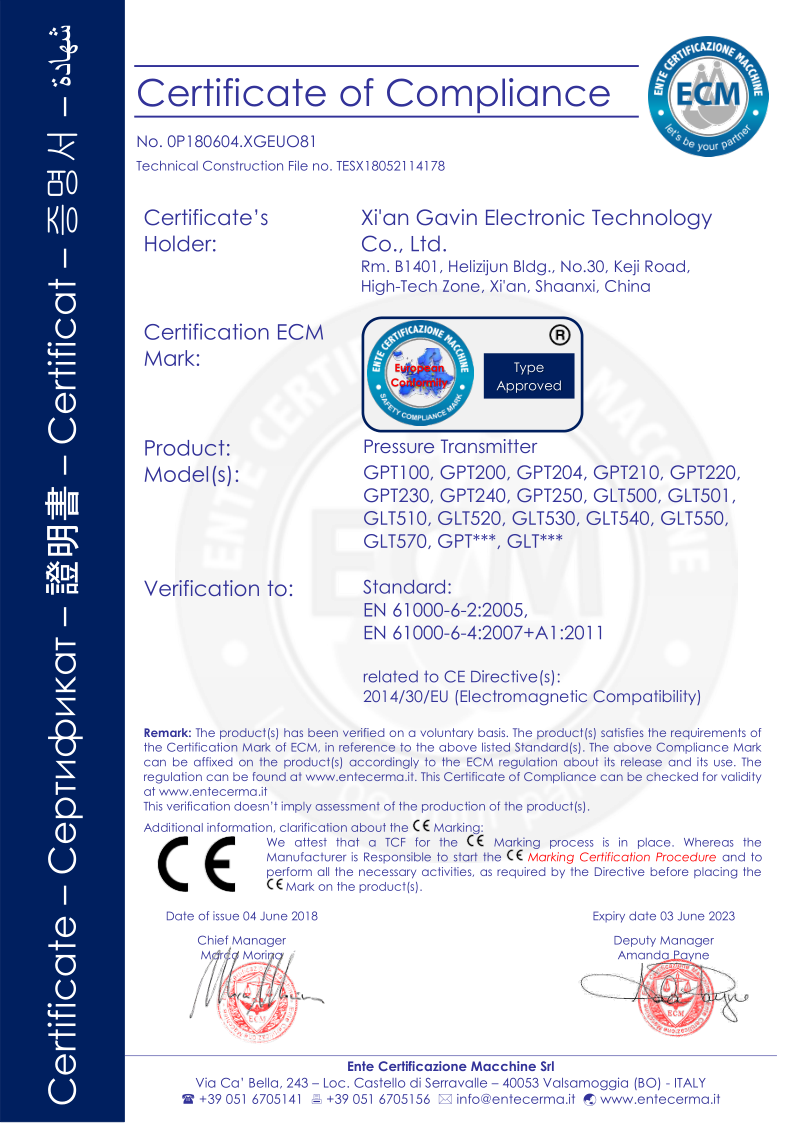
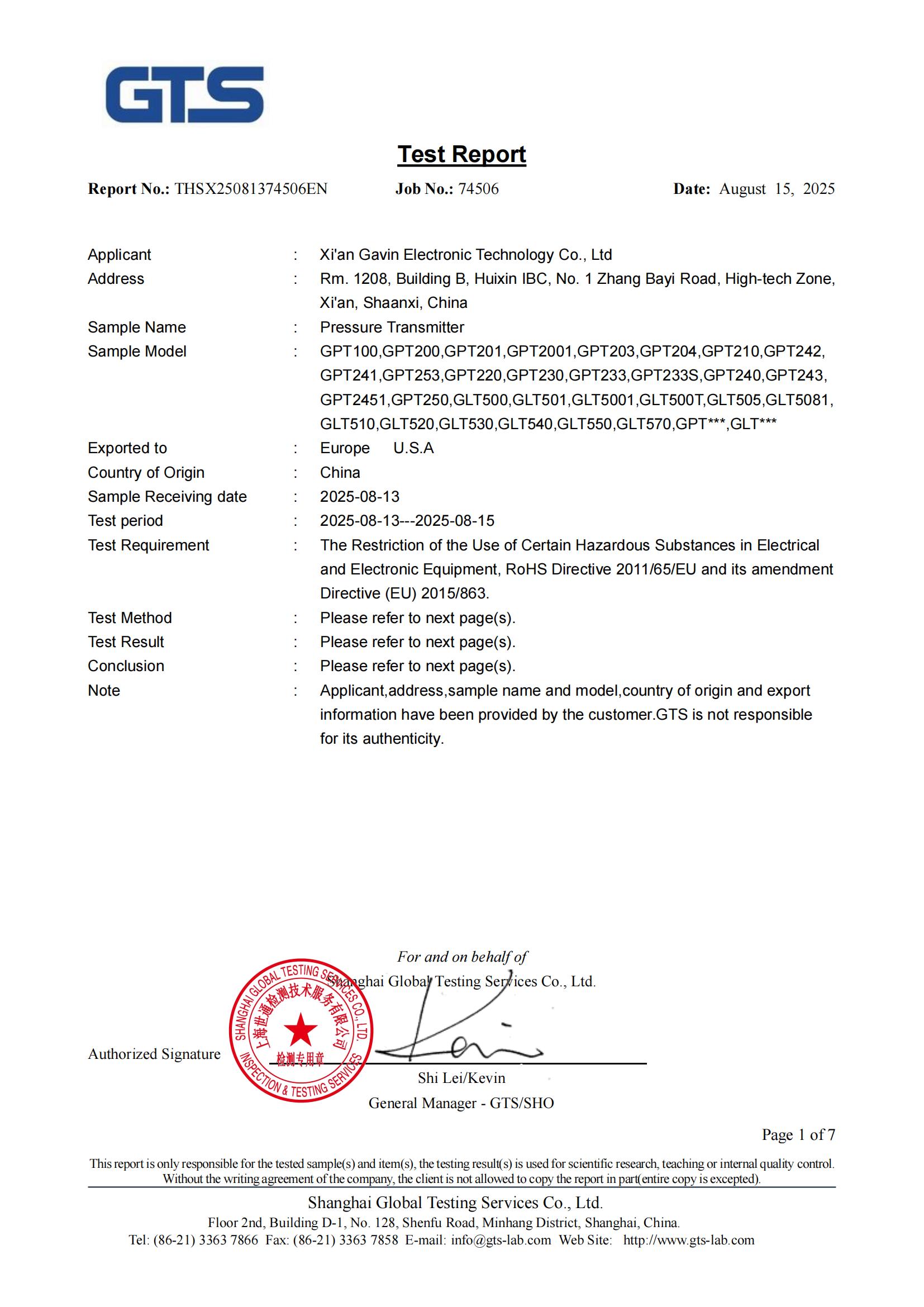
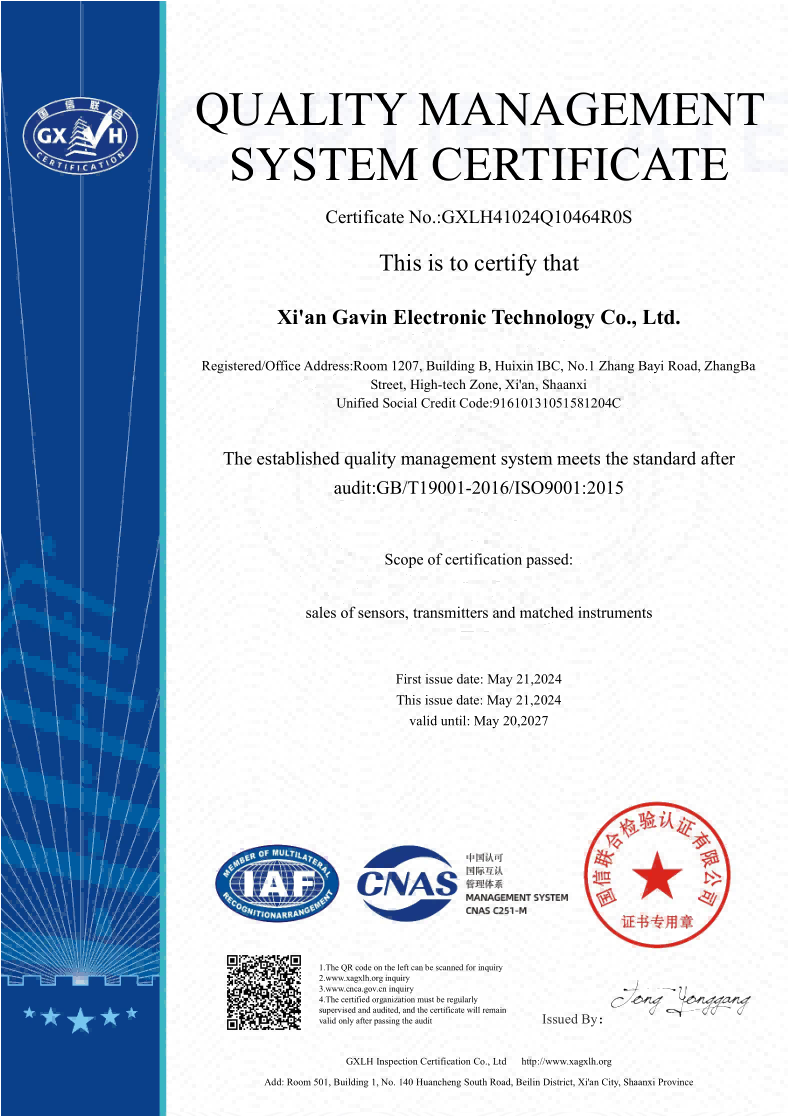
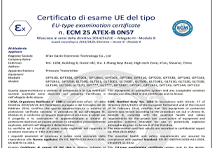
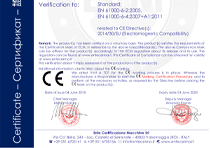
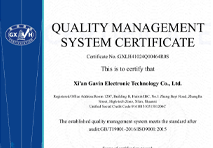
Getting a certification means that a product meets the rules in a certain area. The CE mark means that the product meets European safety standards. The RoHS mark means that it doesn't have any harmful materials in it, and the ISO 9001 mark means that the company that made it controls the quality of the products they make. If it's going to be used in a certain way, it may need licenses specific to that use, like ATEX for dangerous environments or 3-A Sanitary Standards for food preparation.
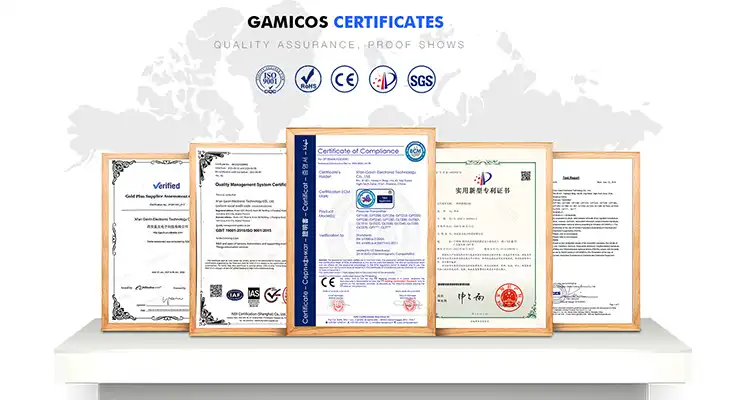
Depending on how much you buy, buying in bulk can save you anywhere from 10 to 30 percent. Costs stay the same and relationships with sellers get better when you discuss price levels, set up blanket purchase orders, or agree to buy a certain amount every year. Ask for sample units before making big claims. This way, you can test them on a bench to make sure they meet your needs.
Practical Installation and Troubleshooting Guidance
If you install something correctly, you can avoid common reasons why things fail. To get accurate readings, make sure you put the sensors the way the manufacturer tells you to. For example, some models need to be placed vertically to avoid air bubbles getting trapped. If you use the right pressure valves (NPT, BSP, metric holes), you can avoid leaks and mechanical stress. Use color codes, block twisted-pair wires, and end at the right input impedances for the least amount of noise when making electrical connections.
The first thing that should be done to fix numbers that aren't right is to check the power source voltage and output signal consistency. When you compare devices to known pressure standards, you can find shifts or damage. Different temperatures, movements, or electromagnetic interference in the surroundings can throw off measurements. These errors can be fixed by moving or covering the equipment. When problems keep happening, calling the manufacturer's help line speeds up the process of figuring out what's wrong.
Top Cost Effective Pressure Sensors of 2026
Data-Driven Selection Criteria
You should compare costs, performance, and how effective the sensors are in real-world business settings to find the best ones that won't break the bank. There are a lot of great sensors on the market that are good for business. The best cost effective pressure sensor options are accurate to within 0.5%, have a strong build grade of IP65 or higher, and cost less than $100 per unit.
Capacitive Pressure Sensors for Precision and Durability
Capacitive designs work best when you need a lot of awareness with little power use. They are useful in medical ventilators, clean tracking, and accurate pneumatic control because they can pick up on small changes in pressure. Ceramic sensitive types can last for 10 to 15 years with little maintenance in harsh chemical environments like those found in oil processing and drug making.
These devices are compatible with Internet of Things (IoT) platforms and can be tracked wirelessly from away. Devices that are driven by batteries often draw less than 1mA of current. This means that they don't need to be repaired as often and cost less to run in spread sensor networks.
Digital Output Sensors for Modern Automation
It is easier to add digital pressure sensors that work with Modbus RTU, I2C, or analog-to-digital converters to SCADA and industrial control systems. They get rid of circuits that condition analog signals, which makes wiring easier and lets you do more complex fixing. With microcontroller support, sensors can be put right into OEM gear, which makes the design process go faster.
LoRa or NB-IoT wireless digital devices can be used for tracking things from afar that can't be done with wires. For example, they can be used to find pipeline leaks, control water use on farms, and keep an eye on the environment. The pressure, battery life, and repair alerts from these devices are sent to cloud systems. Repair plans can be made ahead of time, and business runs more smoothly.
Brand-Specific Advantages for Procurement Teams
Omega Engineering makes many sensors with clear specs and quick technical support, so they can be used in many scenarios. Its sensors are used in cars and big machinery and can work well in a lot of different temperatures and pressure levels. When OEMs need to put sensors in tight spaces, TE Connectivity makes very small sensors that work great.
Affordable prices are available from Asian new sources that don't skimp on quality. A lot of them are ISO 9001-certified, give papers in English, and keep up connections for delivery around the world. Test samples and do trial runs with these choices to find ways to save a lot of money while keeping performance high.
Procurement Guide: Where and How to Buy Cost Effective Pressure Sensors
Identifying Trusted Global and Regional Suppliers
Good sellers send their goods on time and give support after the sale. Many people know Digi-Key, Mouser, and RS Components as great places to buy electronics. They carry well-known brands, have clear prices, and ship the same day. If you buy in bulk from the maker, you can often get better prices and get help from experts to make changes.
People who want to buy from Asian manufacturers can do so on B2B sites like Alibaba and Global Sources. These sites offer good prices, but people should do a lot of study before doing business with them. If you don't want to buy fake or low-quality goods, you can check business licenses, ask for plant audit reports, and look at product certifications. When you buy something from another country, you can feel safer because of video tours of the plants and quality checks by a third party.
Price Ranges and Volume Discounts
Each cost effective pressure sensor costs around $30 to $150, but this varies by brand and model. Near the bottom of the price range are simple analog devices that can measure normal pressure ranges. Digital devices that can connect to each other wirelessly are getting better. For every 50 to 100 units you buy, the price goes down by 5 to 10 percent. For every 500 units you buy, you can save 15 to 25 percent. For every 1,000 units you buy, you can save 25 to 30 percent.
Buyers have more power when they discuss payment terms, ask for goods to be sold on consignment, or make plans to buy things once a year. Get quotes from more than one seller if you want to buy in bulk. Compare not only the price per unit but also the total landing cost, which includes taxes, shipping, and payment fees.
Ordering Customized Sensors and Sample Evaluation
With customization services, you can change the pressure ranges, electrical connections, mounting arrangements, or even add OEM branding to sensors to make them work better in a certain situation. Customization cuts down on design compromises and improves system integration, but it can take an extra two to four weeks to deliver and may require a minimum order number.
You can test them on a bench in real-world settings if you ask for sample units before you place an order for mass production. Samples are used to make sure that the parts physically fit together, that they work with power, and that the sizes are accurate enough for the job. If your project fits the criteria, most good sellers will give you examples for little or no cost. They do this because they see it as an investment in getting to know their customers better over time.
Warranty Policies and After-Sales Support
For 12 to 24 months, standard warranties cover mistakes in the production process, such as issues with the materials used or the way they were put together. Either premium companies offer performance guarantees that make sure the standards are met during the warranty period, or they make the warranties last for 36 months. You can avoid having to pay extra for a replacement if you know how to make a claim, how long it takes to get an answer, and if the guarantee covers shipping the item back.
There is a wide range in the quality of professional help offered after the sale. To get in touch with the best companies, you can call, write, or chat online. These companies also have large knowledge bases with application notes and fixing tips, and they answer questions within 24 hours. You can get a sense of how good the service will be in the future by seeing how fast the customer service is during the quote phase.
Conclusion
To find the most cost effective pressure sensor, you need to find a mix between quality standards, budget, and technical performance. This is important for making sure that industrial processes run smoothly. Knowing how sensors work, especially sensitive technologies that last a long time and are accurate, helps purchasing teams find cheap solutions that meet their needs. There are times when cheap models are enough and times when extra features make the higher price worth it.
You can tell the difference between the two by comparing them. Set up ways to choose sensors that match their specs to pressure levels, working conditions, and output requirements make sure they work at their best. Supply chain risks are lower and the value of the sensor goes up over its lifetime if you work with reliable providers who offer customization, big savings, and strong after-sales support.
FAQ
How does sensor accuracy affect system performance?
There is a direct link between accuracy and safety gaps and accuracy of process control. Since sensors are only ±1% off, a number of 1000 psi might actually be between 990 and 1010 psi. In this area, mistakes can be fixed by control loops, but processes that need to be more accurate need to be more accurate. You can avoid spending too much on sensors that aren't accurate enough and having speed issues by making sure the ones you choose meet the tolerance standards of the job.
Can budget sensors integrate with automated industrial systems?
These days' sensors are very cheap and work with standard industrial protocols. For example, they have 4-20mA analog outputs that connect to most PLCs and digital interfaces like Modbus RTU that let SCADA systems connect to them. IoT platforms can link to wireless versions that use LoRa or NB-IoT so they can be watched from away. When picking a sensor, making sure that its output is compatible makes sure that it can be easily merged, no matter how much it costs.
What are typical lead times for bulk sensor orders?
Standard catalog sensors ship in three to five business days from dealer stock. Most orders that come straight from makers and meet standard requirements get there in two to four weeks. Based on how involved they are, lead times can go up to 4–8 weeks for sensors that need to be made to order and have different pressure levels, special materials, or OEM branding. You can keep track of your stock and make sure you keep your price and delivery promises by setting up blanket buy orders with planned releases.
Partner with GAMICOS for Reliable Pressure Measurement Solutions
It's just as important to choose the right pressure sensor source as it is to choose the right sensor itself. More than 100 countries in Asia, Europe, North America, and other places buy high-quality pressure sensors, liquid level sensors, and wireless tracking systems from GAMICOS. Our engineering team has worked for many years in HVAC, chemical processing, oil and gas, food and beverage, and industrial automation. They make monitors that are effective and don't cost a lot of money.
We know how hard it is for sourcing managers and tech teams to buy things when they have limited funds, strict needs, and short deadlines. That's why GAMICOS offers full OEM and ODM customization services. They make sure that the electrical connections, mounting arrangements, sensor settings, and packing are all exactly for you. To prove it, we have strict quality control and foreign certificates such as CE, RoHS, and ISO compliance. We can make a lot of things and send them on time.
We offer expert support to help you pick the right products, install them properly, and fix any issues that arise. This is true whether you're upgrading your current measurement systems, getting parts for OEM products, or setting up wholesale inventory. We hope to have a long-term connection with you based on quality, value, and being on time. Send us an email at info@gamicos.com right away to discuss your pressure measurement needs, get product samples, or get a custom price from an experienced cost effective pressure sensor manufacturer dedicated to your success.
References
1. Chen, J., & Wang, L. (2023). Industrial Pressure Sensor Technologies: Principles, Applications, and Selection Criteria. Industrial Instrumentation Press.
2. Martinez, R., Thompson, K., & Singh, A. (2024). Cost-Effective Automation Solutions for Process Industries. Manufacturing Engineering Journal, 45(2), 112-128.
3. European Sensor Manufacturers Association. (2023). Pressure Sensor Market Analysis and Technology Trends 2024. Brussels: ESMA Publications.
4. Peterson, M. (2022). Capacitive Sensing Technologies in Industrial Applications. Sensor Technology Quarterly, 38(4), 67-82.
5. International Society of Automation. (2023). Best Practices for Pressure Measurement in Harsh Environments. ISA Technical Report ISA-TR51.01.
6. Williams, D., & Kumar, P. (2024). Procurement Strategies for Industrial Instrumentation: Balancing Cost and Performance. Supply Chain Management Review, 28(1), 44-59.

Eva
Eva specializes in bridging the gap between cutting-edge sensor technology and market needs. With 8 years of experience in industrial product marketing, she has successfully launched multiple sensor product lines—from pressure transmitters to fuel level sensor—into global markets.
We're here to help — submit your request anytime!
Let us know how we can help solve your pressure level measurement challenge.
_1757930850792.jpg)
Recommended Blog
Why High Stability Pressure Transmitters Are Key to Accurate Monitoring?
Why High Stability Pressure Transmitters Are Key to Accurate Monitoring?