Repair vs Replace Decision Guide: When to Fix Pressure Sensors
Understanding Pressure Sensor Issues: When to Repair or Replace
- Understanding Pressure Sensor Issues: When to Repair or Replace
- Repair vs Replace: Cost and Quality Comparison
- Step-by-Step Guide: How to Replace or Repair a Pressure Sensor
- Procurement Strategies for Pressure Sensor Replacement
- Maximizing the Benefits of Pressure Sensor Replacement
- Conclusion
- FAQ
- Partner with GAMICOS for Reliable Pressure Sensor Replacement Solutions
- References
When your pressure sensor starts giving you inaccurate numbers or stops working at all, you have to make a tough choice between repair and pressure sensor replacement. Industrial sites often have a hard time making this choice because they have to weigh the short-term costs against the long-term dependability. To figure out when to fix a broken monitor instead of buying a new one, you need to look at its technical performance, the cost, and the operating risk. This guide gives sourcing managers, engineering teams, and procurement experts useful information that they can use to make an informed choice and improve the performance of measurement systems in manufacturing, energy plants, and chemical plants.
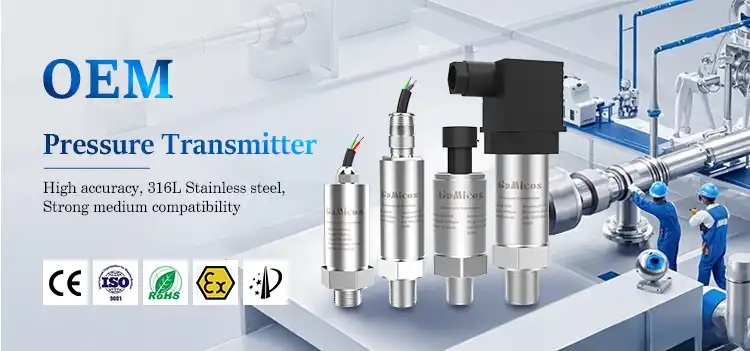
Understanding Pressure Sensor Issues: When to Repair or Replace
Recognizing Common Pressure Sensor Malfunctions
Finding early signs of sensor failure helps avoid costly downtime and safety risks. Pressure measurement devices show a number of warning signs when they are about to die or need help. Readings that aren't accurate and move away from preset values are a sign of internal component wear, while signal loss that happens from time to time is a sign of electrical link issues or circuit damage.
Noise in output data that isn't normal, like voltage changes or transmission problems, is often a sign of electromagnetic interference or a failing sensing element. Response time delays, in which sensors are slow to react to changes in pressure, lower the accuracy of process control. Complete signal breakdown is the worst symptom and needs to be fixed right away. When engineering teams see these trends, they can decide if small changes to the measurements are enough or if they need to get involved at the component level.
Diagnostic Procedures for Pressure Measurement Systems
Systematic fixing tells the difference between problems that can be fixed and ones that need new tools. First, make sure the power source is stable and check all the electrical connections for rust or looseness. According to data from industrial maintenance, about 30% of apparent sensor failures are caused by electrical problems. Separate the monitor from the process system so that you can use calibrated reference tools to compare its output to known pressure standards. Compare readings from different points in the working range.
Sensors that consistently show offset errors may only need to be re-calibrated, but non-linear answers mean that the sensing element is damaged and needs to be replaced. Check mechanical parts like diaphragms, housings, and pressure ports for damage, cracks, or growth of dirt or debris. Record baseline performance measures during commissioning so that you can compare them in a useful way during diagnostic testing. This will help you make objective decisions about whether to fix or replace something.
Environmental and Mechanical Root Causes
External factors often speed up the decline of sensors and affect when they need to be replaced. Extreme temperatures above and below the limits specified cause thermal expansion mismatches, which hurts the accuracy of measurements and shortens the life of parts. Studies show that running pressure monitors 20°C above their rated temperature shortens their projected service life by 40%. Mechanical shaking makes internal parts loose and speeds up wear, which is especially bad for sensors with moving parts or thin diaphragms.
Chemicals in the process media damage sensor materials; acidic chemicals break down sensing elements, and particle growth blocks pressure ports. Damage is done to signal conditioning circuits by electrical spikes caused by lightning hits or inductive load swapping. When teams know about these environmental stresses, they can put in place protection measures and replacement plans that are based on real-world working conditions instead of theoretical estimates of service life.
Repair vs Replace: Cost and Quality Comparison
Analyzing Total Cost of Ownership
Lifecycle costs are included in financial research, not just the original purchase price. Fixing old sensors usually costs 30 to 50 percent of the price of a new one, which at first glance seems like a good deal. However, sensors that have been fixed often need to be re-calibrated more often and may break down sooner than new equipment. This can add up to secret costs in the form of more maintenance work and process slowdown. Buying new sensors requires a bigger initial investment, but they come with longer warranties (12 to 24 months) that protect against early failures.
To find the total cost of ownership, add up the purchase price, the cost of labor for installation, the cost of calibration, the estimated frequency of upkeep, and the cost of downtime due to failures. Many procurement managers find that pressure sensor replacement (i.e., changing old sensors every 5 to 7 years) is cheaper than fixing units over and over again for more than 10 years. This is especially true in industries with ongoing processes, where downtime costs are usually between $5,000 and $50,000 per hour.
Evaluating Sensor Longevity and Performance Reliability
Choosing whether to replace a sensor depends on how long you think it will last and how old and damaged it actually is. Nowadays, pressure sensors made by well-known companies usually work reliably for 10 to 15 years when used normally. When sensors are getting close to 60–70% of their projected lifespan, they should be replaced during planned maintenance windows. This will keep them from breaking down at bad times during important production periods. Warranty coverage has a big effect on how risk is evaluated.
For example, warranties on new technology protect against production flaws and early failures, which shifts the risk to the suppliers. Repaired sensors don't usually come with full guarantees, so buyers are left with the costs of repeated failure. Near end-of-life, performance degradation speeds up, with measurement accuracy going down and calibration stability going down. Write down the age of the sensors, their maintenance records, and how they've been performing over time so that you can set evidence-based replacement limits that are in line with your budget cycles and operational risk tolerance.
Comparing Manufacturer Quality Standards
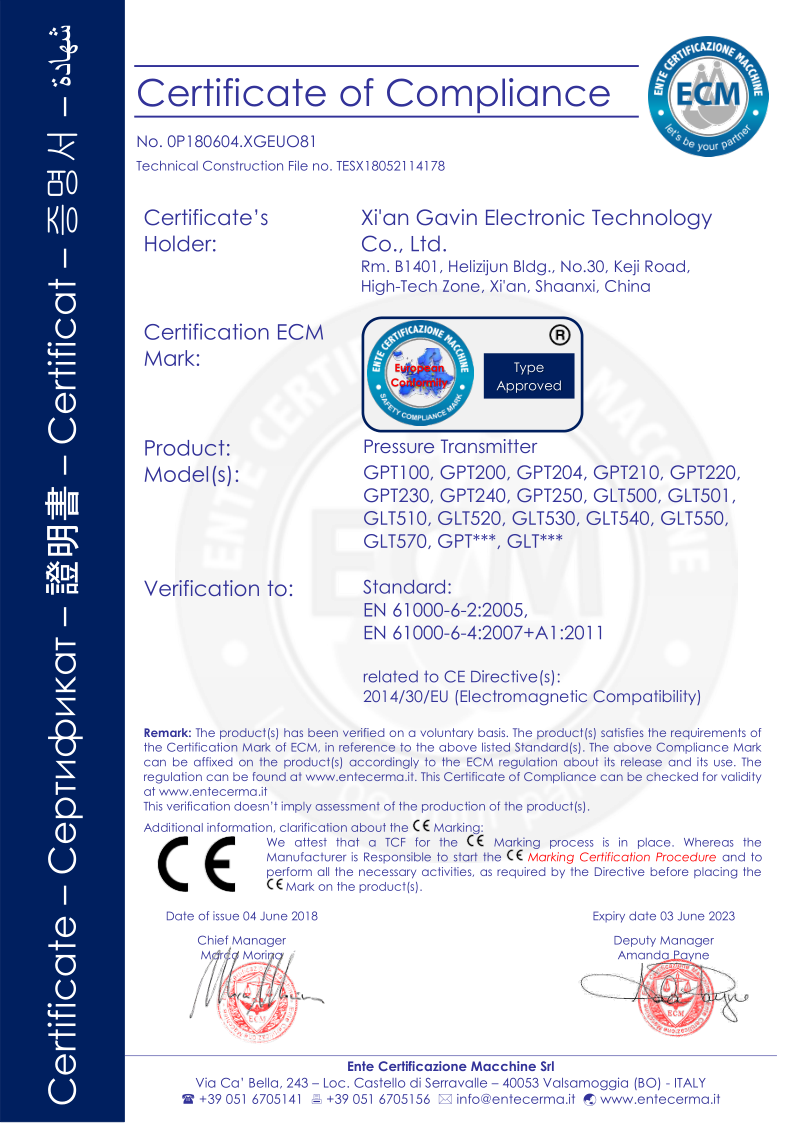
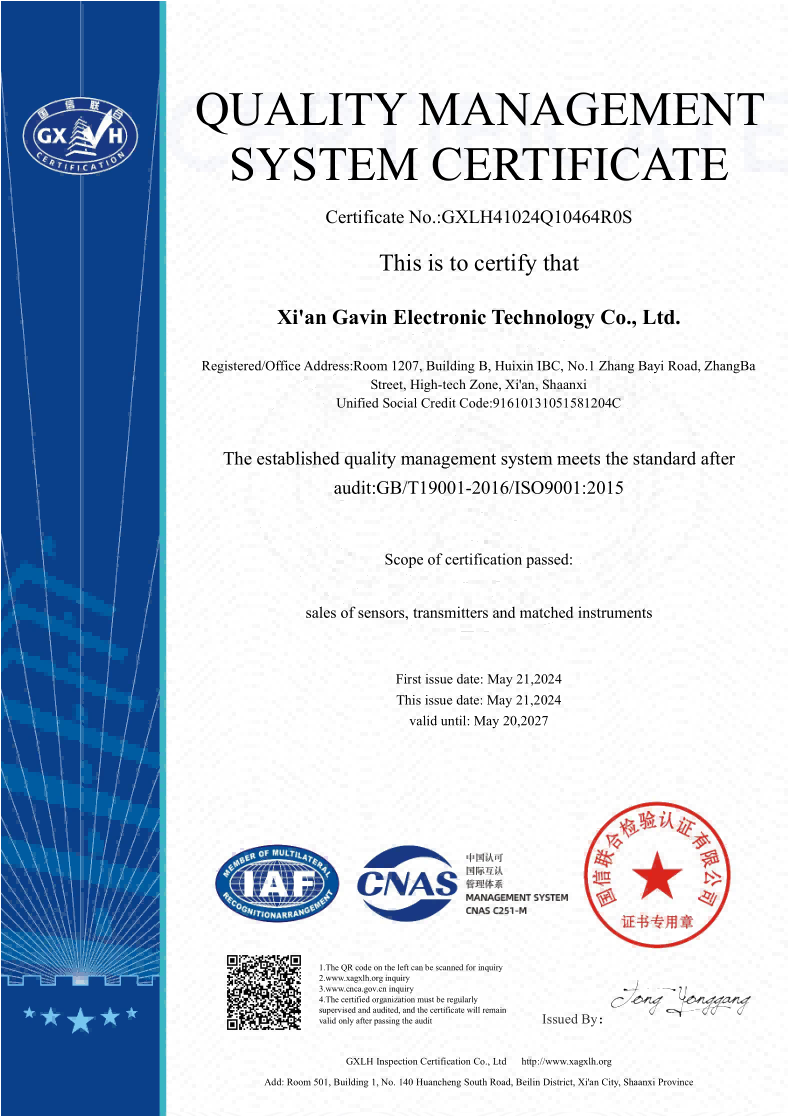
The choice of brand affects how reliable something is over time and how easy it is to find new parts. Established companies that make industrial sensors have strict quality control systems that are approved to ISO 9001 standards. This makes sure that the trustworthiness of their products is always the same. Sensors that meet foreign approval standards, such as CE marking and RoHS compliance, show that they follow safety and environmental rules that are important for global operations.
OEM sensors made to work with particular tools usually work better with more things, but they cost more. Aftermarket products can save you 20 to 40 percent compared to OEM goods while still doing the same job in many situations. When considering choices, you should look at how well the provider can help with technical issues, whether they offer calibration services, and how many extra parts they keep on hand. GAMICOS is a good example of a company that combines quality standards with the ability to make changes to their products in a variety of ways. Their products are used in over 100 countries and are used in industries like oil, chemicals, pharmaceuticals, and food processing.
Step-by-Step Guide: How to Replace or Repair a Pressure Sensor
Preparation and Safety Measures
Installation mistakes and safety issues can be avoided by properly preparing. Get the tools you need, such as the right wrenches, thread sealant rated for process media, electrical testing instruments, and measuring equipment. Check the sensor's datasheet to make sure you understand its pressure grade, power requirements, process link type, and mounting direction needs. Follow lockout-tagout steps to safely disconnect the measurement point from the process system, releasing any remaining pressure and draining the process media.
Before touching the wires, use multimeters to make sure that the power is off. Write down the current sensor settings, such as the measurement range, output signal type, and any device-specific options, to make sure that the new sensor fits correctly. Check the calibration certificates, look for damage on the threads, and get ready for new sensors by putting the right thread sealant ahead of time or fitting process seals according to the manufacturer's instructions.
Installation and Calibration Best Practices
The right way to attach something makes sure that the measurements are correct and stops it from breaking too soon. Thoroughly clean the mounting ports, getting rid of any old sealant dust or other dirt that might affect the performance of the covering or sensor. Thread sealer should only be used on male threads and not on the first two threads to keep dirt from getting into the sense element.
Tighten sensor fittings to the manufacturer's specs. Tightening them too much can damage sensor housings, and tightening them too little can lead to leaks and wrong measurements. As stated in the installation directions, the mounting position of sensors can affect how well they work in some designs, especially before a pressure sensor replacement where proper alignment ensures reliable readings and avoids premature failure.
Carefully connect the electrical wires, making sure that the polarity is correct for DC-powered emitters and that the shielding is correct for analog messages that can be affected by electromagnetic interference. Adjust the zero and span calibrations using approved reference standards across the entire working range. Write down the results of the calibrations so that they can be compared in the future. Check the sensor reaction time and output steadiness before putting the system back into service. Make sure it works well with any control systems or data gathering equipment that it is connected to.
When Repair Becomes Impractical
Technical limitations set the limits of what can be fixed. Sensors with protected sensing elements can't be fixed without going to a factory and getting special tools. This means that they can't be fixed in the field. Damage to the diaphragm, the case, or the internal circuit board usually goes beyond what can be fixed economically. No matter what kind of failure it is, old sensor types that don't have extra parts available need to be replaced. Damage from contamination that affects the tuning of sensing elements forever lowers accuracy beyond what can be fixed.
Repair costs should include expert time, replacement parts, system downtime, and calibration checks. If repair costs are more than 60% of the cost of a new sensor, it is better to buy a new one. If sensors need to be fixed more than once in 12 months, it means they have core problems that can be better fixed by replacing them with newer technology that works better for the application.
Procurement Strategies for Pressure Sensor Replacement
Selecting Sensors Based on Application Requirements
Matching the specifications of the sensor to the conditions of the process guarantees the best performance and longest life. Set the measurement range with enough room for error—choose sensors that can handle 150% of their standard working pressure to handle short-term spikes without overstressing them. Different tasks need different levels of accuracy. For example, pharmaceutical processes and property transfer need accuracy within 0.1%, while less important tracking tasks can handle a tolerance of 0.5%.
Think about how well the process media will work together and make sure that the wet material is resistant to rust, wear, and changes in temperature. Electrical classification rules for dangerous places require sensor designs that are fundamentally safe or explosion-proof and have been tested and approved by the right authorities. Communication system compatibility—analog 4-20mA, digital HART, Profibus, or wireless options—affects how hard it is to integrate and how well you can diagnose problems. Temperature compensation features keep the accuracy even when the temperature changes in the environment, and the design that resists vibrations makes it last longer in harsh industrial settings.
Identifying Reliable Suppliers and Evaluating Quality
Choosing the right supplier affects the quality of the product, the reliability of shipping, and the availability of long-term assistance. Manufacturers that have been in the business for more than ten years show that they are technically stable and committed to ongoing support. Check that the seller has the right certifications, such as ISO 9001 quality management and product-specific approvals for the businesses you want to work with. Ask for calibration certificates that can be linked to national standards and prove that the measurements are accurate.

Check out the technical support—responsive engineering help during selection and fixing speeds up execution and cuts down on downtime. Delivery success measures, such as the percentage of on-time shipments and the accuracy of orders, show that operating dependability is very important for keeping production plans.
Customer examples from similar applications show how well the product works in real life and how quick the provider is, especially when planning a pressure sensor replacement to avoid unexpected failures. Bulk buying programs offer discounts of 15 to 30 percent on large orders, which helps distributors and OEM installers who are in charge of big projects or keeping supplies for many locations.
Building Strategic Supply Chain Partnerships
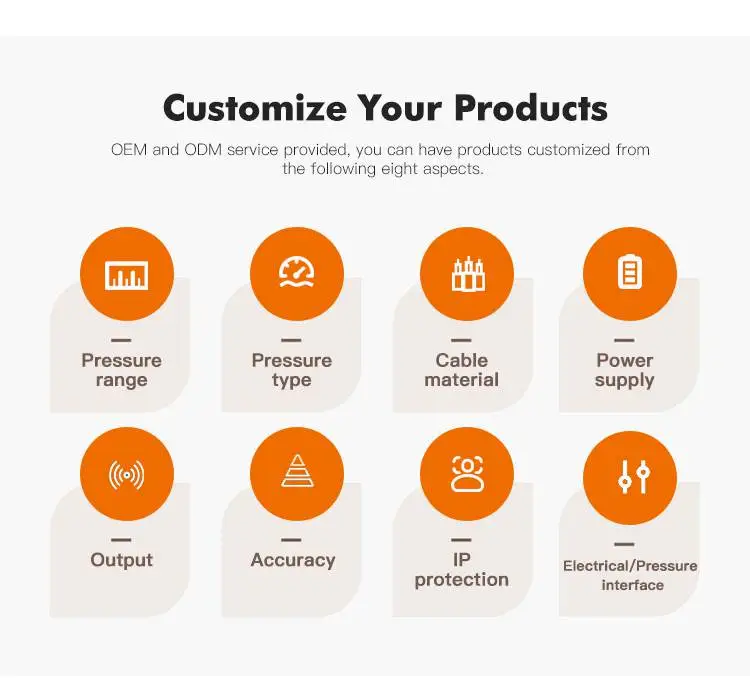
Long-term ties with suppliers have benefits that go beyond just buying things once. As part of preferred supplier deals, prices are set to stay the same, priority is given when supplies are low, and technical support resources are set aside just for that supplier. Customization services from suppliers, such as custom pressure ranges, electrical connections, materials, and paperwork, make it possible to optimize products for specific uses that aren't possible with stock items. OEM and ODM features allow for private labeling and integrated module development, which helps equipment makers and dealers make goods that stand out.
When suppliers keep a lot of goods on hand, they can quickly fill orders, cutting the time it takes to get backups from weeks to days. Clear price systems with no hidden fees make planning and keeping costs down easier. GAMICOS is a good example of a strategic supplier that can fully customize sensor types, communication protocols, and packaging needs while maintaining strict quality control that is certified by metrology institutions. Each year, GAMICOS serves thousands of customers in the chemical, pharmaceutical, industrial automation, and petroleum industries.
Maximizing the Benefits of Pressure Sensor Replacement
Enhancing Operational Efficiency Through Proactive Management
Planned sensor repair programs work better than failure-driven methods that are only used when something goes wrong. When replacements are arranged during planned maintenance windows, unexpected downtime costs that are usually 5–10 times higher than planned maintenance costs are avoided. Modern pressure receivers are more accurate. Changing sensors from ±0.5% to ±0.15% accuracy improves process control precision, cutting down on wasted materials and energy use in fields where small measurement mistakes affect many steps in the production process.
Digital monitors with advanced diagnostics keep an eye on your health all the time, predicting problems weeks before they happen and letting you use condition-based care strategies. Increasing the speed of measurements helps dynamic processes that need to react quickly to changes in pressure. Replacing old sensors lowers the number of times they need to be calibrated, which lowers the cost of ongoing repair work and raises the accuracy of measurements in between calibrations.
Implementing Maintenance Best Practices
After a repair, proper care increases the life of the sensor and keeps the accuracy of the measurements. Set up calibration plans that are in line with how important the application is and what the regulations say. For example, custody transfer applications usually need to be checked every three months, while general tracking can go with an annual calibration. Keep track of measurement drift patterns that show problems or environmental stress that are getting worse by writing down calibration results in a structured way. Use the right positioning methods and impact guards in high-traffic places to keep sensors from getting damaged.
Put electrical surge protectors on signal lines in places where the power isn't always stable or where lightning is a risk. Sensor housings and pressure ports should be cleaned on a regular basis to get rid of buildups of dirt and grime that could affect the accuracy of measurements or cause rust to start too soon. Watch the process conditions for changes that go beyond what was originally planned, and replace the monitors when working needs change beyond what the current equipment can handle.
Adopting Smart Sensor Technologies
New sensor technologies have features that make it worth replacing old but still working equipment before it breaks. Wireless pressure devices don't require any wires during installation and let you place measurement points in a variety of places that would be hard with wired sensors. Wireless sensors that are driven by batteries and last 5 to 10 years without needing to be serviced are good for remote tracking in pipes, tank farms, and distributed facilities. IoT-enabled sensors that can link to the cloud make it possible to view data from multiple locations from one place.
This makes enterprise-level tracking and predictive analytics possible. Sensor drift, electrical faults, and weather stress conditions can all be found by self-diagnostic features. These features let support teams know about problems before they affect process control. Some more modern sensors can measure more than one thing.
For example, measuring both pressure and temperature in the same device cuts down on installation spots and makes measurement correlation better. Comparing the benefits of new technology to the powers of existing equipment helps find smart upgrade possibilities that provide measured operational value beyond simple replacement.
Conclusion
When deciding whether to fix or replace pressure sensors, you have to weigh the current costs against the long-term dependability and operational effect. This guide has given B2B workers frameworks for figuring out what's wrong with sensors, what the financial effects will be, how to put them correctly, and how to come up with strategic ways to buy things. Systematically evaluating sensor age, performance degradation, repair costs, and newer options—especially when comparing ongoing repairs to a pressure sensor replacement—lets you make decisions based on facts, which improves the reliability of measurement systems while keeping total purchase costs low.
Planning ahead for replacements can help avoid costly unexpected downtime, boost the accuracy of process control, and put companies in a better position to use new sensing technologies. By following these rules, buying managers, engineering teams, and procurement workers can keep pressure measurement systems that work well and safely in the chemical, petroleum, pharmaceutical, and manufacturing industries around the world.
FAQ
How Often Should Industrial Pressure Sensors Be Replaced?
Replacement times depend on how the system is used and how important the tool is. Under normal circumstances, most industrial pressure sensors will work well for 10 to 15 years. Sensors that are in harsh settings with high or low temperatures, corrosive media, or mechanical shaking may need to be replaced every 5 to 7 years. For important safety uses and custody transfer measurements, it's better to change them at more conservative intervals, like every 60 to 70 percent of the expected lifetime, so that measurement failures don't affect safety or accuracy. Condition tracking through regular calibration checks gives clear proof for replacing things based on when they actually stop working well instead of picking random times.
What Signs Indicate Replacement Is Better Than Repair?
There are a number of signs that replacement is more likely than fix. When sensors need to be fixed more than once in a year, it means they have basic stability problems that are better fixed with new equipment. If the calibration drift is more than ±1% per year, it means that the detecting element is breaking down and probably won't be able to be fixed. Damage to the structure, like cracks in the housing, ruptured diaphragms, or rust, makes replacement impossible and could be dangerous. Repair choices are limited for old models that don't have spare parts or maker help available. When the cost of fixing a sensor is more than 60% of the cost of a new one, it's better to buy new equipment because it comes with a guarantee and lasts longer.
Do OEM Sensors Outperform Aftermarket Alternatives?
The quality differences between OEM and aftermarket sensors are not as big as they used to be, but they are still there. OEM sensors promise to work with original equipment, and they usually come with longer warranties and full expert support. Aftermarket options from well-known companies that make industrial sensors offer similar performance at 20–40% less cost while still meeting international quality standards. It has been shown that aftermarket sensors with similar specs, the right certifications, and quick expert help can work in most industrial settings. When it comes to safety systems or control transfers, OEM specifications may be necessary for the highest level of dependability. However, quality aftermarket products from reliable sources work very well for general process tracking applications.
Partner with GAMICOS for Reliable Pressure Sensor Replacement Solutions
It's easy to make smart choices about replacing sensors when you work with experienced pressure sensor replacement makers who care about quality and customer satisfaction. GAMICOS delivers pressure sensors, liquid level sensors, and wireless tracking tools to more than 100 countries in North America, Europe, and Asia. They do this by combining advanced research and development with strict quality control.
When it comes to matching sensor specs to your unique application needs, our engineering team is here to help, whether you need standard goods or custom solutions with special materials, communication protocols, or integration features. We keep a large inventory to support fast shipping, and our OEM/ODM services are flexible enough to meet your needs. For example, we can customize the packaging and paperwork to match your brand.
Email our technical support team at info@gamicos.com to talk about the problems you're having measuring pressure and to look into new choices that will work best for your needs. Our thorough quality control systems and wide range of product approvals make sure that our products work reliably in industrial automation, food preparation, pharmaceuticals, chemicals, and the oil and gas industry.
References
1. Liptak, B.G. (2018). Instrument Engineers' Handbook: Process Measurement and Analysis, 5th Edition. CRC Press, Boca Raton, Florida.
2. Industrial Sensor Maintenance Consortium (2021). Best Practices for Pressure Transmitter Lifecycle Management in Process Industries. Technical Report 2021-08.
3. Webster, J.G. & Eren, H. (2019). Measurement, Instrumentation, and Sensors Handbook: Electromagnetic, Optical, Radiation, Chemical, and Biomedical Measurement, 2nd Edition. CRC Press.
4. American Petroleum Institute (2020). API Recommended Practice 551: Process Measurement and Control Systems. API Publishing Services, Washington, DC.
5. Johnson, C.D. (2017). Process Control Instrumentation Technology, 8th Edition. Pearson Education, Upper Saddle River, New Jersey.
6. International Society of Automation (2019). ISA-5.1: Instrumentation Symbols and Identification Standards for Industrial Measurement and Control Systems. ISA Standards Committee, Research Triangle Park, North Carolina.

Peter
Peter, Senior Sensor Technology Consultant, has 15-year industrial sensor R&D experience. He specializes in the end-to-end development of high-accuracy pressure and level sensors and he firmly believe, precision isn’t just a spec—it’s a promise.
We're here to help — submit your request anytime!
Let us know how we can help solve your pressure level measurement challenge.
_1757930850792.jpg)
Recommended Blog
Waterproof Pressure Sensor vs Regular Pressure Sensor: How to Choose?

Waterproof Pressure Sensor vs Regular Pressure Sensor: How to Choose?
Waterproof Pressure Sensor vs Regular Pressure Sensor: How to Choose?
Waterproof Pressure Sensor vs Regular Pressure Sensor: How to Choose?
Waterproof Pressure Sensor vs Regular Pressure Sensor: How to Choose?
Waterproof Pressure Sensor vs Regular Pressure Sensor: How to Choose?
Waterproof Pressure Sensor vs Regular Pressure Sensor: How to Choose?
Waterproof Pressure Sensor vs Regular Pressure Sensor: How to Choose?
Waterproof Pressure Sensor vs Regular Pressure Sensor: How to Choose?
Waterproof Pressure Sensor vs Regular Pressure Sensor: How to Choose?