Hydrogen Industry Pressure Sensors: Purity & Safety Challenges
Understanding Hydrogen Pressure Sensors and Their Role in Purity & Safety
- Understanding Hydrogen Pressure Sensors and Their Role in Purity & Safety
- Key Challenges in Hydrogen Pressure Sensing: Purity and Safety Perspectives
- Comparison of Hydrogen Pressure Sensors: Selecting the Right Sensor for Your Application
- Procurement Guide for Hydrogen Pressure Sensors: What B2B Buyers Should Consider
- Future Trends and Innovations in Hydrogen Pressure Sensing for Purity & Safety
- Conclusion
- FAQ
- Partner with GAMICOS for Reliable Hydrogen Pressure Sensor Solutions
- References
Hydrogen pressure sensors are crucial for ensuring the safety and purity of hydrogen gas in systems that produce, store, transfer, and use it. It's important to have reliable tools for measuring pressure because hydrogen is becoming more famous as a clean energy source. Real-time changes in pressure are tracked by these devices, which also look for leaks and stop poisoning. This keeps the equipment and people who work with it safe. It is important for buying managers, engineering managers, and R&D workers to pick the right sensor technology and a dependable source for things that use hydrogen.
Understanding Hydrogen Pressure Sensors and Their Role in Purity & Safety
How Hydrogen Pressure Sensors Work
Hydrogen pressure sensors can get to and measure the pressure levels in hydrogen systems by turning mechanical force into electrical signals that can be read. To do the basic job, you need parts that can sense when pressure causes compression. Being pushed on by hydrogen gas makes the sensor diaphragm stretch, which changes an electrical feature like charge, resistance, or capacitance. Then, this change is turned into something that can be read. Workers can now keep an eye on the system at all times, find strange things, and act quickly to stop problems or risky situations.
Common Sensor Technologies
In order to measure hydrogen pressure, there are three main ways:
Piezoelectric Sensors: These make an electric charge when they are under mechanical force. This type of devices can quickly react to changes in dynamic pressure thanks to the piezoelectric effect. This makes them useful for measuring things quickly. Piezoelectric devices, on the other hand, can't measure steady pressure as well and need to be processed signals.
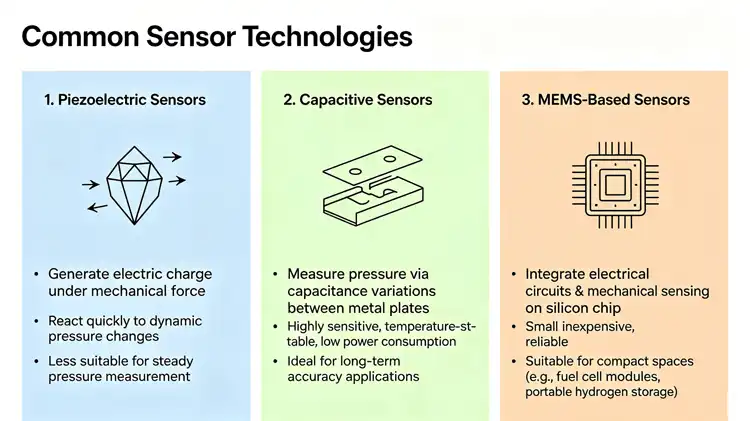
Capacitive Sensors: For capacitive sensors, the electrical capacitance between two metal plates is measured to see how much the pressure changes. As the diaphragm moves because of pressure, so does the space between the sensors. This changes capacitance in the same way. It's very sensitive, doesn't change temperatures much, and doesn't use a lot of power. Because of these features, capacitive sensors are great for jobs that need to be accurate and stable over time.
MEMS-Based Sensors: For MEMS-based sensors, electrical circuits and mechanical sensing parts are on the same silicon chip. The MEMS parts are small, not expensive, and they work well even when they're not. They can be used in fuel cell modules and portable hydrogen storage units that don't have a lot of space because they are so small.
When buying managers and engineering teams know about these basic technologies, they can better compare different sensor options based on the needs of different uses. This makes sure that the speed features meet the needs of the business.
The Critical Link Between Pressure Sensing and Safety
Safety rules and keeping hydrogen pure depend on being able to measure pressure correctly. Hydrogen leaks, even small ones, are very likely to cause an explosion because it has low starting energy and can catch fire in a lot of different ways. Pressure sensors find drops in pressure that don't make sense. This makes them the first line of defense against leaks and system breaches. People can fix problems right away if they are found quickly. This keeps problems from getting worse and ruining things.
Making sure the quality of the hydrogen stays within certain limits is another part of keeping an eye on the pressure. Hydrogen can become less clean when it comes into contact with air, water, and other substances. This can change how well fuel cells work or how chemicals are made further down the line. Poisoning is less likely when accurate pressure control stops overflow and keeps system conditions in check. Because of this, reliable hydrogen pressure sensors protect both the safety of operations and the quality of the products.
Key Challenges in Hydrogen Pressure Sensing: Purity and Safety Perspectives
Material Compatibility and Hydrogen Embrittlement
Hydrogen is a gas that makes it hard for materials used in hydrogen pressure sensors to work. Atomic hydrogen getting into the lattices of metal makes them less bendable and more likely to break early. This is called hydrogen embrittlement. Parts of sensors that are used in places with a lot of hydrogen pressure need to be able to stop this from happening. A rare metal called Inconel and stainless steels, especially austenitic types, are better at not getting weak over time. When B2B buyers choose materials that have been shown to work well together, sensors last longer and need to be repaired less often. This directly affects the total cost of ownership for those buyers.
Contamination Risks and Chemical Interference
To keep hydrogen clean, you have to keep an eye out for places where it could get dirty. When sensor materials give off gases or mix with hydrogen, they add impurities to the gas that make it less useful. It is important to try elastomeric seals, glue, and treatments thoroughly to make sure they all work with each other. Stuff like cleaning agents or process gases can mess up how sensors are tuned, which can lead to bad results. Teams in charge of buying things should choose gadgets that are made of harmless materials and have been approved for use with clean hydrogen to lower the risk of contamination.
Extreme Operating Conditions
Places where hydrogen is produced often have very high temperatures and high pressures. High-temperature fuel cell systems are more than 800°C, while -253°C is the coldest temperature at which cryogenic hydrogen storage can work. Hydrogen pressure sensors must stay reliable and steady in these temperature and pressure ranges or they won't work at all. When the temperature changes, it puts stress on the mechanical parts, which could cause the monitor to move or break. Sensors that are made with circuits that change the temperature and strong mechanical parts can work successfully for a long time even in harsh circumstances.
Calibration and Maintenance Requirements
Parts will wear out over time, the temperature will change, and the sensor will be exposed to hard media, which will change how it works. It checks the accuracy of the readings and lets you know when sensors are almost out of their useful life. It depends on how hard the application is, but calibration for industrial hydrogen uses should be done every six months to two years. As part of proactive maintenance programs, sensors are tested and checked on a regular basis. This keeps readings accurate and stops costly unexpected downtime. Working with providers that offer calibration services and expert help can make servicing easier for B2B customers who are in charge of large numbers of sensors.
Comparison of Hydrogen Pressure Sensors: Selecting the Right Sensor for Your Application
Hydrogen-Specific Sensors vs. General-Purpose Sensors
The hydrogen pressure sensors that are meant to work with hydrogen need to be made in a certain way. For hydrogen service, general-purpose pressure sensors made for air or neutral gases don't have the right safety features or materials that work with hydrogen. Hydrogen-specific sensors are made with materials that don't react with hydrogen, housings that won't blow up, and the safety approvals that regulators require put right in. For simple jobs, general tools might work fine, but to make sure safety and reliability in hydrogen settings, you need custom solutions.
Digital vs. Analog Output Options
How well it works with control systems and data collection tools depends on the type of output stream. They have fixed inputs that work with older systems and are easy to wire. Analog outputs (4–20 mA, 0–10 V) are handy. Digital outputs, such as Modbus, CANbus, and IO-Link, allow for advanced monitoring, setup freedom, and smooth communication with existing automation systems. Digital devices make predicted repair easier by sending information about the state along with pressure data. When you buy something, you should make sure that it works with the system you already have and that it can be expanded in the future.
Response Time and Accuracy Considerations
When it comes to sensors, the needs of the program decide how efficient they should be. To pick up on short-term changes in pressure during fast-moving processes like pressure swing adsorption or rapid fill events, you need sensors with response times of milliseconds. Static storage, on the other hand, can handle reaction times that are slower. Standards with an accuracy of ±0.25% to ±1% full scale can meet a number of different needs. It costs more to get high-precision sensors, but they work really well when the accuracy of the measurement is important for safety or process control. The best way to buy something is to find a mix between how well it works and how much it costs.
Leading Sensor Manufacturers and Product Lines
A lot of different global sensing brands make things that can be used with hydrogen. Honeywell makes tough instruments that can handle a wide range of pressures and work reliably in factories and on airplanes. Bosch makes sensors for hydrogen fuel cell cars that are made for cars and are small and can be made in large numbers. Sensors made by Sensirion are MEMS-based and can be made small and use little power. This makes them perfect for portable hydrogen devices. Amphenol makes special monitors that can work in difficult environments, like places that are cold or hot.
When you compare providers, you should not only look at the goods they sell, but also how reliable their delivery is, how helpful their customer service is, and how well they help you. It's easier for engineering teams to get approval when well-known companies give them full datasheets, application notes, and licensing paperwork. On the other hand, new companies that focus on hydrogen markets might be able to come up with unique solutions and offer low prices. Getting your supplies from a variety of places lowers your risk and gives you access to expert information.
Procurement Guide for Hydrogen Pressure Sensors: What B2B Buyers Should Consider
Defining Application-Specific Requirements
Make sure you know what you need the hydrogen pressure sensors for before you go out and buy them. Hydrogen fuel cells need low-pressure sensors (0–10 bar) that are very exact and answer quickly in order for the stack to work at its best. In bulk storage systems, the pressures are low (200–500 bar), and the attention is on long-term safety and finding leaks. Refueling stations with high pressure (700–900 bar) need tools that are
safe and last a long time. If you want to use monitors in cryogenics, you need to think about how the temperature will change. It's time to talk to providers and compare goods after writing down the working pressure ranges, temperature extremes, media compatibility, and weather conditions.
Evaluating Supplier Credentials and Capabilities
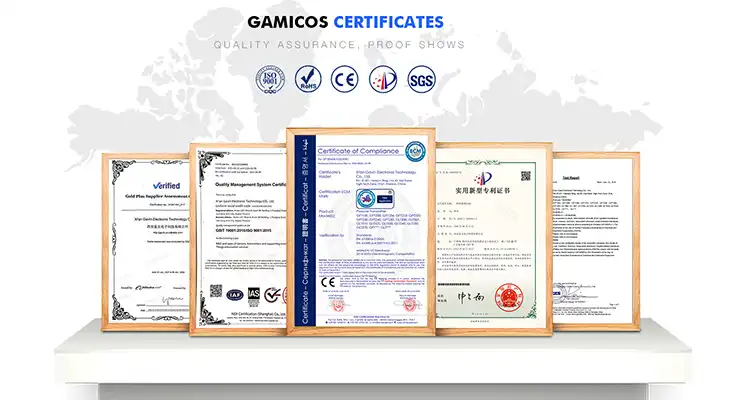
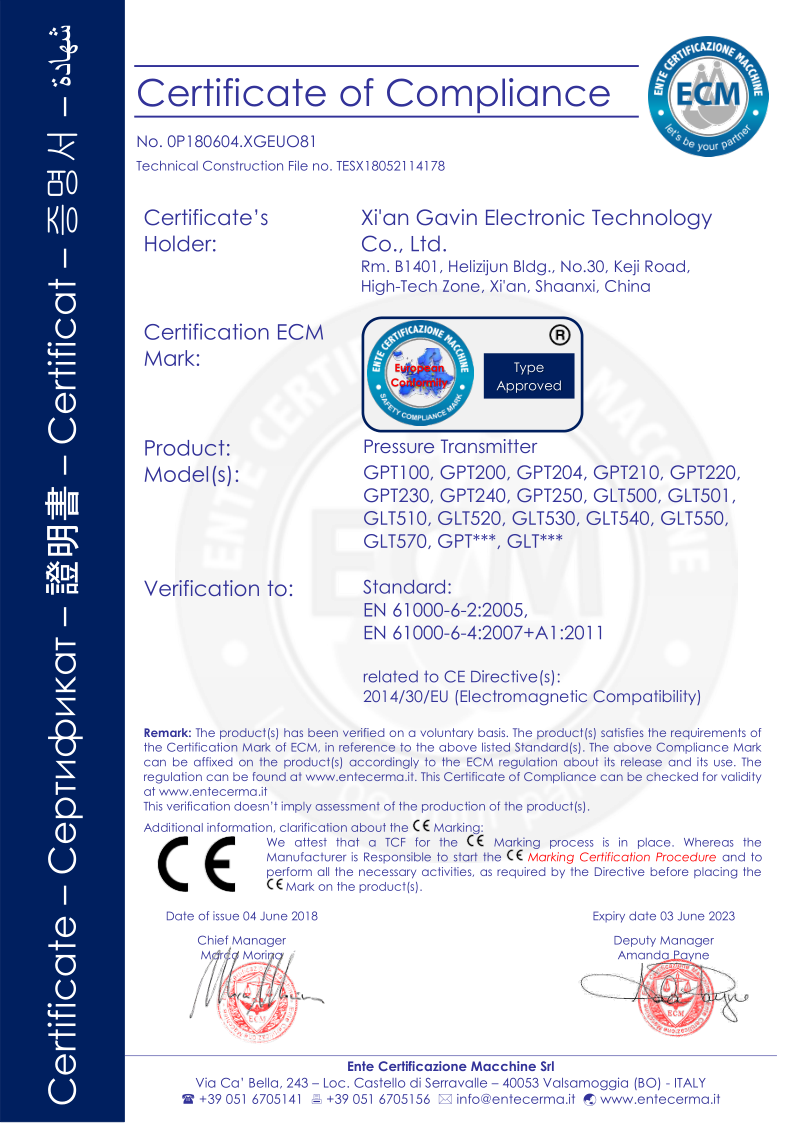
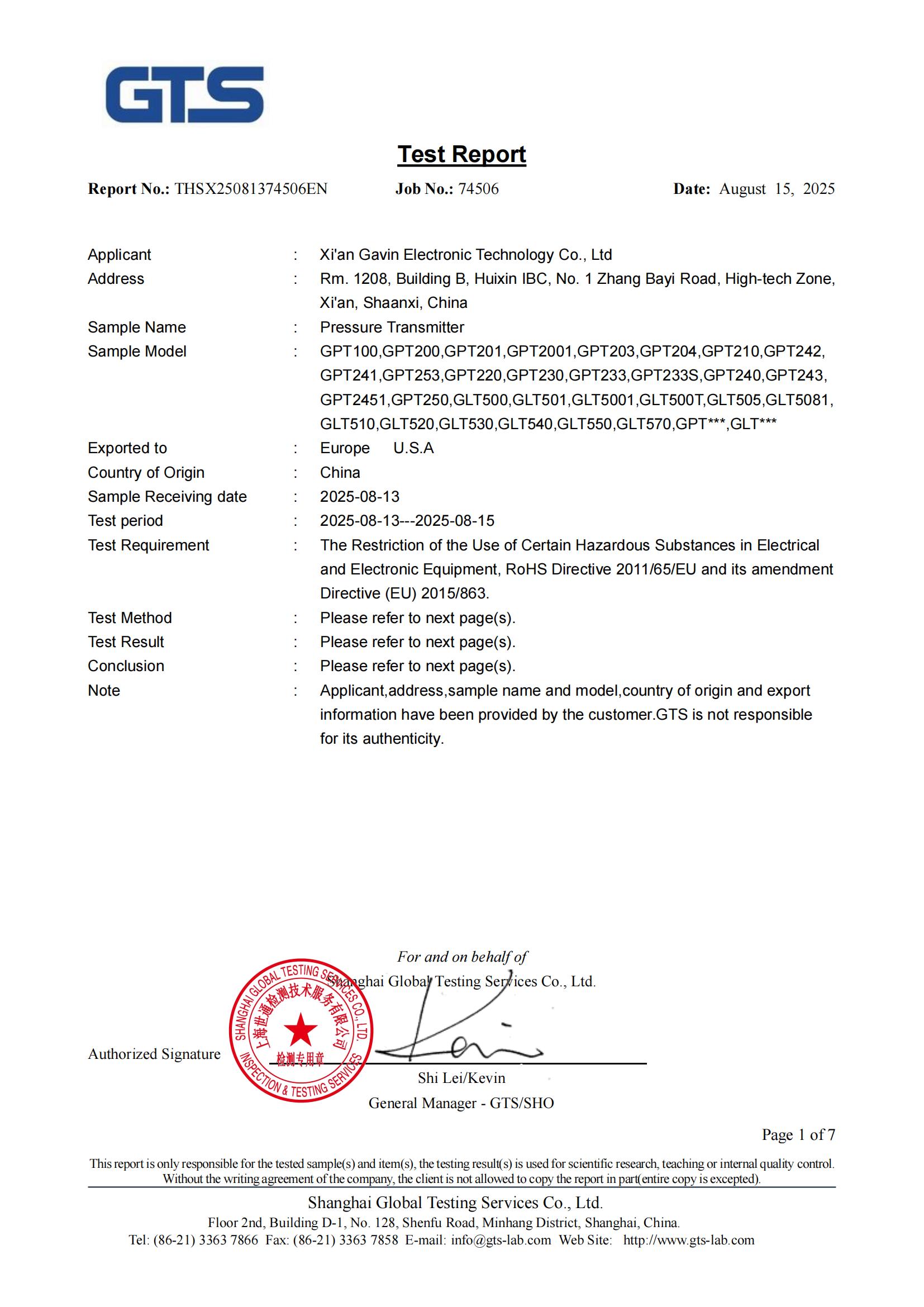
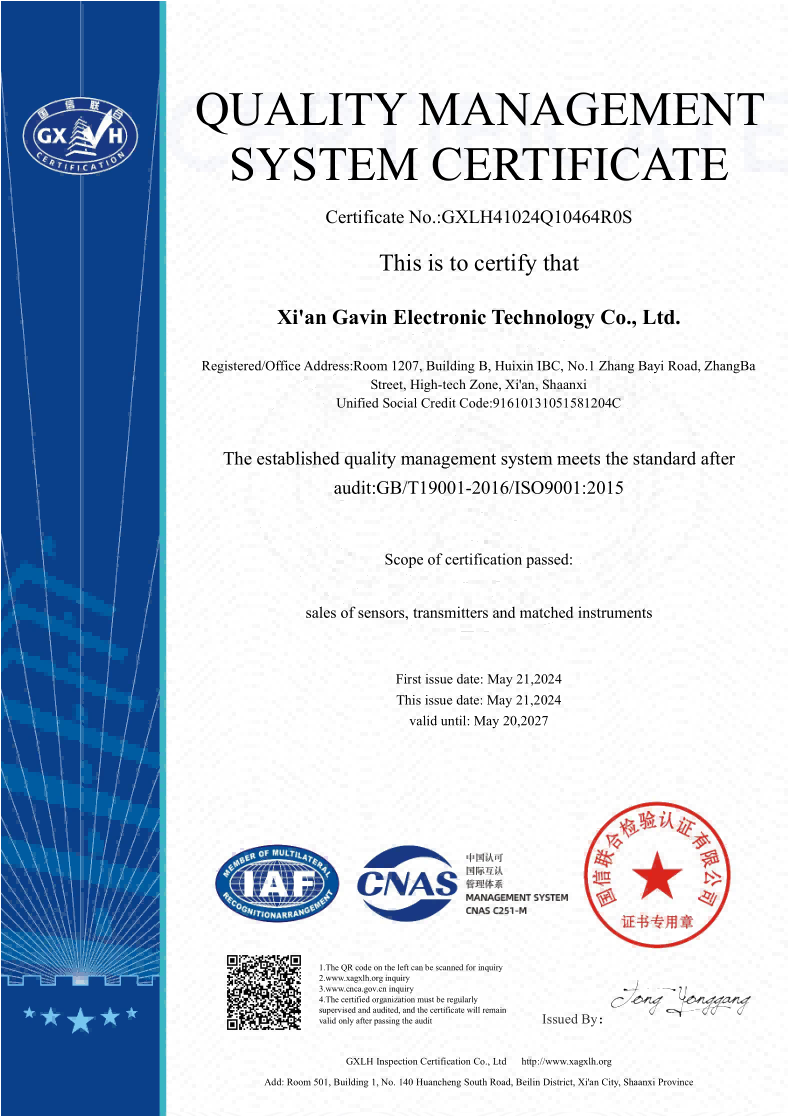
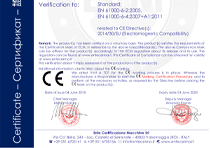
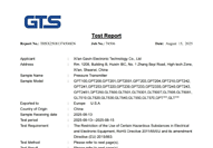
Picking a supplier is more than just picking the right goods. What it also means is reliability, a help system, and the chance to work with other people. Making sure your providers follow the rules and have quality control methods is easy. Just look at their ISO 9001, CE, and RoHS certificates. Ask about a lot of supply choices, wait times, and inventory control to make sure the product is always on hand. It is very helpful to have professional assistance, like application engineering help and tools for troubleshooting, available for the whole life of a product. By changing things like pressure ranges, electrical connections, or mounting setups, you can make solutions that fit your needs without having to rethink them a lot.
Request sample units to be tried and reviewed before you place a large order. Hands-on testing backs up claims of performance, shows problems with integration, and builds trust in relationships with suppliers. It's easier to make budgets and find the best deals when you know how prices work, what the minimum order amount is, and how much you can save by buying in bulk.
Certification and Compliance Considerations
Hydrogen systems must follow strict safety rules that change based on where they are used and what they are used for. For places where bombs are present, sensors must meet certain standards. These include ATEX or IECEx, which are rules for pressure equipment, and ISO 19880 or SAE J2579, which are codes specific to hydrogen. Paperwork for certification shows that you're following the rules and makes it easier to get approval from the people in charge. By checking certifications before buying, you can avoid delays that cost a lot of money and make sure that activities are legal in the places you want to reach.
Total Cost of Ownership Analysis
The price you pay for something is only one part of how much it costs to own it. When choosing a sensor, you should think about how much it will cost to change, adjust, and keep it, as well as how much it could cost for the system to be down. Some sensors cost more up front, but they have cheaper lifetime costs in the long run because they last longer, don't break down as often, and stay more accurate. When you look at the total cost instead of the original price, you can see what the real economic value is. This helps you make smart buying decisions that will help you reach your long-term business goals.
Future Trends and Innovations in Hydrogen Pressure Sensing for Purity & Safety
Advanced Materials and Miniaturization
New materials and smaller devices are making hydrogen pressure sensors technology better all the time. This new metal mix and surface treatment makes sensors less sensitive to hydrogen and stronger against it. Sensing parts made with nanotechnology are said to be more delicate than ever, able to detect even the tiniest changes in pressure that could mean there are leaks or damage. Things that use hydrogen but don't take up much space, like movable fuel cells and storage tanks that are mounted on cars, work well with small sensors. As hydrogen infrastructure grows, so will the need for small monitors that work well. This will lead to more progress in materials science and production methods.
Smart Sensors and IoT Integration
It's no longer reactive to track pressure when sensing technology and Internet of Things (IoT) systems are used together. There are smart monitors with computers built right in that do edge analytics. In their own area, these monitors look for patterns and outliers before sending useful data to management systems in the cloud. Workers can see all of the hydrogen assets that are spread out on real-time tracking screens.
This lets them fix things before they break down and make the best use of resources. Predictive algorithms use past pressure data to guess how sensors will break down, which lets you plan for tuning before accuracy goes down. With LoRa, NB-IoT, and 4G wireless connections, you don't need wires, and it's easier to set up in remote or changed areas. IoT-enabled monitors are the best way for businesses to keep track of hydrogen in the future. They give practical info that makes things more reliable, safer, and more efficient.
Evolving Regulatory Frameworks
As hydrogen plays a bigger part in efforts to cut down on carbon pollution, rules change all over the world. New rules are being made that spell out how hydrogen monitors should be installed, how well they should work, and how often they should be serviced. Sensor makers need to think ahead and make sure that their new goods follow the new rules in order to stay in business. People who buy things should work with service providers who keep an eye on changes to the law and come up with appropriate answers before the new rules are put in place. Buying choices can help with long-term compliance and keep things going smoothly if they keep up with changes to regulations.
Conclusion
Because they have a direct impact on safety, cleanliness, and the efficiency of the system, hydrogen pressure sensors are a crucial component of hydrogen infrastructure. The people in charge of buying things can make smart decisions if they know about sensor technologies, problems that are unique to each application, and providers' skills. As the hydrogen business grows quickly, it needs testing tools that can work in harsh environments and stay accurate for a long time. The best way to make sure a project goes well is to work with sensors providers who have a lot of experience, offer expert support, let you make changes, and are fully certified. As materials, smart tracking, and connections keep getting better, businesses that jump on new solutions first will be able to stay ahead of the competition.
FAQ
What factors most significantly affect hydrogen pressure sensor accuracy?
A hydrogen pressure sensor's precision depends on many factors, like how stable the temperature is, how well it can handle mechanical stress, and how well the material reacts with hydrogen. Changing temperatures cause thermal expansion, which changes how sensors are tuned. This is why temperature adjustment circuits are needed. Hydrogen embrittlement breaks down sensor materials over time, which leads to measurement errors. By using the right materials and adjusting them often, you can keep a process accurate for as long as it lasts. How things are fixed, like keeping vibrations out and making sure everything is tight, can also change how accurate measures are.
How often should hydrogen pressure sensors be calibrated in industrial settings?
You have to follow government rules and the job's difficulty level to figure out how long it takes to calibrate. Calibration should be done once a year for light use. It might need to be done every six months in tough places with high temperatures or forces. Checks that are done more often are good for uses that are very important for safety. Based on how the sensor is made and how it is used, manufacturers suggest times when it should be adjusted. Keeping an eye on how the sensor works changes over time can help you find the best calibration regularity that matches the need for accuracy with the cost of maintenance.
Can hydrogen pressure sensors be customized for specific applications?
Sensors from reputable companies can be changed in many ways to meet the needs of a wide range of applications. The pressure range, the electrical connections (cable vs. connector), the transmission method, and the way the gadget is mounted can all be changed. A lot of the time, things can be made better so they can handle chemicals or high temperatures better. Customized test papers and other forms of paper help people follow the rules. You can get a product that fits your wants by telling the seller about them while you're getting it.
Partner with GAMICOS for Reliable Hydrogen Pressure Sensor Solutions
To get around problems in hydrogen applications, you need hydrogen pressure sensors that you can trust, as well as expert know-how and quick help. When it comes to making accurate pressure monitors for harsh industrial settings, like systems for making, keeping, and sharing hydrogen, GAMICOS is the leader. Many different temperatures and pressures can be used with our capacitive and MEMS-based sensing technologies, and they always work very well. They also don't change over time.
Because we only make hydrogen pressure sensors, we know what purchasing managers, engineering teams, and project managers need to set up hydrogen infrastructure. We offer full customization services for OEM and ODM users, which include making sure that the interface, communication, and technical setups meet your exact needs. International approvals like CE, RoHS, and ISO, along with strict quality control methods, make sure that GAMICOS sensors work properly and meet all global legal standards.
Our technical support team gives expert help on how to choose the right product, install it, and try it to make sure the sensors work at their best right away. When it comes to big projects and ongoing procurement programs, GAMICOS makes sure that goods are always available by shipping them on time and in bulk.
Explore our selection of hydrogen pressure sensors and discover how GAMICOS can help you with your safety and purity problems. Send us an email at info@gamicos.com to get full datasheets, test units, or to talk about how we can make unique sensors for your hydrogen needs. You can use the best testing equipment and get the best customer service from us because we want to build long-term relationships with you that help your hydrogen projects.
References
1. Smith, J.R., & Anderson, K.L. (2022). Pressure Measurement Technologies for Hydrogen Energy Systems. International Journal of Hydrogen Energy Applications, 47(8), 3421-3439.
2. European Industrial Gases Association. (2021). Sensor Requirements for Hydrogen Safety and Purity Monitoring. EIGA Publication 21/21, Brussels.
3. National Renewable Energy Laboratory. (2023). Materials Compatibility and Sensor Selection for Hydrogen Infrastructure. NREL Technical Report NREL/TP-5400-82156.
4. Martinez, P., Chen, Y., & Roberts, D. (2023). Advanced Sensor Technologies for Hydrogen Fuel Cell Systems. Sensors and Actuators B: Chemical, 385, 133692.
5. International Organization for Standardization. (2020). Gaseous Hydrogen – Fueling Stations – Part 1: General Requirements (ISO 19880-1:2020). Geneva: ISO.
6. Williams, T.E., & Kumar, S. (2024). IoT Integration and Predictive Maintenance in Hydrogen Pressure Monitoring Systems. Journal of Process Safety and Environmental Protection, 182, 245-260.

Ivy
Ivy, product consultant, has focused on sensor consultation for ten years, is proficient in providing pressure and level measurement solutions for customers.
We're here to help — submit your request anytime!
Let us know how we can help solve your pressure level measurement challenge.
_1757930850792.jpg)

Recommended Blog

Can a pressure transducer measure liquid level in firefighting tanks?
Pressure Sensor VS Pressure Transmitter: Are They the Same Thing?

Can a pressure transducer measure liquid level in firefighting tanks?
Pressure Sensor VS Pressure Transmitter: Are They the Same Thing?
Can a pressure transducer measure liquid level in firefighting tanks?
Pressure Sensor VS Pressure Transmitter: Are They the Same Thing?
Can a pressure transducer measure liquid level in firefighting tanks?
Pressure Sensor VS Pressure Transmitter: Are They the Same Thing?
Can a pressure transducer measure liquid level in firefighting tanks?
Pressure Sensor VS Pressure Transmitter: Are They the Same Thing?