Fuel Level Sensor Wholesale and Bulk Purchasing Guide
Understanding Fuel Level Sensors: Key Concepts for Bulk Buyers
- Understanding Fuel Level Sensors: Key Concepts for Bulk Buyers
- Bulk Purchasing Considerations: How to Choose the Right Fuel Level Sensor
- Wholesale Fuel Level Sensor Market Overview and Supplier Capabilities
- Installation, Calibration, and Maintenance: Ensuring Optimal Sensor Performance
- Procurement Process Optimization and Risk Mitigation for Bulk Buyers
- Conclusion
- FAQ
- Partner with GAMICOS for Your Fuel Level Sensor Wholesale Needs
- References
For big industrial projects, finding the right fuel measurement option requires a plan that weighs accuracy, dependability, and long-term worth. In uses for petroleum storage, fleet management, and industrial automation, the choice of Fuel level sensor has a direct impact on operating efficiency. This detailed guide helps sourcing managers, engineering professionals, and procurement experts with large sensor purchases by explaining basic technologies and finding the best ways to work with suppliers. The information below will help you make decisions that meet your technical needs, your budget, and your certification requirements while still working seamlessly with existing systems. This is true whether you're replacing old equipment, adding OEM modules, or setting up new monitoring infrastructure.
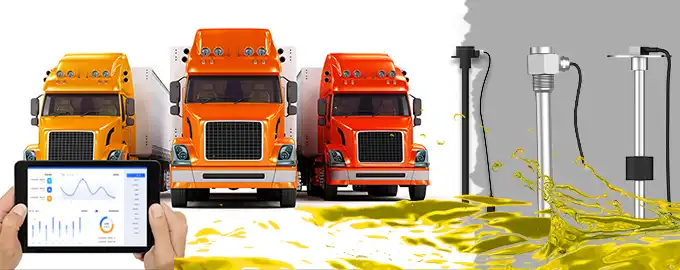
Understanding Fuel Level Sensors: Key Concepts for Bulk Buyers
Accurately measuring fuel is essential for running businesses efficiently in the transportation, manufacturing, and car industries. These measuring tools keep an eye on the amount of liquid in storage tanks, car fuel systems, and industrial pools. They collect important information that is used for managing supplies, keeping track of usage, and controlling automation.
Core Technologies and Operating Principles
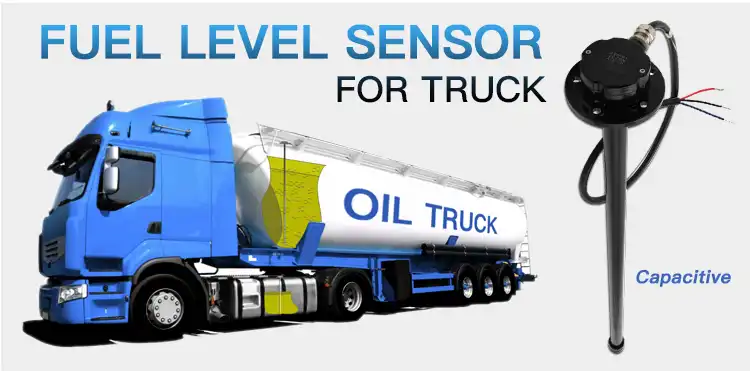
Modern sensors use more than one way to measure things based on the task at hand. When the amount of liquid changes, resistive versions use float-arm mechanisms that change the electrical resistance. These are easy to use and don't cost much for normal tasks. Capacitive technology counts changes in the electrical field caused by different amounts of fuel between electrodes. It gives very accurate results without any wear on the parts. The GLTV7 capacitive level sensor is a good example of this method because it constantly measures changes in height using capacitance. It can fit different tank designs because its length can be changed and its resolution is less than 1mm. It can also integrate with GPS to provide real-time consumption data across spread fleets.
Ultrasonic devices measure distance by timing the sound waves that bounce off the top of a liquid. This method works for all types of fuel and doesn't require touching the liquid. Each technology has its own benefits. For example, resistive sensors are reliable and don't cost too much. Capacitive options are more accurate and last longer. And ultrasonic systems work great in tough environments where direct contact could lead to contamination or maintenance issues.
Analog, Digital, and Wireless Configurations
Signal output forms have a big effect on how well a system can be integrated and monitored. Analog sensors easily connect to standard instruments because they send out constant voltage or current readings that are proportional to the level of the liquid. Digital versions turn measures into computer data streams, which makes it easier to connect to automation systems and get accurate readings. Units that are wirelessly enabled send data using Lora, GPRS, NB-IoT, or 4G protocols. This gets rid of the need for cables and makes it easier to watch sites that are in different places.
Which configuration to use relies on the machinery that is already in place, the monitoring needs, and the operating setting. Analog outputs often work well with older systems, while digital accuracy is better for newer robotic platforms. Wireless choices are very helpful for retrofitting jobs or places where installing wires would be hard to do.
Technical Distinctions from Traditional Fuel Gauges
Sensors and gauges are often mixed up, but they have different jobs in measurement systems. Sensors actually find and measure things by sending out electrical signs that are related to the amount of liquid. This information is shown to workers by gauges through mechanical needles, LED lights, or computer screens. It's easier to understand buying requirements when you know the difference between the two: bulk buyers usually get sensors for OEM integration or system changes, while end-user replacements require full gauge kits.
Bulk Purchasing Considerations: How to Choose the Right Fuel Level Sensor
To choose the right sensors strategically, you need to carefully look at the working situations, technical needs, and buying goals, including the Fuel level sensor. Performance needs vary depending on the application, which has a direct effect on long-term dependability and total ownership costs.
Defining Requirements Based on Application Scenarios
Sensor specs are greatly affected by the type of vehicle and the working surroundings. Standard-length sensors with moderate accuracy are usually fine for light business cars. Heavy-duty trucks, on the other hand, need strong designs that can handle constant vibration and temperature changes. Customized solutions, such as sensors with lengths that can be changed to fit different tank shapes, are useful for industrial equipment and fixed storage tanks. The GLTV7 is flexible because it can be cut to any height, so it can be used for everything from small extra tanks to large storage vessels without having to keep multiple SKU versions on hand.
Fuel type matching needs a lot of thought. Automobiles mostly use gasoline and diesel, so sensors must be made to work with fuels that are made from petroleum. Specialized fuels may be used in industrial equipment, and chemical compatibility must be checked before large orders are placed. The type of material used—stainless steel, aluminum, or specialized polymers—should match the properties of the liquid so that there is no rust or measurement drift over time.
Critical Evaluation Factors for Bulk Procurement
Accuracy of measurements has a direct effect on operating choices and following the rules. Resolution standards describe the smallest level change that can be detected. Applications that need sub-millimeter accuracy, like automatic refueling systems or inventory tracking, can use it, while less demanding situations can handle wider limits at lower costs.
How long a sensor lasts in real-world working settings depends on how durable it is in the environment. Specifications for purchases should include temperature ranges, resistance to vibration, scores for ingress protection, and information on how well the material works with exposure factors. Total cost of ownership is affected by how often the equipment needs to be serviced. For example, capacitive sensors that don't have any moving parts usually need less frequent service than mechanical float designs, which lowers lifetime costs even though they may be more expensive to buy at first.
The ability to calibrate affects how well deployment works and how accurate it stays over time. External calibrator support, like the GLTV7's, makes it easier to set parameters during installation and allows field recalibration without taking the unit off, which cuts down on downtime during large-scale fleet deployments.
Wireless vs. Wired: Infrastructure and Monitoring Considerations
The choice of connectivity method strikes a mix between how hard the installation is and how flexible the tracking is. Communication that is stable and free of interference is possible with wired setups, which are good for permanent placements with already-established cabling infrastructure. The costs of installation stay low whether sensors are added to a new building or the whole system is redesigned.
Wireless options have big benefits for repair projects, assets that are spread out, or places where running cables would be hard to do. GPS-compatible sensors let mobile companies track their fuel use in real time, giving us useful information for finding the best routes and keeping thieves away. Connectivity choices like Lora for low-power long-range networks, GPRS/4G for wide-area coverage, and NB-IoT for efficient cellular communication should work with the infrastructure and data management tools that are already in place.
Pricing Structures and OEM Considerations
Negotiations for bulk purchases usually lead to tiered pricing based on order volume, with big drops in price per unit as the order volume goes up. OEM relationships allow for customizations like changing the size, branding the packaging, and creating unique communication methods that set finished goods apart in competitive markets. Aftermarket buyers look for direct replacement compatibility and uniform specs that make managing inventory easier across a wide range of equipment.
Not only should unit prices be clear, but so should customization fees, payment terms, minimum order amounts, and discount levels based on volume, Fuel level sensor. Long-term supply deals usually get better prices and make sure that goods are available even when demand changes.
Wholesale Fuel Level Sensor Market Overview and Supplier Capabilities
To successfully buy in bulk, you need to carefully evaluate suppliers in more ways than just looking at the product specs. How long a relationship can last depends on its manufacturing capacity, quality processes, ability to adapt to different needs, and support infrastructure.
Leading Manufacturers and Technology Providers
In the global sensor market, there are both large, well-known international companies and smaller, more specialized companies. Companies like Bosch, Denso, and Honeywell have wide ranges of products and services, and they support them with help networks all over the world. Siemens and Delphi both make strong products for the industrial technology and car OEM markets. Magneti Marelli focuses on making aftermarket substitute parts that work with a wide range of vehicles.
GAMICOS works with specialized makers whose product lines are focused and who can make changes to their products easily. We focus on capacitive, ultrasound, and radar level measurement technologies for more than 100 countries in the oil, energy, fleet management, and industrial automation sectors. This specialization makes it possible to quickly change to changing customer needs, like changing interfaces, communication methods, or mechanical measurements, which isn't always possible with bigger companies' standard product lines.
Supplier Capacity and Customization Options
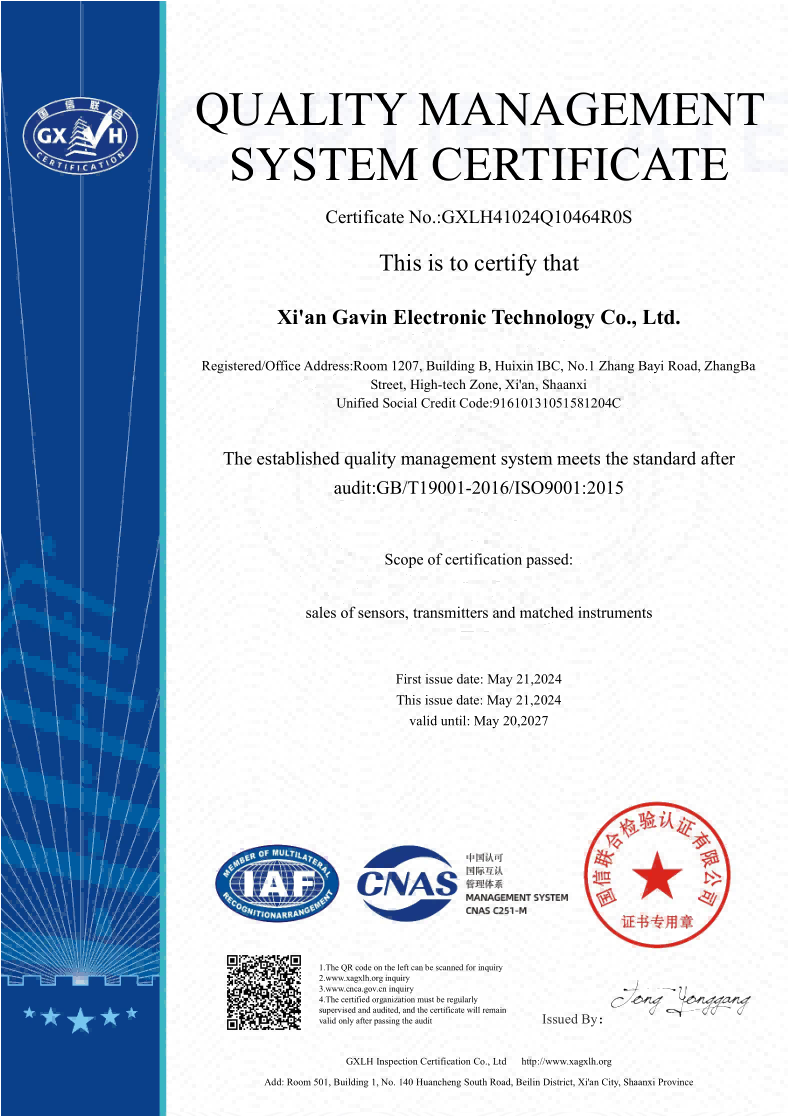
Production capacity has a direct effect on how reliably orders are filled, especially when demand goes up or down during certain times of the year. Potential suppliers should show that they have the production capacity to handle the expected number of orders without lowering quality or making wait times longer. Site approvals, like ISO 9001 for quality management and ISO 14001 for environmental standards, show that thorough process control is being carried out in a valid way.
The ability to customize sets basic sellers apart from strategic partners. When an OEM works with another one, they often need to change parameters, make changes to the interface, or create branded paperwork. GAMICOS has technical tools that can be used to make changes to sensor sizes, output signals, mounting options, and communication methods. This feature comes in handy when normal goods don't work well with certain tank shapes, old system interfaces, or custom monitoring platforms.
Lead Times, Logistics, and the dependability of the supply chain
Standard product availability usually runs from shipping right away from stock to 2–4 weeks for production, based on the size of the order. Customized versions add 4 to 8 weeks to the schedule to account for design approval, equipment preparation, and sample approval. Making it clear what kind of lead time is expected during the RFQ process keeps time-sensitive tasks from running behind plan.
The ability to handle international operations affects both the total cost of landing and the reliability of delivery. Cross-border transactions are made easier by suppliers who have established freight partnerships, consolidated shipping choices, and knowledge of how to fill out customs paperwork. GAMICOS serves customers in Australia, North America, Europe, the Middle East, and Southeast Asia through well-tuned transport networks that balance low costs with on-time delivery windows.
Case Examples: OEM Integration and Fleet Management Success
Automotive OEM partnerships show that capacitive sensors are better in settings with a lot of production. One heavy-duty truck maker switched from using standard float sensors to custom capacitive units. This cut warranty claims by 40% because the new units were 40% more durable and didn't have any mechanical failure modes. Customizing the dimensions allowed for different tank shapes to be used without having to rework the fuel systems, which cut down on project timelines.
GPS-integrated wireless sensors give fleet management workers a clear view of how operations are running. A logistics company put 500 units in their delivery fleet and recorded real-time usage data that showed inefficient routes and people taking fuel without permission. The money spent was returned in 18 months thanks to lower fuel costs and better asset usage. The longer service life of the sensors also led to lower repair costs.
Installation, Calibration, and Maintenance: Ensuring Optimal Sensor Performance
The quality of the technical execution decides whether the performance claims made by the sensor actually lead to operational gains. For measurements to be accurate for as long as they are used, Fuel level sensor needs to be installed correctly, calibrated correctly, and maintained regularly.
Installation Best Practices and Common Problems
Choosing the right mounting spot has a big effect on how accurate measurements are. To keep readings from changing because of wind, sensors should be put in places away from the tank's entrances, exits, and barriers. The SAE standard 5-hole screw locking on the GLTV7 makes mounting safe and makes installation easy, making it suitable for both professional technicians and support staff. Wide voltage input compatibility (usually 9–32VDC) gets rid of power source problems in a variety of car electrical systems.
Standardized installation procedures help with large-scale operations by making sure that all units work the same way. The torque values, electrical connection steps, and initial power-up methods should all be written down. Common problems include not enough grounding, which causes signal noise, not enough closing, which lets water in, and mechanical stress from overtightening, which damages sensor housings. When working on multiple units, mistakes are less likely to happen when the supplier provides installation guides and expert help.
Calibration Procedures for Measurement Accuracy
The first adjustment fits the sensor output to the shape of the tank and the properties of the liquid inside it. The endpoints of the measurement range are set by empty and full-point calibration. For better accuracy across the working range, multi-point methods map intermediate levels. The GLTV7's external calibrator lets you change parameters without taking it apart, which makes launching and field recalibration easier.
Regular recalibration keeps readings accurate when changes in the surroundings, the age of parts, or the properties of fuel happen. The recommended periods depend on how hard the application is. For example, annual testing works best in stable settings, while quarterly checks work best in situations with a lot of use. Calibration records are proof that quality control methods and legal standards are being followed.
Troubleshooting and Maintenance Schedules
Systematic fixing is a quick way to fix common problems. Often, electrical noise, bad grounding, or loose connections are to blame for results that aren't stable. If there are consistent shift mistakes, it means that there is calibration drift that can be fixed by adjusting the system. If you lose all signals, it could be because of a bad power source, broken wires, or broken parts that need the whole unit to be replaced.
Preventive maintenance increases the life of an operation and lowers the chance of unexpected downtime. Visual checks find problems like rust, physical damage, or fitting that isn't tight enough before they become problems. Checking the electrical link stops problems that happen from time to time due to vibration or temperature changes. Because capacitive sensors don't have any moving parts, they don't need as much upkeep as mechanical ones. However, cleaning the sensing elements every so often is recommended for best performance in dirty settings.
Procurement Process Optimization and Risk Mitigation for Bulk Buyers
Supply continuity is ensured by efficient purchase processes and cautious risk management that protect procurement investments. Structured processes cut down on mistakes, speed up decision-making, and make sure that everyone is responsible for what they do during the whole buying process.
Streamlining the Purchasing Workflow
Standardized RFQ forms make sure that sellers get all the information they need to give accurate quotes without having to ask for corrections over and over again. Some important factors are the technical parameters (like measurement range, precision, and output type), the quantity needs with shipping dates, the certification standards (like CE, RoHS, and ISO paperwork), and the specifics of customization. When requirements are clear, there are fewer misunderstandings that can delay production or lead to goods that don't meet standards when they arrive.
Supplier evaluation matrices compare products and services based on important factors like price, technical compliance, shipping, quality certificates, customization options, and support services. Weighted scoring brings out the most important factors for each project, like aggressive price for cost-sensitive purchases, technical expertise for difficult apps, or quick delivery for pressing needs.
Negotiation Strategies and Contract Essentials
When buyers commit to buying in bulk, they can often get better prices, but they need to weigh the saves on unit costs against the costs of keeping stockpiles and the uncertainty of demand. Multi-year contracts protect prices and make sure supplies are distributed when capacity is limited. This is good for both parties because it predicts business growth.
Quality standards, acceptance criteria, review rights, guarantee coverage, and ways to fix deliveries that don't meet the terms should all be clearly stated in the contract. Payment terms that balance managing cash flow with protecting suppliers, like paying part up front and the rest when the goods are delivered, make deals go more smoothly. Intellectual property laws make it clear who owns unique designs and keep secret specs from getting out without permission.
Quality Control and Supply Chain Risk Management
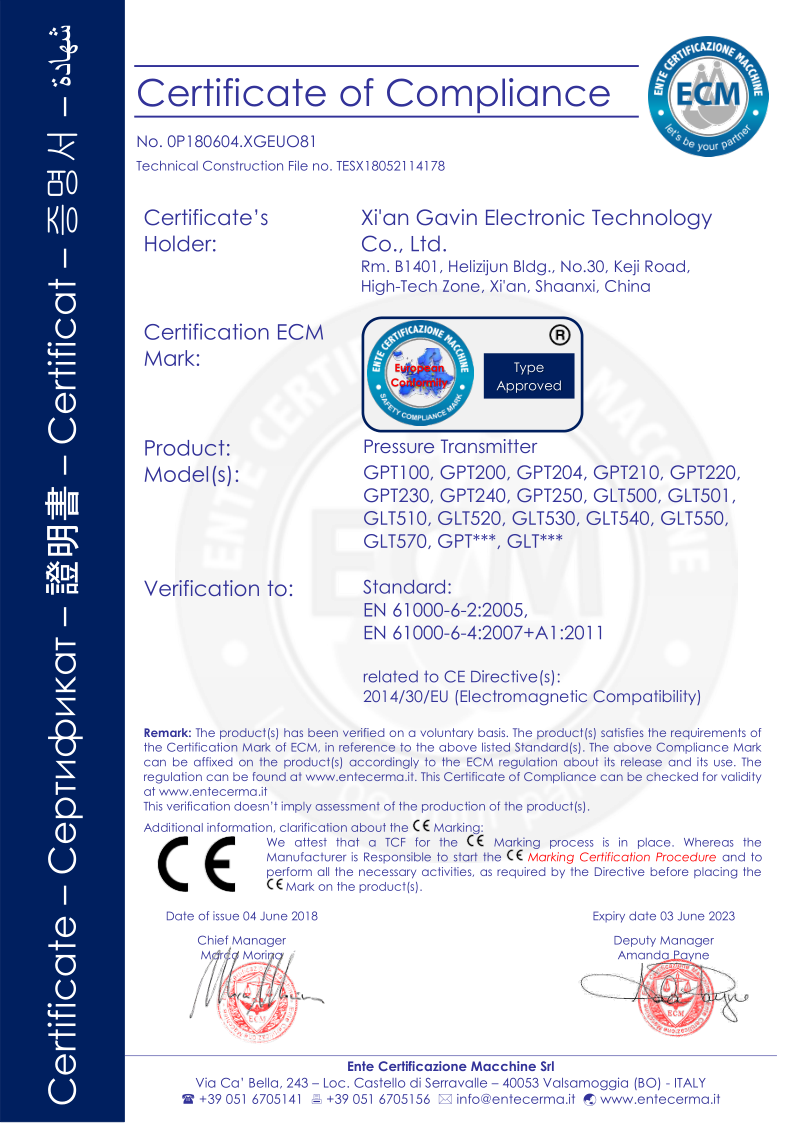
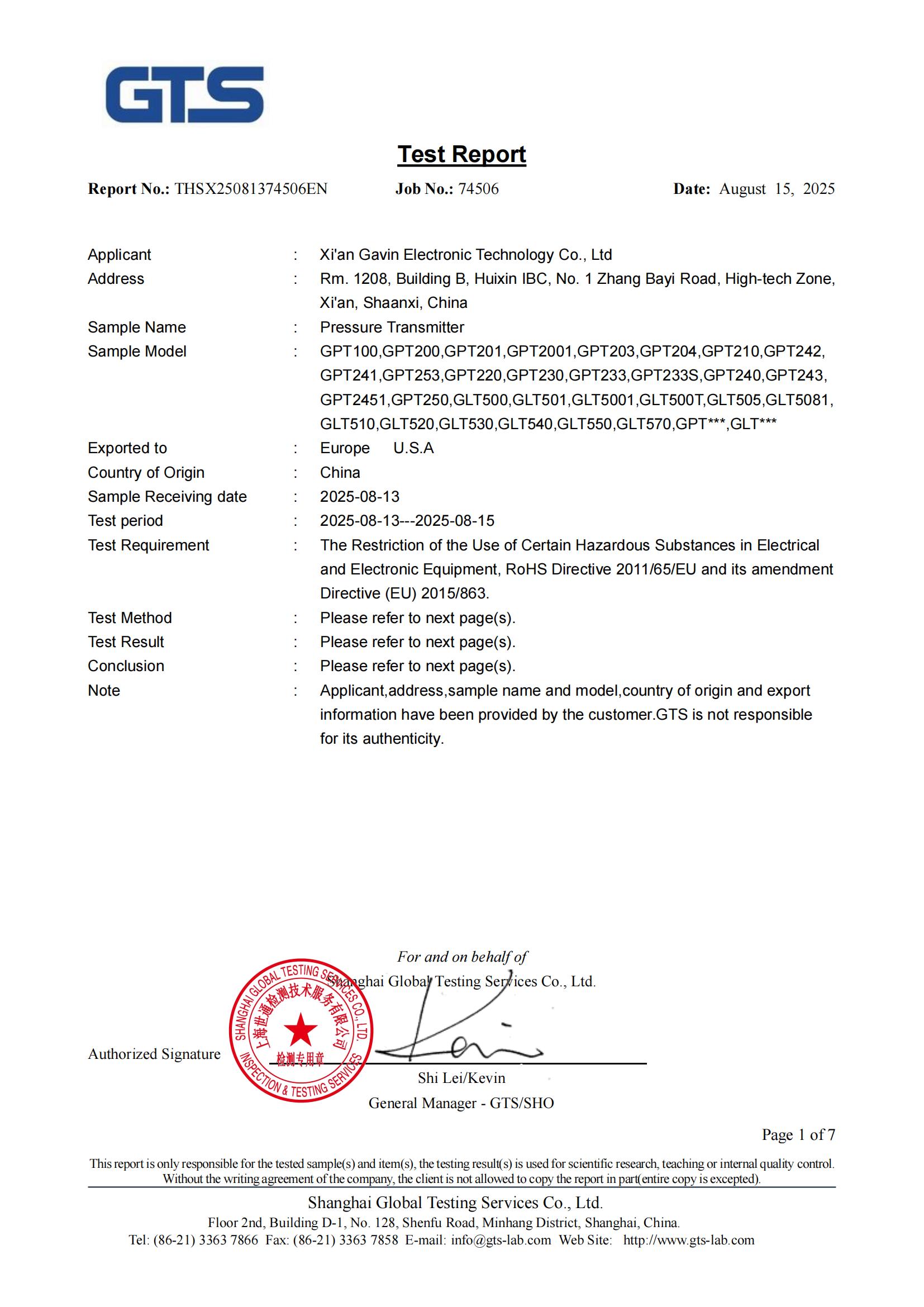
Before putting sensors into use, incoming checking procedures make sure they meet certain requirements. Testing samples from each batch makes sure that the measurements are correct and that the electrical and mechanical parts are in good shape. Third-party approval paperwork, like pressure equipment instructions, electromagnetic compatibility, and environmental compliance, proves that the rules are being followed.
Diversifying the supply line lowers the risks of being dependent on a single source. Qualifying secondary providers gives you options when your main seller isn't working, but managing multiple relationships costs time and money. Strategic inventory balancing protects against short-term supply problems without requiring too much working capital.
Warranty Terms and After-Sales Support
A full warranty should cover problems with the way the product was made, breakdowns that happen before they should, and performance drops below what was expected. Terms are usually between 12 and 24 months, but they can be longer for important cases. When problems happen, downtime is kept to a minimum by having clear RMA processes, replacement timelines, and technical help available.
Respondent technical help is what sets great partners apart from good sellers. Application engineering help makes choosing and integrating sensors better. Installation instructions cut down on mistakes during completion. Expertise in troubleshooting quickly fixes practical problems. GAMICOS has dedicated support teams that can be reached through direct contact methods. These teams help keep projects on track and systems running.
Conclusion
To buy Fuel level sensors successfully in a business-to-business setting, you need to find a mix between technical performance, supplier skills, and total cost of ownership. Understanding the three main technologies—resistive, capacitive, and ultrasonic—allows for smart choice that fits specific practical needs. When making choices about bulk purchases, it's important to think about things like accuracy, durability, customization options, and connectivity, as well as how hard the installation will be and how much upkeep will be needed.
When evaluating a supplier, more than just the specs of the product are looked at. Manufacturing capacity, quality certifications, logistics skills, and support facilities are also taken into account. Strategic relationships with specialized makers like GAMICOS provide tailored solutions, quick technical help, and dependable supply chains for the transportation, oil, and industrial automation sectors around the world. Clear contractual terms, structured buying processes, and proactive risk management protect investments and make sure that measurement systems continue to provide practical value.
FAQ
What sensor technology suits large commercial fleet applications best?
Because they are accurate, last a long time, and can be used wirelessly, capacitive sensors are great for fleet operations. Because there are no mechanical parts, repair costs are lower for groups of vehicles that are spread out, and GPS connection lets one place keep track of how much fuel each vehicle uses. For projects that don't need to be very accurate and don't need internet connection, resistive alternatives are still a good option.
What are typical lead times for bulk sensor orders?
Standard product sales usually ship between one and three weeks, based on how many are ordered. Customized requirements take 4 to 8 weeks, which includes validating the design, getting approval for the model, and setting up production. There may be extra fees for rush orders that need to be delivered quickly, and deliveries for big contracts should be timed to match project deadlines or inventory management cycles.
Can sensors be customized to specific tank dimensions and vehicle interfaces?
Customization is an important skill for OEM relationships and other specific uses. Different tank heights can be accommodated by sensor lengths that can be changed. The GLTV7's cuttable design gets rid of the need for multiple SKUs. Changes to the interface are made to deal with unique mounting arrangements, transmission methods, or electrical connectors. GAMICOS offers full OEM/ODM services, such as changing parameters, localizing paperwork, and putting customers' brands on packages to help them differentiate their products.
Partner with GAMICOS for Your Fuel Level Sensor Wholesale Needs
In order to optimize fuel tracking infrastructure for industrial operations, fleet management, or OEM production, you need a seller with technical know-how, large production capabilities, and service that is focused on the customer. As a specialized Fuel level sensor manufacturer serving international B2B markets, GAMICOS provides just this combination. Our GLTV7 capacitive sensor has the accuracy, adaptability, and dependability needed for tough jobs. It can measure down to the millimeter, has measurements that can be changed, works with GPS, and has been used for years in the oil, transportation, and industry sectors.
We know how hard it is for sourcing managers, engineering professionals, and procurement specialists to balance performance needs with limited budgets, manage international logistics, make sure regulations are followed, and build partnerships that will help them succeed in the long term. Our full OEM/ODM capabilities let us make goods that are exactly what you want, and our ISO-certified quality systems and foreign certifications make the approval process easier. For projects to stay on schedule, technical support teams help with application advice, installation, and quick fixing.
Get in touch with our experts at info@gamicos.com to talk about your unique needs, ask for technical paperwork, or set up a sample evaluation. GAMICOS provides the measurement solutions, engineering support, and supply reliability that lead to operational success, whether you're upgrading current systems, releasing new goods, or setting up supply chains for growing businesses.
References
1. Thompson, R.J. & Martinez, S.L. (2022). Industrial Fuel Management Systems: Technology and Applications. Industrial Press.
2. Chen, W. & Anderson, K.P. (2021). "Capacitive Sensing Technologies for Liquid Level Measurement in Transportation Applications," Journal of Automotive Engineering, 235(8), 2043-2058.
3. Global Industry Analysts, Inc. (2023). Fuel Level Sensors Market: Global Industry Perspective, Comprehensive Analysis and Forecast 2023-2028. San Jose: GIA Publications.
4. Peterson, D.M. (2022). Fleet Management Technology: Optimizing Operations Through Advanced Monitoring Systems. Transport Publishing.
5. European Automotive Manufacturers Association (2023). Technical Standards for Fuel System Components in Commercial Vehicles. Brussels: EAMA Technical Division.
6. Singh, A.K. & Roberts, J.F. (2021). "Comparative Analysis of Fuel Level Measurement Technologies for Bulk Storage Applications," International Journal of Industrial Automation and Control, 14(3), 187-204.

Spring
Spring, With 5 years of experience in sensor technology and product development, Mark specializes in helping clients identify the optimal pressure and level sensor solutions for demanding industrial environments。
We're here to help — submit your request anytime!
Let us know how we can help solve your pressure level measurement challenge.
_1757930850792.jpg)
Recommended Blog
What output signals do submersible level sensors typically provide?
What output signals do submersible level sensors typically provide?

Can a submersible level sensor measure liquid level in a closed tank?