Why Hydrostatic Pressure Sensors Are Ideal for Water Level Measurement
Why Hydrostatic Pressure Sensors Are Ideal for Water Level Measurement
Understanding Hydrostatic Pressure Sensors and Their Principle
- Understanding Hydrostatic Pressure Sensors and Their Principle
- Advantages of Hydrostatic Pressure Sensors in Water Level Measurement
- Applications of Hydrostatic Pressure Sensors in Water Level Monitoring
- How to Choose the Best Hydrostatic Pressure Sensor for Your Water Level Measurement Needs?
- Troubleshooting, Calibration, and Maintaining Hydrostatic Pressure Sensors
- Conclusion
- FAQ
- Partner with GAMICOS for Reliable Hydrostatic Pressure Sensor Solutions
- References
Hydrostatic pressure sensors are great for measuring water levels because they can directly connect the pressure of a liquid column to its height. This means that they can give accurate, stable results without having to do a lot of math. Instead of measuring differences in pressure or mechanical strain, these devices turn static water pressure into accurate level data. This makes them essential for automation in industry, wastewater treatment, reservoir management, and environmental monitoring where long-term value comes from dependability and low maintenance.

Understanding Hydrostatic Pressure Sensors and Their Principle
The Physics Behind Hydrostatic Measurement
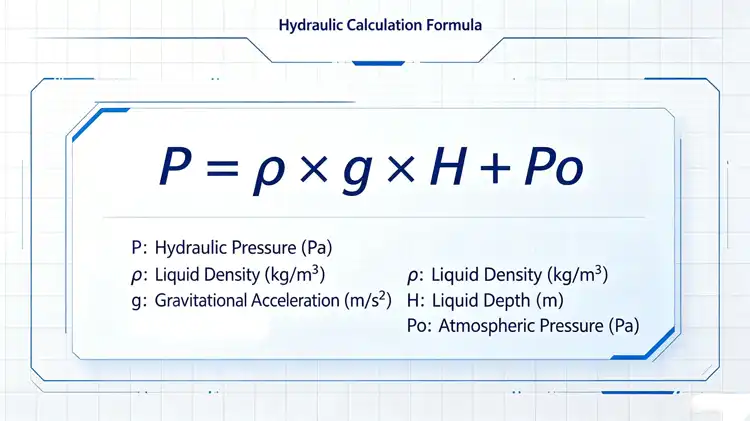
The idea behind measuring hydrostatic pressure is that the pressure of the liquid at a certain level rises in direct proportion to the height of the fluid column above that point. The formula for the relationship is P = ρgh, where P is the pressure, ρ is the density of the liquid, g is the speed of gravity, and h is the height of the liquid. This straight link lets hydrostatic pressure sensors turn measured pressure into exact level readings, no matter how the tank is shaped or what the surface conditions are like.
Core Components and Output Types
These days' hydrostatic level monitors have a pressure-sensitive diaphragm that is linked to signal conditioning circuitry. This circuitry turns mechanical movement into an electrical output. For easy connection to programmable logic controls, most devices have analog outputs (4-20 mA or 0-10V). For more complex system communication, they have digital standards (Modbus RTU, HART, RS485). The detecting element is usually made of piezoresistive or capacitive technology and is housed in ceramic or stainless steel housings that are made to withstand constant touch with liquid.
Comparison with Alternative Technologies
Capacitive pressure sensors look at changes in the electrical capacitance between plates. Hydrostatic pressure sensors, on the other hand, measure fluid pressure directly by measuring how much the diaphragm bends. Capacitive sensors work best in situations with very low pressure and little temperature change. But hydrostatic devices work better in underground installations where they are directly in touch with liquid and need to be resistant to contamination. Differential pressure receivers find the difference in pressure between two places. They are more complicated than hydrostatic level sensors, which only need to record pressure at one point.
Advantages of Hydrostatic Pressure Sensors in Water Level Measurement
Exceptional Accuracy and Stability
With direct measuring, accuracy levels are usually between ±0.25% and ±0.5% of full scale, and high-end models can get as accurate as ±0.1%. This performance stays the same from -40°C to 125°C, which solves a major problem for procurement managers who have to choose tools for outdoor sites or processes that need to handle high temperatures. Since there are no mechanical connections or moving parts, there is no drift caused by wear, so the measurements stay accurate throughout the sensor's useful life.
| GLT500 Hydrostatic Pressure Sensor | |
| Pressure range | 0~1m...200mH20 |
| Output signal | 4~20mA 0~5V 1~5V 0.5~4.5V 0~10V RS485 |
| Power supply | 5V,12~30VDC |
| Operating temperature range | -30~80℃ |
| Temperature effect on Zero | ±0.03%FS/℃ |
| Mechanical Vibration | 20g (20-5000HZ) |
| Comprehensive error | ±0.5%FS, ±0.25%FS |
| Medium compatible | Compatible with 316L SS of all kinds of medium |
| Protection | IP68 |
Cost-Effectiveness Through Minimal Maintenance
After talking to a lot of project managers who are in charge of water treatment plants, a clear trend emerges: the biggest cost of owning measurement tools is the upkeep. This problem is directly dealt with by hydrostatic pressure sensors. Since these devices don't have any moving parts that can be seen and their solid-state electronics are enclosed in strong cases, they usually need to be inspected every years instead of months. The GLTV4 mechanical level instrument goes one step further by not using any electrical parts at all. It has a service life of 8–10 years with almost no upkeep needed and gives accurate visual feedback through its built-in detection and display structure.
Installation Flexibility and Integration Simplicity
Different mounting choices allow for a range of uses, from submersible designs that are dropped into wells and reservoirs to flange-mounted units that are put on the bottoms of tanks. Cables can be hundreds of meters long, which lets sensors be placed in the best places for measurements while keeping the signal strong. Standard industrial outputs link directly to current SCADA systems, distributed control systems, or wireless IoT platforms. This cuts down on the time and money needed for integration, which is something that automation managers who are looking at retrofit projects worry about.
Environmental Resilience Across Industries
Here are the main benefits these tools bring to tough environments:
- Corrosion Resistance: Housings made of 316L stainless steel, titanium alloys, or special ceramics can stand up to constant contact with corrosive liquids like saltwater, weak acids, bases, and petroleum products that are popular in the energy and chemical processing industries.
- Contamination Tolerance: Ultrasonic devices stop working when foam or surface turbulence blocks sound waves. Pressure-based measurement, on the other hand, is not affected by surface conditions, air layers, or floating solids that are common in wastewater applications.
- Temperature Compensation: Built-in temperature monitors allow for real-time density adjustment, which keeps measurements accurate when working with liquids that have large thermal expansion coefficients or when the operating temperature changes.
- Overpressure Protection: Diaphragm designs can handle pressure spikes of up to 2–5 times their stated capacity without lasting damage. This keeps investments safe in places where water hammer or fast filling cycles happen.
These changes to the environment directly meet the reliability needs of engineering companies who run clean-in-place systems for pharmaceuticals, food and beverage production lines, and petroleum tank farms, where harsh conditions speed up the breakdown of regular sensors.
Applications of Hydrostatic Pressure Sensors in Water Level Monitoring
Industrial Process Control and Storage Management
Continuous level tracking is important for chemical makers to keep reaction stoichiometry and stop overflows. When put in process vessels and storage tanks, hydrostatic pressure sensors give the accuracy and chemical compatibility needed for safe operations. In oil ports, underwater level sensors keep an eye on the stocks of crude oil and refined products while being exposed to hydrocarbons, which breaks down other technologies. Food and drink companies benefit from safe sensor designs with smooth surfaces and tri-clamp fittings that make cleaning easier and meet FDA standards.
Municipal Water and Wastewater Systems
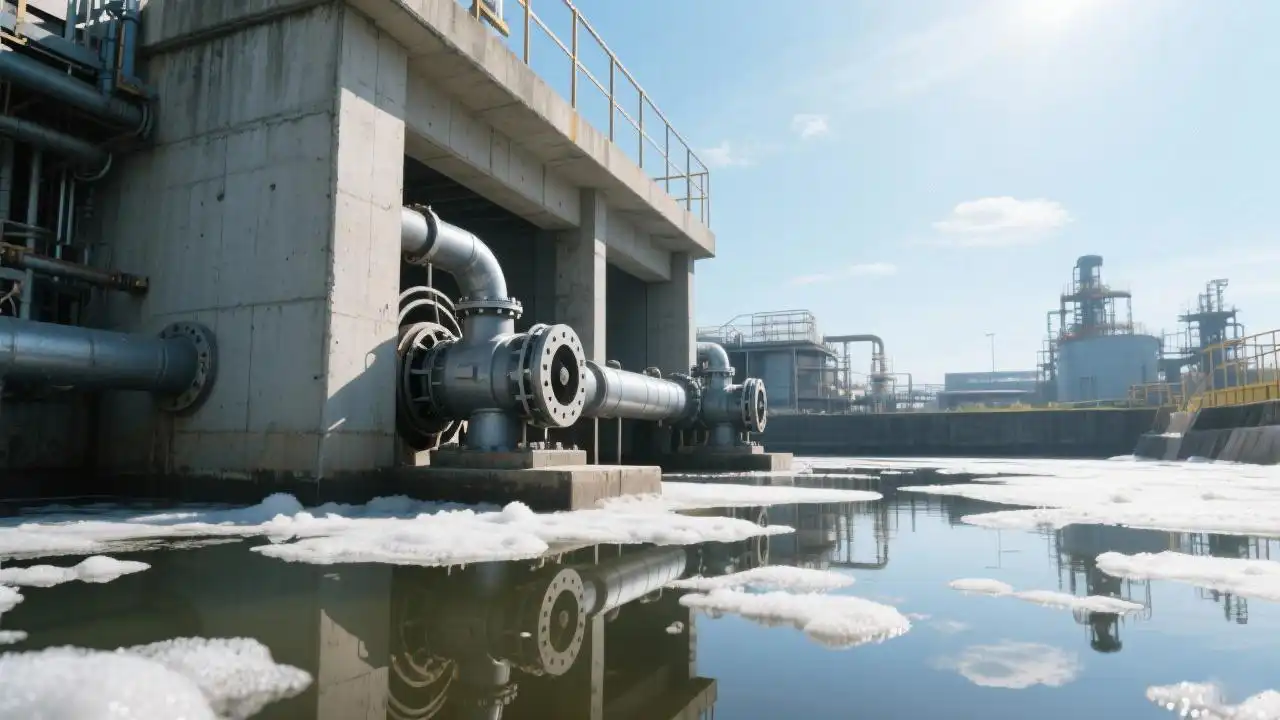
Water companies use hydrostatic pressure sensors all over their distribution networks to keep an eye on the levels of reservoirs, run the operations of pump stations, and keep treatment plants from overflowing. In the southeast of the United States, a local water authority replaced old float switches with submersible pressure sensors at 47 monitoring sites. This cut the number of repair calls by 73% and made the measurements more accurate for SCADA integration. Wastewater treatment plants use these sensors to handle stormwater retention pools, keep an eye on clarifier depths, and control the amount of wastewater that comes in. They need to be able to measure accurately even when the water is dirty.
Environmental and Hydrological Monitoring
Groundwater monitoring networks use hydrostatic pressure sensors on vented cables that can adjust for changes in air pressure. This lets them get accurate readings of the water level in observation wells to within 2 mm. Stream and river gauging sites use the same kinds of technology to help predict floods and control water resources. Environmental experts like how easy it is to maintain sensors that are placed in rural areas where it's hard to get to services. Solar-powered data acquisition systems also make deployments last longer between site visits.
Recognizing Operational Constraints
Even though hydrostatic pressure sensors are great for many uses, buying professionals should know that they have some limits. When tracking liquids that change makeup or temperature, changes in density can affect the accuracy of measurements. This means that temperature compensation or regular recalibration is needed. Turbulence can cause changes in the pressure in drums where liquids are being stirred, which means that signal damping is needed, which slows response time. Fluids with a very high viscosity can make it hard for the diaphragm to move, but this problem can be solved by special designs with bendable parts that cost more.
How to Choose the Best Hydrostatic Pressure Sensor for Your Water Level Measurement Needs?
Defining Technical Requirements
The measurement range is the most important part of the standard. It is based on the highest level of liquid that can be predicted from where the sensor is installed to the highest level. Allow 20 to 30 percent more than normal working levels to avoid overpressure situations when things go wrong. The choice of output signal relies on how well it works with the current control system. For short lengths (less than 500 meters), analog 4-20 mA current loops are easy to use and don't pick up noise. On the other hand, digital protocols allow for advanced diagnostics and multi-point addressing, which are useful for more complicated installations.
Environmental and Material Considerations
Wetted material choice is based on how well it reacts with liquids. Hastelloy or tantalum are better for places that are very corrosive, while stainless steel 316L is good for water, light chemicals, and food. Housing entry protection ratings (IP67 at the very least, IP68 for underwater installations) make sure that moisture doesn't get in, and temperature ratings must go above and beyond process extremes with enough safety gaps. The GLTV4 mechanical level device, which is made of a corrosion-resistant aluminum alloy and engineering plastics, shows how choosing the right materials can be used for tracking water, oil, and mild acids and bases without putting electronics at risk.
Evaluating Supplier Capabilities
When R&D managers compare products from companies like Honeywell, Siemens, TE Connectivity, and specialized hydrostatic pressure sensor makers, they should look at more than just price:
- Customization Support: OEM and private-label programs allow for unique mounting arrangements, cable specs, custom output ranges, and communication methods that standard products can't handle. This adaptability comes in handy when putting sensors into custom tools or meeting the needs of a specific application.
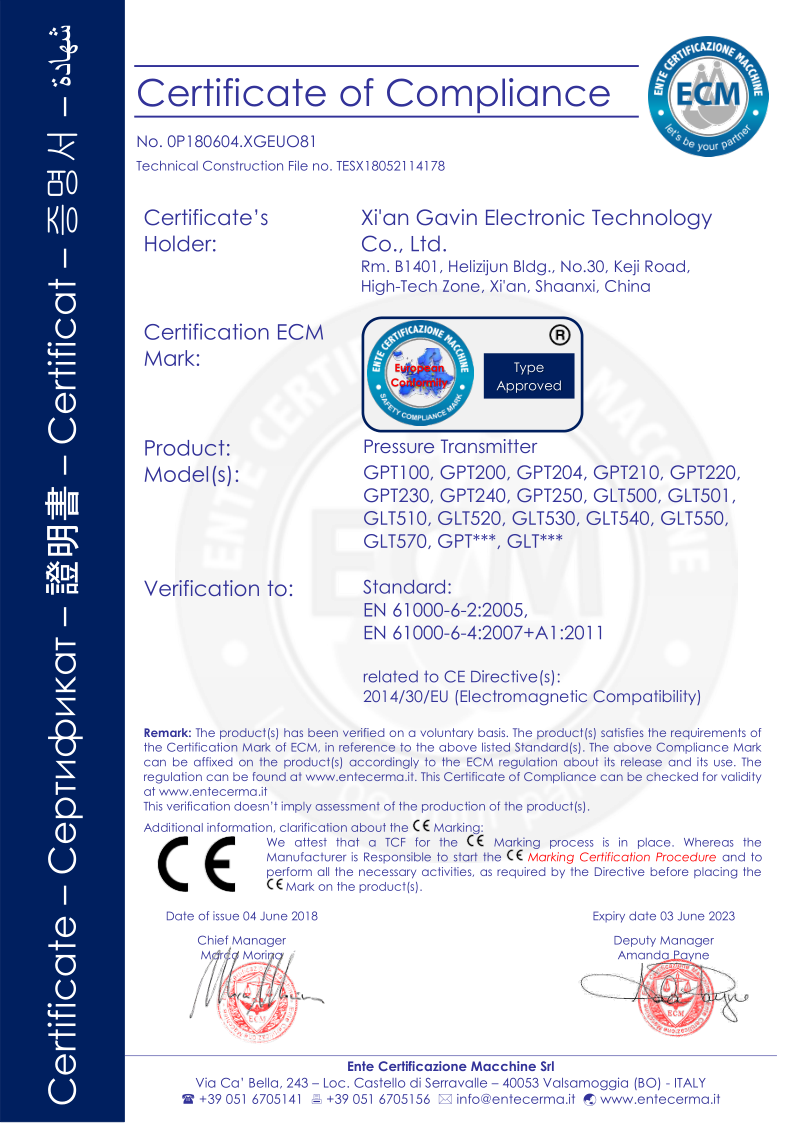
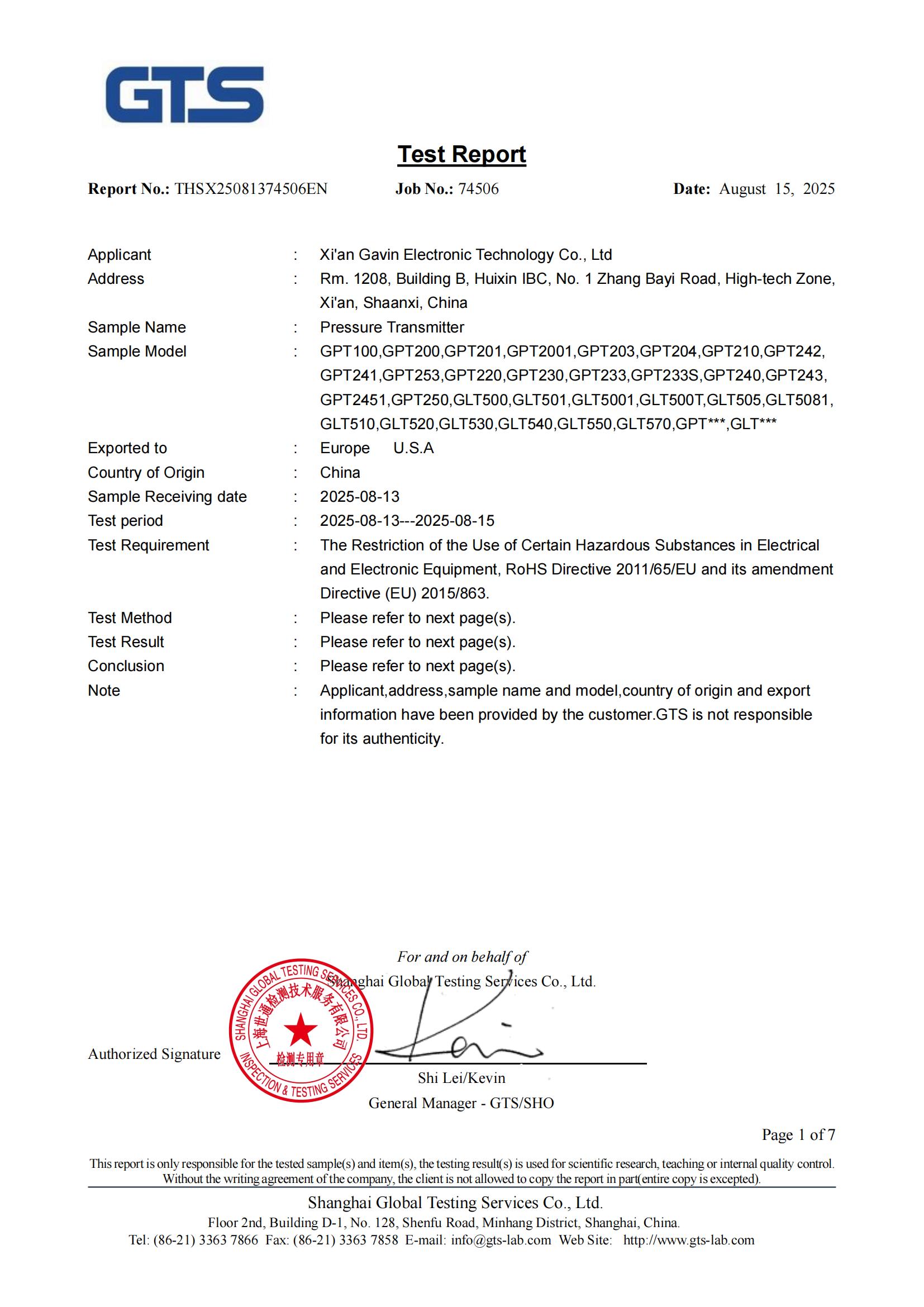
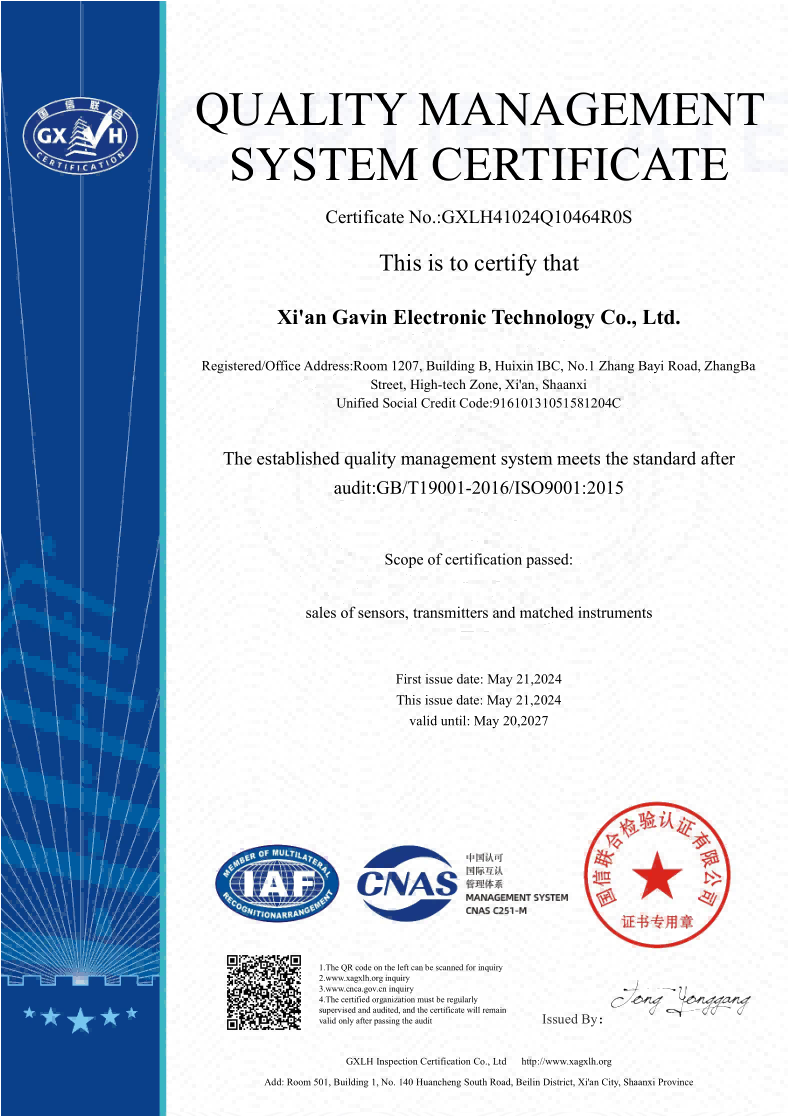
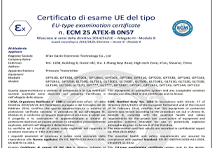
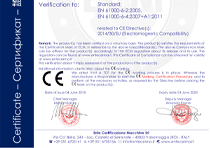
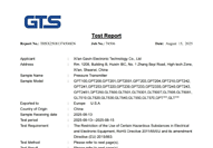
- Certification Compliance: International standards like CE, RoHS, ATEX, and IECEx verification make sure that products are safe and that they follow the rules. This lowers the risk of buying something and speeds up project decisions in controlled industries.
- Technical Resources: Responsive technical support helps with choosing sensors, installing them, and fixing problems throughout the lifetime of a product. Suppliers who offer calibration certificates that can be tracked back to national standards and written specs for accuracy show a commitment to quality that protects buyers' interests.
- Supply Chain Reliability: Project managers who are coordinating the arrival of tools with building goals care about being able to buy in bulk, having consistent lead times, and being able to talk openly about production schedules. Keeping local goods on hand by distributors cuts down on delays in buying that affect project timelines.
Sampling and Validation Process
Before agreeing to bulk buying, engineering managers should ask for evaluation units. Testing hydrostatic pressure sensors in real-world settings verifies promises about their performance and shows problems with integration before they are fully deployed. This method lowers the risk of switching from old measurement systems to new ones or setting up new monitoring equipment at multiple places.
Troubleshooting, Calibration, and Maintaining Hydrostatic Pressure Sensors
Common Performance Issues and Solutions
Sensor drift is usually caused by diaphragm deformation, old electrical parts, or buildup of dirt or dust on sensor surfaces. If results don't match known reference levels, you should separate the hydrostatic pressure sensor and check its output against a known liquid height or a pressure source that has been measured. If you see erratic signals, it's likely that water got into the cable terminations or that nearby equipment was causing electrical interference. Check the quality of the cables and make sure they are properly grounded. When sensors measure atmospheric pressure wrongly, zero offset errors happen. These errors can be fixed by following the zero adjustment steps outlined in the manufacturer's instructions.
Calibration Protocols for Sustained Accuracy
Most industrial uses only need to be calibrated once a year, but measures that are important for process control or custody transfer may need to be checked every six months. To calibrate a hydrostatic pressure sensor, known values for pressure or liquid height are applied across its measurement range, and the output signals are changed to match reference standards. It is easier to do calibrations in the field with movable pressure calibrators, but it is more reliable to do calibrations in the lab against tracked pressure standards. Write down the results of the calibration, any changes that were made to meet the standards of the quality management system or for regulatory checks.
Preventive Maintenance Best Practices
Regular checks keep hydrostatic pressure sensors working longer and stop them from breaking down without warning. Visual checks are done every three months to make sure the cables, junction box seals, and covers are all in good shape. To get rid of deposits without scratching the surfaces, clean sensing diaphragms softly with soft cloths and chemicals that are suitable.
Apply dielectric grease to threaded parts in damp places to make sure that electrical connections stay tight and don't rust. Watch the output signals for strange changes that happen before they completely stop working. This will allow you to replace them before they cause problems with the process. These simple steps will protect the money you've spent on measurement systems and keep them running as smoothly as possible, which is important for maintenance managers who have to balance efficiency with limited resources.
Conclusion
Hydrostatic pressure sensors give B2B procurement workers the accuracy, dependability, and low cost that they need for difficult water level measuring tasks. Their direct measurement method gets rid of the need for extraneous parts and ensures accurate readings in harsh industrial settings, such as chemical plants and remote environmental tracking sites. These sensors are a smart choice for both new projects and equipment changes because they don't need much upkeep, can be installed in a variety of ways, and are easy to connect to other systems. Sourcing managers and engineering teams can choose hydrostatic level measurement solutions that improve operational performance while keeping total ownership costs low over long service lives by carefully examining technical specifications, supplier capabilities, and long-term support resources.
FAQ
Q1: What accuracy can hydrostatic pressure sensors achieve in water level measurement?
A: Most modern hydrostatic pressure sensors are accurate within ±0.25% to ±0.5% of the full scale, and the best ones can get as accurate as ±0.1%. The precision of measurements is affected by a number of things, including changes in liquid density due to changes in temperature or composition, changes in atmospheric pressure in sites that don't have vents, and the security of the sensor mounting. Temperature-compensated models take into account changes in temperature automatically, and open cable designs use air pressure to give accurate level readings that aren't affected by changes in barometric pressure.
Q2: Can these sensors operate in corrosive or contaminated water environments?
A: The choice of material affects how well it works with strong liquids. Wet 316L stainless steel hydrostatic pressure sensors can handle most water uses, weak acids and bases, and many chemicals that are used in industrial processes. Specialized metals, such as Hastelloy, titanium, or ceramic sensor elements, can handle liquids that are very acidic and damage normal materials. The way pressure is measured doesn't mind dirty water, solids in the water, or debris on the surface that can mess up ultrasonic or optical level technologies. This makes hydrostatic sensors perfect for monitoring wastewater and industrial effluent where fouling conditions make other methods impossible to use.
Q3: What distinguishes hydrostatic pressure sensors from pressure transducers?
A: Both terms are used to describe the process of turning pressure into electrical messages. Hydrostatic pressure sensors measure the static pressure of a liquid to find its level, with a focus on liquid column measurement uses. Pressure sensors are a more general term for devices that measure any kind of pressure in gas and liquids, including gauge, absolute, and differential pressure. When purchasing tools to measure water levels, procurement professionals should check to see if the devices can compensate for temperature changes, if they are certified to work with liquids, and if they offer different cable length choices that set level-specific designs apart from general-purpose pressure measurement devices.
Partner with GAMICOS for Reliable Hydrostatic Pressure Sensor Solutions
At GAMICOS, we know how important it is for your business to be able to accurately measure water levels. We are a specialized hydrostatic pressure sensor maker that has been working with the chemical processing, industrial automation, and water management industries around the world for more than ten years. We offer measurement solutions that are reliable and come with quick expert support. Our engineering team works directly with sourcing managers and project engineers to find sensors that are perfect for your application. These sensors can be anything from standard underwater emitters to fully customized OEM modules that have outputs, communication protocols, and mounting options that are just right for you.
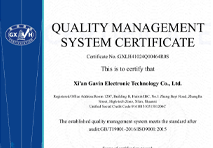
Our hydrostatic level monitors are built to last, have quality assurance checks done by recognized measurement institutions, and are certified to meet CE and RoHS standards. We keep a lot of production capacity so that we can meet big orders on time. We also offer flexible customization services, such as name engraving and localized paperwork, that help your brand stand out. GAMICOS has the technical know-how and reliable supply chain that your business needs, whether you are upgrading existing measurement infrastructure, adding sensors to new automation projects, or getting parts for distribution channels in North America, Europe, or other parts of the world.
Email our team at info@gamicos.com to talk about your problems measuring water levels and get unique product suggestions. We're happy to take requests for samples for validation testing, and we offer low prices and full help after the sale for large orders. Let us show you how working with a skilled hydrostatic pressure sensor provider can improve the accuracy of your operations while lowering the total cost of ownership.
References
1. Johnson, M. R., & Williams, P. K. (2022). Industrial Level Measurement: Principles, Technologies, and Applications. Technical Publishing International.
2. Anderson, T. L. (2023). "Comparative Analysis of Liquid Level Sensing Technologies in Process Industries." Journal of Industrial Instrumentation, 47(3), 112-128.
3. European Committee for Standardization. (2021). Pressure Transmitters for Industrial Applications: Performance Requirements and Testing Protocols. EN 61298-2:2021.
4. Chen, H., & Rodriguez, A. (2023). "Long-term Performance Evaluation of Submersible Pressure Sensors in Municipal Water Systems." Water Resources Management Quarterly, 38(2), 205-219.
5. International Society of Automation. (2022). Hydrostatic Tank Gauging Systems: Selection, Installation, and Maintenance Guidelines. ISA-RP60.11-2022.
6. Thompson, K. E., Davis, S. J., & Martinez, L. C. (2024). "Advances in Corrosion-Resistant Materials for Chemical Process Level Measurement." Chemical Engineering Progress, 120(1), 34-41.

Peter
Peter, Senior Sensor Technology Consultant, has 15-year industrial sensor R&D experience. He specializes in the end-to-end development of high-accuracy pressure and level sensors and he firmly believe, precision isn’t just a spec—it’s a promise.
We're here to help — submit your request anytime!
Let us know how we can help solve your pressure level measurement challenge.
_1757930850792.jpg)
Recommended Blog

Can a submersible level sensor measure liquid level in a closed tank?
Best Quality Submersible Level Transmitter Available in Xi'an
Can a submersible level sensor measure liquid level in a closed tank?
Best Quality Submersible Level Transmitter Available in Xi'an
Can a submersible level sensor measure liquid level in a closed tank?
Best Quality Submersible Level Transmitter Available in Xi'an
China vs. India: Submersible Level Transmitter Quality Comparison
China vs. India: Submersible Level Transmitter Quality Comparison