Common Fuel Tank Problems Solved by Diesel Level Sensors
Understanding Common Fuel Tank Problems and Their Causes
- Understanding Common Fuel Tank Problems and Their Causes
- How Diesel Level Sensors Solve Fuel Tank Challenges?
- Comparing Diesel Level Sensor Technologies for Optimal Fuel Tank Management
- Installation, Calibration, and Troubleshooting: Ensuring Peak Sensor Performance
- Conclusion
- FAQ
- Partner With GAMICOS for Advanced Fuel Level Monitoring Solutions
- References
Managing fuel tanks in industrial and commercial settings is very hard and has a direct effect on how much money the business makes and how long it stays open. Fuel theft, bad inventory tracking, and unexpected downtime are problems in all fields, from transportation to manufacturing, and they cost businesses thousands of dollars every year. By providing accurate, ongoing measurement capabilities that change fuel management from reactive guesswork to proactive cost control, diesel level sensors address these problems. This detailed guide shows how advanced level sensing technology fixes important fuel tank issues. It helps purchasing professionals make smart choices that improve business efficiency, cut down on waste, and set clear standards for their companies' supply chains.

Understanding Common Fuel Tank Problems and Their Causes
Fuel Theft and Unauthorized Access
Fuel theft is still one of the biggest problems that fleet owners and industrial sites have to deal with. If there isn't real-time tracking, illegal fuel removal can go on for weeks without being caught, causing big loses. Random dipstick measures can't catch slow siphoning or thefts that happen after hours, leaving operations open to theft from both inside and outside the company.
Inaccurate Inventory Management
Using old-fashioned measuring tools by hand adds error into estimates of fuel inventory. Operators who use sight glasses or mechanical float gauges to guess how much fuel is in a tank often report errors of 5–10% or more. These mistakes keep happening in the buying process, leading to either expensive fuel purchases in an emergency or high costs for keeping supplies. Forecasting and spending planning can't be done accurately without solid data.

Unplanned Downtime and Operational Disruptions
Unexpected fuel shortages cause expensive business interruptions in many fields. A factory's production line stops when the generator tanks run out of fuel. When refueling plans are based on guesswork instead of data, transportation teams risk having vehicles that can't move. Traditional float-based sensors often stop working early because of mechanical wear, giving workers false numbers that make them think there is enough fuel in the tanks when they are almost empty.
Contamination and Quality Degradation
When water gets into diesel fuel, dirt builds up, or microbes grow, the quality of the fuel goes down, which harms expensive engine parts. If fuel conditions aren't constantly checked, pollution is likely to go unnoticed until equipment breaks down. Manual checking methods don't work as often or as accurately as they need to in order to find contamination early on, when it's still easy and cheap to fix the problem.
Environmental and Regulatory Compliance Challenges
Leaking fuel is bad for the environment and against the law, which can lead to big fines. Without constant level tracking, small leaks in old tank structures are missed, letting pollutants get into the groundwater and soil. Regulatory bodies want to see more and more written records of how fuel is managed, which means that keeping records by hand isn't enough to show compliance. Pressure-based monitors can find even small leaks by noticing drops in the amount of fuel when there shouldn't be any.
How Diesel Level Sensors Solve Fuel Tank Challenges?
Real-Time Monitoring Capabilities
With modern diesel level sensor technology, you don't have to guess how much fuel is in your tank. Pressure-based diesel level sensors measure the height of the fuel column all the time by sensing the hydraulic pressure at the bottom of the tank. They then turn this physical measurement into accurate level data. This constant tracking lets operations keep an eye on trends of fuel use, spot problems right away, and fix them before they become expensive failures.
This new technology can be seen in the GLT5001 liquid diesel level sensor. The GLT5001 is based on a very reliable silicon piezoresistive pressure sensor core and is always accurate thanks to automatic temperature adjustment and customizable digital circuit correction. The device sends out standard analog or digital data that can be used with current control systems. This makes integration easy without having to make a lot of changes to the infrastructure.
Enhanced Accuracy Through Advanced Technology
Mechanical float devices can get stuck, wear out, and lose their balance, but pressure-based tracking technology is more accurate. The GLT5001 is so accurate because it uses high-quality parts and goes through strict production steps like pressure cycles, aging tests, and environmental modeling tests. This focus on quality makes sure that measurements stay stable even when temperatures change, machines shake, and other tough industrial conditions happen.
The combined design effectively blocks interference, keeping the signal's integrity even in places with a lot of electrical noise, like around big machinery and electrical equipment. There are different output choices, such as 4-20mA, 0-5V, and digital protocols. This lets operations choose the best interface for their monitoring infrastructure, whether they're linking to basic panel meters or complex SCADA systems.
Mobile and Stationary Applications
The problems that come up with managing fuel are different for fixed storage tanks and mobile uses like building tools or fleet cars. Both situations are taken into account in the GLT5001's careful design changes. The normal model works well for regular fuel storage setups in depots, generator rooms, and factories. An anti-vibration design in a magnetic suction base model keeps measurements accurate even when the car moves or when the road makes noise.
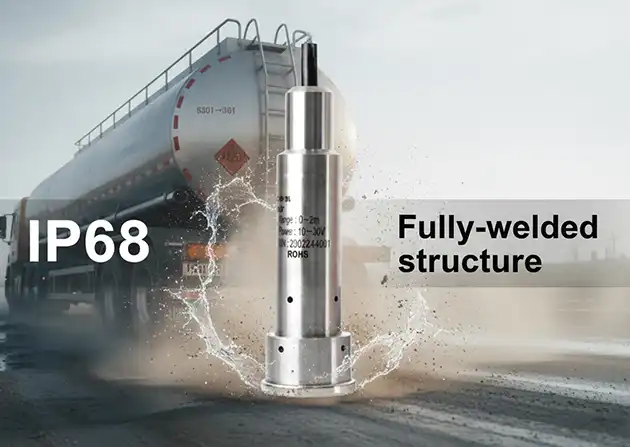
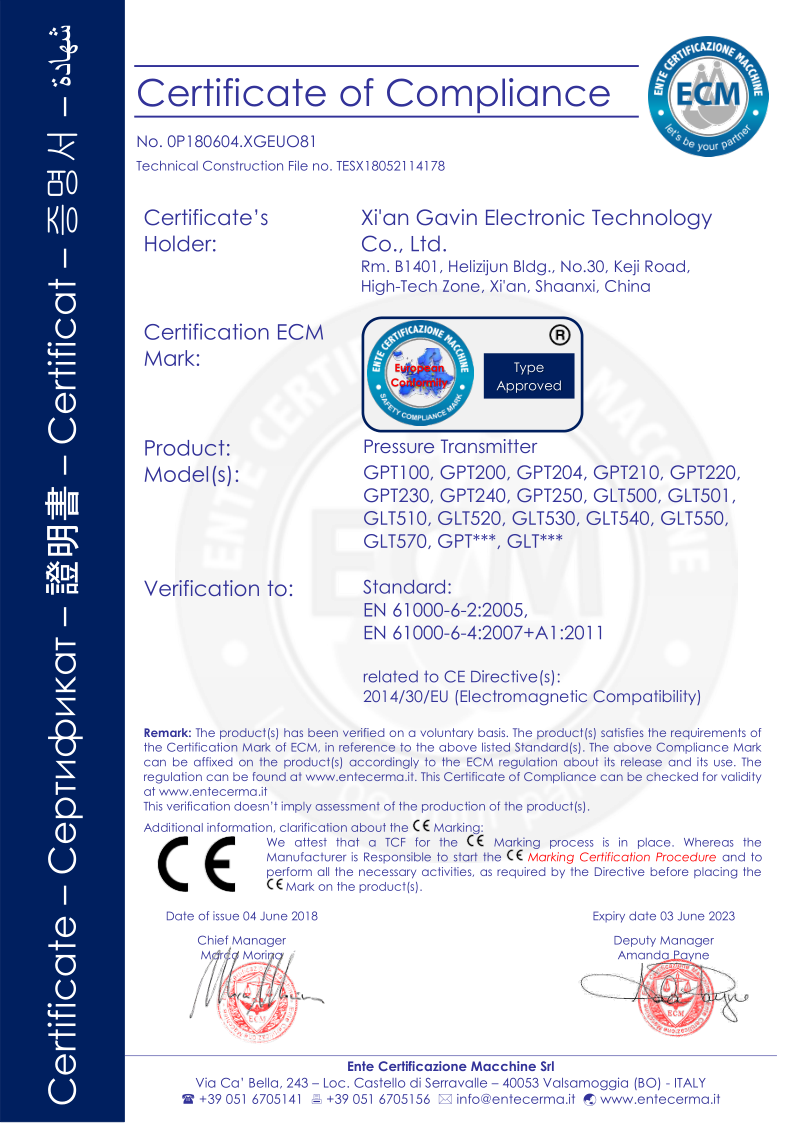
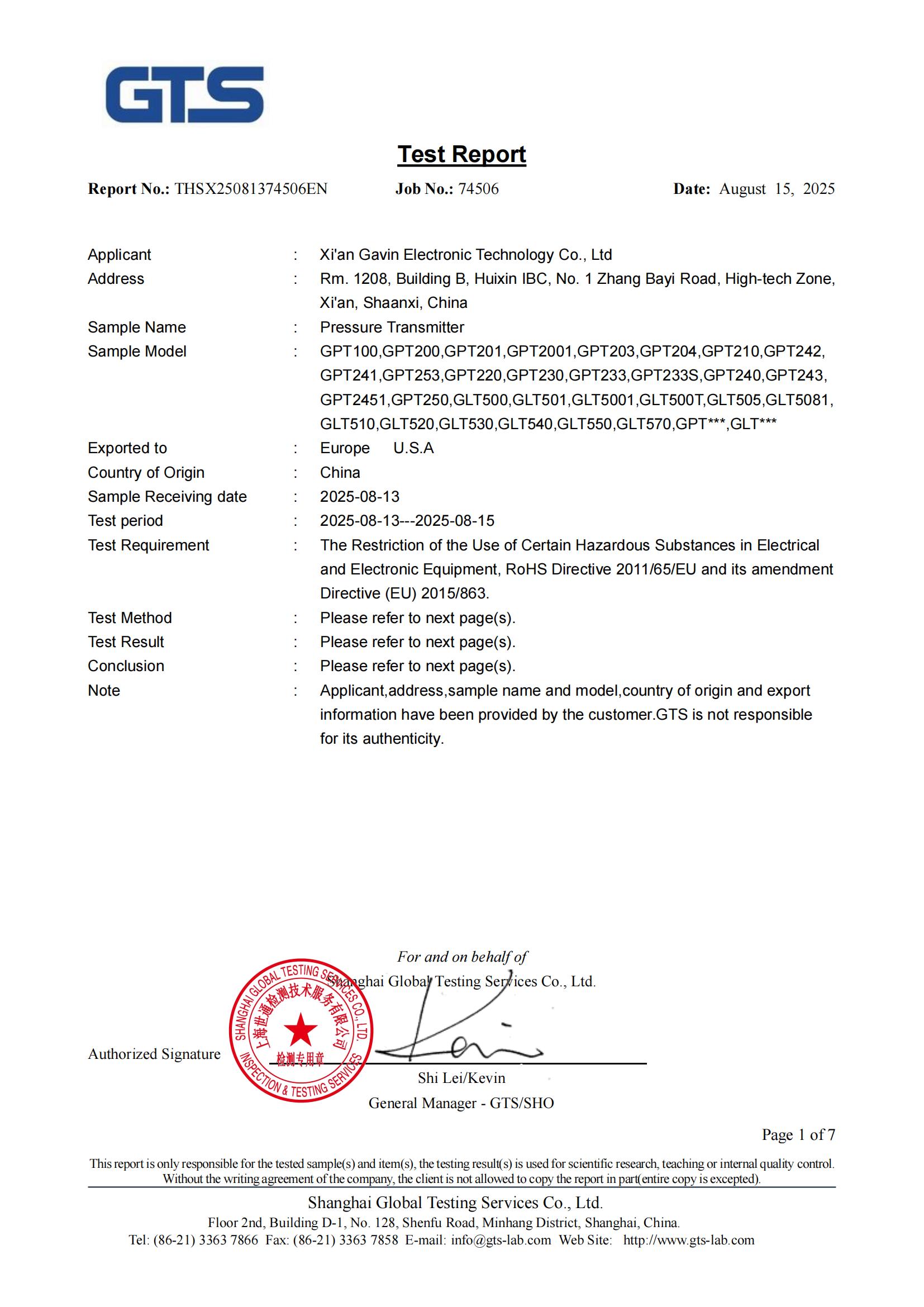
This makes it ideal for mobile tank tracking. The GLT5001 can also be used in naval settings to keep an eye on fuel tanks, ballast tanks, and freshwater containers on ships. The IP68 rating means that it can be completely submerged, and the fully welded structure keeps water out, which would damage the sensor electronics. Along with CE and RoHS approval, certified explosion-proof compliance (ATEX) meets safety needs in dangerous places where diesel smoke can catch fire.
Integration With Modern Fuel Management Systems
Within thorough fuel management tools, diesel level sensors play a crucial role as data sources. When these devices are connected to IoT infrastructure, they allow remote tracking that can be accessed from computers, smartphones, and tablets. Procurement managers can see how much fuel is being used at multiple places at the same time. This helps them find inefficiencies and make delivery plans more efficient so that they don't have to make as many emergency purchases.
Applications in the real world show a clear return on investment. Trucking companies that put in diesel level sensors say that their fuel costs go down by 15 to 20 percent because theft is stopped and fuel use is optimized. Manufacturing plants can plan their repair schedules more accurately by keeping track of how much generator fuel is used. This keeps the plants from having to shut down unexpectedly during important production runs. Real-time, accurate stock view at fuel depots speeds up inventory turnover and lowers the cost of holding on to stock.
Comparing Diesel Level Sensor Technologies for Optimal Fuel Tank Management
Pressure-Based Sensors
Pressure-based technology finds the amount of fuel by measuring the pressure of the liquid column above the sensor. These gadgets are very accurate and reliable, especially when used with diesel fuel, where the density stays pretty constant. Another benefit is that it is easy to install—mounting at the bottom of the tank doesn't require any complicated tuning beyond basic zero and span adjustments. Pressure sensors don't need much maintenance because they don't have any moving parts that could break.
The GLT5001 is an example of this longevity because it has a silicon piezoresistive detecting element that doesn't break down after millions of pressure cycles. Temperature compensation methods fix mistakes in measurements that would have happened because of thermal expansion. Total cost of ownership is good when you look at the longer service life and low amount of upkeep needed.
Ultrasonic Technology
Ultrasonic sensors send out high-frequency sound waves that bounce off the fuel surface and are used to figure out the distance by measuring the time of flight. These devices don't touch the fuel, so they don't get submerged in it. This makes installation easier in tanks that are already there. To be accurate, the fuel surface must always be the same. Foam, turbulence, or gas can mess up echo signals and lead to wrong readings.
Temperature and the make-up of the vapor change the speed at which sound waves travel, so correction methods are needed to get accurate measurements. Ultrasonic technology works well in diesel uses where conditions are stable, but pressure-based options usually work better in settings that change. When buying things, you should keep in mind that some pieces of equipment may cost a little more, but they may be easier to put in some tank setups.
Capacitive Sensors
Capacitive technology checks how the electrical capacitance between probe wires changes as the fuel level changes. When used with clean fuel, these devices work very accurately, but they can become contaminated by water, sediment, or biological growth that changes their dielectric qualities. Over time, cleaning and upkeep must be done on a regular basis to keep measurements accurate.
Depending on the shape of the tank, installation flexibility lets you choose between top-mounting and bottom-mounting options. Capacitive sensors can work in active environments with fast fill and draw cycles because the technology reacts quickly to changes in level. But diesel has a lower dielectric constant than water, which means it needs to be carefully calibrated and may lower the sharpness of measurements.
Float-Based Mechanical Sensors
In traditional float monitors, floating parts are linked to mechanical or magnetic followers that show where the level is. These easy-to-use, inexpensive gadgets are good for basic tasks where a rough level reading is enough. Over time, mechanical wear at pivot points and links makes them less accurate, so they need to be replaced on a regular basis to keep working properly.
Float sensors don't work well in tanks with odd shapes or internal obstacles that make it hard for the float to move. The few output options—mostly changing the resistance or closing the switch—make it hard to connect to current digital control systems. Even though they cost more at first, operations that need accurate measurements, remote tracking, or automatic inventory management should look into advanced sensing technologies.
Installation, Calibration, and Troubleshooting: Ensuring Peak Sensor Performance
Proper Installation Practices
Careful site preparation and choosing the right place to put the diesel level sensor are the first steps to a successful deployment. For pressure-based devices like the GLT5001 to correctly measure the whole fuel column, they need to be installed at the lowest point in the tank. The position of the fixing should stay away from places where sediment builds up or where movement during filling operations could change the readings. Making sure the surface where the sensor is mounted stays level stops measurement bias from being caused by an angle not being right.
When connecting electrical items, environmental safety rules need to be taken into account. To keep the IP68 rating, the wire entry point needs to be properly sealed. This keeps water out, which hurts transmission quality and electronics. When connecting to control systems, make sure the voltage and loop resistance are compatible to keep the signal strong over the installation distance. When working with changing frequency drives or high-power tools, shielded wires keep electrical interference to a minimum.
Calibration Procedures
To get an accurate reading, you need to make sure that the sensor output matches the real fuel amount. When the tank is empty, zero calibration sets the standard value. Span calibration connects the highest output to the tank's full capacity. The customizable digital circuit in the GLT5001 lets you make precise changes to the tuning without making any physical changes. This lets you account for different tank heights and fuel density changes. Verification of the calibration should be done once a year or whenever measurement errors are found during regular checks.
Because diesel's density changes by about 0.085% per degree Celsius, temperature affects need extra care. The GLT5001 automatically adjusts for this variable, but operations that see big changes in temperature should make sure the calibration is accurate across the expected range. Recording the factors of calibration and the results of the proof process helps with legal compliance and troubleshooting.
Common Issues and Preventive Maintenance
Signal mistakes are usually caused by issues with the electrical connections, a dirty sensing element, or a failing computer part. Visual checks done on a regular basis can find corroded connections, broken wires, or water building up in junction boxes before they break. Cleaning the sensor tip gets rid of sediment buildup that could affect pressure transfer. However, the GLT5001's fully welded construction makes it less likely for contamination to happen than sensors with membrane seals.
When values are off even after being properly calibrated, it's usually because the fuel density has changed due to changes in temperature or contamination. By comparing sensor output to readings made by hand with a dipstick, regular mistakes that need to be fixed can be found. Signal loss that comes and goes could mean that the electrical connections are weak or that the wire is damaged from vibration. This is especially true in mobile applications where the GLT5001 magnetic suction base model's anti-vibration design is useful. Preventive maintenance plans that include reviews every three months and a calibration check once a year keep measurements accurate for as long as the sensor is used.
Conclusion
Diesel level sensors are long-term investments that change fuel management from a reactive crisis reaction to a proactive approach that controls costs and improves operations. The technology solves important problems like preventing theft, making sure inventory is correct, getting rid of downtime, and finding pollution by measuring continuously and accurately. Advanced silicon piezoresistive sensing elements, automatic temperature correction, and a tough design that meets IP68 and explosion-proof standards make pressure-based sensors like the GLT5001 very reliable. By choosing the right sensing technology, making sure it is installed and calibrated correctly, and working with suppliers who offer full support, procurement professionals set their companies up for measurable improvements in fuel efficiency, operational continuity, and regulatory compliance.
FAQ
Q1: How do diesel level sensors prevent fuel theft?
A: What do diesel level sensors do to stop fuel theft? Real-time tracking makes inventory always accountable and shows right away when fuel is taken out without permission. Sudden drops in the level that happen outside of planned refill or consumption times set off alarms that allow for quick study. Normal usage trends can be found by looking at past data, which lets you catch thieves even when they try to steal slowly. When cams or alarms are connected to security systems, they can be set off when levels change in a strange way.
Q2: What distinguishes pressure sensors from ultrasonic technology?
A: Pressure-based sensors measure the hydraulic force that the fuel column applies. This type of sensor is accurate even when there is mist, foam, or surface turbulence. Ultrasonic devices measure the distance to the fuel surface by reflecting sound waves. This method doesn't require touch, but it is sensitive to environmental factors that change the way sound travels. Ultrasonic technology works best in clean, safe surroundings, while pressure sensors work best in harsh industrial settings.
Q3: How frequently should calibration verification occur?
A: For stable setups using good devices that can adjust for temperature, like the GLT5001, annual calibration checks are usually enough. Operations that have big changes in temperature, contaminated fuel, or measurement errors should check the accuracy every three months. After removing a sensor or making changes to the tank, or whenever results differ from actual measurements by more than the allowed error, the system needs to be re-calibrated.
Partner With GAMICOS for Advanced Fuel Level Monitoring Solutions
To get the most out of managing fuel tanks, you need measurement technology that is accurate, reliable, and works well with current control systems. GAMICOS is an expert in providing liquid level and pressure measurement solutions to more than 98 countries. Their diesel level sensor products are designed to work in tough industrial settings. Our GLT5001 sensor uses silicon piezoresistive technology and automatically adjusts for temperature. This gives accurate measurements that get rid of inventory error and keeps working in hard conditions. We help buying workers by giving them full technical advice, letting equipment makers make changes, and providing quick and helpful after-sales service to ensure long-term performance. Get in touch with our engineering team at info@gamicos.com to talk about your specific fuel tracking needs, ask for product samples, or look into bulk diesel level sensor supplier prices for deployments at multiple sites.
References
1. Anderson, M. & Williams, R. (2021). Industrial Fuel Management Systems: Technology and Best Practices. Technical Publishing International.
2. Chen, L. (2022). "Pressure Sensor Technologies for Liquid Level Measurement in Harsh Environments," Journal of Industrial Instrumentation, Vol. 48, No. 3, pp. 127-145.
3. European Committee for Standardization (2020). Fuel Tank Monitoring Systems: Safety and Performance Requirements, EN 15649:2020.
4. Harrison, P. & Thompson, K. (2023). Fleet Management and Fuel Efficiency: Data-Driven Approaches. Logistics Press.
5. International Organization for Standardization (2019). Petroleum and Liquid Petroleum Products - Level Measurement of Liquid Hydrocarbons in Stationary Tanks, ISO 4266-4:2019.
6. Martinez, S., Kumar, A. & Hoffman, D. (2022). "Comparative Analysis of Fuel Level Sensing Technologies for Commercial Transportation Applications," Sensors and Actuators Review, Vol. 29, No. 2, pp. 88-103.

Ivy
Ivy, product consultant, has focused on sensor consultation for ten years, is proficient in providing pressure and level measurement solutions for customers.
We're here to help — submit your request anytime!
Let us know how we can help solve your pressure level measurement challenge.
_1757930850792.jpg)



Recommended Blog


Can a submersible level sensor measure liquid level in a closed tank?
Can a submersible level sensor measure liquid level in a closed tank?
Can a submersible level sensor measure liquid level in a closed tank?