Pressure Overload Damaged Sensor? Overpressure Protection & Recovery
Pressure Overload Damaged Sensor? Overpressure Protection & Recovery
Understanding Overpressure Damage in Pressure Sensors
- Understanding Overpressure Damage in Pressure Sensors
- Diagnosing and Recovering from Overpressure Sensor Damage
- Choosing the Right Overpressure Protection Pressure Sensor
- Installation, Calibration, and Maintenance Best Practices
- Procurement Guide: Buying Overpressure Protection Pressure Sensors
- Conclusion
- FAQ
- Partner with GAMICOS for Reliable Pressure Measurement Solutions
- References
Overloading the pressure is still one of the biggest threats to the accuracy and safety of measurements in industry. If pressure monitors are hit by forces that are higher than their stated capacity, they can get damaged. This can cause measurements to drift, fail completely, or even cause huge problems with the process. Using an overpressure protection pressure sensor can help with this problem because it has built-in safety features like mechanical stops, diaphragm separation, or relief methods that stop the sensor from deforming irreversibly during pressure spikes. These special monitors keep measurements accurate and extend their useful life, which makes them necessary for purchasing managers looking for dependable options in industries like energy, chemicals, pharmaceuticals, and oil and gas where pressure changes often.
Understanding Overpressure Damage in Pressure Sensors
What Causes Pressure Sensor Overload?
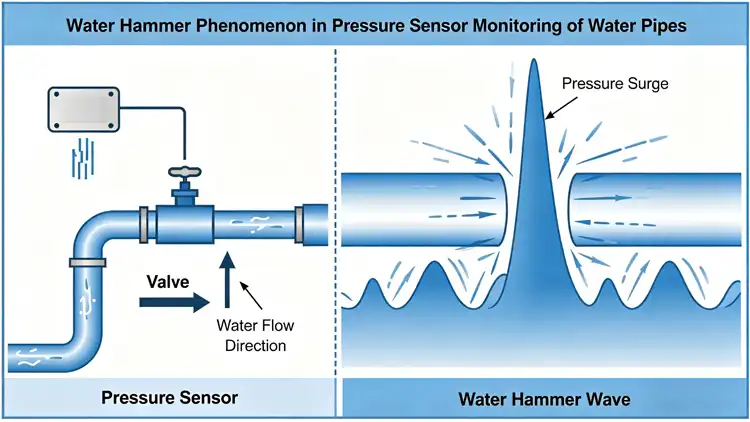
Pressure monitors in industrial settings are put through a lot of stressors that can go beyond what was intended. When hydraulic valves close quickly, they cause water hammer effects, which are pressure surges that reach 10 to 15 times standard working levels. When chemical processing plants start up their pumps, the pressure changes quickly, which is too fast for most monitors to handle. When the temperature changes in sealed systems, like during thermal cycling in pharmaceutical sterilization processes, the pressure can go well above what the monitors were designed to handle.
These technology problems are made worse by operational mistakes. Technicians sometimes put in sensors that are designed for lower pressure ranges than what the application needs. This causes the sensors to overload right away when they are supposed to be working normally. When impulse lines get blocked, they keep pressure on sense elements that don't have any ways to let it go. When equipment fails, like when relief valves get stuck or the control system stops working, the safety barriers that usually keep pressure exposure to a minimum are taken away. Environmental factors like shaking, contact to corrosive media, and mechanical shock speed up the decline of sensors, making them less able to handle even short periods of overpressure.
How Overpressure Protection Mechanisms Work?
Overpressure safety technology uses a number of technical methods to keep sensing elements safe. When a mechanical stop is used, physical walls keep the diaphragm from deflecting beyond its elastic limits. This makes sure that the sensing element goes back to its original shape after pressure events. When you use a dual-diaphragm setup, the main sensing element is hidden behind a safe barrier that can handle high pressure while still properly sending standard measurement ranges. Most of the time, these designs can handle overpressure of up to 200% of their rated capacity without any lasting damage.
Modern pressure monitors have built-in pressure relief lines that move extra force away from important parts when they sense too much. Using thick-film or thin-film technology, strain gauge designs spread stress over bigger surface areas, stopping failure points from forming in one place. The choice of material is very important. Sensors made of 17-4PH stainless steel or Inconel metals stay structurally sound in harsh situations where normal materials would bend. The shape of the sensing element can be changed to make natural stress patterns that protect against damage from overloading.
Business Benefits of Protected Sensors
Using pressure monitors that protect against overpressure has clear benefits for business processes. When sensors fail unexpectedly and output stops while they are replaced and re-calibrated, it costs oil refineries between $50,000 and $250,000 per event. In high-risk situations, protected sensors cut these failures by 60 to 75% compared to regular devices. Because micro-damage builds up over time, maintenance teams spend less time trying to figure out why numbers aren't being consistent. This lets them focus on activities that add value instead of fixes that are needed right away. When measurement systems remain reliable even under fault conditions, process safety improves significantly. Integrating overpressure protection pressure sensors helps prevent damage from pressure spikes, ensuring continuous operation and safeguarding both equipment and personnel.
Diagnosing and Recovering from Overpressure Sensor Damage
Recognizing Symptoms of Sensor Damage
When pressure sensors are damaged, they act in certain ways that let you know you need to do something. If measurement results change more than normal—jumping around or showing random spikes—it means that an internal component is damaged, which makes the signal less stable. Zero-point drift happens when sensors show non-zero values in normal air conditions, showing that sense elements are permanently deformed. Span shift shows up as numbers that stay high or low across the measurement range. This could mean that the structure of the diaphragm tension or strain gauge glue has changed.
A physical check shows more signs of damage. Overpressure exposure is proven by bulging or curved distortions in the diaphragm that can be seen. Leaking fill fluid around sensor holes means that too much force has broken the seal. Corroded or broken housing parts are a sign of damage from the environment that is made worse by pressure stress. Electronic symptoms include signal output that comes and goes, signal loss, or numbers that stay at the highest or lowest levels of the scale no matter what the real pressure is. When sensors are slow to respond to changes in pressure, this is a sign that mechanical slowing is happening because internal parts are broken.
Troubleshooting and Repair Decisions
Systematic review is the first step in solving problems effectively, especially when evaluating overpressure protection pressure sensors, as it helps identify potential risks, performance limits, and appropriate safeguards before implementation.
Take the sensor out of service and test it with a measured pressure source in a controlled environment. Across the whole measurement range, compare results to known reference values and write down trends of deviation. Check the electrical links and wires for damage; sometimes loose terminals can look like sensor damage. Make sure the voltage in the power source stays within the limits. Changes in voltage can mess up output data even if there is no mechanical damage.
Repairability depends on how bad the harm is and how the sensor is built. Simple zero-offset changes can fix small drift in devices that still have their sensing elements, and they only need to be re-calibrated according to standard processes. Damaged diaphragms or forever warped parts of sensors need to be replaced because they can't be fixed in the field without special tools. When fix costs are more than 60% of the price of a new unit or when failures keep happening, which could mean there are problems with the way the system is being used, replacing the part makes economic sense.
As part of the recovery process, the mounting ports must be thoroughly cleaned, the process connection threads must be inspected, and the fitting conditions must match the sensor's specs. If transient events keep happening, replace broken sensors with ones that can handle more overpressure. Write down the failure mode and conditions to help you make future purchases, especially when you're deciding whether normal sensors are enough or if protected versions are needed.
Preventive Inspection Protocols
Setting up regular repair plans can stop a lot of overpressure failures. Visual checks every three months look for early warning signs like small amounts of corrosion, loose parts, or worn-out environmental seals that could affect performance. Every six months, the calibration is checked to look for shift patterns. This lets you replace the device before its accuracy goes below acceptable levels. Full-range pressure cycling and zero/span adjustment are part of the annual thorough testing that is done to get the best performance back.
Managers of automation and control systems should set up condition tracking tools that keep an eye on sensor performance metrics all the time. Statistical study of measurement error shows that sensors are getting worse over time. Trend analysis, which compares current readings to past baselines, finds patterns of slow drift that point to failure being close. These data-driven methods allow for predictive repair plans that set up replacements for planned breaks instead of waiting for problems to happen at the worst possible time. More accurate predictions of when replacement sensors will be needed help procurement teams handle their supplies better and build better relationships with their suppliers.
Choosing the Right Overpressure Protection Pressure Sensor
Key Selection Criteria
To choose the right pressure measuring tools, you need to look at a lot of scientific and practical factors. The pressure range must be able to handle both normal working conditions and predicted transient events. The overpressure protection must be rated at 2 to 5 times the highest pressure that is expected. Different tasks need different levels of accuracy. For example, pharmaceutical processes may need ±0.25% accuracy, while general workplace monitoring can handle ±0.5% to ±1.0% errors. The output signals can work with current control systems (4-20mA, 0-10V, or digital protocols like HART or Modbus), so they can be easily added without the need for extra hardware.
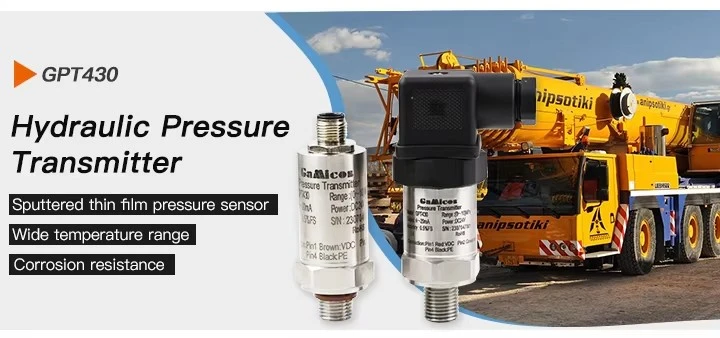
| GPT430 Sputtered Thin Film Pressure Transmitter | |
| Range | 0MPa~1MPa …150MPa |
| Pressure type | Gauge, absolute pressure |
| Output signal | 4~20mA / 0~5V, 0.5-4.5V, 0-10V / RS485 / I²C |
| Accuracy(FS%) | 0.1(OEM), 0.25(OEM), 0.5 |
| Medium temperature | -40℃~+150℃ |
| Environment temperature | -40℃~+85℃ |
| Storage temperature | -40℃~+125℃ |
| Medium | Liquids compatible with 17-4PH |
| Diaphragm material | 17-4PH stainless steel |
| Housing material | 304, 316L |
| Protection grade | IP65(OEM) |
Environmental factors have a big effect on how long sensors last. Wetted materials should be made of stainless steel 316L for general rust protection, hastelloy for highly corrosive chemicals, or special coatings for strong media based on how well they work with the media. Most industrial uses are covered by temperature values between -40°C and +125°C, but harsh conditions need wider ranges with thermal compensation features. For example, ingress protection levels (IP67 or IP68) keep devices safe in wet places like food, drink, and drug factories. For oil and chemical sites in classified zones, hazardous area permits (ATEX, IECEx, FM) are now required.
Comparing Standard vs. Protected Sensors
Standard pressure monitors are cheaper for safe uses where the pressure stays the same and there is little risk of sudden changes. These gadgets work well in labs that are well-controlled, air conditioning systems that change pressure slowly, and tracking tasks where measurement error doesn't pose a safety risk. Because they are easier to build, they cost 30–40% less to buy at first than secured versions. This makes them a good choice for low-risk projects on a budget.
Overpressure protection pressure sensors are worth the extra money in harsh industrial settings. The built-in overpressure protections stop 60–80% of early failures in situations where there are regular pressure spikes, like when watching a reciprocating compressor, measuring the pressure at the pump output, or controlling a batch process where valves open and close quickly. When substitute labor, process downtime, and recalibration costs are taken into account, the total cost study favors protected sensors. Chemical processing plants say that protected sensors last 4-6 years, while standard units only last 1-2 years in the same situations. This means that protected sensors are a better long-term investment, even though they cost more up front.
Evaluating Leading Solutions
A number of companies have built names for making high-quality pressure testing equipment. Honeywell makes strong industrial sensors that have been used successfully in the aircraft and process industries. These sensors have improved diagnostics and can handle a wide range of temperatures. Siemens connects pressure measurement to larger automation ecosystems, making it easy for Industry 4.0 apps to link. ABB makes sensors that are tough enough to work in difficult environments, like those used in heavy industry and offshore oil and gas.
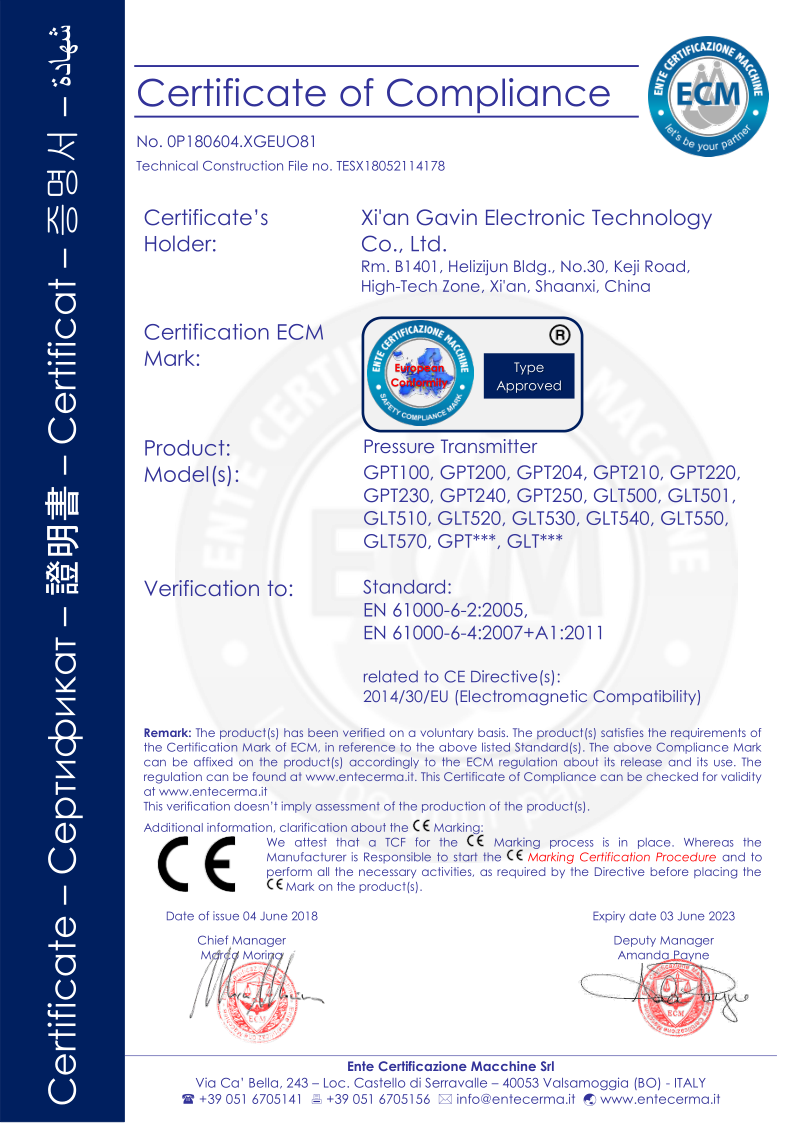
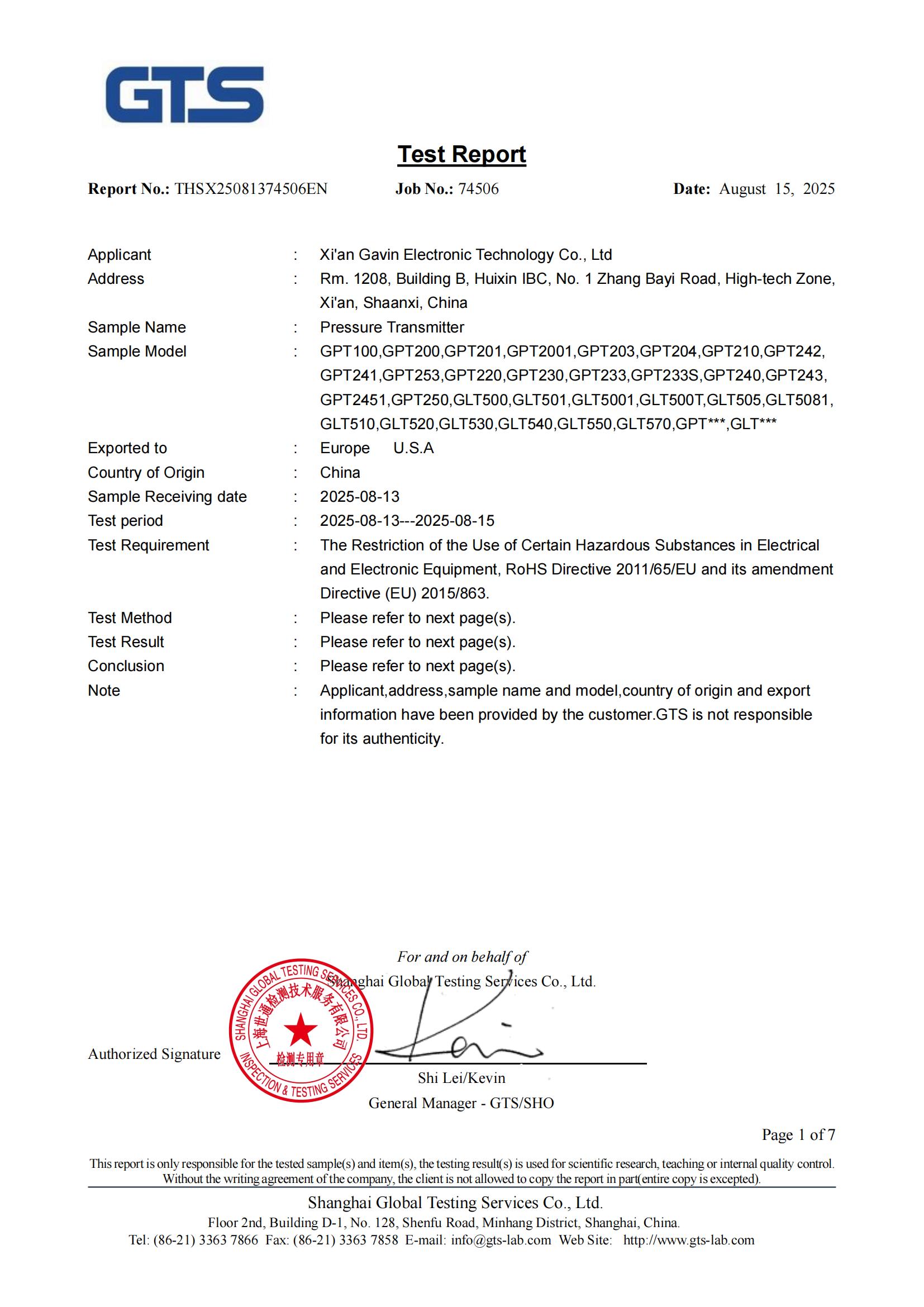
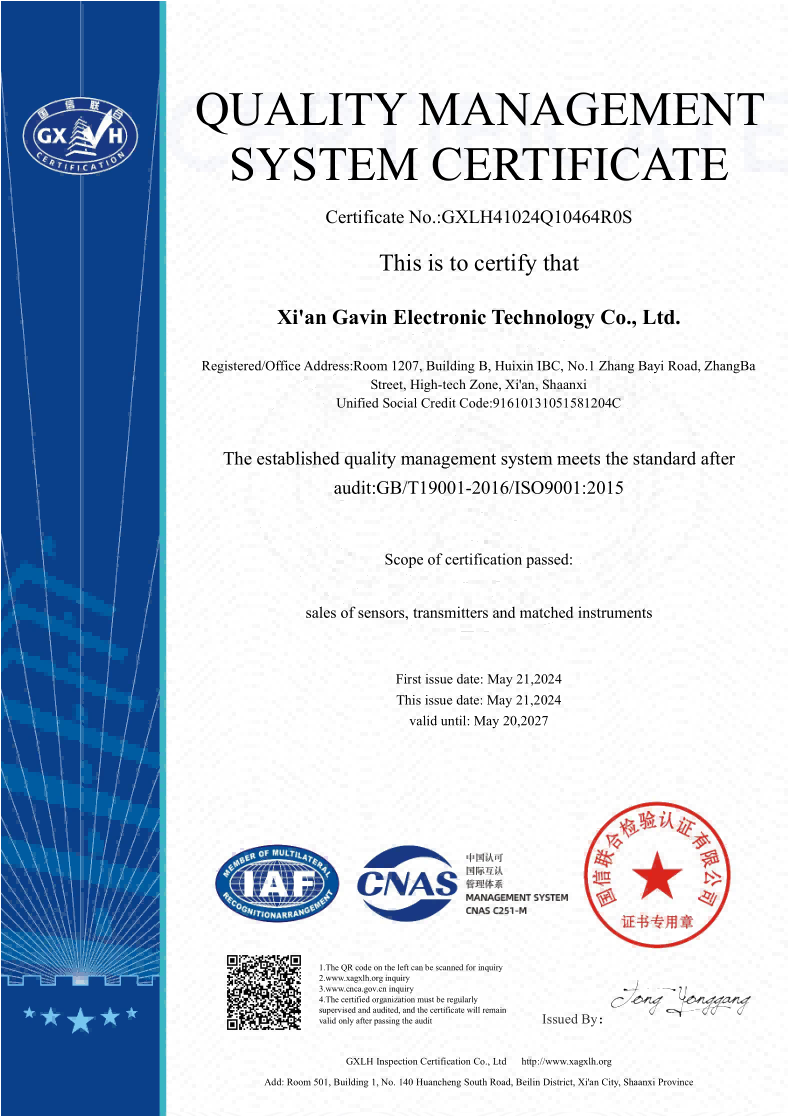
GAMICOS has created specialized skills to help OEM partners, companies that make industrial automation equipment, and oil companies in more than 100 countries. Our pressure sensor portfolio solves a wide range of measurement problems by offering flexible options that work with different sensor types, connection methods, and mounting styles. The tech team works closely with clients to get the right overpressure ratings for each application. This makes sure that the sensors can handle real-world situations instead of just generic requirements. Certifications like CE, RoHS, and ISO approval make it easier to buy things in other countries and make sure that products meet the rules in North America, Europe, and Asia.
Installation, Calibration, and Maintenance Best Practices
Proper Installation Techniques
The right placement has a big effect on how well and how long a sensor works. Place sensors so that high-speed flow streams that cause localized pressure spikes above the rated capacity don't directly hit them. Install impulse line separation valves so that sensors can be removed without stopping the process. This makes repair easier without stopping production. The manufacturer's instructions should be followed for mounting direction. Some designs need to be installed vertically to keep air pockets from forming in sense chambers, while others don't care which way they're mounted.
Common installation mistakes lower the accuracy of measurements and speed up failure. Sensor bodies become deformed when process links are over-torqued, which causes mechanical stress that affects calibration. When you under-tighten something, you make leak routes and let vibrations pass through, which harms internal parts. If the impulse line angle isn't right, condensation or gas pockets can form, which changes how pressure is sent to detecting elements. Electrical connection mistakes, like using the wrong voltage or not enough grounding, can mess up signals or break electrical circuits.
Process link choice should be given a lot of thought. NPT threaded fittings offer strong closing for most industrial uses, but they need to be carefully put into place to avoid leaks without over-torquing. Flange-mounted sensors are better at blocking vibrations and make it easier to do repairs on big pipeline installations. Hygienic connections with tri-clamp or dairy fittings meet the needs of food and pharmaceutical industries for removal and cleaning without tools.
Calibration Procedures and Schedules
Setting up accurate calibration starts with having the right tools and settings for the surroundings. Precision masses used in deadweight tests provide the main standard measurements for important tasks that need accuracy that can be traced back to NIST. Digital pressure calibrators with built-in reference sensors are easy to carry and can be used for field testing with an accuracy of ±0.05%. Calibration should be done in a safe setting with normal working conditions, since temperature changes can affect sensor output even when the ranges are properly adjusted.
As part of the testing process, pressure is applied in a planned way across the measurement range. Start by verifying the zero-pressure under normal atmospheric conditions. If results don't match the specs, change the offset. Increase the pressure by 25%, 50%, 75%, and 100% of the range. Record the output numbers and compare them to reference standards. By taking more measurements while lowering the pressure, descending calibration checks for hysteresis and finds any mechanical friction or leftover stress in the detecting elements. Keep track of all readings and changes by writing them down and keeping the calibration papers for quality system compliance.
How often you calibrate depends on how important the program is and how it is being used. For regulatory compliance, testing is usually needed once a month or three times a year for custody transfer measurement and pharmaceutical making. General industrial tracking can work with every six months or once a year plans as long as devices keep working well. More frequent checks are needed in harsh settings with high temps, corrosive media, or a lot of vibration. Checking every three months helps find faster drift before it gets too bad. Specifications for purchases should require sellers to be able to calibrate their products. This way, sensors will come with test certificates that show their performance as-found and as-left.
Extending Sensor Service Life
Regular maintenance keeps pressure sensors working well for a lot longer than when they should be replaced. To keep sensor electronics safe from water damage, check the pipe seals and electrical connection covers every three months and replace any gaskets that are worn out before water gets in. Every six months, clean the process connection threads and sensor bodies with solvents that won't damage wet materials. Isopropyl alcohol is a good general cleaner, but you should choose a solvent based on its chemical compatibility with the media. Check the stability of the mounting base and tighten any hardware that becomes loose from vibrations over time.
Using control system diagnostics to keep an eye on sensor health gives you early signs of failure. A lot of current pressure transmitters have built-in ways to check for problems on their own, like sensor drift, broken electrical parts, or problems with the power source. By plotting these diagnostic factors against measurement values over time, you can find sensors that need repair before they affect operations. When project managers buy monitors for important tasks, they should make sure that they have these features. This is because the diagnostic investment pays off by lowering unplanned downtime.
Protecting the environment stops a lot of frequent failure types. Cover sensors that are in full sunlight with sunshades to stop thermal cycling, which speeds up the wear and tear on seals and computer parts. Apply coatings that don't rust to sensor housings that will be used in chemical or sea settings where the air will eat away at the surface. Place electrical lines with drip loops that stop water from getting into sensor connections. These simple steps increase the service life of sensors by two to three times compared to setups that aren't protected. This directly lowers the number of times they need to be replaced and the total cost of ownership.
Procurement Guide: Buying Overpressure Protection Pressure Sensors
Understanding Pricing and Customization
The price of a pressure monitor depends on a lot of technical and business factors. For general use, standard industrial pressure sensors with basic overpressure safety cost between $150 and $300 per unit. High-precision devices made of new materials and with longer overpressure rates cost between $400 and $800. Specialized units for harsh environments or dangerous areas cost between $1,000 and $2,000. A lot of money can be saved by buying in bulk. When you buy more than 100 units, the price usually goes down by 15 to 25 percent, and if you agree to buy from the same company every year, you can save 30 to 35 percent compared to buying on the spot.
Customization choices let you meet the needs of certain applications that standard goods can't fully meet. There are different types of electrical connections, such as wire glands, M12 connectors, and terminal blocks, to meet the needs of different installations and weather sealing. Customizing the output signal makes it possible to connect to older control systems that use voltage or current levels that aren't standard. Pressure port configurations can be changed to accommodate odd process connections, and upgrades to the wetted material make it compatible with harsh chemicals. Customized sensors have lead times that range from 3 to 6 weeks, based on how complicated the changes are. This means that early planning for purchase is needed to make sure that the project stays on schedule.
Supplier Evaluation Criteria
When looking for trusted providers, you need to look at more than just the unit price. Delivery dependability decides whether procurement plans stay on track or project timelines slip. Look at a supplier's track record to see how often deliveries are made on time and how accurate their normal lead time is. When projects need dozens or hundreds of sensors, bulk supply capacity is important. Make sure that sellers keep enough production capacity and component inventory to meet big orders without too many delays. International sellers should show that they are good at export operations, which includes managing customs paperwork and coordinating freight, which makes buying things across borders easier.
Buyers are protected from broken units and early fails by warranty terms and return policies. Standard warranties that cover manufacturing flaws for 12 to 24 months are the bare minimum of what you should get. For quality security, top providers offer warranties that cover defects for 36 to 60 months. When looking at new suppliers or trying sensors in pilot apps, it's safer to use return policies that are flexible and let you try them out for 30 to 60 days. Technical support after the sale, such as application engineering help, troubleshooting advice, and calibration support, adds a lot of value to the hardware buy, especially for setups that are hard to understand or for first-time uses.
Why GAMICOS Stands Out?
GAMICOS offers unique benefits to procurement workers looking for options for measuring pressure. Instead of just meeting catalog specs, our customer-focused method starts with getting to know the problems you're having with your application. The expert support team helps choose the right sensors, plan installations, and provide testing support to make sure that the system works at its best from the start. With the ability to make pressure sensors, liquid level sensors, and wireless monitoring tools, one trusted source can provide all of your measurement needs.
OEM and ODM services help businesses that need unique sensors or designs that are specifically made for their own equipment. Customization includes marks on the enclosure, paperwork languages, calibration ranges, and electrical specs. This lets you get goods that work perfectly with your brand and equipment. Tough quality control measures backed by certifications from measurement organizations make sure that all production lots work the same way. With customers in 98 countries around the world, the company has a track record of success in a wide range of businesses and regulatory settings, from pharmaceutical plants in North America to oil sites in the Middle East.
When purchasing managers are looking for a overpressure protection pressure sensor supplier, GAMICOS has a well-established supply chain that can handle both one-time orders and yearly framework deals. Competitive price structures adjust to meet the needs of large orders, and flexible lead times can handle both urgent replacements and planned project plans. You can email our technical sales team at info@gamicos.com to talk about your unique pressure measurement needs, get technical datasheets, or get price quotes for large orders. Our engineering staff is available to help at any time during the buying process, from reviewing the initial specifications to checking the performance after installation.
Conclusion
Damage from too much pressure can affect the accuracy of measurements, the safety of processes, and the dependability of tools used in many workplace settings. Protected pressure sensors lower these risks by having built-in protections that keep the detecting element's integrity during transient events. This makes the sensors last longer and measure more accurately. To have a successful execution, you need to carefully choose sensors whose capabilities match the needs of the application, put them correctly using best practices in the industry, and keep them in good shape so they work well for a long time. When making procurement choices, it's important to weigh the starting costs against the total value of the asset. This will help you find solutions that give you the best return on investment while also meeting technical and operational needs.
FAQ
What overpressure rating do I need?
Select overpressure protection rated at 200-300% of maximum expected pressure for moderate transient risk applications. High-risk environments with water hammer or rapid valve closure require 400-500% ratings to prevent damage during extreme events.
Can damaged sensors be repaired?
Minor calibration drift can be corrected through recalibration procedures when sensing elements remain structurally intact. Sensors with twisted diaphragms or cracked housings need to be replaced because they can't be fixed in the field and aren't as reliable as new ones.
How often should calibration occur?
For legal and important process measurement uses, calibration needs to be done every three to six months to stay in line. General industrial tracking doesn't need to be checked every year as long as sensors show stable performance with no big changes between calibration rounds.
What certifications matter for procurement?
CE marking ensures European regulatory compliance, while RoHS certification confirms hazardous substance restrictions. ISO 9001 certification demonstrates quality management system rigor. Hazardous location approvals (ATEX, FM, IECEx) become mandatory for petroleum and chemical installations in classified areas.
Partner with GAMICOS for Reliable Pressure Measurement Solutions
GAMICOS creates designed pressure measurement solutions that protect against overpressure and can be customized to fit the needs of challenging industrial settings. Our technical knowledge working with clients in the energy, pharmaceutical, chemical, and oil industries makes sure that monitors match real-world conditions instead of general requirements. The wide range of products, including normal industrial transmitters and specialty devices for dangerous areas, lets you get all the measurement help you need from a single reliable source.
Manufacturing powers that allow for big sales of up to thousands of units meet the needs of both large projects and distributors' inventory needs, while keeping lead times that work with project plans. OEM customization services make unique sensors that fit your needs, which increases the worth of the equipment and makes the customer experience better. Get in touch with our technical sales team at info@gamicos.com to talk to skilled application engineers about your pressure measurement needs. Ask for specific scientific information, price quotes for large orders, or sensor samples to be tested. As an established overpressure protection pressure sensor manufacturer, GAMICOS combines high-quality products with quick customer service to form ties that go beyond one-time purchases and become long-term supply relationships.
References
1. Smith, J.R., & Anderson, P.K. (2021). Industrial Pressure Measurement: Technology and Applications. Industrial Press Inc.
2. Martinez, C.L. (2020). "Overpressure Protection Mechanisms in Process Industry Sensors." Journal of Industrial Instrumentation, 45(3), 127-145.
3. Thompson, R.W., & Chen, H. (2022). Sensor Selection and Application Guide for Process Industries. Technical Publishing Group.
4. International Society of Automation (2021). Recommended Practice for Installation and Maintenance of Pressure Instruments. ISA-RP51.1.
5. Wilson, D.M., & Patel, S.N. (2023). "Predictive Maintenance Strategies for Industrial Pressure Sensors." Process Automation Quarterly, 18(2), 56-73.
6. European Committee for Standardization (2022). Pressure Sensors for Industrial Applications: Performance Requirements and Testing. EN 61298-2.

Eva
Eva specializes in bridging the gap between cutting-edge sensor technology and market needs. With 8 years of experience in industrial product marketing, she has successfully launched multiple sensor product lines—from pressure transmitters to fuel level sensor—into global markets.
We're here to help — submit your request anytime!
Let us know how we can help solve your pressure level measurement challenge.
_1757930850792.jpg)
Recommended Blog
Nuclear-Grade Pressure Transmitters in Reactor Coolant Monitoring
Particles Clogging Pressure Ports? Filtration & Protection Solutions
Nuclear-Grade Pressure Transmitters in Reactor Coolant Monitoring
Particles Clogging Pressure Ports? Filtration & Protection Solutions
Nuclear-Grade Pressure Transmitters in Reactor Coolant Monitoring
Particles Clogging Pressure Ports? Filtration & Protection Solutions