Pressure Sensor Accuracy Drop: Diagnosis & Recovery
Understanding Pressure Sensor Accuracy and Its Measurement
- Understanding Pressure Sensor Accuracy and Its Measurement
- Diagnosing the Causes of Pressure Sensor Accuracy Drop
- Effective Methods for Recovering and Improving Pressure Sensor Accuracy
- Selecting and Procuring High-Accuracy Pressure Sensors for Robust Performance
- Implementing a Strategic Approach to Maintain Sensor Accuracy in Your Systems
- Conclusion
- FAQ
- Partner with GAMICOS for Reliable Pressure Measurement Solutions
- References
Industrial processes run serious risks, from quality control failures to safety dangers, when pressure sensor accuracy starts to go down. The pressure sensor accuracy tells you how close the value it measures is to the real pressure. This is usually shown as a percentage of full-scale output or an absolute value. Keeping this level of accuracy makes sure that data used for process control, safety systems, and following the rules is accurate. To fix accuracy loss, you need to carefully figure out what's causing it and then use focused recovery strategies like recalibration, component replacement, and preventive maintenance routines to get the sensor back to working at its best.
Understanding Pressure Sensor Accuracy and Its Measurement
What Pressure Sensor Accuracy Really Means?
The pressure sensor accuracy is the largest difference that can be found between the number that is recorded and the real pressure under certain conditions. This basic standard tells you if you can trust your instruments to make important choices. Knowing the difference between accuracy and precision makes a lot of procurement talks easier to understand. Accuracy measures how close something is to its true value, while precision measures how well tests can be repeated. When procurement managers look at what suppliers have to offer, knowing that a sensor might be accurate but not precise helps them avoid making mistakes that cost a lot of money when choosing equipment.
Key Accuracy Specifications in the Market
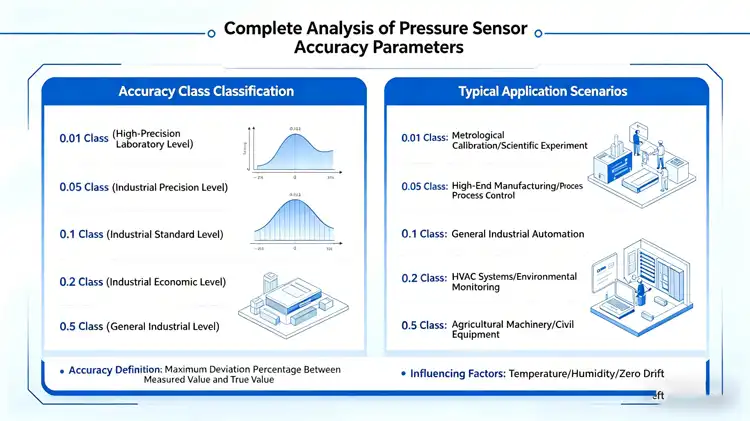
Most industrial pressure sensors have pressure sensor accuracy values between ±0.05% and ±0.5% of full scale. More expensive types have even tighter tolerances. When engineering managers look over datasheets, they should keep in mind that pressure sensor accuracy requirements change depending on how the equipment is used. The pressure sensor accuracy of a sensor that is rated at ±0.1% at 25°C might drop to ±0.25% at very high or very low temperatures. Pharmaceutical and aerospace markets need sensors that are accurate to within 0.1% or more, but for general industrial systems, standards of 0.25 to 0.5 percent are usually fine. Knowing about these levels helps match the product choice to the real performance needs and spending limits.
How Accuracy Is Measured and Verified?
Procedures for calibration are what make precision testing work. In the lab, reference standards like deadweight testers or precise pressure controllers are used to apply known pressures across the sensor's range while results are recorded. Portable calibrators are used for field calibration because they offer enough accuracy for regular checks without taking sensors out of service. During the calibration process, data points are created that show uniformity, hysteresis, and repetition. These all help with pressure sensor accuracy as a whole. Certification groups like NIST provide traceability that procurement teams should check when choosing pressure sensor sources. This is to make sure that readings can still be used in quality tests and regulatory inspections.
Diagnosing the Causes of Pressure Sensor Accuracy Drop
Recognizing Symptoms of Accuracy Degradation
When there are problems with accuracy, operators usually notice numbers that change all the time without any changes to the process, baseline drift, which is when zero or spread moves slowly over time, or more noise in the output signal. Because these signs often show up slowly, it can be hard to find them early without regular tracking. If managers of automation systems see changes in the process or an unstable control loop that they can't explain, they should look into the pressure sensor accuracy as a possible cause. By comparing multiple sensors or doing spot-check calibrations, problems can be found before they get worse and cause quality problems or safety events.
Environmental Stresses That Compromise Accuracy
Changes in temperature are the most common external threat to the pressure sensor accuracy. Sensing elements and the electronics that go with them are affected by thermal expansion, which leads to zero shift and span mistakes. Chemical settings with harsh substances break down sensor materials, which weakens the diaphragm and electrical links. Vibration makes tiny cracks in sense elements and loosens up mechanical parts. A pharmaceutical company found that repeated thermal shock caused the pressure sensors to lose pressure sensor accuracy very quickly during steam sterilization processes. Readings started to drift by 2% within six months, instead of staying stable for three years as predicted. This case shows how hard conditions can speed up the normal aging process.
Mechanical and Electrical Failure Modes
Mechanical wear shows up as diaphragm strain, seal breakdown, and contamination buildup that makes it hard for the diaphragm to move. Particulate matter in the process media can block pressure ports, which slows down the reaction time and throws off readings. Problems with electricity include capacitors drifting and resistors changing value as they age, signal interference from nearby equipment, and water getting into circuits and messing them up. An oil refinery had trouble with pressure sensors that were tracking distillation columns not working correctly. They finally found that the problem was caused by electromagnetic interference from nearby new variable-frequency drives. To make a correct diagnosis, all possible reasons had to be systematically ruled out. This shows how hard it is to fix problems with pressure sensor accuracy.
Effective Methods for Recovering and Improving Pressure Sensor Accuracy
Strategic Calibration Approaches
Setting the right calibration times strikes a balance between the costs of running and the need to maintain pressure sensor accuracy. Calibration should be done every three months or even once a month for critical safety systems, but once a year is fine for less demanding uses. Whether to calibrate sensors on-site or in a lab relies on how easy it is to get to the sensors, how accurate they need to be, and the limitations of the operation. On-site calibration cuts down on downtime, but it's not as accurate as ways used in a lab with main standards.
To meet audit requirements, calibration processes should keep track of the surroundings, equipment serial numbers, approvals for reference standards, and technician qualifications. When calibration shows mistakes that are too big, changes are made to get things back to being accurate. But repeated out-of-tolerance situations mean there are deeper problems that need to be looked into more. Some businesses use past drift trends to make predictions about when to calibrate sensors. This way, they make the best use of their resources by only calibrating sensors that show a tendency to deviate.
Hardware Maintenance and Upgrades
Cleaning the sensor surfaces and pressure ports physically gets rid of process deposits. This often restores pressure sensor accuracy without having to make any calibration changes. Specialized cleaners that are safe for sensor materials get rid of leftovers without hurting the parts. Changing worn seals, adding new software with better compensation algorithms, and changing the signal processing electronics can make sensors last longer and work better. Advanced temperature correction lowers heat effects, which is especially helpful in situations where the temperature changes a lot. Some sensors have field-replaceable sensing units that let you make improvements without having to buy a whole new transmission. When pressure sensor accuracy is going down because of mechanical wear or old technology instead of basic calibration drift, these hardware changes make a big difference.
Preventive Measures for Long-Term Accuracy
Many precision problems can be avoided by protecting the environment during installation. Environmental pressures can be avoided by placing sensors away from sources of heat, isolating them from vibrations, and using protective covers. By setting up constant tracking systems that compare sensor outputs to predicted values, pressure sensor accuracy drift can be found early on. Statistical process control methods used on sensor data show small changes before they have an impact on the quality of the result. Setting basic performance ratings during commissioning makes it possible to compare things in the future. Visual checks done on a regular basis find physical harm, corrosion, or link problems before they get worse. This proactive method cuts down on unexpected downtime and keeps pressure sensor accuracy high for the entire life of the sensor.
Selecting and Procuring High-Accuracy Pressure Sensors for Robust Performance
Critical Selection Criteria for Your Application
When you match the pressure sensor accuracy to the needs of the application, you avoid both over-specification, which loses money, and under-specification, which hurts performance. In dynamic applications where pressure changes quickly, response time is important. In steady applications, on the other hand, long-term steadiness is more important. Digital sensors are better than analog designs because they can be diagnosed remotely, have more setup options, and are less affected by noise. However, analog sensors are still cheaper for easier uses. Choosing the right pressure range affects precision. Sensors work most correctly in the middle range; they don't work as well near zero or full scale. Longevity is ensured by materials that are compatible with process media, especially in settings that are acidic or hot.
Evaluating Suppliers and Certifications
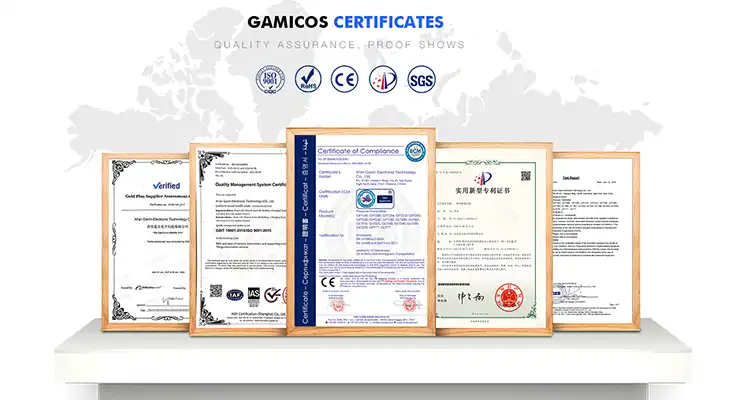
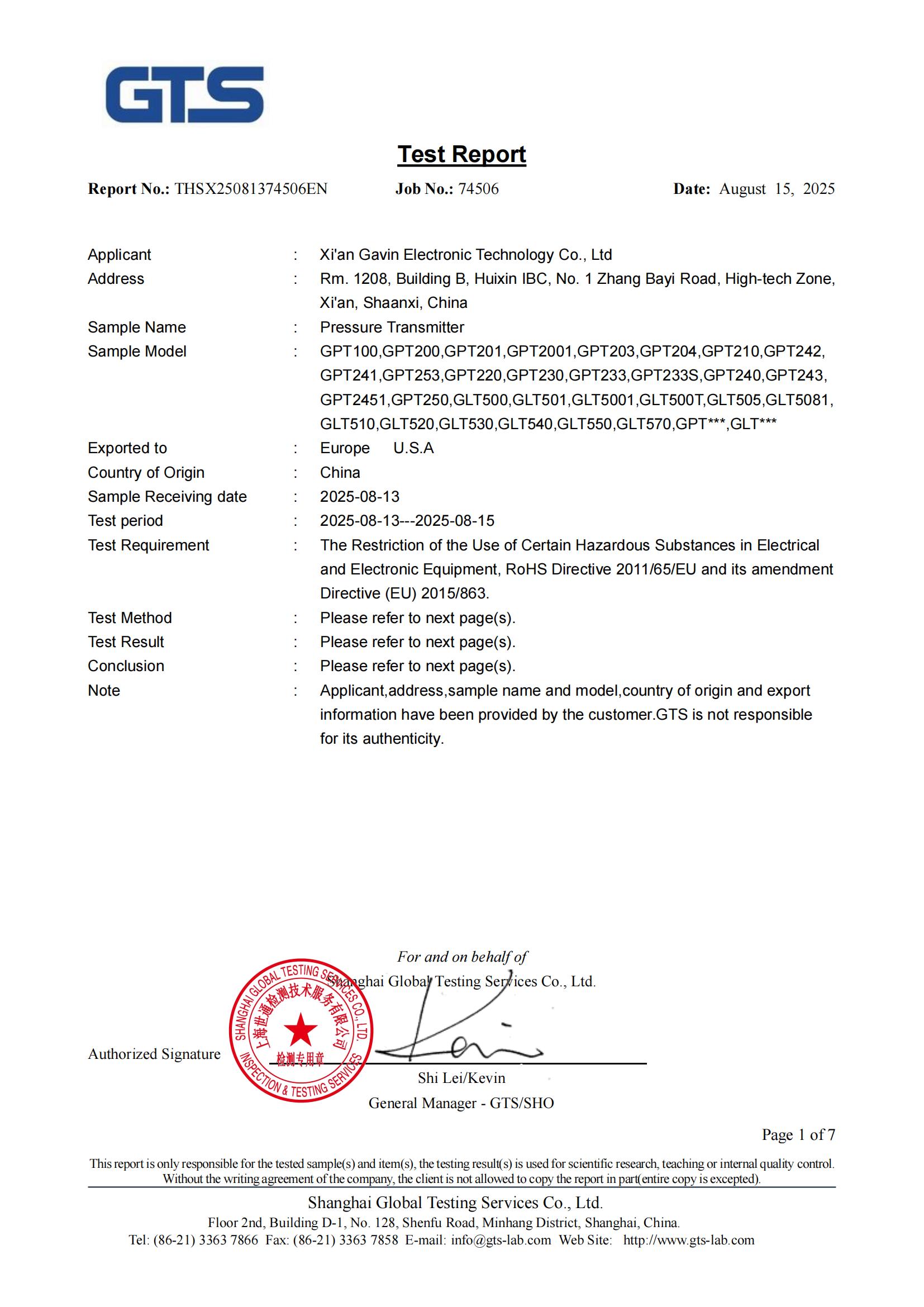
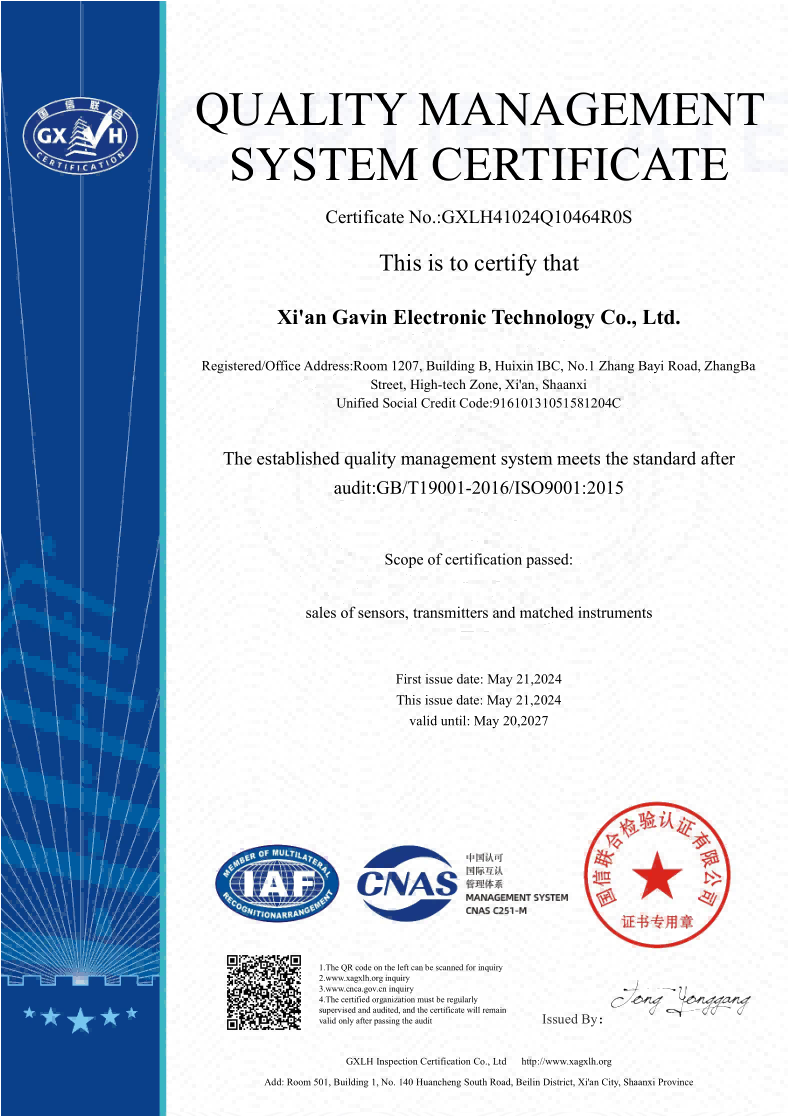
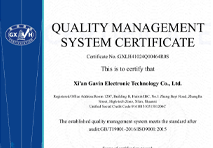
Manufacturers with a good reputation give a lot of paperwork, like accuracy statements with clear conditions, testing certificates that can be tracked back to national standards, and guarantee terms that cover loss of pressure sensor accuracy. Teams in charge of buying things should make sure that the products they are considering meet all the necessary standards. These could include CE marking for European markets, ATEX or IECEx for dangerous areas, and approvals specific to the industry, such as 3-A Sanitary Standards for food processing. ISO 9001-certified supplier quality management systems show that there are set procedures for making sure that the products are always made the same way. Checking a supplier's technical support makes sure that you can get help with applications, advice on how to fix problems, and firmware changes throughout the duration of a product.
Customization Opportunities for Optimal Performance
OEM and ODM agreements make it possible to customize sensors to meet particular needs, such as pressure ranges that aren't standard, special materials, custom communication methods, and packaging that is made for a certain purpose. Pressure sensor accuracy in the real world is better when calibration is done at specific working conditions instead of normal reference conditions. For tough jobs, specialized sensing technologies are used, such as ceramic diaphragms for acidic media or flush-mount designs for fluids that are thick. If engineering managers want customized solutions, they should start working with suppliers early on in the project development process. They should give suppliers detailed information about the application and the surroundings to make sure that the planned designs meet performance goals.
Implementing a Strategic Approach to Maintain Sensor Accuracy in Your Systems
Building Comprehensive Monitoring Programs
Adding accurate checks to regular repair plans makes sure that sensors get care before problems get worse. Setting up KPIs like calibration pass rates, mean time between fails, and drift rates can help you figure out how healthy a sensor population is. Computerized maintenance management systems make organizing easier, keep track of past calibrations, and alert you to tasks that are past due. Putting extra sensors in important places allows for cross-checking, which finds problems with pressure sensor accuracy by comparing them instead of waiting for the planned calibration. Automated data tracking finds patterns of slow drift that might be missed by human checks. This makes condition-based maintenance possible, which makes the best use of resources.
Training and Organizational Practices
Operator training programs that teach basic sensor principles, how to fix problems, and the right way to handle sensors help prevent damage and find problems faster. Technicians should know how process conditions affect pressure sensor accuracy and be able to tell the difference between readings that aren't normal and readings that are caused by changes in the process. Documentation guidelines that make sure that maintenance tasks, calibration results, and changes to the configuration are always recorded the same way build institutional knowledge that stays with the company even after employees leave. Setting up clear escalation processes makes sure that complicated accuracy problems are quickly fixed by the right people.
Partnering with Reliable Suppliers
Long-term partnerships with reputable sensor makers offer benefits beyond the original purchase. Operational success is improved by having technical help for application problems, quick responses to quality issues, and easy access to product training. Total cost of ownership goes down when suppliers offer full after-sales service, such as field calibration support, spare parts available, and firmware changes. Working together creates feedback loops where customer and seller experience helps make products better, which is good for both parties. Rather than just looking at the original buy price, sourcing managers should also look at the possibility for a relationship with the seller. This is because pressure sensor accuracy depends on ongoing support throughout the lifespan of the sensor.
Conclusion
The reasons of pressure sensor degradation must be carefully identified, and repair and prevention strategies must be planned ahead of time to ensure pressure sensor accuracy. When you know the basics of accuracy, you can make smart choices about what to buy, and when you do thorough troubleshooting, you can find the root causes of problems that can be caused by anything from environmental stresses to component failures. Recovery plans that include changes, upkeep, and calibration can get performance back to normal without spending a lot of money. For long-term dependability, it's important to choose high-quality monitors that are right for the job. Setting up thorough tracking systems and building strong relationships with suppliers helps keep things accurate throughout their entire working lifecycle. This supports goals for process control, product quality, and safety.
FAQ
What accuracy level do I need for my industrial application?
How accurate you need to be depends on your process tolerances and safety needs. General industrial automation usually works with sensors that are accurate within ±0.25% to ±0.5%. However, pharmaceutical manufacturing and custody transfer need sensors that are accurate within ±0.1% or tighter. To figure out the right amount of pressure sensor accuracy, look at your process control needs, quality standards, and legal responsibilities. Talking to application engineers can help you find a good mix between performance needs and budget limits. This way, you can avoid over-specification, which raises costs without improving operations.
How often should pressure sensors be calibrated?
How often you have to calibrate relies on how important the application is, how it is used, and any rules or regulations that apply. Most of the time, safety instrumented systems need to be calibrated every three months, while general process tracking can be done once a year. Harsh settings with changes in temperature, pressure, or corrosive media need to be calibrated more often than mild ones. Setting an initial baseline for performance and keeping an eye on drift trends lets data-driven calibration schedule be made based on how the sensor actually works instead of random intervals.
Can accuracy be restored to degraded sensors?
A lot of pressure sensor accuracy issues can be fixed by recalibrating, cleaning, or replacing parts. If you properly calibrate sensors that show drift that is within acceptable limits, they will often return to specification. When deposits affect sensor elements, physical pollution removal brings them back to accuracy. But sensors with broken diaphragms, rusted parts, or basic electronic problems might need to be replaced. When older units are getting close to the end of their useful life, a cost-benefit study that compares the cost of repairs to the cost of buying new sensors helps people make choices.
Partner with GAMICOS for Reliable Pressure Measurement Solutions
Pressure measurement systems have problems with accuracy that need expert knowledge and high-quality goods, which GAMICOS provides to industry clients all over the world. Our wide range of products includes piezoresistive ceramic pressure sensors that are accurate to within 0.1%, capacitance pressure transmitters that are very stable over time, and OEM modules that can be changed to fit your needs. Since we've been in the pressure sensor accuracy business for a long time, we have strict quality control measures in place, backed up by ISO certifications and the metrological tracking that purchasing managers need. Our engineering team helps with applications from the initial selection process to installation and continued upkeep, making sure that sensors work at their best throughout their entire operational lives.
GAMICOS lets you make changes easily by giving you different pressure ranges, transmission methods, materials, and packaging options that work with your specific needs. Our technical skills allow us to provide solutions that meet your needs, whether you need clean sensors for processing pharmaceuticals, designs that won't explode in dangerous places, or wireless IoT units for remote monitoring. Talk to our team at info@gamicos.com about the problems you're having measuring pressure and find out how our goods and support services can help you get more accurate readings while also lowering your total cost of ownership.
References
1. Anderson, J. M. (2021). Industrial Pressure Measurement: Principles and Practices. Technical Publishing International.
2. Chen, L., & Rodriguez, M. (2020). "Calibration Methods for High-Accuracy Pressure Sensors in Process Industries." Journal of Process Control Engineering, 45(3), 178-195.
3. European Committee for Standardization. (2019). EN 837-1:2019 Pressure Gauges - Part 1: Bourdon Tube Pressure Gauges. CEN Publications.
4. Harrison, T. R. (2022). "Diagnosing and Resolving Sensor Accuracy Degradation in Automated Systems." Instrumentation & Control Systems Magazine, 38(7), 24-31.
5. International Society of Automation. (2020). ANSI/ISA-51.1-2019 Process Instrumentation Terminology. ISA Standards and Practices.
6. Williams, S. K., & Patel, N. D. (2021). "Environmental Effects on Pressure Transducer Accuracy: Field Study Results." Sensors and Actuators A: Physical, 327, 112-124.

Halen
With over 12 years of experience in fluid sensing technology, Halen specializes in helping clients select and optimize oil level sensors for a wide range of industries—including automotive, marine, heavy machinery, and energy.
We're here to help — submit your request anytime!
Let us know how we can help solve your pressure level measurement challenge.
_1757930850792.jpg)
Recommended Blog