Particles Clogging Pressure Ports? Filtration & Protection Solutions
Particles Clogging Pressure Ports? Filtration & Protection Solutions
Understanding the Problem: How Particles Clog Pressure Ports?
- Understanding the Problem: How Particles Clog Pressure Ports?
- Types of Pressure Sensor Filters and Their Design Principles
- Filtration Solutions: Improving Accuracy and Maintenance Tips
- Choosing the Best Filtration Solution: A Buyer's Guide
- Our Filtration Solutions and Why Choose GAMICOS?
- Conclusion
- FAQ
- Partner with GAMICOS as Your Trusted Pressure Sensor Filter Supplier
- References
One of the biggest problems with measuring pressure in industry is that particles often get stuck in the ports. When dust, debris, or process contaminants get into sensor ports, measurement accuracy drops quickly, which leads to a chain reaction of practical problems. Installing the right pressure sensor filter is the first line of defense against particle entry. This protects the sensor's integrity and extends its useful life. We can keep the accuracy of measurements at its highest level while lowering the number of maintenance tasks and avoiding costly unplanned downtime in important industrial settings by using smart filter design.
Understanding the Problem: How Particles Clog Pressure Ports?
Particulate matter is constantly hitting pressure monitors in industrial settings. In factories that make things, cement dust, petrochemical leftovers, and biological contaminants in drug production are all things that can damage sensors. These particles get into pressure ports in a number of different ways, slowly building up until the measurement reaction slows down or stops working altogether.
Common Contamination Sources in Industrial Settings
Particulate matter comes from many sources at the same time in manufacturing settings. When metal is worked on, tiny chips and cutting dust are released into the air and land in open sensor ports. When chemicals are used, flammable compounds evaporate, leaving behind solid remains that form crystals. When sensors are put outside, they are exposed to things like dust, sand, and air pollutants that slowly lower their performance.
Process media often have solids floating in them. Particulate-filled gases in combustion tracking, slurries in mines, and sediment in water treatment systems all put sensor diaphragms in direct contact with rough particles. If you don't protect yourself properly, these contaminants can cause technical problems that mess up pressure readings and speed up the wear on parts.
Impact on Sensor Performance and System Reliability
Problems get worse over time when air ports get clogged. As first signs, reaction times are slowed down because flow lines are blocked, making it harder for pressure to reach the sensing element. When partial blocks make pressure transmission less reliable, measurement drift happens. When material completely blocks the port, the sensor stops responding, this is called complete failure.
During aseptic preparation, this happened to a company that makes medicines. Protein deposits slowly built up in pressure sensor ports that weren't covered over the course of six weeks. Changes in batch quality weren't noticed until calibration checks showed a 15% measurement mistake. After that, the cost of stopping production, replacing sensors, and getting rid of the batch went over $180,000. This event shows how ignoring filter protection can turn small upkeep problems into big financial problems.
Clogged ports not only cause individual sensors to fail, but they also put whole control systems at risk. For important choices, process automation needs accurate info on pressure. When sensors send bad data, automatic systems react in the wrong way, which causes safety risks and poor product quality all the way through the production line.
Types of Pressure Sensor Filters and Their Design Principles
In order to choose effective filtration, you need to know what each type of pressure sensor filter has to offer. Different types of contamination need different filtration methods, and the success of protection depends on how well the filter qualities match the needs of the application.
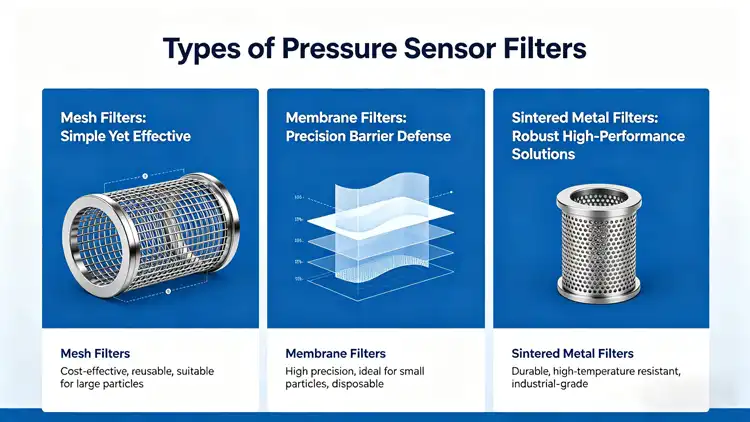
Mesh Filters: Simple Yet Effective
Simple mechanical screening is done with woven or pierced metal screens. The particles that these screens catch are usually bigger than their opening size, which is between 10 and 200 microns. Mesh filters can be used in tough industrial settings because they are made of stainless steel, which is resistant to chemicals and stable at temperatures up to 400°C.
The main benefit is that it is easy to clean. Mesh filters can handle harsh cleaning methods like ultrasonic baths and chemical solvents, which means that regular upkeep can increase their useful life. But because their holes are pretty big, they don't protect well against fine particles, so they can only be used in places where coarse pollution is common.
Membrane Filters: Precision Barrier Defense
Through their winding hole paths, polymer-based membranes are better at keeping fine particles in. Polytetrafluoroethylene (PTFE) membranes usually have retention rates between 0.2 and 10 microns. They also have hydrophobic qualities that keep liquids out of gas uses. This mix keeps both dust and water from getting into sensitive sense elements.
Membrane screens work great in clean industries that need to control pollution very precisely, like making medicines and semiconductors. Their weakness is that they have properties that cause pressure drops; tight pore structures stop flow, which could slow down sensing reaction times in places where pressure changes quickly. It is very important in application engineering to find a balance between filter efficiency and the need for dynamic reaction.
Sintered Metal Filters: Robust High-Performance Solutions
Controlled heating bonds metal powders together to make sintered materials. These have hard structures with even hole distributions. Bronze, stainless steel, and other special metals are used to make filters that can last for a long time and can handle high temperatures, chemicals that break down metal, and mechanical shock. Pore widths range from less than one micron to one hundred microns to meet the needs of a wide range of applications.
Because sintered construction is naturally strong, it can be installed directly in high-pressure systems that go over 10,000 psi. When measuring aggressive media, chemical process companies like sintered stainless steel screens because they don't rust. Even though they cost more at first than other types of filters, investing in these ones is worth it for demanding uses because they last longer and are more reliable.
Design Considerations for Optimal Performance
Besides figuring out the type, three important factors affect filter selection. The particle size retention must match the shape of the pollution while keeping the flow area at a good level. When filters are too small, they cause too much pressure drop, which hurts sensor performance and could lead to measurement mistakes. Filters that are too big lose some of their ability to keep particles in, which lets smaller contaminants get to sensor elements.
Material suitability needs to be carefully looked at. Chemicals, high temperatures, and mechanical stress can all shorten the life of a filter. Metal screens can handle harsh poisons and high temperatures, but they add thermal mass, which slows down the reaction time. Polymer screens respond to heat more quickly, but they can only handle temperatures below 150°C.
Flow resistance estimates make sure that filters don't get in the way of measurements. As long as the flow is normal, the pressure drop across the filter should stay below 2% of the observed pressure range. Higher pressure drops mess up readings and make sensors take longer to respond, which is a big problem for uses that need to track changing pressures.
Filtration Solutions: Improving Accuracy and Maintenance Tips
With the right filtration, sensor dependability goes from needing reactive upkeep to working in a way that can be predicted. Strategic application of filters protects the accuracy of measurements while setting up repair schedules that are easy to follow and stop failures that come up out of the blue.
How Filters Preserve Measurement Integrity
As long as the pressure ports are clean, the process pressure and detecting elements can talk to each other directly. This clear path makes sure that pressure is sent correctly, without any confusion or delay. At the openings to the ports, filters stop contaminants before they damage this important contact. This keeps the linear relationship between the applied pressure and the sensor output.
Filtration prevention is especially helpful for capacitive ceramic pressure sensors. These gadgets find out how much pressure there is by changing the capacitance between wires when the diaphragm bends. Even tiny particles building up on ceramic surfaces can change capacitance baselines and cause measurement mistakes. When filtration works well, ceramic surfaces stay clean. This makes sure that capacitance readings stay the same, which means that pressure values are always correct across the sensor's operating range.
Practical Maintenance Strategies
Setting up regular check times keeps filter decline from turning into a catastrophic failure. The frequency of visual inspections depends on how bad the pollution is, but they are usually done every month in heavy industrial settings and every three months in controlled settings. Monitoring the pressure drop gives a numeric measure of degradation; rising differential pressure across screens shows that debris is building up and needs attention.
How to clean each type of filter is different. Mesh filters can handle harsh cleaning methods like liquid soaking, reverse flow flushing, and ultrasonic cleaning. To protect their delicate structures, membrane filters need to be handled with more care. Low-pressure backflushing with clean gas is often enough. Chemical soaks and compressed air washing are both moderately effective ways to clean sintered metal filters.
The factors for replacement should stress taking preventative steps. If you wait until the blockage is completely gone, you could damage sensors and stop the process. We suggest replacing filters when the pressure drop is more than 150% of the clean baseline or when a direct check shows that a lot of dirt has built up. This proactive method cuts down on unexpected downtime and makes sensor systems last longer overall.
Regular calibration checks make sure that installing the filter hasn't caused any regular mistakes. After installing the filter and on a regular basis after that, comparing sensor readings to reference standards makes sure that the accuracy of the measurements stays within the limits. If the movement goes beyond what is considered reasonable, the filter needs to be inspected and maybe even replaced before the accuracy gets even worse.
Choosing the Best Filtration Solution: A Buyer's Guide
When making procurement choices, technical needs are weighed against business needs. Understanding the specific needs of the application leads filter selection, and the long-term success of a partnership depends on the skills of the seller.
Industry-Specific Requirements
Most of the time, dust gets into HVAC systems that measure air pressure in building control networks. Standard mesh screens that hold 50 to 100 microns of particles are good enough to protect sensors and keep demand-controlled ventilation systems' pressure responses quick. In climate-controlled settings, temperature stability is less important, so polymer filters that are cheaper can be used.
Automotive factories need strong filters that can handle paint overspray, welding smoke, and machine debris. The chemical strength of sintered stainless steel filters lets them handle being exposed to coolants and cleaning agents. Finer filtration protects pressure sensors that watch over hydraulic systems in assembly line robots from metal bits made by worn actuators.
Before specifying a pressure sensor filter, chemical handling companies need to do a full contamination analysis. For measuring pressure in chlorine production, corrosive gas streams need chemically neutral materials like PTFE screens. To keep an eye on a high-temperature reactor, you need sintered metal screens that can keep their shape above 300°C while filtering out catalyst fines and reaction results.
OEM Customization and Volume Procurement
Customized filtration options help original equipment makers who put pressure sensors into their own systems. System integration is improved by thread configurations that match sensor ports, overall sizes that fit setups with limited room, and special materials that handle specific chemical exposures. During the design process, we work with OEM partners to make sure that filter options improve sensor performance instead of hurting it.
When you buy in bulk, you get economies of scale that lower the cost per unit and keep the supply chain consistent. Setting up blanket purchase orders with planned releases makes sure that inventory levels are in line with production needs without requiring too much capital. Lead time reduction through vendor-managed inventory programs makes buying even easier for people who do a lot of it.
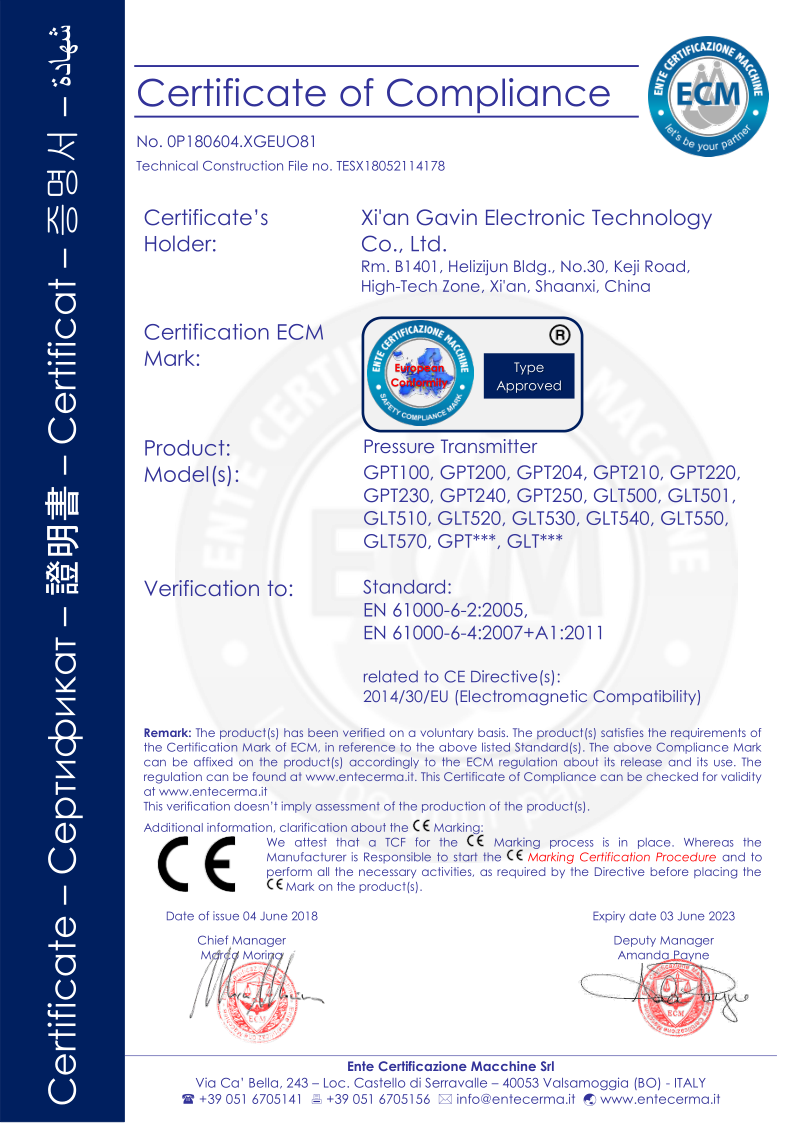
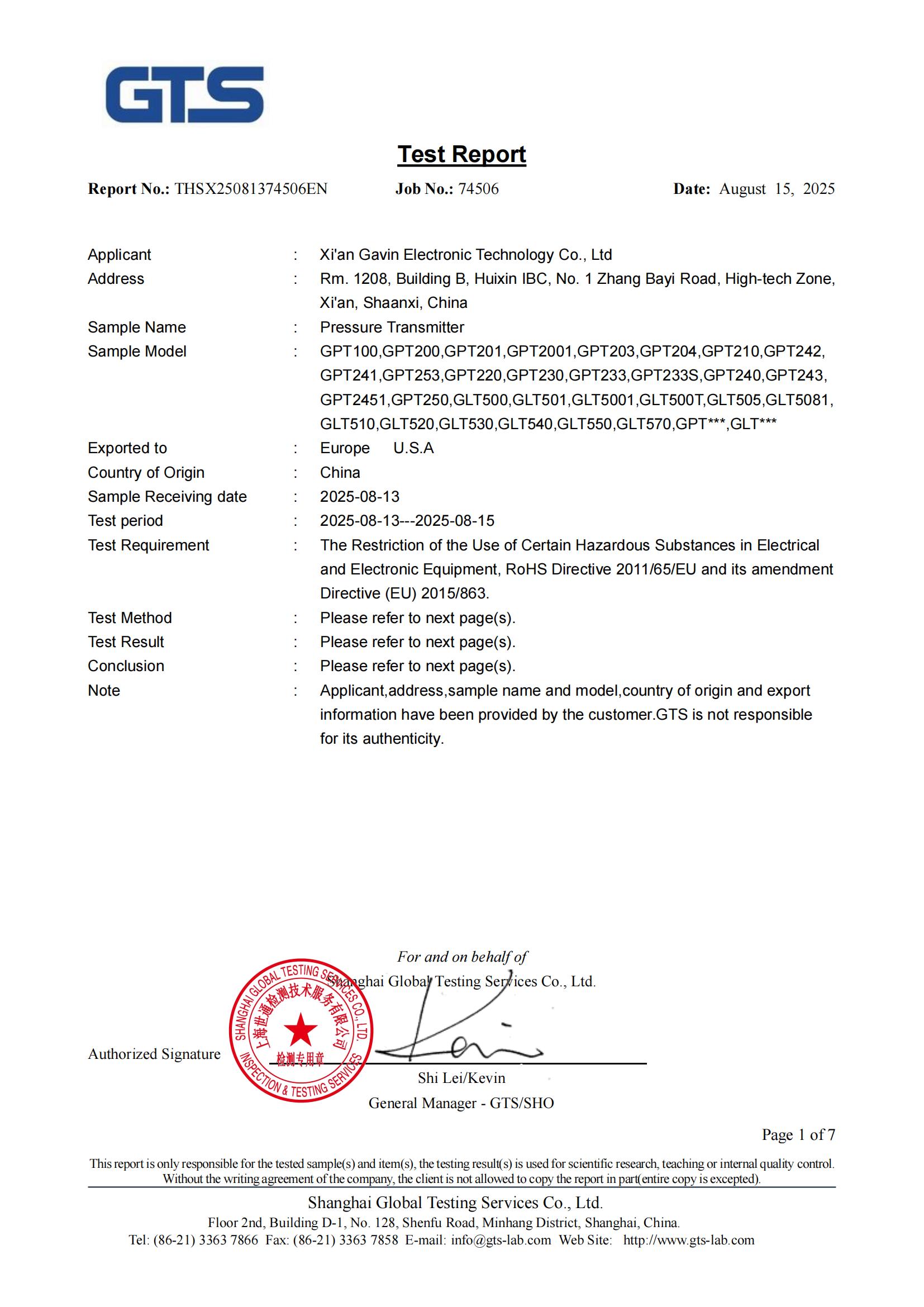
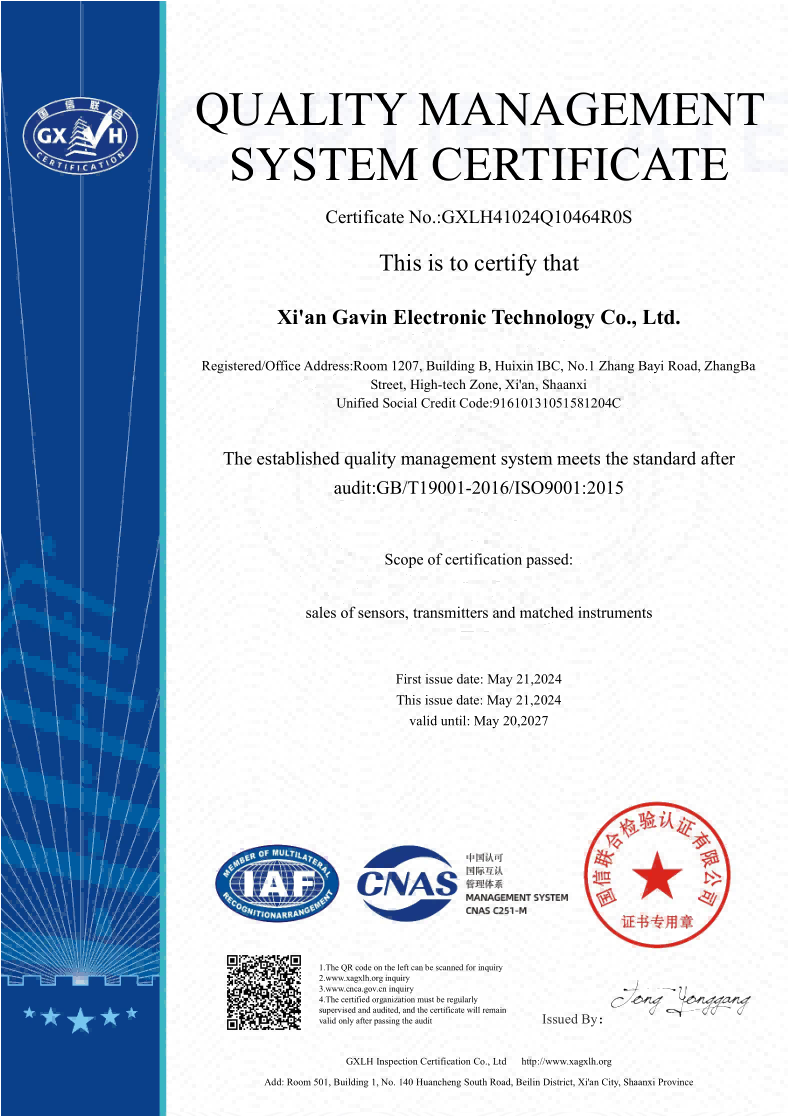
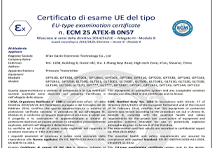
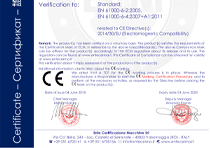
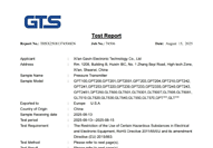
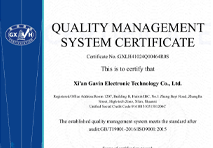
Quality marks show that a seller can be trusted. Systematic quality management is shown by ISO 9001 certification, and legal compliance is shown by qualifications specific to the industry, such as API, CE, and RoHS compliance. With these certificates, buying teams don't have to do as much work to make sure that the quality of the products they buy is the same no matter how many they order.
Our Filtration Solutions and Why Choose GAMICOS?
We've made complete systems to protect pressure sensors that deal with all kinds of pollution problems in the workplace. Our products range from basic catalog items that can be used in a wide range of situations to fully personalized solutions that are designed to meet the specific needs of each business.
Proven Performance Across Industries
In the North Sea, where salt spray and hydrocarbon vapors are very dirty, our sintered stainless steel filters protect pressure monitors in oil rigs that are out at sea. These systems have been up and running nonstop for over 24 months without any upkeep. With unprotected sensors, failures happen every 6 months. Similar success stories can be found in water treatment systems all over Southeast Asia, at chemical plants in Germany, and at pharmaceutical plants in the US.
Automotive manufacturers integrate our compact mesh filters into pressure monitoring systems for paint booth optimization. Real-time pressure control is important for covering quality, and the fast response features keep it up. Filtration stops overspray from building up, which used to require monthly sensor changes. When you switch to our protected sensor kits, repair plans were pushed back to once a year, which cut costs by 60%.
Customization Capabilities for Diverse Applications
We offer a wide range of customization options because we know that normal goods can't solve all problems. Our research team works with customers to choose the best filter materials, pore sizes, and mounting arrangements for each job. We provide solutions that are perfectly matched to practical needs, whether that means changing thread types to fit custom sensor designs or choosing special metal for their high chemical resistance.
Our OEM partners really like how open we are. We help with the creation of products from prototypes to full production runs, making sure that the specs stay the same throughout. Private labeling options let partners sell full sensor-plus-filter systems under their own names. This makes their supply chains easier and gives customers more choices.
Technical Support Throughout the Lifecycle of the Product
Choosing the right pressure sensor filter is only the start of our connection with our customers. During the design phase, we offer full application engineering support to help customers find the best balance between cost, filtering efficiency, and pressure drop. Installation instructions make sure that the parts are mounted correctly and sealed properly, which are important for long-term dependability.
Troubleshooting help is part of ongoing support when situations in the field don't match what was expected. Our experience in a wide range of businesses lets us quickly figure out what the problem is and suggest a solution. When filtration needs change because of changes in the process or the type of contamination changes, we work together to change security methods, and for established partners, this is sometimes done at no extra cost.
Conclusion
Strategic filter keeps measurement accuracy high, equipment life long, and avoids costly operating interruptions by keeping particulate matter from getting into pressure sensors. If you know about the different types of filters—mesh, membrane, and sintered—you can choose the right one for the pollution problem and the surroundings. Regular upkeep and planned replacement strategies make filters work better while lowering costs over its lifetime. To do a good job of procurement, you need to find a mix between technical requirements and the supplier's skills. You should focus on customization options, quality certifications, and quick support. As demand for more accurate and reliable measurements grows in industrial automation, investing in the right pressure sensor filters becomes essential. Proper filtering helps reduce signal noise, protects the sensor from contaminants, and ensures consistent, precise readings, enabling businesses to maintain a competitive edge.
FAQ
What number of microns should I put for my pressure sensor filter?
Your pollution profile determines which micron number to use. 50–100 micron screens are usually needed in general workplace settings with dust and debris. 10–25 micron filtration is helpful for chemical processes that uses small particles. Applications that need to be kept clean may need sub-micron barriers. You should find a balance between how well the filter works and how much pressure it drops. Tighter filtering raises flow resistance, which could change how quickly the sensor responds.
What is the best way to know when to change pressure sensor filters?
Replacement times depend a lot on how bad the pollution is. Heavy industrial settings may need repair every three months, while clean surroundings can go up to once a year. Instead of just looking at time intervals, you should also check the pressure drop across filters. When the difference pressure goes above 150% of the clean standard or when you can see that contamination is building up, you should replace it. Regular replacement keeps measurement accuracy high and stops damage to sensors.
Can I use the same type of screen for more than one pressure sensor use?
If it's possible, choosing the right filters for each job will make it run better and save you money. Extreme temperatures, chemical exposures, and types of pollution are different in each case, so one-size-fits-all options are not the best option. Mesh filters are good for general industry use, screens keep clean places safe, and sintered metals can handle tough conditions. For the best results, look at each application on its own.
Partner with GAMICOS as Your Trusted Pressure Sensor Filter Supplier
GAMICOS has more than ten years of experience helping people find answers for measuring pressure and level. We can help you with your filter problems. Our engineering team makes pressure sensor filter kits that are perfect for harsh industrial settings. These are backed by strict testing and foreign certifications like CE and RoHS compliance. When you work with us as an OEM, you can easily change the filter specs, thread setups, and material choices to fit your special needs. Customers who buy in bulk get competitive prices and reliable delivery plans that keep production lines going smoothly. Get in touch with our technical experts at info@gamicos.com to talk about your unique contamination issues and find out how our filtration solutions can protect your important pressure readings while lowering your total cost of ownership.
References
1. Bao, M. H. (2000). Micro Mechanical Transducers: Pressure Sensors, Accelerometers and Gyroscopes. Elsevier Science, Amsterdam.
2. Liptak, B. G. (2003). Instrument Engineers' Handbook: Process Measurement and Analysis, Fourth Edition. CRC Press, Boca Raton.
3. Webster, J. G. (1999). The Measurement, Instrumentation and Sensors Handbook. CRC Press, Boca Raton.
4. Norton, H. N. (1989). Handbook of Transducers. Prentice Hall, Englewood Cliffs.
5. Wilson, J. S. (2005). Sensor Technology Handbook. Elsevier, Burlington.
6. Fraden, J. (2010). Handbook of Modern Sensors: Physics, Designs, and Applications, Fourth Edition. Springer, New York.

Spring
Spring, With 5 years of experience in sensor technology and product development, Mark specializes in helping clients identify the optimal pressure and level sensor solutions for demanding industrial environments。
We're here to help — submit your request anytime!
Let us know how we can help solve your pressure level measurement challenge.
_1757930850792.jpg)
Recommended Blog
Guide to Intrinsically Safe & Explosion-Proof Pressure Transmitters
Wireless vs. Wired Pressure Transmitters for IIoT Applications
Guide to Intrinsically Safe & Explosion-Proof Pressure Transmitters
Wireless vs. Wired Pressure Transmitters for IIoT Applications
Guide to Intrinsically Safe & Explosion-Proof Pressure Transmitters
Wireless vs. Wired Pressure Transmitters for IIoT Applications