Benefits of Non-Contact Level Measurement Technologies
Understanding Non-Contact Level Sensors and Their Working Principles
- Understanding Non-Contact Level Sensors and Their Working Principles
- Key Benefits of Non-Contact Level Measurement Technologies
- Comparing Non-Contact and Contact Level Sensors: What B2B Buyers Should Know?
- How to Choose the Best Non-Contact Level Sensor for Your Industrial Needs?
- Future Trends and Innovations in Non-Contact Level Measurement Technologies
- Conclusion
- FAQ
- Contact GAMICOS for Advanced Non-Contact Level Sensor Solutions
- References
Non-contact level measurement technologies are a huge step forward in industrial automation. They offer safety, accuracy, and dependability that can't be beat for a wide range of uses. These cutting-edge systems use non-contact level sensor technologies like ultrasound, radar, and laser to measure liquid and solid levels without touching the medium being monitored. These sensors make operations safer and lower upkeep costs by keeping sensitive parts from being directly exposed to harsh chemicals, high temperatures, and corrosive surroundings. These solutions are popular in many fields, from making food and drinks to processing oil and chemicals, because they can give accurate measurements in real time in tough situations where standard contact-based sensors would fail or need to be replaced often.

Understanding Non-Contact Level Sensors and Their Working Principles
Fundamental Operation and Technology Types
Non-contact liquid level sensors are different from standard devices that use contacts because they use more complex measurement methods. Ultrasonic waves, radar signals, magnetic fields, and laser beams are just a few of the advanced technologies that these systems use to find the level of a fluid or object without touching it directly. The choice of technology is based on the needs of the product, the surroundings, and the properties of the material.
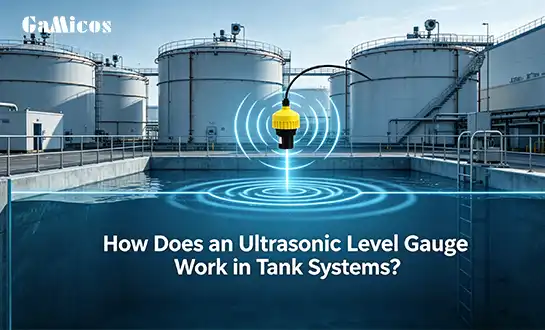
Through a transducer, ultrasonic sensors send out high-frequency sound bursts that are usually between 20kHz and 200kHz. The time-of-flight concept is used to figure out the level when these pulses hit the top of the liquid and bounce back to the sensor. The formula Level = (Sound Speed × Time)/2 gives precise values of distance that can be used to get level readings.
Radar Technology and Advanced Measurement Capabilities
GHz-frequency electromagnetic waves are sent toward the area being recorded by radar-based non-contact level sensor systems. These radar waves bounce back to the sensor antenna when they hit the top of the medium. The complex electronics figure out how long it takes for waves to move, which lets them get accurate distance readings even when there are things in the surroundings like vapor, foam, or changes in temperature.
Radar sensors made today that use 80 GHz technology work better than ones that use lower frequencies. The higher frequency improves precision, lowers the beam angle, and makes the device work better in tough situations with sticky materials or vessels that have internal barriers. Because of these features, radar sensors are very useful in industries like oil, chemicals, and medicine that need to be precise and reliable.
Real-World Applications Across Industries
These sensors have been used in a wide range of ways by industrial sites around the world. Chemical processing plants use them to keep an eye on toxic liquids in storage tanks, and wastewater treatment plants depend on their accuracy to run their treatment processes. Manufacturers of food and drinks like non-contact measurement because it is cleaner than direct sensor touch, which can lead to contamination.
This makes them useful in dangerous places where exploding atmospheres or high temperatures would make regular sensors less reliable. These systems have been used successfully by oil companies, power plants, and mining operations to keep an eye on fuel amounts, slurry concentrations, and cooling water systems. Being able to provide ongoing monitoring without having to change sensors for maintenance purposes has been very helpful in keeping operations running smoothly.
Key Benefits of Non-Contact Level Measurement Technologies
Enhanced Safety and Contamination Prevention
The main benefit of non-contact level sensor technology is that it prevents the sensor from being directly exposed to media that could be harmful to it. This distance keeps both the tools and the people using it safe while keeping the accuracy of the measurements. This safety improvement is especially helpful for businesses that work with dangerous chemicals, nuclear materials, or explosives.
Keeping things from getting contaminated is another important benefit, especially in medicine and food processing settings. Traditional touch sensors might bring in bugs or other unwanted objects into clean areas, which could affect the quality of the product and the ability to follow regulations. Measurements that don't involve touching keep sensitive processes safe while also allowing for necessary tracking.
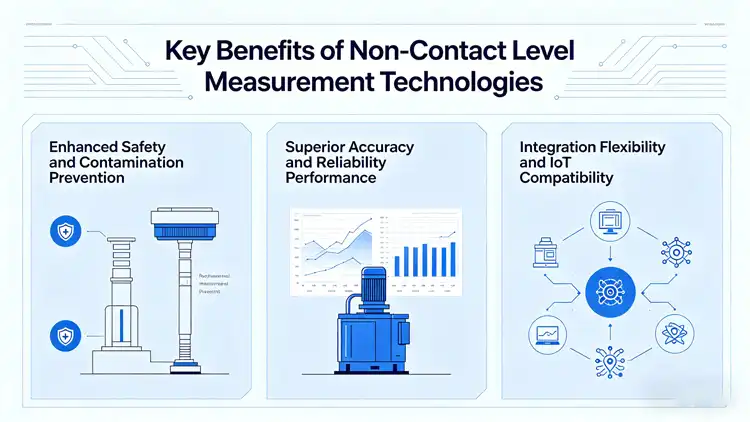
Superior Accuracy and Reliability Performance
These days' non-contact sensors can measure very accurately; for liquid level uses, they can often get as accurate as ±1mm. This accuracy comes from complex signal processing methods that get rid of background noise and adjust for changes in temperature. The steady performance gets rid of the measurement drift that happens with contact-based systems, which cuts down on the need for testing and upkeep.
When reliability goes up, business downtime and maintenance costs go down straight. Contact sensors often stop working because they are worn out, attacked by chemicals, or clogged with process materials. Non-contact options don't have these failure modes, so they work consistently for long amounts of time. Studies show that upkeep costs are 40–60% lower with these sensors than with traditional touch sensors in corrosive environments.
Integration Flexibility and IoT Compatibility
Modern factories need to be able to easily connect to both current robotic systems and new Internet of Things (IoT) platforms. Non-contact sensors are great for this because they can connect to a lot of different devices using modern wireless protocols like LoRaWAN, NB-IoT, and Wi-Fi. These features allow tracking and data gathering from afar without the need for a lot of wiring.
The fact that they can be used with a variety of tank shapes and materials makes them even more valuable. Non-contact level sensor systems function well with plastic, metal, or concrete vessels of various forms and sizes, unlike contact sensors that need to be mounted in a certain way or with a certain material. This flexibility makes assembly easier and lowers the building complexity for retrofit uses.
Comparing Non-Contact and Contact Level Sensors: What B2B Buyers Should Know?
Technological Differences and Performance Characteristics
Procurement managers can make better choices when they know the main differences between touch and non-contact technologies. Contact sensors, such as float switches, pressure emitters, and capacitance probes, need to be in direct contact with the thing being monitored. These technologies have been shown to work well in many situations, but they have problems when used in hard conditions or with difficult materials.
Using energy waves or electric fields to find levels, non-contact options let you measure without touching anything. This method has big benefits in situations where there are harsh chemicals, high temperatures, or materials that tend to cover sensor surfaces. Not only does the choice of technology affect the beginning costs, but it also affects the long-term costs of running the system and how reliable it is.
Ultrasonic versus Radar Technology Comparison
When looking at non-contact choices, it's important to know how ultrasonic and radar sensors are different. Ultrasonic sensors work very well in places where the climate is steady and the liquids don't evaporate easily. They provide low-cost options for treating water, storing large amounts of it, and other similar tasks where temperature and pressure stay mostly the same.
Radar sensors work well in tough situations like places with high temperatures, high pressures, and chemicals that are harmful to them. Radar systems use electromagnetic waves that are not affected by changes in temperature, vapor clouds, or foam layers that can get in the way of ultrasound readings. Even though it costs more at first, radar technology is often more reliable for storing oil, handling chemicals, and making medicines.
Total Cost of Ownership Considerations
When making purchases, people shouldn't just look at the original price of sensors, but also at the total cost of ownership. Non-contact level sensor systems may cost more up front, but they usually save a lot of money in the long run because they require less upkeep, last longer, and increase the efficiency of the process. Sensor life is increased by 3-5 times compared to touch options due to the absence of mechanical wear and chemical attack.
A study of maintenance costs shows that non-contact systems have big benefits. Because they get dirty or worn out over time, traditional sensors need to be cleaned, calibrated, and replaced on a frequent basis. Non-contact sensors stay accurate without these steps, which lowers both the direct costs of upkeep and the time lost from production while sensors are being serviced.
How to Choose the Best Non-Contact Level Sensor for Your Industrial Needs?
Defining Clear Procurement Criteria
A thorough study of the application, including material qualities, environmental conditions, and performance needs, is the first step in choosing the right sensor. Chemical compatibility, temperature ranges, pressure conditions, and precise requirements must all match what the sensor can do. Knowing these factors will help you avoid costly mistakes and get the best results.
Process features, such as the production of vapor, foam, or changes in material density, have a big effect on the choice of sensor. Radar technology might be better for tasks that involve volatile chemical compounds, while ultrasound options might be better for tasks that involve clean water. The best technology choice is also affected by the shape of the tank, the limitations of the mounting system, and the needs for integration.
Evaluating Technical Performance Metrics
Specifications for accuracy need to be carefully looked at beyond simple measurement ranges. Quality of process control and following the rules are affected by things like resolution, consistency, and long-term security. When working conditions change, the accuracy of measurements is affected by the ability to compensate for temperature, the signal processing methods used, and the calibration processes used.
When levels change quickly in dynamic applications, response time and update rates become very important. Some tasks, like batch processing, pump control systems, and safety apps, may need sensors to respond faster than usual for tracking storage. Knowing these time needs makes sure that the system works well for certain working needs.
IoT Integration and Wireless Communication Features
Modern industrial technology depends more and more on being able to connect wirelessly and connect to the internet of things (IoT). Checking communication methods, data forms, and cloud access choices can help make sure that new or current automation systems will work with them. Wireless non-contact level sensor solutions have particular benefits for remote areas or retrofit uses where wiring installation is difficult.
For remote tracking uses, battery life, the ability to charge from the sun, and power control tools are all important things to think about. Having more autonomous operation options is helpful for uses like environmental tracking, remote fuel storage, and agricultural irrigation systems. These features make upkeep easier and allow tracking in places that couldn't be reached before.
Future Trends and Innovations in Non-Contact Level Measurement Technologies
Sensor Miniaturization and Enhanced Performance
As technology keeps getting better, sensors keep getting smaller while also getting better at what they do. Smaller form factors make it possible to place in tight spaces while still keeping measurement accuracy. New materials and production methods make sensors that last longer and can handle harsh environmental conditions.
Better signal processing techniques make measurements more accurate in difficult situations. When machine learning is added to sensors, they can be calibrated more accurately and have their upkeep planned ahead of time, which improves their performance over time. These changes lower the total cost of ownership of non-contact measurement devices while also making them more useful.
AI-Enhanced Data Analytics and Predictive Maintenance
Adding artificial intelligence turns raw sensor data into insights that can be used to improve operations. Advanced analytics find trends that could mean that an item of equipment is having trouble, which lets repair plans be made ahead of time and stops sudden breakdowns. For important process applications, where unplanned downtime has a big effect on finances, this feature is especially useful.
Predictive maintenance algorithms look at data trends, changes in temperature, and signal traits to figure out if sensors need to be calibrated or if they might break down. This proactive method cuts down on upkeep costs and makes sure that measurements are always accurate. When maintenance optimization methods are combined with business asset management systems, they become more complete.
Enhanced Wireless Communication and Smart Sensor Networks
For remote sensor uses, next-generation wireless methods offer longer battery life, better range, and more reliable connections. 5G technology lets you send data quickly for tracking and controlling things in real time. Mesh networking lets you set up multiple communication lines that work together to keep data safe, even in RF settings that can be tricky.
Coordinated measurement methods made possible by smart sensor networks make the whole system more accurate and reliable. It's possible for multiple sensors to confirm data, find problems, and back up important apps. This spread method makes the system more reliable while lowering the reliance on the performance of each sensor.
Conclusion
Non-contact level measurement technologies have a lot of benefits for current industrial uses, such as higher safety, greater dependability, and less need for upkeep. These systems get rid of the problems with regular touch sensors and give accurate readings in real time, even in tough conditions. Depending on the needs of the application, either ultrasonic or radar technology should be chosen. Non-contact level sensors work best in harsh situations, while ultrasonic sensors are more cost-effective in safe ones. Future improvements in AI integration, wireless connection, and sensor downsizing will keep making these important industrial measurement tools more useful and able to do more.
FAQ
Q1: How often do non-contact level sensors require calibration?
A: Under typical working conditions, the majority of high-quality non-contact level sensor systems need to be calibrated every 6 to 12 months. But sensors that are in safe places with regular materials may work correctly for 18 to 24 months without being calibrated. Extreme temperatures or harsh chemicals may mean that the device needs to be calibrated more often, every 3 to 6 months, to keep it working at its best.
Q2: What advantages do radar sensors offer over ultrasonic sensors in challenging conditions?
A: Radar sensors provide superior performance in applications involving high temperatures, pressures, vapor clouds, or foam layers. The electromagnetic waves used by radar technology remain unaffected by temperature variations or atmospheric conditions that can interfere with ultrasonic measurements. Radar sensors also perform reliably with low dielectric materials that challenge ultrasonic systems.
Q3: Can non-contact sensors measure solid materials effectively?
A: Yes, non-contact sensors are great for measuring powders, grains, and large solids that are solid. Radar technology works well in these situations because it can see through dust clouds and give accurate readings even when the density of the material changes. Choosing the right sensor and placing it correctly are important for getting the best results from solid materials with certain properties.
Q4: Are wireless non-contact sensors suitable for remote monitoring applications?
A: Wireless models using protocols like LoRaWAN, NB-IoT, or Wi-Fi transmit data effectively to cloud platforms or control systems. These sensors prove ideal for remote locations such as rural water tanks, fuel storage facilities, or agricultural applications where traditional wiring presents installation challenges. Battery-powered options with solar charging capabilities enable autonomous operation for extended periods.
Contact GAMICOS for Advanced Non-Contact Level Sensor Solutions
GAMICOS delivers cutting-edge measurement technologies designed specifically for demanding industrial applications requiring precision and reliability. Our comprehensive range of ultrasonic and radar level sensors provides tailored solutions for petroleum, chemical, pharmaceutical, and food processing industries. With extensive experience serving clients across 98 countries, we understand the unique challenges facing modern industrial facilities and offer customized OEM/ODM services to meet specific operational requirements.
Our expert engineering team provides comprehensive technical support throughout the entire project lifecycle, from initial sensor selection through installation, commissioning, and ongoing maintenance. We specialize in bulk supply capabilities with reliable delivery schedules that support large-scale industrial projects and equipment manufacturer requirements. For detailed technical specifications, customized quotes, or expert consultation on your non-contact level sensor supplier needs, contact our specialists at info@gamicos.com to discover how our innovative measurement solutions can optimize your operational efficiency.
References
1. Johnson, M.K., "Industrial Level Measurement Technologies: A Comparative Analysis of Contact and Non-Contact Systems," Process Engineering Journal, Vol. 45, 2023.
2. Chen, L.H., "Advances in Radar-Based Level Sensing for Chemical Processing Applications," Chemical Engineering Technology Review, Issue 12, 2023.
3. Williams, R.A., "Non-Contact Measurement Systems: Safety and Reliability Improvements in Hazardous Environments," Industrial Safety Quarterly, Vol. 28, 2024.
4. Thompson, K.J., "Cost-Benefit Analysis of Modern Level Measurement Technologies in Petroleum Storage Applications," Energy Processing Economics, Vol. 19, 2023.
5. Anderson, P.M., "IoT Integration and Wireless Communication in Industrial Measurement Systems," Automation Technology Today, Issue 8, 2024.
6. Rodriguez, C.E., "Future Trends in Non-Contact Level Sensing: AI Integration and Predictive Maintenance," Industrial Innovation Review, Vol. 33, 2024.

Ivy
Ivy, product consultant, has focused on sensor consultation for ten years, is proficient in providing pressure and level measurement solutions for customers.
We're here to help — submit your request anytime!
Let us know how we can help solve your pressure level measurement challenge.
_1757930850792.jpg)
Recommended Blog
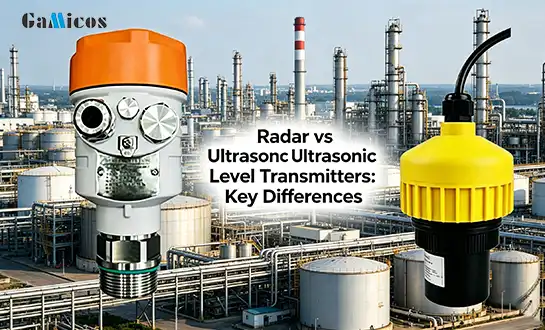
Radar vs Ultrasonic Level Transmitters: Key Differences
How Does an Ultrasonic Level Gauge Work in Tank Systems?
How Does an Ultrasonic Level Gauge Work in Tank Systems?
Why Radar Level Sensors Excel in Pharmaceutical Process Tanks