Pressure Sensors in Tunnel Boring Machine Monitoring
Understanding Vibration Resistant Pressure Sensors in TBM Monitoring
- Understanding Vibration Resistant Pressure Sensors in TBM Monitoring
- Types and Applications of Vibration Resistant Pressure Sensors in TBMs
- Choosing the Best Vibration Resistant Pressure Sensor for TBM Monitoring
- Installation, Testing, and Maintenance of Vibration Resistant Pressure Sensors in TBMs
- Procurement Insights – How to Source Vibration Resistant Pressure Sensors for TBM Projects?
- Conclusion
- FAQ
- Partner With GAMICOS for Reliable TBM Pressure Monitoring Solutions
- References
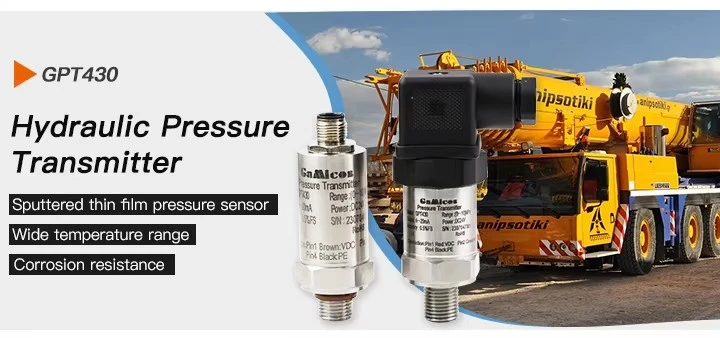
In tunnel boring machine tracking, pressure monitors are very important tools for keeping an eye on hydraulic pressure, slurry system performance, and borehead conditions while digging underground. Among these, vibration resistant pressure sensors stand out as unique gadgets made to handle the strong mechanical shocks and constant shaking that come with TBM work. These tough sensors make sure that accurate real-time data collection happens even when conditions are tough. They stop measurement drift and equipment failure that could put safety and project timelines at risk. Their tough design and advanced signal processing make them essential for engineering workers and automation managers around the world who are in charge of complex underground infrastructure.
Understanding Vibration Resistant Pressure Sensors in TBM Monitoring
What Makes Vibration Resistant Pressure Sensors Unique?
Standard methods for measuring pressure often don't work well in TBM settings because the constant drilling noises, ground shocks, and mechanical movements make it hard to work. vibration resistant pressure sensors are basically different because they are built stronger and have special damper systems. These sensors have tough detecting parts, usually capacitive or piezoresistive ceramic diaphragms, that are kept in shock-absorbing cases that keep the measurement parts from being affected by outside forces. This leads to long-lasting measurement accuracy that regular sensors can't beat.
Core Engineering Features
The idea behind these devices is that they should last for a long time without losing their accuracy. Manufacturers add many layers of protection, such as housings that are tightly sealed, gel-filled spaces that absorb shock energy, and stronger electrical links that can handle mechanical stress. There are some high-tech types with two diaphragms. The outer layer protects the sensitive inner measurement element from the first contact forces. Compared to regular industrial sensors, this design makes them last a lot longer.
Why Vibration Resistance Matters in TBM Operations?
Sensors that stop working in the middle of a tunneling job are not an option. When a TBM goes through rock layers hundreds of meters below the ground, it is very hard to get new instruments and it costs a lot of money. vibration resistant pressure sensors stop three major types of failure: mechanical wear and tear on sensing elements, signal drift from loose connections, and sealing components wearing out too quickly. These sensors keep their accuracy over months of constant use, which protects project plans and budgets and keeps workers safe by keeping an eye on the hydraulic system.
Types and Applications of Vibration Resistant Pressure Sensors in TBMs
Piezoresistive Sensors for Hydraulic Monitoring
Because it can handle a wide range of pressures and respond quickly to changes, piezoresistive technology is the most popular choice for TBM hydraulic uses. These sensors pick up changes in pressure by changing the resistance in silicon or metal film strain gauges that are attached to a diaphragm that bends. When combined with structures that reduce shaking, vibration resistant pressure sensors give accurate readings of the pressures in the thrust cylinder, the hydraulics of the cutter head, and the systems that grease the main bearings. Their quick response times—often less than 1 millisecond—allow them to pick up sudden changes in pressure that could be signs of natural problems or machine problems.
Capacitive Ceramic Sensors for Corrosive Environments
Capacitive ceramic pressure sensors work really well in slurry control systems, even though they are hit by rough particles and chemicals that break down sensors. The ceramic diaphragm doesn't break down easily when exposed to chemicals, and noise from vibrations doesn't change the way the capacitance is measured. Most of the time, these sensors find pressure by watching how the capacitance changes between a set electrode and a ceramic diaphragm as pressure bends it. Pressures ranging from 1 bar to over 1,000 bar can be handled by vibration resistant pressure sensors. This means they can be used for both low-pressure slurry tracking and high-pressure hydraulic tasks. Because they are strong and don't rust, they can be used for a long time in tough TBM settings.
Digital vs. Analog Output Considerations
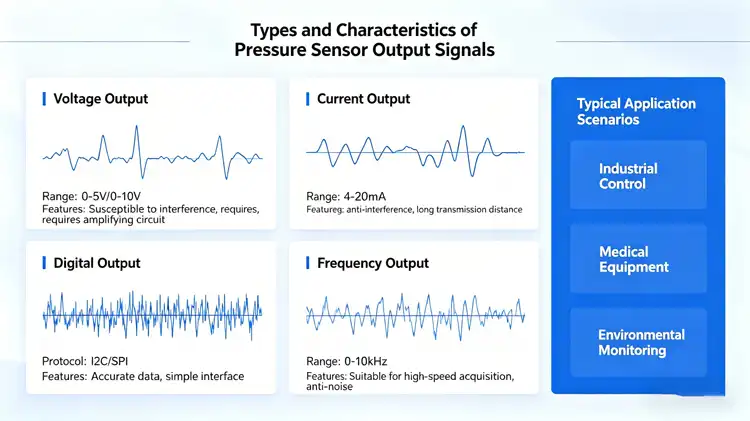
Digital output devices that work directly with PLCs and SCADA networks are becoming more and more popular in modern TBM control systems. Vibration resistant pressure sensors that use I²C, SPI, or HART transmission standards make wiring easier and keep signals strong over long cable runs that are typical in tunnel uses. But analog 4-20 mA outputs are still popular because they are easy to use and work with all kinds of equipment. Procurement managers should think about system design, cable length needs, and plans for future growth when choosing between these choices.
Real-World Application Case Studies
Standard sensors kept breaking down during the first three months of use on a big train project in the northeastern United States. This showed how important shock-resistant pressure instruments are. After moving to ruggedized piezoresistive sensors that could withstand 50g of shock, the project had no more sensor problems for the next 18 months. The hydraulic pressure data showed small trends in how the thrust force was changed, which engineers used to improve the rate of cutter head penetration and finish the tunnel section two months early. This example shows how accurate tracking of pressure has a direct effect on how well a project works and how much it costs.
Choosing the Best Vibration Resistant Pressure Sensor for TBM Monitoring
Critical Selection Criteria
When buying TBM pressure monitors, you have to weigh a lot of technical factors against the limits of the project. Most of the time, measurement accuracy is between ±0.25% and ±0.5% of full scale, and tighter limits cost more. Specifications for vibration endurance should match or go beyond what the TBM actually does. Look for scores of at least 20g to 50g for shock resistance and 10g to 20g for constant vibration tolerance. Extreme temperatures, humidity, entry protection (usually IP67 or IP68), and exposure to chemicals or rough materials must all be taken into account in environmental ratings. Long-term stable requirements that show drift of less than 0.1% per year make sure that projects that last more than one year have steady performance.
Evaluating Leading Sensor Brands
There are many choices on the market, and each has its own benefits. Well-known names like Bosch offer a lot of certification paperwork and service networks around the world, which is helpful for jobs that need to be done in more than one country. Honeywell sensors often have a lot of customizing choices that make them easy for OEMs to use. Siemens' goods work well with their automation environments, which makes building systems easier. Omega has reasonable prices and good technical specs that make it a good choice for projects on a budget. Besides these big names, there are also specialized makers like GAMICOS that offer custom solutions at reasonable prices and with the ability to be changed to fit the needs of difficult industrial uses.
Certification and Compliance Requirements
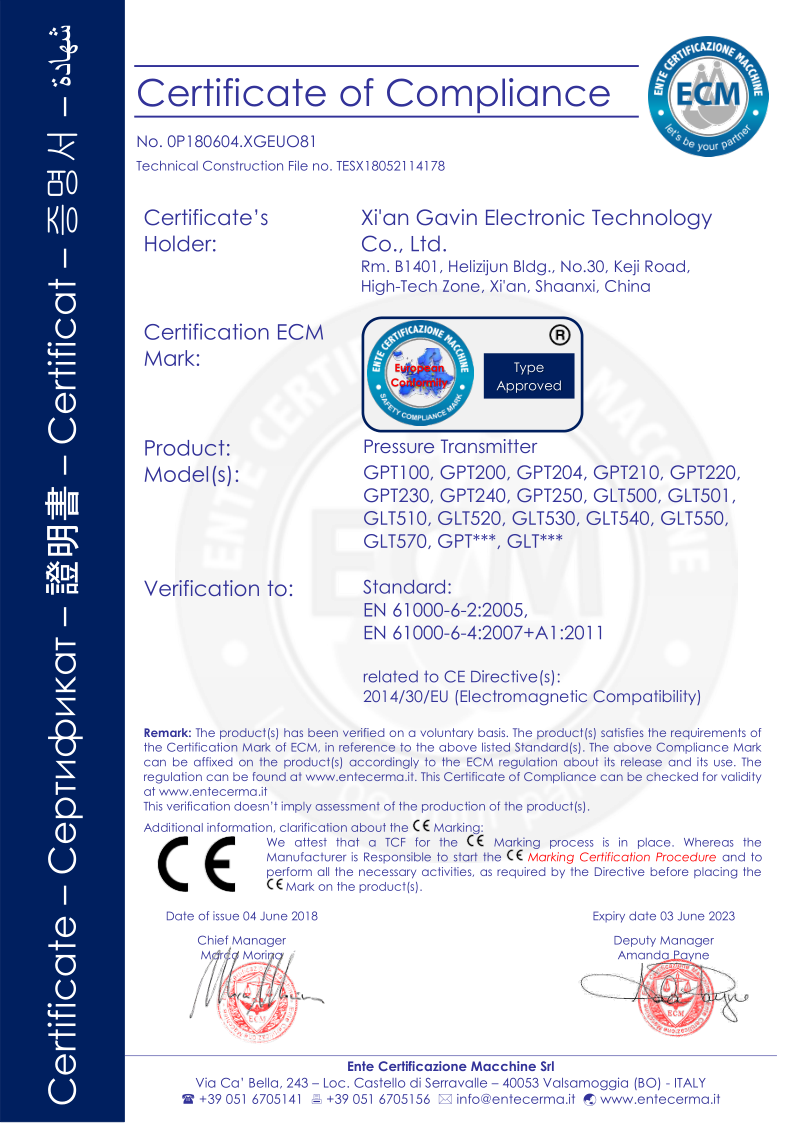
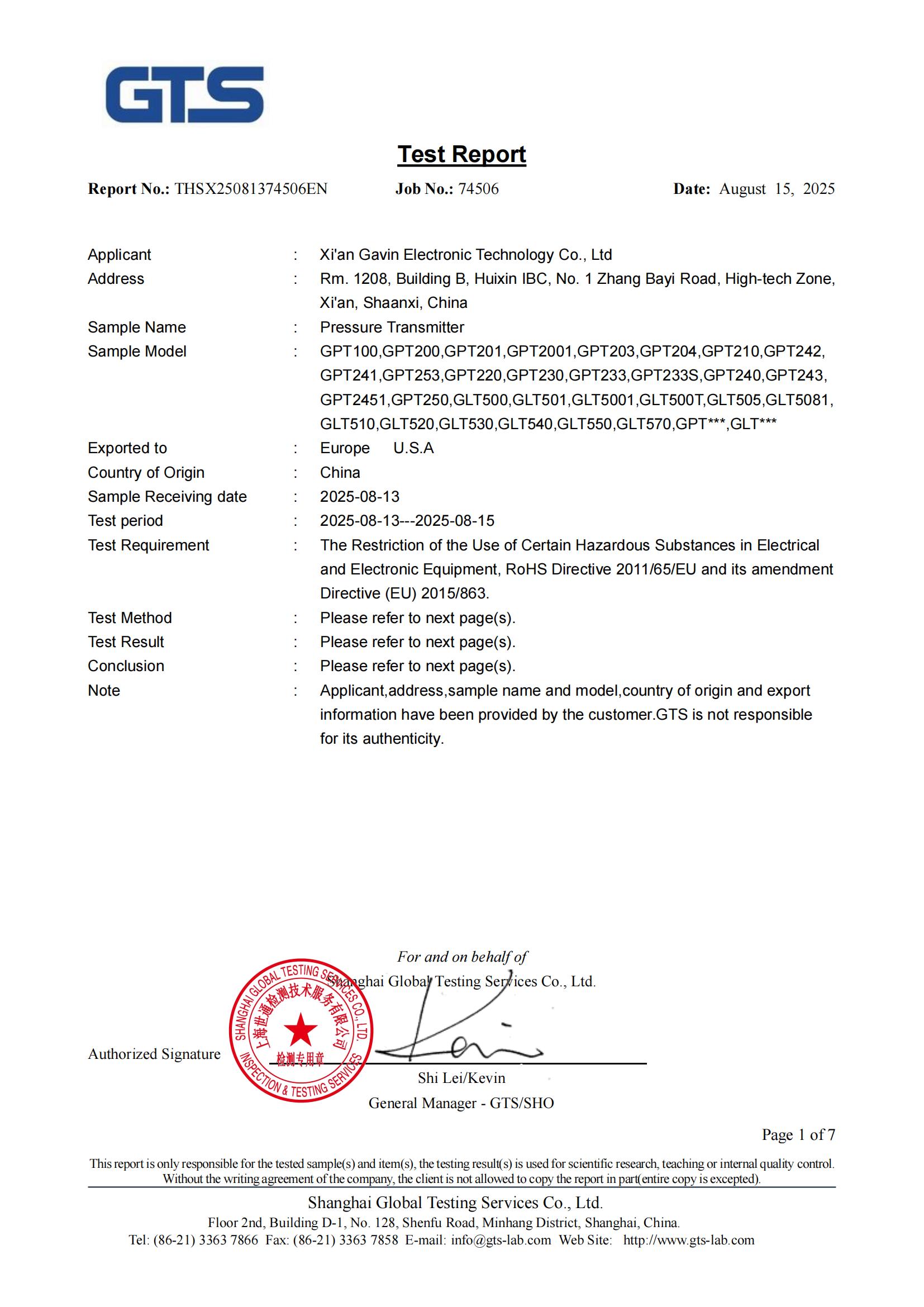
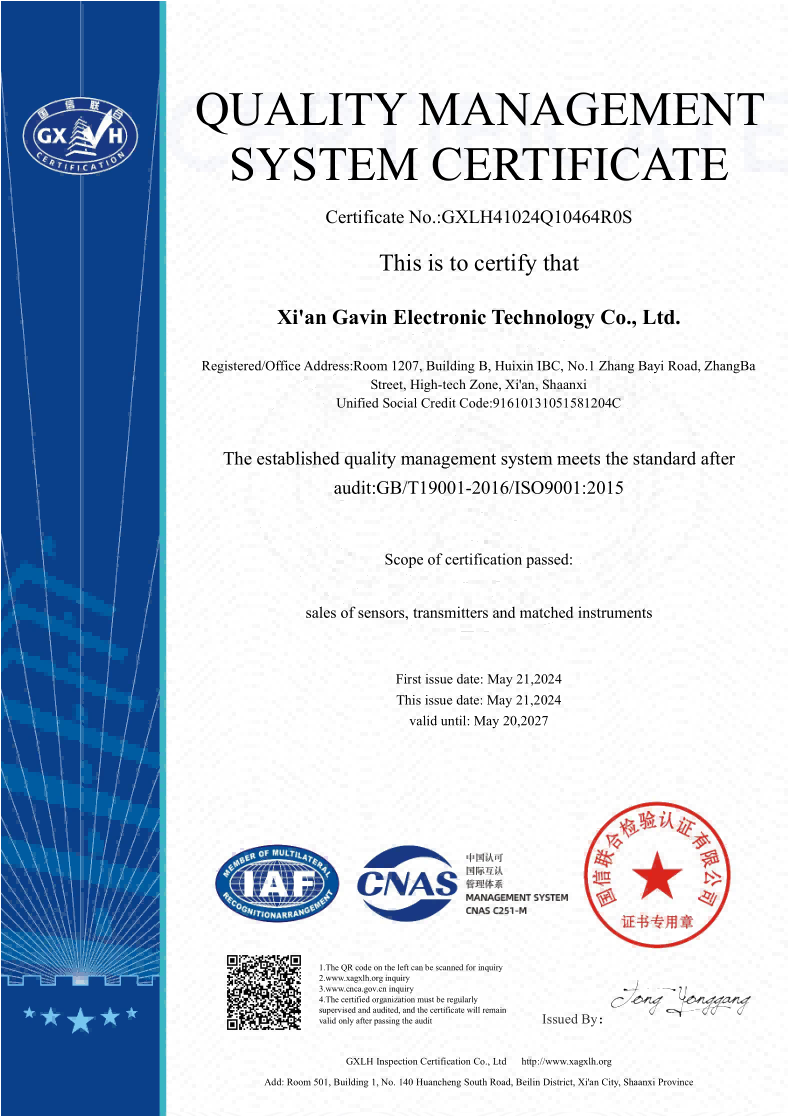
For international projects to work, devices must have the right approvals. The CE mark confirms that the product meets European safety standards, and the RoHS mark confirms that the product is environmentally friendly. Manufacturing methods that are ISO 9001 certified show that quality control is always in place. Explosion-proof licenses like ATEX or IECEx are needed for TBMs that work in places that could explode, like natural gas zones or coal mine shafts. When buying from around the world, make sure that the paperwork from the seller fits the rules of the market you're going to so that you don't have to deal with delays or rejections at customs.
OEM Compatibility and Customization Options
More and more, engineering companies need monitors that are made to fit specific TBM designs. Pressure port layouts, electrical connection types, output signal ranges, mounting bracket designs, and changes to communication protocols are all things that can be customized. OEM suppliers can offer private labels, custom calibration ranges, and changed housing measurements that make installation easier. This versatility comes in handy when adding sensors to TBMs that are already in use or when combining them with custom control systems. Building ties with providers who can quickly make changes speeds up project timelines and lowers the number of problems that come up during integration.
Installation, Testing, and Maintenance of Vibration Resistant Pressure Sensors in TBMs
Proper Installation Techniques
If sensors meet their stated performance standards, they will only work if they are mounted correctly. The first step in installation is choosing the right mounting sites that strike a mix between accurate measurements and mechanical safety. Pressure ports should be directly connected to systems that are being watched using high-quality fittings that stop leaks and the transfer of vibrations. It is very important to stick to the torque specs. If you over-tighten, the sensor housings will get damaged, and if you under-tighten, vibrations will cause them to come free. Electrical links need strain relief so that cable bending doesn't wear out the wire terminations. In the electrically noisy TBM setting, keeping wires away from sources of electromagnetic interference protects the integrity of the signal.
Pre-Deployment Validation Testing
Before putting monitors into underground service, they are put through a lot of tests that mimic real-life conditions. Shaker tables are used for laboratory vibration testing that copies TBM frequency bands and acceleration levels to make sure that shock resistance standards are met. Pressure cycle tests show that the device is accurate across the whole working range when the temperature is the same as it would be in a tunnel. These approval steps find broken units before they are sent out into the tunnel, when they are cheaper to replace than when they break down in the tunnel. Recording test results gives you a starting point for keeping track of long-term success.
Scheduled Maintenance Strategies
Regular care extends the life of sensors and stops them from breaking down without warning. Part of the inspection process should be looking at the housings for damage, making sure the electrical connections are correct, and cleaning the pressure ports to get rid of any buildup of waste. When to recalibrate depends on what the maker says and how important the job is. Usually, the time between recalibrations is between six months and two years. Some monitors can diagnose themselves and let workers know when performance is dropping before the whole system fails. Keeping an appropriate number of extra sensors on hand for the size of the project ensures that they can be quickly replaced when they break, reducing the impact on operations.
Procurement Insights – How to Source Vibration Resistant Pressure Sensors for TBM Projects?
Understanding Pricing Structures
Sensor prices depend on how complex the technology is, how much it costs to certify, and how many are made. Industrial pressure sensors for beginners cost between $100 and $200 each, while ruggedized TBM-grade instruments cost between $500 and $2,000, based on the specs. Price increases are charged for features like digital contact, wider temperature ranges, and special materials. It costs more to get certification paperwork, but it's necessary for foreign projects. Prices depend on where the goods are made. Buying directly from places like China can save you 30 to 40 percent compared to going through Western middlemen, but buyers need to make sure the goods meet quality standards and that the company can support them.
Bulk Purchasing Advantages
Buying sensors on a project-scale level unlocks big savings. Manufacturers usually give discounts for buying in bulk starting at 50 to 100 units. For big building projects, discounts that are even bigger at 500 units or more are normal. In addition to lowering unit costs, ordering in bulk lets you make changes without having to pay for new tools, and it gives you more control over production timing so you can meet tight project deadlines. Setting up outline deals for multi-year projects protects prices from changes in the market and ensures supply continuity. To get the best deals on items, purchasing managers should compare the total cost of ownership, which includes shipping, keeping the item in stock, and the chance that it will become obsolete, with different price systems.
Supplier Evaluation Process
To find trustworthy providers, you need to do more than just compare prices. To make sure that the product's specs match what it says it is, ask for samples to be tested by someone else. Check the quality of the technical documentation—complete datasheets, installation guides, and examples of how to integrate them show that the engineer knows what they're doing. Check how responsive contact is during pre-sale questions as a sign of how good post-sale help will be. Check recommendations from past buyers, especially those who have used similar services. For foreign providers, make sure they have the right export licenses, know that wait times can change, and be clear about the terms of warranty service and the availability of replacement parts. Suppliers with established delivery networks in the area where you do business make operations and customer service easier.
Warranty and Support Considerations
Full guarantee coverage keeps project budgets safe from failures that happen too soon. Standard guarantees last between one and three years, but some companies charge extra to cover you for longer. The warranty terms should make it clear what a flaw is and what abuse is, how to get a replacement, and how long you have to respond. Technical help is just as important—being able to talk to application experts who know how TBMs work speeds up fixing and improves sensor performance. Check to see if your providers offer local help in the language and time zone of your project, or if you will have to deal with communication problems that come up between countries. The quality of the service provided after the sale often makes sellers stand out more than the original product specs.
Conclusion
In every step of a tunnel boring project, the choice of the right pressure measurement equipment has an impact on the overall strategy. Vibration resistant pressure sensors give underground building the dependability and accuracy it needs, protecting both machine investments and worker safety. Engineering teams set up their projects to succeed by learning about sensor technologies, carefully reviewing suppliers, and following the right steps for installation and maintenance. During the procurement process, technical requirements must be balanced against budget limits, with long-term performance taking precedence over beginning cost saves. When projects start out by investing in good instruments, they avoid the expensive problems that come up when sensors stop working. They also get practical insights from accurate pressure tracking throughout the tunneling lifecycle.
FAQ
What vibration levels can these sensors withstand?
vibration resistant pressure sensors made for industry can usually handle constant vibrations of 10g to 20g and shock impacts of 50g to 100g. These requirements are the same as or better than what is usually expected for a TBM. When digging, low-frequency vibrations of 5 to 15 Hz happen all the time, and hard rock forms can cause impact shocks. Always compare the sensor's specs to the real vibration levels that have been tested in your TBM model to make sure there are enough safety margins.
How do I know if my TBM needs specialized sensors?
Standard industrial monitors are only good for tracking places that don't move or aren't affected by mechanical shaking. Any monitor that is directly attached to a TBM frame, a hydraulic cylinder, a moving part, or a cutter head needs to be built so that it doesn't shake. Upgrading to ruggedized sensors can usually fix problems like repeated sensor failures, occasional signal loss, or measurement drift that you can't explain. It can also lower the cost of upkeep.
Can these sensors integrate with existing control systems?
Modern sensors that can handle vibrations can send data in a number of different forms, such as analog 4-20 mA, voltage signals, and digital standards such as HART, Modbus, and CANbus. This makes it possible to work with almost all TBM control systems. Give your system expert the specifications for the sensors you want to use along with the specifications for your current PLC or SCADA system to make sure the integration goes smoothly and doesn't need any extra interface hardware.
What maintenance do vibration resistant sensors require?
Visual checks are done every three months, the calibration is checked once a year, and the pressure ports are cleaned to keep dirt from building up. Standard sensors may need to be replaced often, but vibration resistant pressure sensors that are properly described can often work through whole multi-year digging projects without any help. Keeping detailed performance logs helps find slow loss of accuracy before it threatens the safety of the project or the quality of the data.
Partner With GAMICOS for Reliable TBM Pressure Monitoring Solutions
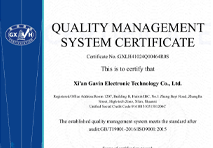
GAMICOS specializes in making industrial-grade sensors that are designed to work in the hardest environments, such as tunnel boring activities that need to be very durable. We are a reputable vibration resistant pressure sensor source, and we can fully customize the type of sensor, communication methods, mounting options, and pressure ranges to meet your exact TBM requirements. We can make prototypes for OEM integration and large-scale infrastructure projects. Our production skills are backed by CE, RoHS, and ISO certifications that meet international buying standards. GAMICOS blends strict quality control with competitive production efficiency.
Its sensors are used in more than 100 countries and have been proven to work in demanding industries like pharmaceuticals and oil. Our expert team helps with application advice from choosing the first sensor all the way through installation support and planning for long-term upkeep. Contact us at info@gamicos.com to talk about your TBM tracking needs, get technical specs, or set up sample testing that shows how committed we are to giving you reliable measurement solutions underground.
References
1. International Tunnelling and Underground Space Association. (2019). "Guidelines for Tunnel Boring Machine Performance and Monitoring Systems." ITAUCH Technical Report Series, Volume 14.
2. Zhao, J., Gong, Q.M., & Eisensten, Z. (2007). "Tunnelling through a frequently changing and mixed ground: A case history in Singapore." Tunnelling and Underground Space Technology, 22(4), 388-400.
3. German Society for Geotechnics. (2016). "Recommendations for Selecting and Testing Measuring Instruments for Tunnel Excavation." DGGT Publication Series, Issue 8.
4. National Institute of Standards and Technology. (2018). "Calibration Procedures for Pressure Sensors in High-Vibration Industrial Environments." NIST Special Publication 1200-23.
5. Chen, R.P., Li, J., Kong, L.G., & Tang, L.J. (2013). "Experimental study on face instability of shield tunnel in sand." Tunnelling and Underground Space Technology, 33, 12-21.
6. American Society of Mechanical Engineers. (2020). "Performance Standard for Pressure Sensors in Mobile Heavy Equipment." ASME B40.400-2020.

Ivy
Ivy, product consultant, has focused on sensor consultation for ten years, is proficient in providing pressure and level measurement solutions for customers.
We're here to help — submit your request anytime!
Let us know how we can help solve your pressure level measurement challenge.
_1757930850792.jpg)
Recommended Blog

Mitigating Pulsation, Water Hammer & Overpressure in Pumps
Wireless vs. Wired Pressure Transmitters for IIoT Applications
Mitigating Pulsation, Water Hammer & Overpressure in Pumps
Wireless vs. Wired Pressure Transmitters for IIoT Applications