Dual-Redundant Pressure Sensors in Crane Safety Systems
Understanding Dual-Redundant Pressure Sensors in Crane Safety
- Understanding Dual-Redundant Pressure Sensors in Crane Safety
- Benefits and Applications of Dual-Redundant Safety Pressure Sensors for Cranes
- How to Choose the Right Dual-Redundant Pressure Sensor for Crane Systems?
- Installation, Calibration, and Maintenance Best Practices
- Future Trends and Technological Advancements in Crane Pressure Sensing
- Conclusion
- FAQ
- Partner with GAMICOS for Advanced Safety Pressure Sensor Solutions
- References
When operating a crane, safety is very important. This is especially true for hydraulic and gas systems, where measuring pressure has a direct effect on how much weight can be lifted and how well the system works. Dual-redundant pressure monitors are a major step forward in crane safety technology. They have two separate measuring parts that work together in one system at the same time. This setup gives constant, checked data from the safety pressure sensor that set off fail-safe procedures automatically when there are problems. Dual-redundant architectures greatly lower the risk of accidents by getting rid of single points of failure. This protects both people and valuable equipment on building sites, ports, industrial facilities, and energy installations around the world.

Understanding Dual-Redundant Pressure Sensors in Crane Safety
The basic structure of dual-redundant pressure monitors is based on parallel measurement lines that check the hydraulic or pneumatic pressure in crane systems separately. When both lines report the same number, everything works as it should. If, on the other hand, readings are too far apart, the system may immediately start safety shutdown processes and sound an alarm.
Core Operating Principles of Redundant Sensor Systems
Two different sensor elements, usually using piezoresistive or capacitive technology, are used in redundant pressure measurement systems. When pressure is applied to piezoresistive sensors, the electrical resistance changes. This means that the sensors can respond quickly, which is great for dynamic crane operations. Capacitive differences measure changes in diaphragm movement by changing capacitance, which provides excellent long-term stability. Both types of sensors can be accurate to within ±0.25% of their full-scale range. This makes sure that important pressure factors are accurately monitored throughout the hydraulic circuits of a crane.
Safety Advantages Over Single-Sensor Configurations
Traditional systems with only one sensor leave you open to attack; a failed sensor might not be noticed until something very bad happens with the equipment. Dual-redundant setups cross-validate readings all the time, letting you know right away if a sensor is failing or degrading. Industrial safety studies show that this real-time troubleshooting feature cuts unexpected downtime by 40–60%. The design also reduces the number of false alarms that happen with single-sensor systems that are affected by electrical interference or shaking. These alarms often cause systems to shut down when they don't need to in busy industrial settings.
Common Sensor Technologies in Redundant Crane Applications
Most industrial crane uses use three different types of pressure sensors that have been modified to work in similar ways. For pressure values from 0 to 10,000 psi, piezoresistive silicon devices are small, cheap, and good at reducing size. The tough design of thin-film strain gauge sensors makes them suitable for use in harsh settings with temperature changes of -40°C to +125°C. Capacitive ceramic sensors are very good at resisting chemicals and staying stable over time. This is especially helpful in places like chemical processing and remote activities where the air is corrosive.
Benefits and Applications of Dual-Redundant Safety Pressure Sensors for Cranes
When you use dual-redundant safety pressure sensor technology, you switch from reactive maintenance models to proactive safety management systems for crane operations. The benefits can be measured in terms of operational efficiency, legal compliance, and financial performance measures that engineering teams and procurement managers care about.
Preventing Catastrophic System Failures
Most crane accidents are caused by problems with the hydraulic systems, and strange pressures often happen before something terrible happens. Dual-redundant sensors pick up on slow changes in pressure that mean the seal is wearing out, the pump is wearing out, or the line is clogged before critical limits are crossed. Modern systems keep an eye on the differences in pressure between load-bearing cylinders to make sure that lifting operations are balanced and don't cause load changes or structural overloading. Occupational safety data from heavy industrial sectors shows that this preventative feature has cut accidents involving cranes by 35% in places that use multiple sensor designs.
Enhancing Load Monitoring Accuracy and Response
Accurate pressure readings in hydraulic lifting systems are needed for precise load tracking. By giving accurate numbers that crane control systems use for load calculation methods, redundant sensor setups get rid of measurement uncertainty. These days, digital sensors can talk to each other using the CAN bus or industrial Ethernet protocols, and they can send data at speeds of over 1000 samples per second. This quick data collection lets load changes be made in real time, stopping overloading situations before they cause mechanical stress to build up in structure parts.
Industry-Specific Applications and Compliance Requirements
Following OSHA rules and ANSI/ASME B30 standards for construction crane operations is necessary. These standards require load moment markers and anti-two-block systems, which both depend on accurate pressure measurement. Cranes used in ports to move containers must follow ISO 9927 standards, which list multiple safety systems for SIL 2 or SIL 3 safety integrity levels. Offshore crane installations on oil sites must meet API 2C standards, which say that safety-critical uses must have two separate pressure monitoring systems. Under OSHA 1910.119, manufacturing facilities with overhead cranes that handle dangerous materials must follow strict process safety management requirements. This includes using multiple pressure sensors as an important safety layer.
Specialized crane systems that meet sanitary design standards are used in the pharmacy and food processing businesses. 316L stainless steel pressure monitors with flush diaphragms and tri-clamp links keep hygiene standards high and offer two ways to measure. These arrangements keep things from getting contaminated and make sure that materials are handled safely in cleanrooms.
How to Choose the Right Dual-Redundant Pressure Sensor for Crane Systems?
When choosing the right dual-redundant pressure sensors, you need to carefully look at their technical specs, the conditions of their surroundings, and how much they will cost over their entire time. When it comes to making sure the supply chain is reliable in the long term, procurement teams have to find a balance between performance standards and price constraints.
Critical Performance Specifications and Environmental Factors
Pressure range selection must include normal working pressures plus safety margins. For example, most crane hydraulic systems work between 2000 and 5000 psi, so sensors tuned to 6000 to 8000 psi are needed to protect against overrange situations. The accuracy specs should meet the needs of the system. For most crane uses, accuracy of ±0.5% full-scale or better is needed. Outdoor cranes that are used in climates that change with the seasons need sensors that can adjust for temperatures ranging from -40°C to +85°C or even higher in harsh environments.
| GPT430 Sputtered Thin Film Pressure Transmitter | |
| Range(Mpa) | 0MPa~1MPa …150MPa |
| Output signal | 4~20mA, 0~5V, 0.5-4.5V, 0-10V, RS485, I²C |
| Accuracy(FS%) | 0.1(OEM), 0.25(OEM), 0.5 |
| Operating voltage(VDC) | +12~+30(Calibration value: +24) |
| Medium temperature | -40℃~+150℃ |
| Response time | ≤3ms(10%~90%) |
| Medium | Liquids compatible with 17-4PH |
| Diaphragm material | 17-4PH stainless steel |
| Housing material | 304, 316L |
| Protection grade | IP65(OEM) |
Response time standards are very important when using a dynamic crane. Sensors that respond in less than 5 milliseconds can quickly pick up pressure changes that are caused by fast changes in load or hydraulic shock. Vibration resistance values should be higher than 10g for mobile cranes that will be used on rough ground and be moved around a lot.
Evaluating Manufacturers and Customization Options
Established sensor manufacturers like Honeywell, Siemens, and ABB offer safety pressure sensors with dual-redundant configurations that are rigorously tested and supported by a wide range of industry certifications, ensuring high reliability in critical applications.
Specialized providers, on the other hand, often offer better value because they can customize their products to fit specific crane setups. This method is used by GAMICOS, which makes custom pressure sensor systems with pressure levels, electrical connections, and transmission protocols that can be changed. Our engineering team works with crane makers and retrofit integrators to find the best sensor setups. This includes figuring out the thread sizes, wire lengths, and output signal types that work with current control systems.
It's important to pay close attention to how well two materials work together. For example, normal industrial sensors use 17-4PH stainless steel wetted components that can handle hydraulic fluids made from gasoline. For uses with synthetic fluids, water-glycol mixes, or fire-resistant hydraulics, better materials like 316L stainless steel or Hastelloy metals may be needed to keep the sensor from rusting and to make sure it measures accurately for the whole time it's in use.
Total Cost of Ownership and Supply Chain Considerations
Teams in charge of buying must look at more than just the initial purchase price. They must also consider the costs of installation, the need for calibration, and the frequency of service times. When compared to discrete sensor setups that need separate validation processes, dual-redundant sensor systems with built-in diagnostics cut commissioning time by 20 to 30 percent. The length of the warranty has a big effect on the total cost of ownership. At the very least, regular two-year guarantees should be required, with longer covering available for important uses.
When buying in bulk, you can save a lot of money on big crane fleets or setups that span multiple sites. GAMICOS can handle large orders by offering flexible prices, combined shipping, and coordinated delivery plans that work with project deadlines. Customers in North America, Europe, the Middle East, Southeast Asia, and Australia can get our products through our global delivery network. We offer competitive wait times of 3–4 weeks for basic configurations and 6–8 weeks for customized configurations.
Installation, Calibration, and Maintenance Best Practices
Following installation and care guidelines that keep measurement accuracy throughout their working lifetimes is important for getting the most out of dual-redundant pressure sensors.
Proper Installation Techniques and System Integration
The places where sensors are mounted should reduce the amount of shaking and temperature differences while still making upkeep easy. Putting sensors on hydraulic connections close to pumps or cylinders lowers the pressure pulses that travel through long pipe runs. Thread seals need to be compatible with both sensing materials and hydraulic fluids. For NPT threaded connections, PTFE tape that is carefully applied so as not to contaminate the pressure ports is still the best option.
When you add electricity, you need to pay close attention to covering and grounding rules that keep electromagnetic interference from happening. Analog 4-20mA or 0-10V output signals are kept safe from electrical noise made by crane motors and variable frequency drives by twisted-pair protected wires with separate ground conductors. Digital sensors that use the Modbus RTU, PROFIBUS, or IO-Link protocols have better noise protection, but they need to be connected to the network correctly and have the right cables.
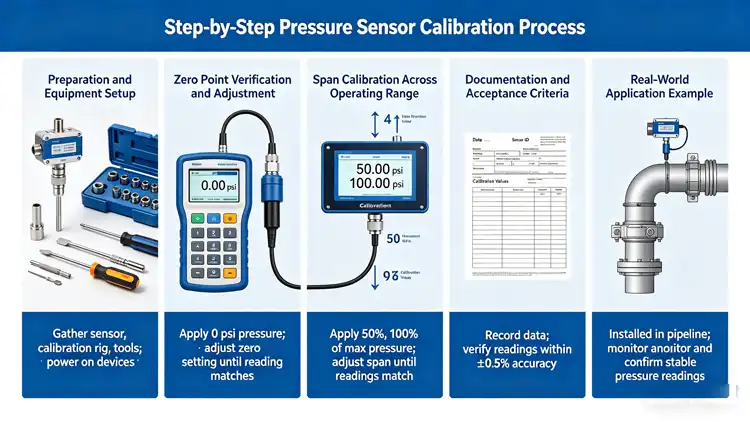
Calibration Standards and Accuracy Verification
Manufacturers of sensors do the initial calibration, which can be traced back to national standards using NIST-certified reference equipment. Before approval, measurements are checked in the field after installation to make sure they are accurate. Deadweight tests that use precise mass application to create known pressures give the highest level of standard accuracy, but they need to be used with care. Electronic calibrators are easy to use and have reading errors of less than 0.025 percent, making them perfect for most industrial crane uses.
The amount of time between calibrations depends on how the machine is used and the rules that govern it. Most industrial standards call for annual verification, but harsh settings or safety-critical uses may need verification every six months or three months. Calibrating records that are written down are important parts of quality management systems and programs that make sure they follow the rules.
Routine Maintenance and Troubleshooting Protocols
Every three months, preventative maintenance checks should be done to look at the electrical connections, the stability of the cables, and the pressure on the mounting hardware. Inspection of the pressure port finds buildups of pollution that can change the accuracy of measurements. The study of hydraulic fluid finds particulate contamination that needs upkeep on the filtration system before it damages the sensors.
To start troubleshooting, make sure the power source voltage is correct and that signals to control systems are still working. By comparing results from two or more channels, you can tell which sensor is moving or has failed. Using data logging tools to do pressure transient analysis shows hydraulic system problems that are different from sensor faults. This keeps you from having to replace sensors that aren't needed.
Future Trends and Technological Advancements in Crane Pressure Sensing
Digitalization trends and the widespread use of the Internet of Things (IoT) in industry are speeding up the development of sensor technology. These changes are turning standard measuring tools into smart system components.
Smart Sensor Integration with IoT Platforms
Modern safety pressure sensors incorporate built-in microprocessors that run advanced diagnostic algorithms, continuously monitoring sensor health and detecting drift patterns before they impact system performance or safety.
Digital communication protocols send to cloud-based asset management systems not only pressure readings but also temperature readings, diagnostic state, and signs of future maintenance needs. This connection makes it possible to keep an eye on all of the cranes that are spread out. This cuts down on the need for repair staff and speeds up the time it takes to deal with problems as they arise.
GAMICOS is currently working on Internet of Things (IoT) pressure sensor technologies that work with LoRa, NB-IoT, and 4G wireless transmission methods. These wireless sensors get rid of the need for cables for retrofit setups and let building workers keep an eye on cranes while they're working. Battery-powered versions that can work for five years allow for truly wireless adoption in places where electricity isn't available or is too expensive.
Predictive Maintenance Through AI-Driven Analytics
Machine learning algorithms that are taught on patterns of past pressure data can find small changes that indicate failures that aren't noticeable to traditional alarm systems that use thresholds. Predictive models connect pressure signs with how equipment breaks down, estimating how much useful life is left and how to schedule repair in the best way. Condition-based repair techniques, instead of time-based ones, help crane workers cut down on unplanned downtime and extend the life of parts.
Material Science Innovations and Durability Enhancements
When used in stable settings, advanced ceramic materials and sapphire sensing elements make measurements steady for more than ten years without the need to be re-calibrated. Micro-electromechanical systems (MEMS) technology makes it possible to make sensors that are very small and can be installed in places with limited room while still performing at an industrial level. When you join together hermetically sealed packages, you get rid of the leak paths that make sensors less reliable in naval and outdoor settings.
Conclusion
Double-redundant pressure monitors are important for making sure that modern cranes can safely work in a wide range of industries. Their parallel measurement design gets rid of single-point failure weaknesses and gives them validated data that lets them handle loads intelligently and plan for future repair needs. To choose the right redundant sensor setups, you have to weigh technical performance requirements against environmental hurdles, the need for flexibility, and the cost of ownership over time.
As crane systems move toward self-operation and digital integration, pressure sensing technology also moves forward, adding IoT connection, built-in diagnostics, and AI-powered analytics. When purchasing managers work with responsive sensor makers, they get customizable solutions, reliable supply chain performance, and full technical support that makes equipment safe and improves working efficiency.
FAQ
What advantages do dual-redundant pressure sensors offer compared to single-sensor systems?
When two redundant setups are used together, they provide constant self-validation through parallel measurement channels. This finds sensor failures or degradation right away, which single-sensor systems can't find until the equipment breaks down. This architecture cuts down on false alarms, allows condition-based maintenance, and gets the higher levels of safety integrity needed by industry standards for important crane uses.
How often should dual-redundant pressure sensors be calibrated in crane applications?
Most industry standards and government rules say that crane pressure sensors that work in controlled settings need to be calibrated once a year. Extreme temperatures, toxic atmospheres, or high vibrations may make it necessary to check every six months. Sensors with built-in diagnostics keep an eye on the accuracy all the time, and if measurement stability is shown through trend analysis, the time between calibrations may be pushed back.
Can pressure sensors be customized for specific crane models and requirements?
Leading sensor makers let you change a lot of things about their products, like the pressure range, the electrical connector type, the thread specs, the wire lengths, and the communication protocol. As an OEM and ODM company, GAMICOS specializes in making pressure sensor solutions that are fully customized to fit each crane's specific setup. This makes sure that the sensors work well with current control systems and hydraulic architectures in a wide range of industrial settings.
Partner with GAMICOS for Advanced Safety Pressure Sensor Solutions
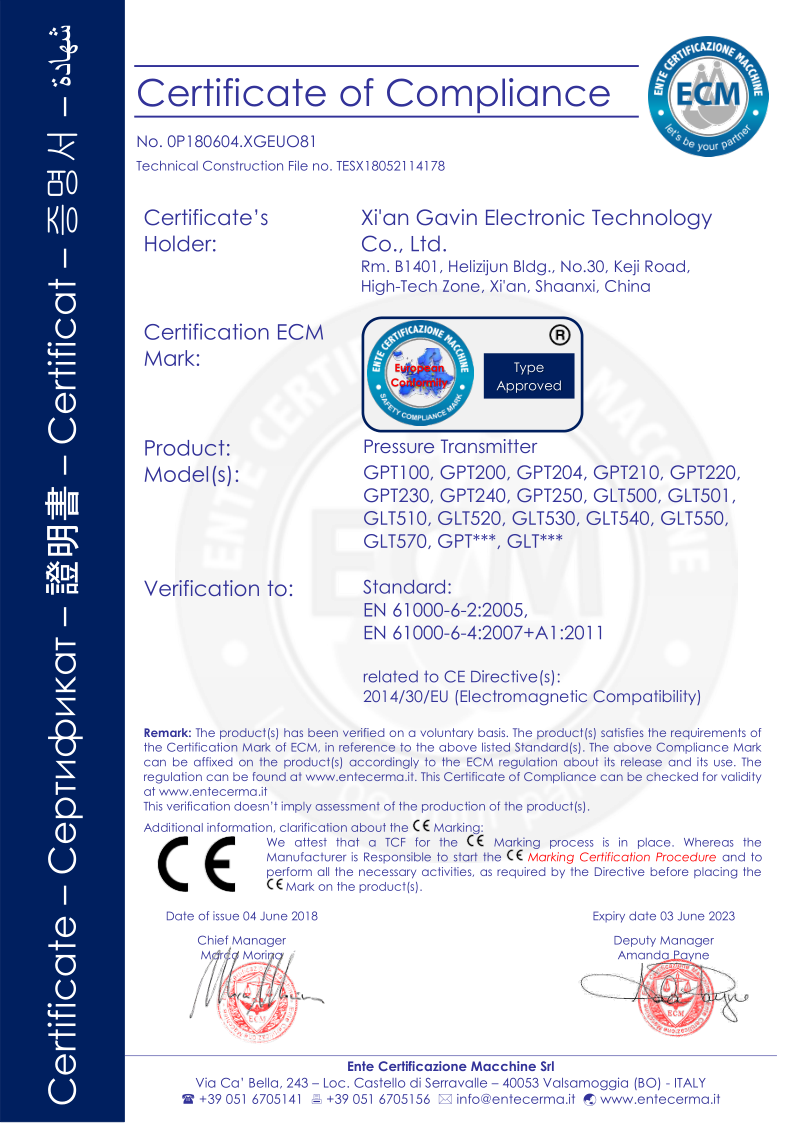
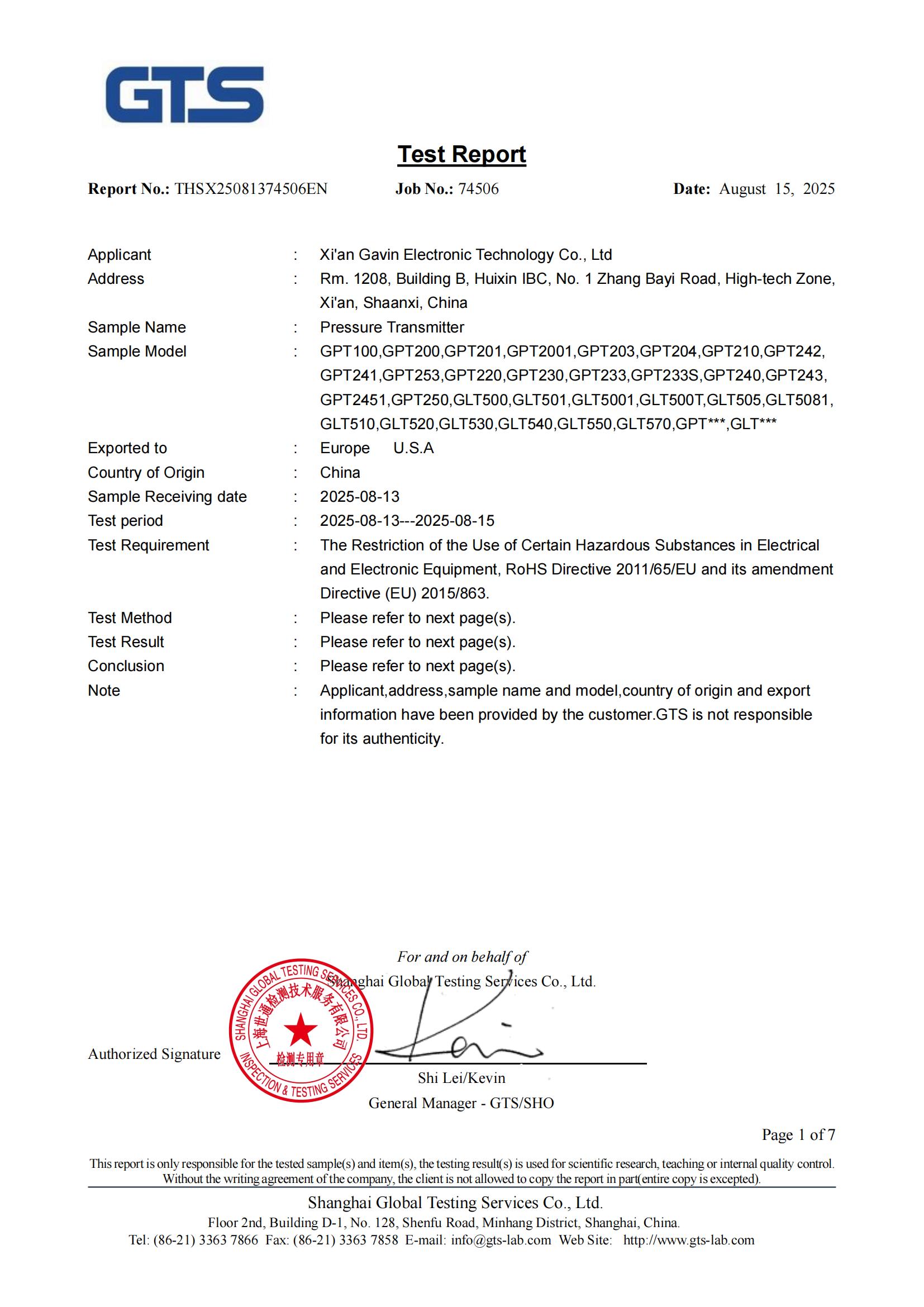
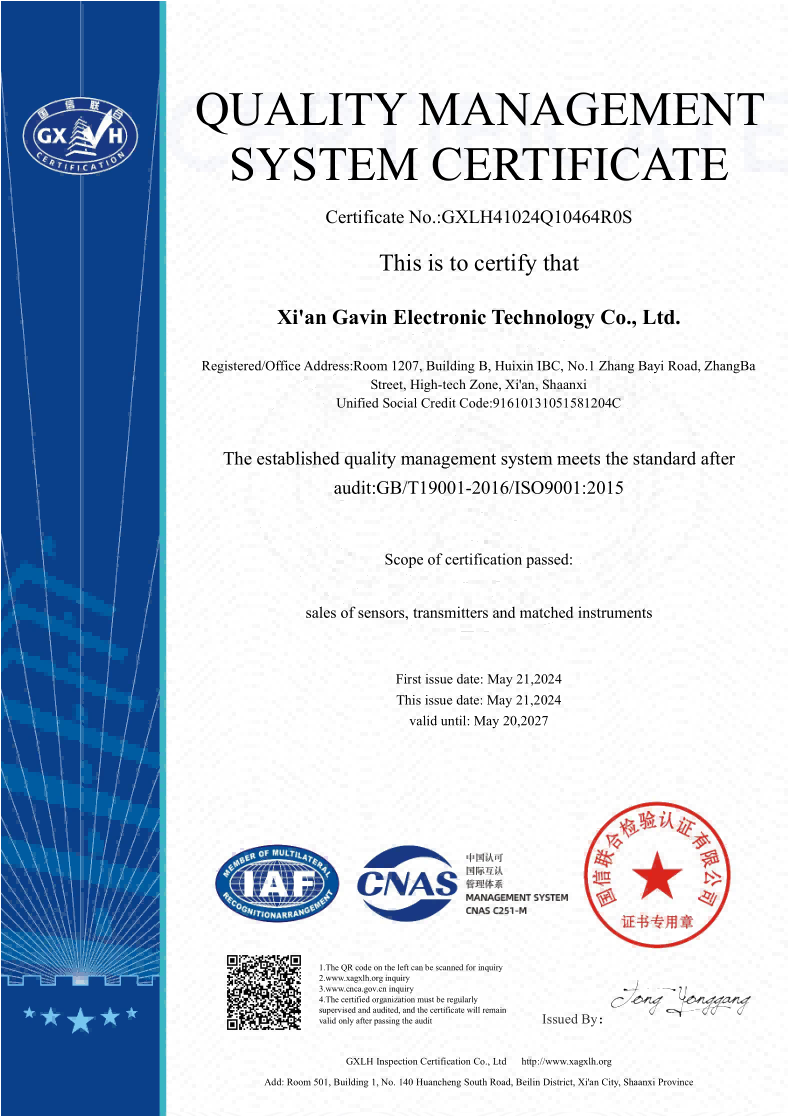
Because we are good at building and making things, GAMICOS is the best company to get safety pressure sensors from for tough crane jobs all over the world. We sell dual-redundant pressure sensors that are precisely designed, can be customized, are built to last, and come with full certification packages that meet international standards. Our research and development (R&D) team works with customers to create custom solutions that solve their specific business problems, such as dealing with harsh environments or specific communication protocol needs.
GAMICOS helps global buying teams by offering reasonable bulk prices, reliable shipping schedules, and quick expert support during the selection, installation, and use of products. For consistent performance, our quality assurance systems back this up with strict testing methods and paperwork that shows where the performance came from. Get in touch with our team at info@gamicos.com to talk about your crane safety needs and get professional advice that is tailored to your unique uses, operational environments, and legal requirements.
References
1. American Society of Mechanical Engineers. (2021). ASME B30.2-2016: Overhead and Gantry Cranes (Top Running Bridge, Single or Multiple Girder, Top Running Trolley Hoist). New York: ASME Standards.
2. International Organization for Standardization. (2020). ISO 9927-1:2013 Cranes — Inspections — Part 1: General Requirements. Geneva: ISO Publications.
3. National Institute of Standards and Technology. (2019). NIST Handbook 150: Procedures and General Requirements for Calibration of Pressure Measurement Instruments. Washington, DC: U.S. Department of Commerce.
4. Occupational Safety and Health Administration. (2022). OSHA Technical Manual, Section V: Chapter 4 — Crane, Derrick, and Hoist Safety. Washington, DC: U.S. Department of Labor.
5. American Petroleum Institute. (2018). API Specification 2C: Offshore Pedestal-Mounted Cranes, Seventh Edition. Washington, DC: API Publishing Services.
6. International Electrotechnical Commission. (2017). IEC 61508: Functional Safety of Electrical/Electronic/Programmable Electronic Safety-related Systems. Geneva: IEC Publications.

Spring
Spring, With 5 years of experience in sensor technology and product development, Mark specializes in helping clients identify the optimal pressure and level sensor solutions for demanding industrial environments。
We're here to help — submit your request anytime!
Let us know how we can help solve your pressure level measurement challenge.
_1757930850792.jpg)


Recommended Blog

Hygienic Pressure Transmitters for Food & Pharma Industries
Precision Pressure Sensors in Medical Monitoring & Ventilators
Sanitary Pressure Transmitters for Pharma Steam Sterilizers
Hygienic Pressure Transmitters for Food & Pharma Industries
Precision Pressure Sensors in Medical Monitoring & Ventilators
Sanitary Pressure Transmitters for Pharma Steam Sterilizers
Hygienic Pressure Transmitters for Food & Pharma Industries
Precision Pressure Sensors in Medical Monitoring & Ventilators
Sanitary Pressure Transmitters for Pharma Steam Sterilizers