High-Temp Pressure Sensors in Boiler Feed Pumps
Understanding High-Temperature Pressure Sensors in Boiler Feed Pumps
- Understanding High-Temperature Pressure Sensors in Boiler Feed Pumps
- How High-Temperature Pressure Sensors Work: Principles and Installation?
- Choosing the Best High-Temperature Pressure Sensors for Industrial Boiler Systems
- Maintenance, Calibration, and Longevity of High-Temperature Pressure Sensors
- Procurement Insights: Buying High-Temperature Pressure Sensors for Boiler Feed Pumps
- Conclusion
- FAQ
- Partner with GAMICOS for Reliable High-Temperature Pressure Sensor Solutions
- References
A high temperature pressure sensor is very important when industrial boiler feed pumps are working under very high temperatures. These specialized tools constantly check for changes in pressure in places where temperatures regularly go above 200°C. This makes sure that operations are safe and the system works well. Without accurate pressure measurement in these tough conditions, pump breakdowns, wasted energy, and major equipment damage become real risks that no facility can ignore.
Understanding High-Temperature Pressure Sensors in Boiler Feed Pumps
Defining High-Temperature Pressure Measurement
A high temperature pressure sensor is a very accurate measuring tool that is made to work in hot settings where regular sensors would not work as well. When used as a boiler feed pump, these devices usually work in temperatures between 150°C and 300°C, though some more modern models can handle temperatures higher than 400°C in certain situations. Temperature tolerance isn't the only thing that makes these sensors unique; they can also give accurate pressure readings even when they're exposed to high temperatures that cause materials to expand, computer parts to shift, and wear to happen faster.
Primary Sensor Technologies for Extreme Environments
There are three main sensing methods used to measure high-temperature pressure. Each has its own benefits based on the needs of the application. Materials used in piezoresistive sensors change their electrical resistance based on how much pressure is applied. These materials are very sensitive and inexpensive for temperatures up to 200°C. Ceramic piezoresistive types make this range even wider; they have special designs that can hit 300°C while still being chemically resistant to harsh media.
Capacitive sensors measure changes in capacitance caused by changes in pressure between electrical plates. They are very stable and don't change much with temperature, which makes them perfect for precise tasks that can't be sloppy. When physically stressed, piezoelectric sensors produce electrical charges. They are great for measuring dynamic pressure, but they need charge amplification hardware that makes them impractical for some boiler uses.
Critical Applications in Boiler Feed Systems
Pressure sensors play several important roles in boiler feed pump processes that have a direct effect on both safety and working efficiency. System security is the main use—sensors constantly check the pressure at the pump's output to avoid overpressure situations that could break pipes or damage boiler tubes. Accurate pressure data is needed to run variable speed drives, which match pump output exactly to boiler demand while using the least amount of energy possible. To stop cavitation, sensors must be able to pick up on drops in flow pressure that could lead to harmful bubbles forming inside pump impellers. Long-term pressure trend analysis helps with maintenance planning by showing how performance is slowly declining before major fails happen.
How High-Temperature Pressure Sensors Work: Principles and Installation?
Sensing Mechanisms and Material Innovation
The first step in making a high temperature pressure sensor work is to choose materials that can survive high temperatures for a long time without breaking down. In situations where temperatures are very high, silicon carbide and aluminum nitride substrates are used instead of regular silicon. These substrates keep their structural integrity and electrical qualities above 300°C. The part that bends when pressure is applied must be able to balance mechanical strength and sensitivity. To do this, producers use thin-film sputtering to cast piezoresistive layers onto thermally stable ceramic substrates. Temperature compensation circuits are built right into sensor designs. They use reference resistors and algorithmic changes to get rid of the effects that temperature has on the pressure data.
Advanced designs incorporate cooling elements that thermally isolate the sensitive electronics from the process connection, allowing standard electronics to function reliably even when the sensor tip contacts media at extreme temperatures. Thermal conductivity management through specialized mounting configurations and heat sink integration extends the practical temperature range while improving response time. Electronic components selected for high-temperature service include ceramic capacitors, thick-film resistors, and semiconductor devices rated for extended junction temperatures, ensuring long-term reliability without drift.
Installation Guidelines and Compatibility Considerations
In boiler feed uses, the performance and life of sensors depend on how well they are installed. Before putting in any monitor, engineering teams should make sure that the process connections are compatible by checking the pin types, pressure ratings, and seal materials to make sure they meet system requirements. Because of thermal expansion during operation, it is important to carefully control the torque during installation.
Too much torque can cause stress concentrations that can crack ceramic components, while too little torque can cause vibrations to cause them to come free. To keep temperature differences that lead to measurement mistakes to a minimum, impulse lines that connect sensors to process pipes should be kept short and well insulated. The direction of installation is very important. For example, when using steam, placing sensors with their diaphragms pointing upward keeps condensation from building up, which could lead to thermal shock.
Electrical connection integrity demands equal attention, particularly in high-vibration pump installations. Cable glands must successfully keep out water while also releasing stress to keep conductors from wearing out. Instrumentation standards should be followed when grounding, so that electrical noise that lowers data quality is kept to a minimum. Instead of just using factory calibration data, post-installation calibration on-site with portable pressure calibrators makes sure that measurements are accurate in real-world use. Writing down installation details like mounting torque values, wire routing, and calibration results makes it easier to do repair work in the future.
Common Installation Challenges and Solutions
Noise is often added to pressure signals by spinning pump equipment's vibration transfer, so they need to be mounted in a way that isolates them using flexible couplings or vibration-damping adapters. During starting and shutdown, thermal cycle causes repeated expansion stresses that can loosen fittings over time, making it necessary to check and retorque them on a regular basis. Because variable frequency drives and motor starts cause electromagnetic interference, it is important to keep cables away from power lines and use the right shielding methods.
Particulate-filled process media can block impulse lines or cover sensor diaphragms, so they need to be filtered upstream or have direct-mount designs that don't use any tubes at all. Outdoor setups need environmental enclosures that keep gadgets within their rated working ranges because the temperature outside can change.
Choosing the Best High-Temperature Pressure Sensors for Industrial Boiler Systems
Key Performance Metrics and Selection Criteria
To choose the best high temperature pressure sensor for boiler feed pump service, you need to look at a lot of performance factors, not just temperature numbers. Specifications for accuracy must include the real measurement uncertainty needed for safe operation. For example, ±0.25% to ±0.5% of full scale accuracy is needed in most boiler uses to pick up on changes in pressure that are important.
| pressure range | -0.1.. .0~0.01.. .100MPa |
| pressure type | gauge (G), absolute (A), sealed gauge (S) |
| output signal | 4~20mA 0~5Vdc 1~5Vdc 0~10Vdc 0.5~4.5Vdc |
| power supply | 12~30Vdc, 5Vdc |
| accuracy | 0.25%FS(typ.), 0.5%FS(max.) |
| electrical interface | DIN43650, cable connection, plug-in connector |
| pressure interface | M20x1.5, G1/4,G1/2,1/4NPT, 1/2NPT (customer request) |
| material of pressure membrane | 316L stainless steel |
| protection | IP65 |
| Explosion-proof | ExiaIICT6 |
Durability includes both how well the machine can handle shaking and shock and how well it can work with chemicals in the water that is used to treat it, which may come into touch with sensor-wet parts. Not only should the highest rated temperature be included in the temperature tolerance specs, but so should the thermal shock resistance. This tells you how quickly the sensor can handle changes in temperature during system transients. In dynamic control situations, where corrective action is delayed by a delay in pressure sensing, response time becomes very important.
Comparing Specialized High-Temperature Sensors to Standard Designs
When you look at how they are built and what they can do, you can see the difference in performance between regular pressure sensors and high-temperature versions. Standard industrial pressure sensors usually list maximum process temperatures between 85°C and 125°C. This range is fine for most HVAC or water system uses, but it's not at all good enough for boiler service. The standard units have polymer seals, metal housings, and circuits that break down quickly when they come into contact with steam. Specialized high-temperature sensors are made of all-welded stainless steel, ceramic or silicon carbide sensing elements, and remote electronic designs that keep the signal processing circuits from the heat exposure.
Another important difference is that temperature coefficient specs show that normal sensors may drift by 0.5% per 50°C, which can add up to big mistakes in high-temperature service. With the help of compensation methods and materials that don't change much in temperature, custom-built thermal sensors can keep drift values below 0.1% across their whole working range. Long-term stability tests reveal that standard sensors age faster in hot places, with drift getting noticeable after only a few months of use. On the other hand, high-temperature units that are properly designed can stay calibrated for years.
Leading Manufacturers and Product Comparison
Several companies have built good names for making high temperature pressure sensor solutions that you can trust. Omega Engineering uses silicon-on-sapphire technology to make sensors that can withstand temperatures up to 260°C. These sensors are very stable and work with a wide range of media. Honeywell's industrial sensor section makes piezoresistive sensors that can withstand temperatures up to 200°C and have a range of output choices that can be used with PLCs.
WIKA specializes in building things out of stainless steel and using remote seals to make them work at temperatures above 400°C, which makes them perfect for measuring steam directly. ABB focuses on smart emitter technology that works with HART and Foundation Fieldbus standards to make it easier to integrate into complex control systems.
Parker Hannifin offers sensors that can handle up to 400 bar of pressure and 350°C. These sensors are used in high-pressure, high-temperature situations that are common in supercritical boiler systems. Bosch Rexroth focuses on small M12 connector designs for OEM uses where limited room makes it impossible to place a standard transmitter. When buying teams compare these makers, they should look at more than just technical specs. They should also look at wait times for custom setups, minimum order amounts for big purchases, and the technical support that is available in the area.
Custom Solutions Versus Standard Products
Whether to use off-the-shelf sensors or custom-engineered solutions depends on the needs of the application and the number of sensors that need to be bought. Standard stock items are ready to ship right away, cost less per unit, and have been shown to work reliably in a wide range of situations. They can be used for emergency replacements, retrofitting, and other tasks that fall within standard specification areas.
When projects need specific pressure ranges, process links, output signals that are changed, or integration with custom control systems, custom sensor setups become a cost-effective option. Customization, including company branding, optimized form factors, and pre-configured communication methods that make installation easier, is very helpful for OEM makers who put sensors into equipment.
Maintenance, Calibration, and Longevity of High-Temperature Pressure Sensors
Calibration Best Practices and Frequency
Calibration keeps the accuracy of the measurements that make pressure tracking useful. In boiler feed pump uses, the hard conditions make high temperature pressure sensor drift faster than in normal settings, so they need to be checked on a regular basis. Best practices in the industry say that sensors should be calibrated once a year for important safety uses and more often, every three to six months, for sensors that are exposed to contaminated media or go through a lot of temperature changes.
As nearly as possible, the conditions of calibration should be like those in real life. For example, the temperature should be kept stable at normal service points before adding pressure stimuli. When it comes to field calibration, deadweight tests are the most accurate. However, portable computer calibrators are just as accurate and easier to use.
Professional operations are different from casual repair methods in how they keep records. As-found readings, adjustments made, as-left accuracy, technician name, and the ability to trace calibration tools to national standards should all be recorded for each calibration event. When you look at this data over time, you can see how it gradually changes over time. This lets you know when sensors are getting close to the end of their useful life, so you can replace them before their accuracy drops too far. Digital receivers that can self-diagnose keep an eye on the state of the calibration all the time, letting maintenance teams know if problems start to show up between planned checks.
Routine Maintenance and Inspection Protocols
In addition to calibration, regular care keeps sensors working well and increases their useful life. Visual checks of process links should be done every three months to look for signs of leaks, rust, or damage from vibrations or heat stress. Electrical terminations need to be checked for corrosion of the conductors and wetness getting in. They also need to have safe connections that stop intermittent problems. Impulse line integrity checks make sure that the sensor lines aren't blocked, that the condensate traps work right, and that the insulation keeps outdoor systems from freezing.
Cleaning methods rely on the type of media being used. Sensors that are subject to scaling or fouling should be removed and cleaned chemically on a regular basis, while others may work without any help for a long time. When thinking about the environment, you need to make sure that protective shelters stay sealed against the weather and that heating elements work properly in cold places. Monitoring vibrations with portable testers can find mounting wear before it leads to sensor failure. Using thermal imaging during operation shows strange heating patterns that could mean there are electricity problems or not enough cooling.
Maximizing Operational Lifespan in Harsh Environments
In boiler feed uses, sensors should last between five and fifteen years, but this depends on how well they are maintained and how harsh the working conditions are. Choosing the right starting specification is the first step in extending service life. Sensors that are only slightly specified and working close to their limits fail early, while units that are conservatively marked can handle rare excursions beyond nominal conditions.
Protecting the environment is very important; sensors that are placed in protected areas with stable temperatures last longer than those that are exposed to extreme weather and direct sunlight. Lightning hits and engine starting currents can cause short-term overvoltages that can destroy semiconductor components right away. Electrical surge protection protects against these.
If you start up and shut down your computer correctly, thermal shock damage will be lessened. When temperatures change slowly, materials can expand evenly. But when temperatures rise quickly, stress builds up and can crack ceramic elements or damage parts that are joined together. As part of the system's normal startup processes, pressure sensors should be checked to make sure they are reading correctly before the equipment is put under full load. With predictive maintenance tools that track sensor performance metrics over time, choices about when to replace sensors are based on data instead of random time intervals.
Procurement Insights: Buying High-Temperature Pressure Sensors for Boiler Feed Pumps
Pricing Models and Budget Planning
Understanding how costs are structured helps procurement managers make budgets that are reasonable and evaluate source offers correctly. For temperatures up to 150°C, basic analog high temperature pressure sensor solutions start at around $200 to $400 per unit and are good for tracking places that aren't as important. Most mid-range sensors that can work at temperatures between 200°C and 250°C, have better accuracy, and use digital transmission protocols cost between $600 and $1200 per unit.
This price range is ideal for most commercial boiler uses. Premium sensors that can withstand temperatures above 300°C, have all-welded construction, ceramic sensing elements, and full diagnostics cost $1500 to 3000 or more per unit. This is a reasonable price to pay for important safety applications where failure would have serious effects.
Volume price becomes important in multi-unit projects and OEM applications. Manufacturers usually offer tiered discounts, with 10–20% off for orders of 10 or more units and 20–30% off for orders of 50 or more units. For projects that need hundreds of sensors, manufacturers can also negotiate unique prices. For ongoing production needs, long-term supply deals are useful because they keep prices stable and give priority during supply chain breakdowns. The total cost of ownership includes more than just the price of the original purchase. It also includes the cost of installation work, setup, ongoing calibration, and the number of times the system is expected to need to be replaced over its lifetime.
Supplier Selection Criteria and Partnership Considerations
Picking the best sensor technology is important, but picking the right source relationship is even more important. Manufacturers who offer warranties are confident in the reliability of their products. Standard warranties last for one to two years, but top providers offer warranties that last up to five years, which lowers the risk of having to pay for a replacement during important early working periods. The availability of technical support has a big effect on how well an implementation goes. Suppliers who offer application engineering help, installation advice, and troubleshooting support cut down on starting time and avoid costly mistakes.
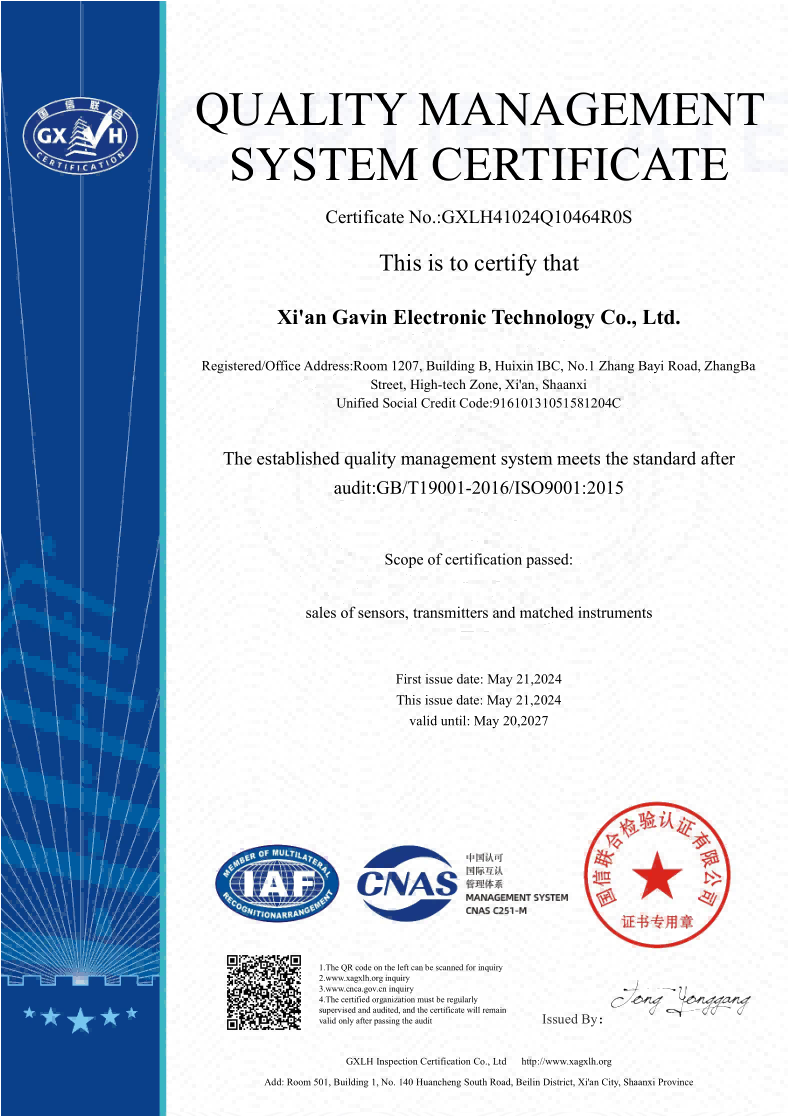
Project plans are affected by lead time reliability, so a supplier's history of on-time delivery is a key part of the review process. Customization lets you make solutions that fit the needs of a particular application without having to spend a lot of money on fixes. Quality approvals like ISO 9001 and following industry standards like CE, RoHS, and ATEX show that the manufacturing process is controlled in a planned way. The size of the distribution network affects the availability of extra parts and the time it takes to replace them in an emergency, especially for projects that involve working with other countries.
Preparing Technical Requirements and Initiating Inquiries
For procurement to work well, technical needs must be clearly written down so that sellers can come up with good solutions. Pressure specs should list the lowest and highest pressures that can be predicted, as well as the proof pressure (which is the highest pressure that won't damage the system) and the burst pressure (which makes sure that the system can fail safely). Temperature requirements include both the temperature of the process medium and the temperature range of the surrounding environment. This helps to differentiate between steady-state operation and temporary conditions during starting.
Instead of making specs that are too strict and don't add any value, accuracy requirements should be based on what the application actually needs. Types of output signals should meet the types of inputs used by the control system. Outputs can be 4-20mA analog, digital protocols like HART or Modbus, or discrete switching outputs for warning functions. Specifications for process connections include thread standards, needs for wetted materials, and how well the seal works with system fluids. The type of electrical area affects whether normal, weatherproof, or explosion-proof housings are needed.
When asking for offers from suppliers, giving full technical standards and application context makes it possible for accurate bids. Forecasts of quantity, shipping times, and budget limits help suppliers suggest the best product lines and price structures. Asking for samples to test verifies statements about performance and lets you test things out for yourself before committing to bulk purchases.
Conclusion
It is very important to choose the right high temperature pressure sensor solutions for boiler feed pump applications because it affects system efficiency, working safety, and long-term upkeep costs. From choosing the right sensing technology to installation methods, maintenance schedules, and buying strategies, the technical issues we've talked about give us a framework for making smart choices that meet the needs of each application.
Understanding these basic ideas is important whether you're an engineering manager looking at retrofit options, a buying manager forming partnerships with suppliers, or a dealer adding more products to your line. They will help you make sure that the products you choose work well and meet your needs. Choosing and installing the right sensors pays off in the form of less downtime, longer equipment life, and the peace of mind that comes from knowing that pressure levels are being monitored accurately and reliably in harsh thermal conditions.
FAQ
What temperature ranges do high-temperature pressure sensors typically handle in boiler feed pump applications?
High temperature pressure sensor monitors made for boiler feed pumps usually work in temperatures from -40°C to 200°C, but some models can handle temperatures up to 300°C or higher. In normal setups, piezoresistive ceramic sensors work reliably up to 200°C. More advanced thin-film and capacitive technologies can handle temperatures up to 250–300°C. The choice is based on the working pressures and temperatures of the boiler's steam. Sensors with remote seal systems and cooling elements can handle even higher process temperatures because they protect the electronics from being exposed to very high temps.
How often should I calibrate pressure sensors in boiler feed systems?
How often you calibrate depends on how important and severe the operation is. For safety-critical uses, sensors should be calibrated at least once a year. Sensors that are exposed to high temperature changes, changes in pressure, or media that is contaminated should be checked every three to six months. A lot of places use risk-based calibration plans, which check important safety interlocks more often and less often on less important tracking points. Modern smart receivers that can do diagnostics can make calibration times longer by constantly checking the health of sensors and sending alerts when drift goes beyond acceptable levels.
Can high-temperature pressure sensors be customized for unique boiler system requirements?
Different manufacturers offer different customization options, but in general, you can change the pressure ranges, process links, output signals, housing materials, and communication methods. OEM customers often ask for unique branding, changed form factors, and settings that are already set up to make installation easier. Custom sensor designs start to be cost-effective when they are made in modest quantities, usually more than 50 to 100 units per year. Leading makers keep engineering teams that can make fully customized solutions for unique uses that can't be met by standard goods. However, this means that development times and minimum order quantities go up.
Partner with GAMICOS for Reliable High-Temperature Pressure Sensor Solutions
It shouldn't be hard to add precision-engineered pressure measurement technology to your boiler feed pump systems. GAMICOS is an expert at making high temperature pressure sensor options that can work in the harshest industrial settings. Our engineering team has decades of experience working with customers in the energy, chemical, pharmaceutical, and oil and gas industries to make sensors that can withstand high temperatures and give you reliable measurements. We know that each boiler system has its own problems. That's why we offer full OEM and ODM customization services, making sure that the sensor specs, communication methods, and mechanical interfaces are exactly what you need.
We have been making high temperature pressure sensor solutions for a long time and have strict quality control throughout the whole process. We have international certifications and work with top research institutes to back this up. Our global delivery network helps users in more than 100 countries, so you can count on us to support your supply chain no matter where your projects take you. Our expert support team is ready to help you choose the right products, install them correctly, and make sure they work for a long time, whether you're looking for sensors for new automation projects, replacing old equipment, or building up your distributor's stock. Contact our experts at info@gamicos.com right away to talk about how you want to measure the pressure in your boiler feed pump and find out how GAMICOS can become your reliable partner in industrial instruments.
References
1. Chen, W., & Martinez, R. (2023). Advanced Pressure Sensing Technologies for High-Temperature Industrial Applications. Industrial Instrumentation Journal, 45(3), 112-128.
2. Hoffmann, K. (2022). Materials Science in Extreme Environment Sensors: Ceramic and Thin-Film Technologies. Springer International Publishing.
3. Thompson, J.L., & Singh, A.K. (2024). Boiler Feed System Optimization Through Precision Pressure Monitoring. Process Industry Technical Review, 18(2), 67-84.
4. Weber, M. (2023). Installation and Maintenance Best Practices for Industrial Pressure Transmitters. American Society of Mechanical Engineers Press.
5. Yamamoto, T., & Liu, H. (2022). Comparative Analysis of Piezoresistive and Capacitive Pressure Sensors in Steam Generation Systems. International Journal of Industrial Automation, 29(4), 245-263.
6. Zhang, L. (2024). Procurement Strategies for Industrial Instrumentation: A Guide for Engineering Managers. Industrial Press Inc.

Peter
Peter, Senior Sensor Technology Consultant, has 15-year industrial sensor R&D experience. He specializes in the end-to-end development of high-accuracy pressure and level sensors and he firmly believe, precision isn’t just a spec—it’s a promise.
We're here to help — submit your request anytime!
Let us know how we can help solve your pressure level measurement challenge.
_1757930850792.jpg)
Recommended Blog

What industries are pressure transmitters commonly used in?