Pressure Sensor Wetted Materials: Steel, Ceramic, Hastelloy
Understanding Pressure Sensor Wetted Materials
- Understanding Pressure Sensor Wetted Materials
- Comparing Core Materials: Stainless Steel, Ceramic, and Hastelloy
- How to Choose the Right Pressure Sensor Wetted Material for Your Application?
- Sourcing and Procurement Insights for Pressure Sensor Wetted Materials
- Future Trends and Innovations in Pressure Sensor Wetted Materials
- Conclusion
- FAQ
- Partner with GAMICOS for Superior Pressure Measurement Solutions
- References
How reliable and accurate the measurements are in a wide range of workplace settings depend on the pressure sensor wetted materials that are used. Wetted parts—those that come into close touch with process fluids—need to be able to handle chemicals, changes in temperature, and mechanical stress while still giving accurate readings. Because it is relatively cheap and has high mechanical strength, stainless steel is a good choice for general industrial machinery and hydraulic systems. Ceramic materials have great chemical inertness and dielectric qualities, making them perfect for use in harsh settings and capacitive sensors. Extreme situations with strong acids and high temperatures are great for hastelloy. This is especially true in chemical processing and offshore oil activities.
Understanding Pressure Sensor Wetted Materials
Materials that get wet are the most important link between measuring tools and process media. These parts, like diaphragms, covers, and sensing elements, have a direct effect on how well and how long a sensor works. When choosing tools for industrial automation projects, it's important to know how the materials work, especially when working with harsh chemicals, high temperatures, or clean environments.
Defining Wetted Components in Pressure Sensors
The areas that are wetted are those that are exposed to the measured fluids during operation. The diaphragm is the main sense element; it changes shape when pressure is put on it and keeps the process media and internal electronics separate. Housing threads, O-ring grooves, and, in some designs, fill-fluid tanks are some other parts that get wet. The choice of material affects how well the sensor works with chemicals, how stable it is at different temperatures, and how accurate its measurements are over its entire life.
Chemical Resistance and Material Compatibility
Process compatibility tells us if a monitor will last in the environment it was meant for. When chemicals are added to materials that don't work well together, they break down quickly, which can cause measurement errors, diaphragm holes, or even failure. When making medicines, you need materials that can stand up to cleaning agents and sterilization processes. To refine oil, you need to be able to handle oils and sulfur molecules. Materials used in food processing plants must be allowed for direct touch with food and be able to handle being cleaned often. Each business has its own specific matching issues that must be taken into account when choosing materials.
Temperature Tolerance Across Operating Ranges
Both measurement precision and structural soundness are affected by thermal stability. When warm, different materials expand at different rates, which could lead to stress buildup or seal failures. For cryogenic uses, materials must stay flexible at -200°C, while for burner tracking, they must stay stable above 400°C. Over time, thermal cycling can cause wear forces that can break down brittle materials. When choosing a material, you need to think about both the steady-state temperature and the thermal shock that can happen during startup, shutdown, or process problems.
Mechanical Durability and Long-Term Performance
When materials are wet, their mechanical features tell us how they react to changes in pressure, vibration, and physical effects. Ductile materials, like stainless steel, can handle shocks without breaking. Ceramics, on the other hand, are very hard but not very tough. Pressure pulses in reciprocating pump systems cause cycle loads that can break down materials that aren't made well over time. Abrasive slurries wear away at wet, softer surfaces, which can make measurements less accurate and even lead to leaks. Material stiffness, tensile strength, and wear resistance all affect how long a sensor will last in tough situations.
Comparing Core Materials: Stainless Steel, Ceramic, and Hastelloy
When choosing materials, function needs are weighed against cost concerns. When buying teams know the differences between stainless steel, ceramic, and Hastelloy, they can choose sensors that meet business needs while also lowering the total cost of ownership.
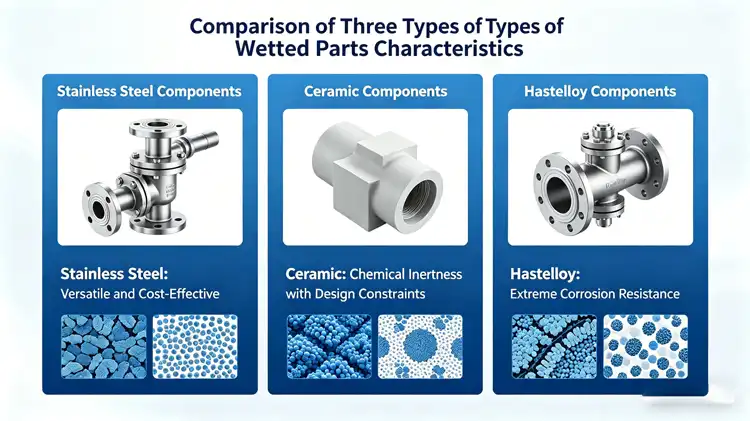
Stainless Steel: Versatile and Cost-Effective
Because they have a good mix of qualities, stainless steel types, especially 316L, are most often used to measure pressure in industry. This austenitic alloy is made up of nickel and chromium, which form an inactive oxide layer that doesn't rust in many settings. The material has great dynamic strength at temperatures ranging from -100°C to 300°C, which means it can be used in a wide range of situations.
The ways that stainless steel diaphragms are made allow for high repeatability at a modest cost, which lets large orders have competitive prices. The material is easy to machine, so thread types, port setups, and mounting dimensions can be changed without making wait times much longer. Welding and soldering make it easier to put together sensors with complicated shapes. Pharmaceutical and beverage uses need finishes and approvals that are food-grade to meet hygiene standards.
There are problems in places that are very acidic or high in salt, where pitting erosion can happen. Concentrated sulfuric acid, hydrochloric acid above certain levels, and seawater that is under a lot of stress can all weaken stainless steel over time. In these situations, you need either higher types of stainless steel or different materials.
Ceramic: Chemical Inertness with Design Constraints
Ceramics, usually made of aluminum oxide (Al₂O₃) or zirconium dioxide (ZrO₂), are very resistant to chemicals in almost all process media. Ceramics are great for measuring strong acids, alkalis, solvents, and medicine ingredients because they don't break down easily. Ceramic capacitive pressure sensor wetted materials take advantage of this by using ceramic diaphragms that bend when they are under pressure and act as capacitor contacts at the same time.
It is amazing how stable ceramic diaphragms are in acidic conditions where metal ones would break down quickly. Because some ceramics have a high dielectric constant, they can be used for sensitive capacitive readings in small spaces. Thermal stability goes to high temperatures without the expansion problems that metals have. Surfaces that are smooth and don't have pores keep dirt from building up, which is important for clean and precise uses.
The biggest problem is that it is brittle. Instead of breaking when they are hit or bent too far, ceramics break when they are loaded with force or stretched too far. For installation, you need to carefully control the force and keep yourself safe from mechanical shocks. Because the diaphragm isn't as strong as steel, the pressure levels are usually smaller. Sensors cost more because they have to be made in a certain way and handled in a certain way.
Hastelloy: Extreme Corrosion Resistance
Hastelloy nickel-based superalloys are the best at resisting corrosion in the toughest chemical conditions. Nickel, chromium, molybdenum, and tungsten are found in Hastelloy C-276, which is the most popular grade for pressure monitors. At high temperatures, this mixture doesn't react with oxidizing and reducing acids, chlorides, or mixed chemical streams.
Chemical processing companies that use pure sulfuric acid, hydrofluoric acid, or chlorine-containing streams need Hastelloy wetted materials to make sure they work well. Hastelloy is used for important pressure readings on offshore oil rigs that are exposed to sour gas (hydrogen sulfide) and seawater. Hastelloy stays strong above 300°C and doesn't rust, which makes it useful for high-temperature chemical reactions.
Hastelloy is a high-end choice because it is hard to make and costs a lot for raw materials. Because of the special machining needs and small supply base, lead times are longer than for stainless steel options. Hastelloy is usually only chosen by procurement teams when the process conditions clearly exceed what stainless steel can handle. The higher cost is justified by longer service life and less downtime.
How to Choose the Right Pressure Sensor Wetted Material for Your Application?
Material selection is based on a systematic review of application needs that leads to the best sensor specifications. Finding the right balance between technical performance and business needs leads to measurement solutions that meet current needs and help achieve long-term operations goals.
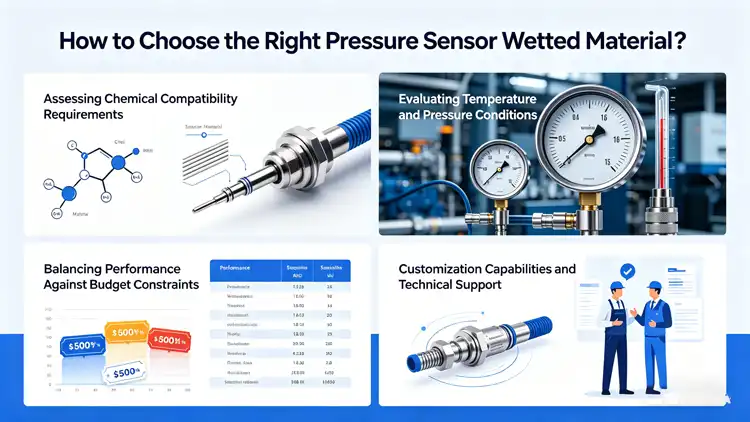
Assessing Chemical Compatibility Requirements
First, make a list of all the cleaning products and process fluids that will be coming into touch with wet surfaces. Get full chemistry profiles that include concentrations, pH levels, and possible toxins. Check out pictures that show how resistant different materials are to corrosion against certain poisons at the right temperatures. Keep in mind that chemical combinations may behave differently than their separate parts, so they need to be tested or talked over with an expert.
For pharmaceutical and food uses, materials must meet more than just basic suitability standards. The FDA, 3-A Sanitary Standards, and EHEDG standards all list the types of materials and styles that can be used directly with products. It becomes just as important for the technical qualities of the material to have documentation that shows agreement.
Evaluating Temperature and Pressure Conditions
Make a map of the whole working envelope, which should include regular conditions, upset scenarios, and extreme environmental conditions. It's important to think about both steady-state temperatures and thermal cycle rates that cause stress. For cryogenic services, materials must be able to stay flexible at very low temperatures. For high-temperature uses, materials must be able to prevent creep deformation under constant pressure.
Pressure levels affect the width of the diaphragm and the material that is used. For high-pressure uses, metallic diaphragms are better because they are stronger, while small ceramic elements can be used for low-pressure readings to make them more sensitive. Overpressure capability, or the sensor's ability to handle pressure spikes above its stated capacity, rests a lot on how flexible the material is and how the structure is built.
Balancing Performance Against Budget Constraints
The price of sensors is directly affected by the cost of materials. For example, Hastelloy units usually cost 300–500% more than stainless steel models of the same type. Look at the total cost of ownership instead of just the buying price. A high-quality sensor that can handle acidic conditions for 10 years is a better deal than buying new cheap ones every year.
Buying in bulk can save you money, especially when you want to make sure that all of your sites have the same sensor setups. OEM relationships allow for personalized designs that make the best use of materials and meet the needs of the application. Lead times are very different for each item, which can mess up project plans and stocking planning. Sensors made of stainless steel usually ship in two to four weeks, but sensors made of rare materials may take eight to twelve weeks.
Customization Capabilities and Technical Support
When makers offer engineering support during specification creation, it helps with complex applications. Customization choices, such as special metals, hybrid material structures, and application-specific shapes, can help with problems that standard goods can't. OEM programs let you use your own brand names, change the electronics, and add fitting solutions that work with your equipment designs.
The level of technical help changes a lot from one supplier to the next. Engineering teams that are quick to respond help fix problems with installations, figure out what measurement data means, and suggest fixes for speed issues that come up out of the blue. Long-term operating continuity is affected by after-sales service, such as calibration, repair skills, and the supply of new parts.
Sourcing and Procurement Insights for Pressure Sensor Wetted Materials
Strategic purchase practices make the best use of buying sensors while keeping supply chain risks under control. Knowing what suppliers can do, how to check the quality of their products, and how to buy them helps you make smart choices that support business reliability.
Identifying Reputable Manufacturers and Suppliers
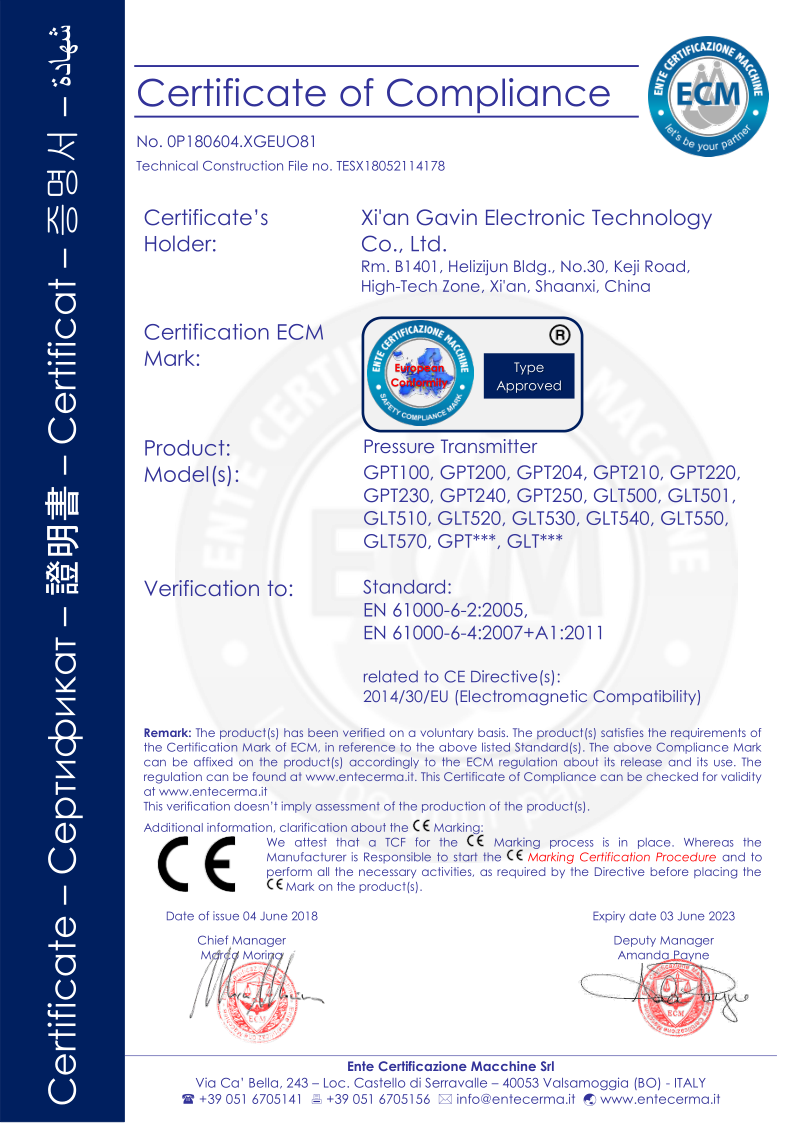
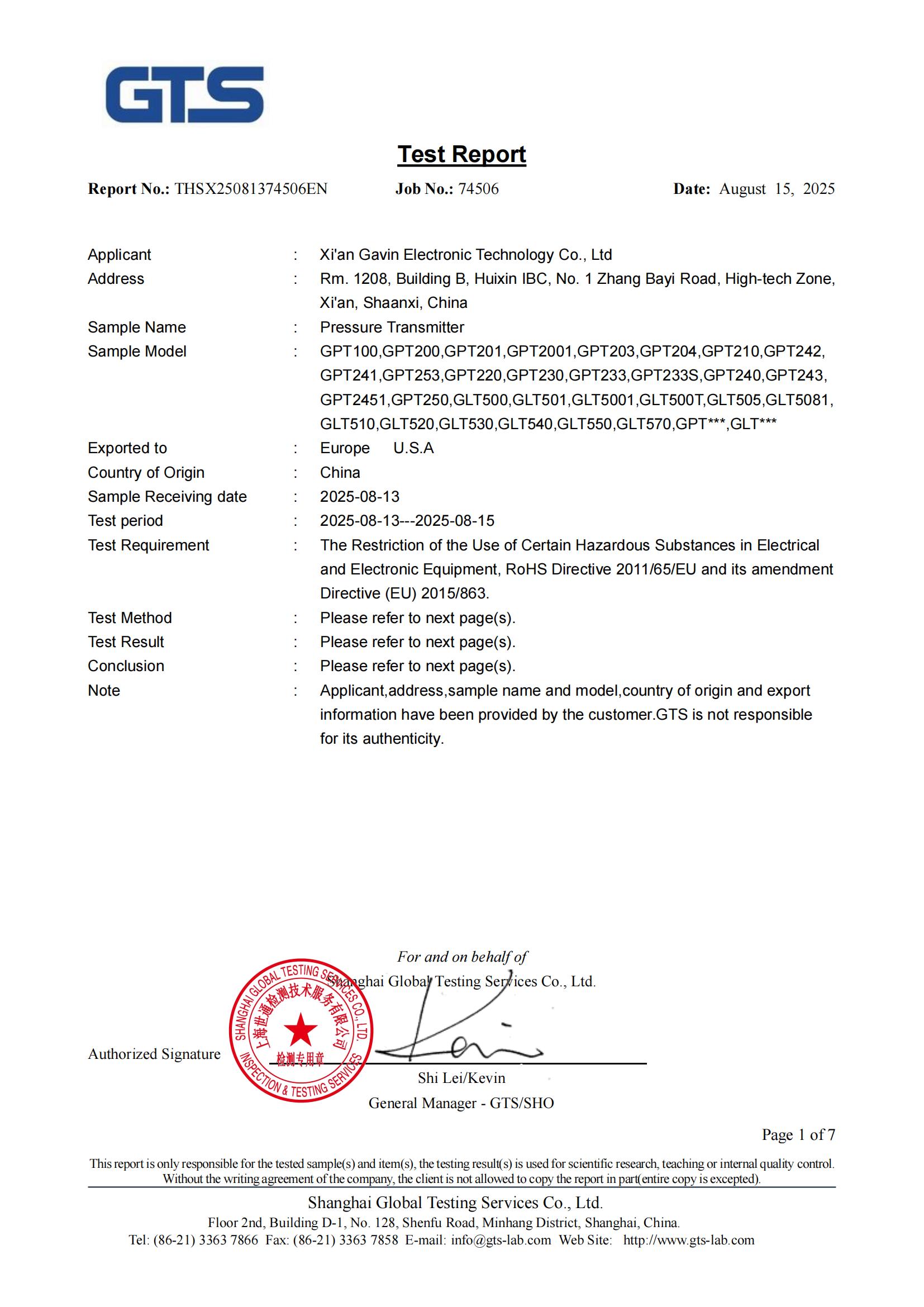
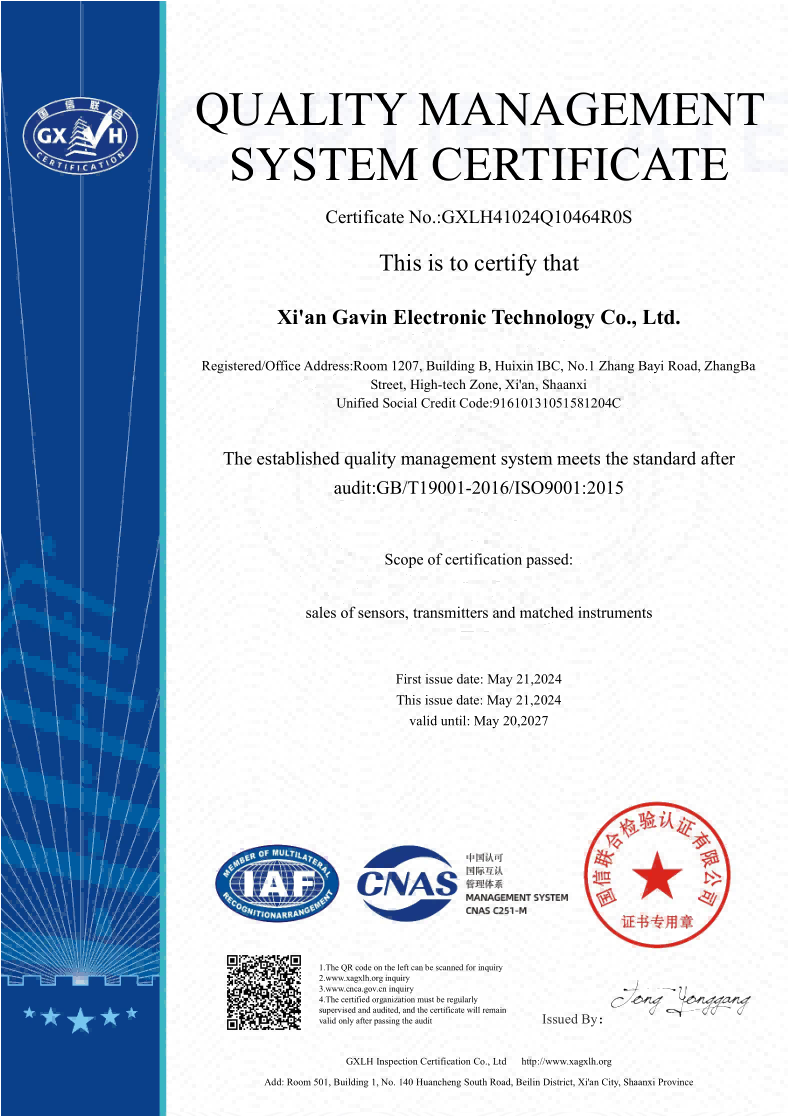
Manufacturers of high-quality pressure sensors have a history of working with businesses that have strict reliability standards. Systematic industrial controls are shown by ISO 9001 quality management, ISO 14001 environmental standards, and industry-specific approvals. Companies that sell goods around the world usually follow the rules for CE licensing, RoHS limits, and local safety standards.
When you ask for unique solutions, the ability to manufacture them is important. Suppliers with facilities that handle buying materials, cutting, assembly, and testing all in one place provide more consistent quality than assemblers who get parts from a number of different suppliers. Having in-house engineering teams that can do application research and unique design is very helpful when making specifications.
GAMICOS has its own research and development centers, which are run by experienced engineers who hold several patents in the field of pressure and level measurement technology. Sensors for uses in chemical processing and farming tools are made in factories that serve customers in more than 100 countries. Because our team has so much experience, they can suggest the best designs for a wide range of business needs.
Comparing Bulk Purchasing Options and Pricing
When you commit to buying a lot of something, you can get better prices, especially if you want to use the same sensor specs across multiple locations. Framework deals set prices, shipping dates, and technical details for purchases that will be made in the next 12 to 24 months. This method makes the budget more stable and guarantees that sensors will be available for current projects.
The prices of raw materials change all the time, especially for alloys that contain nickel, molybdenum, and other important metals. The price of stainless steel stays pretty steady, but the price of hastelloy changes with the nickel market, which is more volatile. Long-term supply deals may include ways to change prices that protect both parties from big changes in the cost of materials.
Lead times depend on how easy it is to get materials and how complicated the construction is. Standard models made of stainless steel are usually kept in stock so they can be shipped right away. Ceramic and Hastelloy versions, on the other hand, are made when they are ordered. Depending on the scale of the change, custom specs can add 2 to 6 weeks. Project delays can be avoided by planning procurement plans that take into account the lead times for each item.
Best Practices for Custom Orders and OEM Collaboration
Custom sensor creation starts with a thorough study of the application, which includes writing down process conditions, installation limitations, and performance needs. Giving full details, like chemical makeups, temperature ranges, pressure profiles, output signals, and mechanical connections, lets you get accurate quotes and make the right designs.
Before agreeing to production amounts, the performance of the sensor is checked on a prototype. When testing in real-world process settings, problems that can't be seen in the lab are found. Final designs are better when specs are improved over and over again based on the results of prototypes. OEM deals usually have rules about who owns the design, how it can be used, and who can do it. These rules protect your investment in custom development.
Different industries and uses have different documentation needs. Food-grade monitors need material certificates that show they meet the rules. Installations in dangerous areas need to be certified by ATEX or IECEx. Certain pressure ranges must be checked for conformity according to pressure equipment guidelines. Making it clear what paperwork is needed early on in the buying process makes sure that the necessary certifications are delivered on time.
Future Trends and Innovations in Pressure Sensor Wetted Materials
As material science progresses, it increasingly enables the development of pressure sensor wetted materials capable of accurately measuring pressure in more challenging and corrosive environments, expanding their applicability in industrial, chemical, and harsh-field operations.
New technologies offer higher levels of dependability, longer operating ranges, and better environmental friendliness.
Advanced Coatings and Surface Treatments
When thin-film films are put on normally wet materials, they mix the good qualities of different substances. Diamond-like carbon (DLC) layers on stainless steel diaphragms make them more resistant to wear in abrasive slurries while keeping the hardness of the base. Ceramic layers on metal parts make them chemically neutral and better able to handle shocks than solid ceramic elements.
At the molecular level, electrochemical surface processes change how a material works. Passivation methods make the chromium oxide layer on stainless steels thicker, which makes them less likely to rust. Electropolishing makes surfaces very smooth, which makes them less likely to get dirty and easier to clean in safe settings. These processes often make the performance better than unusual base materials without spending a lot of money.
Emerging Material Formulations
Hastelloy isn't as good at resisting rust as tantalum, which is better at handling hydrofluoric acid and other highly acidic conditions. At the moment, manufacturing problems make it hard to get, but better processing methods may make it possible for more people to use it. Silicon carbide ceramics are tougher than standard alumina versions, which makes them less likely to break while still being chemically inert.
Composite materials use stacked or hybrid structures to combine different substances that have qualities that work best together. Metal matrix composites put ceramic bits into metal bases, making them tough and resistant to wear. These customized materials are made to solve specific problems in applications where regular materials can't meet important needs.
Sustainability and Regulatory Evolution
Environmental laws are having a bigger effect on choosing materials and making things. The REACH rules in the European Union limit dangerous chemicals, which has an effect on material coatings and surface treatments. Conflict minerals laws need supply chain records for products that have gold, tin, tungsten, or tantalum in them. In places that care about the environment, manufacturers that show they use safe materials and have less of an impact on the environment have an edge over their competitors.
When choosing materials, especially for high-volume OEM uses, how easy they are to recycle is an important factor. The ability to recycle stainless steel helps efforts to create a circular economy, while some ceramics are hard to get rid of. Sustainable purchasing choices are based on life cycle studies that compare the environmental effects of getting raw materials to throwing them away at the end of their useful life.
Conclusion
Choosing the right wetted materials is a very important choice that affects the efficiency, dependability, and total cost of ownership of a pressure sensor wetted materials. Due to its flexibility, stainless steel works well in a wide range of industrial settings. On the other hand, ceramic materials offer powerful protection against rust in small packages. Hastelloy has the best protection to harsh chemicals and temperatures, which makes the higher cost worth it because it lasts longer.
A good procurement process combines technical needs with financial limitations, and it uses the knowledge of suppliers to make standards as good as they can be. New materials and surface processes keep adding to the choices that are out there. This makes it possible to find measurement solutions for uses that are getting more complicated in chemical processing, advanced manufacturing, and industrial automation.
FAQ
What factors most significantly affect stainless steel wetted part lifespan?
The main thing that makes stainless steel less durable in watery places is the amount of chloride present. When chloride levels are higher than 100 parts per million (ppm) and are mixed with air and high temperatures, pitting rust starts. When salt solutions are used to apply long-term tension loads, stress corrosion cracking happens. When you do regular upkeep and look for surface pitting and changes in size, you can find degradation before it leads to catastrophic breakdowns.
Are ceramic pressure sensors suitable for food processing applications?
Ceramic materials meet the safety standards for food and can handle harsh cleaning methods. The chemically inert, non-porous surface keeps germs from growing and makes cleaning easier. Ceramic sensors can handle the normal temperatures used in food handling and don't get damaged by cleaning products that might damage metal sensors. When something is brittle, it needs to be carefully installed and kept safe from mechanical effects while it is being used and maintained.
Why does Hastelloy demonstrate superior corrosion resistance compared to stainless steel?
The nickel, chromium, and molybdenum that make up hastelloy make passive films that are very solid and can survive both oxidizing and reducing acids. The amount of molybdenum in something makes it more resistant to limited rust, such as pitting and crevice attack. The material stays strong at high temperatures, which speeds up the rusting process in stainless steels. This mix works for chemical reactions at high temperatures that use mixed acids, chlorine compounds, and other chemicals that would break stainless steel in months.
Partner with GAMICOS for Superior Pressure Measurement Solutions
GAMICOS delivers engineered pressure sensors featuring stainless steel, ceramic, and Hastelloy wetted materials tailored to your operational requirements. Our manufacturing capabilities produce reliable instrumentation serving the petroleum, chemical, pharmaceutical, food processing, and industrial automation sectors across North America, Europe, and global markets. As an experienced pressure sensor wetted materials supplier, we maintain rigorous quality controls ensuring compliance with international standards including CE, RoHS, and ISO certifications.
Engineering support assists with material selection, custom specifications, and integration challenges throughout your project lifecycle. Flexible OEM and ODM programs accommodate private labeling, modified configurations, and application-specific designs supporting your equipment offerings. Contact our technical team at info@gamicos.com to discuss your pressure measurement requirements, request detailed specifications, or obtain volume pricing for your upcoming projects. GAMICOS combines technical expertise with manufacturing excellence, delivering measurement solutions that enhance operational reliability and support long-term success.
References
1. Bhatia, A. (2018). Pressure Sensor Technology and Applications. Continuing Education and Development, Inc.
2. European Industrial Equipment Manufacturers Association. (2020). Material Selection Guide for Process Instrumentation in Corrosive Environments. EIEMA Technical Report 47-2020.
3. Johnson, M. & Stevens, R. (2019). Advanced Ceramics in Industrial Sensing Applications. Materials Science and Engineering Quarterly, 33(2), 147-168.
4. National Association of Corrosion Engineers. (2021). Corrosion Resistance Tables for Industrial Alloys. NACE International Publication 35-2021.
5. Schmidt, H. & Wagner, T. (2020). Wetted Materials Selection for Chemical Process Instrumentation. Process Control and Instrumentation Magazine, 28(4), 89-103.
6. Wilson, P. (2019). Comparative Analysis of Pressure Sensor Diaphragm Materials in Extreme Environments. International Journal of Industrial Measurement Technology, 15(3), 201-224.

Halen
With over 12 years of experience in fluid sensing technology, Halen specializes in helping clients select and optimize oil level sensors for a wide range of industries—including automotive, marine, heavy machinery, and energy.
We're here to help — submit your request anytime!
Let us know how we can help solve your pressure level measurement challenge.
_1757930850792.jpg)
Recommended Blog