Cleanliness Requirements for Food & Pharma Pressure Sensors
Understanding Hygienic Pressure Sensors and Their Cleanliness Standards
- Understanding Hygienic Pressure Sensors and Their Cleanliness Standards
- Key Cleanliness Challenges in Food and Pharma Pressure Sensing
- Selecting the Best Hygienic Pressure Sensor for Food & Pharma Applications
- Maintaining Hygienic Pressure Sensors for Long-Term Cleanliness & Performance
- Procurement Strategies for Hygienic Pressure Sensors in Food & Pharma
- Conclusion
- FAQ
- Partner with GAMICOS for Your Hygienic Pressure Sensor Needs
- References
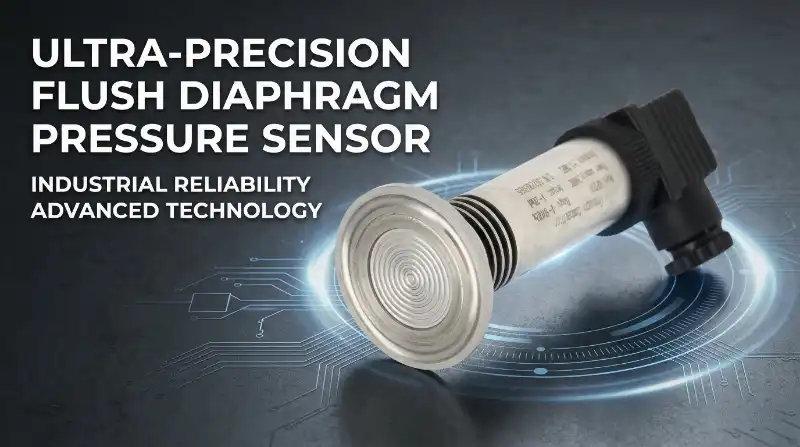
When making food and medicines, cleaning is not an option—it's necessary for safety reasons and to follow the rules. This problem can be solved by a hygienic pressure sensor, which has special features that keep it clean while still giving accurate process readings. These sensors have smooth surfaces, non-porous stainless steel construction (usually 316L grade), and flush diaphragms that keep germs or product waste from building up. Hygienic industrial sensors, on the other hand, are made to meet international sanitary standards like FDA rules, EHEDG guidelines, and 3-A Sanitary Standards. This makes sure that they meet the strict cleanliness requirements of businesses where product quality cannot be compromised.
Understanding Hygienic Pressure Sensors and Their Cleanliness Standards
What Makes a Pressure Sensor Hygienic?
Hygienic pressure sensors are very different from regular industrial measuring tools. The difference is in the materials used, the way the surfaces are finished, and the way the connections are made so that they can be cleaned easily. We've seen standard sensors fail in dairy processing lines because the milk proteins got stuck in their threaded connections. This meant that production had to stop for deep cleaning, which caused contamination risks. Hygienic pressure sensors get rid of these problems by using new design ideas that put both cleanliness and accuracy of measurement first.
Usually, the building is made of corrosion-resistant stainless steel that can handle harsh cleaning products like chemical solutions and steam sterilization at high temperatures. Surface roughness values below Ra 0.8 μm stop germs from sticking, and flush-mount diaphragms make sure there are no dead spots and full draining. Together, these design features make measurement points that work well with both Clean-In-Place (CIP) and Sterilize-In-Place (SIP) methods.
Compliance Standards That Matter
The design and use of hygienic pressure sensors are governed by three main regulatory systems. FDA rules set basic standards for areas that come into touch with food. They stress the importance of using materials that don't rust and don't change the taste or smell of food. The EHEDG approval goes even further by giving specific guidelines for designing hygienic products for the European market. These guidelines include standards for surface finish, drainage, and proof of cleanability.
In the meantime, 3-A Sanitary Standards cover dairy and food preparation machines sold in North America. Sensors with a 3-A approval have been thoroughly tested by a third party to prove that they are suitable for use in clean environments. When buying teams ask for sensors for projects that span multiple areas, these standards make sure that the projects follow the rules and that the supply chain can be flexible across different factories.
Material Selection and Contamination Prevention
The materials used have a direct effect on both how well sensors work and how well they are kept clean. Grade 316L stainless steel has become the standard because it has a low carbon content, which makes it less likely to rust when it comes into contact with cleaning chemicals over and over again. The chromium and molybdenum in the metal make an inactive oxide layer that fixes small surface damage on its own, keeping clean surfaces in good shape for years to come.
In addition to the wet parts, cover materials need just as much care. Chemical resistance is provided by EPDM, FKM, and silicone versions that have been approved by the EHEDG. These elastomers stay flexible even when exposed to high and low temperatures during thermal sterilization processes. Making sure you choose the right covering materials keeps them from breaking down too soon, which could let germs in or force you to stop planned maintenance.
Key Cleanliness Challenges in Food and Pharma Pressure Sensing
Contamination Risks in Process Measurement
There are special risks of contamination at pressure measurement places used in the making of food and drugs. The biggest risk comes from microorganisms growing, especially in places where nutrient-dense drinks like fruit juices, dairy products, and fermentation broths are handled. Even small cracks or rough areas in a sensor design can be home to bacteria colonies that can survive normal cleaning methods. This means that whole batches of products could be contaminated.
Particulate buildup is another problem, especially when measuring thick substances or fluids that have solids suspended in them. Traditional sensors with deep diaphragms let product building happen, which makes measurements less accurate and raises cleanliness concerns. If the rinse processes aren't strong enough, chemical residues from the cleaning agents can also build up on sensor surfaces, bringing foreign substances into later production runs.
Hygienic Design Versus Standard Industrial Sensors
When used in real production, the difference in performance between hygienic pressure sensors and regular sensors becomes clear. Standard industrial pressure sensors have process links that are threaded and have sharp edges and a lot of places where gaskets meet metal surfaces. Standard CIP measures can't fully get rid of product waste that gets caught in these shapes. We have records of instances where pharmaceutical companies failed validation tests during regulatory audits because of unclean sensor setups that couldn't show they were completely cleanable.
These problems can be fixed with hygienic pressure sensors that have flush-mount designs and a measuring diaphragm that sits level with or just above the process connection face. Tri-clamp clamps with elastomer seals make the measurement assembly's sides smooth and continuous. This way of thinking about design makes sure that everything drains completely, keeps products from building up, and lets you see how clean something is, which is very important in approved pharmaceutical manufacturing settings.
Real-World Consequences of Improper Sensor Selection
When pollution linked to non-hygienic pressure sensors led to a product recall involving more than 200,000 units, a beverage producer in the Midwest faced this difficulty. The direct costs were more than $2.3 million, and that doesn't include the damage to the company's image and the short-term loss of market share. It was found that normal sensors with threaded connections had let product build up that had survived the facility's CIP cycle, putting organisms that cause spoilage into final goods.
In a different case, a pharmaceutical company failed an FDA review because some of its sensors did not have the right hygiene approval. The consent order that came out of it said that all non-compliant instruments had to be replaced, the process had to be revalidated, and there had to be third-party audits. This made the project cost close to $800,000 and pushed back the launch of new products by seven months. These examples show how the choices you make about which sensors to buy have a direct effect on your business's ability to stay operating, meet legal requirements, and make money.
Selecting the Best Hygienic Pressure Sensor for Food & Pharma Applications
Critical Selection Parameters
To pick the right hygienic pressure sensor, you need to look at a number of scientific and practical factors. How well the sensor tracks process conditions is based on measurement accuracy. For pharmaceutical uses, accuracy of ±0.25% or higher is usually needed to keep tight process control. Pressure range matching makes sure that the sensor works in the best area for it, not at the very edges of its range, where precision drops.
Ratings for temperatures must take into account both regular process conditions and the high temps that can happen during SIP cycles (140°C or more). If a sensor doesn't have enough temperature adjustment, its readings change during thermal cycles. This makes process control harder and could mean the sensor needs to be replaced too soon. The types of output signals—analog 4-20mA, digital standards like HART or IO-Link, or wireless transmission—affect how well the system works with current automation systems and how it will work with future system improvements.
| GPT210 Sanitary Pressure Transmitter | |
| pressure range | 0~35kPa...20MPa |
| pressure type | gauge (G), absolute (A), sealed gauge (S) |
| output signal | 4~20mA 0~5Vdc 1~5Vdc 0~10Vdc |
| power supply | 12~30Vdc |
| accuracy | 0.25%FS(typ.), 0.5%FS(max.) |
| operating temperature range | -40~+85 °C(normal temperature), -40~+150 °C( high temperature) |
| electrical interface | DIN43650, cable connection, 2088 housing+display |
| pressure interface | M20x1.5,G1/2 (customer request) |
| material of pressure membrane clamp diaphragm | 316L stainless steel |
| material of housing | stainless steel |
| response time(10%~90%) | ≤1ms |
| protection | IP65 |
Process Connection Standards
Tri-clamp connections are the most common type used in hygiene applications because they have smooth insides, are easy to take apart for inspection, and can be used with quick-change needs when switching between products. The usual sizes for these links are between 1 inch and 4 inches, and they meet ISO 2852 or DIN 32676 standards. A segmented ferrule in the tightening device squeezes a gasket between two flanges, making a clean seal with no threaded parts or cracks.
Threaded connections that meet DIN 11851 or ISO 1127 standards are used in some situations. These connections have rounded threads and smooth areas that make them easier to clean. These connections aren't used as much as tri-clamp fittings in current installations, but they are useful in situations where high pressure ratings or limited room make threaded designs better than flanged assemblies.
Leading Sensor Technologies and Brands
Well-known companies have a history of making clean sensor designs that work. Endress+Hauser has a line of sensors called Cerabar series. These sensors have ceramic capacitive measuring cells that are stable over time and don't wear down during the process. Vega makes Vegabar sensors that work well in dairy and beer environments because they have flush ceramic diaphragms and built-in temperature adjustment. The 266 series from ABB is made with all-welded construction, which gets rid of any seal spots that could be dirty.
WIKA clean sensors work well in a wide range of temperatures because they use thin-film strain gauge technology on diaphragms made of stainless steel. From what we've seen, choosing the right hygienic pressure sensor means weighing the name of the brand against the needs of the application. For example, a manufacturer's strengths in high-precision pharmaceutical applications might not translate to the best performance in high-temperature food cleaning processes.
Customization and Bulk Procurement Strategies
For many projects, sensors need to be customized in ways that go beyond what is available in catalogs. When two companies work together as OEMs, they can specify particular process connections, electrical outputs, or housing setups that work with certain types of equipment. Pharmaceutical companies often need sensors with specific material certifications or large paperwork packages to help with proof. Food makers may choose custom pressure ranges that work best for certain tasks, like keeping an eye on gas levels or controlling the pressure during aseptic filling.
When you buy in bulk, you save money and make sure that the sensors work the same way at all of your installation sites. When paired with long-term supply deals that keep purchasing costs stable against changes in the market, volume promises make it easier to negotiate better pricing structures. Standardized sensor specs make it easier for engineering contractors handling projects with multiple sites to keep track of spare parts, train support staff, and figure out what's wrong.
Maintaining Hygienic Pressure Sensors for Long-Term Cleanliness & Performance
Effective Cleaning Protocols
To keep hygienic pressure sensors clean, you need methods that work with both the materials used in the sensors and the cleaning systems in the building. Cleaning in place (CIP) methods use chemicals and the speed of the fluids to get rid of product leftovers by moving cleaning solutions through the process pipes. Sensors with flat diaphragms work with CIP processes without any problems, going through the same cleaning conditions as the pipes around them. Usually, the cleaning process goes like this: an alkaline soap wash, an intermediate rinse, acid reduction, and finally a sanitizing rinse.
SIP protocols add thermal cleaning by putting sensors in pure steam or superheated water for a long time. This kills any microbes that might be on the sensors. Sensors have to be able to handle repeated thermal shocks when steam hits diaphragms at room temperature. They also have to keep their measurement accuracy after cooling down to process conditions. The choice of materials and the way they are put together decide how many sterilization rounds sensors can go through without losing their effectiveness or their seals breaking.
Preventive Maintenance Best Practices
Setting up regular review times helps find problems early on, before they get so bad that they stop production. If you look at the sides of the sensors, you shouldn't see any darkening, pitting, or growth of deposits that could mean they weren't cleaned properly or that the materials don't work well together. Elastomer seals need extra care because being attacked by chemicals or heat can make them lose their ability to close, which could lead to process contamination or sensor failure.
Periodic calibration checks make sure that the accuracy of measurements stays within the limits set by the manufacturer. Even though good hygienic pressure sensors are very stable over time, measurement drift can happen when they are exposed to mechanical stress, extreme temperatures, or process changes. By setting standard performance measures during commissioning, you can use trending analysis to see how accuracy is decreasing over time. This lets you plan for calibration or sensor replacement instead of reacting to production batches that don't meet specifications.
Early Detection of Hygiene-Related Sensor Issues
Several signs show that cleanliness issues are starting to show up with pressure sensors. If measurement numbers change during or right after cleaning processes, it means that product buildup is affecting the diaphragm's performance or that trapped residue is causing problems with thermal expansion. Unknown measurement noise or signal instability could mean that the seal is breaking down, letting water in and damaging the electronics inside.
If you look closely and see coloring patterns or buildup of dust around sensor connections, you need to look into this right away. These signs usually show up before contamination happens, giving you a chance to fix things before the quality of the product goes down. Food safety goals and operational efficiency goals can both be met with proactive tracking and regular upkeep. This stops costly contamination events before they happen.
The Value of Strong Supplier Support
Part of a sensor's dependability depends on how well the maker supports it over the course of its life. Technical help during the original selection process makes sure that sensors meet the needs of the application. This keeps expensive mistakes from being made that affect measurement accuracy or hygiene design standards. Instructions for installation help testing teams get the right mounting, link torque, and electrical integration from the start so that sensors are as reliable as possible.
Warranty terms protect purchases and show that the maker trusts the quality of the product. Full coverage for both materials and labor, usually for two to five years, protects against early failure financially and makes sure that new units are easy to get so that production doesn't stop. Delivery reliability is just as important—sensors that show up on time help keep projects on track and avoid costly delays that affect both the building and testing phases.
Procurement Strategies for Hygienic Pressure Sensors in Food & Pharma
Evaluating Supplier Credibility and Compliance
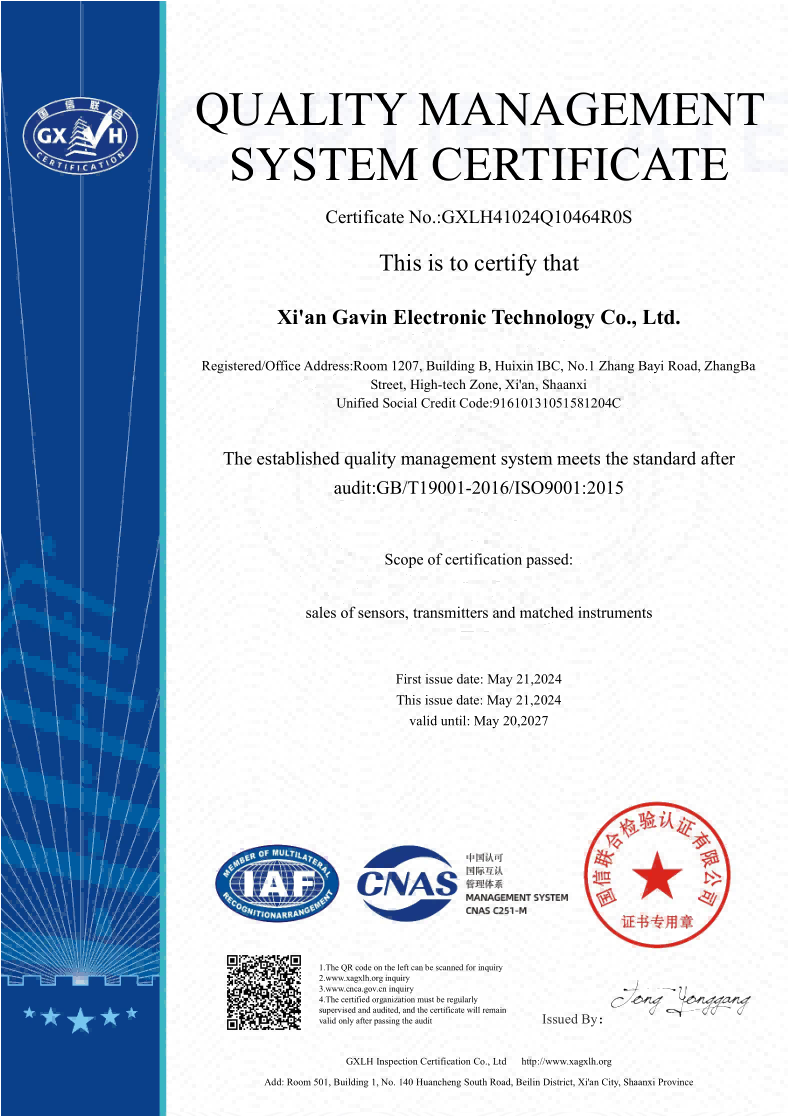
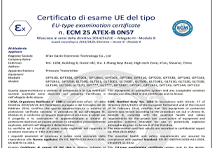
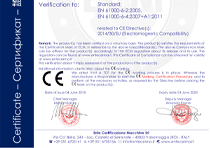
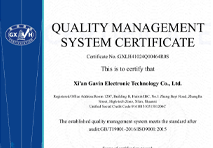
The first step in evaluating a supplier is to check that they have the right quality system certifications. ISO 13485 especially talks about medical device manufacturing practices that can be used in pharmaceutical sensor uses, while ISO 9001 shows basic quality management skills. Food suppliers should make sure their methods are HACCP-compliant and show they know how to control allergens, follow tracking rules, and do other basic things to keep food safe.
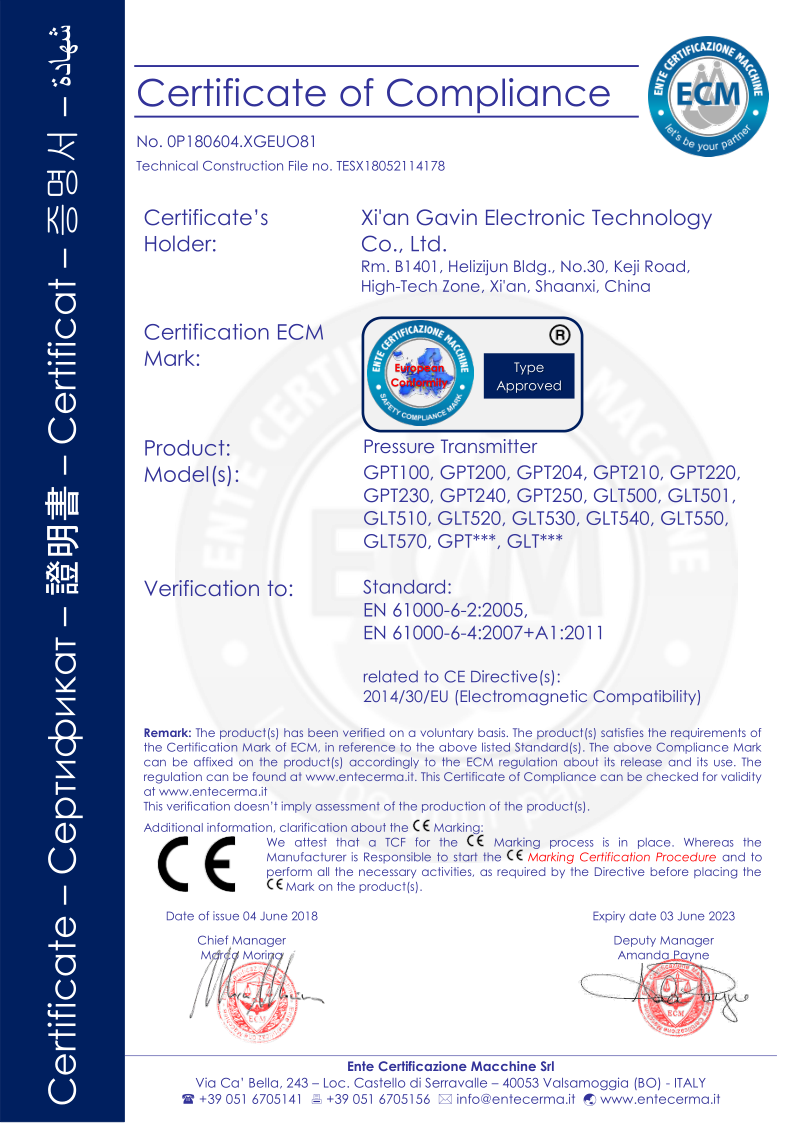
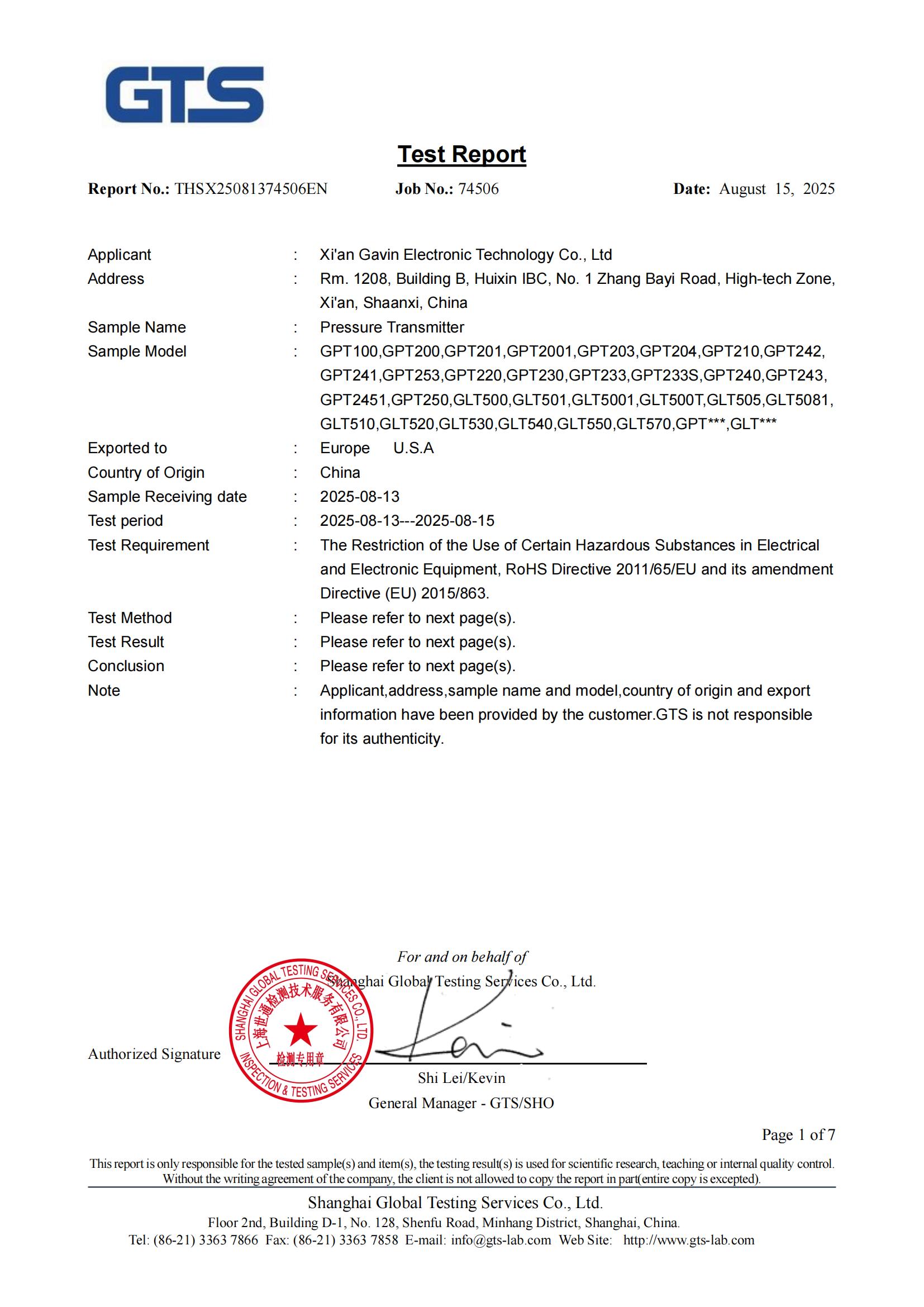
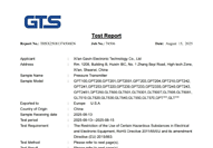
When a seller is evaluated, all product licenses are given the same amount of weight. If a hygienic pressure sensor has a CE mark, it means it meets European safety standards. If it has a 3-A, EHEDG, or FDA material compliance mark, it means it can be used in clean situations. When qualifying a seller, ask to see proof of their certifications. If the situation calls for it, check the authenticity of the certificates in the databases of the granting bodies.
Optimizing Costs Through Strategic Purchasing
When you order in bulk, you can save money on each sensor and make sure they are available for big projects or operations at multiple sites. Volume savings usually start at 25 to 50 units and get a lot bigger when you buy 100 or more units. Blanket purchase orders combine volume prices with scheduled delivery releases. This lets you handle your inventory in a way that balances lowering costs with keeping working cash in sensor stock.
OEM design lets you make your products stand out and save money at the same time. If you buy a lot of things, investing in custom sensor configurations with proprietary process connections, specialized electrical interfaces, or unique housing designs can help you stay ahead of the competition and might even lower the cost of installation compared to field-modified standard products. These relationships work especially well for companies that make a lot of standard machines where the sensor needs stay the same from one production run to the next.
Understanding Market Pricing and Lead Times
The price of a hygienic pressure sensor depends a lot on the specs, the amount ordered, and where the seller is located. In modest numbers, basic flush-diaphragm sensors with normal accuracy specs and tri-clamp connections cost between $200 and $400 per unit. Pharmaceutical-grade sensors with high accuracy, special materials, wide temperature ranges, and full paperwork packages cost at least $600 to $1,200 per unit, based on how they are customized.
Conditions in the supply chain and the complexity of the product are reflected in lead times. Standard stock items from major manufacturers usually ship within two to four weeks. Customized versions, on the other hand, may take six to twelve weeks, based on how many changes are made and when they are made. Supply chain problems that affect the supply of stainless steel, electronic parts, or foreign shipping can make these timelines longer. For projects to stay on schedule, it is important to plan purchases early on.
Conclusion
Choosing the right hygienic pressure sensors for food and drug uses has a direct effect on the safety of the product, compliance with regulations, and the speed of operations. Hygienic sensors are different from regular industrial instruments because they have flush diaphragms, smooth stainless steel surfaces, and clean process connections. These features protect against contamination in working areas where the quality of the product cannot be compromised.
To do a good job of buying, you need to balance technical requirements like accuracy, temperature ratings, and material compatibility with practical ones like the supplier's trustworthiness, delivery reliability, and ability to provide long-term support. Using strategic buying methods like big sales, OEM customization, and partnerships with suppliers can help you save money and get better performance. As regulations keep changing and people's expectations for product safety rise, buying properly defined hygienic pressure sensors is not only a legal requirement but also a way to gain a competitive edge.
FAQ
What certifications should hygienic pressure sensors have?
Look for hygienic pressure sensors that have been certified by 3-A Sanitary Standards for use with dairy and food in North America, by EHEDG for use in European markets, and by FDA with material compliance documents proving they can be used with food. ISO approvals show that a producer has quality systems in place, and CE markings show that a product meets European safety standards. For pharmaceutical uses, extra material traceability paperwork and USP Class VI biocompatibility tests may be needed for sensors that come into touch with sterile goods.
How often should hygienic sensors be calibrated?
How often you need to calibrate depends on how important the application is, what the rules say, and how well the sensor has worked in the past. When the FDA is in charge of making medicines, the calibration of the equipment is usually checked at least once a year, and at key measurement places it may be necessary every three or six months. When trending data shows steady performance, food processing apps may increase periods to 12 to 24 months. Risk-based methods that look at how the process will be affected and legal requirements make the best use of calibration resources.
Can standard industrial sensors work in food applications?
Normal sensors don't have flush diaphragms, smooth surfaces, or the right process links that are needed for clean environments. Using non-hygienic sensors in the production of food or drugs increases the chance of contamination, makes cleaning more difficult, and may be against the law. When you compare the small cost savings to using proper hygienic pressure sensors, the risks of contamination, possible recalls, and regulatory effects become very small. Applications that need to be clean need sensors that are specifically made to be clean.
Partner with GAMICOS for Your Hygienic Pressure Sensor Needs
To meet the cleanliness standards for making food and medicines, you need to do more than just buy sensors. You need to work with a hygienic pressure sensor supplier that knows both the technical requirements and the practicalities of sanitary processes. GAMICOS is an expert in creating pressure measurement solutions that are perfect for clean environments. These solutions use cutting edge sensor technology and can be easily customized to meet the specific needs of each process.
Our research team works closely with customers to choose sensors that meet all of their specific needs, from the range and accuracy of measurements to the process links and output protocols. We keep up-to-date on all of our quality certifications and give you all the paperwork you need to support your proof and compliance needs. We can help you meet your buying goals while staying within your project budget's price range, whether you need standard catalog items shipped quickly or fully customized OEM solutions for your own equipment designs. Get in touch with our expert team at info@gamicos.com to talk about your needs and find out how our hygienic pressure sensors can meet your needs for performance and dependability.
References
1. European Hygienic Engineering & Design Group (2019). EHEDG Guidelines for Hygienic Equipment Design Criteria. Frankfurt: EHEDG Secretariat.
2. 3-A Sanitary Standards, Inc. (2020). 3-A Sanitary Standards for Sensors and Transmitters Used on Milk and Milk Products Equipment. McLean: 3-A SSI.
3. U.S. Food and Drug Administration (2018). Guide to Inspections of High Purity Water Systems. Silver Spring: FDA Center for Drug Evaluation and Research.
4. International Organization for Standardization (2021). ISO 14159:2002 Safety of Machinery – Hygiene Requirements for the Design of Machinery. Geneva: ISO.
5. Wirtanen, G., & Salo, S. (2016). Hygienic Design and Cleaning in Food Processing Facilities. Cambridge: Woodhead Publishing.
6. Levine, M. (2017). Pharmaceutical Process Scale-Up: Sensor Selection and Hygienic Design Considerations. Boca Raton: CRC Press.

Spring
Spring, With 5 years of experience in sensor technology and product development, Mark specializes in helping clients identify the optimal pressure and level sensor solutions for demanding industrial environments。
We're here to help — submit your request anytime!
Let us know how we can help solve your pressure level measurement challenge.
_1757930850792.jpg)
Recommended Blog
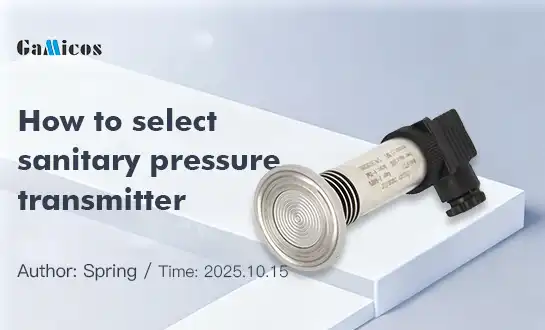
How do I choose the right sanitary pressure transmitter for my application?
How do I choose the right sanitary pressure transmitter for my application?

How to Install a Pressure Transmitter: 7 Best Practices
Smart Pressure Sensors in Industry 4.0: Predictive Maintenance
Process Connections: G1/4, NPT, SAE for Pressure Sensors
Pressure Sensor Wetted Materials: Steel, Ceramic, Hastelloy
How to Install a Pressure Transmitter: 7 Best Practices
Smart Pressure Sensors in Industry 4.0: Predictive Maintenance
Process Connections: G1/4, NPT, SAE for Pressure Sensors
Pressure Sensor Wetted Materials: Steel, Ceramic, Hastelloy