Pressure Sensor with Display vs Without: Pros & Cons
Understanding Pressure Sensors with and without Display
- Understanding Pressure Sensors with and without Display
- Evaluating the Pros and Cons of Pressure Sensors with Display
- Pressure Sensor with Display vs Without Display: Comparison for B2B Buyers
- Practical Applications and Industry Use Cases
- How to Procure Pressure Sensors with a Display?: A B2B Buying Guide
- Conclusion
- FAQ
- Partner with GAMICOS for Advanced Pressure Measurement Solutions
- References
When deciding between a pressure sensor with display and one without, you have to weigh the ease of merging into automated control systems against the instant accessibility on-site. Models with displays let workers see real-time pressure readings right at the installation site. This means they don't have to rely on external monitoring tools and can speed up the diagnostic process. On the other hand, sensors that don't have screens send data to centralized SCADA or PLC systems. This works well for large-scale industrial operations where many measurement points connect to one tracking platform. By knowing these main differences, sourcing managers and engineering teams can match sensor specs to project needs, whether field-level insight or smooth system integration is more important.
Understanding Pressure Sensors with and without Display
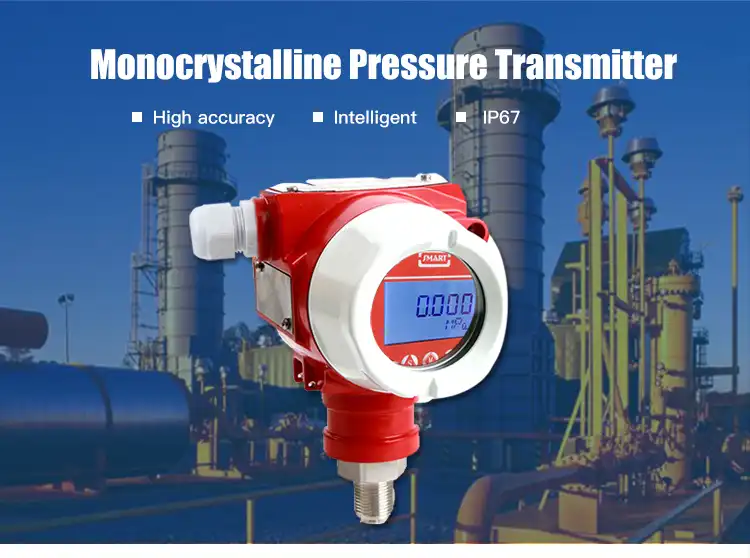
Precision in measuring pressure is needed in modern industrial settings, and the choice between sensors with and without displays affects how well they work. We've observed that pressure sensor with display units have built-in LCD, OLED, or LED screens that show pressure data right away, so you don't need any other reading devices. In small housings, these units have sensing parts (often piezoresistive ceramic diaphragms), digital conversion circuits, and display modules.
On the other hand, sensors that don't have displays work as specialized transducers that turn mechanical pressure into electrical messages. 4-20mA analog, 0-10V voltage, or digital standards like Modbus RTU and RS485 can be used as output forms. This basic difference in architecture affects how hard it is to install, how much power it uses, and how well it works with current automation systems.
Key Architectural Differences
Display-integrated models need more power than non-display models, which only need 5–24VDC because they have extra circuitry for data processing and visible output. The size of the housing has to be a little bigger to fit screens, but progress in shrinking has made this difference smaller. Sensors that aren't displays are designed to be strong and small, so they can be used in tight areas and harsh environments.
Signal Output and Interface Considerations
Non-display pressure sensors send out raw digital or analog data that need to be interpreted by controllers outside the device. This method centralizes data handling, but it needs getting equipment that is compatible. Displayed sensors allow for instant human-machine contact, which means that techs can check data without computers or handheld meters during commissioning, calibration, and troubleshooting. The two types of communication methods are the same, and newer units handle HART, IO-Link, and wireless transfer for Industry 4.0 integration.
Environmental Durability Factors
Sensors are exposed to high temperatures, vibrations, and toxic materials in harsh industrial settings. Failure spots can be found in display components, but IP67 and IP68 casings with reinforced glass keep water out. Both types of ceramic pressure monitors are very resistant to chemicals, including acids, alkalis, and solvents that are common in medicinal and petrochemical settings. Standard designs can handle temperatures from -40°C to +150°C, while high-temperature versions can handle temperatures up to 200°C.
Evaluating the Pros and Cons of Pressure Sensors with Display
Pressure measuring tools with displays have real-world benefits that maintenance teams and quality control offices can see and feel. Real-time visibility cuts down on reaction times during process upsets and lets workers spot deviations before they become major problems that stop production. Making the installation process as simple as possible is especially helpful for retrofit situations where adding dedicated monitoring hardware would cost too much.
In certain working situations that value quick data access and streamlined processes, a pressure sensor with display becomes very useful. When deciding if combined screens meet your measurement needs and fit with your facility's infrastructure, think about these main benefits.
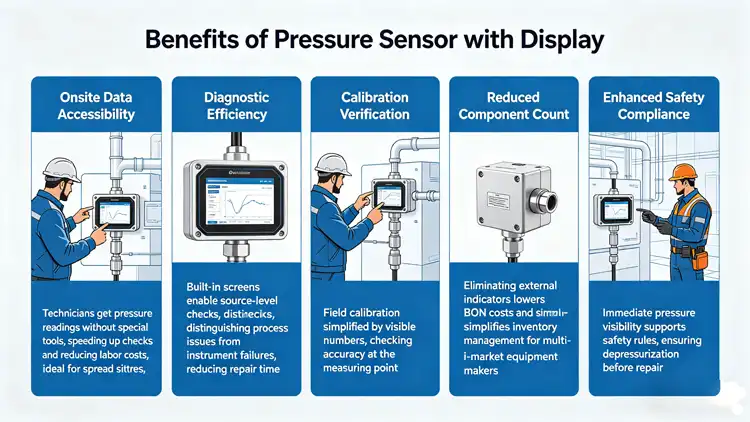
- Onsite Data Accessibility: Technicians can get pressure readings without using any special tools. This speeds up the starting process and lowers the cost of labor during regular checks. This feature comes in very handy in spread sites where instruments are located far away from control rooms.
- Diagnostic Efficiency: Built-in screens make fixing easier by checking sensor functionality at the source and telling the difference between real process problems and instrumentation failures. This cuts down on the average time it takes to fix something and on unexpected downtime.
- Calibration Verification: It's easier to do field calibration when you compare reference standards to visible numbers instead of wiring and controls, which introduces variables into the signal path. At the measuring point, accuracy is checked right away.
- Reduced Component Count: Getting rid of external indicators lowers the cost of the bill of materials and makes inventory management easier. This is especially helpful for equipment makers and system designers that work with a lot of different vertical markets.
- Enhanced Safety Compliance: Being able to see the pressure right away supports safety rules in dangerous places, so workers can be sure that the system is depressurized before they start repair work without having to look at remote displays.
These benefits successfully solve common operational problems in process industries, lowering the cost of tools and raising the efficiency of upkeep. Display-equipped sensors work especially well in situations where they need to be checked by hand often or where there isn't a central tracking system available.
Conversely, limits need to be carefully thought through when developing purchase specifications. Higher initial costs are due to more parts and more complicated assembly. Display types usually cost 15–30% more than comparable transducers that aren't displays. Continuous screen action uses more power, which can affect battery- or solar-powered setups used for remote tracking.
Another thing to think about is how vulnerable the display components are to environmental factors. For example, high temperatures, UV light, and mechanical shock can all speed up the degrading process. Different display technologies have very different levels of sunlight viewing. For example, OLED has better contrast but costs more than normal LCD. Active displays use between 0.5 and 2W of power, while sensors that don't show anything use less than 0.1W. This affects energy costs in large-scale operations.
Pressure Sensor with Display vs Without Display: Comparison for B2B Buyers
Rather than just looking at the purchase price, the total cost of ownership research is what drives choices about what to buy. A pressure sensor with display type lowers the cost of external hardware, but they need to be maintained and may need to have their displays replaced after 10 to 15 years. Non-display sensors work well with distributed control systems because they can use current HMI hardware and use centralized databases to do advanced analytics.
Accuracy and Performance Metrics
The accuracy of both types of sensors is about the same, usually within ±0.25% to ±0.5% full scale, because the detecting parts are the same. Ceramic diaphragm pressure monitors use piezoresistive technology, which makes them very straight from 0 to 1000 bar. Temperature compensation techniques keep the accuracy even when the temperature outside changes. Digital signal processing fixes the thermal drift that happens in silicon and metal-based sensors.
System Integration and Compatibility
The best sensors to use depend on the design of the automation system. Facilities that already have SCADA systems can benefit from non-display sensors that send constant data streams that can be used for past trends and predictive repair algorithms. Display-equipped versions are good for stand-alone setups or extra monitoring places where adding more control system I/O would be too expensive. In hybrid methods, display sensors are put in key control points, and non-display transducers are put in other places to feed centralized tracking systems.
Long-Term Reliability and Maintenance
According to field reliability studies, 12 to 18% of all sensor failures are caused by display components. This is reasonable given the working benefits, though. Because their electronics are easier, non-display sensors have slightly higher MTBF values that go over 200,000 hours. Maintenance procedures are very different for different types of sensors. Sensors that aren't displays only need to have their electrical connections checked, while display models need to have their screens cleaned and backlights replaced every so often.
Emerging Display Technologies
Compared to backlit LCD screens, OLED screens make it easier to read in a variety of lighting situations while using less power. Transflective LCD technology improves vision outside by reflecting ambient light, which gets rid of the problems that standard screens have with washout. E-paper screens use very little power—microwatts—and can still be read outside in the sun. However, their refresh rates make them less useful for quickly changing forces. These technological advances make the difference in performance between sensors with displays and those without displays smaller.
Practical Applications and Industry Use Cases
At hydraulic presses and pneumatic control stations in factories, a pressure sensor with display is used so that workers can check the system pressure before starting production runs. On reactor vessels and distillation columns, chemical processing plants put ceramic pressure sensors with displays that let workers check that the working conditions are safe during rounds. When it comes to verifying aseptic processing pressures during batch paperwork, the pharmaceutical industry really likes integrated screens.
Automotive and Aerospace Applications
Display pressure monitors are used in engine test rooms to keep an eye on things in real time while the dynamometer is testing. This lets engineers connect data about performance with readings of the pressure right away. Small display sensors help aircraft hydraulic systems by checking the pressure without the pilot being there while the plane is being serviced on the ground. Industrial cars and heavy equipment can also have their tire pressure monitored. Sensors with displays let workers know when there are problems with inflation before they cause major problems.
Energy and Utilities Sector
For operating clarity, power plants put display pressure sensors on the feed systems for boilers, the cooling circuits, and the steam headers. At remote pump stations along oil and gas pipes, solar-powered display transmitters are used. This means that there is no need for separate tracking equipment. Water treatment plants use level sensors with displays on filtration systems and storage tanks. This helps them follow the rules by letting inspectors see the pressure during checks.
Calibration and Maintenance Best Practices
The time between routine calibrations is usually between 12 and 24 months, but it depends on how important the application is and what the regulations say. The quality of the reading is checked by comparing it to NIST-traceable pressure standards. Digital potentiometers or HART communicators are used to make changes. Zero and span calibration fix sensor drift, and five-point calibration across the measurement range makes sure that the readings are straight. Display-equipped sensors make field calibration easier by showing numbers directly, while models without displays need to connect external meters during proof steps.
The first step in troubleshooting is to look for error codes on models with a display. These codes can mean that a sensor is broken, the wiring is faulty, or the sensor is out of range. Multimeters are needed to measure the output data of non-display sensors to figure out if the problem is with the sensor itself, the wires, or the receiving equipment. As part of preventive maintenance, process connections are checked for leaks, electrical terminations are confirmed, and display screens are cleaned so that they can be read. These practices make sensors last longer and make sure that measurements are accurate throughout their working lifetimes.
How to Procure Pressure Sensors with a Display?: A B2B Buying Guide
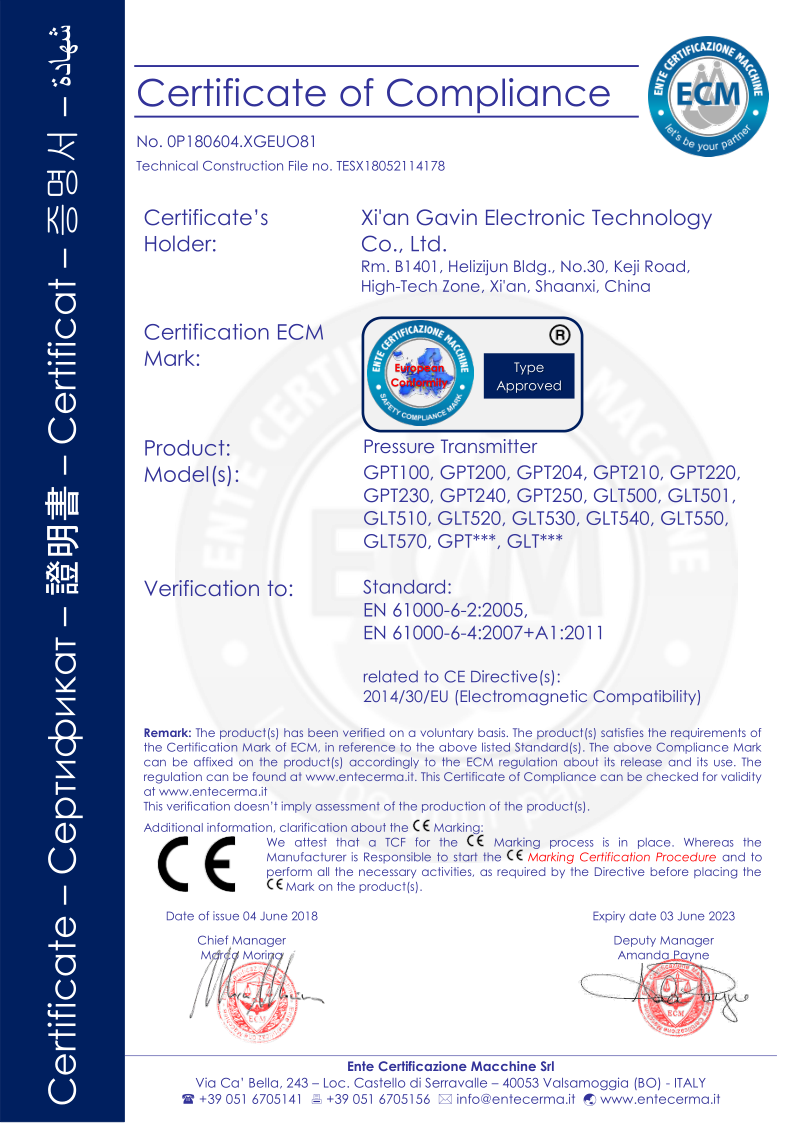
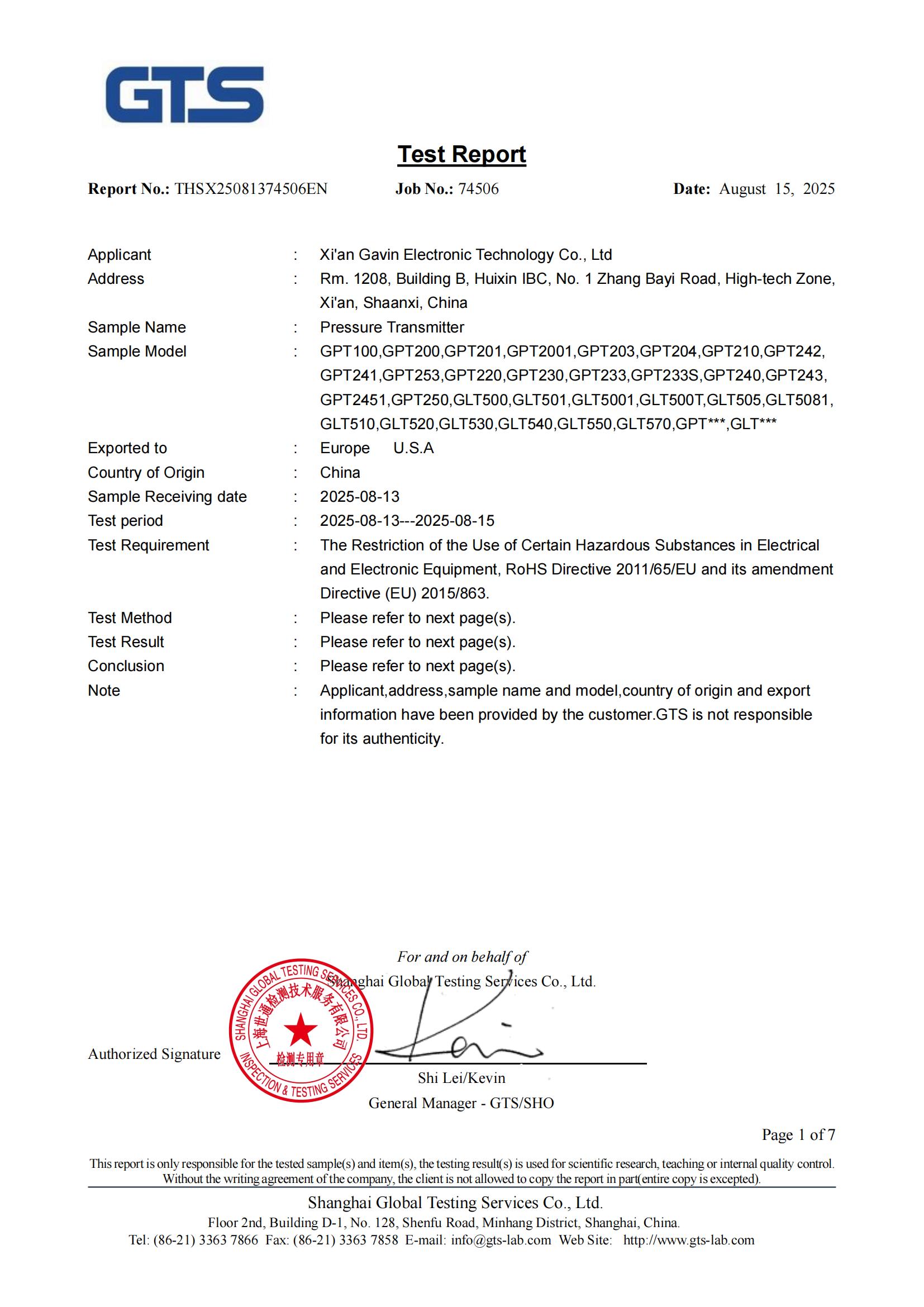
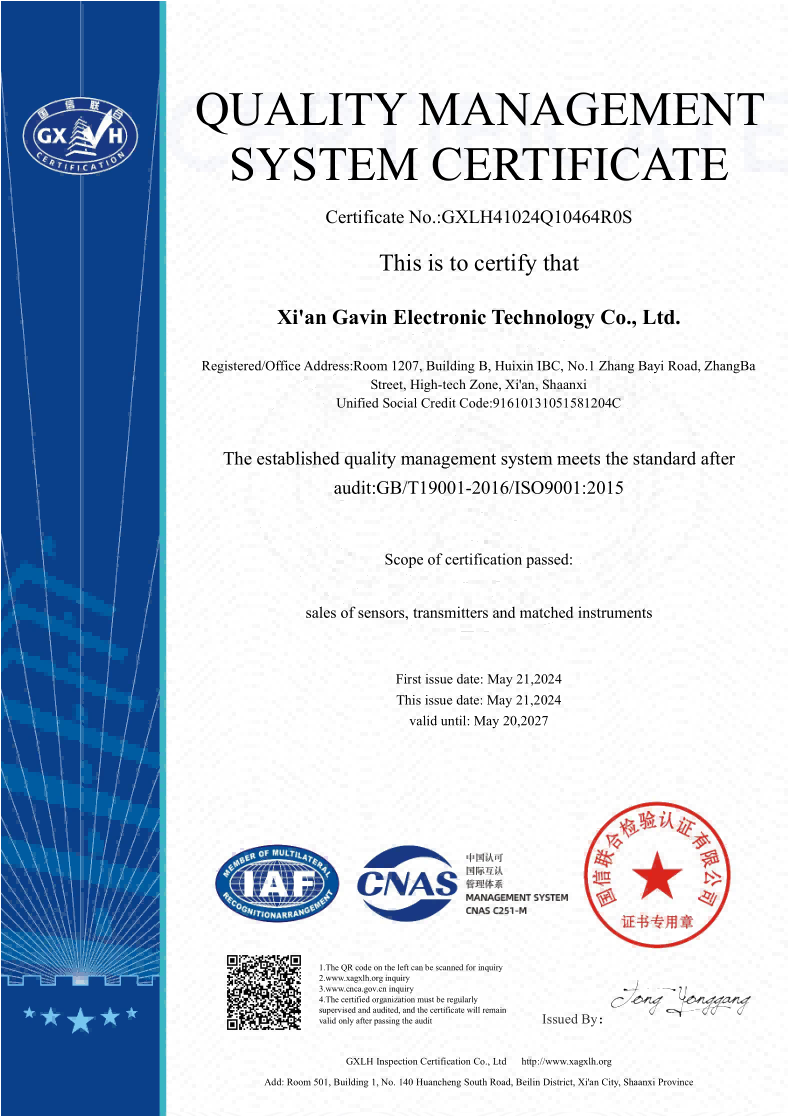
Checking manufacturing certifications like ISO 9001 for quality management, ISO 14001 for environmental standards, and product-specific approvals like ATEX, IECEx, and UL certifications is the first step in a good source review. Managers of engineering firms should ask for specifics that include accuracy classes, temperature coefficients, reaction times, and how stable the pressure sensor with display will be in the long run. You should find out about a supplier's expert support by asking about their application engineering help, custom configuration services, and guarantee coverage terms.
Customization and OEM Considerations
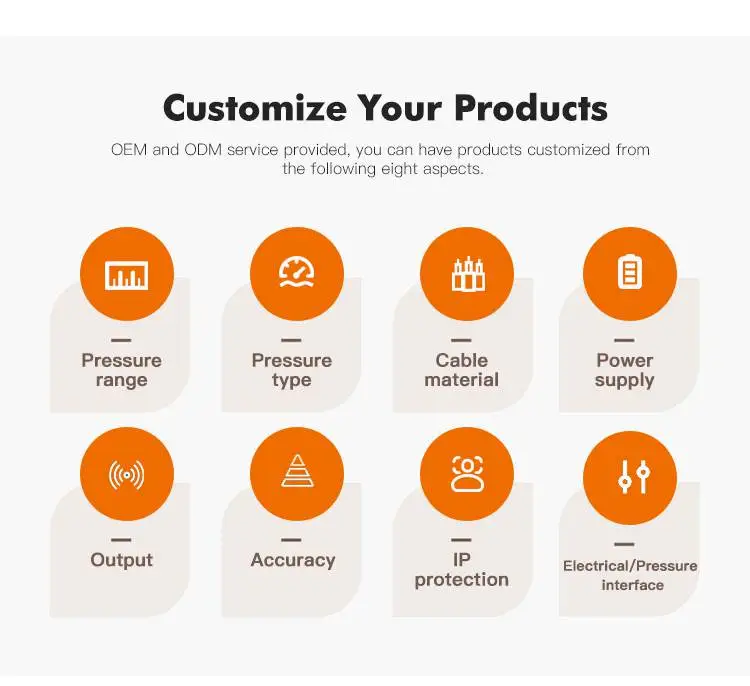
OEM makers need to be able to make changes to sensor ranges, electrical links, process fittings, and display programming in a flexible way. GAMICOS provides full OEM and ODM services, such as engraving logos, creating custom software, and custom packing based on brand needs. Ceramic sensor technology can handle setups from vacuum measurement up to ultra-high pressures over 700 bar, so the pressure range can be changed to fit the needs of each application. Customizing communication protocols makes it possible to easily connect to private control systems, working with both old and new IoT standards.
Bulk Ordering and Lead Time Management
Large-scale deployments need sources with strong production capabilities and systems for managing supplies that make sure deliveries happen on time every time. Framework deals set prices for multi-year projects and make sure that output slots are available during times of high demand in the industry. Lead times range from two weeks for basic catalog items to six to eight weeks for fully customized solutions. This means that making your purchases needs to be in line with when the job is supposed to be finished. Strategies for buffer stock help keep the supply chain running smoothly, especially when buying from makers in other countries that serve markets around the world.
After-Sales Support and Technical Assistance
Full expert help is what sets reliable sellers apart from commodity purveyors. When choosing a product, look for companies that offer application-specific advice that takes into account things like the climate, mounting needs, and connection with other instruments. Commissioning takes less time and has fewer mistakes when there is thorough paperwork, wiring diagrams, and configuration tools to help with installation. When sensors fail, downtime is kept to a minimum by responsive warranty service and fast replacement programs. Leading providers keep regional service centers to serve the North American, European, and Asian markets.
Conclusion
Choosing between a pressure sensor with display and those that don't relies on how important instant practical sight is, how important system integration is, and how much money you have. Models with displays work best in situations where they need to be checked by hand often, where fixing is easier, and where they can be used without a central tracking system. Transducers that don't show anything can be easily integrated into automatic control systems. They are also slightly more durable in harsh environments and use less power. When ceramic sensing elements are used, both groups give the same level of measurement accuracy. Ultimately, the choice to buy will depend on the layout of the building, how upkeep is handled, and the total cost of ownership over a number of years.
FAQ
What advantages do pressure sensors with displays offer in industrial applications?
Integrated screens show the pressure on-site right away, without the need for external tracking tools. This speeds up troubleshooting and makes field calibration easier. Maintenance teams check that sensors work directly where they were installed. This cuts down on the time needed to fix problems and gets rid of any doubts about how signals are sent through control system wires. This feature comes in handy during normal checks and activities like launching, where quick pressure confirmation helps operators make decisions.
How often should pressure sensors with displays be calibrated?
Calibration frequency relies on how important the application is and what the regulations say it has to do. It's usually once a year for readings that aren't very important and three or four times a month for applications that need to be safe or for ownership transfer. In pharmaceutical and food processing situations, calibration is usually needed before every production run. In general industry settings, calibration is done every 12 to 24 months. Display-equipped sensors make calibration easier by letting you compare readings directly to reference standards without using any other measuring tools.
Can pressure sensors with displays integrate with existing automation systems?
Modern pressure sensor with display transmitters work with common industrial transmission protocols, such as 4-20mA with HART, Modbus RTU, and Profibus. This means they can be used with existing PLCs and SCADA systems. The built-in monitor works without signal output, showing information locally while also sending data to control systems at the same time. This two-in-one feature lets you do both human tracking and automatic data logging without sacrificing either ability or needing special hardware for the interface.
Partner with GAMICOS for Advanced Pressure Measurement Solutions
GAMICOS offers precise ceramic pressure transmitters with display choices that can be changed to fit your unique industrial measurement needs. Our engineering team helps with all aspects of an application, from the initial design to installation and testing. This makes sure that the best sensors are chosen for uses in oil and gas, pharmaceutical manufacturing, chemical processing, and utilities. We make pressure sensor with display monitors that work from vacuum to 1000 bar and are accurate to within 0.1% of full scale.
You can choose the type of sensor, the electrical input, the process connection, and the transmission protocol, which can include wireless IoT features. As a reputable manufacturer, we offer fast shipping on standard items and flexible wait times for OEM configurations to customers in more than 100 countries. Contact our technical experts at info@gamicos.com to talk about bulk prices, unique engineering solutions, and how our pressure transmitters with displays can help your process run more smoothly while lowering your total cost of ownership. GAMICOS is your reliable long-term supply chain partner for demanding measurement uses thanks to our ISO-certified quality processes and wide range of products.
References
1. Johnson, M. & Williams, R. (2021). Industrial Pressure Measurement: Technology Selection and Application Guide. Instrumentation Press.
2. Chen, L. (2020). "Comparative Analysis of Display-Integrated and Traditional Pressure Transducers in Process Industries." Journal of Industrial Instrumentation, 45(3), 112-128.
3. European Committee for Standardization (2022). EN 61326-1: Electrical Equipment for Measurement, Control and Laboratory Use – EMC Requirements. Brussels: CEN.
4. Thompson, K. & Anderson, P. (2023). "Total Cost of Ownership Models for Industrial Pressure Sensors." Automation Technology Review, 18(2), 67-84.
5. International Society of Automation (2021). ISA-51.1: Process Instrumentation Terminology. Research Triangle Park: ISA.
6. Martinez, C., Singh, R., & O'Connor, D. (2022). "Advances in Ceramic Pressure Sensor Technology for Harsh Environments." Sensors and Actuators A: Physical, 337, 113-127.

Ivy
Ivy, product consultant, has focused on sensor consultation for ten years, is proficient in providing pressure and level measurement solutions for customers.
We're here to help — submit your request anytime!
Let us know how we can help solve your pressure level measurement challenge.
_1757930850792.jpg)


Recommended Blog
Waterproof Pressure Sensor vs Regular Pressure Sensor: How to Choose?

Waterproof Pressure Sensor vs Regular Pressure Sensor: How to Choose?
Waterproof Pressure Sensor vs Regular Pressure Sensor: How to Choose?