Process Connections: G1/4, NPT, SAE for Pressure Sensors
Understanding Pressure Sensor Process Connections
- Understanding Pressure Sensor Process Connections
- How to Choose the Best Process Connection for Pressure Sensors?
- Advantages and Limitations of G1/4, NPT, and SAE Pressure Sensor Connections
- Practical Installation and Maintenance Tips for Pressure Sensors
- Conclusion
- FAQ
- Partner with GAMICOS for Industrial Pressure Measurement Solutions
- References
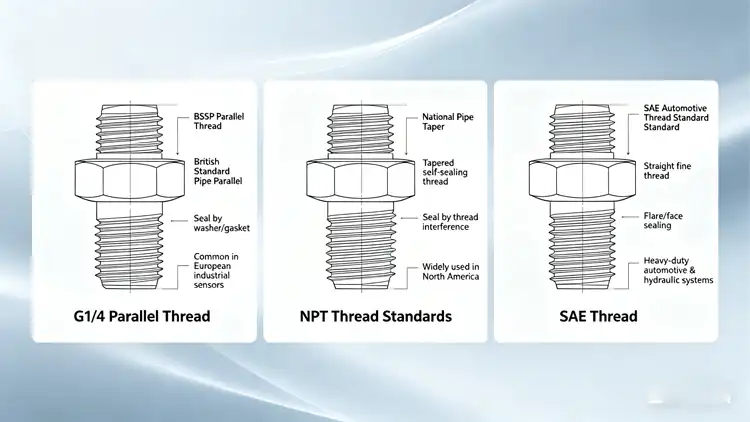
When choosing industrial pressure sensors, it is very important to know how the links work so that readings are accurate and operations don't leak. This pressure sensor process connection is the actual link between your measuring tool and the system you are keeping an eye on. G1/4, NPT, and SAE threads are some of the most common types of connections used in industrial settings. Each has its own unique properties that make it useful in different situations. G1/4 links use ISO 228 parallel thread standards and are common in European production. In North America, NPT (National Pipe Taper) threads are most common because of their self-sealing taper design. The Society of Automotive Engineers (SAE) has made sure that links are compatible with high vibration environments.
Understanding Pressure Sensor Process Connections
Choosing the right connections is the first step in building a pressure measurement system that works. Each thread standard was made to solve a different problem in the industry. Knowing the differences between them helps buying managers make smart choices.
Defining G1/4 Thread Connections
G1/4 threads are a type of parallel thread that meets the requirements of ISO 228-1. In contrast to tapered threads, G1/4 links have a width that stays the same along the length of the thread. The main width of this type of link is about 13.157 mm, and it is labeled as 1/4-inch nominal size. In the process industries, European equipment makers usually choose G1/4 fittings. To stop leaks, the parallel design needs an extra closing element at the base of the thread. This is usually a metal screw, an O-ring, or a bonded seal.
Chemical plants that work with acidic materials often choose G1/4 connections because the seal doesn't depend on how tight the threads are engaged. When paired with electropolished surfaces, pharmaceutical facilities like how easy they are to clean and how germ-free they are. When engineering managers look at pressure sensors for foreign projects, they should make sure that they know whether they will need metric or inch-based tools for installation and upkeep.
Understanding NPT Thread Standards
The tapered thread design used in NPT connections is defined by ASME B1.20.1. As the threads join harder, they form a mechanical seal. The 1° 47' curve angle lets the male and female parts come together, creating interference that stops the flow of fluid. The fact that NPT fittings close themselves makes them very useful in situations where external sealing parts could wear out or come loose. For decades, oil companies all over North America have used NPT hookups as standard, building a lot of infrastructure around them.
In clean-in-place systems where quick removal is not needed, food processing plants use NPT connections. When installing the curved design, there are some things to keep in mind: too much tightening can crack the sensor housings, and too little tightening can cause leaks. To fill the tiny holes between threads that are supposed to fit together, thread glue or PTFE tape is needed. When project managers are in charge of buying tools for multiple countries, they have to take regional tastes into account. For example, NPT threads are not common in European-made instruments.
SAE Thread Connection Characteristics
When used in places with a lot of shaking, SAE straight thread O-ring boss joints (SAE J1926) work very well at sealing. The straight thread stops galling during assembly, and the pressure limit is made by an O-ring sitting in a machined slot. This two-part sealing system removes the sealing function from the mechanical fastening function. This makes the joints more reliable and predictable. Mobile equipment makers use SAE connections in all of their hydraulic systems because they are much more resistant to shaking than other types of connections.
SAE valves are useful for mining operations that use pressure sensors on big equipment because they stay in place even when they are constantly moving and being hit with shocks. The choice of O-ring is very important—the material must be proven to be compatible with the process fluids, and the temperature values must be higher than the highest levels of operation. Automation system managers like that SAE connections let sensors be taken off and put back on more than once without affecting the seal's performance. This lowers the cost of repair over the life of the equipment.
Technical Comparison Across Connection Types
By comparing these link standards side by side, we can see that they focus on different things. Because they are parallel, G1/4 threads are great for situations where they need to be taken apart and put back together many times. NPT connections are the easiest to put in long-term situations where they won't be taken off often. When dynamic loads, shaking, or temperature cycles make it hard for seals to stay in place, SAE fittings work better than other types. There are also big differences in thread pitch.
G1/4 uses 19 threads per inch, while 1/4 NPT defines 18 threads per inch. This means that these links can't be used together, even though they are nominally the same size. Pressure ratings depend on the material and wall thickness, not just the thread type. However, SAE connections can usually handle higher peak pressures than comparable NPT or G1/4 fittings when they are put correctly. Temperature compatibility is mostly determined by the seal material and not the shape of the thread. However, metal-to-metal seals in NPT fittings can handle high temperatures where rubber seals would fail.
How to Choose the Best Process Connection for Pressure Sensors?
To choose the best pressure sensor process connection, you need to carefully look at working factors and practical limitations. Instead of going with the first choices that come to mind, engineering managers should use structured decision-making models.
Assessing Process Conditions and Requirements
The picking process starts with making a full list of all the system factors. Minimum connection strength needs to be met within a certain pressure range. For example, uses that go beyond 5,000 psi need strong connections with good thread contact and material strength. Extreme temperatures affect the choice of seal material and thermal expansion factors. For example, cold uses below -40°C need special seal compounds, while high-temperature processes above 200°C may need metal seals. Fluid compatibility is probably the most important factor.
Corrosive chemicals can damage some thread materials and seal elastomers, and rough slurries can wear away at sealing surfaces over time. Pharmaceutical and food preparation must meet strict hygiene standards, which usually means using electropolished stainless steel with certain surface finish requirements. Frequency of pressure cycle affects fatigue life. Systems that go through thousands of pressure changes every day can benefit from links that keep mechanical stress away from sealing elements.
Evaluating Regional Standards and Compliance
Because of established regional practices and legal systems, place has a big impact on the choice of connection. North American sites usually ask for NPT connections, which is made possible by large local supply lines and technicians who are familiar with the area. For activities in Europe, parallel G-series threads that are in line with ISO norms and metric tooling are used by default. Even though the Middle East is close to Europe, petrochemical plants there often use American standards. This is because American engineering companies have a lot of power over them. Compliance requirements go beyond thread geometry.
For example, in Europe, pressure equipment rules require CE marking and material tracking. In North America, installations may need ASME Section VIII compliance for links between pressure vessels. When mixing thread standards, international projects that get their equipment from different parts of the world have trouble integrating it all. Conversion adapters add more leak points and make upkeep more difficult. Early on in the project creation process, procurement teams should set connecting standards to make sure that all instrument populations are the same.
Balancing Installation Efficiency with Long-Term Performance
Along with technical performance, installation work costs and upkeep accessibility should be carefully thought through. NPT connections that are properly sealed with the right sealer work well, but they are hard to take apart. For example, to remove a sensor for calibration, you usually have to cut the threads or replace the fittings. G1/4 connections with replaceable sealing washers allow for an endless number of reinstallation cycles without thread wear, which lowers upkeep costs in situations where sensors need to be rotated often. SAE connections allow for easy reinstallation and better vibration protection, but they need exact O-ring groove measurements and surface finish.
Thread engagement length affects installation in places with limited room; small pipes might not be able to handle the engagement length needed for a good NPT seal to form. Different types of connections have different wrench clearance needs. For example, triangular sensor bodies need enough room for the right force to be applied. Automation workers who are in charge of a lot of sensors might want to think about using only one type of link for all uses that are compatible. This would make it easier to keep track of extra parts and train technicians.
Advantages and Limitations of G1/4, NPT, and SAE Pressure Sensor Connections
Knowing the pros and cons of each type of link helps you avoid mistakes that cost a lot of money and get the best performance from your pressure sensor process system. Applications in the real world show both strengths and flaws that may not be clear from academic descriptions.
G1/4 Connection Benefits and Challenges
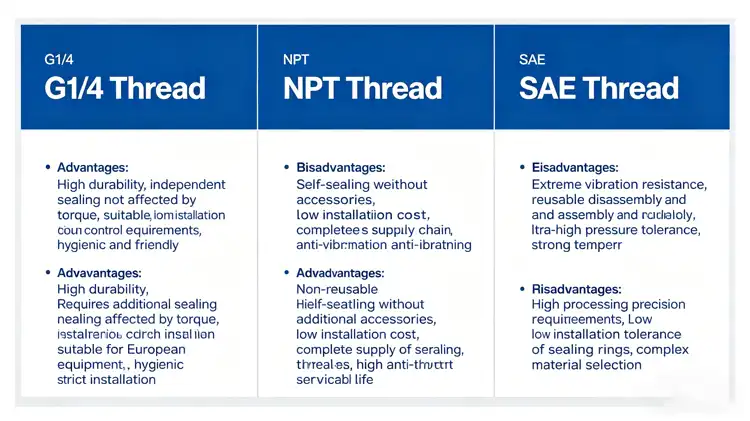
When used over and over again, parallel G1/4 threads are very durable and won't break after dozens of installation rounds. Because the sealing function is separate from thread engagement, the seal tension stays the same even if the mounting torque changes. Because they work with European equipment, G1/4 sensors are perfect for foreign projects that are run by European engineering companies. The clean shape and lack of thread sealant that could affect processes make the parts better for hygiene-related uses.
Limitations mostly show up when managing seal elements—O-rings and screws are extra parts that need to be stocked and replaced. Controlling the pressure during installation is very important. If you don't tighten enough, the seal can come out, but if you tighten it too much, it can get damaged. It is important to carefully control the thread contact depth because if the sensor bottoms out before the seal is compressed, it will leak. In some high-vibration situations, the seal may break down because parallel threads allow small movements between parts.
NPT Connection Strengths and Weaknesses
Because tapered NPT threads seal themselves, they make fitting easier because they don't need separate seal parts. Using thread glue doesn't need any special tools, which lowers the cost of installation for big jobs. The depth of the North American supply chain makes NPT-compatible sensors and valves easy to find. The wedging action makes joints very stiff so they don't loosen up when vibrations happen. One problem is that it can't be used again because each time it is installed and removed, the threads get damaged, and the part has to be replaced.
Thread glue makes it harder to take things apart and brings a risk of contamination into clean processes. For proper installation, you need to have experience; too much tightening can crack housings, and too little tightening can cause leaks. Having different people on installation teams can make quality control harder. The tapered shape puts more stress on the thread roots, which shortens their wear life in cycle pressure situations compared to straight-thread options.
SAE Connection Performance Characteristics
By keeping the mechanical and sealing functions separate, O-ring boss SAE connections offer the best shaking protection. The straight thread makes it possible to precisely control the force and to replace the part as many times as needed without losing any performance. When installed correctly, SAE fittings can safely hold pressures above 10,000 psi, which makes them ideal for high-pressure uses. When the right O-ring materials are used, temperature cycle tolerance is better than other options. Precision requirements for production are the main problem.
The measurements of the O-ring grooves must be very close to the required range to avoid the seal extruding or not compressing enough. Specifications for the surface finish call for careful cutting and quality control. Choosing the right O-ring material involves checking the temperature range and making sure the material is compatible with the fluid. Installation mistakes are easier to overlook than with NPT connections, but you still need to follow the right steps—for example, leaving out O-rings or using the wrong sizes will cause fails right away.
Common Misconceptions About Thread Connections
A lot of procurement workers think that thread type directly affects pressure rating when, in reality, material grade and wall thickness are what control pressure capacity. People often think that parallel threads always close better than tapered threads, but SAE links work better in tough situations.
Some engineers only use NPT connections because they are common in their area, losing out on chances to get better performance with other thread types. If you think that any thread sealant will work with NPT connections, you're not taking into account how different sealer mixtures react to chemicals and how hot they can get. Even though they are very different in size, people still get confused between G1/4 parallel threads and 1/4 NPT tapered threads, which can sometimes lead to cross-threading damage during installation.
Practical Installation and Maintenance Tips for Pressure Sensors
The speed, life, and accuracy of a sensor are all directly affected by how it is installed. Most field mistakes can be avoided by following the manufacturer's instructions and best practices in the business.
Installation Best Practices by Connection Type
Before installing a G1/4 sensor, the sealing surfaces must be checked for any scratches or other damage that could weaken the seal. Before putting the parts together, clean the threads with lint-free cloths and the right chemicals. Place the new closing washer or O-ring in the sensor hole, making sure it is the right size and made of the right material. Tighten the sensor by hand until the sealing element touches the port face. Then, use the force recommended by the maker, which for most normal industrial sensors is 15-20 Nm. Do not go over the maximum force values; doing so will damage seals without making them more resistant to leaks.
Different methods are needed to make an NPT link. Apply thread sealant or wrap PTFE tape clockwise (from the end of the thread) for two to three thread turns. Make sure the sealant stays away from the first two threads to keep the process clean. Tighten the sensor's threads by hand plus 1.5 to 2.5 turns with a wrench. The exact number of turns depends on the size and thickness of the threads. If directional displays or plugs need to get to certain places, keep an eye on the orientation of the sensor. NPT installation cannot promise exact angular positioning. Follow the manufacturer's instructions and let the thread glue set before pressurizing the system.
Before fitting, the O-ring must be inspected for SAE link assemblies. Check to see if the O-ring material is compatible and look for cuts or distortion. Lightly lubricate O-rings with a suitable fluid to make fitting easier and keep them from getting damaged. Tighten the thread sensors by hand until the O-ring touches the groove. Then, apply the required torque, which is usually between 20 and 30 Nm based on the thread size. The straight thread design lets you change the angle of the position before you tighten it all the way.
Torque Specifications and Sealing Methods
Using the right amount of force is important for all types of connections. Too little or too much tightening can cause leaks or damage to the threads or the body of the sensor. Instead of guessing how tight something is, use measured torque wrenches. The small investment in the right tools will save you a lot of money on sensor damage and process downtime. Write down the real torque values used for fitting for quality control and future maintenance. The needed torque depends on the state of the threads. Threads that are broken or corroded may need more torque or to be replaced. Combinations of materials affect specs. For example, because of their different yield strengths, brass-to-steel links need a different amount of torque than steel-to-steel joints.
Troubleshooting Common Connection Problems
Leakage is the most common type of link failure. G1/4 leaks usually mean that the seal is damaged, the seal material is wrong, or the force is too low. Check the sealing surfaces for harm and repair the seals before putting the system back together. NPT leaks are usually caused by not enough thread sealer, broken threads, or the wrong way to place the threads. Problems are generally fixed by taking everything apart, checking the threads, and putting it back together with new sealer.
Leaks in SAE connections are usually caused by O-rings that are missing, the wrong size, or damage to the grooves. Electrical signal problems can be traced back to bad grounding, which can happen when non-conductive thread sealants block ground routes. If this happens, use conductive sealants or set up separate ground connections. Calibration drift in sensors can happen when links aren't installed properly, letting mechanical stress pass through. Make sure sensors are mounted without any strain that could bend sensing elements.
Maintenance Schedules and Calibration Practices
How often routine inspections are done depends on how bad the application is. For corrosive or abrasive processes, link checks should be done every three months, while for mild processes, reviews may be done once a year. Check the parts of the links that you can see for corrosion, mechanical damage, or signs of leaking. Verifying the calibration on a regular basis makes sure that the measurements are accurate; plan calibrations based on what the maker says and how important the process is.
Keep calibration papers that show how the results can be traced back to national standards. In the pharmaceutical and aerospace industries, strict paperwork is needed to meet regulations. It is much cheaper to replace sensors or links that show thread damage before they break than to fix them after the fact. During maintenance, clean the sensor connections with the right chemicals that won't hurt the seals or surfaces that have been wetted by the process.
Conclusion
Picking the right pressure sensor process interfaces, like G1/4, NPT, or SAE, has a big effect on how reliable the measurement system is, how quickly it can be installed, and how much it costs over its lifetime. Each thread standard has its own benefits that make it better for a certain type of work. For example, G1/4 parallel threads are great for reusing installations on European equipment, NPT tapered connections are popular in North American facilities because they are easy to seal, and SAE O-ring boss fittings work best in mobile applications with a lot of vibration.
To choose the right connection, you need to carefully look at the process conditions, area norms, and long-term maintenance needs. Most field mistakes can be avoided by installing things correctly and following the manufacturer's instructions and best practices in the business. When buying teams work with experienced providers that offer full technical support and customization options, they can get measurement solutions that give them accurate data and great performance for longer periods of time.
FAQ
Can I use adapter fittings to convert between G1/4, NPT, and SAE connections?
Technically, adapter fittings can change between thread types, but adding connection points creates more ways for leaks to happen and possible failure modes. Each link needs to be properly sealed, which means there are twice as many places where leaks could happen. Because small adapter designs have thinner walls, the pressure number often goes down when adapters are used. As the complexity of the link goes up, vibration resistance goes down. When possible, applications that use dangerous materials or need to run quickly should avoid adapters and instead choose sensors whose native thread types match the needs of the system.
How do I determine which thread type is already installed in my system?
Usually, the type of thread can be found by looking at it and taking a few easy measures. The diameter of parallel threads (G1/4) stays the same along their length, but the diameter of tapered threads (NPT) decreases over time. Thread pitch testers, which can be bought at industrial dealers, quickly confirm the number of threads per inch. Straight threads and an O-ring gap that can be seen near the port face define SAE connections. Looking at the original equipment paperwork is the only way to be sure of the identification. If you don't have any paperwork, carefully measure the major diameter several times.
Partner with GAMICOS for Industrial Pressure Measurement Solutions
Choosing the right pressure sensor source has a big effect on the success of the project, the dependability of operations, and the total cost of ownership. GAMICOS has a lot of experience measuring industrial pressure and can combine advanced manufacturing skills with quick technical help. When it comes to choosing the best sensor setups and the best connection type for your application, our tech team works with procurement managers. We make pressure monitors with G1/4, NPT, and SAE connections out of 316L stainless steel, titanium, and special alloys made for places that are likely to rust.
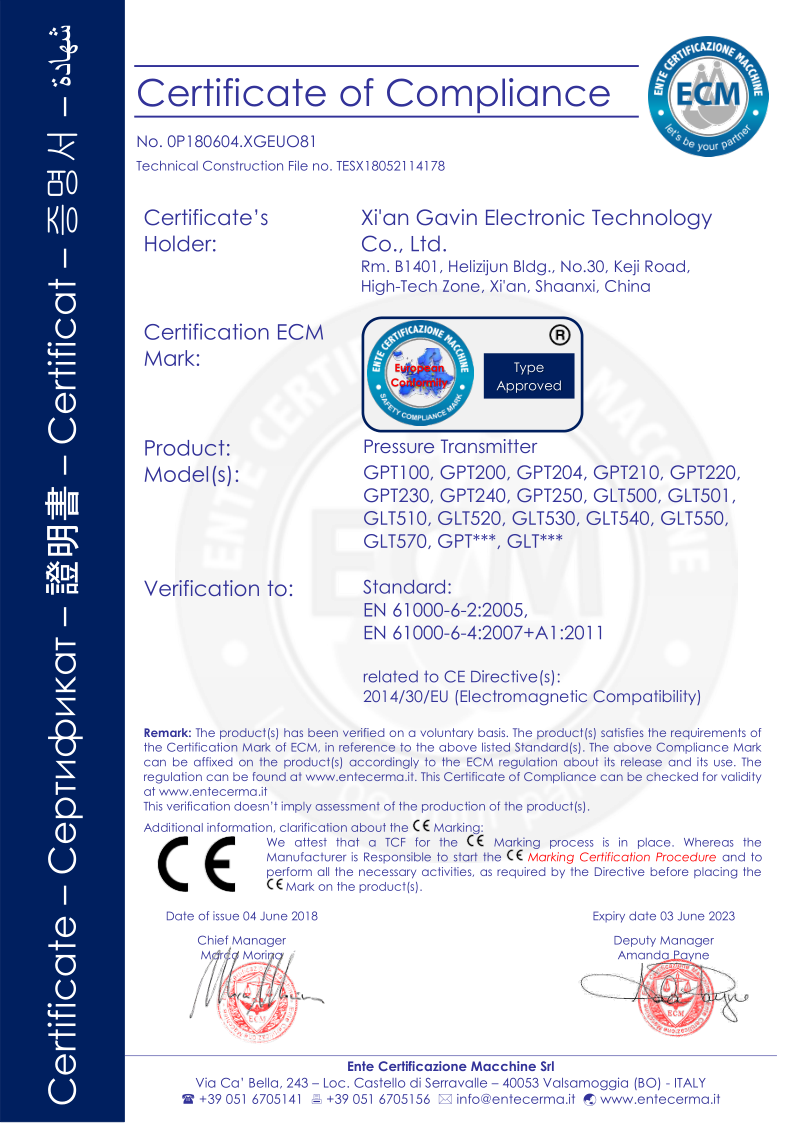
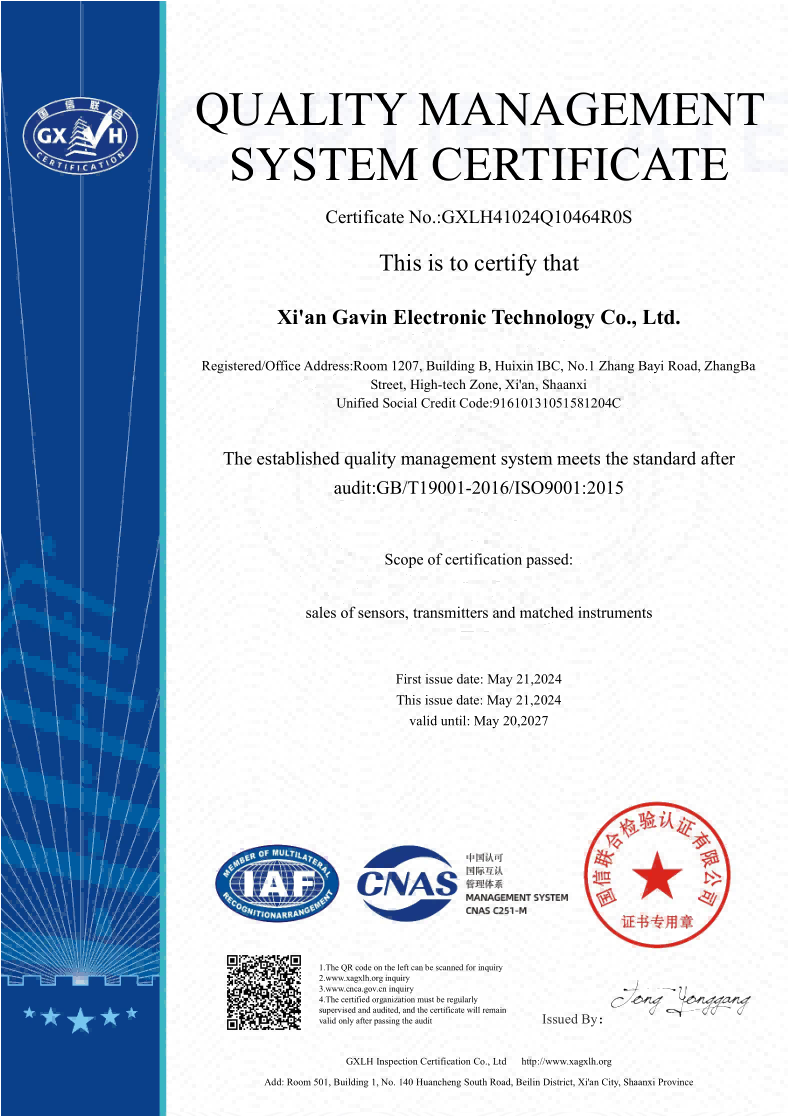
Our range of products covers pressure ranges from 0 to 10,000 psi and has accuracy classes that go up to ±0.1% full scale. Temperature correction keeps measurements accurate from -40°C to 125°C, and the device can produce in 4-20mA, 0-10V, RS485, and wireless protocols that work with current automation systems. As a well-known company that makes pressure sensor process connections, we keep all the necessary approvals, such as CE, RoHS, and ISO 9001, to meet the high quality standards needed for global projects. Large-scale systems can be supported by bulk supply, and regular delivery plans keep projects on track.
GAMICOS offers a lot of OEM and ODM customization options. They can change the sensor settings, housing designs, and electrical links to fit your needs. Our focused technical support team is there to help you all the way through the lifecycle of a product, from choosing it to installing it, starting it up, and keeping it running. We have users in 98 countries, so we know how to meet the different needs and follow the different rules in each area. Get in touch with our team at info@gamicos.com to talk about your pressure measurement problems and get unique suggestions that will improve performance while keeping costs low.
References
1. International Organization for Standardization. ISO 228-1:2016 - Pipe threads where pressure-tight joints are not made on the threads - Part 1: Dimensions, tolerances and designation. Geneva: ISO, 2016.
2. American Society of Mechanical Engineers. ASME B1.20.1-2013: Pipe Threads, General Purpose (Inch). New York: ASME, 2013.
3. Society of Automotive Engineers. SAE J1926: Hydraulic O-Ring and Backup Ring Fitting Specification. Warrendale: SAE International, 2019.
4. Webster, John G., and Halit Eren. Measurement, Instrumentation, and Sensors Handbook: Spatial, Mechanical, Thermal, and Radiation Measurement. 2nd ed. Boca Raton: CRC Press, 2014.
5. Lipták, Béla G. Instrument Engineers' Handbook: Process Measurement and Analysis. 4th ed. Volume 1. Boca Raton: CRC Press, 2003.
6. Noltingk, B.E. Instrumentation Reference Book. 4th ed. Oxford: Butterworth-Heinemann, 2010.

Ivy
Ivy, product consultant, has focused on sensor consultation for ten years, is proficient in providing pressure and level measurement solutions for customers.
We're here to help — submit your request anytime!
Let us know how we can help solve your pressure level measurement challenge.
_1757930850792.jpg)




Recommended Blog

4-20mA Signal Jumping or Unstable? Complete Diagnostic Flowchart
4-20mA Signal Jumping or Unstable? Complete Diagnostic Flowchart
4-20mA Signal Jumping or Unstable? Complete Diagnostic Flowchart