Digital Pressure Sensor Setup: HART, PROFIBUS & Modbus
Understanding Digital Pressure Sensors and Their Operational Principles
- Understanding Digital Pressure Sensors and Their Operational Principles
- Communication Protocols for Digital Pressure Sensors: HART, PROFIBUS & Modbus
- Comparing Digital Pressure Sensors Based on Protocol Compatibility and Performance
- Procurement Insights: Sourcing Reliable Measurement Solutions for Industrial Use
- Best Practices and Calibration Methods for Maintaining Sensor Accuracy
- Conclusion
- FAQ
- Partner with GAMICOS for Reliable Digital Pressure Sensor Solutions
- References
To set up a digital pressure sensor that works with HART, PROFIBUS, or Modbus, you have to make sure that it sends correct pressure data to your control system. With the help of an onboard microprocessor and analog-to-digital converter, these devices turn pressure data into digital information. This allows for two-way contact, remote diagnostics, and higher accuracy. For efficient data transfer across industrial automation networks, you need to choose the right protocol based on your system design, set up device addresses and settings, and make sure you have the right wiring.
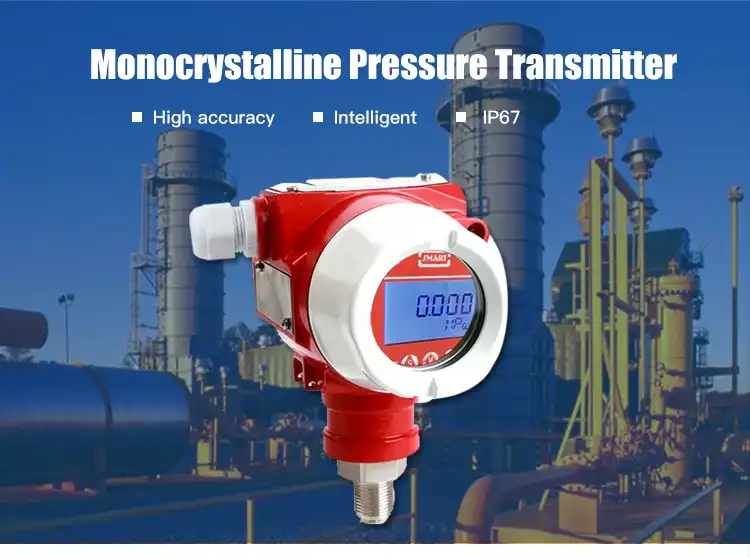
Understanding Digital Pressure Sensors and Their Operational Principles
Gaining knowledge about digital pressure sensors and how they work is essential for modern automation. Precision measurement tools that work consistently even in tough situations are needed for many modern industrial processes. Devices that measure pressure have changed a lot over the years, going from using analog outputs to more advanced digital systems that are very helpful in automation settings.
Core Working Principles of Pressure Measurement Technology
For industrial pressure sensors to work, physical force has to be turned into electrical signs that can be measured. When pressure is put on a detecting element, it changes shape mechanically, which leads to an electrical reaction. Standard analog devices send out steady current or voltage signals that change based on the applied pressure. These signals are usually in the 4-20 mA or 0-10V ranges and can be directly connected to control systems.
Modern measuring tools have microprocessors built in that turn analog data into precise digital values. Analog-to-digital converters take samples of the sensor output and run them through complex methods to turn them into digital data. The microprocessor instantly makes calibration corrections, fixes non-uniform sensor responses, and accounts for changes in temperature. This internal processing makes the accuracy better, hitting ±0.05% of full scale compared to ±0.5% for analog options.
Capacitive and Piezoelectric Sensing Technologies
Pressure sensing uses today are shaped by two main technologies. In capacitive designs, a ceramic diaphragm bends when pressure is put on it. This changes the capacitance between the diaphragm and a set electrode. This change in capacitance directly leads to measures of pressure that are very stable. Ceramic capacitive pressure sensors work especially well in acidic settings where chemical compatibility is important. If they are used correctly, they can keep their calibration accuracy for 10 to 15 years.
When solid materials are put under mechanical stress from changes in pressure, piezoelectric devices make an electric charge. These gadgets react very quickly to changes in pressure, which makes them useful for keeping an eye on sudden changes in pressure in combustion processes or hydraulic systems. Which technology to use relies on the task at hand. Capacitive sensors are good for measurements that don't change quickly, while piezoelectric sensors are better for tracking changing pressure.
Advantages Across Industrial Sectors
There are real benefits to using digital measuring tools that make them worth it in challenging situations. Temperature correction methods keep things accurate over a wide range of temperatures without having to be changed by hand. Self-diagnostic features find sensor faults, wiring problems, or changes in tuning before they affect process control. Configuration freedom lets single sensor types cover a wider range of pressures by changing only the software settings, not the hardware.
Inherently safe designs that stop sparks in dangerous environments are good for oil and gas activities. Pharmaceutical manufacturing relies on clean sensor designs with smooth surfaces that keep things from getting dirty and can handle being sterilized over and over again. Sensors that are cheap and accurate enough for heat control and energy management are used in HVAC systems. Knowing these operating principles helps procurement teams match the powers of sensors to the needs of each application.
Communication Protocols for Digital Pressure Sensors: HART, PROFIBUS & Modbus
A digital pressure sensor can talk to others using HART, PROFIBUS, or Modbus. Standardized communication languages that make sure data sharing is accurate are needed to connect measurement devices to control systems. There are three main methods for industrial automation, and each one has its own benefits for different types of infrastructure needs and upgrades.
HART Protocol: Hybrid Analog-Digital Communication
By adding digital data on top of 4-20 mA analog wire, the Highway Addressable Remote Transducer protocol changed the way industrial instruments were used. With this hybrid method, facilities can improve old systems without having to replace their entire wire networks. Conventional controllers can still get real-time process values from the analog stream, and digital communication lets them make changes to the setup, do diagnostics, and get secondary process variables.
Frequency-shift keying modulates digital data onto the analog current loop at 1200 baud, which is how HART transmission works. In point-to-point mode, one sensor is connected to each pair of wires. In multi-drop mode, multiple sensors share wiring. To set up, you need HART handheld transmitters or PC software tools that can join to the communication loop. Assigning device addresses, setting measurement limits, damping values, and troubleshooting alarms are all part of setup.
PROFIBUS: High-Speed Factory Automation Networks
Process Field Bus technology provides reliable, fast communication that is needed for robotic processes to work together. PROFIBUS-PA (Process Automation) versions are designed to work directly with communication lines and are completely safe for use in process industries. Standard PROFIBUS-DP networks can send data at up to 12 Mbps, which allows reaction times in the milliseconds, which are necessary for closed-loop control.
To set up a network, you need to use rotating switches or software to give each monitor a unique station address between 1 and 126. The master processor periodically asks sensors for measurement data and information about their state. GSD (General Station Description) files are configuration files that describe what a device can do and how its parameters are structured. When set up correctly, PROFIBUS networks can connect up to 32 devices per section, and repeaters can make the entire network reach over 1000 meters.
Modbus: Universal Compatibility Standard
Modbus is still the most popular industrial standard because it is easy to use and has an open definition. Modbus is easy to connect to PLCs, SCADA systems, and custom data acquisition tools. It comes in both RTU (serial) and TCP/IP (Ethernet) models. The protocol uses a master-slave architecture, which means that processors ask sensors for data by pointing to specific register places.
Setting the baud rate (usually 9600 or 19200), parity checking, and slave address are some of the communication factors that are used to configure Modbus devices. Readings of pressure usually go in holding registers that can be accessed through function code 03 (read holding registers). When a petroleum plant uses Modbus sensors in their pipeline tracking systems, they can poll hundreds of measurement points through a single communication interface. This makes collecting data much easier than using individual analog inputs.
Troubleshooting Communication Challenges
Problems with wrong wire polarity, termination resistors, and address conflicts are all common integration issues. Most of the time, HART transmission problems are caused by either too much loop resistance or not enough power source voltage. PROFIBUS networks need to match the resistance of the cables and terminate them correctly at both ends of the network. Modbus timeouts happen when the baud rate or frame coding is wrong. Protocol monitors are used for systematic troubleshooting that finds communication flaws, checks message timing, and makes sure devices respond correctly.
Comparing Digital Pressure Sensors Based on Protocol Compatibility and Performance
To choose the right measuring tools, you have to compare the performance of a digital pressure sensor across a number of factors based on your unique needs. Protocol compatibility, accuracy requirements, and environmental scores all work together to decide if something is ready for industry use.
Accuracy and Sensitivity Considerations
Accuracy of measurements has a direct effect on the quality of process control and the stability of the output. Total error is usually given as a fraction of the measured span in accuracy standards. This includes linearity, hysteresis, and repetition. High-performance receivers can be accurate to within 0.04%, which is good enough for custody transfer tasks where measurement mistakes directly lead to money problems. Standard industrial-grade devices are accurate to within 0.1%, which is good enough for most process control situations.
The smallest change in pressure that a sensor can accurately pick up is called its sensitivity. Applications that need to keep an eye on slow process changes or find small leaks need high sensitivity and low noise. Specifications for temperature coefficients show how accuracy decreases over a range of working temperatures. Active temperature compensation in high-end devices keeps specifications the same from -40°C to 85°C, while cheap choices may change a lot at extreme temperatures.
Protocol Performance Comparison
Different communication standards require different levels of success. The HART protocol doesn't add much to analog systems that are already in place, but it works slowly, which means it's not good for fast control loops that need changes every second. Continuous analog output for control and digital connection for setup make it possible for older facilities to be upgraded in a number of ways.
PROFIBUS provides reliable communication with guaranteed fastest reaction times, which is necessary for multi-axis robotic systems that work together. This speed advantage lets you use complex control methods that you couldn't use with protocols that were slower. PROFIBUS, on the other hand, needs more training than easier options for designing and fixing networks correctly.
Modbus is the most device-compatible because it uses standard register maps to connect sensors from many different makers. Ethernet-based Modbus TCP makes it easy to connect to current IT systems for gathering data across an entire organization. Network checking tools quickly find devices that are joined and check that they can communicate.
Technology Matching for Optimal Performance
Capacitive sensing elements work well with all three methods and are stable and resistant to corrosion, which is important in chemical processing settings. Capacitive designs have a slower response time, but this doesn't usually affect performance because protocol update rates are faster than sensor response speeds. When it comes to dynamic pressure tracking tasks like hydraulic system diagnostics or combustion analysis, piezoelectric devices work well with high-speed PROFIBUS networks.
For small designs, custom OEM applications often use I²C or SPI interfaces to connect pressure measurement devices to microcontroller systems. In high-volume production, these straight digital connections cut down on the number of parts needed and their costs. For industrial uses that need certifications for dangerous areas, HART or PROFIBUS-PA choices are better because they have fundamentally safe approvals that lower the amount of energy that can be used, which stops ignition.
Procurement Insights: Sourcing Reliable Measurement Solutions for Industrial Use
When you buy digital pressure sensor equipment in a smart way, you can balance the original costs with the long-term costs of running it, like the need for calibration, upkeep, and replacement. To do successful buying, you need to know what your suppliers can do, look at the total cost of ownership, and build relationships that will help your business run for a long time.
Evaluating Supplier Capabilities and Certifications
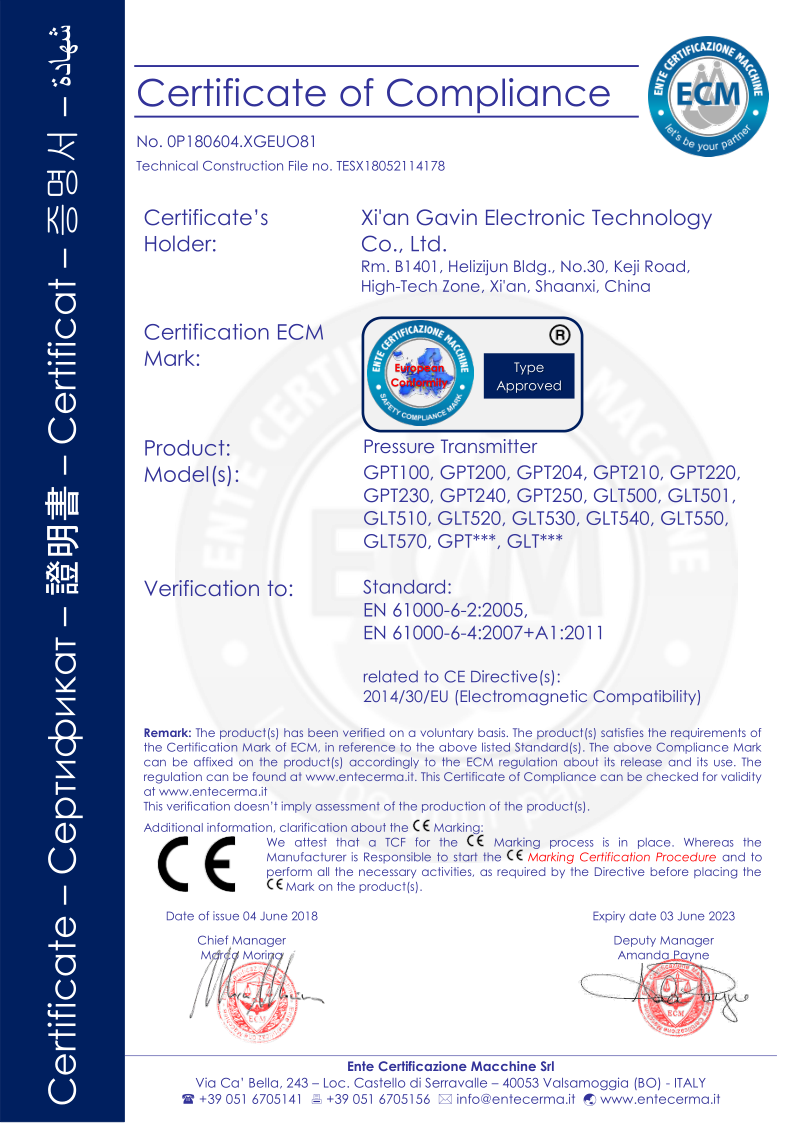
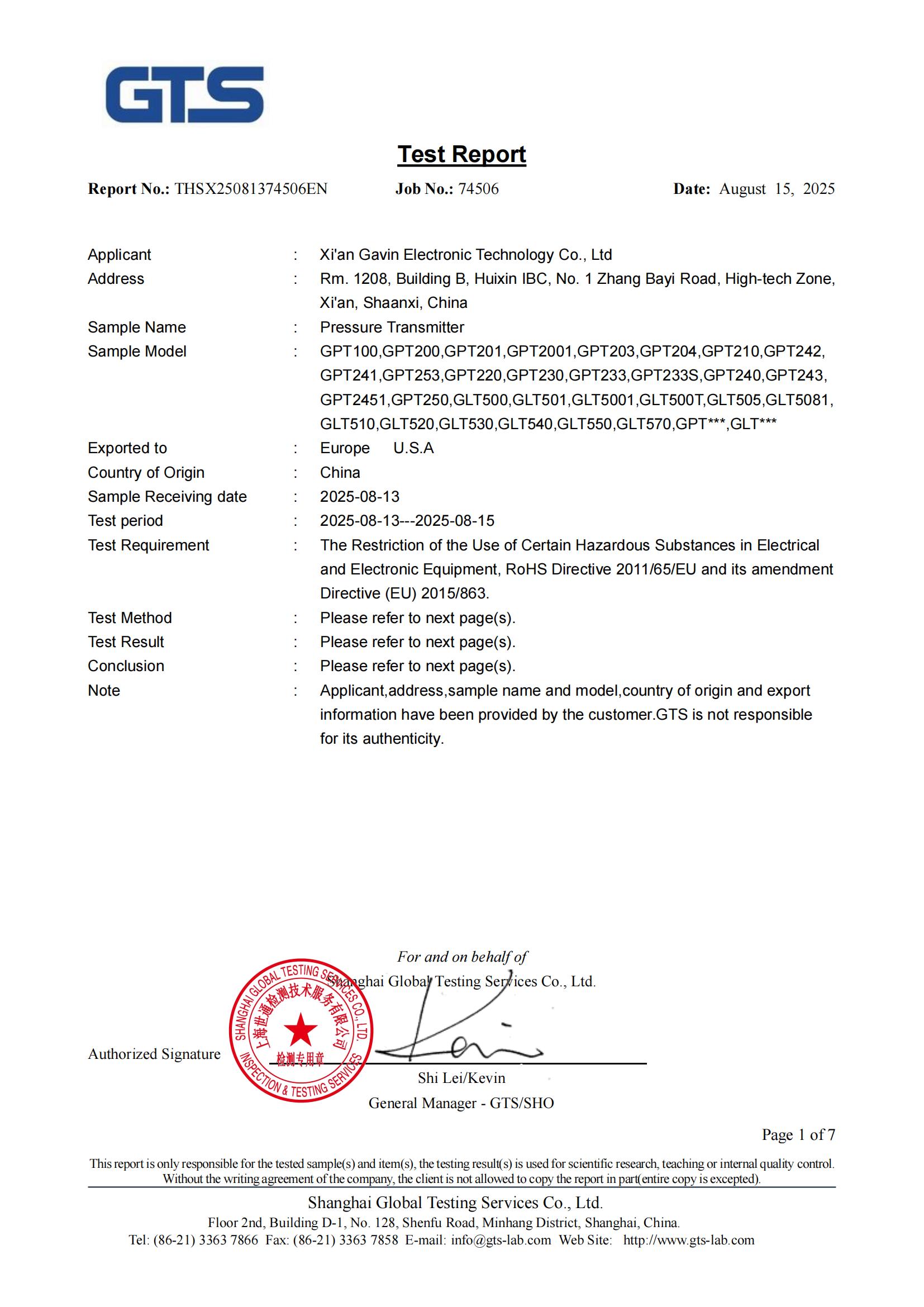
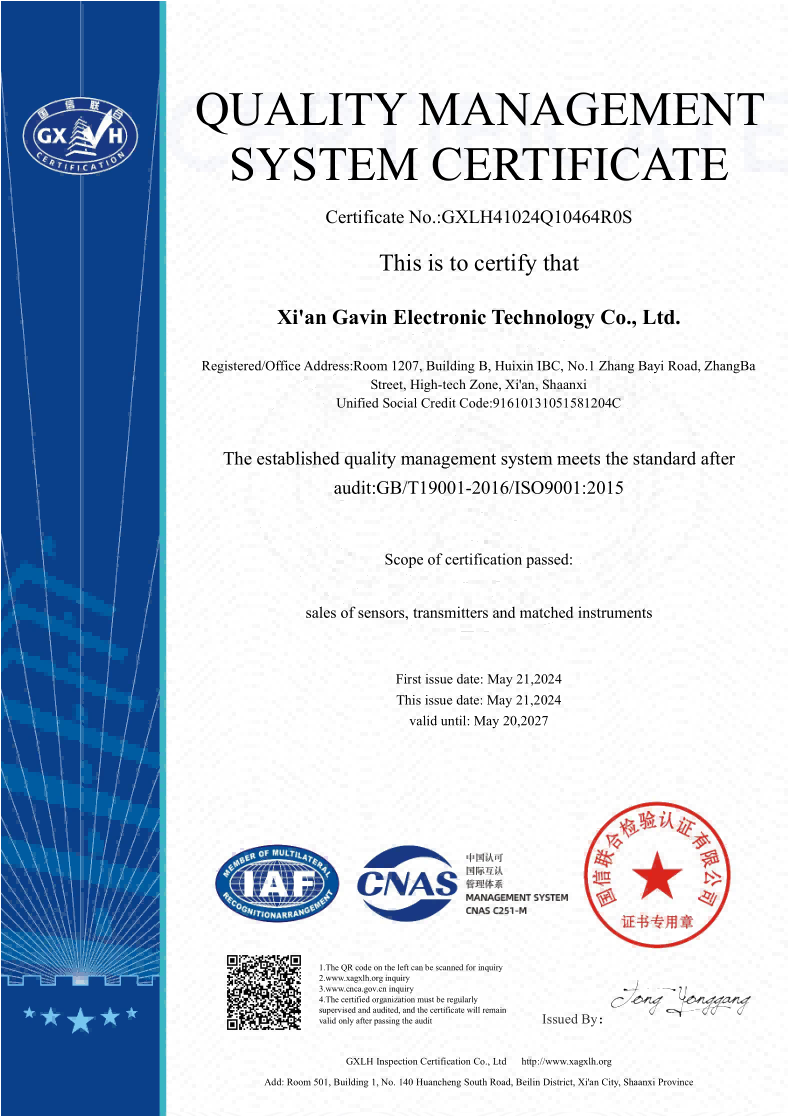
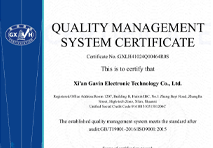
Manufacturers with a good reputation keep quality management systems that are approved to ISO 9001 standards. This makes sure that production methods are always the same and that calibration can be tracked. Certifications that are specific to an industry, like ATEX for dangerous atmospheres or 3-A Sanitary Standards for food preparation, show that the product is safe to use in controlled situations. Products with the CE mark show that they follow European safety rules, which is necessary for sending tools to European markets.
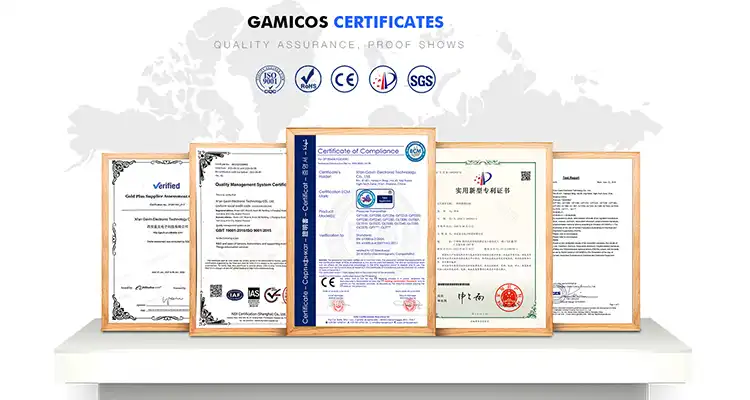
Customization options and shipping times are based on how well a product can be manufactured. Standard stock items from well-known sources usually come with short lead times, and they also offer engineering services for custom designs. OEM partnerships make it possible to make sensor housings, electrical connections, and pressure ranges that are tuned to fit the needs of particular equipment. Companies that sell to customers all over the world keep area distribution networks that cut down on shipping costs and the complexity of imports.
Pricing Structures and Negotiation Strategies
The unit price changes a lot depending on the accuracy class, the type of material used, and the protocol choices. Budget devices that can be used for non-critical tracking start at about $50 to $100, while high-precision transmitters used for custody transfers cost more than $1000. Most of the time, volume agreements lead to 15–30% discounts compared to single-unit prices. This makes consolidating purchases more cost-effective.
The total cost study takes into account the need for calibration, the supply of extra parts, and the expected length of service. Premium sensors that cost more at first often have lower lifetime costs because they need to be calibrated less often and are more reliable. By asking for full specification sheets, you can compare the accuracy stability, temperature effects, and long-term drift characteristics that affect upkeep costs in an unbiased way.
Building Strategic Supply Partnerships
Long-term ties with suppliers are valuable for more than just one purchase. Technical support teams help choose the right sensors, guide installation, and fix issues so that expensive downtime doesn't happen. After-sales support, such as fix options, software updates, and calibration services, keep measurements accurate over the lifecycles of devices.
GAMICOS is a good example of a supplier with a wide range of skills because its R&D, manufacturing, and expert support processes are all merged into one. Our tech team works directly with customers to understand the problems they're having with a certain product and suggest the best ways to measure them. We have helped clients in 98 different countries, so we know how to handle foreign business, customs paperwork, and following the rules. OEM/ODM services are flexible enough to meet specific needs for sensor ranges, electrical links, and communication methods, so they can be easily built into customer equipment designs.
Best Practices and Calibration Methods for Maintaining Sensor Accuracy
To keep measuring accurately, you need to do regular upkeep and check your results for a digital pressure sensor against reference standards. Measurement drift can't hurt process control or product quality if calibration management is done ahead of time.
Establishing Calibration Schedules
How often you need to calibrate depends on how important the application is, how bad the working environment is, and what the rules say. Measurements of custody transfers may need to be checked every month, but tracking that isn't important can be checked once a year. Harsh settings with high or low temperatures, shaking, or corrosive contact make drift faster, so checks need to be done more often.
Through approved reference tools, documentation practices set up chains of traceability that connect measurements made in the field to national standards. Calibration papers keep track of real measurement mistakes at several pressure points, which lets you look at drift trends statistically. By keeping track of past performance data, you can find items that need to be checked more often or replaced before they break.
Calibration Procedures and Equipment
Standard methods for calibrating sensors compare their results to precise pressure sources that can be tracked back to national measurement centers. When known masses work on measured piston areas, dead-weight testers make reference pressures. They can get reading errors below 0.01%. Digital pressure controls offer automated calibration routines that test many pressure spots quickly.
To calibrate a sensor, known pressures are applied across its measurement range, and the visible numbers are compared to reference standards. Modern transmitters that communicate via HART or PROFIBUS allow zero and span changes to be made from a distance, without having to physically reach the device. At room pressure, zero trim fixes offset mistakes, and span adjustment fits the full-scale output to the standard pressure that is being applied.
Leveraging Diagnostic Capabilities
Modern measuring tools have self-diagnostic features that check the health of sensors all the time. Failures of temperature sensors, memory, or analog circuits set off alarms that can be seen through protocol communication. By keeping an eye on diagnostic factors, you can spot problems early on, before they get bad enough to affect the accuracy of your measurements.
The HART protocol lets you read secondary process factors like the temperature of the sensors, the source voltage, and the internal diagnostic counters. Standardized diagnostic messages let PROFIBUS devices tell you a lot about their state. The health factors of a device are stored in Modbus files and can be accessed through regular polling. Adding these diagnostic signs to preventive maintenance plans lowers the chance of breakdowns that come up out of the blue and makes the best use of calibration resources.
Conclusion
For digital pressure sensor measurement systems to work well, the sensors' skills need to be matched to the needs of the application. This can only be done by carefully looking at the accuracy needs, the surroundings, and the communication infrastructure. The HART standard lets you easily and cheaply improve analog systems that are already in place, while PROFIBUS and Modbus give you a variety of ways to connect new systems. Reliable process control depends on knowing how things work and making sure measurements are accurate by using regular testing procedures. Strategic relationships with suppliers offer technical know-how and quick help that boosts the value of equipment over longer lifespans.
FAQ
What are the main differences between HART, PROFIBUS, and Modbus protocols?
HART uses the same wires to send both standard 4-20 mA analog signals and digital data, making it easy to add to systems that are already in place. PROFIBUS is a type of high-speed, deterministic communication that is built for complicated automation that needs control loops that work together. Modbus is the easiest to set up and works with a wide range of makers' products and types of equipment. It comes in both serial and Ethernet forms.
How does protocol selection affect sensor accuracy?
The communication protocol doesn't have a direct effect on how accurately a digital pressure sensor measures things; that relies on the quality of the sensing element and the electronics that handle the signals. But procedures change how diagnostic information is viewed and how calibration parameters are set up. Advanced methods allow for changes to be made to the calibration from afar and thorough health tracking, which helps keep the accuracy over time through preventative maintenance.
Can sensors communicate using multiple protocols simultaneously?
Some more advanced transmitters can work with more than one system, so they can handle both HART and either PROFIBUS or Modbus by changing the settings. This adaptability lets you move systems or work in settings with a mix of protocols. However, sensors usually only talk to each other through one active protocol at a time. This protocol is chosen during original setup to fit the architecture of the control system.
Partner with GAMICOS for Reliable Digital Pressure Sensor Solutions
GAMICOS's wide range of digital pressure sensor solutions can be used in a wide range of industrial settings that need accurate measurements and reliable performance. Our engineering team has a lot of experience with applications in the oil and gas, chemical processing, pharmaceutical manufacturing, and food production industries. They know how to deal with the unique problems that each one brings. Pressure sensors that work with HART, PROFIBUS, and Modbus protocols are available from us. The accuracy levels range from normal industrial grade to premium custody transfer quality.
In addition to standard stock items, GAMICOS offers full OEM and ODM customization services that include changing sensor ranges, electrical links, housing materials, and ways to communicate. Because of this, it is easy to incorporate into the plans of customer devices without any problems. Our quality assurance systems make sure that strict manufacturing controls are followed, and these controls are checked by independent certifications to make sure that every batch of products performs the same way.
As a known digital pressure sensor maker with customers in North America, Europe, and the Asia-Pacific area, we know what it takes to do business internationally and offer quick expert support for the whole lifetime of our products. Email our team at info@gamicos.com to talk about your unique measurement needs, get detailed datasheets, or set up sample evaluation units that show how committed we are to providing the best measurements possible.
References
1. Liptak, B. G. (2018). Instrument Engineers' Handbook: Process Measurement and Analysis (5th ed.). CRC Press.
2. Nachtigal, C. L. (2019). Instrumentation and Control: Fundamentals and Applications. Wiley Engineering.
3. Park, J. & Mackay, S. (2020). Practical Industrial Data Communications: Best Practice Techniques. Elsevier Scientific.
4. Morris, A. S. & Langari, R. (2021). Measurement and Instrumentation: Theory and Application (3rd ed.). Academic Press.
5. Johnson, C. D. (2017). Process Control Instrumentation Technology (8th ed.). Pearson Education.
6. Bent, R. & Paquet, J. (2019). Industrial Pressure Measurement: Theory and Practice. Automation Technical Publishers.

Peter
Peter, Senior Sensor Technology Consultant, has 15-year industrial sensor R&D experience. He specializes in the end-to-end development of high-accuracy pressure and level sensors and he firmly believe, precision isn’t just a spec—it’s a promise.
We're here to help — submit your request anytime!
Let us know how we can help solve your pressure level measurement challenge.
_1757930850792.jpg)
Recommended Blog
Differential vs. Absolute Pressure Sensors: Key Differences
Differential vs. Absolute Pressure Sensors: Key Differences
Differential vs. Absolute Pressure Sensors: Key Differences

Redundant Pressure Monitoring in Natural Gas Regulation
Redundant Pressure Monitoring in Natural Gas Regulation
Redundant Pressure Monitoring in Natural Gas Regulation