How to Install a Pressure Transmitter: 7 Best Practices
Prepare for Installation: Tools, Environment, and Safety Precautions
- Prepare for Installation: Tools, Environment, and Safety Precautions
- Positioning and Mounting: Ensuring Accurate Pressure Readings
- Wiring and Connection: Comprehensive Installation Instructions
- Calibration and Verification: Guaranteeing Measurement Accuracy
- Avoiding Common Mistakes: Best Practices and Troubleshooting
- Cost and Procurement Considerations for Installation Projects
- Maintenance and Long-Term Performance Optimization
- Conclusion
- FAQ
- Partner with GAMICOS for Expert Pressure Transmitter Solutions
- References
It is important to place a pressure transmitter correctly so that industry data are reliable and correct. There is more to pressure transmitter installation than just putting it in place. To do it safely, you must always follow safety rules and make sure you have the right tools and wires. When done right, this process keeps data safe, cuts down on downtime, and makes tools last longer. We have seen over the years that even small mistakes during installation can have big effects on how the system works, ranging from measurement shift to system failures. This article tells you seven top tips that will help you stay away from these issues and achieve the best outcomes in the oil and gas, chemicals, food and beverage, medicines, and energy fields.

Prepare for Installation: Tools, Environment, and Safety Precautions
The first thing that needs to be done for a good pressure transmitter installation is getting ready. You need to make sure you have the right tools and know what the area is like before you start any setting.
Essential Tools and Accessories
When you have the right tools on hand, the repair goes faster and doesn't take too long. A wrench, a screwdriver, or a torque wrench are all easy tools that you'll need to fix hardware. They usually come with covers, covering tape, and fittings that are made to fit the type of process link on your emitter. Cable ties, cable clamps, and pipe fittings can all be used to keep lines in order. They need to fit the type of radio and the place where it will be put in well. These parts are guaranteed to work with other parts and come from sellers you can trust. This makes spills and technical problems less likely.
Environmental Considerations
The environment has a direct impact on how well and how long a transmitter works. This is important to know because extreme temperatures can change how well sensors work and how stable devices are. For places with a lot of water or corrosion, transmitters need to have the right entry security levels. These grades are usually IP65 or better for places outside. Mounts that reduce vibration are often needed because data can be thrown off by tools nearby. It needs secure cases or carefully coated housings to keep out dust, particles, and chemicals so that it stays clean over time.
Safety Protocols and Compliance
Safety must not be compromised during pressure transmitter installation. Putting on gloves, safety glasses, and tools with covers is a good way to keep yourself safe from electric shocks and other harm. When you work in Zone 1, Zone 2, Division 1, or Division 2 dangerous places, you need to have an ATEX, IECEx, or FM license. Before you link any electrical lines, make sure they are off. Also, use lockout/tagout procedures to make sure the power doesn't get turned back on by accident. You are less likely to get an electric shock and your electronics will be safe from static electricity and lightning strikes if you properly ground them.
Positioning and Mounting: Ensuring Accurate Pressure Readings
How well the device is mounted and put affects both how accurate the numbers are and how easy it will be to maintain in the future for a successful pressure transmitter installation.
Optimal Transmitter Placement
How good the data is will depend on where the emitter is put in relation to the line of work. If you put receivers near things that stir things up, like bends, valves, or pumps, the pressure will change, and the numbers will be off. At least five different sizes of pipes run straight up and down the flow path to help keep it stable. Extreme temperatures near heating or cooling systems can make sensors not work as well, so it's important to keep the temperature and humidity in the range suggested by the emitter. When deciding where to put something, techs should think about how easy it is for them to get to it without having to climb stairs or go into a small space.
Mounting Methods Comparison
Each way of fastening has its own perks that depend on the case. Because of its large size and high pressure, flange fitting is a safe and leak-tight link, but it needs careful bolt force management and seal choice. They are cheap for smaller lines and lower pressures and are easy to use, but they can leak if they are not properly sealed with tape or thread sealer. When you join the emitter directly to a process tank or manifold, this is called direct installation. This makes the fitting easier and gets rid of any places where water could leak. You need to use certain tools and follow the power rules that the maker gives you for each way.
Fluid Media Considerations
The process fluid tells the fitting which way to face and how to be set up. In liquid uses, put the emitter below or at the same level as the process tap to keep the detecting element wet and avoid vapor pockets. Gas readings normally need receivers that are put on top of the tap. This keeps condensation from building up in the sensing chamber. For toxic or thick fluids, diaphragm or remote seals may be needed to keep the sensor from touching the medium directly while still letting pressure pass through a fill fluid. Flows with a lot of bits need separation valves that are cleaned often so they don't get stuck and lose their accuracy.
Wiring and Connection: Comprehensive Installation Instructions
For the emitter to work and for it to communicate well with the control system, it needs power links that you can count on during pressure transmitter installation.
Step-by-Step Wiring Guide
Before you can wire something correctly, you need to know about the different kinds of signs and what they need. A lot of industrial pressure monitors send out 4-20 mA analog signals. Depending on how the power is set up, these signals need either two or three wire connections. Color codes vary from place to place, but in most places, red means "yes," black or blue means "no," and green or yellow-green means "ground." Shielded wires don't let noise from motors, drives, and high-voltage lines into them. When you ground only one end of the shield, normally the end that links to the control system, noise-making ground loops are stopped. When you choose wires, you should think about the installation site's temperature range, chemical protection, and need for mechanical safety.
Wired Versus Wireless Configurations
They've been used for a long time because they accurately and quickly send data, which makes them good for control loops that are very important. You can use wireless pressure sensors that work with protocols like LoRa, GPRS, NB-IoT, or 4G in places that are hard to get to or in country areas where it would be too expensive to run wires. When you set up something wirelessly, you don't have to pay for everything, but you do have to keep an eye on the battery life, signal strength, and how often data is sent. These methods use both wired neighborhood networks and wireless long-distance contact to get the best mix of dependability and cost-effectiveness.

Interface Compatibility and Initial Calibration
Before you start integrating, make sure that your emitter and control system can talk to each other. These days, receivers can connect to a lot of different types of networks, including Foundation Fieldbus, HART, Modbus, and Profibus. Each has its own rules for how to set it up and wire it. Make sure your PLC or DCS can connect to the interface and map settings by reading the directions that came with it. Before the first test, the wiring is checked to make sure that the links are good and that the emitter can work with the other parts correctly. Changes may need to be made to zero and spread in order for the radio output to match the control system's expected input range. This will give us a good starting point for measuring.
Calibration and Verification: Guaranteeing Measurement Accuracy
During calibration, the information from the source is matched with how the process really works. This makes sure that the data is right for as long as the equipment is used following pressure transmitter installation.
Zero and Span Adjustments
If the fixing position, room temperature, or static pressure change, installation can change the zero and spread settings. The zero setting makes the transmitter's output match the lower range number when there is no difference pressure. Span change makes the output as high as it can go when the whole thing is pushed to its limits. Because these changes take into account problems with the way the parts were made and how they were installed, the readings are still accurate within the limits that were set. Software-based changes are often easier to make through mobile communication or control system interfaces than changes made with a traditional potentiometer. This helps with the tuning process.
Calibration Techniques and Equipment
One way to calibrate pressure sensors is better in some cases than another, and each one gives you a different amount of accuracy. Built-in pumps and high-precision sensors in pressure calibrators make it possible to get exact reference pressures. They are small, light, and simple to use for field testing. Deadweight tests give the most exact results because they use known forces on masses that have been tested. Because of this, they are great for use in labs and other important places. Pressure models send out electrical messages that look like what receivers send out. This lets the control system's interaction be checked without putting any real pressure on it. When it comes to quality control and following the rules, it's important to keep track of testing data like the date, the expert, the tools used, and the numbers that were found and left.
Troubleshooting Drift and Errors
Devices slowly lose their measurements as they age or are stressed by their surroundings. By regularly comparing to known standards, you can find drift before it gets in the way of process control. People often mess up their calibration by using the wrong pressure units, switching the zero and span numbers, or failing to notice how the temperature in the area affects the reading. Separate tools should be used to compare the real pressure to the number shown. This is the first step in troubleshooting. These gaps might need to be fixed or the monitors might need to be changed if they are too big. If you know what causes drift, like diaphragm wear, computer parts getting old, or process contamination, you can make preventative maintenance plans that make it possible to go longer between calibrations and have less unplanned downtime.
Avoiding Common Mistakes: Best Practices and Troubleshooting
Avoiding mistakes during pressure transmitter installation saves the accuracy of readings and keeps activities from being stopped, which can cost a lot of money.
Frequent Installation Pitfalls
A lot of people make the mistake of putting in an emitter in the wrong way. If you put a liquid-service emitter on top of the process link, air bubbles may form in the sensor chamber. This can cause the data to be wrong. Wiring mistakes like polarity being switched around, bad grounding, or not enough wire insulation can cause signal noise and measurement error. When process links aren't protected properly, leaks, safety threats, and damage to the environment can happen. When corrections for changes in the atmosphere's temperature are not used, seasonal measurement shift can happen. If impulse lines are put wrong, like if they are too long, have the wrong slope, or don't have separation valves, they can slow down or mess up measurements.
Manufacturer Guidelines and Professional Services
Following the maker's instructions for installation will get the best results and protect your guarantee. The best brands come with a lot of information that includes mounting pressure specs, electrical connection diagrams, and step-by-step directions on how to set up each transmitter model. Hiring professional installation services lowers risk when people don't know enough about how to install apps or when the apps are very difficult. These professionals have worked in a lot of different types of workplaces and can spot issues before they slow down work. Complete installation plans make sure that every step is checked in a planned way, from shipping to final tuning. This lowers the chance of making a mistake.
Troubleshooting Common Issues
There needs to be a systematic study of a project to find out what's wrong with it. Most of the time, bad wiring, links that are too loose, or not enough energy from the power source are to blame for signal loss. Noise interference generally looks like numbers that go up and down. It is caused by problems with the ground or electromagnetic interference from equipment nearby. Bad calibration, changes in the process, or broken sensors can all cause results that aren't right. When you can't fix a problem on your own, sending it to a technology expert gives you access to diagnostic tools and their experience. Keeping full installation records, which include standard data and setup information, makes it easier to figure out what's wrong.
Cost and Procurement Considerations for Installation Projects
It saves money on both capital and running costs to find the best mix between the cost of the pressure transmitter installation method and the budget.
Mounting and Configuration Cost Comparisons
For flange installation, you need special fittings, seals, and bolt gear, so it costs more up front. But it works better in high-pressure cases where leaks are a problem. Because they need less money and work to set up, threaded connections are good for low-pressure systems and projects that need to stay within a budget. For wired systems, you need cable, ducts, and people to put the lines in the right places and connect them. Costs rise straight up with distance. There are no costs for wires with a wireless setup, but there are costs for things like new batteries, cell phone internet plans, and gateway infrastructure. Installing, setting up, maintaining, and replacing something all add to the total cost of ownership. This gives a more complete picture of a business's resources than just looking at capital spending.
Value of Premium Installation Components
It's worth the money to buy tools that fit well because they last longer and cost less in the long run. The torque specs of high-quality fastening gear don't change over time, so there aren't any leaks that need to be fixed right away or production has to stop. Cables that are better protected can handle pressure from the outside, so they last longer and don't need to be changed as often. No leaks happen because of precise seals and valves. This saves people, equipment, and the environment and cuts down on product loss. It may have cost more at first than cheaper choices, but the higher reliability and longer life span lower the total cost of ownership, which lets the business stay open.
Supplier Selection and Support
You can get tried-and-true goods and expert know-how from sellers with a good reputation, which makes buying and installing go more quickly. Companies that are known all over the world for their pressure measurement tools provide full support, including clear installation directions, setup tools, and quick help from experts. Customized solutions are made to fit the needs of an application. For example, rare materials can be used for jobs that need to be done in acidic environments, at higher temperatures, or with multiple communication methods. It's easier to get ongoing support, like extra parts, testing services, and application advice, from sources you can trust. This will help the system work better for as long as it does.
Maintenance and Long-Term Performance Optimization
Taking care of your machine on a regular basis will help you get the most out of it and keep your readings correct after pressure transmitter installation.
Periodic Inspection and Recalibration Scheduling
Setting up regular repair plans keeps the accuracy of measurements high and stops breakdowns from happening out of the blue. Checks that you can see find damage, rust, or leaks early on, before they get worse and cause big issues. The calibration is checked on a regular basis, once a year for normal uses and more often for important ones. This checks for sensor drift and shows that the accuracy is still there. Wear and tear is sped up by things like movements, changing temperatures, and chemical touch, so they need to be checked on more often. By writing down what was found during checks and calibrations, you can see trends in the past, plan maintenance, and show that you are following the rules.
Predictive Maintenance Technologies
Modern pressure monitors have advanced monitoring features that let repairs be planned ahead of time, which cuts down on unplanned downtime. Self-diagnostics that run all the time check the electrical system, the health of the sensors, and any line blockages in the process. This lets workers know about issues as they come up, before they slow down work. Data analytics platforms aggregate transmitter diagnostics with process data to identify patterns indicative of impending failure, allowing maintenance to be scheduled during planned outages rather than forcing emergency shutdowns. Remote monitoring through wireless communication or plant networks provides real-time visibility into transmitter status across distributed facilities, centralizing maintenance management and reducing site visits.
Continuous Improvement Strategies
To be successful in the long run, you need to learn from your mistakes and make small changes over time. When you look at old failure data, you can see that common types of failure can be fixed by changing parts, using better fitting methods, or adding more safety features. It is easier to keep older radios in good shape and the readings are more accurate when you replace them with new ones that have better diagnosis, digital communication, or longer calibration intervals. You can find ways to make things last longer and the system work better generally by changing how things are installed, how often they are calibrated, or the conditions of the process. The production and service teams can help you with this.
Conclusion
It's important to plan ahead, follow best practices, and commit to regular maintenance for pressure transmitter installation to go easily. Careful planning, smart placement, strong wiring, correct calibration, not making mistakes, buying things that are a good deal, and regular maintenance are the seven things that are listed. They all work together to make sure that measurements are correct and reliable, which helps keep industrial processes safe and running smoothly. When you put something, paying close attention to the little things will keep mistakes from costing you a lot of money and set the stage for long-term success. Procurement managers, engineering teams, and support staff in many different industry sectors can use these rules as a guide to make sure that new equipment is put into use, old systems are upgraded, and practical problems are fixed.
FAQ
What are the most critical factors for successful pressure transmitter installation?
It's very important to check the area properly, put the device in the right place in relation to the process medium, make sure the electrical connections are safe and properly grounded, and carefully check the calibration. Both following safety rules in dangerous places and the maker's directions are important for a successful pressure transmitter installation to make sure that numbers are correct and tools don't break.
How often should pressure transmitters be recalibrated after installation?
How often you need to readjust depends on how important the application is, where you are, and the rules set by the government. Most of the time, accuracy needs to be checked once a year for standard industry uses. But every three to six months, you might need to check on important safety systems or places that change a lot. Modern receivers can go back 18 to 24 months when conditions are calm thanks to long-term stability guidelines.
Can wireless pressure transmitters match the reliability of wired installations?
These days, compact pressure sensors work great for tracking and control loops that aren't very important. For control applications that need to work right away, wired connections are still better. However, wireless technologies have come a long way and now work well for asset management, remote tracking, and other tasks where installing wires would be too hard or cost too much. It's important to think about battery life and signal range when making a system.
Partner with GAMICOS for Expert Pressure Transmitter Solutions
The first steps to a good pressure transmitter installation are picking out the right tools and getting help right away. GAMICOS creates precise pressure monitors, level makers, and wireless measuring tools that are made to work in harsh industrial settings. The businesses that our engineers know a lot about are oil and gas, food and drink, pharmaceuticals, chemicals, and energy. They can give you OEM and ODM options that are made just for you.
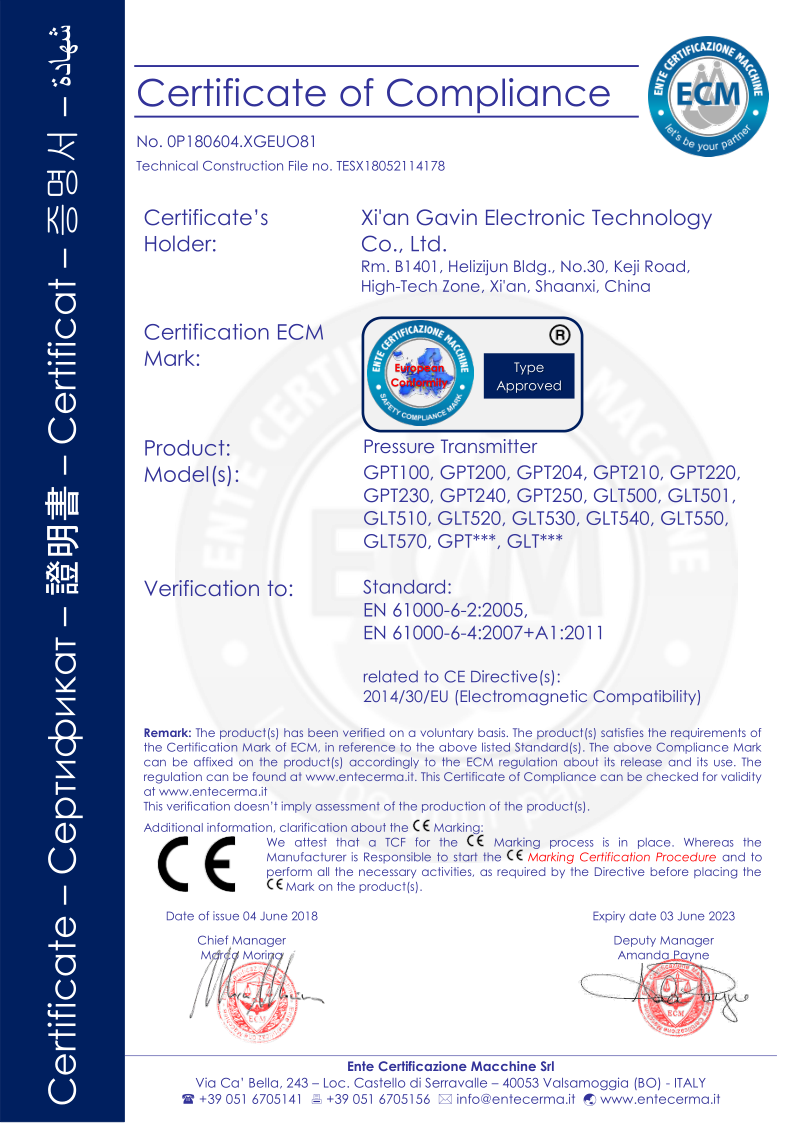
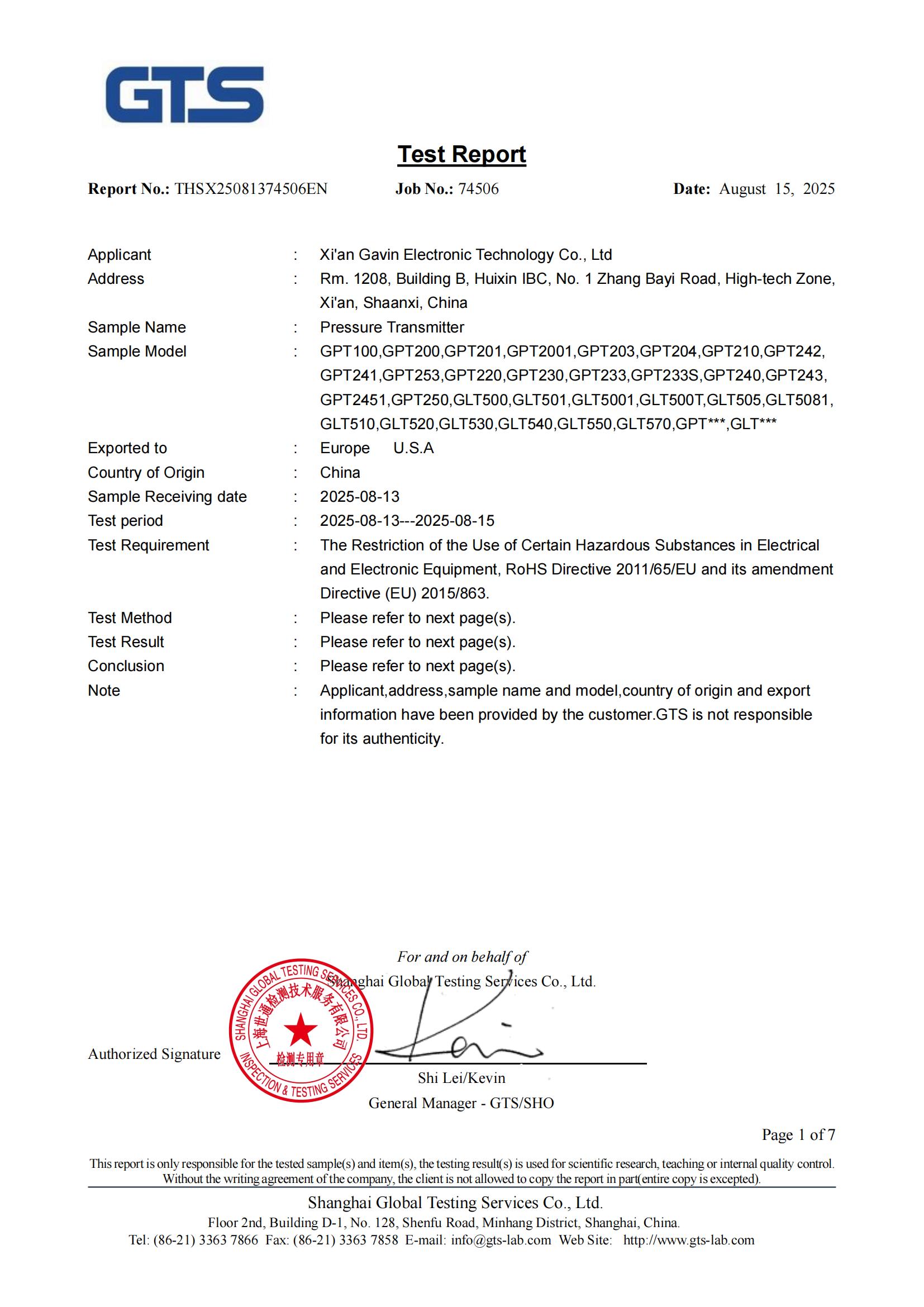
To make sure setups go smoothly, we give you full technical paperwork, help with setting up systems, and quick, friendly service after the sale to make sure your systems keep running smoothly. When it comes to procurement managers, we know what they're going through because we are a trustworthy company with customers in over 100 countries. We offer high-quality goods with certifications that ensure performance and compliance. Get in touch with us at info@gamicos.com to talk about how you want to measure pressure and how our products can help you finish your work jobs faster and for less money overall.
References
1. Johnson, M. R., & Peterson, K. L. (2021). Industrial Pressure Measurement: Installation and Best Practices. Technical Publishing International.
2. Zhang, W., & Anderson, T. (2020). Process Instrumentation Calibration Standards and Procedures. Industrial Automation Press.
3. Roberts, D. J. (2022). Electrical Installation Guidelines for Process Instruments in Hazardous Areas. Safety Compliance Publications.
4. Chen, H., & Williams, S. (2019). Predictive Maintenance Strategies for Pressure Measurement Systems. Process Control Engineering Journal, 45(3), 112-128.
5. Martinez, L. A. (2023). Total Cost of Ownership Analysis for Industrial Instrumentation. Procurement and Supply Chain Management Quarterly, 18(2), 67-83.
6. Thompson, R., & Kumar, A. (2020). Wireless Sensor Networks in Industrial Process Control. Automation Technology Review, 34(4), 201-219.

Ivy
Ivy, product consultant, has focused on sensor consultation for ten years, is proficient in providing pressure and level measurement solutions for customers.
We're here to help — submit your request anytime!
Let us know how we can help solve your pressure level measurement challenge.
_1757930850792.jpg)


Recommended Blog
Nuclear-Grade Pressure Transmitters in Reactor Coolant Monitoring

Particles Clogging Pressure Ports? Filtration & Protection Solutions