Wrong Pressure Range Selected? How to Choose & Replace Correctly
Understanding the Problem of Wrong Pressure Range Selection
- Understanding the Problem of Wrong Pressure Range Selection
- Key Principles for Selecting the Correct Pressure Sensor Range
- Step-by-Step Guide to Correct Pressure Sensor Range Selection
- How to Replace Pressure Sensors with the Correct Range?
- Choosing a Trusted Pressure Sensor Range Supplier
- Conclusion
- FAQ
- Partner with GAMICOS for Expert Pressure Sensor Range Selection
- References
Picking the right pressure sensor range is a key part of getting accurate readings in industrial automation systems. The incorrect pressure sensor range selection can lead to inaccurate data, unsafe equipment, and process interruptions in the industrial, chemical, pharmaceutical, and oil and gas industries. A lot of engineers and buying managers have trouble finding sensors that don't work together until they break.

By learning how to spot range mismatch, make the right choice, and use effective repair methods, you can protect your investment and keep operations running smoothly. This guide gives useful information for B2B buying teams, project managers, and R&D professionals who want to make sure their pressure measurement equipment is accurate and reliable.
Understanding the Problem of Wrong Pressure Range Selection
Why Incorrect Pressure Range Matters?
Picking the wrong measurement range has a direct effect on how well the sensor works and how long it lasts. Sensors made for 0–100 psi can't accurately measure systems that are working at 500 psi, and sensors made for 0–1000 psi lose their accuracy when they have to track changes of 10 psi. Studies on industrial automation show that incorrect range definition is the cause of about 40% of premature sensor failures.
This mismatch happens when buying teams rely on system paperwork that isn't full or don't take into account changes in pressure during starting, shutdown, or valve operations. In addition to measurement mistakes, overpressure can damage detecting elements physically, and under-ranging creates noisy, useless data that makes process control algorithms less effective.
Common Causes Behind Selection Errors
A wrong pressure sensor range selection can be caused by a number of things. When engineering companies work on system changes, they sometimes use old equipment specs without checking to see how the system is actually working. When OEMs put sensors into complicated systems, they might miss pressure spikes caused by pumps or compressors.
Also, because purchase departments and operations teams don't always talk to each other, buying choices are made based only on price, not on technical needs. Environmental factors add to the complexity; changes in temperature, shaking, and acidic media all affect how well sensors work, but these factors aren't always taken into account during the initial design stages.
Identifying Symptoms of Wrong Range Selection
Knowing when a pressure sensor range isn't right can help you avoid costly downtime and safety problems. Watch out for these signs of trouble: readings that change all the time without any changes to the process; sensors that often hit the maximum or minimum scale limits; calibration drift that happens faster than what the manufacturer says it should; and physical damage like diaphragms that are cracked or process connections that leak.
In one case from a pharmaceutical factory, a 0-30 psi sensor that was put on a steam line and was constantly subject to 45 psi changes broke down every six weeks until it was replaced with a 0–100 psi model. By comparing sensor results to reference standards on a regular basis, performance checks help find problems early on, before they become big enough to stop production or cause problems with following the rules.
Key Principles for Selecting the Correct Pressure Sensor Range
Understanding System Pressure Profiles
For effective pressure sensor range selection to start, the whole system needs to be analyzed. Not only write down steady-state working pressures, but also short-term situations like starting spikes, emergency shutdown scenarios, and regular maintenance events. The best practice in the industrial world is to choose sensors with highest values that are 1.5 to 2 times the expected peak pressure.
Based on their form, piezoresistive ceramic pressure sensors can read pressures from 0 to 1 bar all the way up to 1,000 bar or more. Because of this, they can be used in a wide range of situations, from low-pressure food processing lines to heavy machinery hydraulic systems that need to be able to handle strong high-pressures.
Pressures can hit 0–1800 bar, and in some cases they can go up to 2500 bar, which is an example of a high demand. The 0-200 bar levels that gasoline direct injection systems work at are pretty normal. Understanding these application-specific needs stops both over-specification (which lowers sensitivity) and under-specification (which can damage equipment). Ceramic capacitive pressure sensors can measure pressures from 1 bar to over 1,000 bar, making them useful for medium-pressure industrial processes that happen in places like HVAC systems, pneumatics, and general manufacturing.
Balancing Range with Accuracy Requirements
Range width and sensor precision are negatively related. A pressure sensor that can measure up to 10,000 psi might be accurate within ±0.25% of its full range, which is equal to ±25 psi mistake and can't be used in situations that need accuracy within ±2 psi. On the other hand, a 0-100 psi sensor with the same percentage accuracy gives a mistake of ±0.25 psi, which meets the strict needs of process control.
Most industry needs can be met by general pressure detectors that work from 0 to 10 psi, but narrow-range special sensors are better for uses that need to be very precise. Managers in engineering have to decide if having multiple sensors covering different ranges is better for the system as a whole than having a single wide-range unit. They have to weigh the measurement precision against the working freedom.
Evaluating Standard versus Custom Range Solutions
Standard pressure ranges make buying easier, lower costs, and speed up shipping times for workers and sellers who are in charge of keeping tools on hand. But unique methods are necessary for certain uses. When OEMs put sensors into their own equipment, they often need non-standard ranges, specific electrical outputs, or special mechanical connections.
It is possible for custom ceramic pressure sensors to work best in certain situations while still meeting the standards for CE, RoHS, and ISO approval. The choice depends on the number of systems needed, the budget, and the level of technical performance that is needed. Standardization is better for high-volume applications with stable specs, while customized engineering is better for low-volume specialized systems.
Step-by-Step Guide to Correct Pressure Sensor Range Selection
Analyzing System Requirements
First, make sure you have all the technical information you need. This should include normal operating pressures, highest allowed working pressures, temperature ranges, media properties, and information about the installation area. Engage operations staff who know how the system really works, since design papers and real-world experiences don't always match up.
For pressure sensor range selection, figure out pressure differences, look for possible surge conditions, and plan for when the system will grow or the process will change in the future. This thorough evaluation sets standard criteria that will be used to make future selection choices. These results should be written down by engineering managers in procurement specs. This will make it easy for technical needs and buying efforts to talk to each other.
Comparing Product Specifications
Once the needs are clear, potential sensors should be judged on more than just their pressure range. Carefully read the accuracy specs and make sure you know if the makers describe accuracy as a percentage of full scale, a percentage of reading, or a combination of error bands. Check the temperature adjustment settings to make sure that the sensors stay accurate in all of your working situations.
Look into the different electricity output choices (4-20mA, 0-10V, digital standards) and make sure they work with the control systems that are already in place. Check the technical details, like the types of process connections, electrical terminations, and cover grades. Check that the material is compatible with the process media and that the structure can withstand shaking and shock loads in tough settings that are common in oil and chemical processing.
Validation through Testing
If you can, test the sensors you're thinking about by installing a few on a bench or in a pilot project before you buy them all. Ask makers for sample units, put them through typical working conditions, and compare the results to what you expected. Testing finds problems that aren't shown in the datasheets, like response time limits, temperature sensitivity, the possibility of electromagnetic interference, or problems with installation.
This confirmation step is especially helpful for OEM uses that need a lot of parts and where making design changes after production would cost a lot of money. Engineering and R&D managers should set acceptance standards that are in line with the performance goals of the system and keep track of test results to help with future choices about purchases and fixing.
How to Replace Pressure Sensors with the Correct Range?
Pre-Replacement Planning
To keep downtime to a minimum and protect system security, replacing sensors needs careful planning. Check the exact details of the sensors that are already there, such as their mounted measurements, electrical links, and process input information. Find the right new sensors and keep wait times in mind—stock sensors ship within days, but special units may take weeks.
Plan when to replace things with the production plans and get any permits you need for hot work if needed. Get the tools for installation, testing, and paperwork ready. Before the work starts, project managers should make thorough substitute plans that are reviewed by the operations and support teams. These plans should include ways to deal with any problems that might come up and possible solutions.
Installation and Calibration Procedures
Follow standard lockout-tagout processes when removing sensors, making sure devices are fully depressurized and that they are in a zero-energy state. Before putting in new sensors, check the fixing sites for damage, rust, or contamination that needs to be cleaned up. Use thread seals that are compatible with the process media and tighten the links to the manufacturer's torque specs without putting too much stress on the sensor bodies.
Make sure that electrical links are far away from sources of interference and that the insulation and grounds are correct. After setting up, use approved reference standards that can be traced back to national measurement centers to do a thorough testing, including pressure sensor range selection. Adjust the zero and spread settings to get the accuracy you need by comparing sensor results at different pressure points across the operating range. Write down the results of the measure to set a standard for future comparisons and planning of upkeep.
Post-Installation Verification
Once the sensors are working, they should be checked for a long time to make sure they are still working well in real-world process settings. When you compare new sensor readings to old numbers or trends in past data, you should look into any problems right away. Managers of automation systems should make sure that the systems work well with control platforms by checking the alarm levels, scale factors, and data logging settings.
After the initial break-in times, usually 30 to 90 days after installation, set up follow-up calibration checks to make sure long-term stability. Full records, like pictures of the installation, certificates of calibration, and configuration parameters, help with future maintenance tasks and government inspections. This is especially important for pharmaceutical and food processing applications that have to follow strict quality management systems.
Choosing a Trusted Pressure Sensor Range Supplier
Certification Standards and Quality Assurance
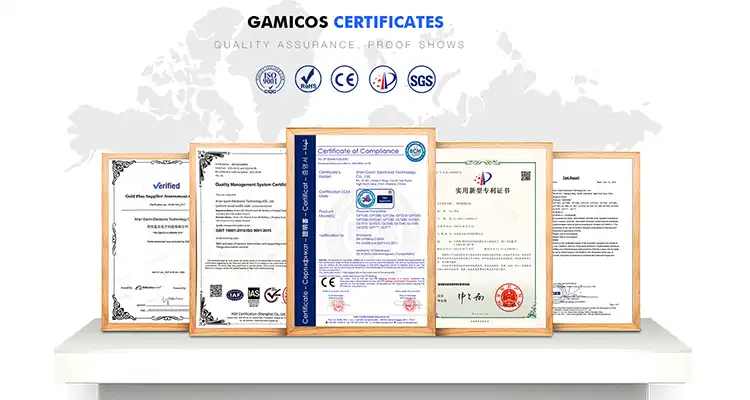
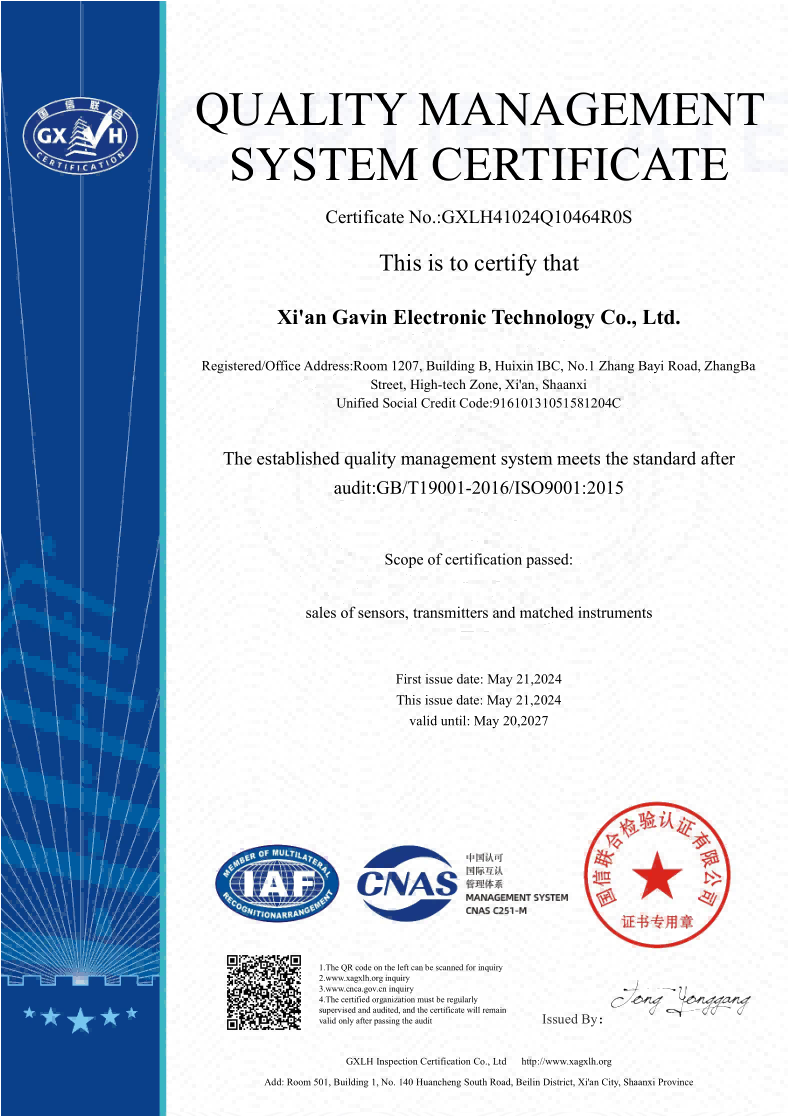
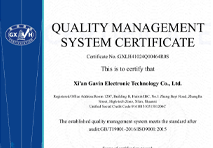
When you do business with controlled industries, you need to make sure that the products you buy are reliable and follow all the rules. Partnering with approved makers is one way to do that. Check to see if your providers have up-to-date ISO 9001 quality management certifications that show they are committed to structured process controls and ongoing growth.
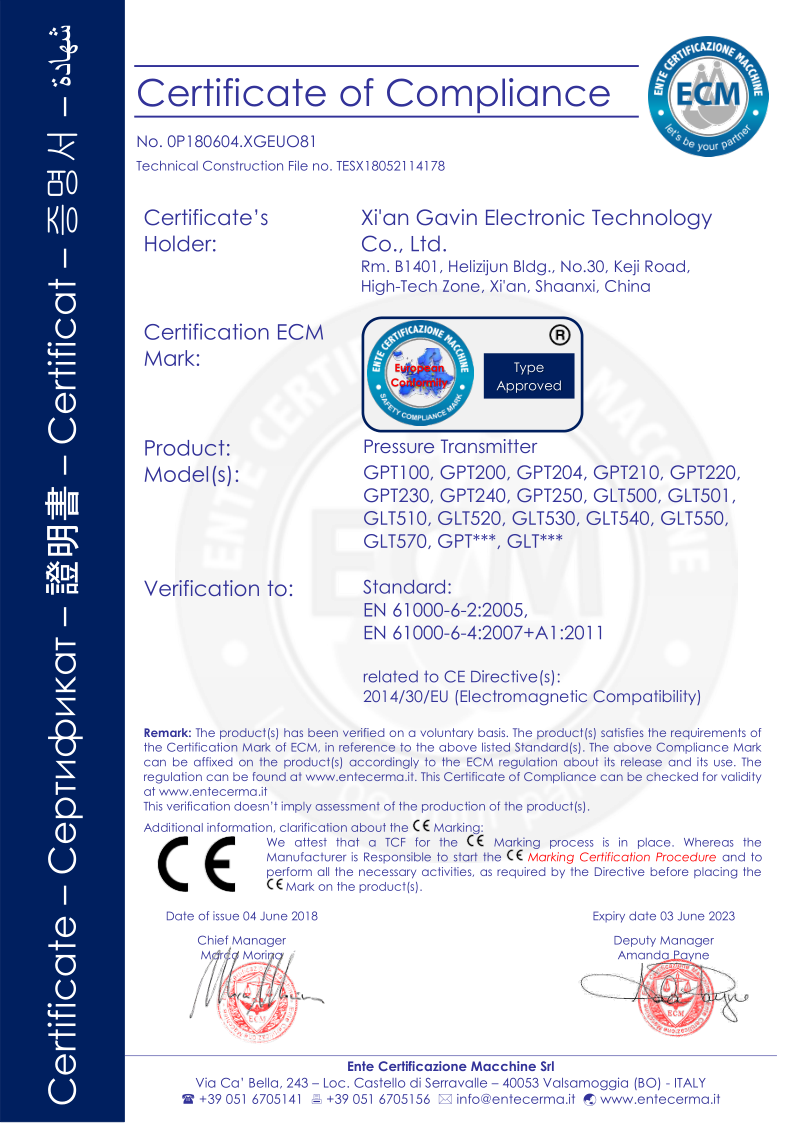
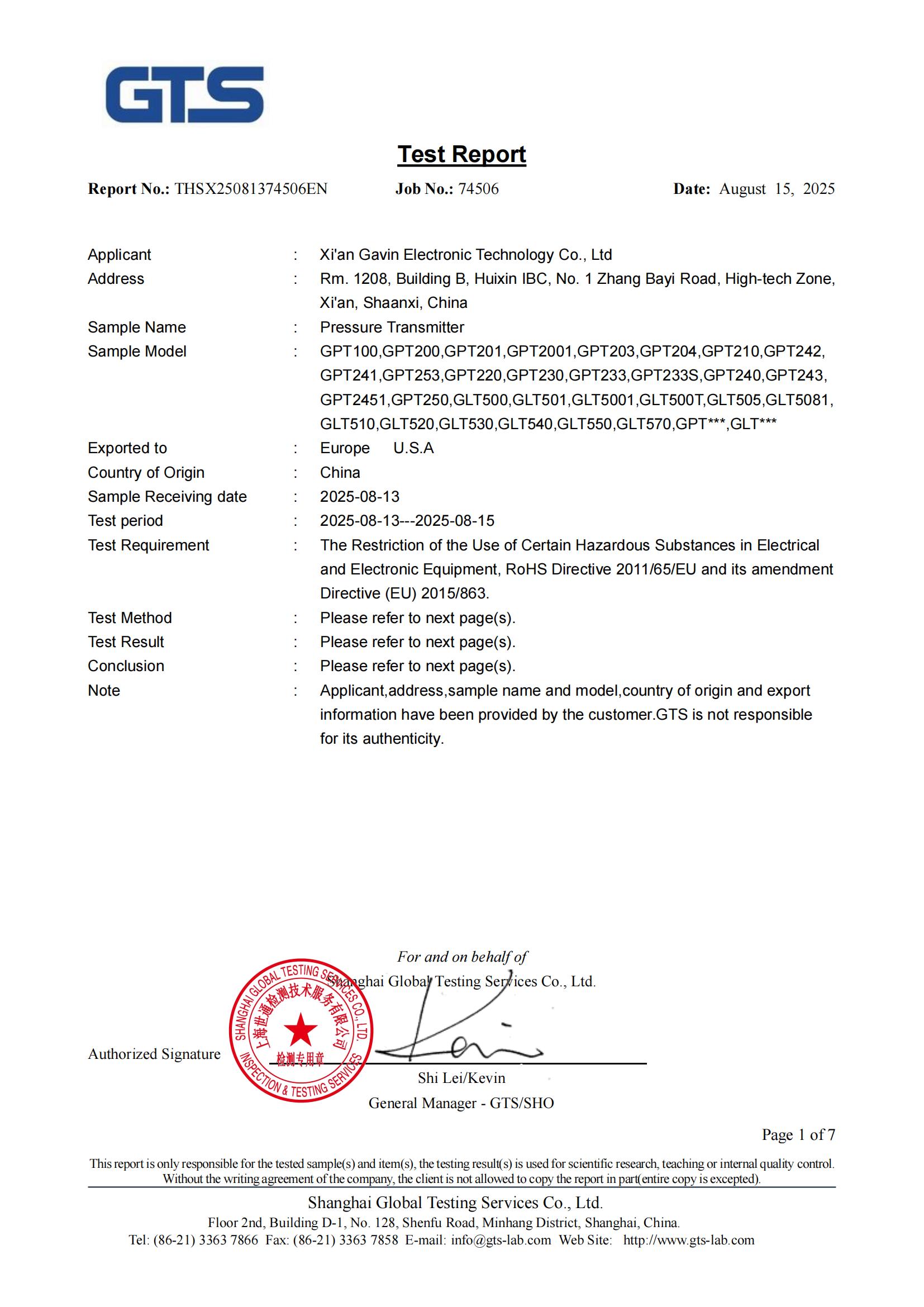
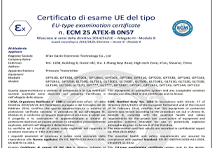
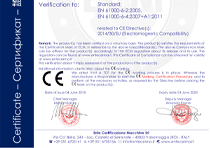
Check that the goods you buy have the right safety standards, such as CE marks for European markets, RoHS compliance for environmental rules, and industry-specific approvals like ATEX for use in dangerous environments or FDA compliance for use in food and medicine. Ask for proof that the testing can be traced back to national standards to make sure that the accuracy of the measurements meets legal metrology requirements. Suppliers with a good reputation will gladly give you mill test records, material makeup studies, and performance proof data to help you make smart buying choices.
Technical Support and Supply Chain Reliability
Check sellers' service skills as well as the quality of their products for a long-term relationship to work. How fast application problems are solved depends on how prompt the technical support team is. Suppliers with experienced engineering teams can help with choosing sensors, installing them, and fixing problems so they work better throughout the span of a product.
Check how strong the supply chain is by looking at measures like on-time delivery, store available for standard goods, and wait time promises for unique solutions. Distributors and importers like it when sellers have flexible minimum order amounts that can be used for both one-time purchases and regular restocking rounds. Warranty terms show how confident the maker is in their products. For example, longer warranties and failure analysis services show that they care about their customers' happiness after the sale is over.
OEM and Customization Capabilities
OEM makers and system builders need providers who can provide unique solutions that help them set their products apart and make the best use of their resources. Check the level of tailoring that includes the types of sensors, measurement ranges, electrical outputs, mechanical packing, and communication methods. Offering private labels, custom paperwork, and specialized testing methods speeds up the process of making new products and improves brand identity.
Companies with specialized research and development teams and many patents show that they can come up with new ideas, which is important for keeping up with changing market needs. Working together with providers and keeping research relationships open speeds up access to new technologies like wireless tracking, and advanced diagnostic features that make predictive maintenance programs better.
Conclusion
In all industrial automated uses, the dependability, safety, and cost effectiveness of measurement systems are basically determined by the pressure sensor range selection. Engineering and buying teams can improve their measurement infrastructure by learning about common selection mistakes, using structured evaluation methods, and following the right repair processes.
Partnering with experienced providers that offer a wide range of products, the ability to customize them, and quick technical support helps keep the supply chain stable and gives you access to new products all the time. When handling new installations, system updates, or equipment repairs, paying close attention to the details of the range specifications helps keep mistakes from costing a lot of money and makes sure that the equipment works well for a long time and meets strict industry standards.
FAQ
How can I detect if my current pressure sensor has an incorrect range?
Keep an eye out for signs like values that are often off-scale, changes that don't make sense without any changes to the process, faster-than-normal calibration drift, or physical damage like cracked housings. Check the sensor results against separate readings or process data from the past. Calculations show that usual working pressures above 75% of the sensor's highest value could mean that it is under-ranging, while readings consistently below 20% of range mean that it is over-ranging, which means that the sharpness is poor.
Should I choose standard or custom pressure sensor ranges?
Standard ranges are good for high-volume uses with standard needs because they are cheaper and available right away. Custom ranges are useful for specific tasks that need high accuracy, non-standard output signals, unique mechanical connections, or to work in harsh environments. Even though it costs more at first, OEM apps with unique needs often explain customization because better performance and standing out are worth the extra cost.
What pressure range specifications work best for hydraulic systems?
Strong high-pressure measuring devices are needed for hydraulic systems. For industrial tools, these devices usually work in the 0–5,000 to 0–10,000 psi range. Choose sensors with ratings of at least 1.5 times the highest system pressure to account for short-term spikes that happen when the valves are opened and closed quickly. Piezoresistive ceramic sensors with ranges of 1,000 bar or more provide the sturdiness and accuracy needed for tough hydraulic uses in press operations, building equipment, and injection molding machines.
Partner with GAMICOS for Expert Pressure Sensor Range Selection
To choose the best pressure sensor range, you need to have a lot of technical knowledge and be able to see a wide range of products that meet a lot of different business needs. GAMICOS has decades of experience in measurement technology and advanced production skills. It works with clients in over 100 countries in the oil, chemical, pharmaceutical, food processing, and energy industries.
Our engineering team works together with sourcing managers, project engineers, and research and development (R&D) staff to look at the needs of each application, suggest the best sensor configurations, and provide certified solutions that meet international quality standards such as CE, RoHS, and ISO.
Our selection of products includes piezoresistive ceramic pressure sensors, ceramic capacitive sensors, general pressure emitters, and specialty solutions that can measure pressures from 0 to 1 bar for low-pressure uses to 1,800 bar or more for ultra-high-pressure uses. We can fully customize OEM and ODM orders, including the types of sensors, electrical connections, communication methods, mechanical measurements, and private marking that fits the needs of your brand.
As a reliable maker of pressure sensor range selections, GAMICOS keeps a lot of stock on hand to make sure deliveries happen on time. They also have variable minimum order numbers that can be used for both project-specific purchases and dealer restocking cycles. For individual advice, thorough product specs, and unique quotes to help with your next buying project, email our expert team at info@gamicos.com.
References
1. Johnson, M. & Williams, R. (2021). Industrial Pressure Measurement: Principles and Applications for Process Control. Technical Publishing House.
2. Anderson, K. (2020). Sensor Selection Criteria for Automated Manufacturing Systems. Journal of Industrial Instrumentation, 45(3), 234-251.
3. Chen, L. & Rodriguez, P. (2022). Pressure Transient Analysis in Hydraulic and Pneumatic Systems. Mechanical Engineering Review, 38(2), 112-129.
4. European Committee for Standardization (2019). Pressure Sensors: Performance Requirements and Testing Protocols. EN 61298 Standard Series.
5. Thompson, D. (2023). Supply Chain Management for Industrial Instrumentation: Best Practices for B2B Procurement. International Trade Publications.
6. Martinez, S. & Lee, J. (2021). Calibration and Maintenance Strategies for Industrial Pressure Measurement Systems. Process Safety and Reliability Quarterly, 29(4), 387-404.

Halen
With over 12 years of experience in fluid sensing technology, Halen specializes in helping clients select and optimize oil level sensors for a wide range of industries—including automotive, marine, heavy machinery, and energy.
We're here to help — submit your request anytime!
Let us know how we can help solve your pressure level measurement challenge.
_1757930850792.jpg)
Recommended Blog
Pressure Transmitter Zero Drift: Diagnosis & Calibration Guide
Pressure Transmitter Zero Drift: Diagnosis & Calibration Guide
Pressure Transmitter Zero Drift: Diagnosis & Calibration Guide
Pressure Transmitter Zero Drift: Diagnosis & Calibration Guide