Protecting Pressure Sensors from Corrosive Media
Comprehending Corrosion Resistant Pressure Sensors
- Comprehending Corrosion Resistant Pressure Sensors
- Common Applications and Benefits in Industrial Environments
- How to Choose the Right Corrosion Resistant Pressure Sensor for Your Needs?
- Maintaining Corrosion Resistant Pressure Sensors for Optimal Performance
- Future Trends and Innovations in Corrosion Resistant Pressure Sensor Technology
- Conclusion
- FAQ
- Partner with GAMICOS for Reliable Chemical-Resistant Pressure Measurement Solutions
- References
Industrial facilities that work with strong acids, caustic substances, and aggressive chemicals have to deal with a constant problem: making sure that measurement equipment can handle repeated chemical attacks. In petroleum plants, pharmaceutical factories, and remote sites, choosing the right corrosion resistant pressure sensor is essential for keeping operating integrity. These special instruments are made with safe materials and designed designs that keep them working correctly even when they are exposed to tough media that would break down regular sensors quickly. Knowing how to choose, protect, and keep these devices has a direct effect on how long they last, how reliable the process is, and how well safety works generally.
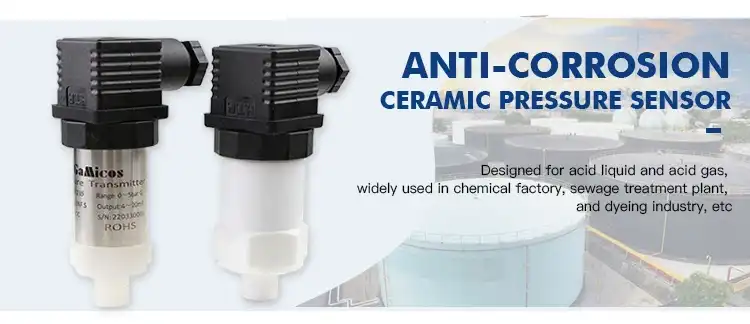
Comprehending Corrosion Resistant Pressure Sensors
Defining Specialized Protection in Harsh Environments
Most standard pressure measuring tools are made of materials that work fine in normal settings but quickly break down when introduced to chemicals that break down metals. Corrosion resistant pressure sensors protect against this weakness by making smart engineering choices about both the materials that are wet and the structures that cover them. These tools turn physical pressure into electrical messages while keeping their structure solid in places with acids, bases, chlorides, and reactive agents.
The main difference between regular forms and chemical-resistant ones is how they are used in material science. Standard devices might have simple housings made of stainless steel or aluminum, but specialty units use advanced metals and barrier technologies. In tough situations, this basic difference makes the difference between a sensor lasting months or decades.
Key Materials Enabling Chemical Resistance
When choosing sensors for acidic work, the choice of material is the most important thing to think about. Depending on the elements that are present, each material has its own benefits:
Hastelloy alloys are very resistant to both oxidizing and reducing conditions. This means they can be used in streams of strong sulfuric acid, hydrochloric acid, and other chemicals. The nickel-molybdenum-chromium mix makes an inactive layer that fixes itself when it gets broken. This protects the material even when it is heated and cooled many times, which is common in batch processing.
PTFE (Polytetrafluoroethylene) coatings and diaphragms are very chemically inert in most industrial chemicals when used at normal temperatures. These fluoropolymer shields keep the media from coming into direct touch with metal parts. This makes the sensors last longer in situations where strong acids, concentrated solvents, and alkaline solutions are used. The low friction of the material also keeps process leftovers from building up, which could affect the accuracy of measurements.
Advanced ceramics, especially those made of alumina and zirconia, can stand up to both chemical and mechanical wear. These materials work great in places where plastics wouldn't work at high temperatures, like reactor tanks and distillation columns that work above 150°C. Ceramic sensor elements keep their shape and measurement accuracy over a wide range of temperatures and can also handle being exposed to caustic media.
Specialized stainless steel grades including 316L and duplex formulations provide cost-effective resistance for moderately corrosive applications. These metals have more chromium and molybdenum than normal types, which makes protective oxide layers that stop deeper entry. Knowing the limits of a metal keeps it from breaking down too soon in conditions that are too tough for it.
Protection Mechanisms and Design Features
In addition to the choice of material, safe design features add important levels of defense. When diaphragms are flush-mounted, there are no empty areas where toxic substances could gather and build up. Using harmless fill fluids to physically separate sensitive electronics from process media is what remote seal systems do. They protect internal components while properly sending pressure through capillary connections.
Using hermetic welding methods gets rid of any possible leak paths that could let chemicals get into internal spaces. Electropolished surfaces get rid of tiny cracks that could allow rust to start. This is especially important in pharmacy and food processing settings that need both chemical protection and clean design.
Common Applications and Benefits in Industrial Environments
Critical Deployment Scenarios
Chemical handling plants are the main place where chemical-resistant measuring tools are used. Monitoring the pressure in the reactor, controlling the distillation column, and protecting the transfer pump all need accurate measurements all the time, even when they are exposed to strong acids, bases, and organic solvents. A big polyethylene plant in Texas found that switching from normal 316 stainless steel units to instruments with Hastelloy in their polymerization tanks cut the cost of replacing sensors by 75%.
Offshore oil and gas sites have special problems because they are exposed to saltwater, chemicals used to handle hydrocarbons, and hydrogen sulfide gas. Platform owners in the Gulf of Mexico say that sensors with special nickel alloy wetted parts always last between 5 and 7 years, while regular designs only last between 18 and 24 months in the same situations. This longer sturdiness directly cuts down on repair trips in helicopters and the safety risks that come with them.
Pharmaceutical companies have to find a balance between chemical protection and meeting strict hygiene standards and cleaning protocols. Sensors that serve fermentation tanks and API (Active Pharmaceutical Ingredient) processors go through many rounds of cleaning with acids, caustic solutions, and oxidizing agents.
Devices with PTFE-coated diaphragms and electropolished bodies meet FDA material standards and keep their measurement accuracy after hundreds of cleaning rounds. Sensors that can survive constant saltwater contact are needed for maritime uses like ballast systems, desalination plants, and wastewater treatment aboard ships. Designs that are resistant to corrosion stop the catastrophic fails that could make a ship less stable or less environmentally friendly during ocean travels.
Quantifiable Operational Benefits
There are more financial reasons than just comparing repair costs to buy corrosion resistant pressure sensors that are properly defined. Longer-lasting sensors mean less work for repair staff, fewer unexpected shutdowns, and fewer safety issues related to sensor failures.
Preserving measurement accuracy helps keep process control tighter, which cuts down on wasted raw materials and batches of products that don't meet specifications. A European chemical company reported yearly savings of more than $180,000 at a single plant after improving the sensors that measure the pressure in reactors. They said that the gains were due to fewer batch rejects and better reaction conditions made possible by accurate measurements. Keeping downtime to a minimum may have the biggest effect on the economy.
When sensors fail in industries that use ongoing processes, they can cause emergency shutdowns that cost a lot of money because of missed production, material costs, and possible equipment damage. These risks of disruption are eliminated by reliable sensors, which also help predictive maintenance strategies that plan actions for planned turnarounds instead of having to be done in an emergency.
Getting rid of leak risks and measurement errors that could lead to dangerous overpressure or underpressure conditions makes things safer. Chemical-resistant designs make facilities that handle dangerous or burning materials more reliable, which protects both the workers and the people who live nearby.
How to Choose the Right Corrosion Resistant Pressure Sensor for Your Needs?
Matching Materials to Chemical Exposure
A careful chemical compatibility study is the first step in making a good corrosion resistant pressure sensor design. Engineers should write down all the things that touch the sensor during regular use, cleaning cycles, and possible upset situations. This complete list of chemicals must include amounts, temperature ranges, and times of contact.
Chemical compatibility charts from reliable makers can help you get started, but in the real world, there are often blends of chemicals, changes in temperature, and contaminants that change how rust works. Technical help at GAMICOS can look at the specifics of an application and suggest the best material choices based on years of experience working in a wide range of industries.
It's just as important to think about the effects of chemicals on other things. Some types of stainless steel can crack from chloride stress corrosion, even if the main chemicals used in the process seem to be suitable. When different metals come into touch with conductive solutions, galvanic rust happens, which speeds up the breakdown. These complicated ways of interacting can be taken into account by choosing the right sensors.
Performance Specifications and Accuracy Requirements
Instead of going to the best possible standards, accuracy requirements should be in line with what is needed for process control. More exact requirements usually mean higher prices and fewer material options. For most commercial uses, a device with an accuracy of ±0.25% works well. For more specialized uses, like custody transfer, a device with an accuracy of ±0.1% or better might be needed.
| Corrosion resistant Pressure Transmitter | |
| Pressure range | -0.1...0~25bar |
| Output signal | 4~20mA, 0~10V, 0~5V, 1~5V, 0.5~4.5v, RS485, IIC |
| Power supply | 8~30V, 14~30V, 3~5V, 5V±10% |
| Accuracy | 0.5%FS/0.25%FS, 0.1%FS (optional) |
| Operating temperature | -20℃~85℃, -40℃~125℃ (optional) |
| Diaphragm material | Ceramic / 99.9% A1203(ceramic capacitive),96% A1203(ceramic piezoresistive) |
| Shell material | PTFE/PVDF (optional) |
| Response time | 10ms, 1ms (optional) |
| Service life | 1 million pressure cycles |
In situations where the temperature changes, temperature adjustment is very important. When you buy good sensors, they come with adjustment methods that keep them accurate across their rated temperature ranges. This keeps measurements from drifting when process conditions change. Check that the temperature ranges given include the real working ranges, such as starting, shutdown, and yearly changes.
Response time requirements affect the security of the control loop and the efficiency of the safety system. Applications that need to find changes in pressure quickly need sensors that don't have a lot of noise and can respond quickly to electricity. On the other hand, applications that have pulsating pressure can benefit from mechanical or electronic dampening that blocks short-term spikes while keeping measurements of real process trends.
Certification and Compliance Considerations
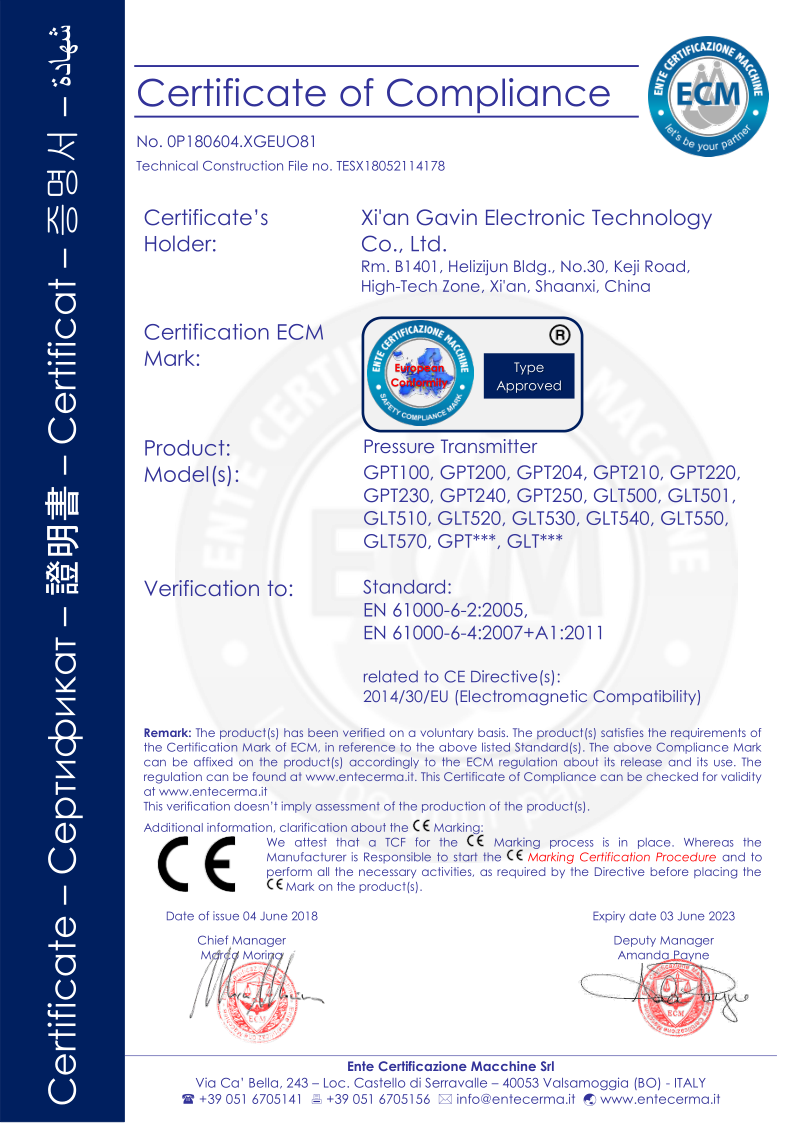
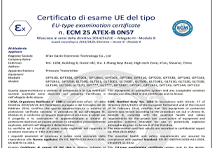
Certifications are needed based on where the industrial site is located and the type of application. Installations in dangerous areas need to be approved as either explosion-proof or fundamentally safe, depending on the type of place. In North America, buildings follow the NEC 500/505 and Canadian Electrical Code rules. On the other hand, foreign projects need ATEX, IECEx, or licenses that are specific to the area.
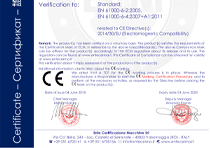
Pressure equipment regulations, such as the PED (Pressure Equipment Directive) in Europe, say how sensors placed in pressure systems must be designed, made, and documented. Documentation that shows compliance is added to safety records and review files for the government.
Standards that are specific to an industry add to the requirements. For pharmaceutical uses, 3-A Sanitary Standards and FDA material rules are used as guides. Nuclear power plants need to be qualified for earthquakes and have radiation safety tests. Early knowledge of the relevant standards during definition avoids expensive reworking or replacement after installation.
Evaluating Supplier Capabilities
The technical knowledge and support system of the sensor seller have a big impact on how well it works in the long run. Well-known companies spend money on application engineering tools that help with the right choice, installation, and problems throughout the life of the product.
Customization lets you get the best results for certain uses. Customized electrical connections, pressure port setups, and output signal forms are especially helpful for OEM and mass purchase situations. To make sure that every project needs exactly what it needs, GAMICOS offers a wide range of customization options, such as using special materials, changing the pressure ranges, and integrating communication protocols.
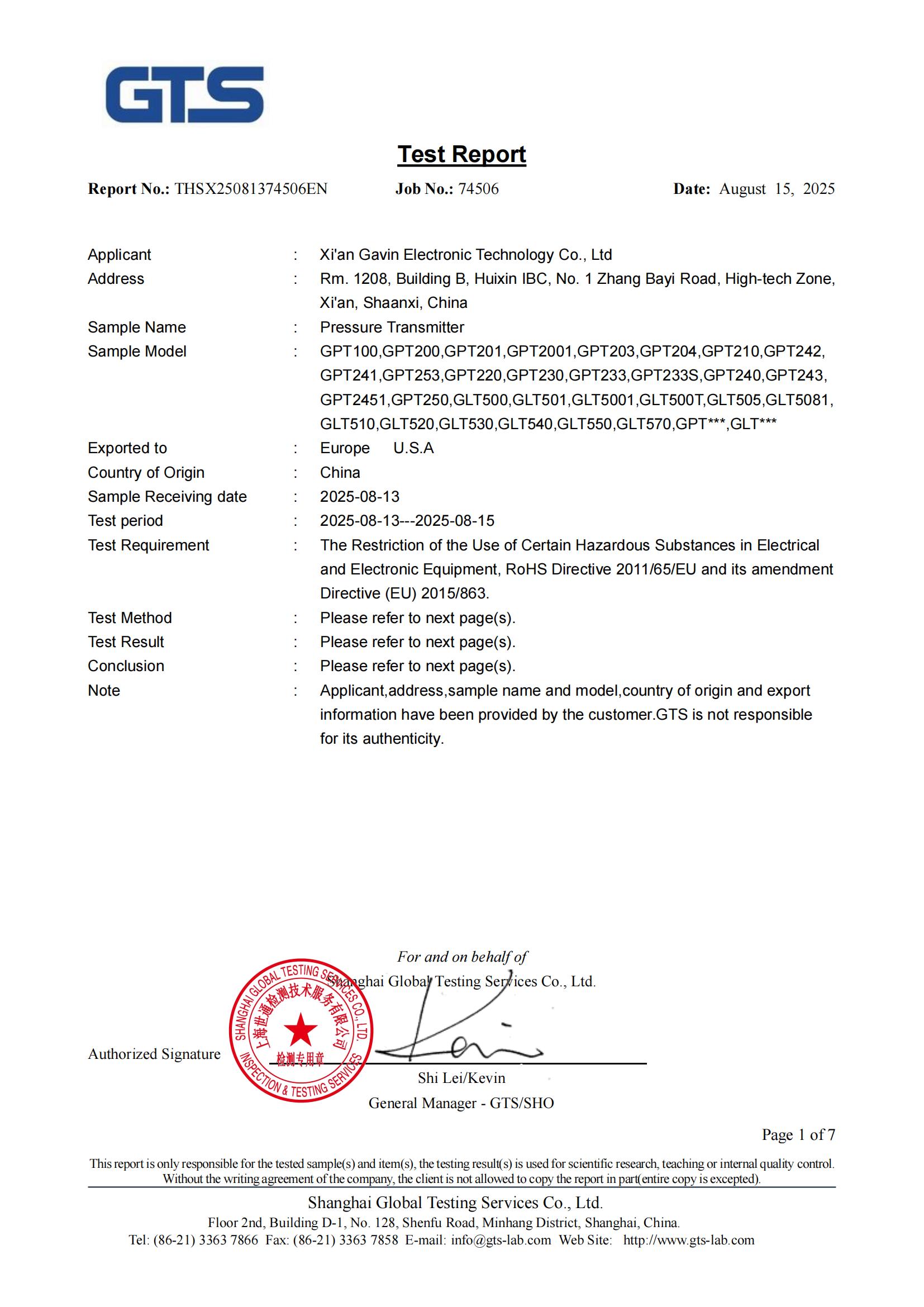
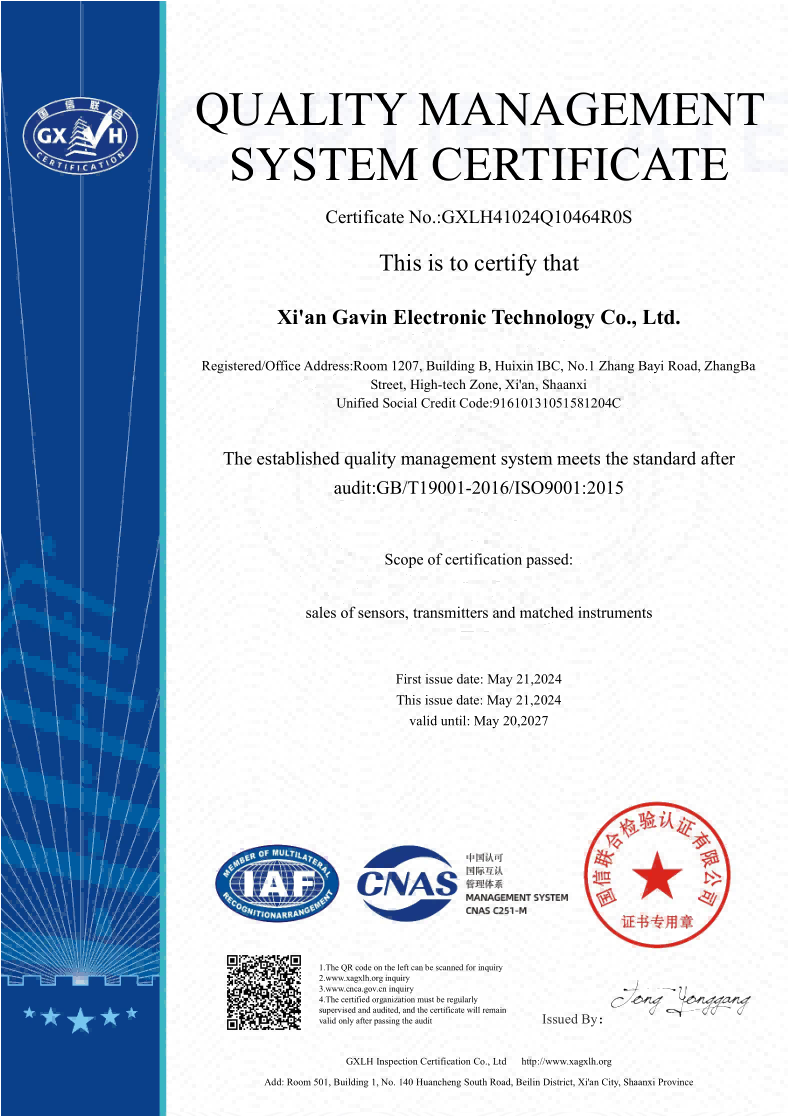
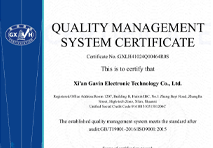
For project plans and long-term part standardization, delivery dependability and quality stability are very important. Suppliers with strong manufacturing processes, thorough testing methods, and well-established quality control systems can guarantee performance and stick to deadlines. Certifications, like ISO 9001, are concrete proof of quality methods that are planned out.
Maintaining Corrosion Resistant Pressure Sensors for Optimal Performance
Routine Inspection Protocols
Setting up regular review times keeps small problems from getting worse and turning into measurement errors or safety risks. Corrosion resistant pressure sensor process links should be looked at visually for signs of leaks, rust, or mechanical damage. Even though sensors are made of materials that don't corrode, sometimes bad fitting or unplanned process upsets cause conditions that are worse than what was intended.
Periodic zero and span checks with standardized test tools make sure that the accuracy of measurements stays within the limits. Tracking the past of calibration shows patterns of wear and tear, which lets you replace the device before its accuracy falls too far from what is accepted. A lot of places use risk-based calibration intervals, which means that important safety sensors are checked more often than less important ones.
In tough industrial settings, where chemicals, pressure, and moisture can damage junction blocks and cable glands, it's important to keep an eye on the stability of electrical connections. Making sure there is good sealing and strain relief stops moisture from getting in, which could lead to irregular signs or total fails.
Cleaning and Chemical Exposure Management
Cleaning sensors on a regular basis is good for all of them, even ones that are resistant to chemicals, because it gets rid of process buildup that could slow them down or cause localized rust cells. When cleaning sensors, you must use chemicals that are safe for them and methods that are right for their design. Abrasive cleaning methods wear away protected coats and surface finishes, which speeds up the rust that follows.
Pay close attention to the process link threads and closing surfaces. Chemical layers or rust products on these important surfaces weaken the seal, making it easier to leak or remove in the future. Using the right thread seals or plugs during fitting keeps the pressure inside and stops sticking. Knowing the limits of contact keeps sensors from getting damaged by accident during plant upsets or repair work. Operators should know the highest concentration and temperature limits for sensors that have been placed and follow separation processes when they plan to do things that might go over these limits.
Troubleshooting Common Performance Issues
Measurement drift is usually caused by a diaphragm breaking down, fill fluid getting dirty in remote seal systems, or computer parts getting old. By comparing suspicious sensors to reference standards, you can figure out if the problems are with the sensing elements themselves or with the emitters and screens that are connected to them. Recurrence can be avoided by going after the root reasons instead of just recalibrating.
Readings that aren't stable often mean that there is electrical interference, moisture in the connection housings, or process connection leaks that happen from time to time. Systematic elimination testing finds the real problems so that fixes can be focused on them instead of replacing sensors that don't need to be replaced. Before you can say that a sensor is broken, you need to make sure that the power source is working properly, that the wiring is connected properly, and that there is proper grounding. A lot of sensor problems that look like they are caused by gadget flaws are actually caused by problems with external parts or the way the sensor was installed.
Future Trends and Innovations in Corrosion Resistant Pressure Sensor Technology
Advanced Materials Development
Materials science keeps coming up with new alloys and layers that are more resistant to chemicals and can withstand higher temperatures. Nano-structured layers that are only a few micrometers thick offer barrier protection that is similar to solid PTFE while keeping the mechanical strength of the metal surfaces below. These mixed methods make it possible to get new mixtures of chemical protection, temperature tolerance, and mechanical longevity that weren't possible before.
Protective layers made of graphene show promise for being very resistant to chemicals and very good at conducting heat. This could make accurate measurements possible in situations where temperature differences are currently stopping them from working well.
Researchers have shown prototype sensors with graphene oxide layers that can withstand strong acids and bases and keep measuring accurately at temperatures above 250°C. With additive manufacturing, you can make complicated internal shapes that keep dead areas and pressure drop to a minimum while using a number of materials that are best for their own purposes. Topology optimization software creates diaphragm forms that are as sensitive as possible while still being strong enough to withstand corrosion.
Digital Integration and Smart Monitoring
When corrosion resistant pressure sensors are connected to platforms for the Industrial Internet of Things, they go from being simple measuring tools to smart tracking systems that can diagnose themselves and plan repair ahead of time. Some of the latest emitters have monitoring tools that can spot problems like diaphragm wear, impulse line blocks, and electrical link wear.
LoRa, NB-IoT, and 4G are some examples of wireless communication methods that can be used for tracking in places where wired infrastructure is not possible or would be too expensive. Wireless sensors that are driven by batteries and collect energy make deployment possible at rural wellheads, spread tank farms, and mobile equipment.
They also get rid of the need for explosion-proof wires in dangerous areas. Cloud-based analytics systems collect data from multiple sensor networks and use machine learning algorithms to find trends that show when something is about to break. Maintenance teams are told ahead of time when sensors need to be fixed, so they can do so during set maintenance windows instead of having to fix problems as they happen.
Conclusion
To keep pressure measurement systems safe in toxic settings, you need to choose the right materials, place them correctly, and follow a set of upkeep procedures. Corrosion resistant pressure sensors represent strategic investments that pay off in higher measurement accuracy, longer service life, and lower lifetime costs if they are properly chosen and kept. The world of smart materials and digital integration is always changing, which keeps adding new powers and lowering costs. If engineers and buyers know about these technologies, they can help their companies improve safety, run processes more efficiently, and cut down on unplanned repair downtime in a wide range of difficult industrial settings.
FAQ
What is the typical lifespan of a corrosion resistant pressure sensor compared to standard models?
If you choose the right chemical-resistant sensors, they should last 5–10 years in acidic settings where stainless steel sensors might break after 12–24 months. How long something actually lasts depends a lot on how it is maintained, how much it is exposed to chemicals, and how concentrated they are. With regular upkeep and use in areas with softer acidic conditions, they may last 15 years or more. Even in the harshest settings, they still last longer than traditional options by several years.
Can corrosion resistant pressure sensors be used in explosive atmosphere applications?
Of course. Chemical-resistant sensors often have approvals for use in dangerous areas, such as ATEX, IECEx, Class I Division 1/2, and Zone 0/1/2 approvals, which vary by make and type. Different area classification needs can be met with explosion-proof housings, naturally safe designs, and non-incendive builds. Corrosion protection and blast safety are both guaranteed by choosing sensors with the right certifications that match the building classifications.
How do I choose between corrosion resistant and standard stainless steel pressure sensors?
Chemical compatibility, projected service life, repair prices, and how important safety is are all things that go into making a decision. Standard 316 stainless steel sensors can be used as replacements in mildly corrosive environments where repair is expected to be done often. Even though they cost more at first, corrosion-resistant designs are worth it for uses that involve strong acids, bases, chlorides, or difficult circumstances. A lifecycle cost study that looks at the price of the sensor, the time it takes to install, and how often it needs to be replaced usually shows that chemical-resistant sensors are better for really toxic jobs.
Partner with GAMICOS for Reliable Chemical-Resistant Pressure Measurement Solutions
Long-term measuring accuracy and total cost of ownership depend on choosing the right corrosion resistant pressure sensor maker. GAMICOS creates custom systems for measuring pressure and level that are used in tough industrial settings all over the world. Our expert team helps you choose the right material, evaluate its suitability for the job, and create unique setups that give you the best performance for the chemicals you'll be exposed to.
We offer full OEM and ODM services that can accommodate unique requirements, bulk buying plans, and sample available for testing applications. GAMICOS offers tried-and-true solutions backed by strict quality control and international approvals. Their goods are sold in over 100 countries and they have a lot of experience in chemical processing, oil and gas, pharmaceutical manufacturing, and industrial automation. Get in touch with our engineering experts at info@gamicos.com to talk about your problems measuring acidic media and get advice on sensors that will keep your activities safe and give accurate data to safety and process control systems.
References
1. National Association of Corrosion Engineers, "Corrosion Control in the Chemical Process Industries," Materials Selection and Design, 2023.
2. Instrument Society of America, "Selection and Application of Pressure Sensors in Corrosive Service," Technical Publication ISA-RP42.8, 2022.
3. American Petroleum Institute, "Recommended Practice for Installation and Maintenance of Pressure Sensors in Refinery and Chemical Plant Service," API Publication 551, 2023.
4. Materials Technology Institute, "Chemical Resistance Guide for Process Industry Materials," MTI Publication 89, 2024.
5. International Society of Automation, "Advanced Materials for Corrosion Resistant Industrial Instrumentation," Conference Proceedings, 2023.
6. European Industrial Sensors Consortium, "Lifecycle Cost Analysis of Corrosion Resistant Pressure Measurement Systems," Technical Report EISC-2024-07, 2024.

Spring
Spring, With 5 years of experience in sensor technology and product development, Mark specializes in helping clients identify the optimal pressure and level sensor solutions for demanding industrial environments。
We're here to help — submit your request anytime!
Let us know how we can help solve your pressure level measurement challenge.
_1757930850792.jpg)
Recommended Blog
The 4-20mA Current Loop in Industrial Pressure Transmitters
Pressure Sensor Nonlinearity: Linearization & Calibration Tips
Pressure Sensor Range Too Large/Small? Rescaling & Re-ranging Methods
Aerospace Pressure Sensors in Aircraft Hydraulic Systems
The 4-20mA Current Loop in Industrial Pressure Transmitters
Pressure Sensor Nonlinearity: Linearization & Calibration Tips
Pressure Sensor Range Too Large/Small? Rescaling & Re-ranging Methods