Pressure Sensor Range Too Large/Small? Rescaling & Re-ranging Methods
Pressure Sensor Range Too Large/Small? Rescaling & Re-ranging Methods
What Is Pressure Sensor Re-ranging and Why Is It Necessary?
- What Is Pressure Sensor Re-ranging and Why Is It Necessary?
- Step-by-Step Tutorial: How to Re-range a Pressure Sensor
- Comparing Re-ranging Methods and Sensor Types
- Procurement Guide: Selecting Pressure Sensors with Efficient Re-ranging Features
- Best Practices and Long-Term Maintenance for Pressure Sensor Re-ranging
- Conclusion
- FAQ
- Partner with GAMICOS for Precision Pressure Sensor Solutions
- References
When the readings from your industrial pressure measurement system are outside the expected range, replacing the whole sensor isn't always the best thing to do. Pressure sensor re-ranging is a useful and inexpensive way to change the reading limits without having to completely re-calibrate the sensor. This method changes the zero points and span limits to make sure that the sensor output matches the needs of your process. If you know how to re-range capacitive pressure sensors, strain gauge models, or ceramic capacitive pressure detectors, you can avoid buying extra tools and keep the accuracy of your measurements. Your repair team can make sure that current sensors give you accurate readings that meet all of your business needs by changing the calibration coefficients and output parameters.
What Is Pressure Sensor Re-ranging and Why Is It Necessary?
Pressure sensor re-ranging changes the measurement limits of a sensor so that they work better with your process conditions without returning the device to its stock settings. This repair process takes care of zero offset drift and span errors that happen naturally when the equipment is used.
Understanding the Difference Between Re-ranging and Recalibration
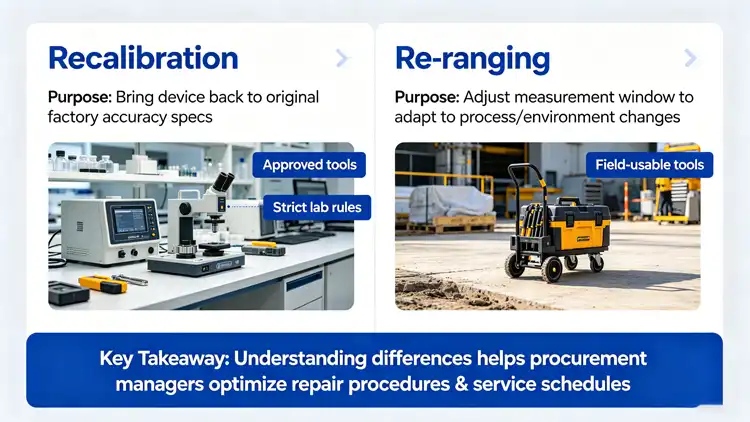
Both methods improve accuracy, but they are used for different things when maintaining sensors. Using traceable reference standards, recalibration brings a device back to its original factory accuracy specs. This basically gets the sensor back to how it worked before. On the other hand, re-ranging changes the practical measurement window to adapt to changing process needs or account for changes in the environment.
For recalibration, you usually need approved tools and a lab with strict rules. For re-ranging, on the other hand, you can usually use movable tools in the field. We've found that procurement managers can make better choices about repair procedures and service schedules when they understand this difference.
Common Causes of Range Variations in Industrial Settings
Most of the time, measurement range problems are caused by sensor drift, which happens slowly as electronic parts age or diaphragms are put under mechanical stress. Changes in the environment, like temperature, can cause sensor housings to expand and contract. This is especially true for capacitance type pressure sensors, whose dielectric properties change when they get hot. Range problems are often caused by mistakes during installation. Baseline changes that build up over time can be caused by mounting angles, pipeline movements, or bad electrical grounding. Chemicals used in medicine and oil industries can break down sensor materials, changing their electrical properties and moving the limits of what can be measured beyond what is accepted.
Business Impact on Industrial Operations
Pressure readings that aren't accurate can cause false alarms, bad process changes, and even safety problems in production systems. When sensors work outside of their ideal ranges, they can change the quality of the products that factories use for chemical processes or food processing that depend on precise pressure control.
Emergency sensor replacements cause scheduling changes that affect output, which is especially bad for industries that work around the clock, like the energy and petrochemical industries. By using regular re-ranging methods, engineering managers can cut maintenance costs by 30–40% compared to strategies that replace sensors too soon. This makes equipment last longer while keeping the measurement accuracy needed for ISO compliance and process safety management.
Step-by-Step Tutorial: How to Re-range a Pressure Sensor
To successfully perform pressure sensor re-ranging, you need to plan ahead and pay close attention to the details of the process. This methodical technique cuts down on mistakes and makes sure that your sensors give accurate readings after they have been adjusted.
Preparation and Safety Protocols
Get the technical manual, calibration certificates, and process documents from the sensor's maker before you start making any adjustments. This will help you understand the needed measurement ranges. Make sure you have the right reference standards, like pressure calibrators or deadweight tests that are at least four times more accurate than what the sensor says it should be. For safety reasons, the system must be fully depressurized, lockout-tagout processes must be followed, and the right personal protective equipment must be worn.
During re-ranging, the environment is very important. The temperature should stay fixed within ±2°C, and the humidity should be controlled to keep electrical parts from condensation. Keeping track of standard numbers before making any changes is important for making sure that the changes were made correctly afterward.
Zero Point Adjustment Procedures
Setting up a stable zero reference is the first step in re-ranging correctly. Allow enough time for the sensor to stabilize, usually 10 to 15 minutes for capacitive pressure detectors to reach thermal balance when they are exposed to air pressure or a known zero reference. You can get to the sensor's zero adjustment method, which could be a potentiometer for traditional models or a software parameter for digital smart sensors.
Make small changes while keeping an eye on the output numbers. Instead of trying to make big changes, move closer to the goal zero point slowly. Record the values of the adjustments and the output signs that go with them. This makes it possible to track the quality of the documents. Some capacitor pressure sensors have digital interfaces that automatically set the zero point. This makes the process easier while still ensuring accurate adjustments.
Span Calibration and Range Setting
Once you have set zero, use your testing tools to apply a known reference pressure at or near the upper measurement limit you want to set. The span adjustment changes how the sensor reacts across its measurement range, which changes the output in a proportional way. This adjustment changes the way that changes in capacitance affect the electrical output signals for pressure sensors with changeable capacitance. Slowly apply the standard pressure and wait for the system to settle down before taking readings.
To find the span error, compare the sensor's real output to the predicted values using its published transfer function. Gradually change the span controls and check middle points across the measurement range to make sure the predictability stays within the limits. To keep calibration tracking, write down all the change values, pressures that were used, and outputs that were obtained.
Verification and Troubleshooting Common Issues
To fully verify something, at least five regularly spaced pressure points must be applied across the new range, and the sensor outputs must be compared to reference standards. Deviations that are acceptable should stay within the precision range of the sensor, which for commercial use is usually between ±0.25% and ±0.5% of full scale.
If numbers change or don't follow a straight line, it means that the pressure isn't being stabilized completely, the temperature outside is changing, or electrical noise is interfering. If precision problems keep happening, it could mean that the sensors are damaged and need to be replaced instead of re-ranging. By applying pressure patterns that go up and down, hysteresis testing shows mechanical problems in the sensor diaphragm or connection mechanisms that can't be fixed by re-ranging.
Comparing Re-ranging Methods and Sensor Types
Depending on your needs and the limits of your business, different sensor systems and pressure sensor re-ranging methods offer different benefits.
Analog Versus Digital Sensor Re-ranging Capabilities
When re-ranging, analog pressure sensors with 4-20 mA or 0-10 VDC outputs usually have physical adjustment potentiometers that can be accessed through the sensor case. These mechanical changes are easy to use, but they aren't very accurate because the sharpness is limited by the quality of the potentiometers. Digital smart sensors that use HART, Fieldbus, or Modbus as their communication methods can be re-ranged through software-based setup tools.
This gives you more accuracy and the ability to make changes from afar. Digital platforms can save many setup profiles, which lets them quickly switch between ranges for uses with changing process conditions. We've seen that procurement managers are choosing digital sensors for large-scale installs more and more. This is because remote configuration lowers field service costs and allows for unified calibration management.
Manual Mechanical Versus Software-Based Adjustments
For mechanical adjusting ways, you have to physically reach potentiometers or trimmer resistors. This is a simple process that doesn't require much more than a basic multimeter. This method has been used for a long time and is reliable for sites where sensors stay at the same range for long amounts of time. Software-based calibration using mobile communicators or PC connections has big benefits in terms of freedom and paperwork. It creates calibration certificates and records adjustment parameters instantly.
Integrating with asset management tools lets you plan repair ahead of time based on past calibration data. Often, the choice between methods relies on the infrastructure that is already in place. For example, facilities with established digital networks may benefit from software-based approaches, while remote areas with limited connection may prefer mechanical ease of use.
Evaluating Re-ranging Feasibility by Sensor Technology
Because they have linear outputs and stable temperature adjustments across a wide range of measurement ranges, strain gauge pressure sensors can be used in a lot of different situations. Capacitive-based pressure sensors work great in low-pressure situations because they are very stable and don't move much. This makes them perfect for precision applications that need to re-range them often.
Piezoresistive sensors work well in tough conditions, but they may not be able to re-range as much because they are sensitive to temperature. R&D managers can choose the right sensor types for new projects by understanding these technology-specific limitations. This helps them balance the original costs with the flexibility of long-term upkeep.
Procurement Guide: Selecting Pressure Sensors with Efficient Re-ranging Features
Choosing sensors with good pressure sensor re-ranging abilities at the start lowers the total cost of ownership and increases operating freedom over the life of the equipment.
Key Selection Criteria for Re-rangeable Sensors
Measurement accuracy standards set the basic level of performance. For example, ±0.25% accuracy is common in industrial automation applications, while ±0.1% or tighter limits may be needed in pharmaceutical and food applications. There should be at least a 2:1 turndown ratio for measurement ranges that can be adjusted. More modern models offer 10:1 or more freedom. Accessibility to field calibration affects how well maintenance is done; sensors that can be adjusted from the front or that can be set up wirelessly cut down on service time and process interruptions.
As long as it works with current control systems and communication methods, integration will go smoothly, and you won't have to make any expensive changes to the interface hardware or programming. The environmental standards, which include temperature range, ingress protection, and material suitability, need to match the conditions of your installation in order for the device to stay stable over time without having to be re-ranged.
Evaluating Leading Brands and Technologies
When it comes to re-ranging functions, major makers use different kinds of technology. Emerson's smart pressure sensors have advanced diagnostics that can tell when they need to be re-ranged, which cuts down on unexpected repair. Yokogawa stresses that their capacitance type pressure sensors are stable over a long period of time, which means that changes don't have to be made as often.
When looking at different providers, you should think about more than just the price of the sensors themselves. You should also think about the quality of the technical paperwork, the availability of calibration services, and how quickly you can get help from engineers. Local service centers with calibration labs can quickly recertify items, which is especially helpful for businesses that have to follow strict rules set by regulators.
Cost Considerations and Service Support
The costs of buying a sensor are only 20 to 30 percent of the total costs of owning it over its useful life. Long-term costs are largely determined by how easy it is to do maintenance, how often testing services are needed, and how readily available extra parts are. When compared to private systems that need special tools, sensors that can be easily re-ranged with common tools mean lower service costs.
Looking at the guarantee terms shows how confident the maker is in the product's durability. For example, warranties that cover calibration drift for a longer period of time show a commitment to measurement stability. If you are an OEM maker or distributor making goods that measure pressure, forming relationships with suppliers who can offer full technical support and customization gives you a competitive edge in the markets you want to reach.
Best Practices and Long-Term Maintenance for Pressure Sensor Re-ranging
By using predictive service methods instead of reactive ones, organized pressure sensor re-ranging procedures help keep running costs low while maximizing sensor performance.
Establishing Calibration Schedules Aligned with Standards
Minimum calibration frequencies are set by industry standards and quality systems. However, the best intervals rely on how important the application is and the working conditions. In petrochemical plants, critical safety applications usually need to be checked every three months. Less demanding tracking applications may work reliably with re-ranging plans every year. Changes in temperature, sudden increases in pressure, and chemical contact are all examples of environmental stress factors that can speed up drift rates and require more frequent attention.
By making risk-based calibration plans, you can combine the need to follow the rules with the reality of limited resources. We suggest keeping an eye on how sensor performance changes over several calibration rounds. This way, you can find units that need more frequent attention and extend the time between calibrations for devices that stay stable. This way, you can get the most out of your maintenance without sacrificing the accuracy of your measurements.
Documentation and Compliance Traceability
Quality management systems and following the rules depend on having complete records of calibrations. For each re-ranging event, initial readings, applied reference pressures, adjustment values, final proof results, and the technician's name should all be written down. Digital calibration management systems make it easier to keep track of all this paperwork and offer searching databases to help with audit prep.
Traceability to national measurement standards through approved reference equipment meets the needs of ISO 9001 and industry-specific standards in the aircraft, pharmaceutical, and food safety sectors. Electronic signatures and time-stamped records provide audit logs that can't be changed, which is something that regulatory authorities are increasingly looking for during facility checks.
Integration with Preventive Maintenance Programs
By coordinating sensor service with inspections of related equipment, re-ranging becomes part of larger preventive maintenance processes that boost working efficiency. By planning to calibrate pressure sensors during planned process shutdowns, you can avoid any other production interruptions. Using sensor readings in predictive maintenance programs finds drift patterns before data go beyond acceptable limits.
This lets for proactive re-ranging, which stops quality incidents or safety events. After using diagnostic reports from smart transmitters to adopt predictive re-ranging, the number of pressure measurement failures at a pharmaceutical company we worked with dropped by 75%. This shows the real value of combined maintenance strategies.
Real-World Efficiency Gains from Disciplined Maintenance
Industrial sites that use regular re-ranging programs say they get a lot of benefits besides saving money right away. By following strict calibration methods, a chemical processing company increased the average sensor lifespan from 5 to 8 years. This saved money on capital replacement costs. After teaching workers the right way to do re-ranging, operations in the energy sector cut the number of emergency repair calls by 60%.
This cut down on unplanned downtime. Improvements to documentation made getting ready for an ISO audit easier, which cut the time it took to check for compliance from days to hours. These results show that investing in good re-ranging practices pays off over time by making things more reliable, extending the life of tools, and reducing working interruptions.
Conclusion
For industrial operations meeting the dual challenges of measurement accuracy and cost control, mastering pressure sensor re-ranging methods provides quantifiable benefits. Your company can make tools last longer while still keeping the accuracy needed for modern process control by knowing the difference between re-ranging and full recalibration, putting in place systematic adjustment methods, and choosing sensors that can be used in a variety of situations.
Disciplined re-ranging routines built into preventive maintenance frameworks cut down on emergency breakdowns and make the best use of resources, whether you're in charge of oil refineries, pharmaceutical production lines, or food processing facilities. Choosing sensors with strong re-ranging abilities during the buying process sets the stage for long-term measurement accuracy throughout your business's lifetime.
FAQ
How often should pressure sensors undergo re-ranging?
Re-ranging frequency relies on how important the application is and how harsh the working setting is. In petrochemical plants, safety-critical uses usually need to be checked every three months. For general industry monitoring, once a year may be enough. Extreme temperature changes, pressure spikes, or contact to corrosives can damage sensors more quickly and need to be checked more often, maybe every three to six months.
Can all pressure sensor types be re-ranged?
Field re-ranging is not possible with all sensors. Digital smart transmitters that can be configured through software give you the most options because you can change the range through communication links without having to physically touch the transmitter. You can change the range of traditional analog sensors with mechanical potentiometers, but it's not as accurate.
What risks arise from improper re-ranging?
When adjustments are made incorrectly, measurement mistakes happen that make it harder to control the process. This can lead to problems with the quality of the product, safety accidents, or damage to the equipment. If you range too far beyond what the sensor's design allows, you could damage sensitive parts or make the output not follow a straight line. During regulatory checks, gaps in compliance are caused by not having enough paperwork.
Partner with GAMICOS for Precision Pressure Sensor Solutions
GAMICOS specializes in making high-precision pressure sensors that can be quickly adjusted to work in harsh industrial settings like those found in chemical processing, oil operations, medicine production, and food manufacturing. Our wide range of products includes capacitive pressure sensors, strain gauge transmitters, and ceramic capacitive pressure transducers. All of these are made so that they can be calibrated in the field, which makes pressure sensor re-ranging easier and lowers your maintenance costs. We support OEM makers, engineering contractors, and global procurement managers as a reliable pressure sensor re-ranging provider by providing specialized solutions that are specifically suited to their measurement range and communication protocol requirements.
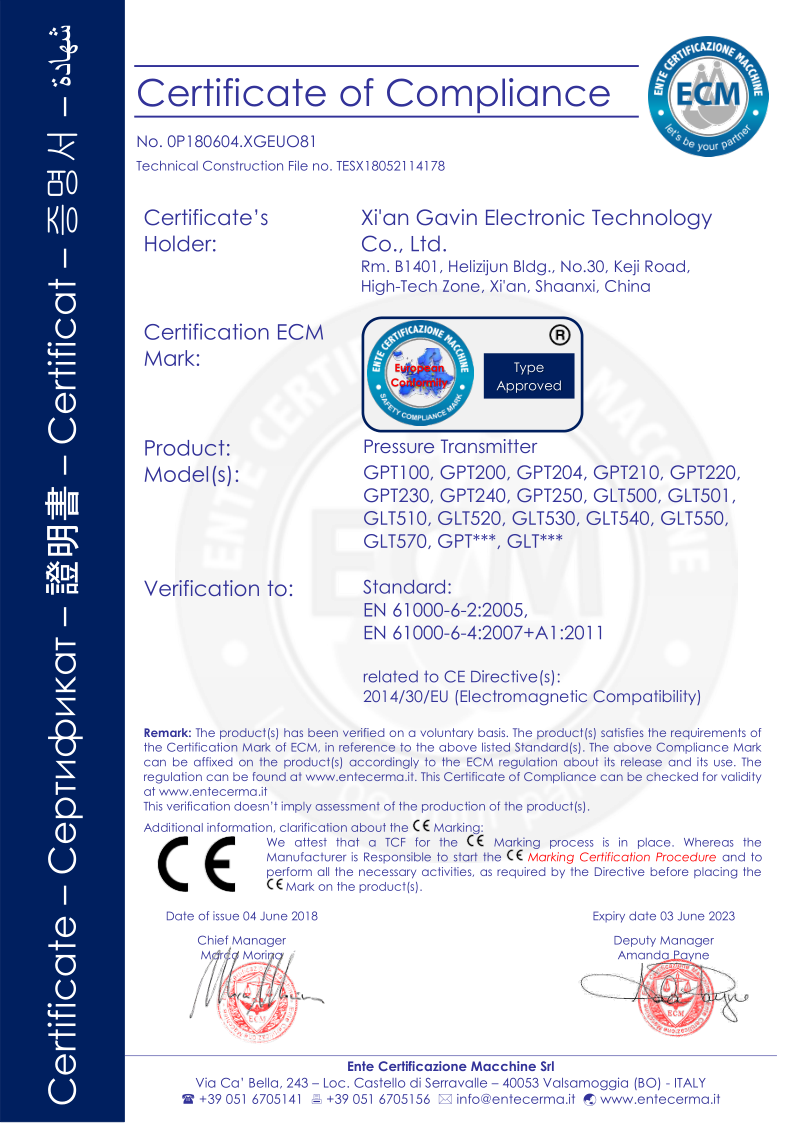
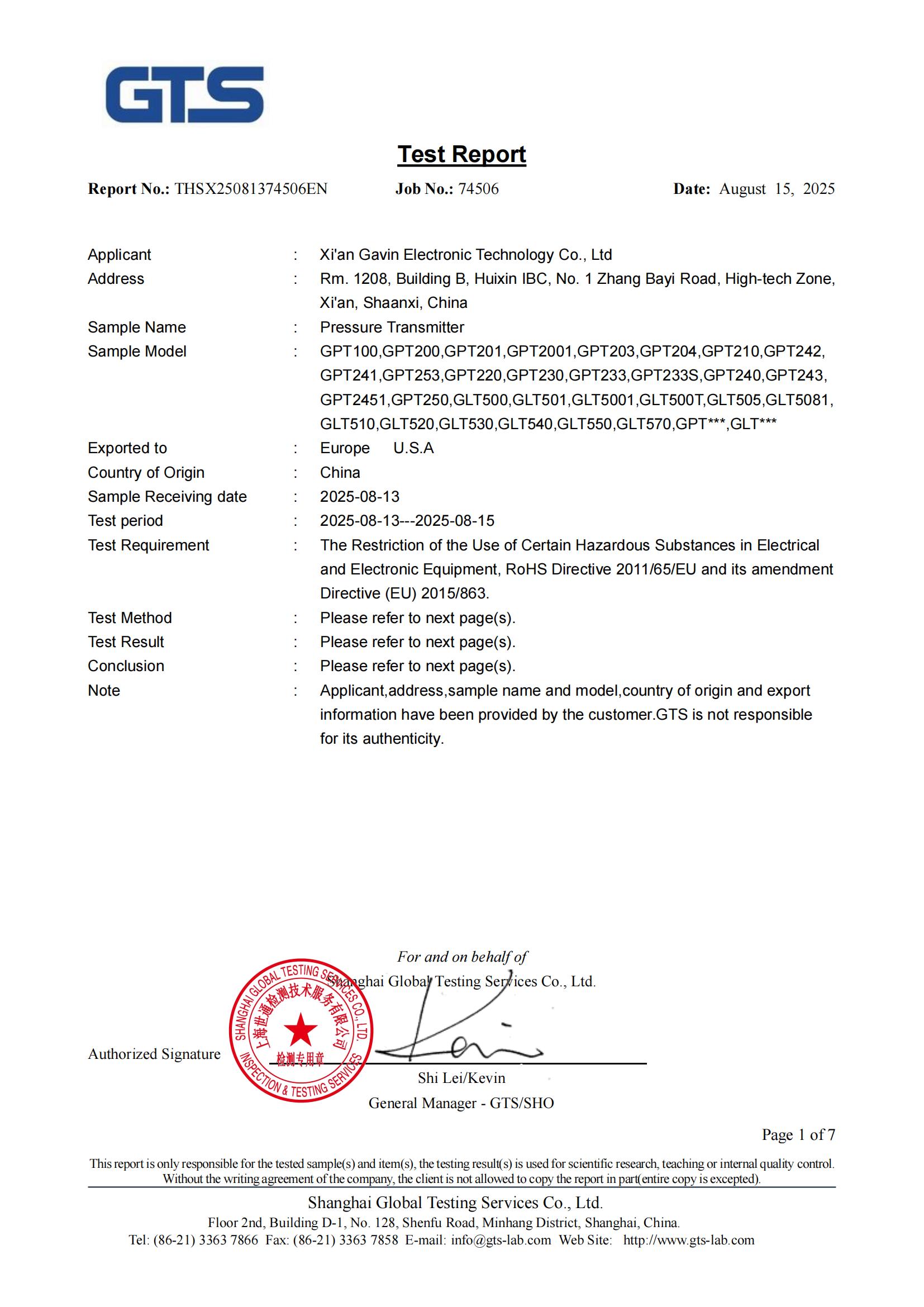
GAMICOS not only makes great goods, but they also offer full expert support throughout the lifecycle of your equipment, from helping you with the initial specifications to helping you with installation to ongoing calibration consultations. Our engineering team works directly with your repair staff and teaches them the best ways to re-range things based on the conditions of your application. Whether you need CE-certified sensors for European markets, explosion-proof models for dangerous areas, or IoT-enabled smart emitters with remote diagnostics, we can make sure that our products are exactly what you need for your business. Get in touch with our experts at info@gamicos.com to get individual advice, detailed technical specs, or cheap quotes that show how committed we are to the success of your measurement.
References
1. Liptak, B. G. (2018). Instrument Engineers' Handbook: Process Measurement and Analysis (5th ed.). CRC Press.
2. Webster, J. G., & Eren, H. (2014). Measurement, Instrumentation, and Sensors Handbook: Spatial, Mechanical, Thermal, and Radiation Measurement (2nd ed.). CRC Press.
3. International Society of Automation. (2020). ISA-51.1: Process Instrumentation Terminology. ISA Standards.
4. Omega Engineering Technical Reference. (2021). Pressure Measurement and Calibration Handbook. Omega Engineering Inc.
5. Johnson, C. D. (2016). Process Control Instrumentation Technology (8th ed.). Pearson Education.
6. National Institute of Standards and Technology. (2019). Guidelines for Pressure Sensor Calibration and Maintenance. NIST Technical Publication Series.

Ivy
Ivy, product consultant, has focused on sensor consultation for ten years, is proficient in providing pressure and level measurement solutions for customers.
We're here to help — submit your request anytime!
Let us know how we can help solve your pressure level measurement challenge.
_1757930850792.jpg)
Recommended Blog
Top Ceramic Pressure Sensors for Chemical Plants in Europe
Best Ceramic Pressure Sensors for Wastewater Treatment in Asia
Top Wireless Pressure Sensors for Pipeline Monitoring in Europe
Industrial Wireless Pressure Sensor with App and Remote Alarm

Best Sanitary Pressure Transmitter for Pharmaceutical Applications
Top Ceramic Pressure Sensors for Chemical Plants in Europe
Best Ceramic Pressure Sensors for Wastewater Treatment in Asia
Top Wireless Pressure Sensors for Pipeline Monitoring in Europe
Industrial Wireless Pressure Sensor with App and Remote Alarm